Texas Plants You Should Put In The Ground Before May Heat Locks In
Texas gardeners know spring does not wait around. One stretch of pleasant weather can make the yard feel full of possibility, then suddenly the forecast starts climbing and the ground begins heating up in a way that changes everything.
That is why plant timing matters so much, especially for anything that needs a little breathing room before summer turns serious.
This is the part of the season when weekends fill up fast. People are mulching beds, dragging hoses across the yard, and trying to get new plants settled before the whole landscape starts feeling brighter, hotter, and less forgiving.
Putting the right plants in now can mean stronger roots, fewer struggles, and a much better show later.
Not every plant handles that transition the same way in Texas. Some really need this spring window to get established.
The ones coming up are the smart choices to plant before May starts calling the shots.
1. Blue Princess Verbena Brings Big Color
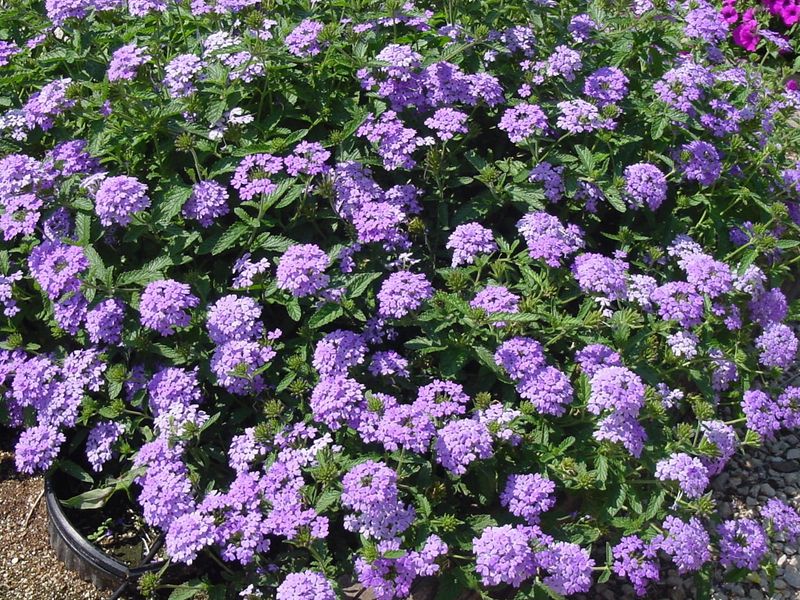
Few plants pack as much color into such a compact package as Blue Princess Verbena. With its clusters of rich violet-blue flowers, this beauty practically begs to be planted along walkways, in hanging baskets, or spilling over the edges of raised beds across Texas yards.
It blooms generously and does not ask for much in return.
Blue Princess Verbena loves full sun, which makes it a natural fit for the intense light Texas dishes out from spring through fall. Plant it before May arrives and it will have enough time to develop a strong root system before the real heat sets in.
Once established, it handles dry spells surprisingly well for such a delicate-looking flower.
Gardeners in Dallas and Fort Worth have found this verbena to be one of the most reliable bloomers through the long Texas growing season. It attracts butterflies and pollinators regularly, adding movement and life to your outdoor space.
Water it consistently during the first few weeks after planting, then back off once roots are settled. Deadheading spent blooms encourages fresh flowers to keep appearing week after week.
A light layer of mulch around the base helps hold in soil moisture during warmer months, giving Blue Princess Verbena the steady support it needs to perform at its very best all season long.
2. Cape Plumbago Keeps Blooming Strong
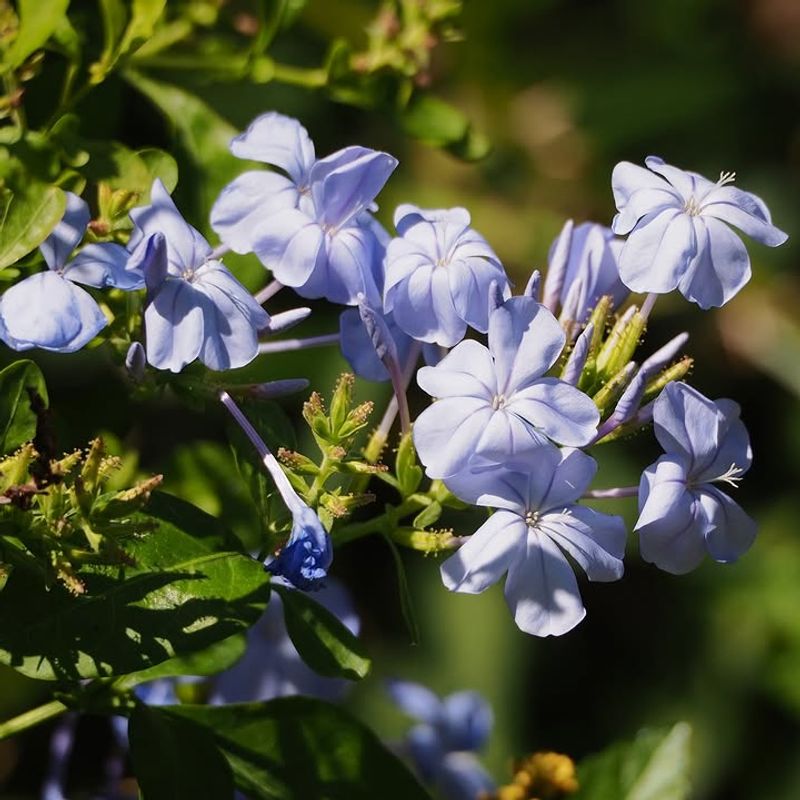
There is something almost magical about the soft sky-blue flowers of Cape Plumbago. This fast-growing shrub has been a Texas garden favorite for decades, and for good reason.
It blooms from spring straight through fall without much fussing, making it one of the hardest-working plants you can put in the ground right now.
Cape Plumbago thrives in full sun to partial shade, which gives Texas gardeners a lot of flexibility when choosing a planting spot. It works beautifully as a backdrop plant, a hedge, or even a sprawling ground cover on slopes.
In cities like San Antonio and Corpus Christi, where summers stretch long and hot, this shrub keeps producing those cheerful blue blooms without missing a beat.
Your Texas Garden Changes Every Week. Your Plan Should Too.
Gardening in Texas changes quickly throughout the season. Every Friday you’ll receive a simple weekly plan showing exactly what to plant, prune, fertilize, harvest, and protect so you never miss the right timing.
Get it in the ground before May and you will be amazed at how quickly it establishes itself. The root system develops fast, and once settled in, Cape Plumbago becomes remarkably drought-tolerant.
Water it well during the first month after planting, then reduce frequency as it matures. It pairs wonderfully with yellow lantana or red salvia for a bold color contrast in the landscape.
Butterflies and bees visit it regularly, adding natural energy to your garden. Prune it back in late winter each year to encourage fresh, vigorous new growth and maintain a tidy, full shape throughout the growing season.
3. White Stream Lobularia Softens Every Edge
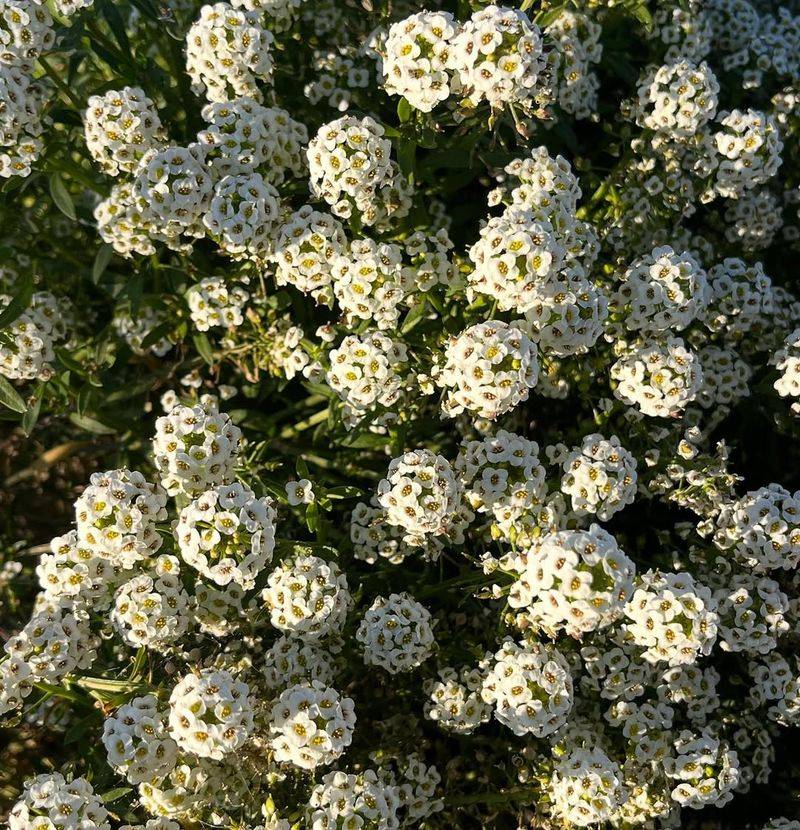
Sweet alyssum has long been a gardener’s secret weapon, and White Stream Lobularia is one of its most impressive forms. Cascading with tiny, honey-scented white flowers, this low-growing plant fills gaps in garden beds beautifully and softens hard edges along borders and containers.
It looks delicate but performs like a tough heat-tolerant annual in Texas gardens.
What makes White Stream Lobularia especially valuable in Texas is its ability to handle heat better than older alyssum varieties. Plant it in early spring before May, and it gets a solid head start before temperatures climb.
It grows quickly and spreads sideways in a way that naturally fills in bare soil, which also helps reduce weeding. That is a win for any busy gardener.
Across Texas, from the Hill Country to the Gulf Coast, this plant thrives in full sun to light shade. It pairs beautifully with purple verbena or bright orange marigolds for a layered, colorful look.
The sweet fragrance it releases in the evening makes sitting outdoors even more enjoyable. Pollinators absolutely love it, and you will notice bees and butterflies visiting almost immediately after planting.
Water regularly during the establishment period, and make sure the soil drains well since soggy roots are its one weakness. A modest application of balanced fertilizer at planting time sets White Stream Lobularia up for a full, productive season of blooming.
4. Whopper Begonias Bring Bold Impact
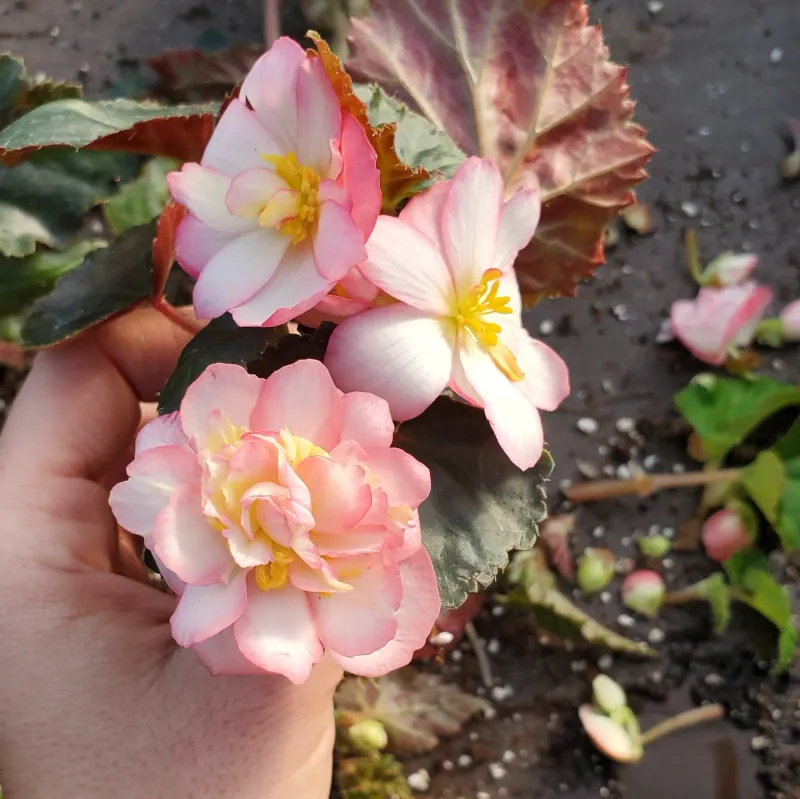
If you have ever walked past a garden bed overflowing with massive, rose-like blooms in shades of pink, red, and white, chances are you were looking at Whopper Begonias. True to their name, these plants produce flowers far larger than standard begonias, creating a showstopping display that turns heads all season long in Texas landscapes.
Whopper Begonias are one of the best choices for spots that receive partial shade, which can be tricky to plant in Texas. They tolerate heat much better than older begonia varieties and keep blooming even when temperatures climb into the nineties.
Getting them in the ground before May gives the roots time to anchor properly before the intense summer heat arrives across the state.
Gardeners in Houston and East Texas, where humidity and heat combine, have found Whopper Begonias to be surprisingly resilient. They work brilliantly in large containers on covered patios, in shaded beds under trees, or along the north-facing side of a home.
Use a rich, well-draining potting mix and water consistently but avoid letting the soil stay waterlogged. Feeding with a slow-release fertilizer at planting and again mid-season keeps the blooms coming strong.
The bronze-tinted foliage adds extra visual interest even when flowers are not at peak. Few plants deliver this level of drama with this little effort anywhere in Texas.
5. Dwarf Mexican Petunia Handles Heat Beautifully
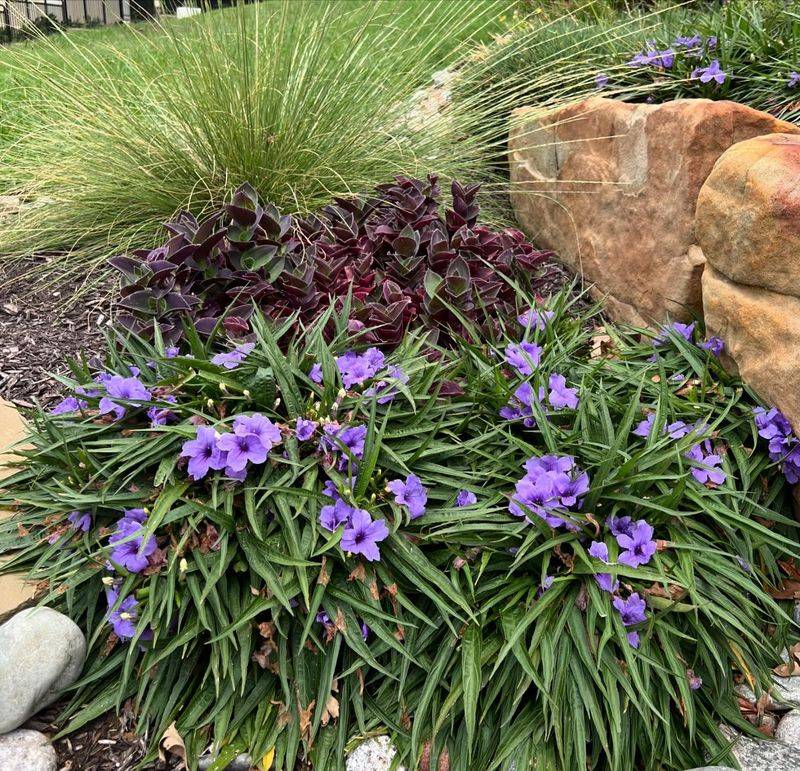
Unlike its taller relative that can spread aggressively, the dwarf form stays more compact, though gardeners should still choose named dwarf selections carefully.
One of the best things about this plant is its toughness. Once established in Texas soil, Dwarf Mexican Petunia can handle drought, heat, and even occasional flooding without much complaint.
Plant it before May and it will be well-rooted and ready to take on whatever the Texas summer throws its way. It performs equally well in full sun or partial shade, giving you plenty of flexibility in the landscape.
In cities like Austin, Waco, and Lubbock, this plant has become a go-to choice for low-water landscaping projects. It looks stunning when planted in mass groupings along borders, driveways, or around mailboxes.
Hummingbirds and butterflies are drawn to its flowers, making your yard feel like a natural wildlife habitat. Trim it back lightly in midsummer if it starts to look leggy, and it will bounce back quickly with fresh new growth.
Pair it with yellow lantana or red salvia for a vibrant color combination that thrives through the long, demanding Texas growing season without constant attention from the gardener.
6. Mystic Spires Blue Salvia Adds Cool Color
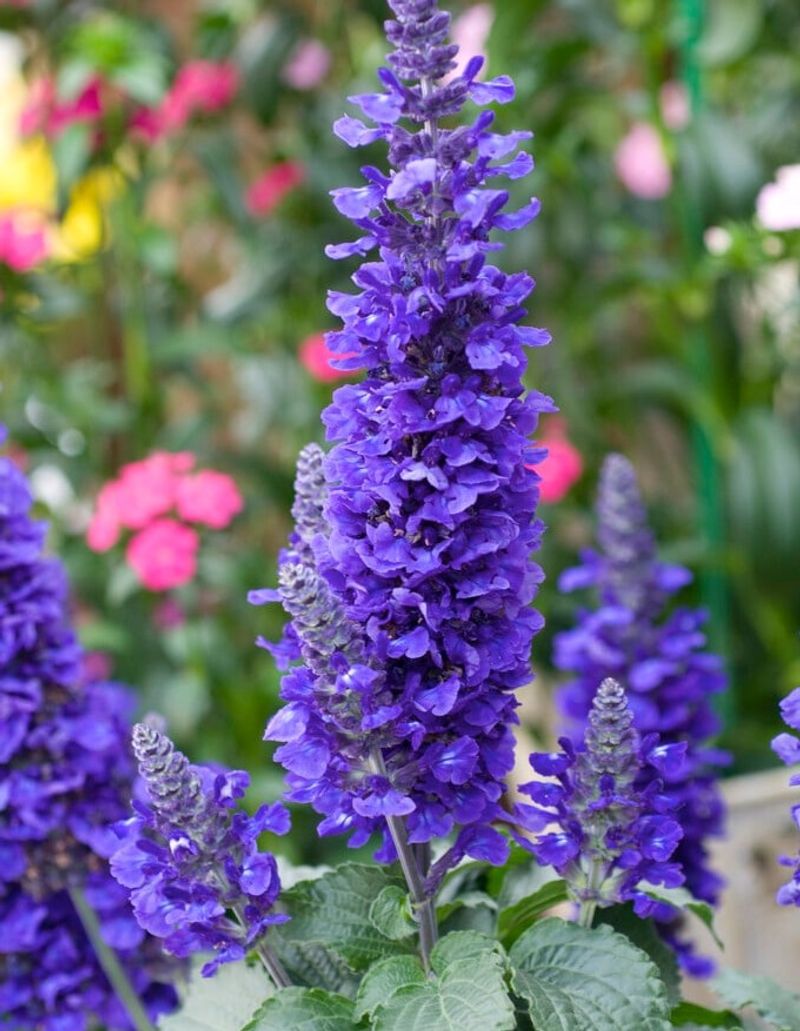
Tall, striking, and absolutely loaded with deep blue flower spikes, Mystic Spires Blue Salvia is one of those plants that makes every other plant in the garden look better just by standing next to it. Developed as a longer-blooming, more compact version of traditional salvia, this variety produces spikes that stretch up to two feet and bloom for months without stopping.
Texas summers are no match for Mystic Spires Blue Salvia. It was practically built for hot, sunny conditions and performs at its best when temperatures are high and the sun is relentless.
Plant it before May and it settles in quickly, establishing strong roots that help it endure the brutal heat that rolls across Texas from June through September.
Hummingbirds are wild about this salvia, and you will likely spot them visiting within days of planting. Bees and butterflies also frequent the blooms, turning your garden into a lively outdoor scene.
It works beautifully as a back-of-border plant, providing vertical interest behind shorter flowers like verbena or lobularia. In landscapes across Central and South Texas, Mystic Spires Blue Salvia has proven itself to be a reliable, season-long performer that rarely disappoints.
Water it regularly during establishment, then reduce irrigation once it is settled. Deadhead spent spikes occasionally to keep fresh blooms coming through the entire growing season with minimal effort on your part.
7. New Gold Lantana Lights Up Fast
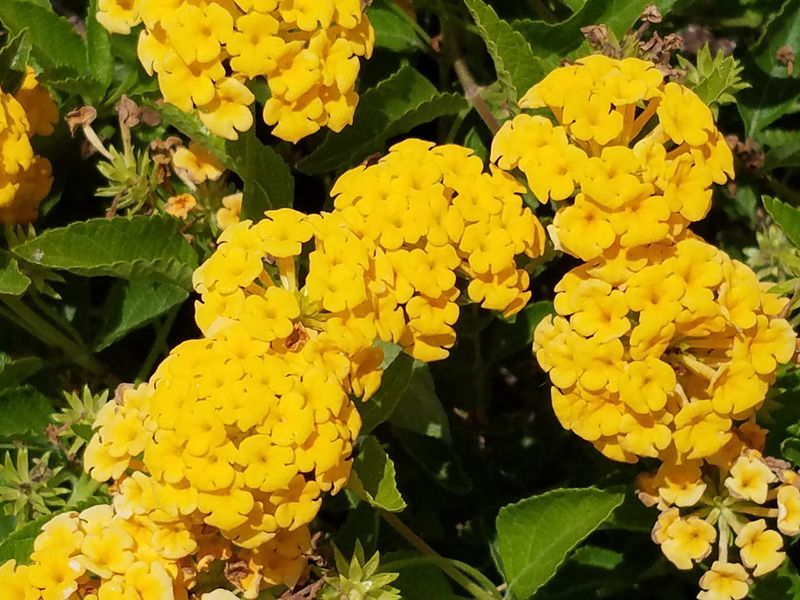
Bright, cheerful, and practically indestructible once established, New Gold Lantana is one of the most beloved flowering plants across Texas. Its nonstop clusters of pure golden-yellow blooms light up garden beds, slopes, and containers from spring straight through the first frost, providing color even when most other plants start to struggle in the heat.
New Gold Lantana is a sterile variety, which means it puts all its energy into producing flowers rather than seeds. That makes it an especially heavy bloomer compared to other lantana types.
Plant it before May in Texas and watch it explode with growth as temperatures rise. It thrives in full sun and extremely well-drained soil, tolerating drought conditions that would stress out most other flowering plants.
Across the Texas Hill Country, Panhandle, and Gulf Coast regions, New Gold Lantana has earned a reputation as an almost foolproof choice for beginners and experienced gardeners alike. Butterflies flock to it in enormous numbers, especially swallowtails and monarchs passing through during migration season.
Space plants about three feet apart to allow room for spreading, as they can grow quite wide over a full season. Avoid overwatering once established, since lantana actually blooms more freely when slightly stressed by dry conditions.
A hard trim in early spring each year encourages a dense, full shape and keeps New Gold Lantana looking its absolute best from season to season.
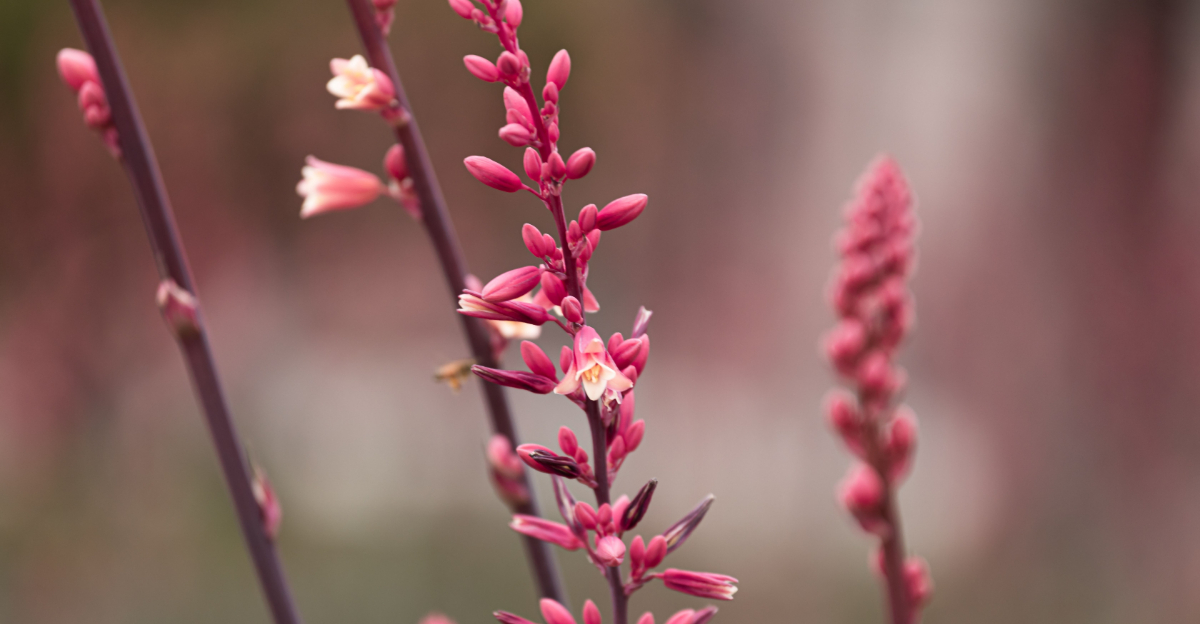
8. Red Yucca Brings Tough Beauty
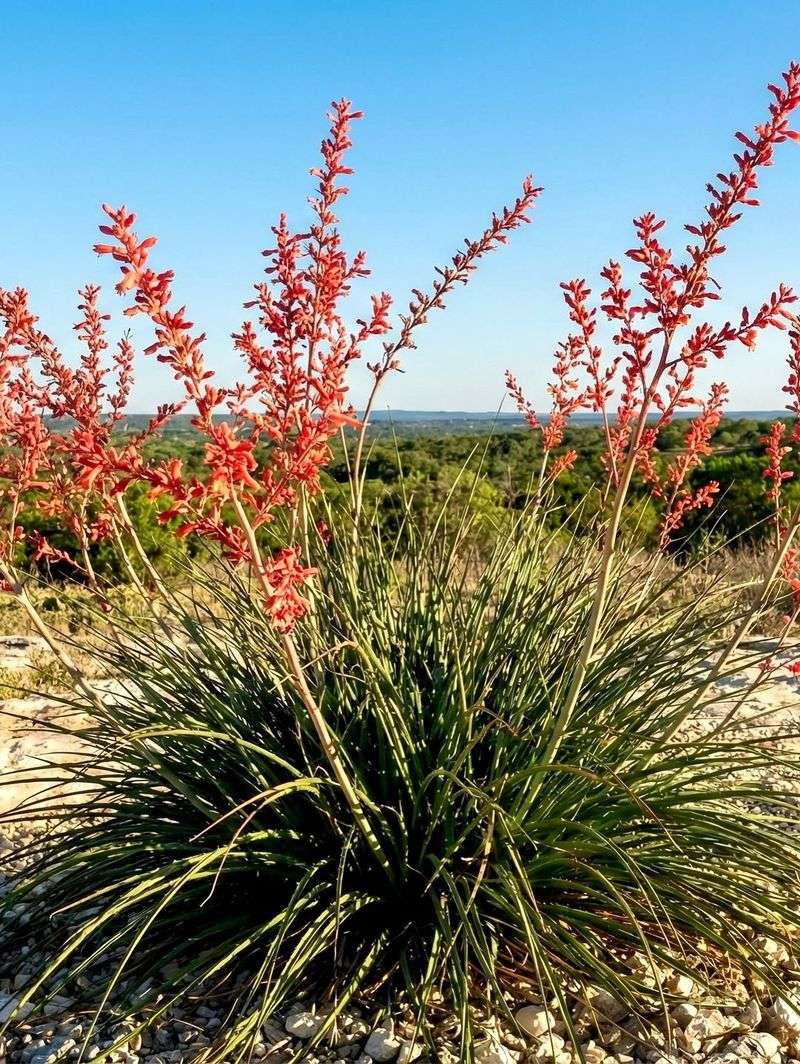
Not every great Texas garden plant has to be a flower. Red Yucca brings something different to the landscape, with its graceful, grass-like foliage and stunning tall spikes of coral-red tubular flowers that shoot up like natural fireworks.
Despite the name, Red Yucca is not a true yucca at all but a native Texas plant called Hesperaloe parviflora, and it is absolutely worth knowing.
Red Yucca is one of the toughest plants you can put in a Texas garden. Once established, it requires almost no supplemental water, making it a dream plant for low-maintenance landscapes and xeriscape designs.
Planting before May gives it time to anchor its deep roots before summer heat peaks, setting it up for decades of reliable performance in the landscape.
Hummingbirds are particularly devoted to Red Yucca, visiting the long tubular flowers repeatedly throughout the blooming season, which can stretch from spring all the way through fall. It looks stunning in rock gardens, along driveways, or as a bold focal point in mixed beds.
In dry West Texas and along the Edwards Plateau, it thrives in rocky, alkaline soils where many other plants struggle. Plant it in full sun and resist the urge to over-irrigate.
Red Yucca is one of those rare plants that actually does better when you leave it alone, letting the Texas climate do all the work for you naturally.
9. Turk’s Cap Adds Easy Charm
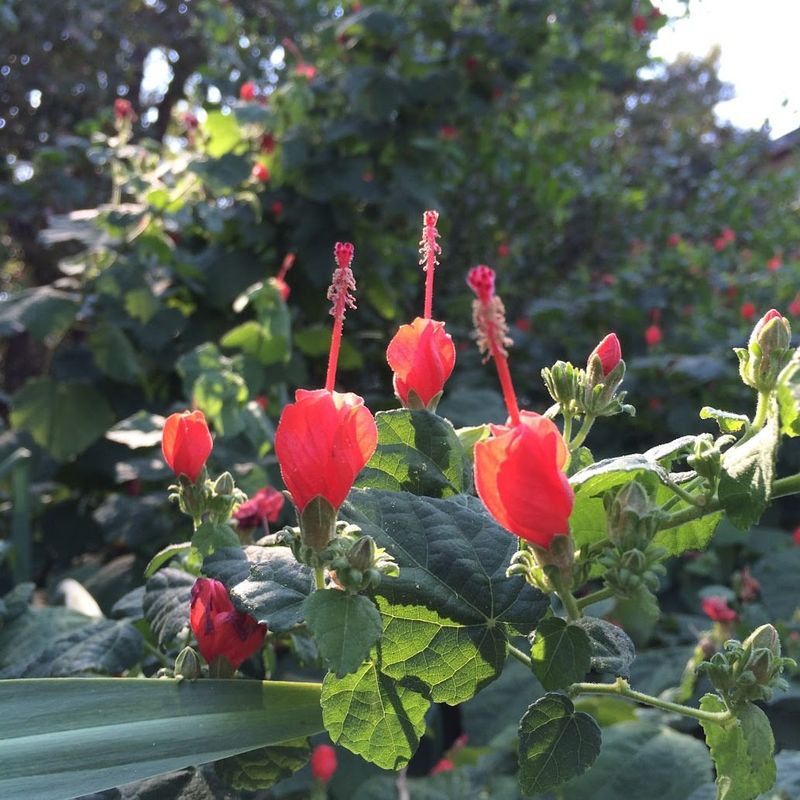
Shaded spots in Texas gardens can feel like a puzzle, but Turk’s Cap solves it beautifully. This native Texas shrub produces unique, twisted red flowers that never fully open, giving them a whimsical, lantern-like appearance that stands out in any garden setting.
It is one of the few flowering plants that actually prefers shade and still puts on a spectacular show from summer through fall.
Turk’s Cap is native to Texas, which means it evolved to handle the heat, humidity, and soil conditions found across the state. Planting it before May gives it a chance to establish roots while temperatures are still manageable.
Once settled in, it becomes remarkably self-sufficient, requiring little water or maintenance to keep producing its colorful blooms season after season.
Hummingbirds treat Turk’s Cap like a favorite restaurant, returning to it again and again throughout the day. Butterflies and bees also visit regularly, and the small red fruits that follow the flowers attract songbirds to the garden.
It grows well under the canopy of large oak trees, along fence lines, or in shaded courtyards in cities like Austin, Houston, and San Antonio. Give it room to spread since mature plants can reach six feet wide.
Prune it back in late winter to keep growth tidy and encourage vigorous new stems. Turk’s Cap is proof that native Texas plants are some of the most rewarding you can grow.