Oregon Yard Changes That Make Tick Habitat Less Inviting Before Fall
Ticks are not exactly the kind of backyard visitors anyone hopes to discover while pulling weeds, walking the dog, or relaxing near the garden.
Yet an Oregon yard can offer plenty of tiny hiding places that are easy for people to overlook, especially when plants are full, grass is growing fast, and outdoor spaces have had months to get a little wild around the edges.
The good news is that preparing a yard for the next season does not have to mean stripping it bare or turning the landscape into a perfectly manicured rectangle.
Small changes can make outdoor areas feel cleaner, easier to manage, and potentially less appealing to unwanted hitchhikers. Bonus points if the yard looks better afterward too.
As cooler weather approaches, this is a useful time to look at how different parts of the property are arranged and maintained.
Garden borders, gathering areas, pathways, and overlooked corners can all deserve a second glance.
A few thoughtful adjustments now may help create a yard that feels more comfortable for people and pets while giving ticks fewer reasons to stick around.
1. Keep Grass Short Around The Yard Edges

Ticks do not wander far from where they hatch. They tend to wait in tall grass near the edges of your yard, clinging to blades and waiting for a passing host.
Keeping grass short, especially along borders and fence lines, removes one of their favorite hiding spots.
Aim to mow your lawn regularly, keeping it under three inches tall. Pay extra attention to the edges where the lawn meets a fence, garden bed, or wooded area. Those transition zones are where ticks are most commonly found.
A string trimmer works great for tight spots that a mower cannot reach. Getting into corners and along fence bases makes a real difference. Even a small strip of tall grass can shelter dozens of ticks at a time.
Short grass also dries out faster after rain or morning dew. Ticks need moisture to survive, so a dry, trimmed lawn is much less appealing to them. You are basically removing their shelter and their water source at the same time.
Make mowing a weekly habit through late summer and into fall. Do not wait for the grass to get long before cutting it back down.
Consistency is what keeps the edges of your yard from becoming a tick corridor that leads right to your back door.
2. Clear Leaf Litter From Shady Corners
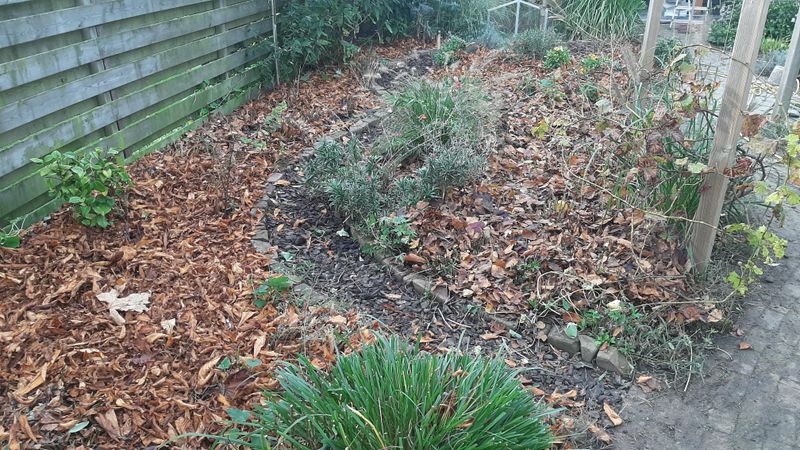
Leaf litter is basically a five-star hotel for ticks. It stays cool, holds moisture, and provides cover from wind and direct sunlight.
Shady corners of a yard are often where leaves collect and sit undisturbed for weeks or even months.
Ticks are not just hiding in leaf piles by accident. They actively seek out decomposing organic matter because it keeps them hydrated and protected.
A thick layer of old leaves can shelter ticks through temperature swings and dry spells. Raking and bagging leaf litter regularly is one of the simplest ways to reduce tick habitat. Focus on corners near fences, under trees, and along the edges of garden beds.
Your Oregon Garden Changes Every Week. Your Plan Should Too.
Gardening in Oregon changes quickly throughout the season. Every Friday you’ll receive a simple weekly plan showing exactly what to plant, prune, fertilize, harvest, and protect so you never miss the right timing.
These are the spots where leaves tend to build up without much foot traffic to disturb them.
Do not just move the pile to another corner of the yard. Bag the leaves or compost them in a bin away from areas where people and pets spend time. Relocating the problem does not solve it.
If you have a lot of trees, try to rake every couple of weeks during fall. Getting ahead of the buildup keeps shady corners from becoming tick refuges.
A clean corner does not give ticks the cover they need to thrive, and that small act of tidying up can protect your whole yard.
3. Trim Back Dense Brush Along Fences
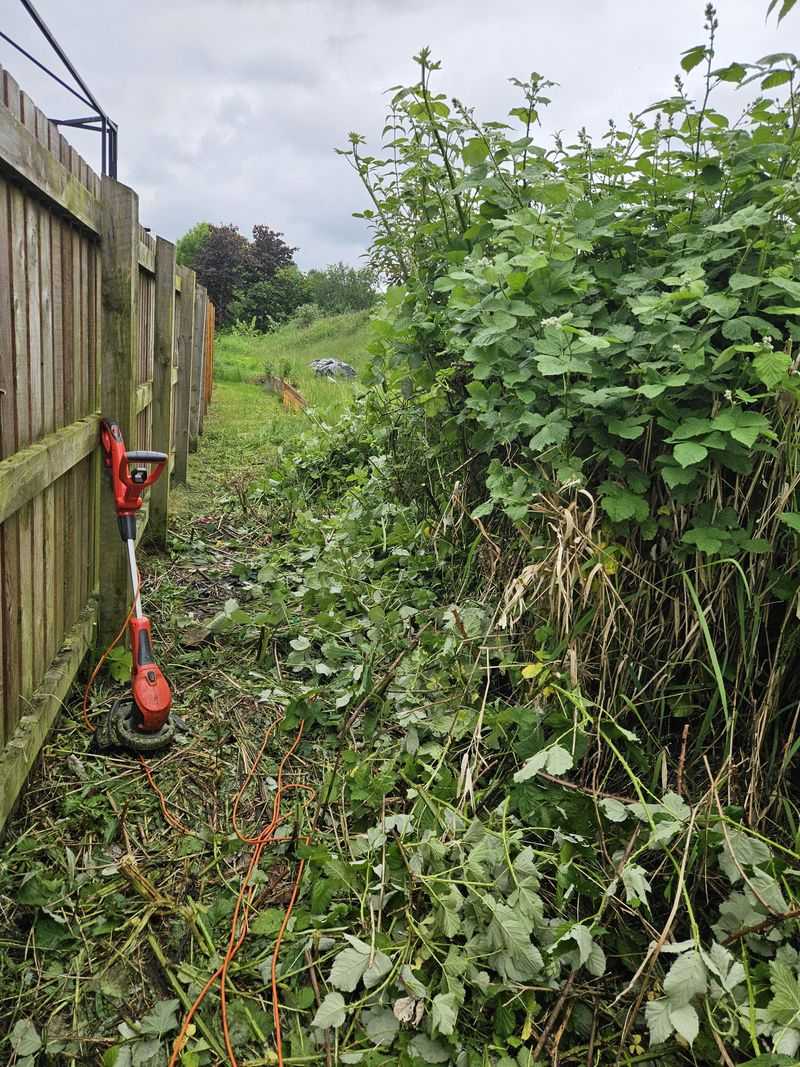
Dense brush along a Oregon fence line is one of the most overlooked tick habitats in a typical yard.
The thick growth blocks sunlight, traps moisture, and creates a shaded corridor that ticks absolutely love.
Fences often act as windbreaks, making the area behind them even more sheltered and humid.
Trimming back shrubs, brambles, and overgrown plants along the fence creates a more open environment.
Sunlight can reach the ground, the soil dries faster, and ticks lose the cover they depend on. Even cutting growth back by a foot or two makes a noticeable difference.
Use loppers or pruning shears for woody stems, and a hedge trimmer for softer growth. Work from the top down and remove as much of the interior bulk as possible, not just the outer surface.
Ticks hide deep inside dense shrubs, so surface trimming alone is not enough. After trimming, clear away all the cut material promptly. Piles of clippings left on the ground create new tick habitat almost immediately.
Bag them or haul them to a compost area that is well away from where your family plays or relaxes.
Repeat this trimming every few weeks through the end of summer. Brush grows back fast, especially in wet years.
Staying on top of fence-line growth is an easy habit that pays off big when it comes to keeping ticks from moving into your yard.
4. Open Up Overgrown Areas To More Sunlight

Sunlight is one of the most powerful natural forces working against ticks. They dry out quickly when exposed to direct sun and heat.
Overgrown areas that stay shaded all day give ticks exactly the cool, damp conditions they need to stay active and healthy.
Look around your yard for spots that feel dark even on a sunny day. These might be areas under large shrubs, beside a garage wall covered in vines, or corners where trees have grown together overhead.
These are prime tick zones. Clearing out some of that overgrowth lets sunlight hit the ground and warm the soil. You do not have to remove everything.
Even thinning out a few branches or pulling back a vine-covered fence can open things up enough to change the conditions significantly.
Pruning trees to raise the canopy is another great option. Removing lower branches lets more light reach the ground beneath the tree without removing the tree itself.
A little light goes a long way when it comes to making tick habitat less comfortable.
In the Pacific Northwest, where many yards border wooded areas, opening up overgrown sections takes extra effort but delivers real results.
Ticks need shade to survive, and reducing it around your yard edges, garden borders, and fence corners can cut down on their numbers noticeably by the time fall rolls around.
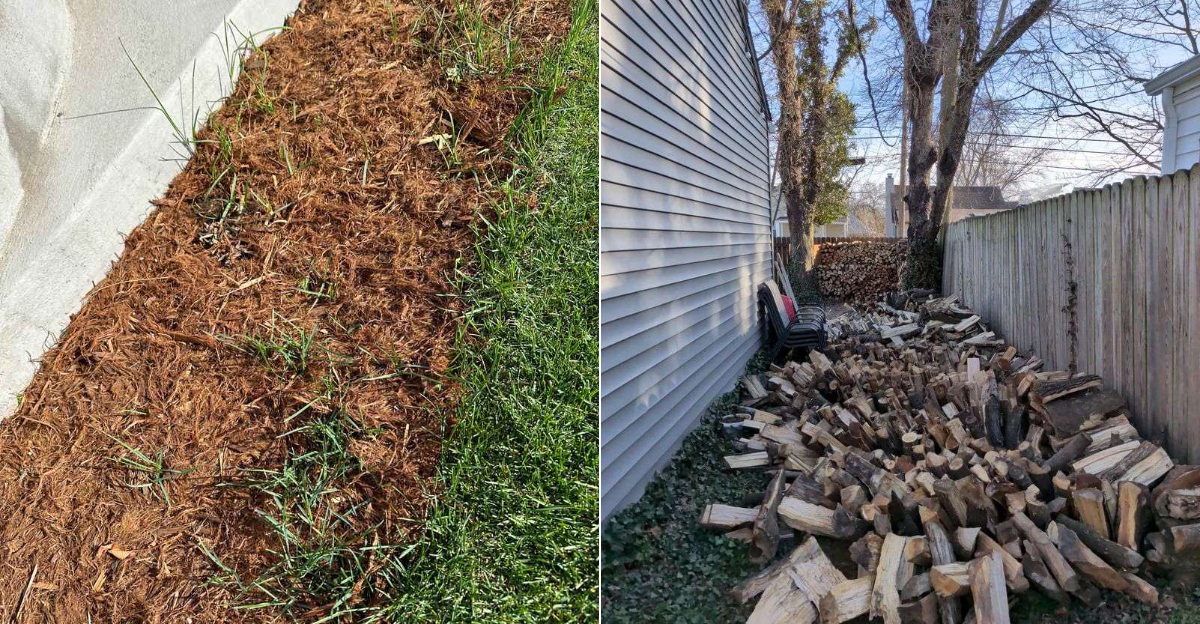
5. Move Woodpiles Away From Regular Hangout Spots

Woodpiles are cozy hideaways for all kinds of wildlife, and ticks are no exception. The gaps between logs stay cool and dark, and the wood itself holds moisture for a long time.
When a woodpile sits close to a patio, playground, or garden seating area, it becomes a launching pad for ticks to reach people and pets.
Moving the woodpile to the far edge of the yard, away from where your family spends time, puts distance between the tick habitat and the humans. It is a simple shift, but it matters.
Ticks do not travel far on their own, so even a move of twenty or thirty feet can reduce exposure significantly.
When you stack the wood, try to keep it off the ground. Use a rack or pallets to lift the bottom layer.
Ticks and the small rodents that carry them love to nest in wood that sits directly on damp soil.
Stack the wood tightly and in a sunny spot if possible. Sunlight helps the wood dry faster and makes the environment less hospitable for ticks. Loose, messy piles with lots of gaps and shade are the worst option.
Cover the top of the pile with a tarp during rainy stretches to keep it dry. A dry woodpile in a sunny, remote spot of the yard is far less likely to become a tick hub than a shaded, ground-level pile near your back door.
6. Create A Cleaner Border Between Lawn And Brush
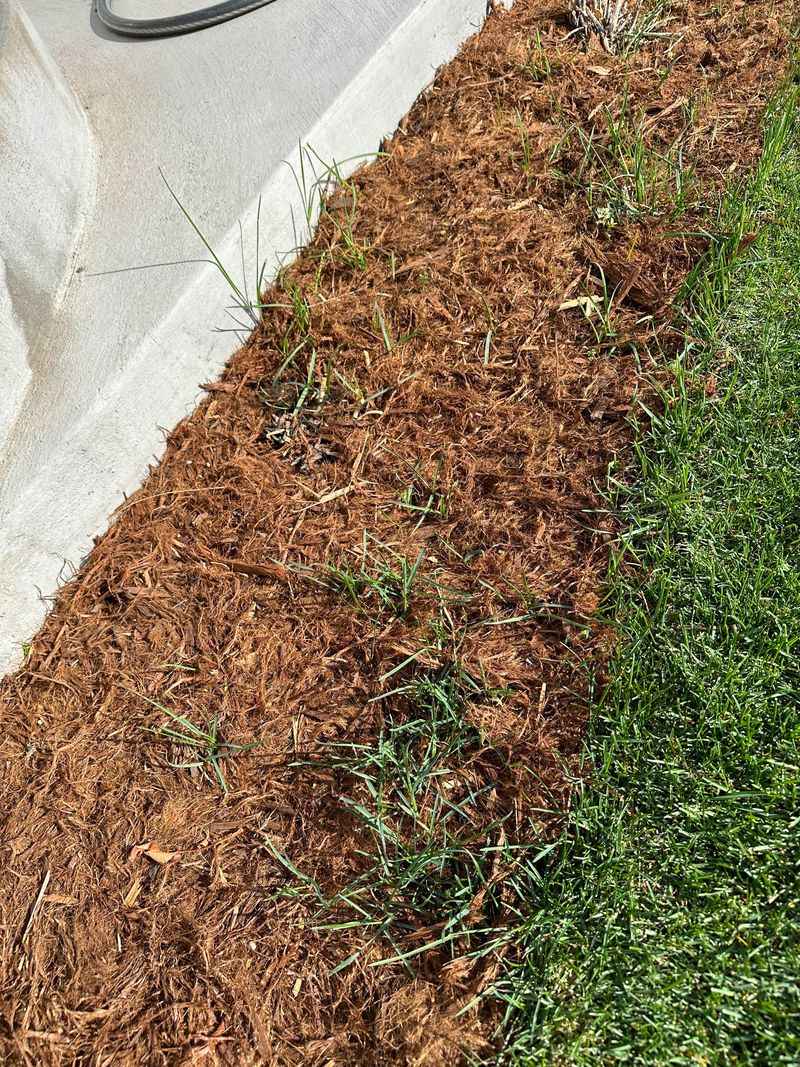
One of the smartest things you can do for tick control is to create a clear, physical barrier between your lawn and any brushy or wooded areas nearby.
Ticks move from wild areas into yards by crawling through connected vegetation. A clean border interrupts that path.
A strip of wood chips or gravel about three feet wide works really well as a tick barrier. Ticks avoid crossing dry, sunny, open surfaces because they dehydrate quickly.
A mulched border acts like a moat that slows their movement into your yard.
Keep the border neat and free of leaf debris. If leaves or plant material collect on the mulch strip, it starts to provide the moisture and cover that ticks are looking for. Refresh the mulch every season to keep it dry and effective.
You can also use a clean edge of bare soil or a low gravel path to create this kind of separation. The key is that the material stays dry and open to sunlight.
Any border that stays damp and shaded will eventually become part of the problem rather than the solution.
Defining this edge also makes your yard look more polished and intentional. It is a landscaping improvement that also doubles as pest management.
Homeowners across the country, including many in Oregon, have found that a simple mulch border reduces tick encounters near the yard edge dramatically.
7. Keep Paths Wide And Free Of Tall Vegetation
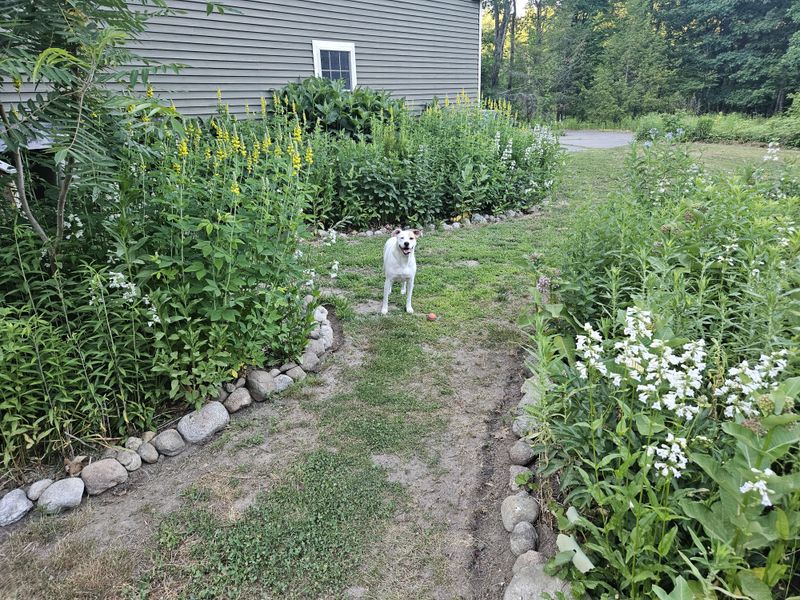
Narrow paths with tall plants brushing both sides are basically a tick gauntlet. Every time you or your kids walk through, there is contact with vegetation on both sides.
Ticks transfer onto hosts through that kind of brush contact, so wide and open paths reduce the risk every single time someone walks through the yard.
Try to keep pathways at least three feet wide, and make sure the vegetation on both sides is trimmed back well below shoulder height. The goal is to walk through without touching any plants at all.
That sounds simple, but it takes regular maintenance to achieve. Check paths that run near garden beds, along fences, or through any wooded section of the property. These are the highest-risk routes in a typical yard.
Cutting back the plants that overhang or crowd the path edges is a quick job that makes a meaningful difference.
Gravel or wood chip paths also help because they create a dry, open surface that ticks avoid. Grass paths are fine too, as long as the grass stays short and the edges are trimmed regularly.
The material matters less than the width and the maintenance habit. Walk the paths in your Oregon yard and notice where you brush against plants. Those contact points are your priority areas for trimming.
A wide, clear path is safer, more comfortable, and more inviting for everyone who uses the yard on a daily basis.
8. Thin Groundcover Where It Stays Cool And Damp
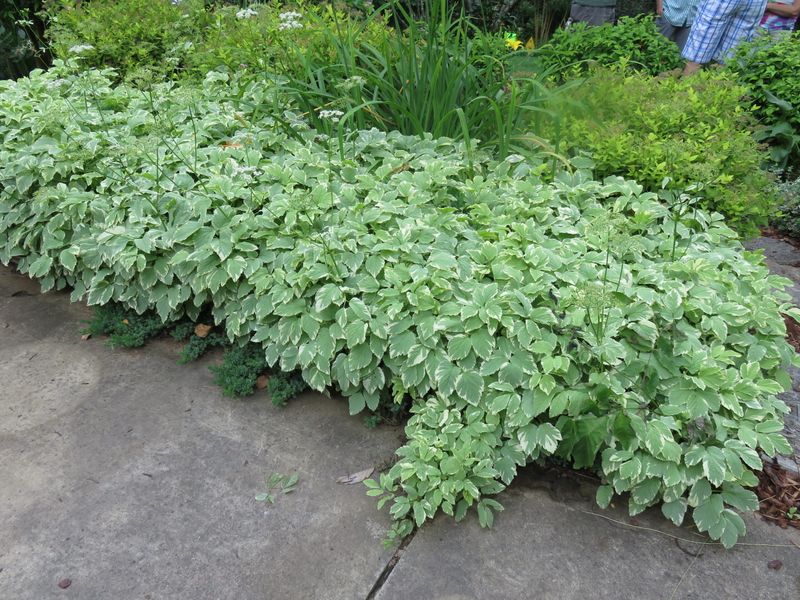
Thick groundcover might look lush and low-maintenance, but it can quietly become one of the best tick habitats in the yard.
Plants like ivy, pachysandra, or creeping Jenny grow in dense mats that hold moisture close to the soil and block sunlight from reaching the ground. That combination is exactly what ticks look for.
Thinning groundcover in shaded, damp areas breaks up the cover and lets air and light get in. You do not have to remove it entirely.
Pulling out sections or cutting it back to reduce the thickness can change the microclimate enough to make it less tick-friendly.
Focus on areas that stay wet after rain or that never seem to fully dry out. Spots near downspouts, under dense trees, or along shaded fence lines are common problem zones.
If the soil feels cool and moist even on a warm afternoon, ticks are likely to be comfortable there.
After thinning, consider replacing some groundcover with a drier option like gravel, stepping stones, or drought-tolerant plants that do not create a dense mat. Changing the plant material changes the habitat conditions.
Thinning groundcover is a one-time effort that pays off for the whole season. Once you open up those damp patches to more air and light, the conditions shift quickly.
Less moisture and more exposure make it much harder for ticks to stay comfortable and active through the fall months ahead.