Some Florida Yards Attract Raccoons More Than Others And Here’s Exactly Why
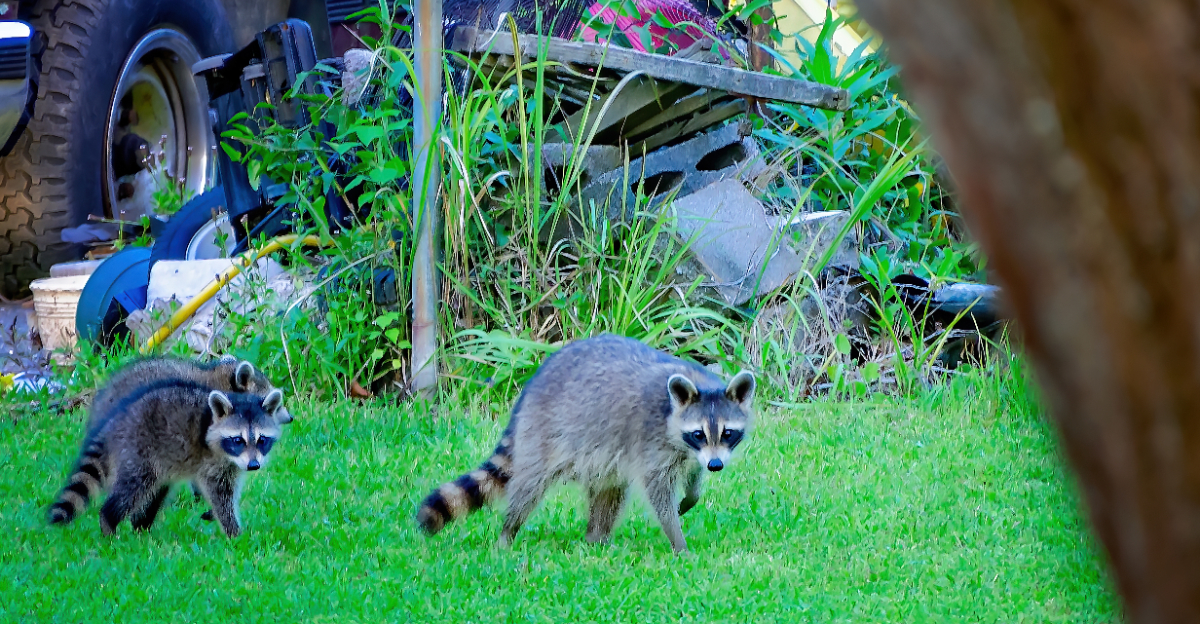
Something about your Florida yard is on a raccoon’s regular route and has been for longer than you realized. Not the neighbor’s yard.
Not the one down the street. Yours specifically, on a schedule reliable enough that the raccoon stopped treating it as a discovery and started treating it as an appointment.
Raccoons are methodical. They assess, they return, and they upgrade a yard from occasional stop to nightly territory the moment it crosses a certain threshold.
What puts a yard on that list is specific. What keeps it there is even more specific.
The difference between a yard raccoons work every night and one they pass over entirely comes down to a handful of things hiding in plain sight. Your yard is telling raccoons something.
The question is what.
1. Your Trash Can Becomes A Midnight Buffet
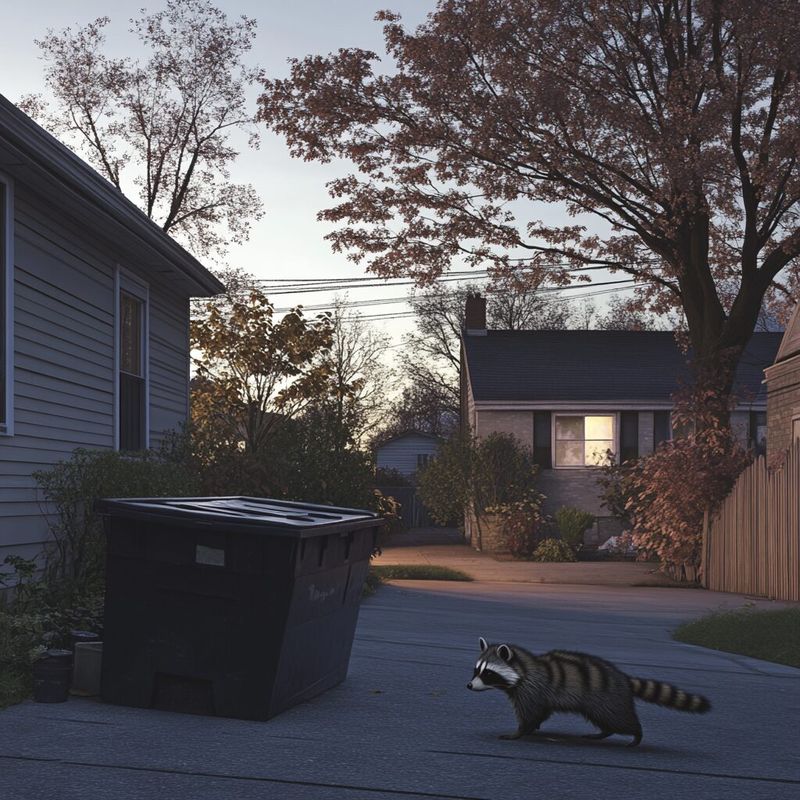
A knocked-over trash can in the morning is one of the clearest signs that something visited overnight. Household garbage is packed with food residue, meat scraps, and strong smells that carry far on a warm Florida night.
A standard lid held down only by gravity offers very little real protection.
According to the University of Florida IFAS Extension, unsecured garbage is one of the most common wildlife attractants near homes. The issue is not just the food itself but the predictability.
A trash can that is accessible every week on the same collection night becomes a reliable stop worth checking again and again.
Keeping bags inside a garage or shed until collection morning removes much of that predictability. Bins with locking lids or bungee cords add another layer of resistance.
Rinsing food containers before tossing them also reduces the scent load that travels through a closed bin. Small adjustments like these do not guarantee zero wildlife contact, but they make the yard a less consistent reward.
Raccoons are not targeting your property out of spite. They are simply following their nose toward the easiest calories available on any given night.
2. Pet Bowls Make Dinner Far Too Easy
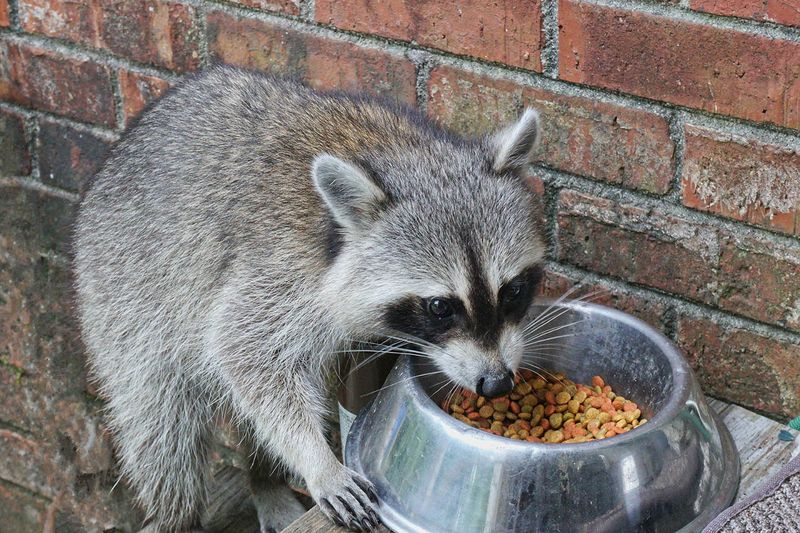
Leaving a pet bowl on the back porch after dinner seems harmless. For wildlife passing through after dark, though, that bowl is a fully stocked snack station sitting in plain sight.
Pet food, whether dry kibble or wet food, carries a strong smell and delivers real calories with zero effort.
The Florida Fish and Wildlife Conservation Commission advises feeding pets indoors and removing bowls after meals. Those steps can significantly reduce wildlife visits near the home.
Water bowls can also draw animals in warm months, so bringing those inside overnight is worth considering as well.
The bigger concern with outdoor pet food is what happens over time. Once a yard reliably delivers a meal, that location gets added to a nightly mental map.
The animal returns, finds food again, and the habit strengthens. Removing the bowl breaks that pattern.
It does not eliminate every raccoon from the neighborhood, but it removes the specific reward that made your porch worth checking. Feeding pets on a schedule and clearing dishes promptly is one of the simplest adjustments a homeowner can make.
Your Florida Garden Changes Every Week. Your Plan Should Too.
Gardening in Florida changes quickly throughout the season. Every Friday you’ll receive a simple weekly plan showing exactly what to plant, prune, fertilize, harvest, and protect so you never miss the right timing.
No special equipment is needed, and the change takes less than a minute each evening.
3. Bird Feeders Feed More Than Birds
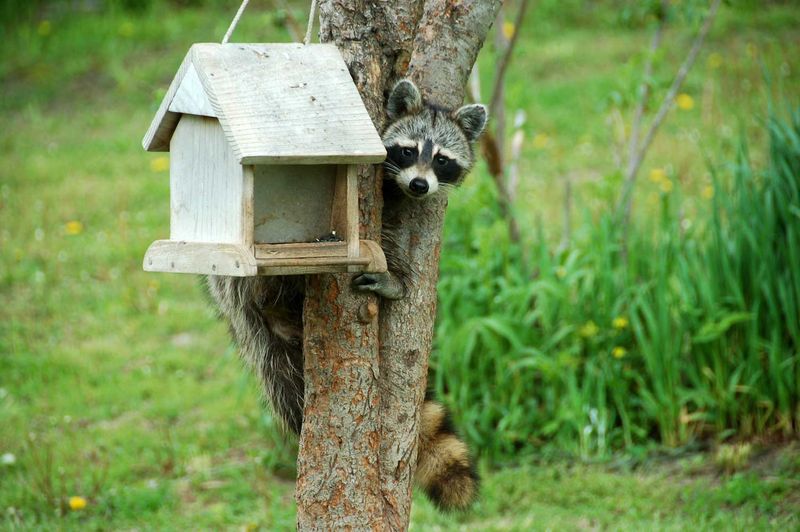
Seed scattered across the ground beneath a feeder is easy to overlook during the day. At night, that layer of spilled millet, sunflower seeds, and cracked corn becomes a ground-level food source that attracts far more than songbirds.
Mice and rats often feed there first, and the animals that follow them are not always small.
UF/IFAS Extension guidance notes that spilled birdseed can attract a wide range of wildlife, including raccoons. The problem becomes greater when seed accumulates and is not cleaned up regularly.
The feeder itself may be out of easy reach, but the ground beneath it rarely is. Sweeping up fallen seed in the evening removes the overnight reward without requiring any changes to the feeder or the birds that use it during the day.
Feeder placement also matters. Hanging feeders away from fences, roofs, and low branches limits climbing access.
Bringing feeders in at night is another option when wildlife pressure is high, though FWC guidance on that step varies by situation. The goal is not to stop feeding birds but to keep the area clean enough that it does not double as a midnight food stop.
A quick sweep each evening can make a noticeable difference in what shows up after dark.
4. Fallen Fruit Keeps The Feast Going
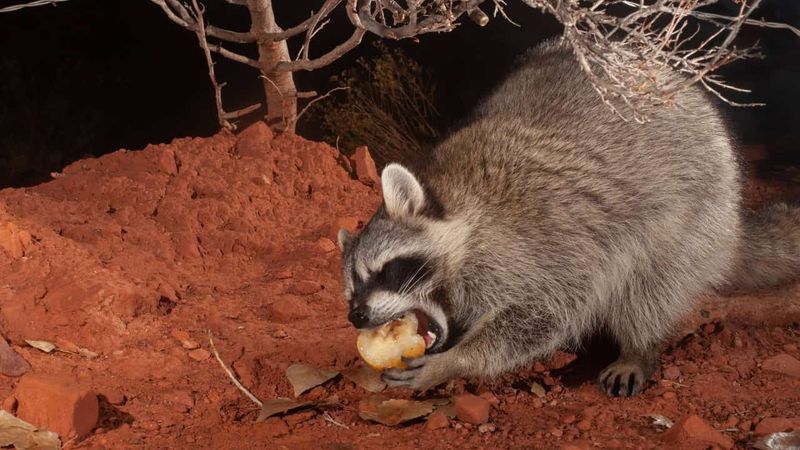
Fruit trees are a genuine pleasure in a Florida yard. Mangoes, avocados, citrus, figs, and loquats all thrive here, and they produce generously.
The challenge is what happens when that fruit drops. Overripe produce sitting on the ground overnight is soft, fragrant, and easy to eat without any effort.
According to UF/IFAS Extension resources on urban wildlife, fallen fruit is a commonly overlooked attractant near residential properties. Animals do not need to climb or problem-solve when the food is already on the ground waiting for them.
A single fruit tree that drops regularly throughout a season can create a dependable food stop that gets checked night after night.
Picking up fallen fruit every day or two is the most effective way to reduce this draw. Composting it properly or bagging it for trash pickup removes the smell from the yard.
Harvesting fruit before it fully ripens and drops is another option for trees that produce heavily. None of this means a fruit tree is a problem.
It simply means the ground beneath it needs regular attention. A yard where fruit accumulates unchecked offers a natural reward that requires no effort from the animal and no invitation from the homeowner.
5. A Dirty Grill Leaves An Easy Reward
After a weekend cookout, the grill cools down and gets pushed back to its usual corner. What stays behind is a coating of grease, meat residue, and drippings that smell strong for hours.
To any passing animal following its nose through a neighborhood, that scent is a clear signal worth investigating.
Grease traps and drip pans are especially likely to hold concentrated odors. Even a covered grill can carry enough residue on the grates to attract attention.
Cleaning the grill after each use, emptying drip trays, and wiping down surfaces removes most of what makes it appealing. Storing a portable grill in a shed or garage overnight is an added option when cleanup is not possible right away.
Disposable plates, foil trays, and food wrappers left near the cooking area carry the same issue. Bagging and securing those scraps before going inside takes only a moment but eliminates a scent source that can linger for hours.
This section of the yard often gets overlooked because the cooking is done and the meal is over. From a wildlife perspective, though, the event is just beginning.
A clean grill is not exciting, but it does not advertise a free meal to whatever happens to be passing through after dark.
6. Compost Can Become Another Food Stop
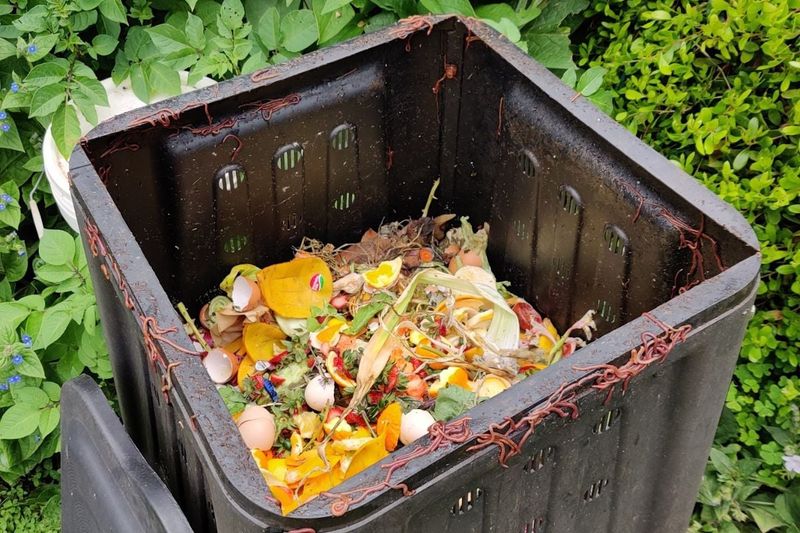
Composting is genuinely good for a yard. It reduces waste, improves soil, and keeps organic material out of the landfill.
The problem shows up when a compost pile or bin contains accessible food scraps rather than properly layered yard material. An open pile with vegetable peels, bread, or cooked food on top is not composting from a wildlife standpoint.
It is an outdoor food cache.
UF/IFAS Extension recommends using enclosed compost bins with secure lids when composting near homes where wildlife is active. Keeping food scraps buried under layers of brown material like leaves or cardboard also helps reduce surface odors.
Avoiding meat, dairy, and cooked food in home compost is standard guidance that serves both composting quality and wildlife management at the same time.
Access to edible material is the real issue, not the practice of composting itself. A well-managed bin with a latching lid and the right balance of materials is far less likely to draw attention than an open pile with fresh kitchen scraps sitting on top.
Checking the bin’s condition periodically and securing any gaps or loose panels keeps the system working without advertising a food source. Composting and wildlife awareness can coexist without much conflict when the setup is right.
7. Open Crawlspaces Offer A Ready Made Hideout
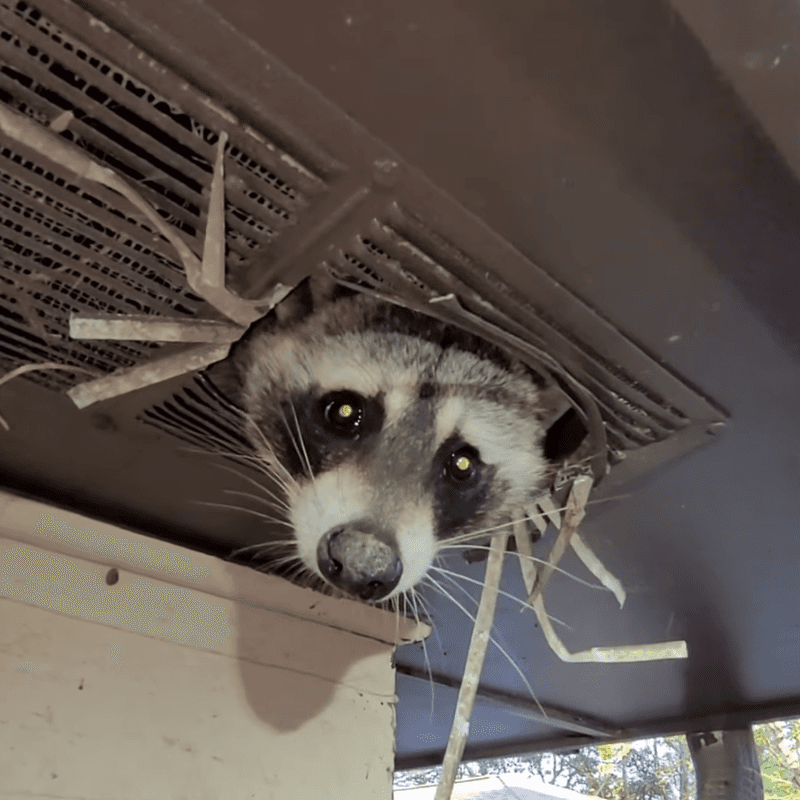
Not every yard visit is about food. Shelter matters just as much, especially during Florida’s rainy season or when temperatures shift overnight.
A gap beneath a porch, an unsecured crawlspace vent, or an opening under a shed can provide protected, dry shelter. That is exactly the kind of space a raccoon may seek for resting or raising young.
The Florida Fish and Wildlife Conservation Commission advises homeowners to inspect structures regularly. Openings that could allow wildlife access should be properly sealed.
Gaps in skirting, broken vent covers, and spaces beneath elevated decks are common entry points. Hardware cloth with small openings is often recommended over flimsy screening that can be pushed aside.
Before sealing any opening, it is critical to confirm that no animal is already inside. Sealing an occupied space can trap an animal inside the structure, which creates a more serious problem.
If there is any sign of recent use, such as tracks, droppings, or sounds inside the space, contacting a licensed wildlife professional is the appropriate next step.
Florida has regulations governing the handling of raccoons, and professional assistance ensures that exclusion is done safely and legally.
Handling raccoons directly is not recommended under any circumstances.
8. Easy Meals Give Raccoons A Reason To Return
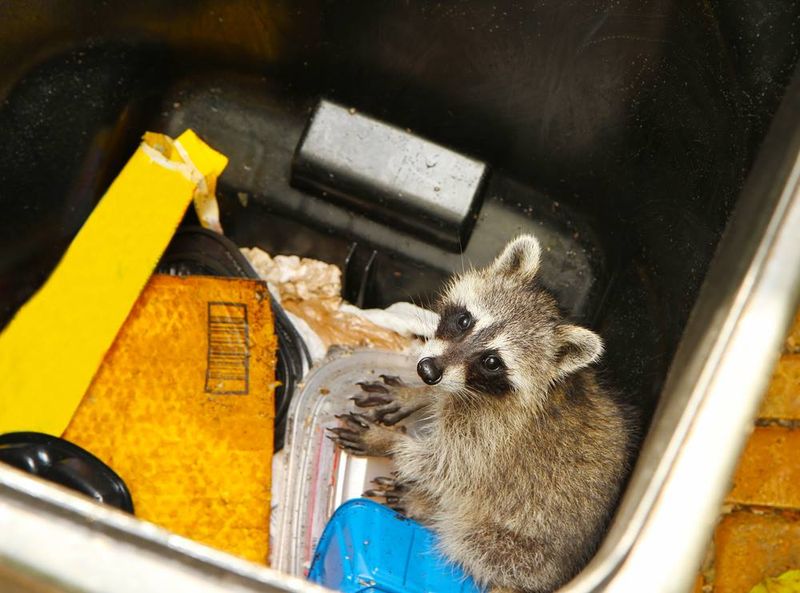
No single attractant tells the whole story. A yard can offer several rewards at once.
A loose trash lid, a pet bowl left outside, and fallen fruit in the corner give raccoons three separate reasons to return. Each one alone might not be enough to create a habit.
Together, they make one yard consistently more rewarding than the one next door.
Wildlife biologists describe this pattern as a function of predictability. Animals that find food in a location are more likely to return and check that same spot again.
Reduce the consistency of those rewards and the yard becomes less worth the trip. Removing every attractant is rarely realistic, but reducing several of them at once shifts the balance.
Small habits can add up quickly. Secure garbage with a locking lid, bring pet bowls inside, collect fallen fruit regularly, and wipe down the grill after use.
None of them guarantees a raccoon-free yard forever. Florida’s wildlife does not follow guarantees.
What changes is the reliability of the reward. A yard that no longer delivers consistent food becomes just another patch of grass to pass through rather than a destination worth marking on a nightly route.
That shift is what makes the difference.