Outdoor Features Texas Homeowners May Need Permission To Install
Outdoor projects in Texas often start with excitement and big plans to improve shade, comfort, and how a property functions day to day.
What surprises many homeowners is how quickly permission rules can appear once outdoor ideas move beyond furniture and décor.
Permanent upgrades like structures, enclosures, or ground changes can shift a simple idea into regulated territory faster than expected. Local review often depends on placement, size, and visibility from public areas.
Texas cities and counties apply rules differently, which makes relying on past experience or nearby projects risky.
Front yard features and installations visible from the street tend to receive closer attention from local offices. Drainage impact and proximity to utilities can also influence approval requirements.
Homeowners often assume private property allows full freedom to install outdoor features. In practice, safety, access, and shared infrastructure still shape what is allowed.
HOA guidelines may introduce additional standards related to appearance, layout, and neighborhood consistency. These rules can apply even when city permits are not required.
Most delays and frustrations happen because permission requirements were not checked early in the planning stage.
Knowing which outdoor features may need approval helps projects stay organized and avoids costly mid-project changes.
Clear preparation keeps outdoor upgrades moving forward smoothly while protecting both time and investment.
1. Swimming Pools

Adding a backyard oasis sounds like a dream, but Texas regulations require homeowners to obtain permits before breaking ground. Local building departments need to review your pool plans to ensure they meet safety codes and zoning requirements.
Most cities across the state have specific rules about pool depth, fencing, and distance from property lines.
Safety barriers are a major concern when installing pools in Texas neighborhoods. A fence at least four feet high with self-closing, self-latching gates must surround the pool area.
Electrical work for pumps, heaters, and lighting also needs inspection to prevent hazards.
Homeowners associations often have additional rules beyond city requirements. Some communities restrict pool size, shape, or even the color of decking materials.
Getting caught without proper permits can result in fines, forced removal, or complications when selling your home. Starting the permit process early keeps your project on schedule and legally compliant.
Once the excitement of a backyard pool settles, the paperwork and inspections often become the part homeowners wish they had planned for sooner.
Taking the time to follow Texas permitting rules upfront prevents stressful surprises that can linger long after construction ends.
2. Fences
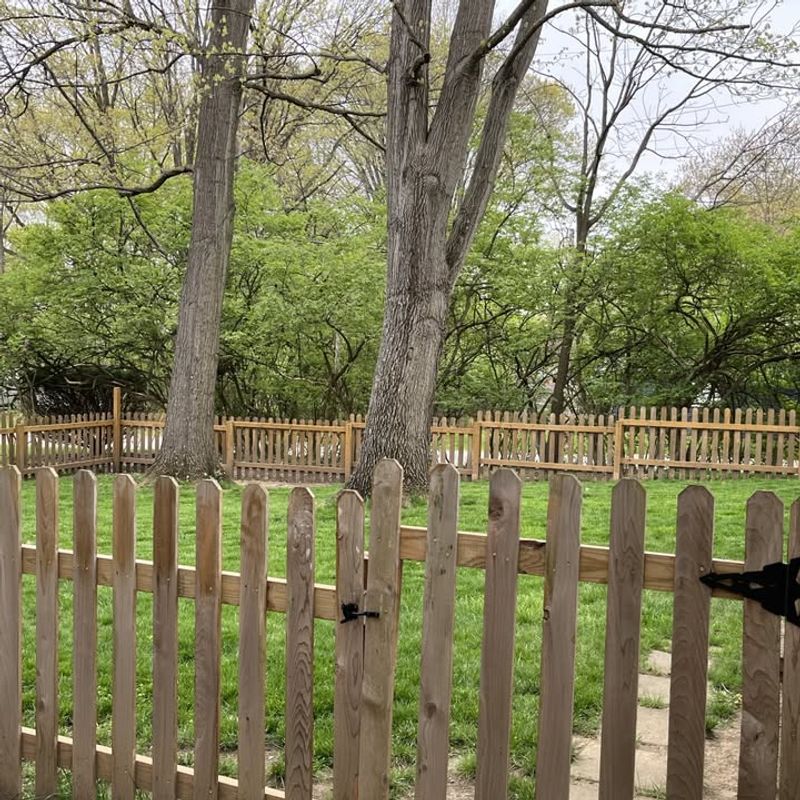
Property boundaries become much clearer with a good fence, but Texas homeowners cannot simply start building without checking local regulations first. Each city and county has its own height restrictions, setback requirements, and material guidelines.
Front yard fences typically have stricter limits than backyard installations across the state.
Many Texas municipalities require permits for fences taller than six feet. Some neighborhoods prohibit certain materials like chain link in visible areas.
Homeowners must verify property lines before construction to avoid building on a neighbor’s land, which creates expensive legal disputes.
Shared property lines require special attention in Texas communities. Both neighbors should agree on fence placement, cost sharing, and maintenance responsibilities.
Historic districts have even more rules about fence styles and colors to preserve neighborhood character. Checking with your HOA and city planning department prevents violations that could force you to tear down and rebuild your fence later.
A fence can feel like a simple weekend project until regulations, property lines, and neighborhood rules come into play.
Clarifying requirements early helps avoid conflicts that can quickly turn a helpful boundary into an expensive mistake.
3. Decks and Patios
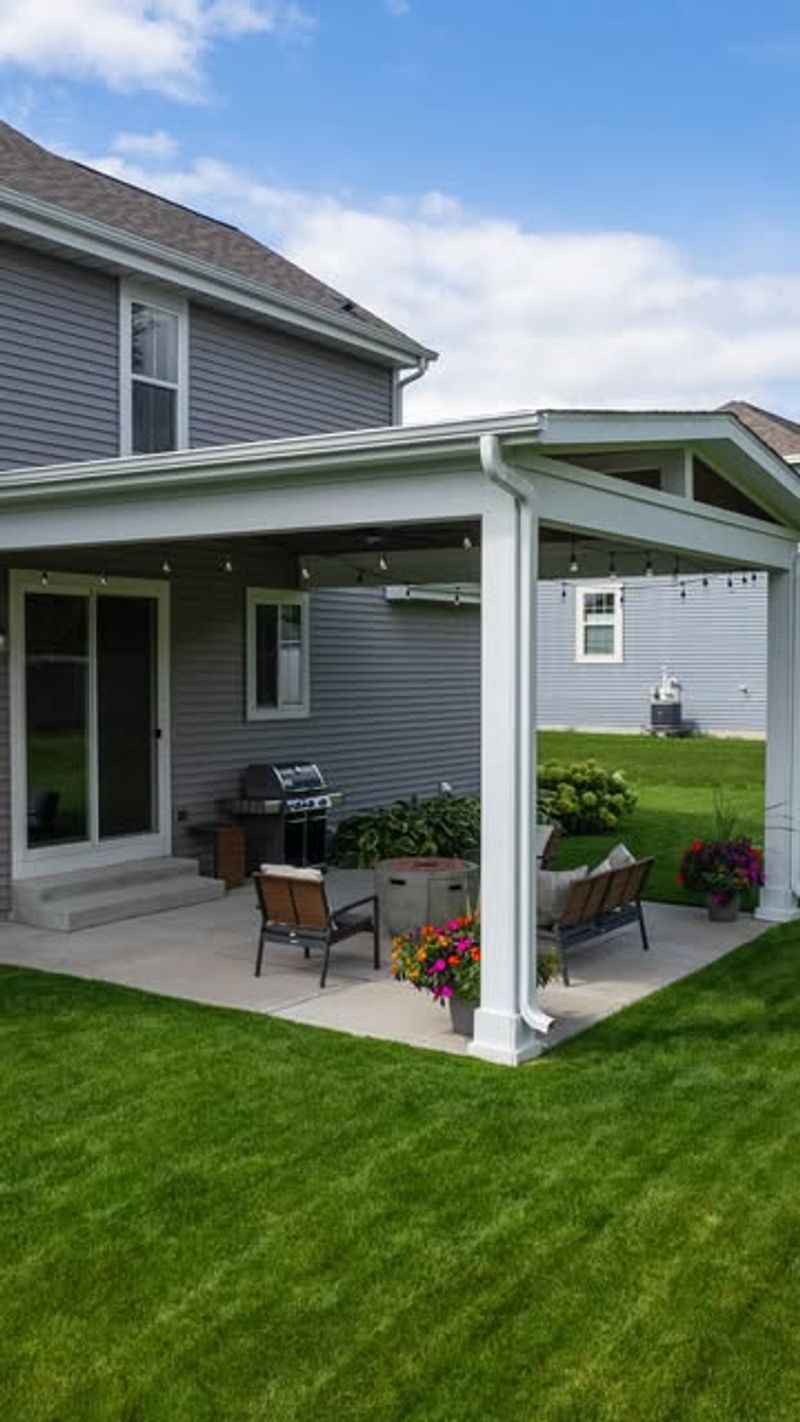
Outdoor entertaining spaces add tremendous value to Texas homes, but elevated decks and large patios usually require building permits. Structures attached to your house need special attention because they affect your home’s structural integrity.
Ground-level patios might not need permits in some areas, but raised decks almost always do.
Texas building codes focus heavily on weight-bearing capacity and proper anchoring. Inspectors want to ensure your deck can safely hold people, furniture, and equipment without collapsing.
Railings must meet specific height requirements, and stairs need proper dimensions for safe use.
Weather conditions in Texas make proper construction even more important. Extreme heat, occasional freezes, and heavy storms test outdoor structures throughout the year.
Using approved materials and following engineering standards protects your investment. Skipping permits might seem like a shortcut, but unpermitted decks can lower your home’s value and create liability issues if someone gets injured on your property.
Outdoor living spaces are meant to bring people together, not create structural or legal concerns down the road.
Proper permits ensure your deck or patio remains a place of enjoyment rather than a source of future repairs or liability.
4. Outdoor Kitchens
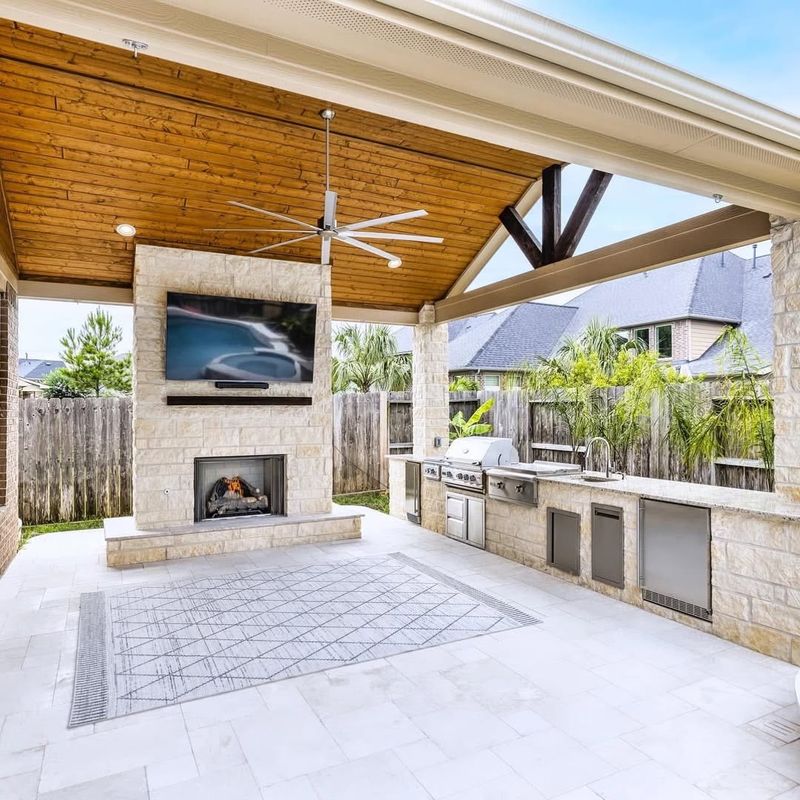
Grilling and dining outside has become incredibly popular among Texas families, leading many to install full outdoor kitchens. These elaborate setups involve gas lines, electrical connections, and sometimes plumbing, which all require permits.
Building departments need to inspect these utilities to prevent fires, gas leaks, and electrical shocks.
Permanent structures with roofs or walls attached to your house definitely need approval in Texas. Even freestanding outdoor kitchens might require permits depending on their size and complexity.
Gas line installation must be performed by licensed professionals and inspected before use.
Fire safety codes in Texas are particularly strict for outdoor cooking areas. Your kitchen must be positioned at safe distances from your home, fences, and trees.
Proper ventilation prevents smoke buildup, and fire extinguishers should be easily accessible. Insurance companies may deny claims if unpermitted outdoor kitchens cause property damage.
Working with licensed contractors and obtaining proper permits protects both your investment and your family’s safety throughout the Lone Star State.
What starts as a vision for relaxed outdoor meals quickly becomes a project involving multiple safety considerations.
Following permit requirements keeps the focus on enjoying the space instead of worrying about hidden risks or denied insurance claims.
5. Sheds and Storage Buildings
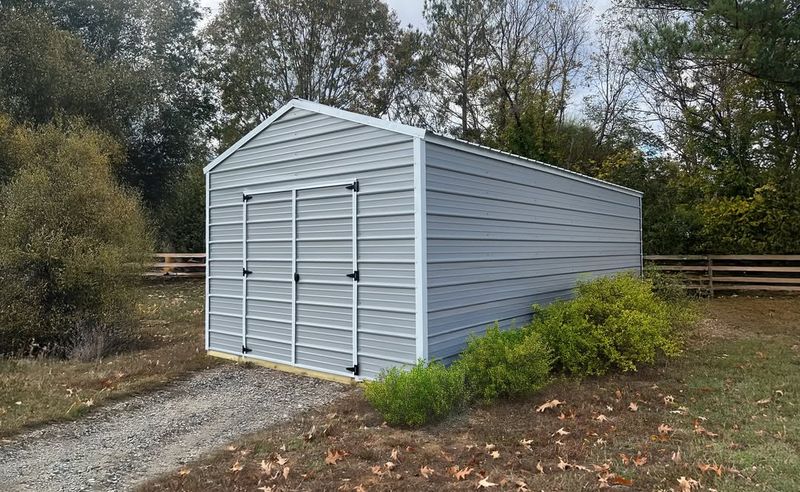
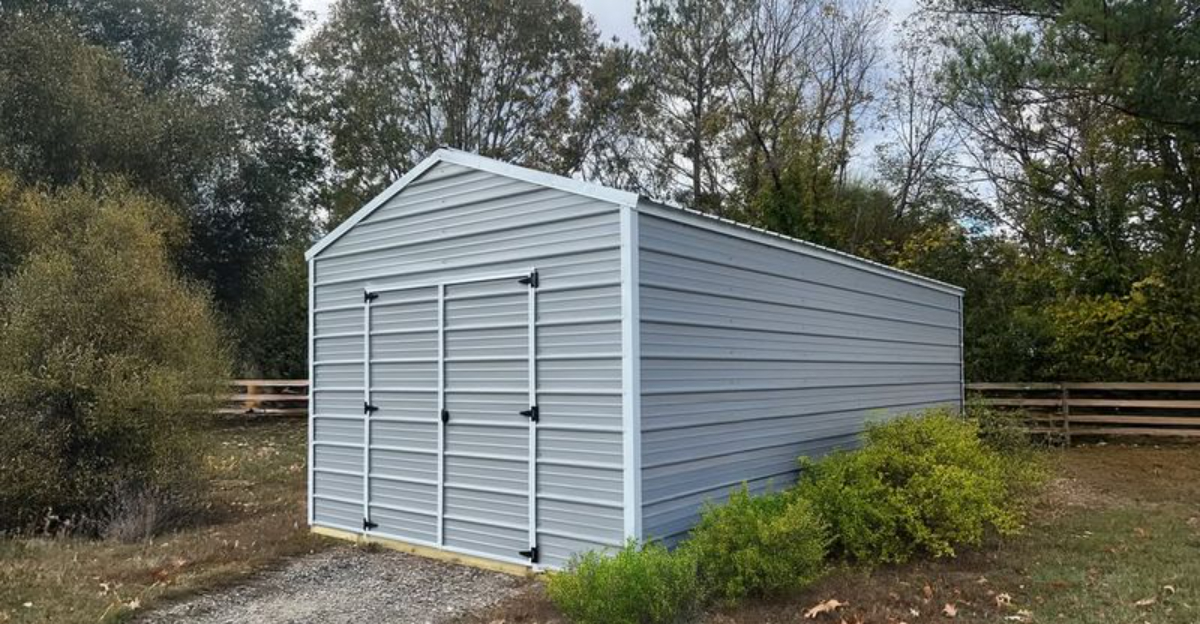
Extra storage space solves many homeowner problems, but Texas regulations often require permits for sheds and outbuildings. Size matters significantly when determining if you need permission.
Small sheds under a certain square footage might be exempt, but larger structures almost always require approval.
Placement rules in Texas communities can be surprisingly complex. Setback requirements dictate how far your shed must sit from property lines, easements, and existing structures.
Some cities limit the total number of accessory buildings allowed on a single property.
Foundation type affects permit requirements across the state. Permanent foundations with concrete slabs typically need more scrutiny than portable sheds on skids.
Electrical wiring for lights and outlets requires separate permits and inspections. HOA architectural committees often review shed designs for aesthetic compatibility with neighborhood standards.
Building without permission can result in removal orders, fines, and problems when selling your home. Taking time to get proper approval ensures your storage solution stays put for years to come.
Storage buildings often seem minor compared to home additions, yet they still fall under detailed local regulations.
Securing approval ahead of time protects your investment and avoids unpleasant surprises years later.
6. Retaining Walls
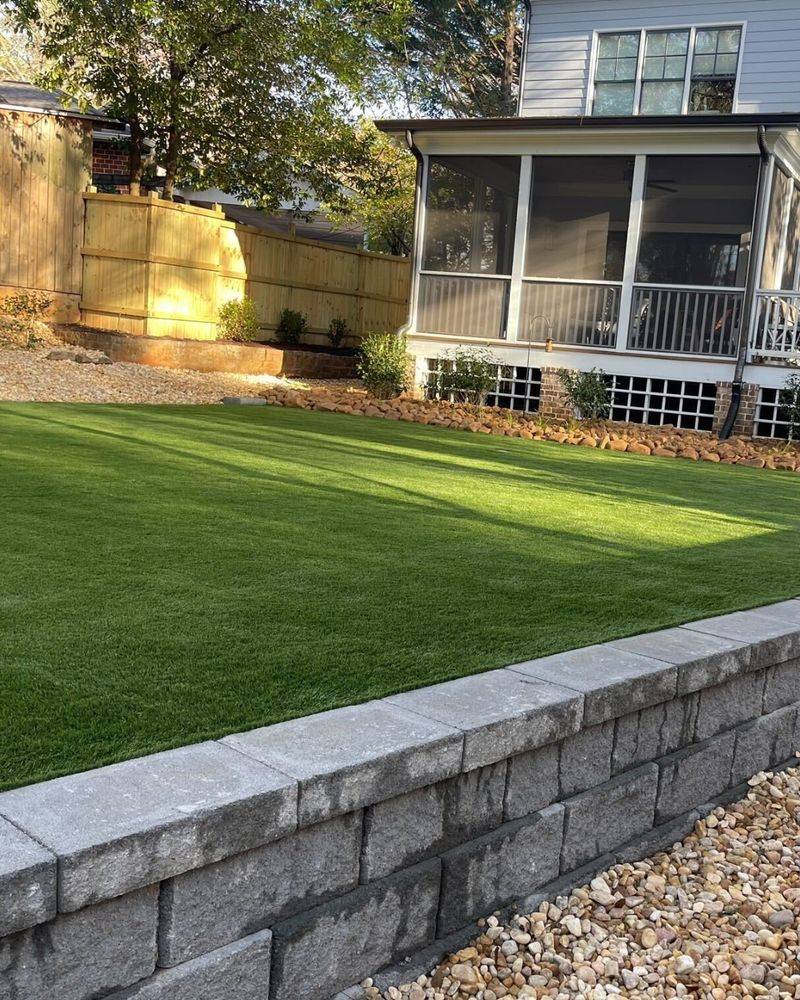
Sloped yards present drainage challenges that retaining walls can solve, but Texas homeowners need permits for walls above certain heights. These structures hold back tremendous amounts of soil and water pressure.
Engineering failures can cause property damage, erosion, and even injuries.
Most Texas municipalities require permits for retaining walls taller than three or four feet. Shorter walls might still need approval if they support driveways, patios, or other structures.
Proper drainage systems must be installed behind walls to prevent water buildup and eventual collapse.
Soil conditions vary dramatically across Texas regions, affecting wall design requirements. Clay-heavy soils expand and contract with moisture changes, putting extra stress on retaining structures.
Sandy soils drain differently and need alternative construction approaches. Professional engineering may be required for taller walls or complex slopes.
Neighbors can also be affected if your retaining wall changes water flow patterns onto their property. Getting permits ensures your wall is properly designed for local conditions and protects everyone’s property in your Texas neighborhood.
Retaining walls quietly do important work, even though problems may not appear right away.
Proper design and permits ensure these structures support your landscape safely instead of creating future erosion or drainage issues.
7. Pergolas and Gazebos
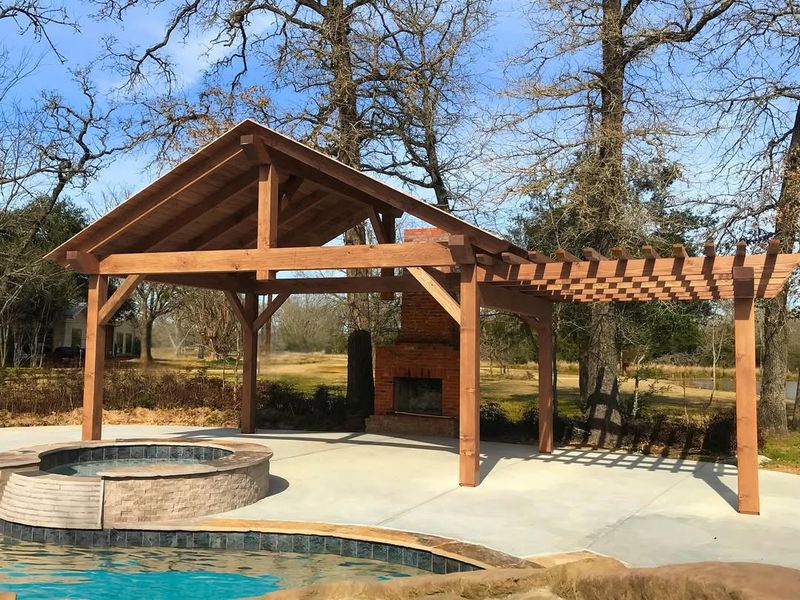
Shade structures create comfortable outdoor rooms, but Texas building departments often classify pergolas and gazebos as permanent structures requiring permits. Attached pergolas connected to your home almost always need approval.
Freestanding structures might be exempt depending on size and construction method.
Wind resistance is a critical concern in Texas, where storms and high winds occur regularly. Building codes ensure these structures are properly anchored and can withstand local weather conditions.
Improper construction can turn your beautiful shade structure into dangerous flying debris during severe weather.
Electrical additions for fans, lights, or outlets require separate electrical permits across Texas. Some homeowners associations have strict rules about pergola designs, colors, and materials to maintain neighborhood aesthetics.
Covered structures with solid roofs face different requirements than open-beam pergolas. Setback rules determine how close you can build to property lines and other structures.
Checking with your local building department before construction prevents costly mistakes and ensures your outdoor retreat meets all safety standards throughout the state.
Shade structures add comfort and style, but they must also stand up to Texas weather extremes.
Permits help ensure these features remain welcoming additions rather than hazards during storms.
8. Driveways and Parking Pads
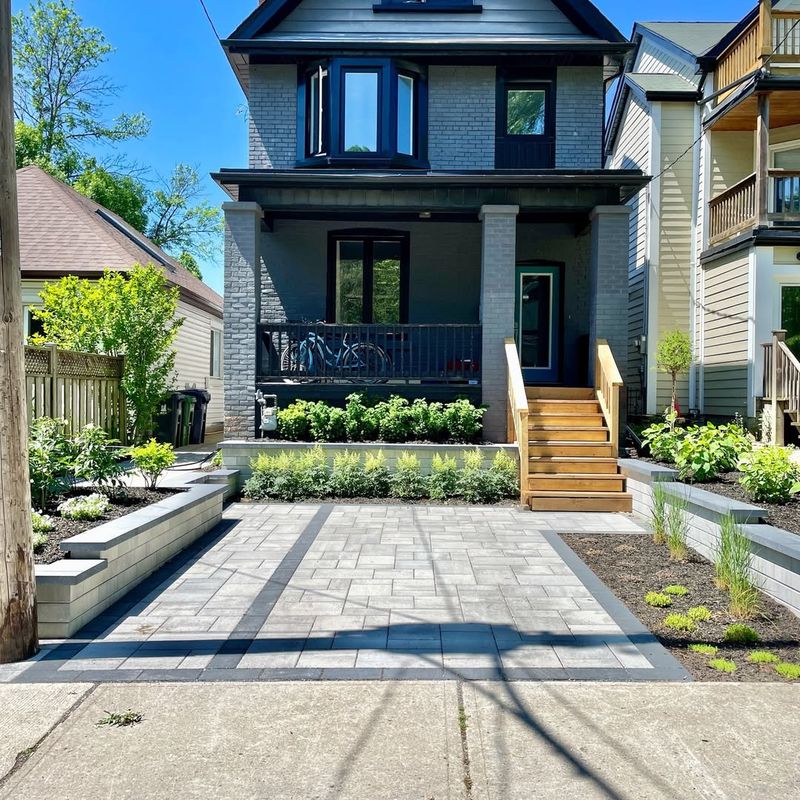
Expanding parking space seems straightforward, but Texas homeowners often need permits for new driveways or additional parking areas. Street access points require approval because they affect public infrastructure and neighborhood traffic patterns.
Drainage concerns are especially important since impervious surfaces increase water runoff.
Curb cuts connecting driveways to public streets require permits throughout Texas. Cities want to ensure proper sight lines, adequate spacing from intersections, and appropriate drainage solutions.
Some municipalities limit the width of residential driveway entrances to preserve street parking and maintain neighborhood character.
Grading and drainage plans must show how water will flow off your new paved surfaces. Texas regulations aim to prevent flooding problems on neighboring properties.
Certain areas have restrictions on paving materials to promote water absorption. HOAs frequently regulate driveway appearance, including material choices and landscaping borders.
Adding parking without permission can result in removal requirements and expensive fines. Working through the permit process ensures your driveway meets engineering standards and legal requirements across the Lone Star State.
Extra parking space can improve daily convenience, but changes to hard surfaces affect more than just your property.
Approval processes exist to protect surrounding homes, streets, and drainage systems from unintended consequences.
9. Landscaping with Trees

Planting trees seems like a simple way to beautify your Texas property, but removing or significantly altering existing trees may require permits in many cities. Heritage tree ordinances protect large, old, or historically significant trees throughout the state.
Some municipalities even regulate planting locations for new trees near utilities and sight lines.
Tree removal permits help preserve urban forests and prevent erosion problems in Texas communities. Cities often require replacement plantings when protected trees must be removed.
Diameter measurements at specific heights determine if a tree falls under protection ordinances.
Utility companies have rules about planting near power lines, gas lines, and water mains. Tree roots can damage underground infrastructure, and branches can interfere with overhead wires.
Some Texas HOAs maintain approved tree species lists and regulate planting locations within neighborhoods. Removing protected trees without permission can result in significant fines, sometimes thousands of dollars per tree.
Checking with your city’s forestry department before cutting down or planting large trees keeps you in compliance and helps maintain your community’s green spaces.
Trees shape neighborhoods for decades, making their placement and removal far more important than they first appear.
Permits help balance personal landscaping goals with long-term environmental and community benefits.
10. Solar Panels
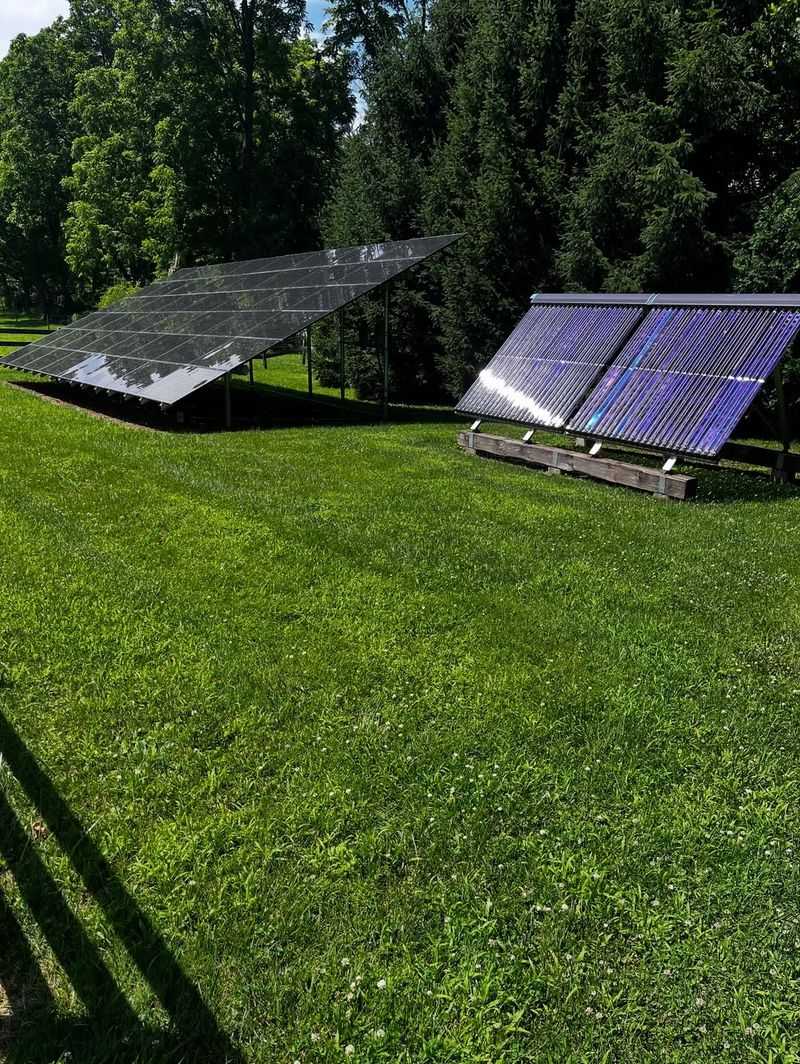
Renewable energy installations have grown tremendously popular among Texas homeowners seeking lower utility bills. Rooftop and ground-mounted solar panel systems require building permits and electrical permits before installation.
Structural integrity must be verified to ensure your roof can support additional weight.
Texas has solar access laws protecting homeowners’ rights to install panels, but permits are still mandatory. Building departments review plans to confirm panels are properly secured against high winds.
Electrical connections must be inspected to ensure safe integration with your home’s power system and the utility grid.
HOA restrictions on solar panels are limited by Texas law, but architectural approval processes still exist in many communities. Panel placement, visibility from streets, and aesthetic considerations may be reviewed.
Ground-mounted systems face additional zoning requirements about setbacks and height limits. Net metering agreements with utility companies require proper permitting documentation.
Installing solar panels without permits can void warranties, create safety hazards, and complicate future home sales. Following the proper approval process ensures your renewable energy investment is safe, legal, and effective throughout Texas.
Solar installations represent a long-term commitment to energy efficiency and home value.
Following Texas permitting requirements ensures your system performs safely and continues delivering benefits for years to come.