9 Outdoor Garden Features That May Require A Permit In Coastal Florida
Living near Florida’s coastline feels like paradise until a weekend backyard upgrade turns into a costly code violation. Many homeowners are shocked to discover that simple outdoor projects can trigger permit requirements, environmental reviews, and surprise inspections.
From fences and decks to pools and outdoor kitchens, coastal properties face stricter rules because of hurricanes, flood zones, and protected shorelines.
Skipping permits may seem harmless at first, but it can lead to fines, forced demolition, insurance claim problems, and major issues when selling your home.
Even projects handled by contractors can become your responsibility if paperwork is missing. Before spending thousands on outdoor upgrades, it pays to know which popular garden features often require official approval along Florida’s coast.
This list highlights the most common outdoor additions that catch homeowners off guard and explains why local authorities regulate them so closely.
1. Fence

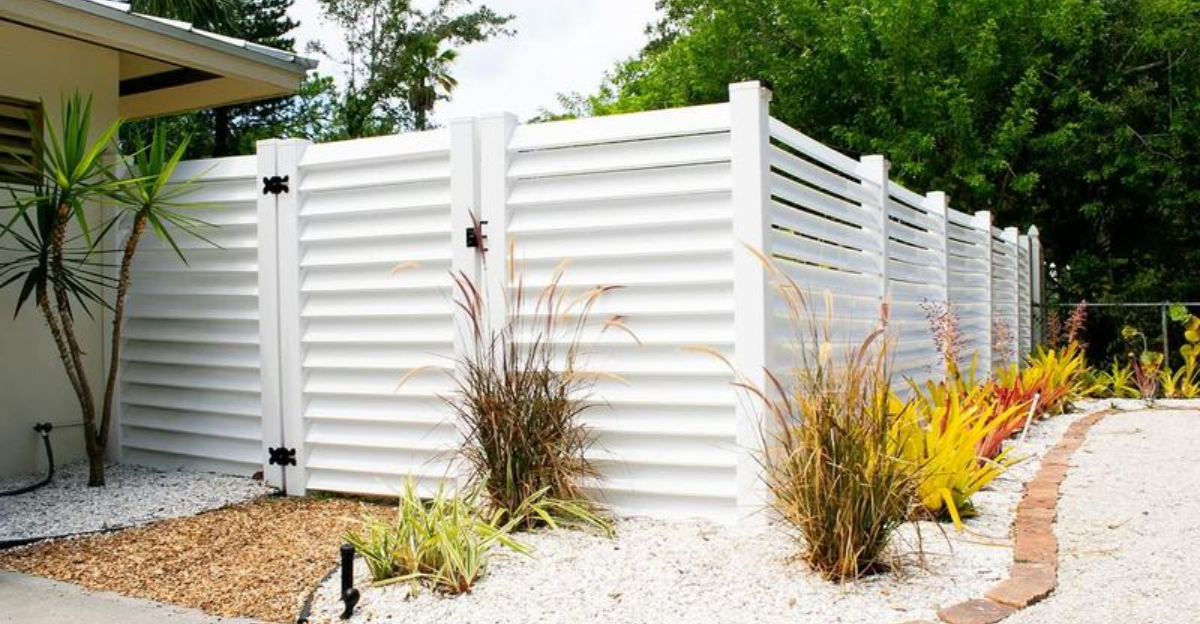
Picture a pristine white vinyl fence lining your coastal property, offering privacy from the beach road while your garden grows behind it.
Many homeowners assume fencing is a simple weekend project, but coastal Florida municipalities typically require permits for fences taller than four feet, and some restrict heights even lower in flood zones.
Your fence design must account for storm surge and wind resistance standards outlined in the Florida Building Code.
Properties within the Coastal Construction Control Line face additional scrutiny because fences can affect sand dune systems and sea turtle nesting areas. The Florida Department of Environmental Protection reviews whether your fence placement disrupts natural coastal processes.
Gulf Coast communities often have different setback requirements than Atlantic Coast neighborhoods, so checking with your local building department prevents surprises.
Homeowners frequently overlook breakaway and flood-resistant design requirements for solid fence or wall-style installations in Special Flood Hazard Areas. Improperly designed barriers can obstruct storm surge flow, increasing water pressure and causing damage to nearby structures.
Applying for permits early ensures your fence meets wind load calculations and coastal setback rules, protecting both your investment and the shoreline environment around you.
2. Deck
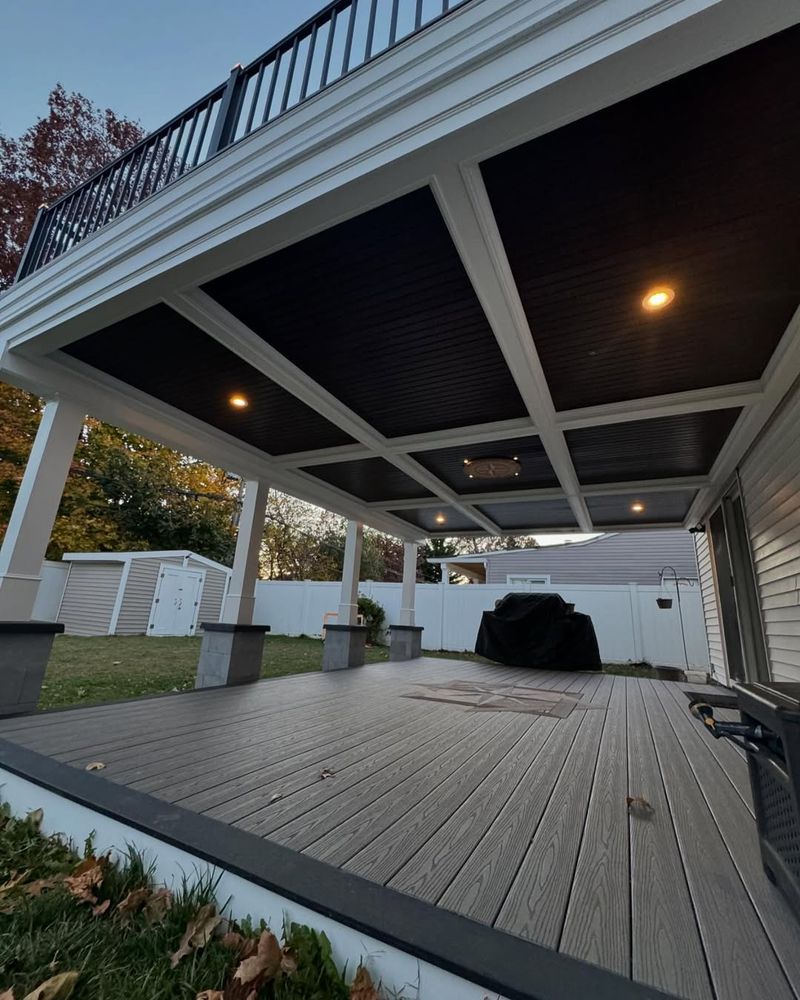
Your elevated deck overlooking the water seems like the perfect addition for morning coffee and sunset views. Decks attached to your home almost always require building permits in coastal Florida, especially when they’re raised more than thirty inches above grade.
The structural connection to your house and the elevated platform both trigger review under Florida’s strict hurricane building codes.
Coastal flood zones demand that your deck elevation matches or exceeds your home’s Base Flood Elevation, and the support structure must withstand Florida Building Code coastal wind speed requirements without becoming airborne debris.
Properties on barrier islands face even stricter rules because decks can interfere with storm surge flow patterns.
Your county building department will verify that footings meet engineered embedment depth requirements to resist erosion and that fasteners meet corrosion resistance standards for saltwater environments.
Many homeowners discover too late that unpermitted decks create problems during home sales and insurance claims after storms. Engineers must calculate live load capacity, ensuring your deck safely holds furniture, people, and planters without structural failure.
Starting with proper permits protects your family and ensures your beautiful waterfront deck remains compliant for years of coastal enjoyment.
3. Pergola/Gazebo
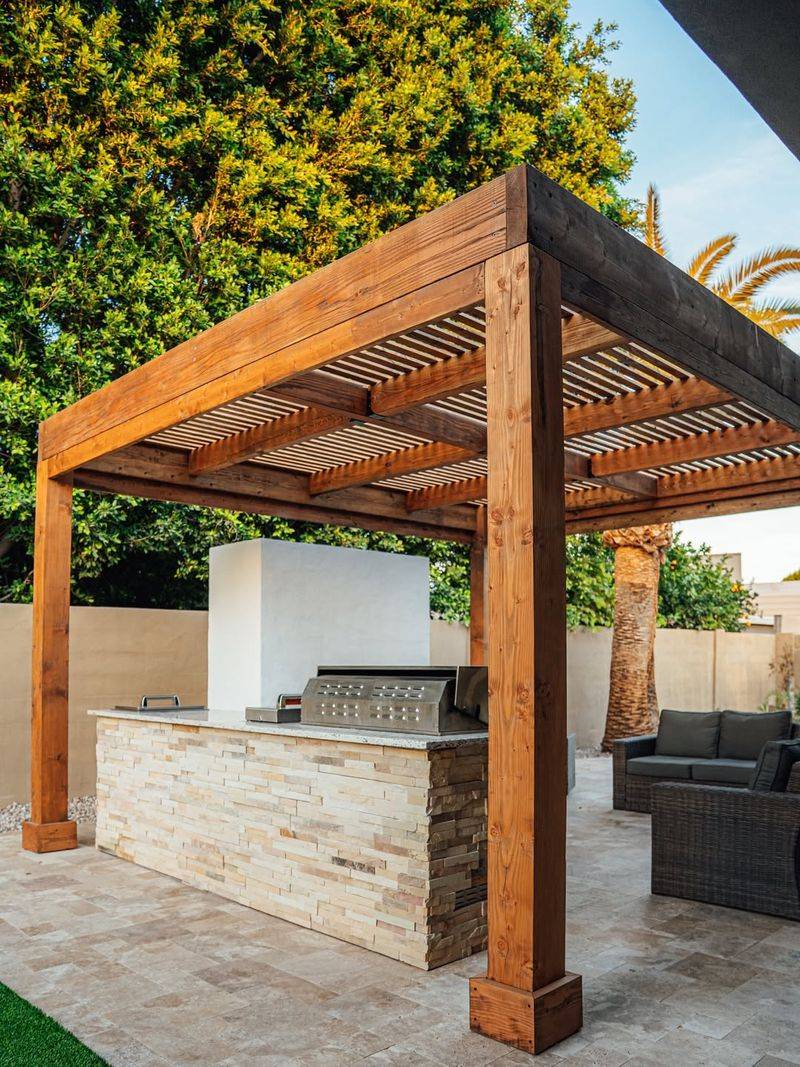
Imagine a charming pergola draped with bougainvillea creating a shaded retreat in your coastal garden. These structures may look decorative and lightweight, but most Florida coastal jurisdictions classify pergolas and gazebos as permanent structures requiring full building permits.
Even open-roof designs must meet wind resistance standards because coastal wind speeds during hurricanes can turn inadequately anchored structures into dangerous projectiles.
Your pergola’s footings, post connections, and roof attachment methods all need engineering approval in high-velocity hurricane zones.
Properties near the Coastal Construction Control Line require additional review to ensure your structure doesn’t block natural sand movement or impede emergency beach access.
Gulf Coast properties often face different setback rules than Atlantic Coast homes, so location matters when planning your shaded garden spot.
Homeowners sometimes build these features thinking they’re temporary, only to face removal orders during code enforcement inspections. Gazebos with solid roofs require even more rigorous structural review than open pergolas because they create greater wind resistance.
Obtaining permits before construction ensures your beautiful garden structure can withstand Florida’s coastal weather while remaining compliant with local zoning and environmental protection rules.
4. Pool
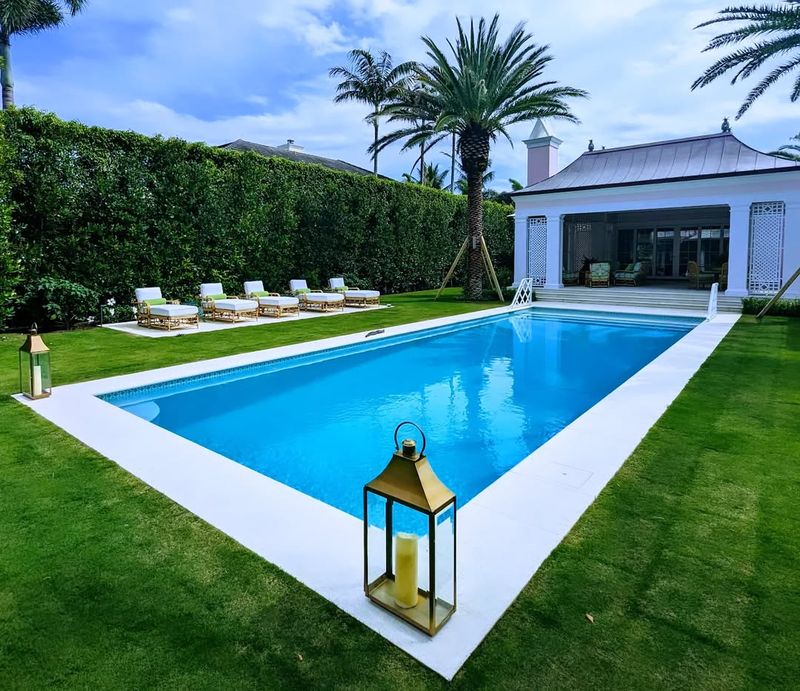
A sparkling pool in your backyard transforms coastal living, but installing one without proper permits creates serious legal and safety problems. Every swimming pool in Florida requires multiple permits covering construction, electrical work, and barrier fencing under state law.
The Florida Department of Health mandates specific safety barriers to prevent drowning, and coastal properties face additional flood zone compliance requirements that affect pool placement and equipment elevation.
Your pool equipment must sit above your property’s Base Flood Elevation to prevent contamination during storm surge, and the pool itself needs engineering to prevent flotation when groundwater rises.
Properties in Flood Zone VE or AE face stricter rules because pools can affect drainage patterns and increase flood risk for neighboring homes.
Coastal Construction Control Line properties require environmental review to ensure chlorinated water and pool chemicals won’t impact sensitive coastal ecosystems.
Homeowners who skip permits risk having their pool declared illegal, which prevents selling your home and voids insurance coverage for pool-related accidents. Electrical permits ensure your pool pump and lighting meet saltwater corrosion standards and ground fault protection rules.
Starting with proper permits protects your family, your investment, and keeps your coastal pool compliant for years of safe enjoyment.
5. Dock
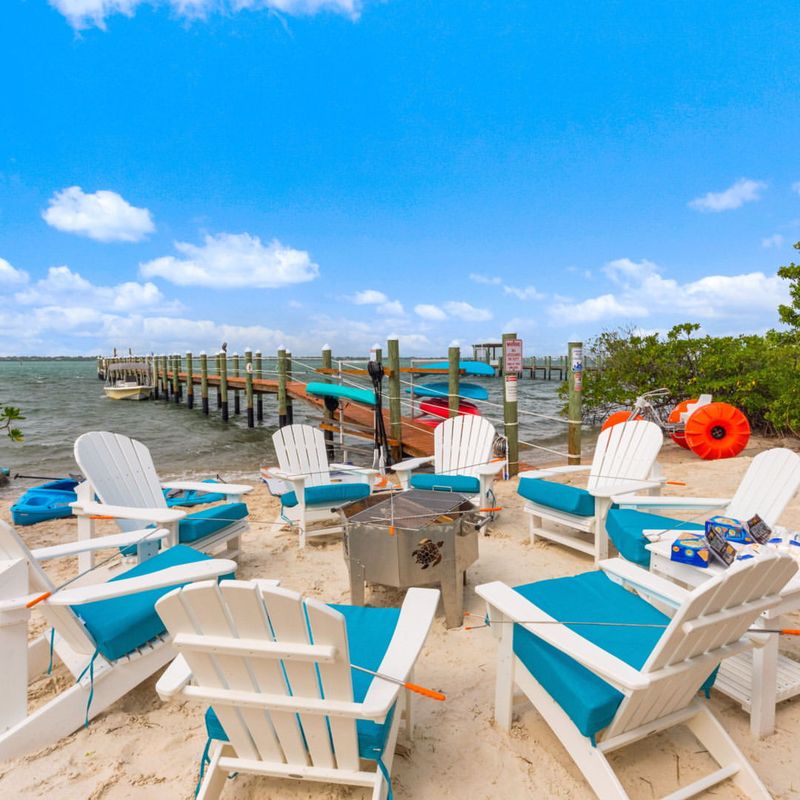
Your private dock extending into the waterway offers direct access to boating and fishing paradise. However, dock construction involves more permitting agencies than almost any other coastal improvement.
You’ll need approval from your local building department, the Florida Department of Environmental Protection, and often the U.S. Army Corps of Engineers depending on your waterway’s classification and the dock’s size.
Environmental permits protect seagrass beds, mangrove systems, and manatee habitats that thrive in Florida’s coastal waters. Your dock design must minimize shading on submerged vegetation and avoid blocking navigation channels.
Gulf Coast properties often face different environmental considerations than Atlantic Coast homes because of varying water depths and ecosystem types. Waterfront setbacks, dock length limits, and mooring restrictions all vary by county and municipality.
Homeowners frequently underestimate the permit timeline, which can stretch six months or longer when multiple agencies review your application. Unpermitted docks face removal orders and substantial fines, plus you lose waterway access during enforcement proceedings.
Starting the permit process early ensures your dock meets structural hurricane standards, environmental protection rules, and navigation safety requirements while giving you legal access to Florida’s beautiful coastal waters.
6. Seawall
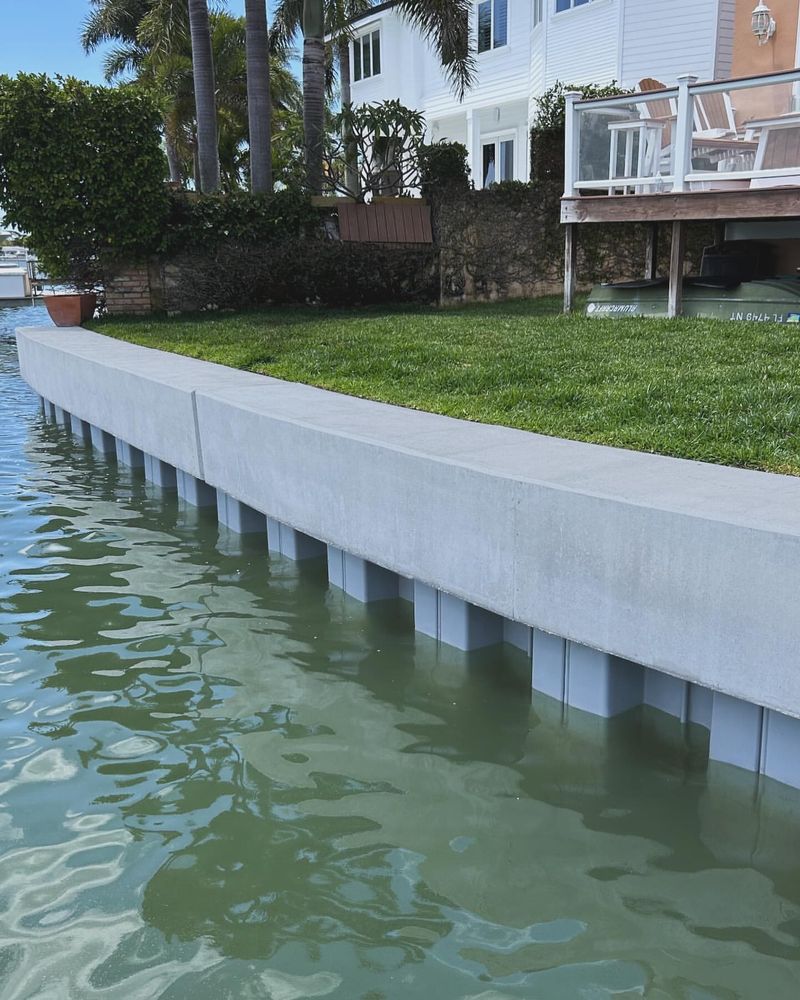
Watching waves erode your shoreline makes a seawall seem like an urgent necessity for protecting your coastal property. Seawall construction requires extensive permitting because these structures dramatically alter natural coastal processes and affect neighboring properties.
The Florida Department of Environmental Protection reviews every seawall application to assess impacts on sand movement, wave energy, and marine habitats along the shoreline.
Your seawall design must include engineering calculations proving it can withstand hurricane storm surge without failing or causing erosion on adjacent properties. Properties within the Coastal Construction Control Line face the most rigorous review because seawalls can accelerate beach erosion and damage public beach access.
Gulf Coast properties often have different soil conditions and wave patterns than Atlantic Coast homes, requiring region-specific engineering approaches.
Many homeowners discover that unpermitted seawalls create liability when they fail during storms and damage neighboring properties. Your county building department verifies that footings extend deep enough and that materials resist saltwater corrosion for decades.
Environmental agencies ensure your seawall doesn’t harm protected species or destroy critical coastal habitats. Obtaining proper permits before construction protects your property investment while preserving Florida’s precious shoreline for future generations.
7. Shed
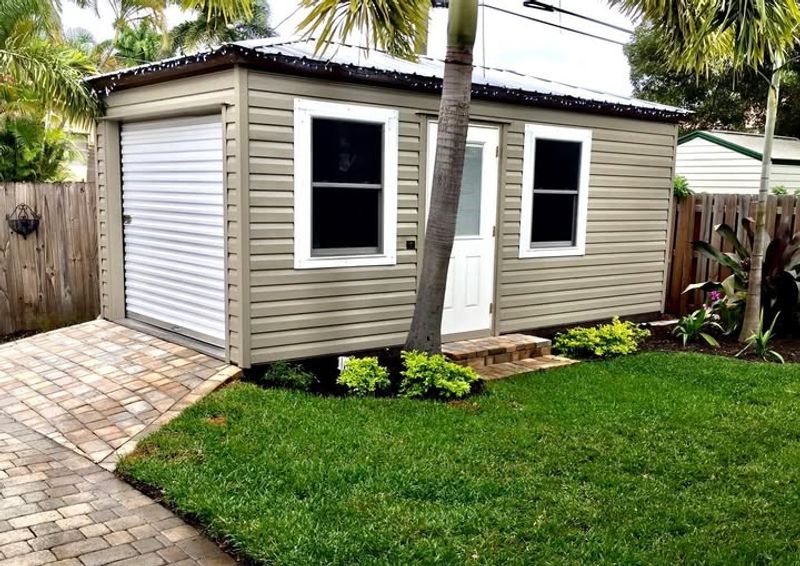
A small storage shed for your beach chairs and garden tools seems harmless enough, but coastal Florida building codes treat sheds as permanent structures requiring permits when they exceed certain size thresholds.
Most counties require permits for sheds larger than 100 to 120 square feet, and some coastal municipalities have even lower thresholds because of hurricane wind concerns.
Your shed must be anchored to resist uplift during tropical storms and hurricanes.
Properties in Special Flood Hazard Areas face additional rules about shed placement, anchoring, and flood-resistant design to reduce damage during storm surge.
The Florida Building Code requires proper foundation systems even for small sheds because inadequate anchoring turns them into dangerous flying debris during hurricanes.
Coastal Construction Control Line properties need environmental review to ensure your shed doesn’t block sand dune systems or interfere with sea turtle nesting areas.
Homeowners often buy prefabricated sheds and install them without checking local requirements, only to face violation notices later. Your shed’s electrical wiring, if any, requires separate permits and must meet saltwater corrosion standards.
Setback rules vary widely between Gulf Coast and Atlantic Coast communities, so verifying requirements before installation prevents costly relocations. Proper permits ensure your convenient storage solution remains legal and safe throughout Florida’s hurricane seasons.
8. Retaining Wall
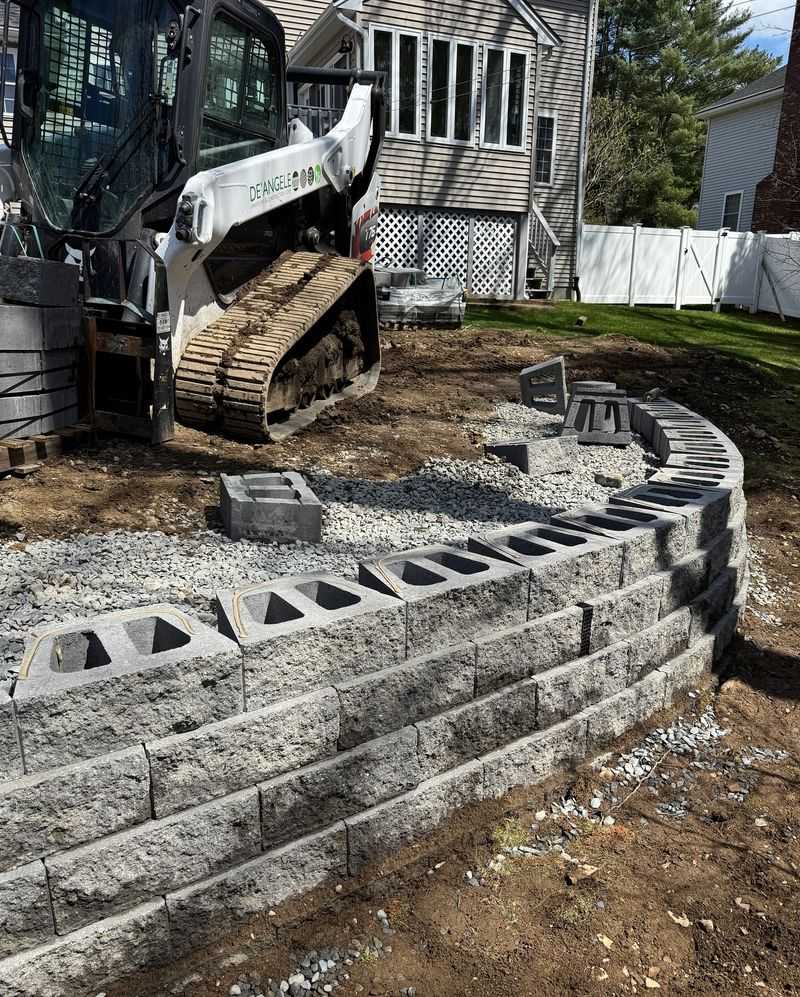
Terracing your sloped coastal property with an attractive retaining wall creates usable garden space and prevents erosion. Retaining walls taller than three to four feet almost always require building permits in Florida because structural failure can cause property damage and injuries.
Coastal properties face additional scrutiny because retaining walls can alter natural drainage patterns and affect how storm surge flows across your neighborhood during hurricanes.
Your retaining wall design needs engineering calculations proving it can withstand soil pressure, groundwater saturation, and potential undermining from coastal flooding.
Properties in Flood Zone AE or VE must ensure retaining walls don’t redirect floodwaters onto neighboring properties or block emergency drainage paths.
The Florida Building Code requires proper drainage systems behind retaining walls to prevent hydrostatic pressure buildup that causes catastrophic failure during heavy rains.
Many homeowners build small retaining walls without permits, then expand them incrementally, creating unstable structures that eventually collapse. Your local building department verifies that footings meet required engineering depth standards and that materials resist saltwater corrosion in coastal environments.
Gulf Coast clay soils behave differently than Atlantic Coast sandy soils, requiring region-specific engineering approaches. Starting with proper permits ensures your retaining wall safely holds back soil while meeting coastal flood management requirements.
9. Outdoor Kitchen
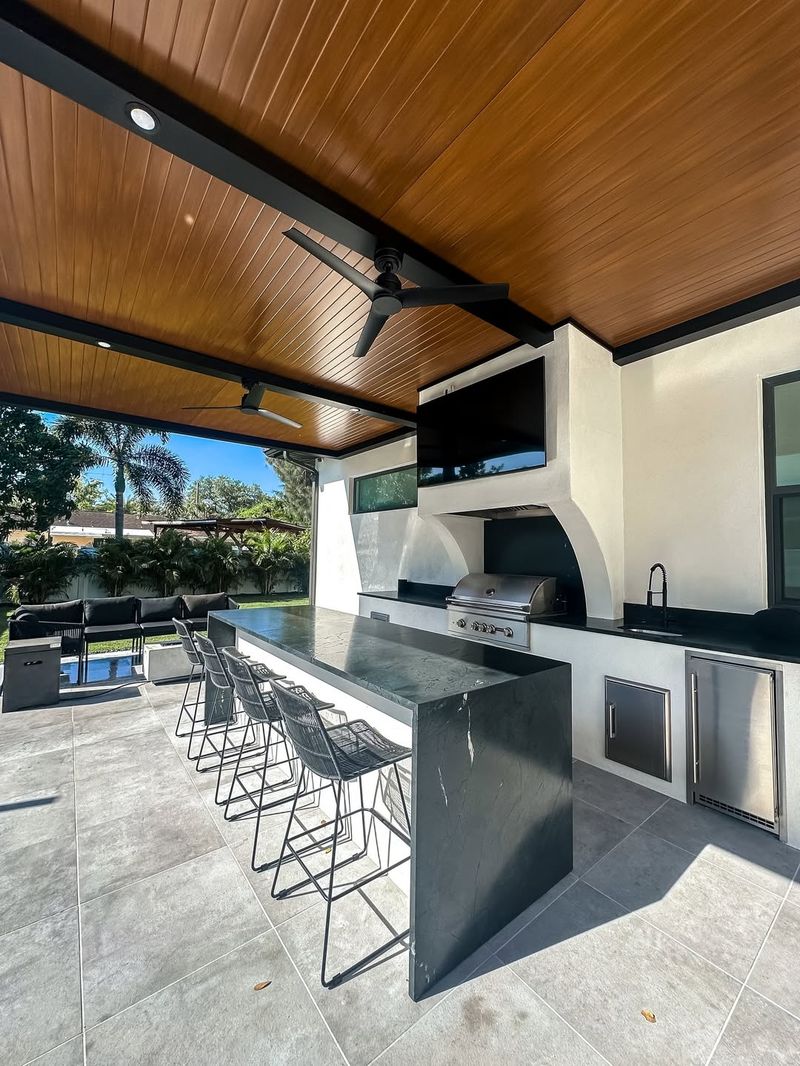
An outdoor kitchen with a built-in grill, sink, and countertop space turns your coastal patio into an entertainment paradise. These popular upgrades require multiple permits because they involve plumbing, gas lines, electrical work, and sometimes permanent roofed structures.
Your outdoor kitchen must meet the same building codes as indoor kitchens, including proper ventilation for cooking equipment and ground fault protection for electrical outlets near water sources.
Properties in coastal flood zones must elevate all electrical components and gas shutoff valves above the Base Flood Elevation to prevent contamination and fire hazards during storm surge.
The Florida Building Code requires that outdoor kitchens withstand hurricane-force winds without structural failure, and any overhead covering needs full engineering review.
Coastal Construction Control Line properties face environmental review to ensure runoff from your kitchen doesn’t impact sensitive coastal ecosystems.
Homeowners often install outdoor kitchens thinking they’re just adding appliances, but permanent countertops, utility connections, and roofs all trigger permit requirements. Your plumbing connections need separate permits and must include backflow prevention devices to protect your home’s water supply.
Gas line permits ensure proper installation that prevents dangerous leaks in saltwater environments. Starting with comprehensive permits protects your family while ensuring your beautiful outdoor cooking space remains safe and compliant for years of coastal entertaining.
Permit requirements vary by county and municipality. Always verify local regulations with your city or county building department before beginning construction.