13 Outdoor Gardening Changes That May Be Limited In Florida
Florida sunshine makes everything look greener on the other side, especially when a backyard starts calling out for fresh mulch, fluttering leaves, and the promise of a personal paradise.
Many homeowners jump in with both boots, dreaming of shady trees, trickling water features, and vegetable beds bursting at the seams.
That dream can hit a speed bump once local rules come into play, turning what felt like a walk in the park into a maze of permits, guidelines, and approvals.
In a state where water, wildlife, and drainage can change in the blink of an eye, even the smallest outdoor tweak can ripple far beyond a single fence line.
From rain barrels to garden sheds, Florida treats landscaping like a high stakes chessboard where every move matters.
Knowing the lay of the land keeps costly mistakes off the table and prevents well meaning projects from becoming legal headaches.
A little foresight saves a lot of sweat and keeps hard earned money from going down the drain.
With the right insight, outdoor upgrades stay on the sunny side and avoid stepping on regulatory toes while still letting creativity bloom.
1. Installing Rain Barrels
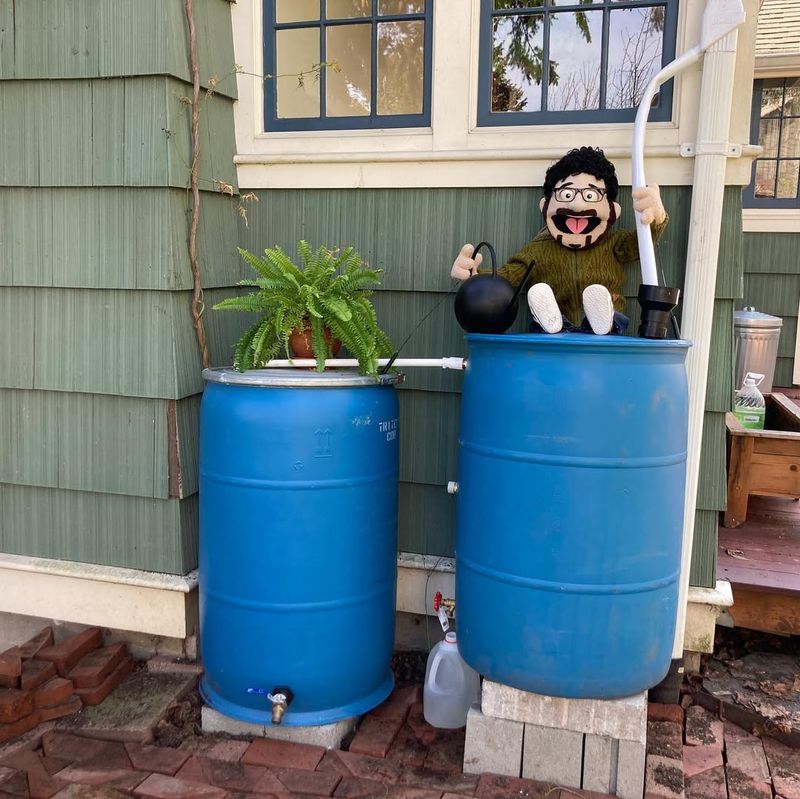
Rain barrels are a fantastic way to collect and reuse water from your roof, especially during Florida’s rainy season.
They help reduce your water bill and provide a natural source of irrigation for your plants.
Many gardeners love the idea of catching free water instead of letting it run off into storm drains.
However, some Florida cities and counties have specific rules about rain barrel installation.
These regulations often focus on mosquito control, since standing water can become a breeding ground if the barrel isn’t properly sealed.
You may need to ensure your barrel has a tight fitting lid and a screen over the inlet to keep insects out.
The Florida-Friendly Landscaping™ Program, developed by the University of Florida’s IFAS Extension, promotes water-saving and environmentally safe practices across the state, which is why many local governments set design and safety rules for things like rain barrels.
Before you set up your rain barrel system, check with your local building department or code enforcement office.
Some areas require permits, while others simply ask that you follow certain design standards.
Homeowner associations may also have their own guidelines about where barrels can be placed and how they should look.
Staying compliant is usually straightforward.
Choose a barrel designed specifically for rainwater collection, make sure it has mosquito prevention features, and position it on a stable, level surface away from your home’s foundation.
2. Adding Or Changing Irrigation Systems
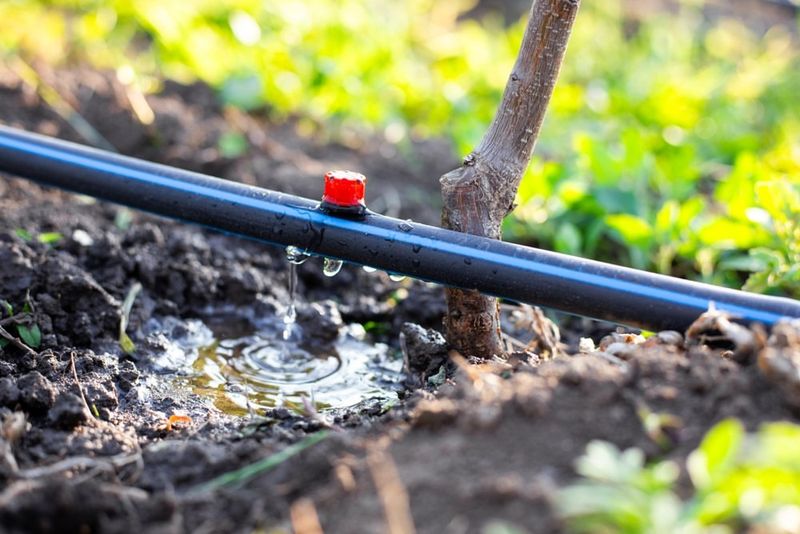
An efficient irrigation system can transform your Florida garden by delivering water exactly where your plants need it.
Drip lines, sprinkler heads, and timers help you maintain a healthy landscape without wasting precious water.
Modern systems can even adjust based on weather conditions, making them both eco friendly and convenient.
Florida has strict water conservation rules in many counties, especially during dry seasons.
Some areas limit the days and times you can water your lawn, and installing or modifying an irrigation system may require a permit.
This ensures that your setup meets local plumbing codes and doesn’t contribute to water waste or runoff problems.
Before you hire a contractor or tackle the project yourself, contact your local water management district and city hall.
Ask whether you need a permit, what the current watering restrictions are, and if there are any rebates available for water saving equipment.
Many Florida communities offer incentives for upgrading to smart irrigation technology.
Compliance is easier when you work with a licensed irrigation professional who knows the local rules.
They can design a system that conserves water, protects your plants, and keeps you on the right side of local ordinances.
3. Building Raised Garden Beds
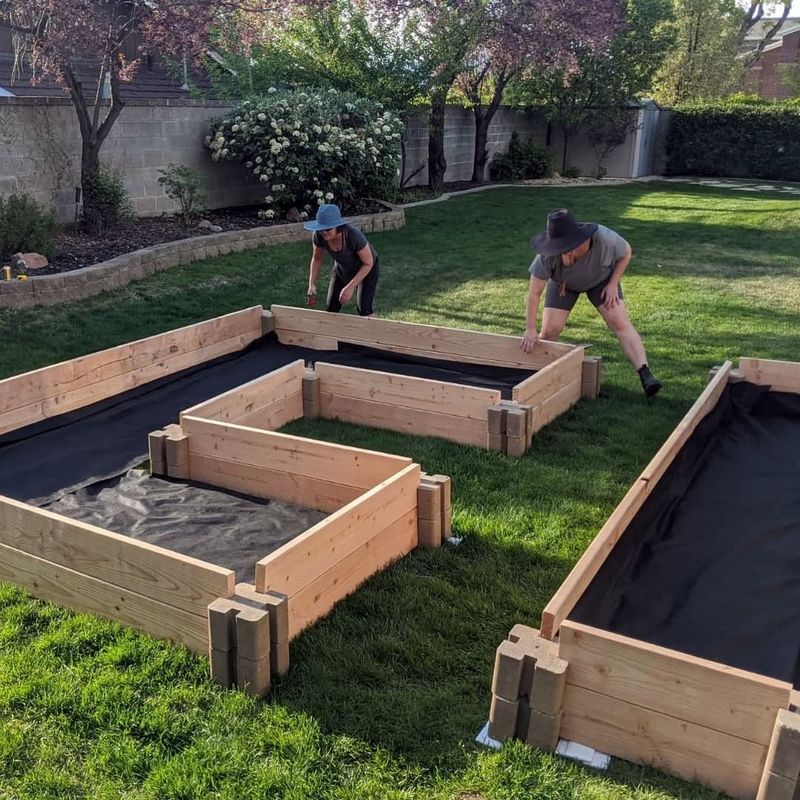
Raised garden beds are incredibly popular in Florida because they offer better drainage, easier access, and protection from certain pests.
You can fill them with quality soil and grow everything from tomatoes to herbs without worrying about the sandy or clay heavy ground beneath.
They also add a neat, organized look to any yard.
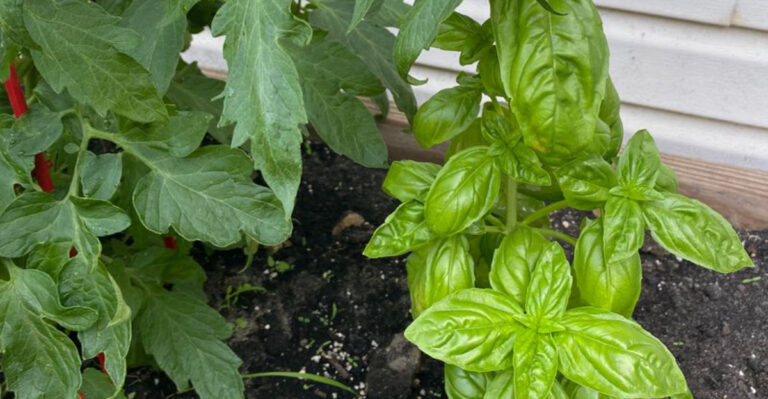
Under Florida law, local governments are not allowed to regulate vegetable gardens on residential properties, even though homeowners’ associations may still impose appearance and placement rules.
While raised beds seem simple, some cities and counties have rules about their size, height, and placement.
These regulations often relate to setback requirements, which dictate how close structures can be to property lines or sidewalks.
In some neighborhoods, especially those with homeowner associations, you may need approval before building anything that changes your yard’s appearance.
Check with your local building department to see if your raised bed project requires a permit.
In most cases, small beds under a certain height and size won’t need formal approval, but it’s always better to ask first.
Your HOA may also have specific guidelines about materials, colors, and locations.
To stay compliant, keep your beds low profile and use natural looking materials like untreated wood or stone.
Position them away from property boundaries and utility lines, and make sure they don’t block drainage or interfere with your neighbors’ views.
4. Planting Large Trees
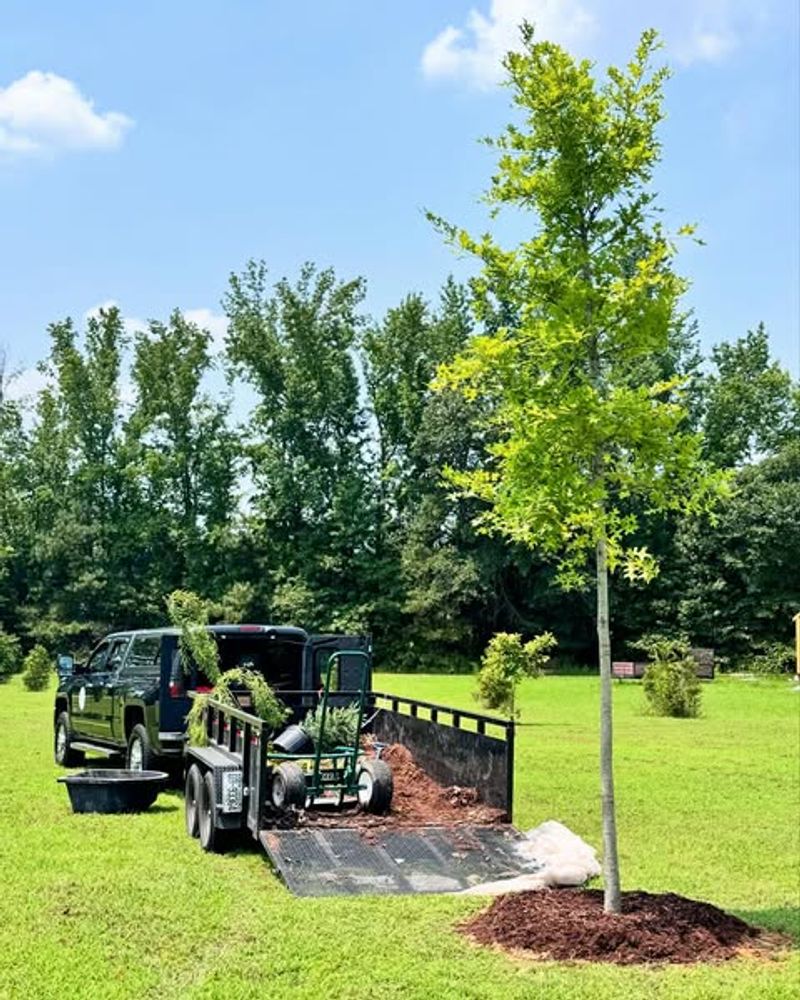
Large shade trees are a blessing in Florida’s hot climate, providing cooling canopy and natural beauty that can increase your property value.
Oaks, maples, and magnolias are just a few of the majestic species that thrive here.
Planting one can be a gift to future generations who will enjoy its shade and character.
However, planting large trees isn’t always as simple as digging a hole and dropping in a sapling.
Many Florida municipalities have rules about tree placement, especially near power lines, sidewalks, and roads.
These regulations help prevent future problems like root damage to infrastructure or branches interfering with utility lines.
Some cities even have lists of approved tree species for different locations.
Before you plant, call your local public works or urban forestry department.
They can tell you if there are setback requirements, height restrictions, or species limitations in your area.
If you live in a planned community, your HOA may also have landscaping rules that specify which trees are allowed and where they can go.
Compliance is simple when you plan ahead.
Choose a tree that fits your space, plant it away from structures and utilities, and follow any guidelines your city provides about spacing and species selection.
5. Removing Trees Or Stumps
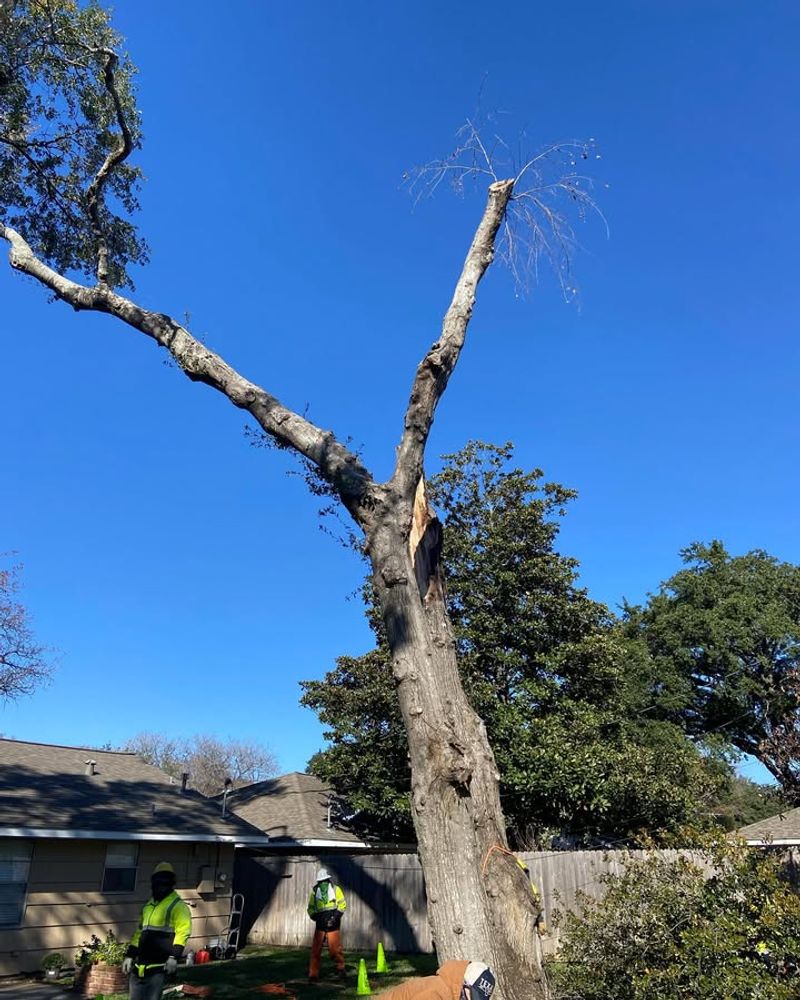
Sometimes a tree needs to come down due to storm damage, disease, or because it’s simply in the wrong spot.
Removing a tree or grinding out an old stump can open up your yard and make room for new landscaping ideas.
It’s a common project for Florida homeowners looking to refresh their outdoor spaces.
Many Florida cities have tree protection ordinances that regulate when and how you can remove trees, especially larger or older specimens.
These laws are designed to preserve urban canopy and prevent unnecessary loss of valuable trees.
You may need a permit before cutting down a tree over a certain size, and in some cases, you’ll be required to plant a replacement.
Contact your local code enforcement or environmental services department before you schedule tree removal.
Ask about permit requirements, size thresholds, and any replacement planting obligations.
If your tree is on the property line or near a neighbor’s yard, it’s also courteous to discuss your plans with them first.
To stay compliant, hire a licensed and insured tree service that understands local regulations.
They can help you navigate the permit process and ensure the work is done safely and legally, keeping your yard and neighborhood looking great.
6. Adding Composting Systems
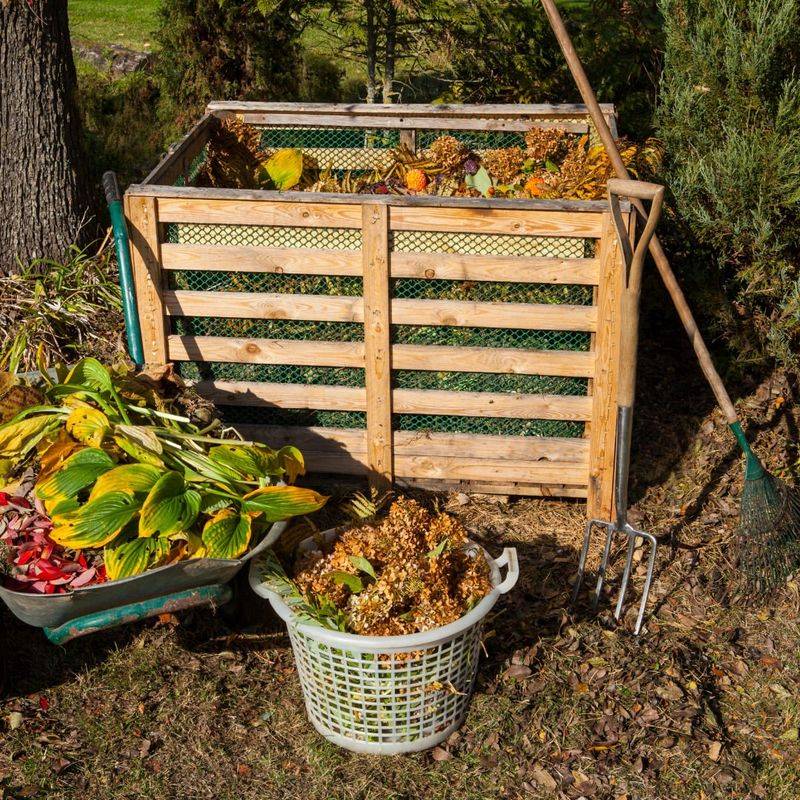
Composting is one of the most rewarding ways to reduce waste and enrich your garden soil naturally.
Florida’s warm weather speeds up decomposition, turning kitchen scraps and yard clippings into nutrient rich compost in just a few months.
It’s an eco friendly practice that saves money and benefits your plants.
While composting is generally encouraged, some cities and counties have rules about how and where you can do it.
These regulations often address concerns about odors, pests, and appearance, especially in densely populated neighborhoods.
Certain types of composting systems, like large open piles or tumbler bins, may need to meet setback requirements or be screened from view.
Before you start your compost pile or bin, check with your local solid waste department or code enforcement office.
Some areas have specific guidelines about the size and location of compost systems, and a few cities even offer free or discounted compost bins to residents.
Your HOA may also have rules about what’s allowed and where it can be placed.
Staying compliant is easy when you choose a contained composting system and position it in a discreet area of your yard.
Keep it well maintained to avoid odors and pests, and follow any local guidelines about what materials you can compost.
7. Installing Greenhouses
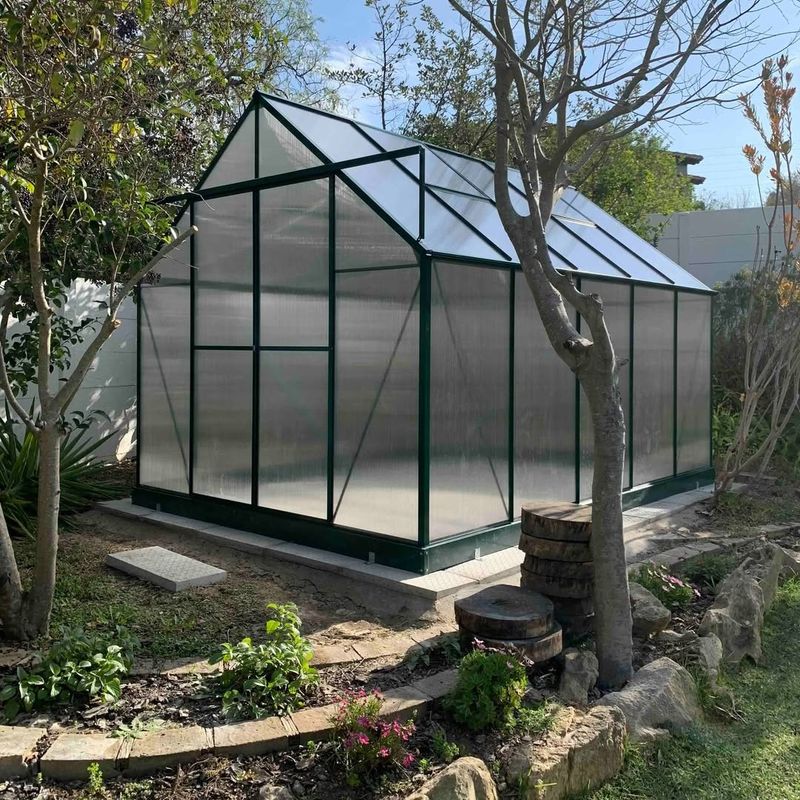
Greenhouses offer Florida gardeners a controlled environment for starting seeds, growing delicate plants, or extending the growing season for certain crops.
Even in our warm climate, a greenhouse can protect plants from intense afternoon sun, heavy rains, and occasional cold snaps.
They’re a dream for serious gardeners who want to experiment with new varieties.
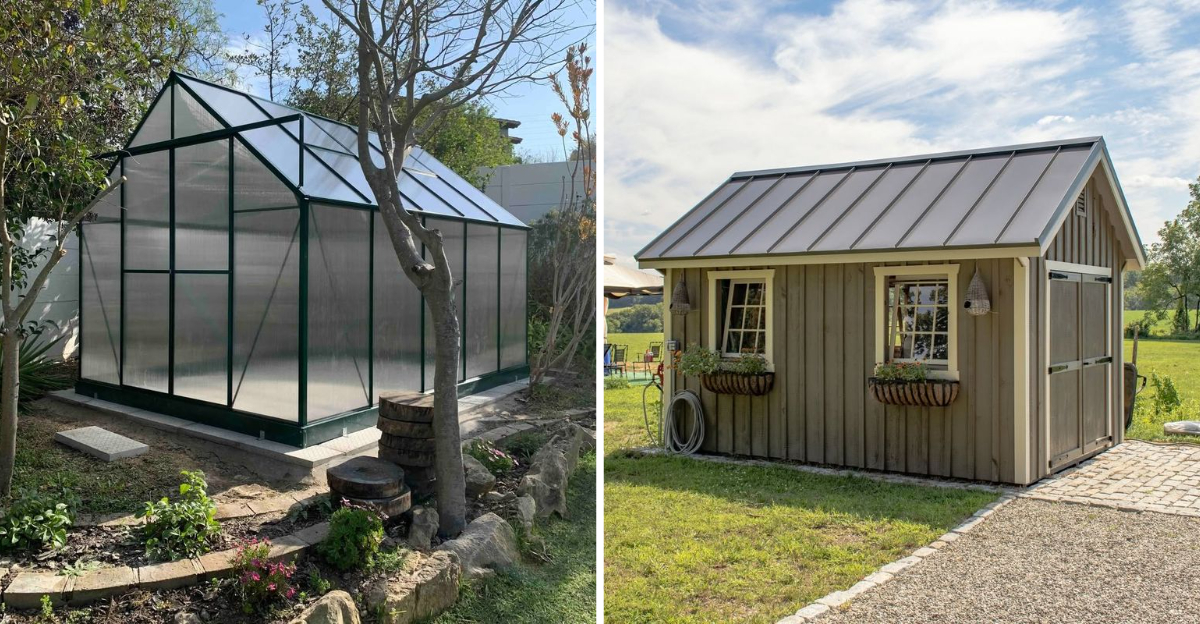
However, greenhouses are considered structures, and most Florida cities require building permits for them.
Regulations cover everything from size and height to setback distances from property lines and other buildings.
Some areas also have rules about materials, foundation requirements, and even ventilation to ensure the structure is safe and doesn’t negatively impact neighbors.
Before you purchase or build a greenhouse, visit your local building department to learn about permit requirements.
Bring sketches or plans showing the size, location, and materials you intend to use.
Your HOA may also need to approve the project, especially if the greenhouse will be visible from the street or neighboring properties.
Compliance is smoother when you choose a greenhouse kit designed to meet building codes and work with a contractor familiar with local regulations.
Position your greenhouse thoughtfully, ensuring it doesn’t block views or interfere with drainage patterns in your yard.
8. Building Garden Fences
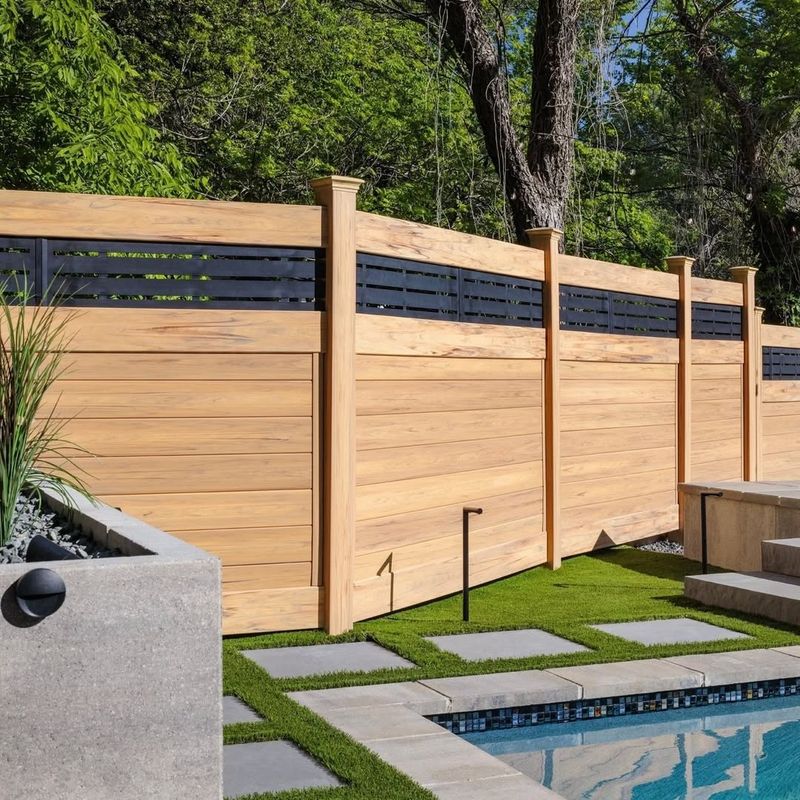
Garden fences serve many purposes in Florida, from keeping out curious critters to defining garden spaces and adding privacy.
A well built fence can protect your vegetables from rabbits and deer while giving your yard a polished, finished look.
Many homeowners find that a fence makes their outdoor space feel more secure and organized.
Fencing is one of the most commonly regulated home improvements in Florida.
Most cities have strict rules about fence height, materials, and placement, especially for fences near streets or property lines.
These regulations help maintain neighborhood aesthetics and prevent disputes between neighbors.
Some areas also have rules about fence styles, requiring certain materials or prohibiting barbed wire and chain link in front yards.
Before you start building, check with your local building department and review your property survey to confirm boundary lines.
You’ll likely need a permit, and your plans will need to show the fence’s height, location, and construction details.
Don’t forget to check with your HOA, as many have their own fencing guidelines that may be even stricter than city rules.
Staying compliant means measuring carefully, choosing approved materials, and respecting setback requirements.
Communicate with your neighbors about your plans, and make sure the finished fence doesn’t interfere with drainage or utility access.
9. Adding Outdoor Lighting
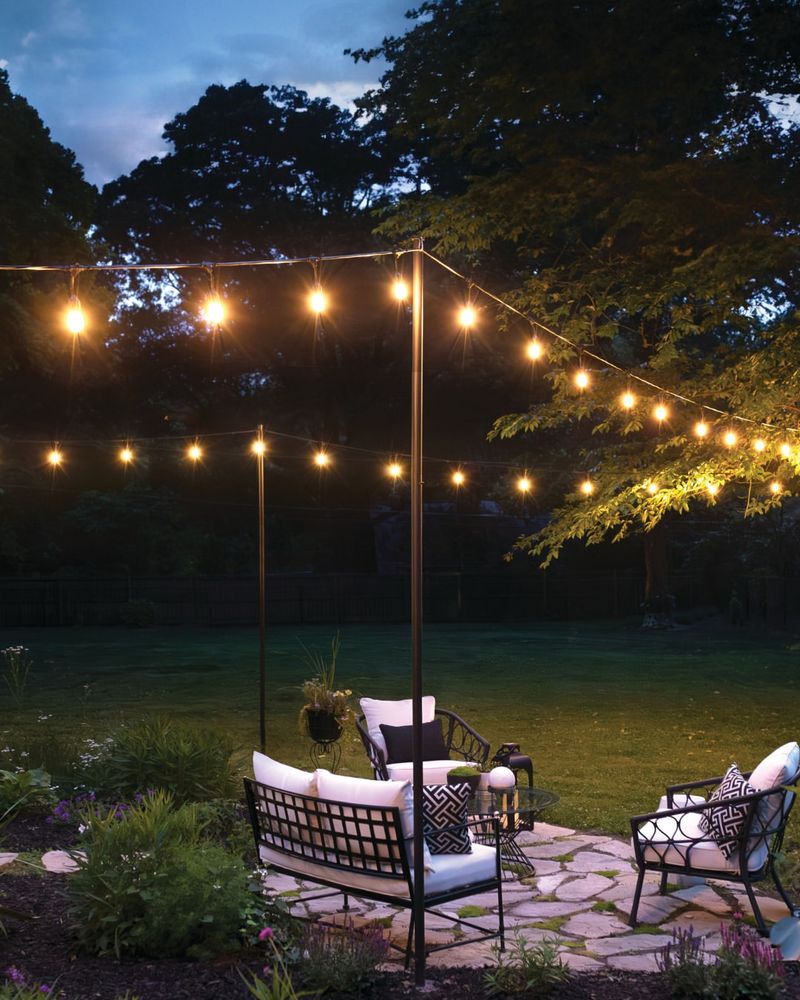
Outdoor lighting can transform your Florida garden into a magical evening retreat, highlighting pathways, trees, and flower beds while improving safety and security.
Solar lights, low voltage systems, and string lights are popular choices that add ambiance without dramatically increasing your electric bill.
Good lighting makes your outdoor space usable after sunset and showcases your hard work.
While simple solar stake lights usually don’t require permits, more extensive lighting projects may need approval, especially if they involve electrical wiring.
Florida building codes regulate outdoor electrical installations to ensure safety and prevent fire hazards.
Some cities also have rules about light pollution, requiring fixtures to be shielded or directed downward to avoid disturbing neighbors or wildlife.
Before you install permanent outdoor lighting, check with your local building department about permit requirements.
If your project involves running new electrical lines or installing fixtures on structures, you’ll likely need both a permit and an inspection.
Your HOA may also have guidelines about the type, brightness, and placement of outdoor lights.
Compliance is straightforward when you hire a licensed electrician for any wired lighting and choose fixtures that meet local codes.
Keep lights aimed at your own property, use timers or motion sensors to minimize light pollution, and select warm toned bulbs that enhance your garden’s beauty.
10. Constructing Garden Sheds
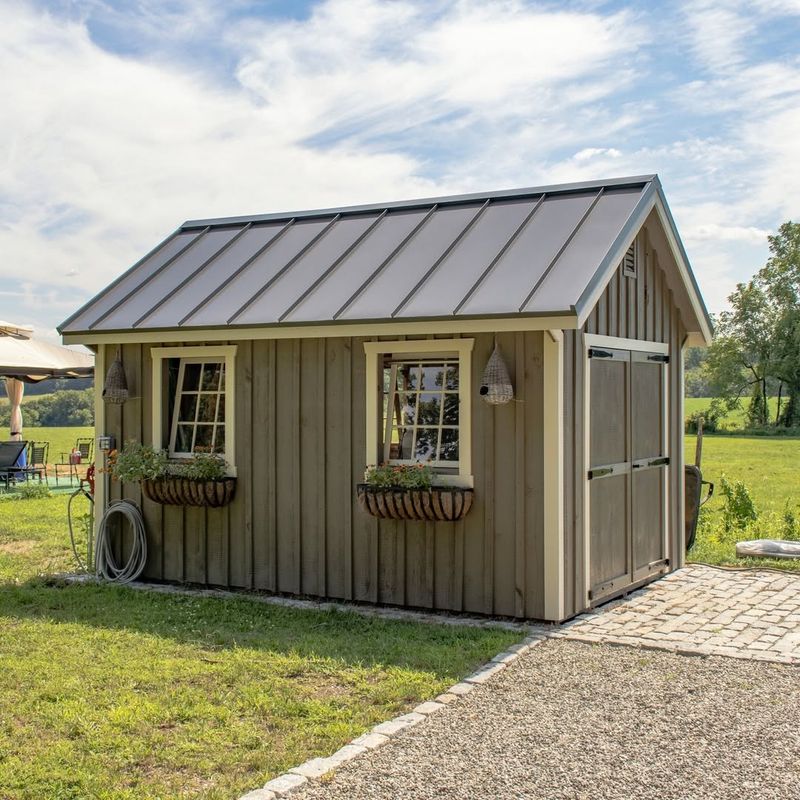
Garden sheds are incredibly useful for storing tools, equipment, and supplies, keeping your yard organized and clutter free.
In Florida’s humid climate, a well ventilated shed protects your investment from rust and weather damage.
Whether you buy a prefab kit or build one from scratch, a shed can be a valuable addition to your property.
Sheds are considered accessory structures, and almost all Florida cities require building permits for them.
Regulations cover size limits, setback distances from property lines, maximum height, and foundation requirements.
Some areas also have rules about the total number of accessory structures allowed on a single property and may require that sheds match your home’s architectural style.
Before you order a shed or start building, visit your local building department to learn about size restrictions and setback requirements.
You’ll need to submit a site plan showing where the shed will be located, along with construction details or manufacturer specifications.
Your HOA will likely need to approve the project as well, especially regarding appearance and placement.
Staying compliant means choosing a shed that meets size limits, placing it in an approved location, and ensuring it has a proper foundation.
Work with a contractor who understands local codes, and schedule inspections as required to keep your project on track.
11. Installing Ponds Or Water Features
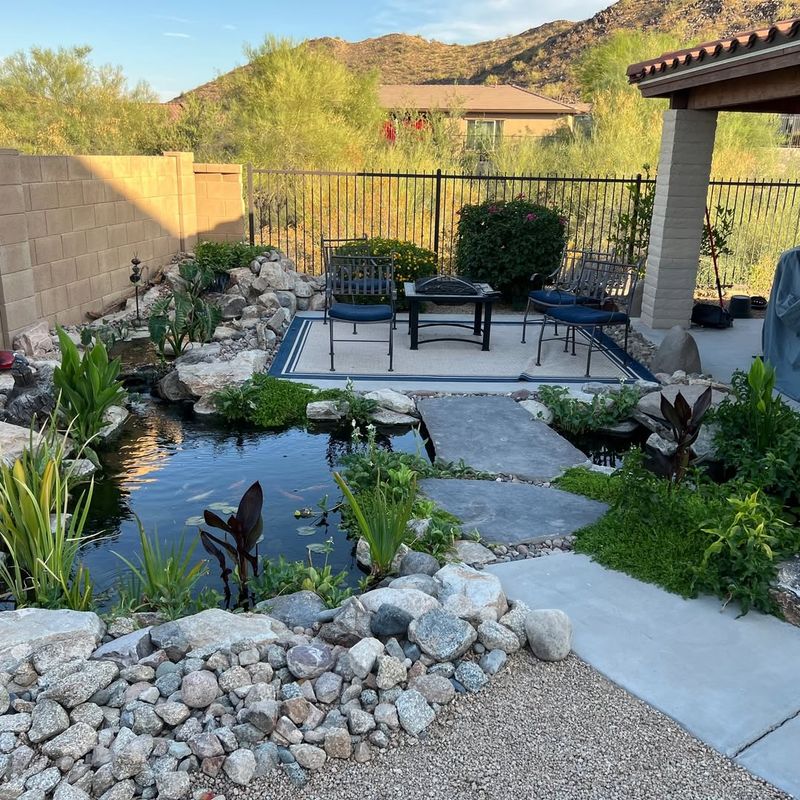
Water features like ponds, fountains, and waterfalls add a serene, tranquil element to Florida gardens.
The sound of flowing water creates a peaceful atmosphere, and a pond can attract beautiful wildlife like birds and butterflies.
Many homeowners find that a water feature becomes the centerpiece of their outdoor space.
However, ponds and water features are subject to multiple regulations in Florida.
Building codes may require permits for excavation, electrical work, and plumbing connections.
Environmental rules address concerns about mosquito breeding, water quality, and impacts on local wetlands or drainage.
Some areas also have restrictions on pond depth and size to protect children and pets from accidental drowning.
Before you start digging or installing a fountain, check with your local building department, environmental services, and mosquito control district.
You may need permits from multiple agencies, especially if your pond will be large or involve moving significant amounts of soil.
Your HOA may also have rules about water feature design and placement.
Compliance requires careful planning and often professional help.
Work with a licensed contractor who understands local regulations, include mosquito prevention measures like fountains or fish, and ensure your water feature has proper circulation and filtration to keep it healthy and beautiful.
12. Major Soil And Grading Changes
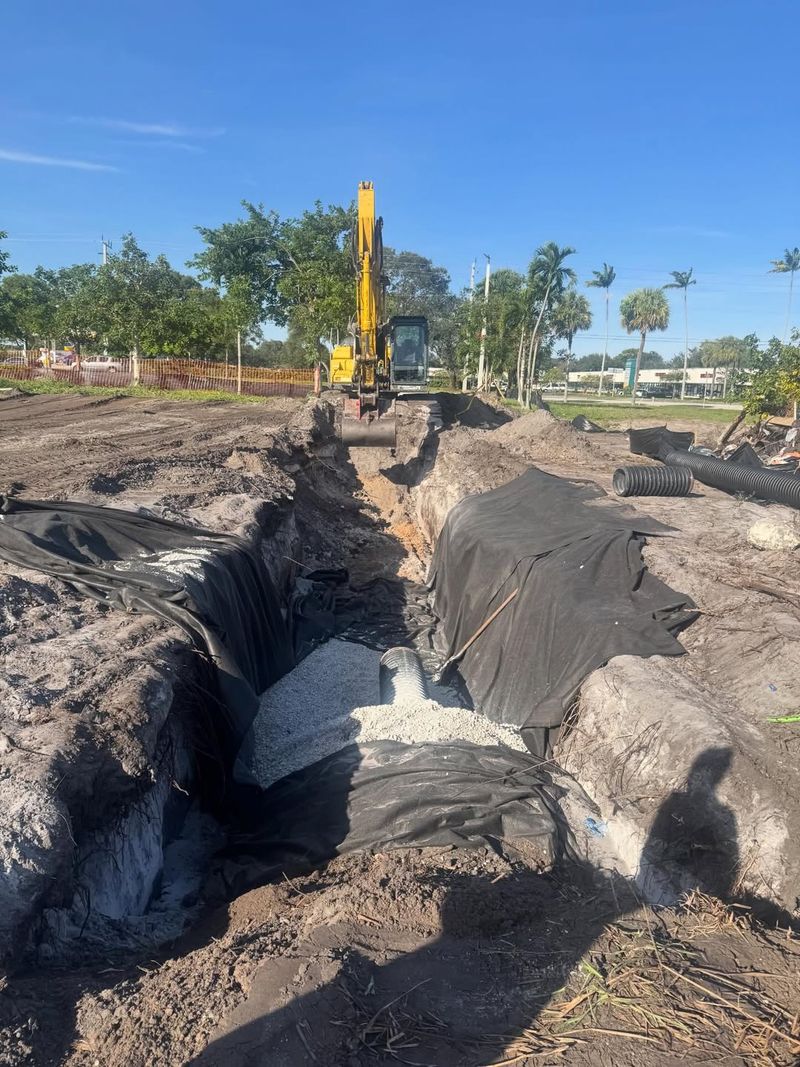
Changing the grade or elevation of your yard can solve drainage problems, create level planting areas, or prepare your property for new landscaping projects.
In Florida, where heavy rains and flat terrain can cause flooding, proper grading is essential for protecting your home and maintaining a healthy yard.
Sometimes reworking the soil is the best solution for persistent water issues.
Major grading changes are closely regulated in Florida because they can affect drainage patterns, stormwater runoff, and even neighboring properties.
Moving large amounts of soil or changing the slope of your land usually requires a grading permit and an engineered drainage plan.
These regulations ensure that your project doesn’t cause flooding or erosion on your property or anyone else’s.
Before you bring in heavy equipment or start moving soil, contact your local building department and stormwater management office.
You’ll likely need to submit a site plan showing existing and proposed elevations, along with details about how water will drain after the changes.
Some projects may also require environmental permits if they affect wetlands or protected areas.
Staying compliant means working with a licensed contractor or engineer who can design a proper drainage plan.
Follow permit requirements carefully, schedule inspections, and ensure your finished grading directs water away from structures and toward approved drainage areas.
13. Planting Certain Restricted Plant Species
Florida’s warm climate allows an incredible variety of plants to thrive, from tropical palms to exotic flowering vines.
It’s tempting to experiment with unusual species that catch your eye at the nursery or online.
However, not every plant that grows well in Florida is a good choice for your garden, and some can actually cause serious environmental problems.
The state and many local governments maintain lists of invasive and prohibited plant species that cannot be legally planted or sold.
The Florida Department of Agriculture and Consumer Services maintains official invasive plant laws that regulate which species are restricted or prohibited in Florida.
These plants spread aggressively, crowding out native vegetation and disrupting natural ecosystems.
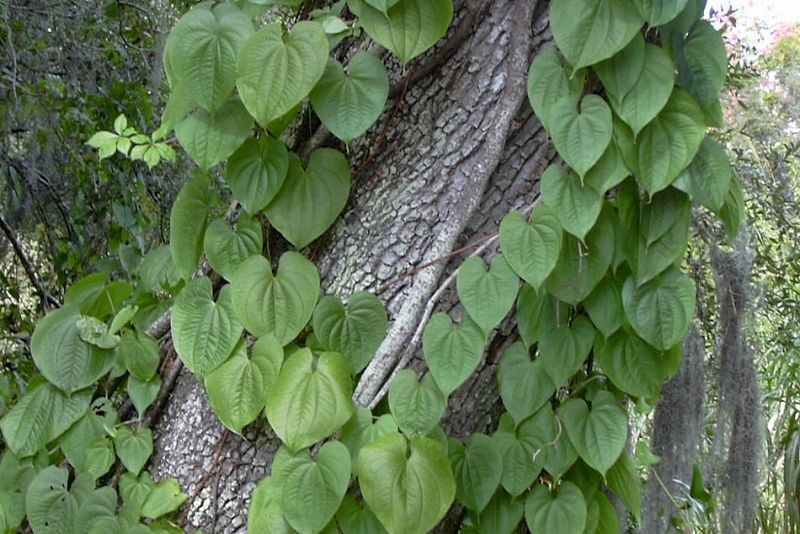
Examples include certain types of bamboo, Brazilian pepper, and air potato vine.
Planting these species can result in fines and mandatory removal, plus they can quickly take over your yard and spread to neighboring properties.
Before you plant anything unfamiliar, check the Florida Invasive Species Council website and your county’s extension office for lists of prohibited plants.
Stick with native or well behaved non native species that won’t become a nuisance.
Your HOA may also have approved plant lists and restrictions on certain species based on appearance or maintenance needs.
Compliance is easy when you choose native Florida plants or proven non invasive varieties.
Shop at reputable nurseries, ask questions about growth habits, and avoid plants with a reputation for aggressive spreading or self seeding.