Outdoor Watering Is Restricted In Massachusetts, But These 7 Garden Practices Are Still Allowed
Massachusetts drought restrictions have a talent for arriving right when your garden hits its stride. One week you are deep-watering your tomatoes on a Tuesday, the next week someone from the town is leaving a notice on your door.
The rules shift fast, and the list of what counts as “nonessential” outdoor water use is longer than most people expect. Lawn sprinklers? Gone. Automatic irrigation? Forget it.
But here is what the restrictions actually leave alone, and it is more than you think. The methods still on the table are not just loopholes, some are genuinely better for your plants than a sprinkler ever was.
Seven practices survive even the strictest Massachusetts water ban, and your garden can stay in decent shape through all of them.
1. Hand-Watering With A Handheld Hose Is Still Permitted
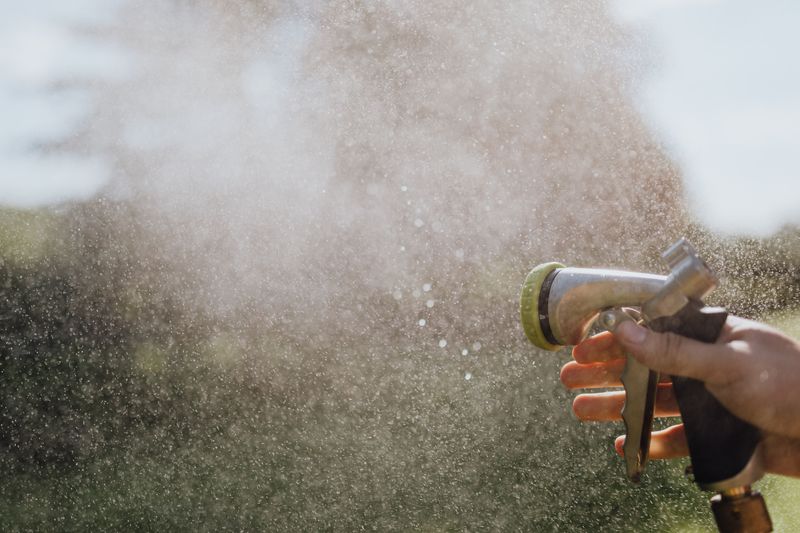
Your hose is not the enemy here. Even during outdoor watering restrictions in Massachusetts, using a handheld hose with a shut-off nozzle is almost always still allowed under state guidelines.
The key word here is handheld and intentional. You must physically hold the hose the entire time you are watering your plants.
Leaving a hose running unattended is a completely different story. That crosses into restricted territory very fast, and fines can easily follow.
A shut-off nozzle is not just a regulation requirement worth noting. It also saves a surprising amount of water by stopping the flow between individual plants.
Think about how much water runs onto the sidewalk when a hose just sits there unattended. A nozzle with a trigger puts you fully back in control.
Hand-watering also encourages you to pay much closer attention to each plant. You will notice which ones are quietly struggling and which ones are actively thriving.
It slows you down in the best possible way imaginable. Gardening becomes more intentional and far less automatic over time.
Most Massachusetts water restrictions permit hand-watering with a nozzle even on odd-even watering days. That said, towns can add their own layers on top of state guidelines, so checking local rules is always worth it.
Some communities post watering restriction updates online or through local alerts regularly. Signing up for those notifications keeps you well ahead of any sudden changes.
Hand-watering with a handheld hose during outdoor watering restrictions is one of the simplest ways to stay fully compliant. Your garden stays properly hydrated, and you stay completely out of trouble.
2. Drip Irrigation Remains An Approved Watering Method
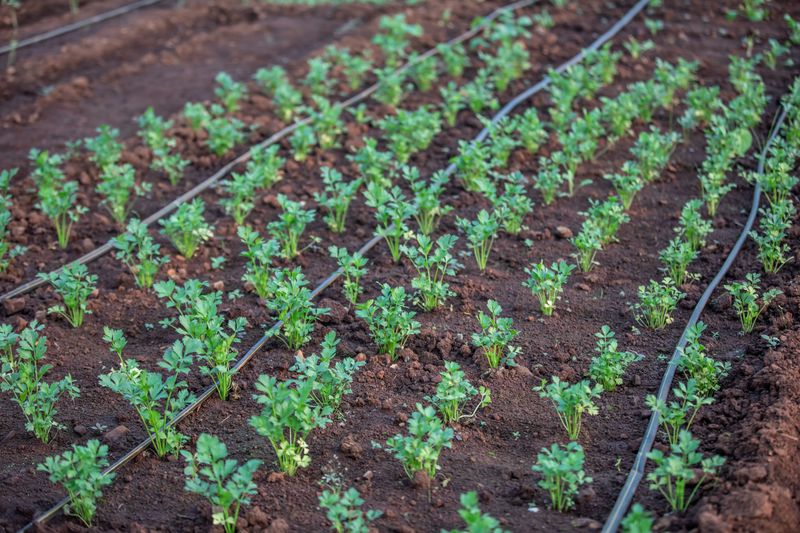
Drip irrigation is the quiet overachiever of the garden world. It delivers water slowly and directly to plant roots, cutting waste dramatically compared to sprinklers.
Massachusetts water restrictions typically exempt drip systems from standard outdoor watering bans. That exemption exists because drip irrigation is genuinely efficient.
Water goes where it is needed most. None of it sprays into the air, evaporates on hot pavement, or drifts away in the breeze.
Setting up a basic drip system does not require a plumber or a big budget. Soaker hoses and simple emitter kits are available at most garden centers.
Your Massachusetts Garden Changes Every Week. Your Plan Should Too.
Gardening in Massachusetts changes quickly throughout the season. Every Friday you’ll receive a simple weekly plan showing exactly what to plant, prune, fertilize, harvest, and protect so you never miss the right timing.
You can run a drip line along a row of vegetables and connect it to a timer. The whole setup can pay for itself in water savings within a single season.
Drip systems also reduce fungal disease because leaves stay dry. Wet foliage from overhead sprinklers is a common cause of mildew and rot.
Gardeners who switch to drip irrigation often report healthier plants and bigger harvests. The plants spend less energy managing water stress.
Before installing any irrigation system, check with your local water department. Some communities require permits or have specific rules about automated versus manual drip setups.
Even during the toughest outdoor watering restrictions, drip irrigation typically gets a green light. It is one of those rare situations where following the rules and doing the smart thing are exactly the same.
3. A Watering Can Gets The Job Done Without Breaking Any Rules
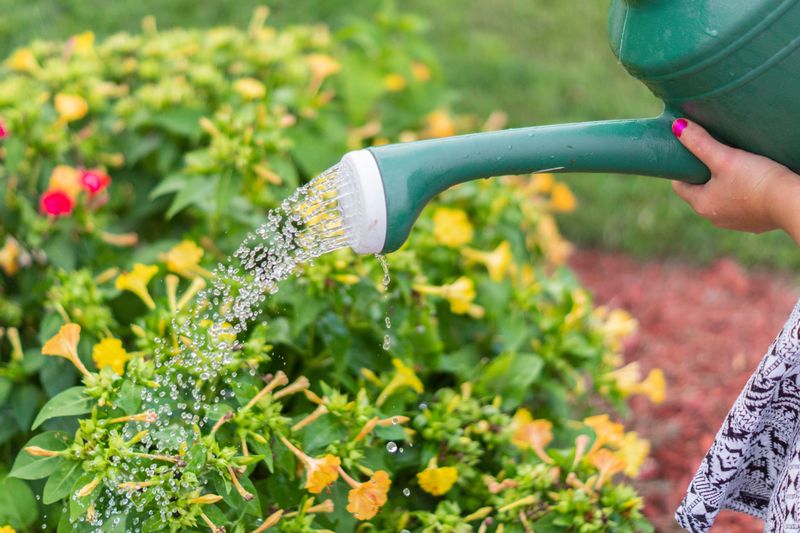
A watering can feels old-fashioned until the moment your neighbor’s sprinkler gets flagged and yours does not. Massachusetts outdoor watering restrictions permit them across virtually all drought levels.
A two-gallon can covers more ground than you expect when poured slowly at the base of each plant. Containers and pots dry out faster than in-ground beds, making a watering can the most precise tool for the job.
There is something deeply satisfying about watering with a can. It connects you to the garden in a way that a sprinkler system never quite manages.
A watering can is about as restriction-proof as it gets, permits, schedules, and nozzle requirements simply do not apply.
You simply fill the can and pour. The simplicity is the point.
Containers and pots especially benefit from this method. Their small soil volume dries out quickly, and a watering can delivers a precise, controlled soak.
Galvanized steel cans hold heat from the sun slightly, which can actually warm the water. Warmer water is gentler on roots than cold tap water straight from the hose.
Kids love helping with watering cans too. Giving a child their own small can turns a garden chore into a fun activity on a hot afternoon.
For gardeners with larger plots, a watering can alone might feel like a slow process. Pairing it with a drip system for rows and using the can for containers is a smart combination.
You can find watering cans in every size, color, and material imaginable. Choosing one you actually like looking at makes it more likely you will use it consistently.
During outdoor watering restrictions, a watering can is your no-fuss, always-allowed solution. Simple tools often turn out to be the most reliable ones.
4. Ornamental Plants And Flower Gardens Can Still Receive Water
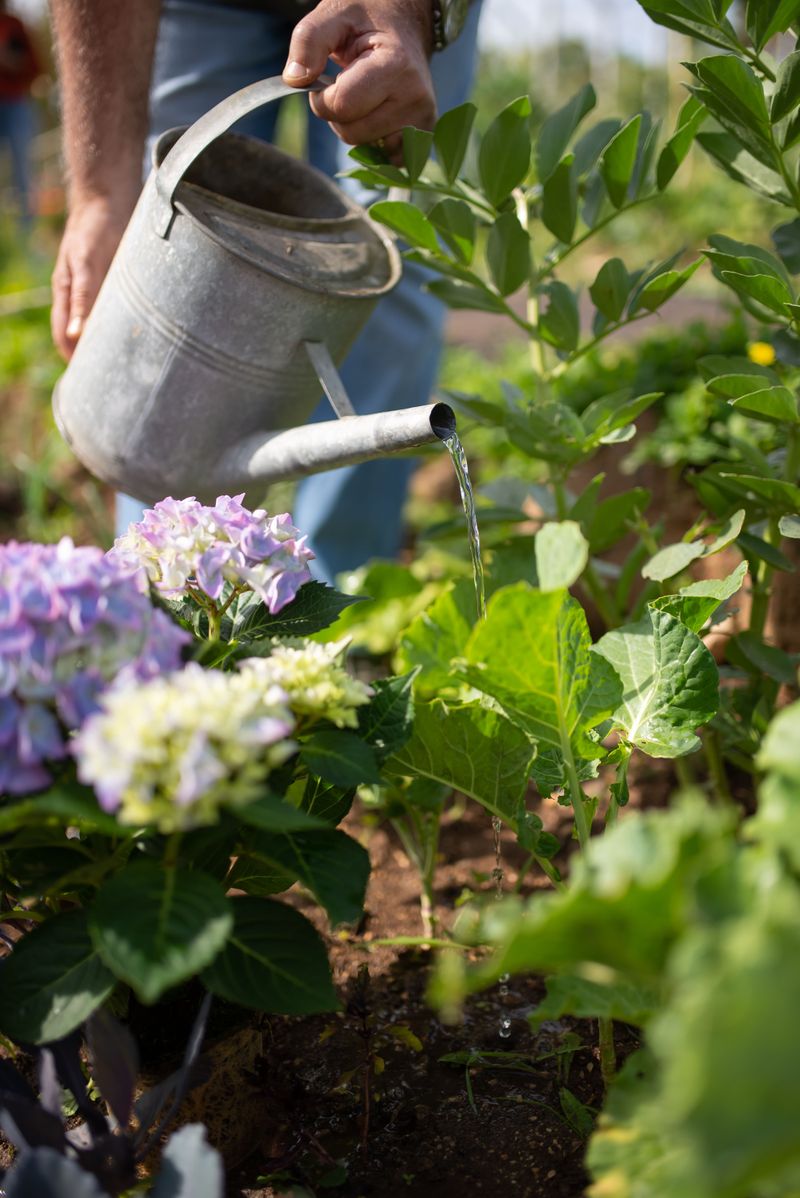
Your flower garden does not have to become a casualty of drought restrictions. Ornamental plants and flower beds can still be watered by hand even when sprinkler bans are in full effect.
The restriction targets wasteful automated systems, not your beloved hydrangeas. Hand-watering flower beds with a nozzled hose or watering can remains permitted.
Established perennials are tougher than they look. Many can handle a few dry days without serious damage if you water deeply when you do water.
Deep watering encourages roots to grow downward. Shallow roots are what make plants vulnerable to heat and drought in the first place.
Annuals like petunias and impatiens need more consistent moisture. Check the soil an inch below the surface before watering to avoid overdoing it.
Mulching around ornamental plants makes a huge difference. A two-inch layer of bark mulch or shredded leaves holds moisture in the soil for days longer.
Organic mulch also breaks down over time, feeding the soil beneath it. It is one of those double-duty garden moves that keeps giving all season.
Grouping plants with similar water needs together also helps. You spend less time watering and each plant gets exactly what it requires.
Native Massachusetts plants like black-eyed Susans and coneflowers are naturally drought-tolerant. Adding a few to your flower beds reduces how much supplemental watering you need overall.
Keeping ornamental plants alive during outdoor watering restrictions is absolutely doable. A little strategy goes a long way toward a garden that stays gorgeous all summer.
5. Vegetable Gardens Can Still Be Watered By Hand
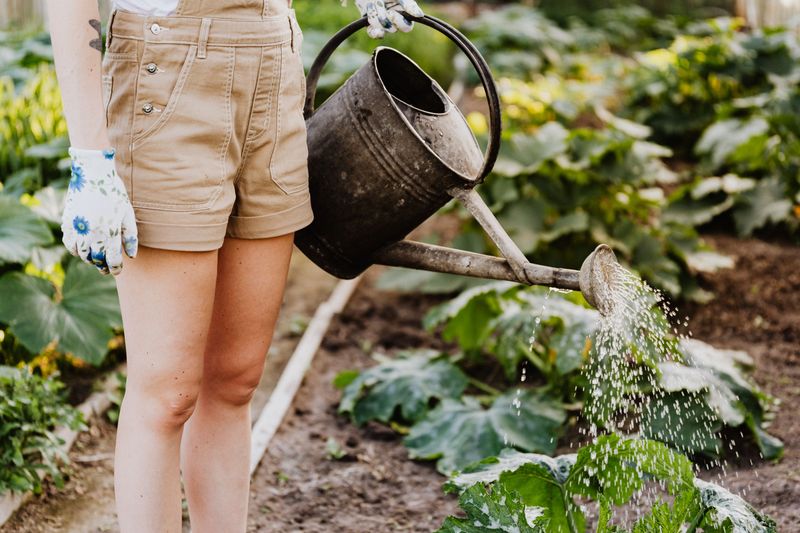
Tomatoes do not care about water restrictions. They will wilt dramatically and remind you every single day if they do not get enough moisture.
Some Massachusetts communities explicitly exempt vegetable gardens from outdoor watering restrictions, though rules vary by town.
Using a handheld hose with a shut-off nozzle or a watering can keeps you fully compliant. Both methods deliver water directly to the soil without waste.
Watering at the base of plants rather than overhead protects vegetables from disease. Wet leaves on tomatoes and squash are an open invitation for fungal problems.
A soaker hose laid along the base of your vegetable rows does the same job with even less effort. It counts as drip irrigation under most Massachusetts restriction guidelines, which means it stays permitted when sprinklers do not.
Early morning is the best time to water a vegetable garden. Soil absorbs moisture before the heat of the day causes evaporation.
Evening watering works too, but morning gives plants a head start. Roots take up water more efficiently when temperatures are cooler.
Raised beds dry out faster than in-ground gardens. They may need watering every day during a heat wave, so check the soil moisture daily.
Straw mulch between vegetable rows is a game changer for moisture retention. It also suppresses weeds, which compete with your crops for water and nutrients.
Some gardeners use self-watering containers for herbs and smaller crops. These built-in reservoirs release moisture slowly and reduce how often manual watering is needed.
During outdoor watering restrictions, your vegetable garden is not off limits. Smart hand-watering keeps your harvest on track and your neighbors from side-eyeing your setup.
6. Rainwater Collected In Rain Barrels Is Fair Game
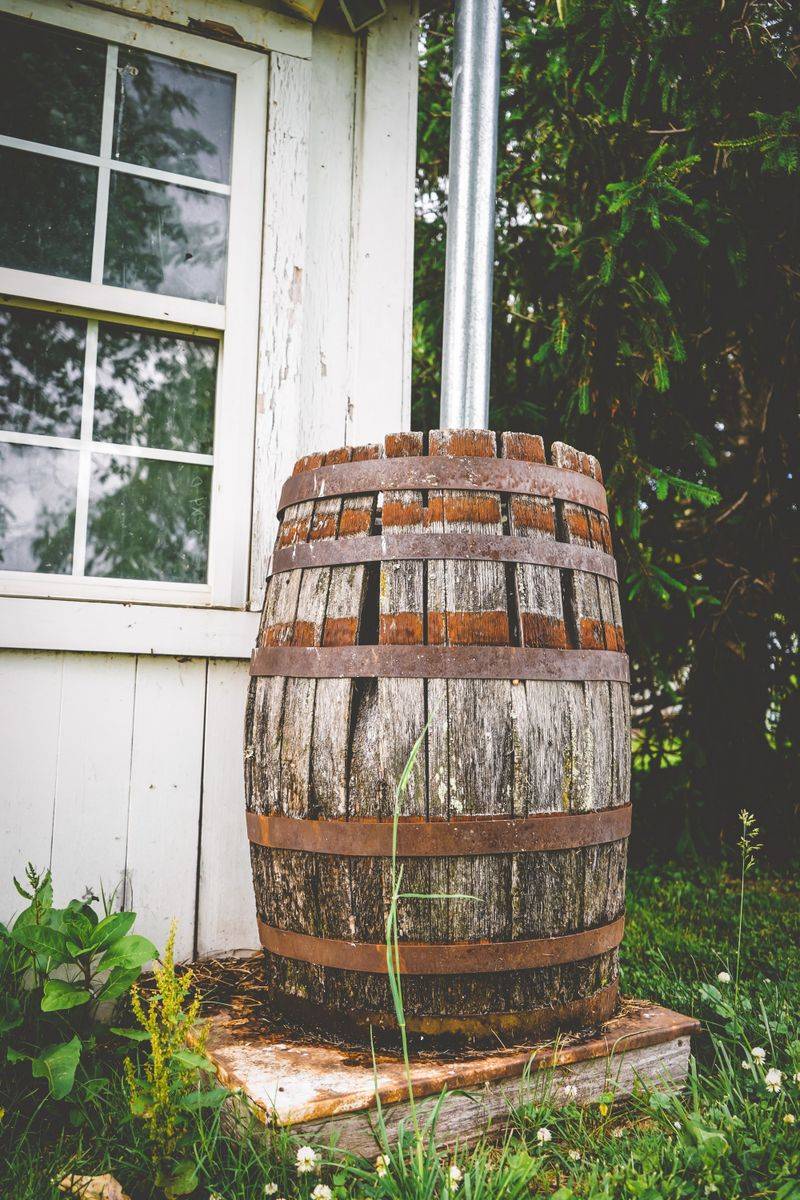
Rain barrels are one of those ideas that sound almost too good to be true. You collect free water from your roof, store it, and use it whenever your garden needs a drink.
Collected rainwater is not subject to outdoor watering restrictions in Massachusetts. It falls outside the scope of municipal water regulations entirely.
A standard 55-gallon rain barrel can fill up completely from a single moderate rainfall. That is a lot of free irrigation water sitting right outside your back door.
Connecting a barrel to your downspout takes about an hour and basic tools. Most home improvement stores carry complete kits with everything you need.
The water collected is naturally soft and free of chlorine. Plants actually respond well to rainwater compared to treated municipal tap water.
Positioning your barrel on a slightly elevated platform increases water pressure. Even a few inches of height helps the water flow more freely through the spigot.
Overflow diverters prevent the barrel from flooding your foundation when it fills up. That small addition protects both your home and your garden layout.
Mosquito prevention matters with any standing water setup. A tight-fitting lid or screen over the barrel opening keeps insects from breeding inside.
Multiple barrels connected in series can store well over 100 gallons. That kind of reserve keeps a medium-sized garden going through a week-long dry spell.
During outdoor watering restrictions, a rain barrel transforms your relationship with your garden. Free water, no restrictions, and a smaller environmental footprint all at once.
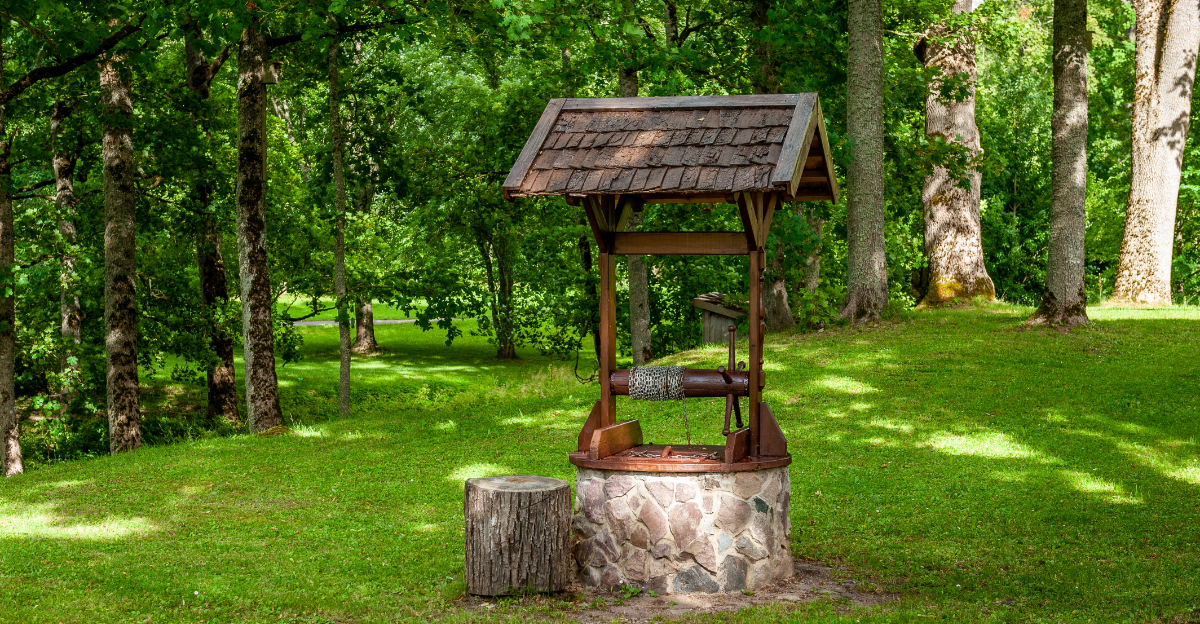
7. Private Well Users Are Exempt In Most Communities
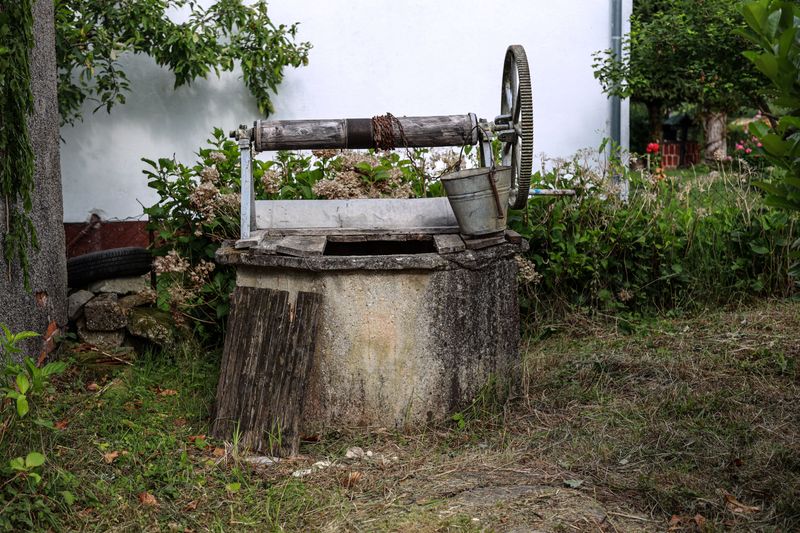
Living off municipal water has its perks, and well owners in Massachusetts are discovering one of the biggest ones right now. Private well users are exempt from outdoor watering restrictions in most communities across the state.
The restrictions target public water supply systems, which face strain during drought conditions. Private wells draw from groundwater, which is managed separately.
That does not mean well water is unlimited or consequence-free. Overuse during drought can lower the water table and affect neighboring wells.
Responsible well users monitor their usage even when no rule requires it. Keeping an eye on water pressure is a good early warning sign of a dropping water table.
Some Massachusetts towns have extended restrictions to include private wells during severe droughts. Always check your town’s current ordinances before assuming full exemption applies to you.
Well water is often cooler than surface water and can contain natural minerals. Some gardeners swear their plants prefer it over chlorinated municipal supplies.
Having your well tested annually is a smart habit regardless of drought conditions. It ensures the water quality stays safe for both your garden and your household.
If you are on a private well and your neighbors are on town water, be a thoughtful community member. Excessive watering during a regional drought affects everyone in the watershed.
Well owners enjoy real flexibility during outdoor watering restrictions, but that freedom comes with responsibility. Using water wisely protects your well, your neighbors, and the shared groundwater supply that everyone depends on.