8 Overlooked Plants Holding Nevada’s High Desert Together
You think the desert is empty, but it is quietly scheming. Beneath your boots, Nevada wages a patient contest for water. Every root you step over competes harder than you would guess.
Some shrubs you dismiss as junk are actually clever strategists. Others quietly hide food sources you would never expect. Wildlife you never notice depends entirely on these overlooked plants.
Birds you overlook nest inside branches that look bare. Insects you cannot see swarm blossoms under spiny armor. Sand shifts constantly beneath you, yet certain roots never budge.
Wind bends these tough plants without you ever noticing. Nothing you see out here grows without a clear reason. Each species you pass carries tricks refined across centuries of drought.
Your eyes skip past genius disguised as ordinary scrub brush. Nevada’s high desert rewards you for looking closer. From now on, you will never see this land the same way again.
1. Fourwing Saltbush
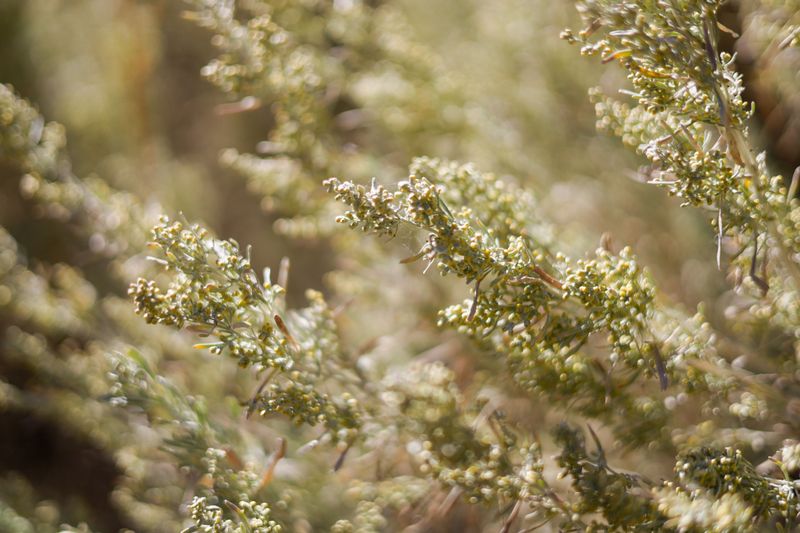
Walk through any dry wash in the Great Basin and you will bump into Fourwing Saltbush before you see it. This tough, silver-green shrub is one of the hardest workers in the high desert, and almost nobody gives it credit.
Fourwing Saltbush gets its name from the four papery wings attached to each seed. Those wings catch the wind and carry seeds far across the flats, helping the plant spread across rough terrain with ease.
Wildlife depends on this plant more than most people realize. Pronghorn, mule deer, and jackrabbits all browse its salty leaves through the cold months when other food sources disappear.
The plant also does something remarkable underground. Its deep roots pull up nutrients from layers of soil that shallow plants cannot reach, then deposit them near the surface when leaves fall and break down.
Ranchers have used Fourwing Saltbush for erosion control for generations. It anchors loose soil on hillsides and along stream banks where wind and water would otherwise carry everything away.
The seeds are also edible and were ground into flour by Native American communities for centuries. That long human history makes this plant even more fascinating to learn about.
Fourwing Saltbush thrives in alkaline soils where most plants simply give up. If you are restoring a disturbed patch of desert ground, this shrub is one of the smartest first choices you can make.
2. Bottlebrush Squirreltail
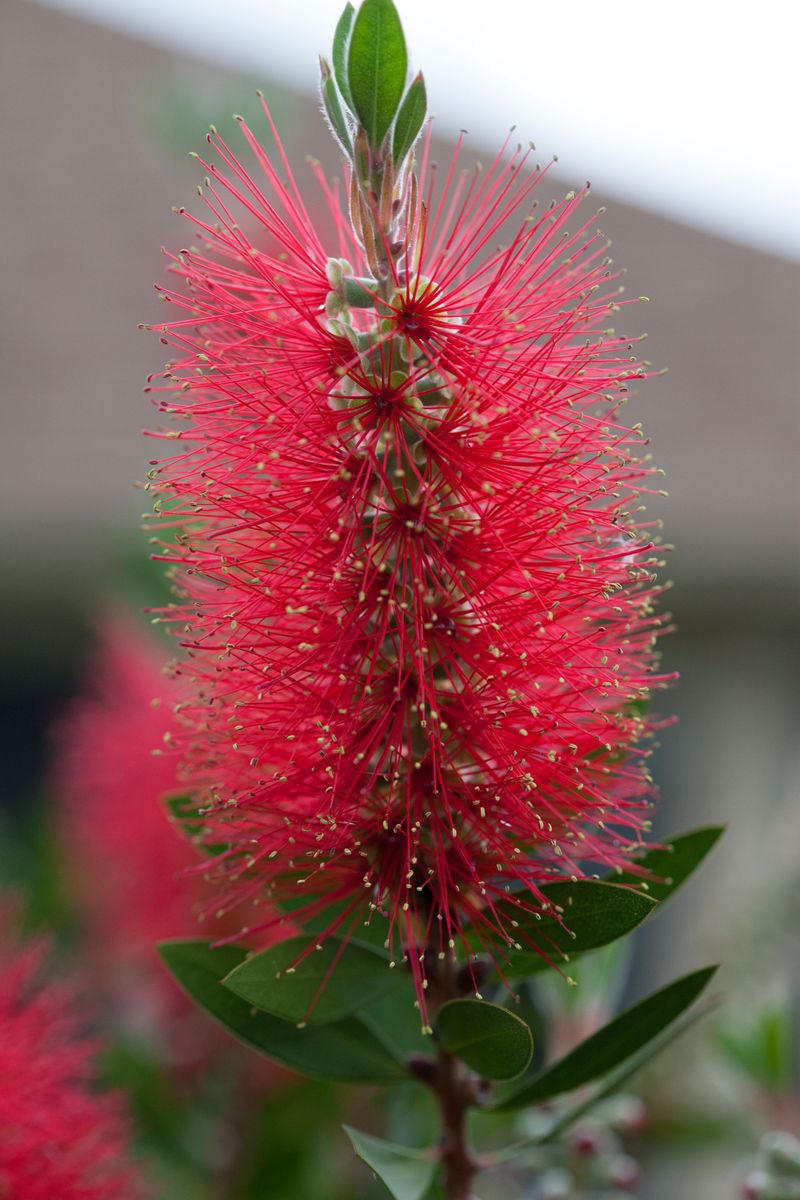
Few grasses in the American West are as scrappy and determined as Bottlebrush Squirreltail. Its spiky seed heads look like tiny bottlebrushes waving in the dry desert breeze, which makes it easy to spot once you know what to look for.
This native bunchgrass is a critical part of overlooked plants holding Nevada’s high desert together. It establishes quickly after disturbances like fire or drought, making it one of the first responders in ecosystem recovery.
The seed heads are beautifully adapted for travel. Long bristly awns twist and untwist with changes in humidity, physically drilling seeds into the soil and improving germination rates dramatically.
Your Nevada Garden Changes Every Week. Your Plan Should Too.
Gardening in Nevada changes quickly throughout the season. Every Friday you’ll receive a simple weekly plan showing exactly what to plant, prune, fertilize, harvest, and protect so you never miss the right timing.
Squirreltail is one of the few native grasses that can compete directly with invasive cheatgrass. That makes it an incredibly valuable tool for land managers trying to restore damaged desert landscapes across the region.
Cattle and horses graze it early in the season before the sharp awns form. Once those awns harden, they can actually irritate the mouths of grazing animals, so livestock naturally move on to other plants.
Seed-eating birds rely on Squirreltail throughout fall and winter. A single healthy stand can feed dozens of birds during the leaner months when other seeds are scarce.
Planting Squirreltail in disturbed areas is one of the most effective restoration moves available. It is affordable, tough, and genuinely useful to the creatures that call the desert home.
3. Shadscale
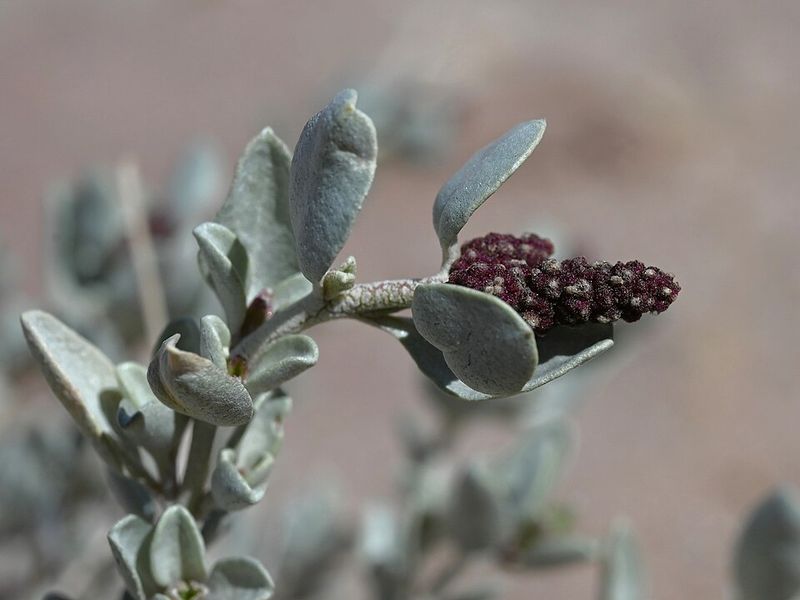
Shadscale does not ask for much, and it gives back more than you would expect. This low, spiny shrub is one of the defining plants of the Great Basin’s saltiest, driest flats, and it thrives where almost nothing else survives.
The plant belongs to the same family as spinach and beets, which might surprise you. Its small, rounded leaves are covered in a powdery coating that reflects sunlight and reduces water loss on extremely hot afternoons.
Shadscale forms dense, protective thickets that shelter small animals from predators and harsh weather. Lizards, rodents, and ground-nesting birds all use these shrubby patches as cover throughout the year.
The spiny branches are not just for defense against hungry animals. They also trap blowing soil and organic material, slowly building up a nutrient-rich layer around the plant’s base over many years.
Pronghorn are particularly fond of Shadscale in winter when other browse plants are buried under snow. The shrub stays accessible and nutritious even during the coldest stretches of the season.
Shadscale communities are considered a distinct plant zone in the Great Basin, often called the Shadscale Zone. This zone stretches across a huge swath of the region, making it one of the most widespread plant communities in the West.
Losing Shadscale to overgrazing or invasive species causes long-lasting damage to the soil and the animals that depend on it. Protecting existing stands is one of the simplest ways to preserve desert health.
4. Winterfat
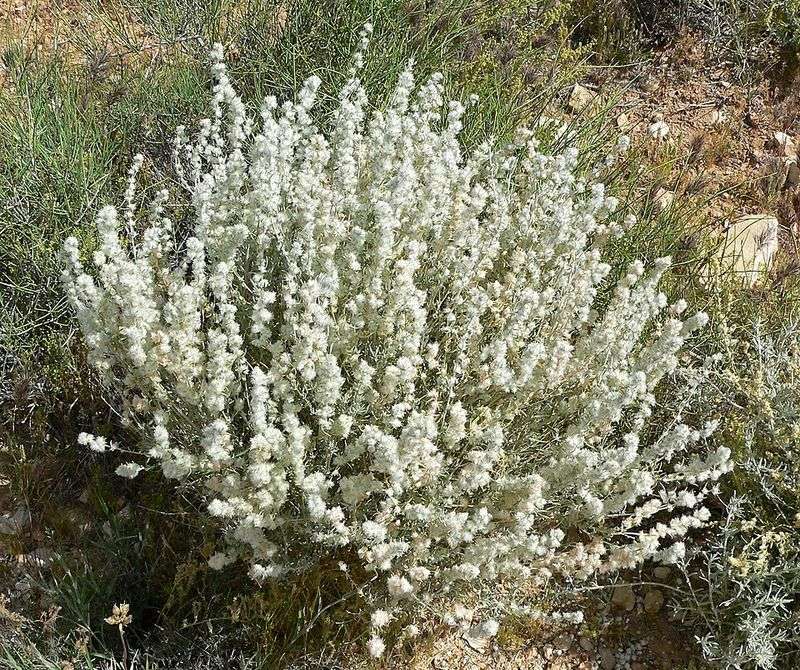
Winterfat earned its name the old-fashioned way, by keeping livestock alive through harsh cold-season months.
Ranchers across the Great Basin have known for generations that this soft, woolly shrub is a critical food source when snow covers everything else.
The plant’s white, fuzzy seed heads are almost magical looking against the brown winter landscape. They catch the light in a way that makes Winterfat glow, which is one reason it is sometimes called winter sage, though it is not related to true sage species.
Protein levels in Winterfat leaves remain high even after the plant dries out in autumn. That makes it genuinely nutritious forage for deer, pronghorn, and bighorn sheep during the months when the desert offers very little else.
Winterfat also plays a strong role in soil stabilization. Its root system spreads wide and anchors sandy soils against the powerful winds that sweep across open desert flats in spring and fall.
Native communities across the region used Winterfat medicinally for centuries. The plant was used for various traditional purposes, showing how deeply woven it was into daily life.
Overgrazing in the 20th century sharply reduced enormous stands of Winterfat across the region. Restoration efforts are slowly bringing it back, but recovery takes patience and careful land management over many years.
Watching a healthy stand of Winterfat shimmer in a cold desert wind is a reminder of how much beauty hides in the overlooked plants holding Nevada’s high desert together.
5. Blackbrush
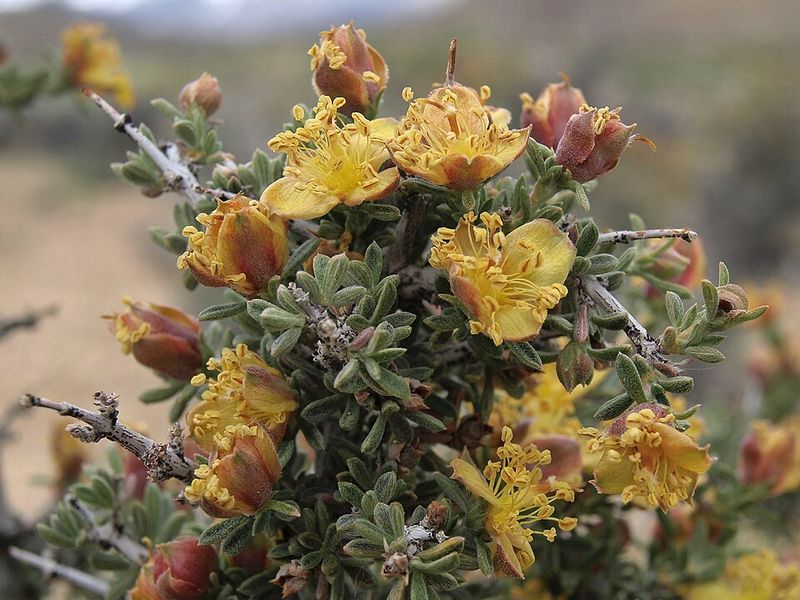
Blackbrush is the kind of plant that looks lifeless even when it is thriving. Its dark, tangled branches give it a stark, angular appearance that feels right at home on the rocky benches and mesas of the Mojave-Great Basin transition zone.
Despite its gloomy looks, Blackbrush is one of the most ecologically important shrubs in the region. It dominates vast stretches of mid-elevation desert terrain and supports a web of insects, birds, and mammals that depend on its presence.
The plant grows extraordinarily slowly, sometimes taking decades to reach full size. That slow growth means a mature Blackbrush stand represents centuries of ecological history in a single landscape.
Blackbrush blooms briefly in spring, producing tiny yellow flowers that attract native bees and other pollinators. That short flowering window is critically important for early-season insects emerging after winter.
Joshua tree woodlands often grade into Blackbrush shrublands as elevation drops. Understanding where one community ends and the other begins helps ecologists track how climate change is shifting plant zones across the desert Southwest.
The shrub is highly vulnerable to fire, which makes recovery a slow and uncertain process. When invasive grasses introduce fire into Blackbrush stands, the plants often do not make it and may not recover for a very long time.
Protecting Blackbrush communities means controlling invasive grasses before fires start. A little prevention goes an incredibly long way in keeping these ancient shrublands intact.
6. Indian Ricegrass
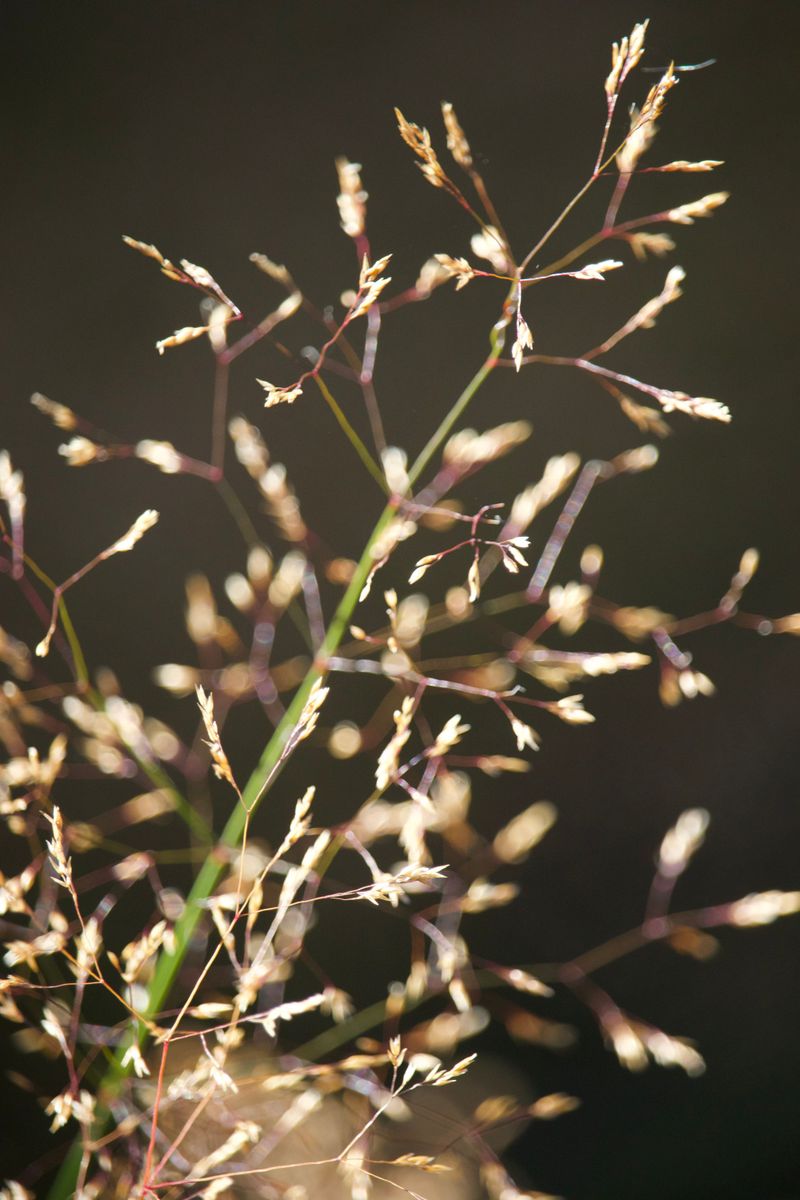
Indian Ricegrass is proof that small things can carry enormous weight. This delicate-looking bunchgrass produces seeds so nutritious that Indigenous communities across the Great Basin relied on them as a primary food source for thousands of years.
The seeds are tiny but packed with protein, fat, and carbohydrates. Harvesting and grinding them into flour was labor-intensive, but the nutritional payoff made it well worth the effort for generations of desert people.
Indian Ricegrass grows in loose, sandy soils where other grasses struggle to take hold. Its roots stabilize shifting sand dunes and open flats, preventing erosion in some of the most vulnerable desert terrain.
The plant is also remarkably drought-tolerant. It goes dormant during the driest stretches of summer and then greens up again when moisture returns, showing a flexibility that few other grasses can match.
Rodents, especially kangaroo rats, are obsessed with Indian Ricegrass seeds. These small mammals cache huge quantities of seeds underground, and the ones they forget to eat sometimes sprout into new plants, spreading the grass further.
Mule deer and pronghorn graze the green foliage in spring and early summer. The grass recovers quickly after moderate grazing, making it a reliable food source that does not collapse under pressure.
Indian Ricegrass is now widely used in desert restoration projects. Its ability to establish in sandy, disturbed soils makes it one of the most practical tools available for rebuilding degraded high desert ground.
7. Mormon Tea
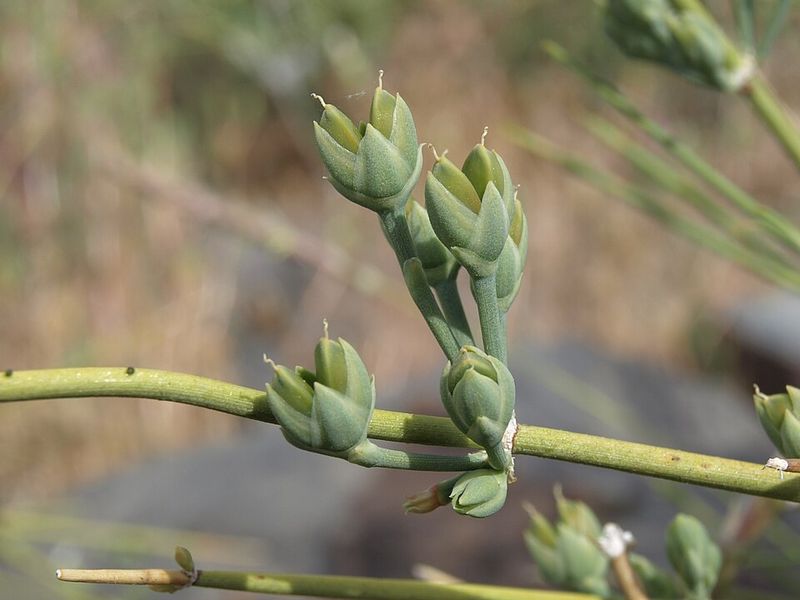
Mormon Tea looks like a plant from another planet. Its bright green, jointed stems stand upright with almost no leaves visible, giving it the appearance of a bundle of green drinking straws jammed into the rocky soil.
The plant belongs to the genus Ephedra, which has been used medicinally across cultures for thousands of years. Early settlers brewed its stems into a tea, which gave the plant its most recognizable common name.
Mormon Tea is incredibly tough, growing in rocky, gravelly soils where nutrients are scarce and water is rare. Its photosynthesis happens primarily in the green stems, which is an unusual adaptation that works brilliantly in harsh desert conditions.
The plant produces small, cone-like seed structures that are technically not flowers in the traditional sense. This ancient reproductive strategy links Mormon Tea to some of the oldest plant lineages on Earth.
Birds and small mammals eat the seeds, spreading them across the landscape. The plant also provides low cover for lizards and insects seeking shade during the scorching midday hours.
Mormon Tea has a surprisingly pleasant, slightly astringent flavor when brewed as a tea. Hikers and foragers still enjoy it today, as long as they are careful to use the correct species and prepare it properly.
Finding a healthy stand of Mormon Tea on a rocky desert slope is always a good sign. Its presence suggests the soil and ecosystem around it are still functioning in a balanced, healthy way.
8. Big Sagebrush
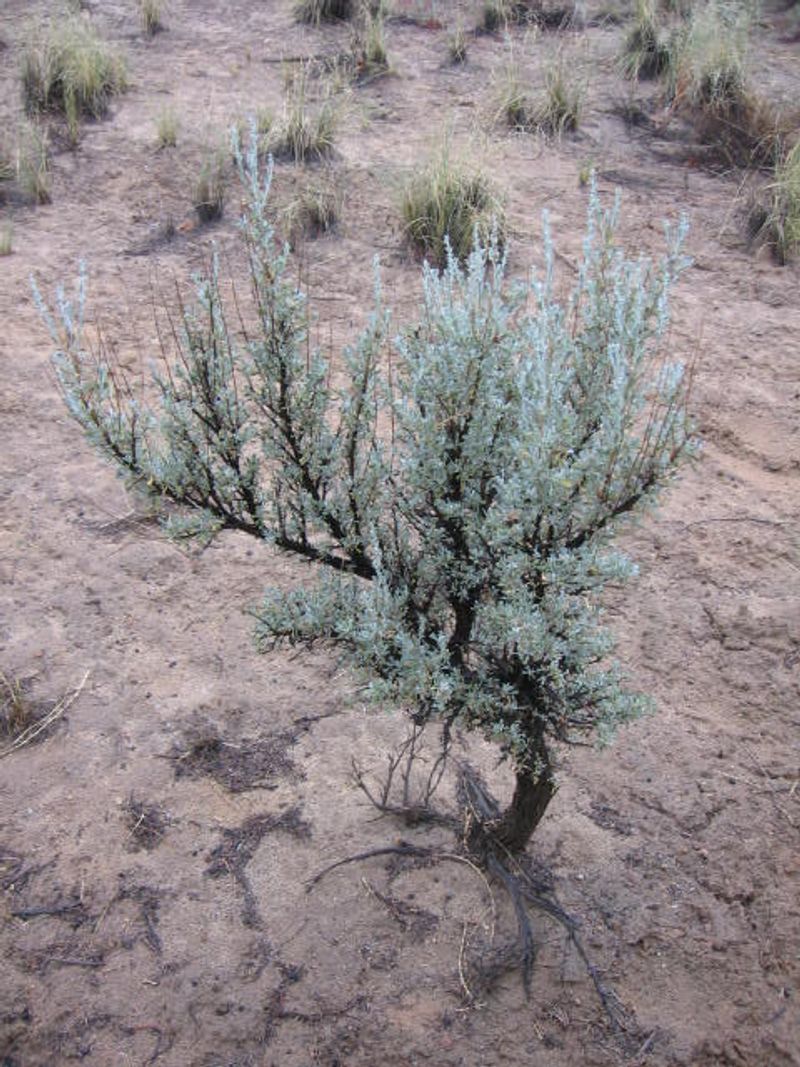
No plant defines the American West quite like Big Sagebrush. Its silver-green leaves and that sharp, clean scent after a rainstorm are the sensory signatures of millions of acres of overlooked plants holding Nevada’s high desert together.
Big Sagebrush is not just scenery. It is a full ecological system in a single plant, supporting hundreds of wildlife species that depend on it at some point in their life cycle.
Sage grouse are the most famous of these dependent species. Their survival is so tightly linked to Big Sagebrush that the health of sage grouse populations is used as a direct indicator of sagebrush ecosystem health.
The plant grows slowly and can live for well over a century in undisturbed conditions. Those long-lived shrubs create structural complexity in the landscape, offering different layers of cover and food for different animals.
Big Sagebrush leaves stay on the plant year-round, providing browse for mule deer and pronghorn even in deep winter. The aromatic oils in the leaves actually help preserve the foliage and keep it nutritious through cold months.
Fire suppression and invasive cheatgrass have dramatically altered sagebrush ecosystems over the past century. Cheatgrass burns hot and fast, destroying sagebrush that took decades to grow and replacing it with a monoculture that supports almost no wildlife.
Restoring Big Sagebrush across degraded lands is one of the most important conservation priorities in the West. Every healthy stand that survives is a real gain for the entire high desert ecosystem.