These Small Visitors Are Making A Big Journey Through Nevada
Something invisible slips through Nevada’s evening sky every August night. Wings smaller than your thumb move faster than your racing heart. Creatures this small should not attempt journeys this immense.
Yet Nevada becomes a hidden highway stretching from basin to desert floor. Mountains funnel these travelers along routes older than written history. Deserts test their endurance with shifting days and empty miles.
Few people ever notice this quiet passage happening right overhead. You could be standing directly beneath it without knowing. Feeders hanging near your window might host a fleeting visitor today.
Every stop matters when your body weighs less than a coin. Instinct, timing, and chance all decide which travelers make it through. Patterns emerge for anyone willing to watch closely enough.
Most casual observers miss every single sign of it. Answers wait for you, hidden in plain sight overhead. Once you notice the pattern above, you will not stop watching now.
Tiny Fliers Fill Nevada Skies This Season
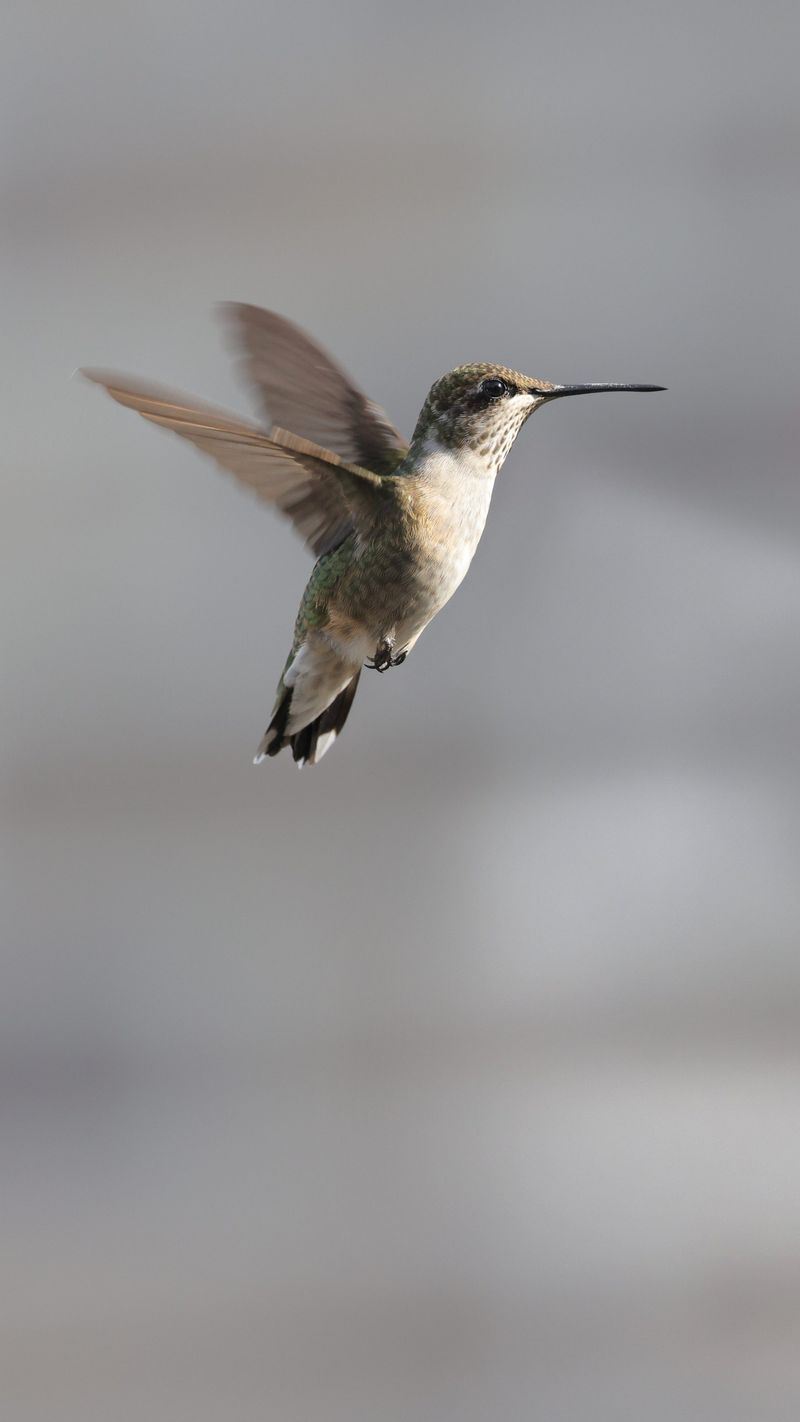
Blink and you might miss them. Every late summer, thousands of tiny birds push through the Silver State on ancient flyways older than any road.
These small visitors are making a big journey through Nevada, riding thermals and chasing food across some of the West’s most rugged terrain. Their timing is almost clockwork-precise.
Most people assume migration is a fall thing. But for many species, August is already peak travel season, full of hustle and wing-beats.
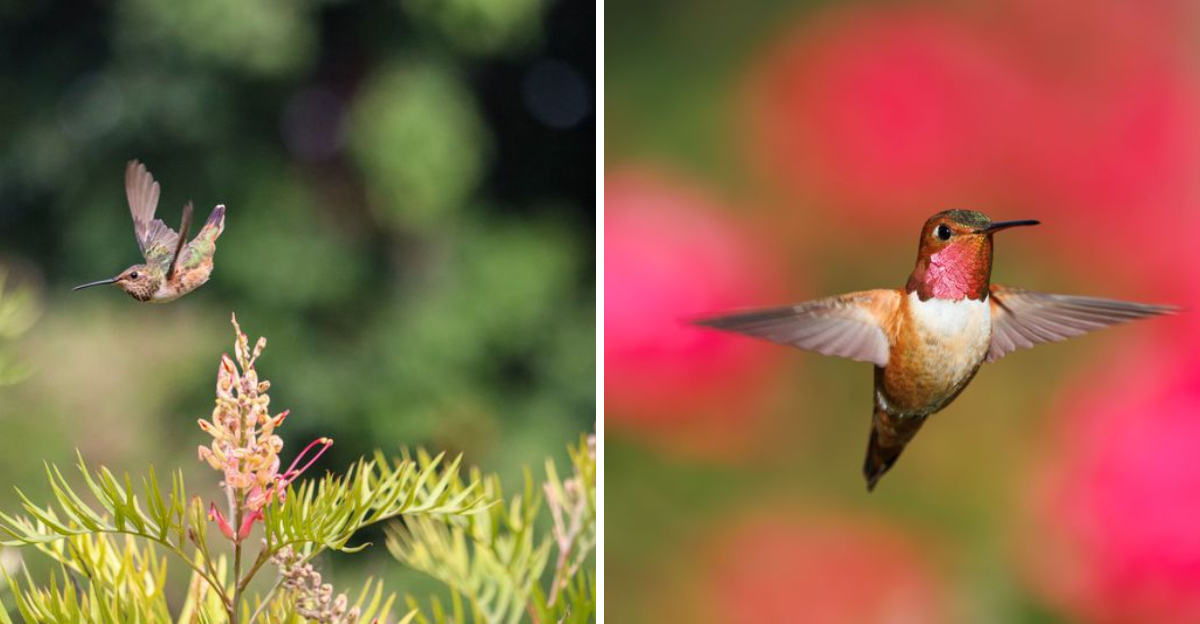
Rufous hummingbirds lead the charge, flashing copper and rust as they zip between sage and bloom. Black-chinned hummingbirds follow close behind in quieter waves.
Warblers slip through riparian corridors near rivers and wetlands. Flycatchers perch on fence posts, then head south before you finish your morning coffee.
What makes Nevada special is its geography. The state acts like a giant funnel, narrowing migrating birds toward mountain passes and valley corridors.
Water is the secret magnet. Any pond, stream, or backyard birdbath becomes a five-star rest stop for exhausted travelers pushing hundreds of miles per day.
Even experienced birders get surprised each season. A rare vagrant from Asia or the tropics occasionally shows up, blown off course by a storm.
The skies above Nevada are alive with movement right now. You just need to pause long enough to look up and pay attention.
Why August Marks The Start Of Their Journey
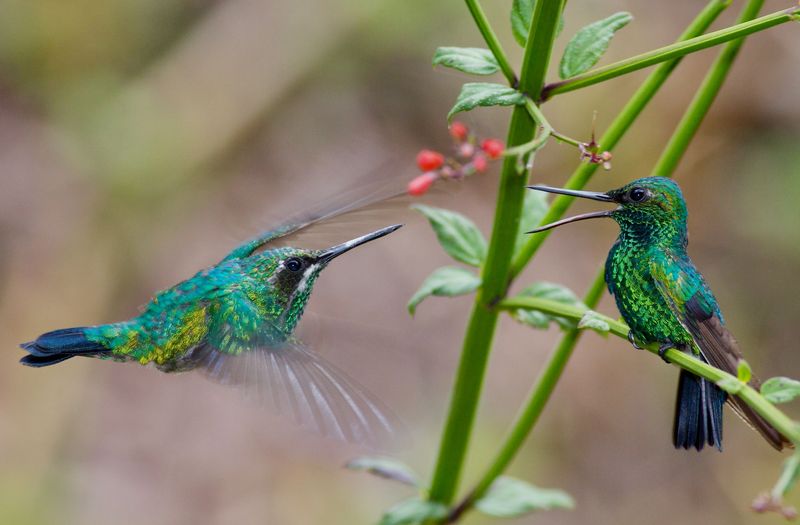
August feels like summer’s peak, but birds already sense the shift. Daylight shrinks by minutes each day, and that signal triggers something ancient deep inside them.
Scientists call this photoperiodism. Basically, shrinking daylight hours flip a biological switch that tells birds it is time to move.
Hormones surge, fat reserves build rapidly, and restlessness sets in. Ornithologists call this pre-migratory restlessness “zugunruhe,” a German word that captures the anxious energy perfectly.
Rufous hummingbirds are among the earliest movers. They breed as far north as Alaska, then begin heading south before most people have even thought about back-to-school shopping.
These small visitors are making a big journey through Nevada starting in early August. By September, the main wave has already passed through many parts of the state.
Your Nevada Garden Changes Every Week. Your Plan Should Too.
Gardening in Nevada changes quickly throughout the season. Every Friday you’ll receive a simple weekly plan showing exactly what to plant, prune, fertilize, harvest, and protect so you never miss the right timing.
Shorebirds that nest in Arctic tundra also begin arriving at Nevada wetlands by mid-August. Stillwater National Wildlife Refuge becomes a critical layover for thousands of them.
The timing is not random. Birds evolved to leave early enough to avoid mountain snowstorms that could trap them at elevation.
Missing the weather window by even a week can put birds at serious risk. Early departure reflects instinct fine-tuned by generations of migration.
August is the month when Nevada transforms into a living crossroads. Every direction you look, something small and feathered is plotting its next move south.
How Far These Small Birds Actually Travel
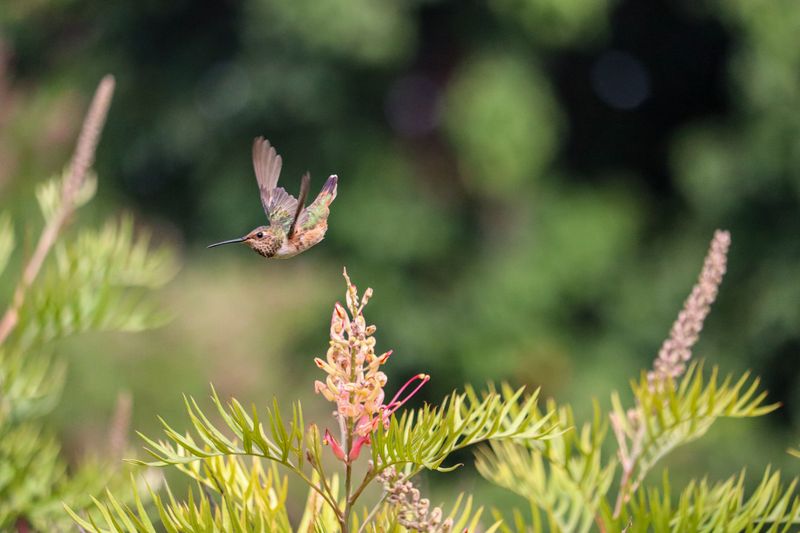
The distances these birds cover would impress even the most seasoned road tripper. A rufous hummingbird travels several thousand miles each way between Alaska and Mexico.
That distance is hard to picture, especially for a bird that weighs about three grams and fuels itself on flower nectar.
Blackpoll warblers take a different route over the Atlantic Ocean, flying nonstop for several days. Their hearts beat at an extraordinary rate during the crossing.
Nevada sits right along the Pacific Flyway, one of four major North American migration corridors. Birds funnel through mountain passes and corridors like the Ruby Mountains.
Some species travel only a few hundred miles. Others, like the Swainson’s hawk, push all the way to Argentina, crossing jungles, deserts, and mountain ranges.
These small visitors are making a big journey through Nevada that connects ecosystems across two hemispheres. The state is just one chapter in a much longer story.
What is most astonishing is how birds navigate. They use star patterns, magnetic fields, and even smell to stay on course across thousands of miles.
Young birds often make their first migration completely alone. No parent guides them south; instinct does all the work from the very first flight.
Every bird passing through your backyard carries a remarkable travel story. Knowing that makes even a plain-looking sparrow worth a second look.
Best Backyard Spots To Catch A Glimpse
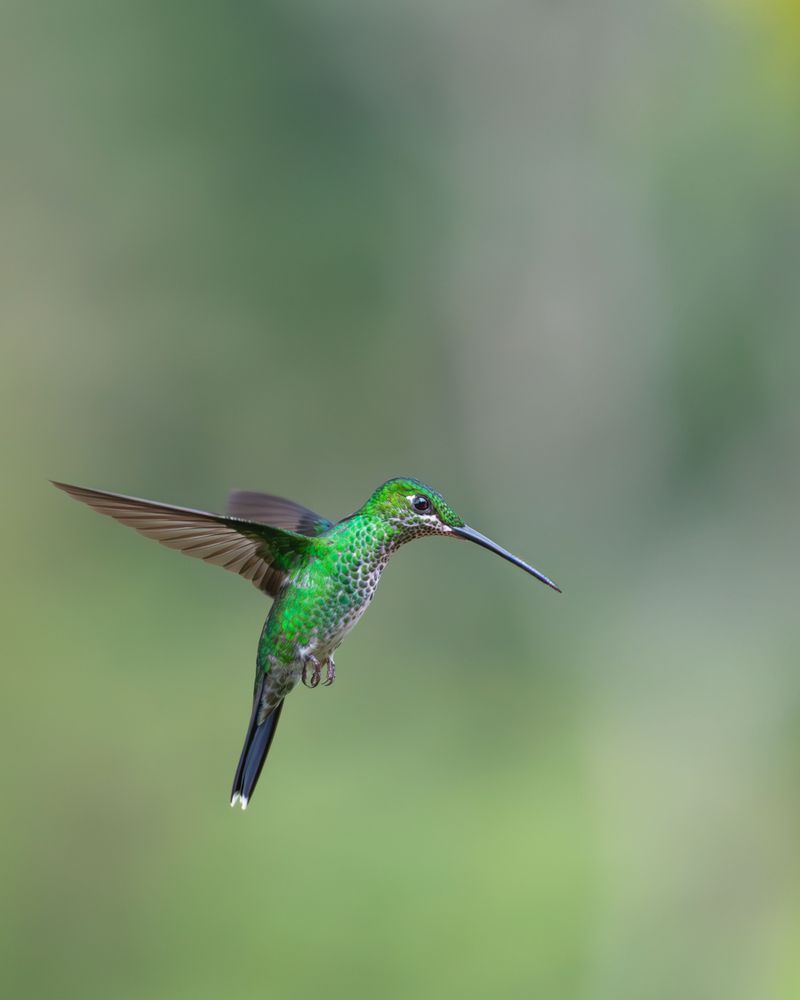
You do not need binoculars or a field guide to start spotting migrants. Your own backyard, set up thoughtfully, can become a front-row seat to the migration show.
Start near water. A simple birdbath with a dripper or wiggler attracts more birds than almost any feeder. Moving water sends out sound signals that exhausted migrants cannot resist.
Native plants are your second best tool. Plants like desert willow, Apache plume, and sacred datura provide both nectar and insects for hungry travelers passing through.
Tall shrubs and dense hedges offer cover. Birds need safe places to rest and hide from predators between feeding bouts, and thick vegetation delivers exactly that.
These small visitors are making a big journey through Nevada, and they tend to move most actively at dawn. Set your alarm early and bring your coffee outside.
Shaded spots near the edge of your property often attract more birds than open lawn. Transitional zones between sun and shade mimic natural habitat edges that birds love.
Hang a hummingbird feeder on the east side of your house. Morning sun warms the nectar and makes it easier for tired birds to find the feeder quickly.
Keep cats indoors during migration season. Outdoor cats are one of the leading human-linked causes of bird mortality across North America, and a migrating bird is especially vulnerable when it is exhausted.
Your backyard has more potential than you think. A few smart tweaks can turn it into a genuine wildlife corridor worth bragging about to your neighbors.
Simple Ways To Fuel Their Long Flight
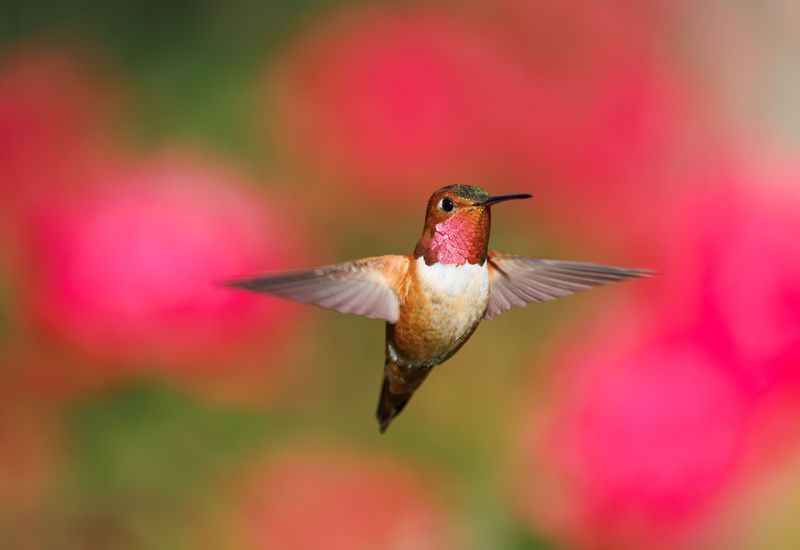
Fueling a migration is serious business. A hummingbird can significantly increase its body fat before departing, burning through those reserves in just days of hard flying.
The best thing you can offer is sugar water. Mix one part white granulated sugar with four parts water, boil it briefly, and let it cool before filling your feeder.
Skip the red dye entirely. Studies suggest artificial coloring may harm small birds, and the feeder itself is already red enough to attract attention without added chemicals.
Change your nectar every two to three days in hot weather. Fermented or moldy nectar can cause serious harm, and migrating birds cannot afford to get sick mid-journey.
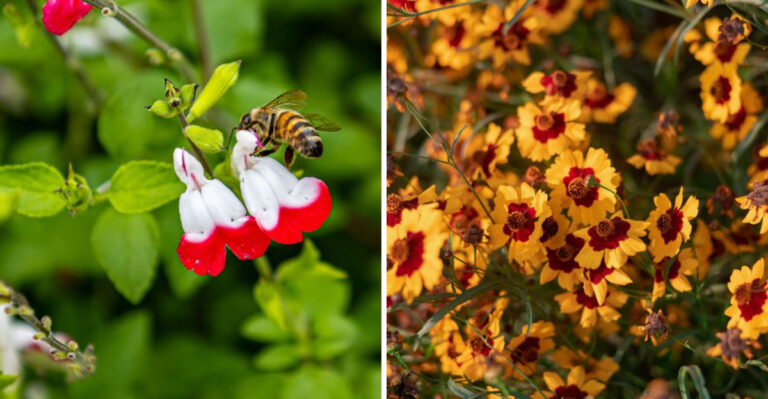
Plant late-blooming natives alongside your feeders. Flowers like penstemon, salvia, and desert marigold provide natural nectar and attract the tiny insects that give birds essential protein.
Mealworms are a valuable food source for insect-eating migrants. Robins, thrushes, and warblers will flock to a shallow dish of live or dried mealworms placed near low shrubs.
These small visitors are making a big journey through Nevada on tight energy budgets. Every calorie they find at your yard is one fewer mile they have to fly hungry.
Avoid pesticides on your plants. Insects are critical food for most migrating songbirds, and a yard sprayed with chemicals reduces the food supply for traveling birds.
Think of your yard as a gas station on a lonely highway. Stock it well, and the travelers will keep coming back every single season.
What Their Journey Says About Changing Seasons
Birds have been reading the seasons longer than humans have been watching them. Their migration patterns are one of the most reliable indicators of ecological change on the planet.
When birds arrive earlier or later than historical records show, scientists pay close attention. Shifts of even a few days can signal meaningful changes in climate patterns across entire regions.
Citizen science programs like eBird collect millions of observations from backyard birders every year. Your casual sighting of a warbler in late August actually contributes to real scientific data.
Some species are shifting their ranges northward as average temperatures rise. Birds once rare in northern parts of the Pacific Flyway are now showing up with increasing regularity.
These small visitors are making a big journey through Nevada while carrying information about the health of ecosystems from Alaska to Central America. They serve as early indicators of ecosystem health.
When a species that was once common stops appearing, it signals trouble somewhere along the flyway. Habitat loss, drought, and food shortages all show up in migration data first.
Watching birds is a way of staying connected to the natural calendar. It grounds you in seasonal rhythms that screens and schedules tend to drown out completely.
There is something quietly powerful about seeing a three-gram bird push through a desert landscape on pure instinct. It offers a reminder of how much happens beyond daily routines.
Migration season is a reminder that the natural world runs on its own schedule. And every year, right on cue, the small visitors show up to prove it.