Overwatered Your Christmas Cactus in Michigan? 7 Steps to Bring It Back
A rainforest plant that grows on tree branches in Brazil can bloom on Michigan windowsills for nearly a hundred years. That long life often ends early for one sneaky reason, and it comes from a watering can.
Too much kindness drowns the roots of this tree-dwelling beauty, which evolved to dry out between tropical rains. Soggy soil pushes out air, and the roots begin to soften and turn brown without much warning.
I’ve loved one of these plants for years, and I once nearly lost it during a gloomy January. Michigan winters mean short days and slow growth, so the soil stays wet far longer than you expect.
The fix is easier than most people think, and your droopy plant may still have plenty of life left. Are you ready to roll up your sleeves and give those limp stems a second chance today?
1. Put Down The Watering Can And Empty The Saucer
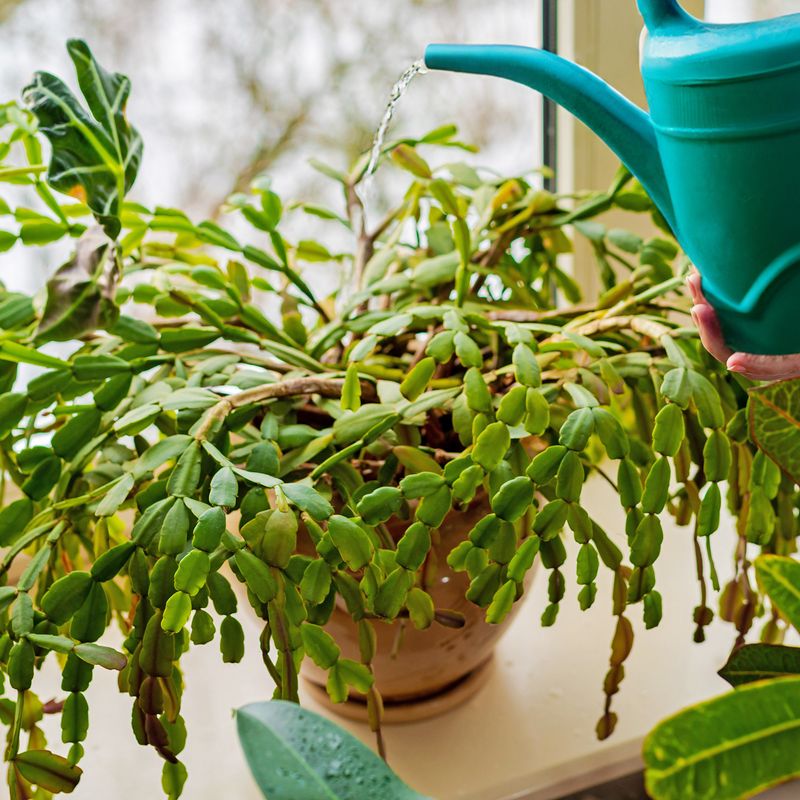
Your first rescue move costs nothing and takes about ten seconds, which feels almost too simple to matter. Stop watering right away, then tip out every drop sitting in the saucer under the pot.
Standing water acts like a sneaky sponge, wicking moisture back into the soil long after you finished pouring. Roots sitting in that soggy puddle struggle to breathe, and that is where most trouble quietly begins.
Christmas cactus, known to botanists as Schlumbergera, grows on tree branches in the Brazilian rainforest. Its roots expect quick drainage and fresh air, not a soaking bath that lingers for days in a plastic dish.
I like to check the plant for warning signs while I empty the saucer. Limp stems sitting in wet soil, yellow segments near the base, or fuzzy white mold on top all point toward overwatering.
Next, move your pot somewhere a little warmer with bright light that is not harsh or direct. Gentle warmth helps the extra moisture escape faster, and the soil can start drying out before roots suffer further.
Keep the plant away from heat vents, though, since blasts of hot air cause stress and sudden bud drop. A spot a few feet from a sunny window usually works nicely during short winter days here.
Give it a day or two while you watch for changes in the stems and soil. If segments stay soft and droopy, it is time to peek beneath the surface at those hidden roots.
2. Slide The Christmas Cactus Out Of Its Pot
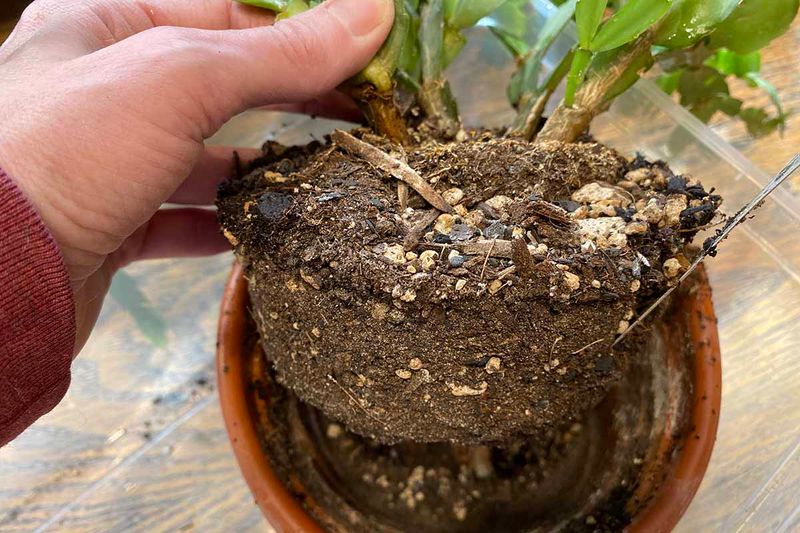
Few moments in houseplant care feel as nerve-wracking as tugging a beloved plant out of its home. Trust me, the roots are far tougher than they look, and a careful hand keeps everything safe.
Spread newspaper across a table first, because wet potting soil makes a surprisingly messy splash. Turn the pot on its side, support the base of the stems, and tap the container until it loosens.
Plastic pots can be squeezed gently along the sides to release the root ball without much pulling. Clay pots sometimes need a butter knife slid around the inside edge to break the soil free.
Once the plant slides out, take a good sniff of the soil and roots up close. A sour or rotten smell usually means root rot has moved in, and you caught it just in time.
Hold the root ball under lukewarm running water and gently rinse away as much old soil as possible. Cold water can shock tropical roots, so test the temperature on your wrist like a baby bottle.
Work slowly and let the water do most of the job instead of yanking at stubborn clumps. Bare roots tell you the whole story, and you cannot judge their health while they hide in mud.
Healthy roots look white or pale tan and feel firm, a bit like cooked spaghetti that still has some bite. Brown, black, or slimy roots are the troublemakers you will handle in the next step.
3. Snip Away Mushy Brown Roots And Soft Stems
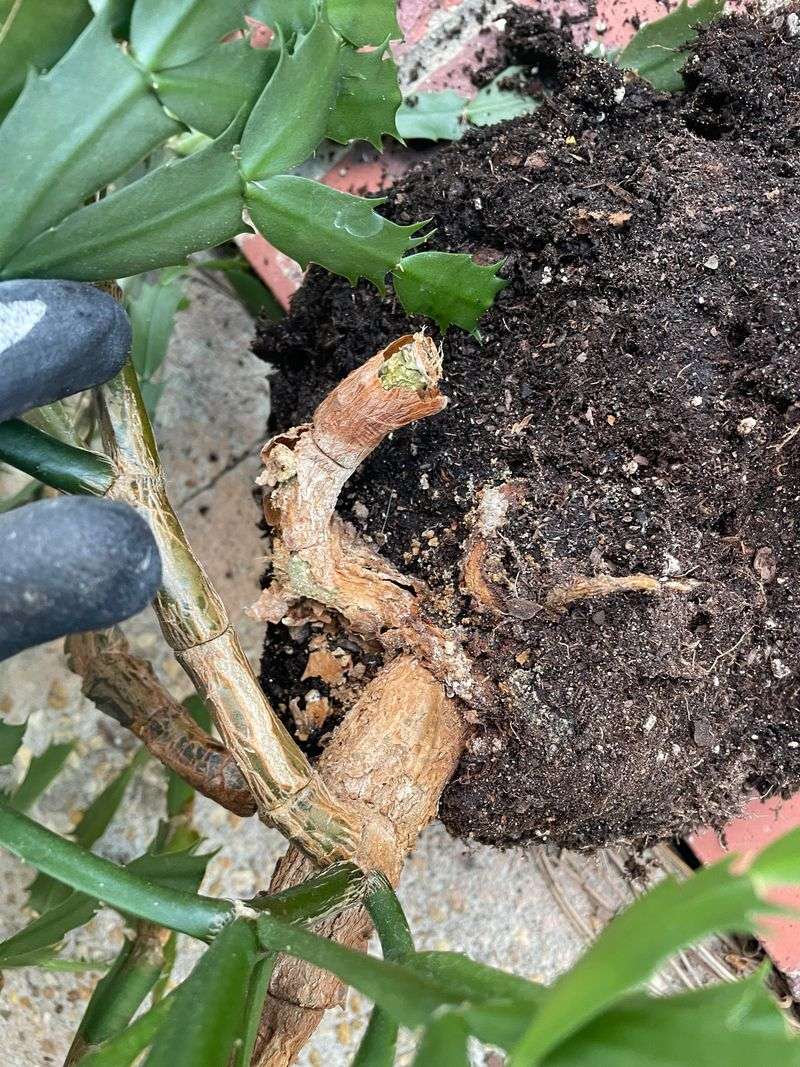
Grab your sharpest little scissors, because this step turns you into a plant surgeon for the afternoon. Wipe the blades with rubbing alcohol first so you do not spread fungus from one cut to another.
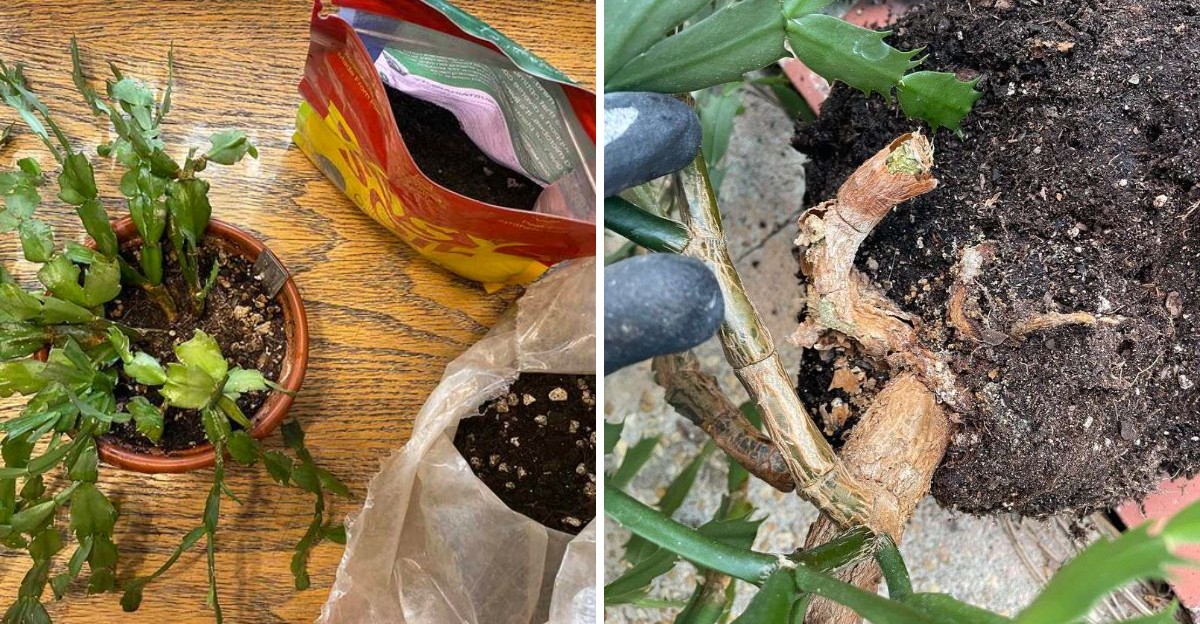
Look closely at every root and cut away anything black, brown, slimy, or smelly right back to firm tissue. It may feel harsh, but leaving rotten roots attached lets the trouble keep spreading through the plant.
I clean my blades again between cuts, especially when the decay looks heavy and widespread. That tiny habit feels fussy, yet it gives your rescued roots a much cleaner start in their next pot.
Now check the stems above the soil for flat, soft, or discolored segments near the base. Mushy sections rarely recover, so snip them off at the joint where they connect to a healthy segment.
Here is a clever trick many experienced growers use after losing a large chunk of roots. Trim back some healthy stems too, since a smaller root system struggles to support a big, leafy plant.
Fewer segments mean less demand for water, and the plant can focus its energy on growing fresh roots. Think of it as shrinking the workload while your cactus heals and slowly gets back on its feet.
Do not toss those healthy cuttings, either, because Christmas cactus roots easily from segments of two or three joints. Pop a few into slightly damp cactus mix, and you have a backup plant growing quietly nearby.
4. Let The Bare Roots Air Dry On Newspaper
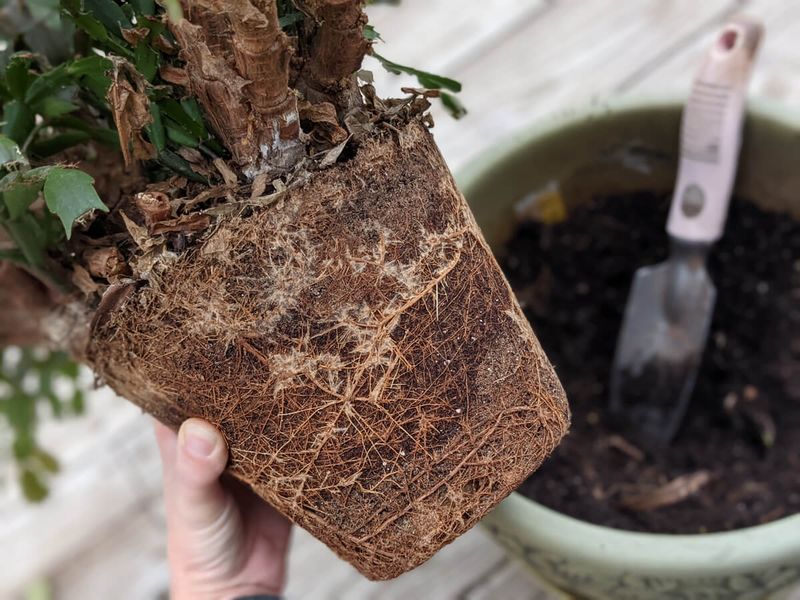
Patience might be the hardest tool in any gardener’s kit, and this step tests it nicely. After pruning, lay the whole plant on clean, dry newspaper and walk away for about a full day.
Fresh cuts on roots and stems stay moist, and moisture invites fungus and bacteria to settle right in. Air drying lets those wounds seal over, almost like a scab forming on a scraped knee.
Choose a spot with good airflow and gentle light, away from pets, busy counters, and curious little hands. A quiet table in a spare room or a laundry shelf often works better than the kitchen.
Indoor air during a Michigan winter tends to be quite dry, which actually helps during this short drying window. Furnaces pull moisture from the room, so the roots usually firm up nicely within twenty-four hours.
Resist the urge to mist the roots or wrap them in damp paper towels while they rest. Your goal right now is dryness, and a little wrinkling on the stems is perfectly normal for this tough plant.
I usually use this waiting time to gather supplies for repotting, which keeps my hands busy and my worries calm. A clean pot, fresh mix, and a scoop are all you need for tomorrow’s work.
Check the cut ends before moving on to make sure they look dry and slightly calloused. If anything still feels soft or slimy, trim it again and give the plant a few more hours.
5. Repot Into Gritty Cactus Mix With Drainage Holes
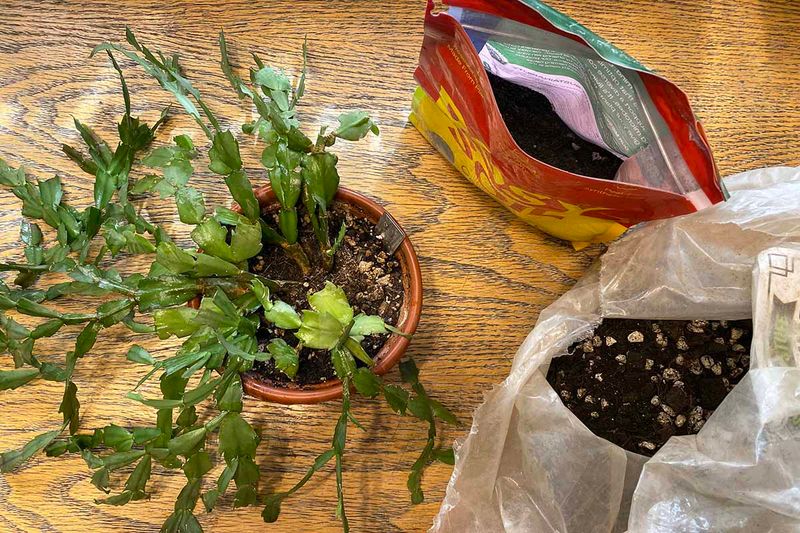
Picking the right soil feels a bit like choosing a mattress for a picky houseguest. Christmas cactus wants something airy and fluffy that holds a little moisture without staying soggy for days at a time.
Start with a bagged cactus and succulent mix, then stir in some perlite or orchid bark for extra air. Regular potting soil is too dense on its own and holds water like a soaked kitchen sponge.
These plants also enjoy slightly acidic conditions, with a soil pH roughly between 5.5 and 6.2. Most cactus blends land close to that range, so you rarely need to fuss with special additives at home.
Now for the pot itself, which matters just as much as the mix you put inside it. Choose one with real drainage holes, because decorative containers without holes trap water at the bottom like a hidden pond.
Size down if you trimmed lots of roots, since extra soil around a small root ball stays wet too long. Christmas cactus actually likes being a little snug and often blooms best when slightly crowded in its container.
Reusing the old pot is fine after you scrub it and soak it in a diluted bleach solution. That cleaning step removes leftover fungus that might otherwise sneak back into the fresh soil you just added.
Set the plant at the same depth it grew before, then gently firm the mix around its roots. Do not water yet, because the healing roots still need a little more time to settle in.
6. Set The Recovering Cactus In Bright Indirect Light
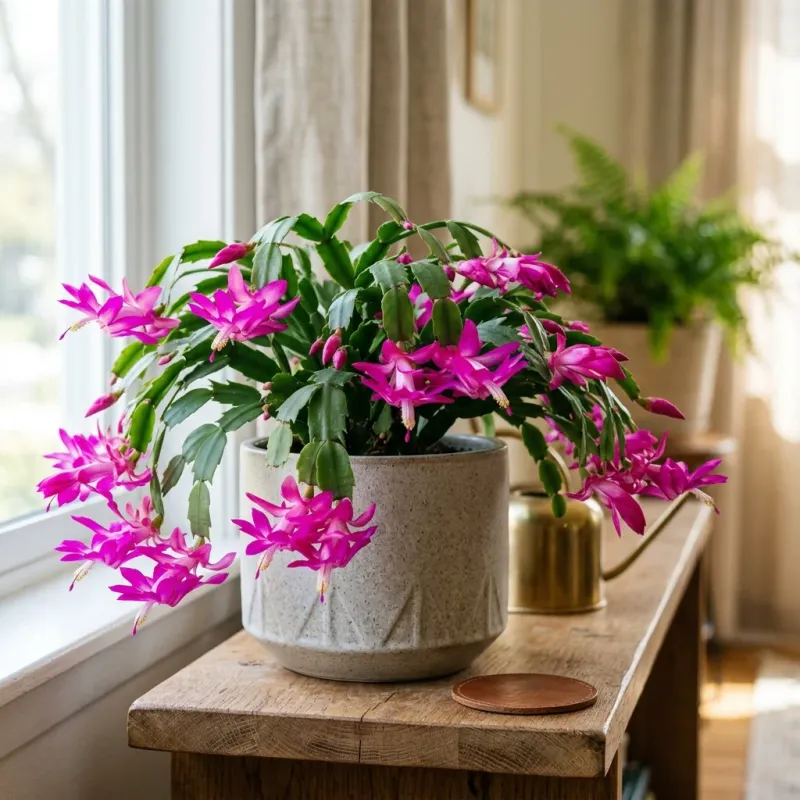
Light works like a gentle alarm clock for a recovering plant, nudging it to wake up and grow again. An east-facing window with soft morning sun is a favorite spot for Christmas cactus in many homes.
Harsh afternoon sun can scorch the segments, turning them reddish, pale, or bleached around the edges. A sheer curtain or a spot a few feet back from a bright south window softens things nicely.
Wait at least a full day after repotting before offering any water to those freshly trimmed roots. Then give small, moderate drinks spread over several days instead of one big drenching flood all at once.
I learned this the hard way when I soaked a rescued plant right after repotting and watched it slump again. A sudden flood can bring root rot right back, undoing all your careful pruning and drying work.
Temperature matters too, and this plant prefers daytime warmth around sixty to seventy degrees Fahrenheit. Cooler nights between fifty and sixty-five degrees are fine, but keep it away from icy window glass and drafty doors.
Michigan homes can swing from toasty near the furnace to chilly beside old windows in just a few steps. Find a steady middle spot, and your plant will thank you by firming up its limp stems.
Expect slow progress for a few weeks while new roots form underground, out of sight. Plump, glossy segments and tiny new growth at the stem tips are the signs you have been hoping for.
7. Check The Top Inch Of Soil Before Every Drink
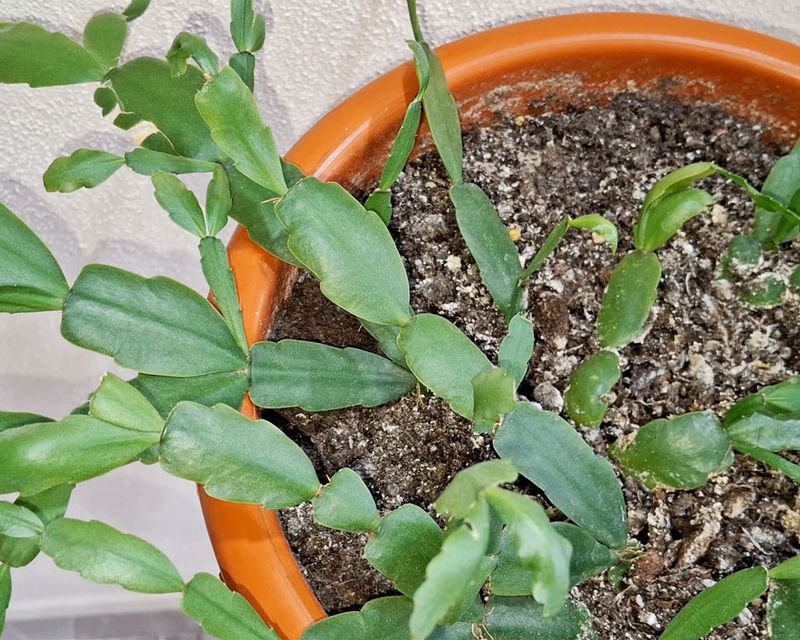
Your finger is the best moisture meter you will ever own, and it costs absolutely nothing at the store. Poke it into the soil about an inch deep, and water only when that layer feels dry.
Calendars can trick you, because a plant’s thirst changes with the seasons and the weather outside. During spring and summer growth, watering every week or so is common, while winter needs come much less often.
When you do water, soak the pot until water drains from the bottom, then empty the saucer promptly. Room temperature water is kinder to tropical roots than an icy splash straight from the tap on a cold morning.
Dry winter air in Michigan creates another challenge, since furnaces often drop indoor humidity well below comfortable levels. Christmas cactus prefers humidity around fifty to sixty percent, which feels closer to a misty forest than a heated living room.
A pebble tray filled with water helps a lot, as long as the pot sits above the waterline. I keep a small humidifier running nearby on the driest days, and my plant clearly appreciates the extra moisture.
Misting adds a quick boost, though the effect fades fast and works best as a small extra treat. Kitchens and bright bathrooms naturally hold more moisture, so they can make cozy homes for your recovering plant.
Fall brings one more fun reward once your plant feels strong again after this rescue. Long nights and slightly drier soil help trigger buds, so your patience may lead to colorful blooms next holiday season.