Stacking Firewood Against Your Georgia House Can Attract This Serious Pest
Firewood stacked beside the house feels convenient when cooler evenings arrive, but that handy location can create an unwanted opening. One serious pest may take advantage.
The problem begins when stacked wood provides the kind of sheltered space this pest naturally seeks.
From there, the short distance to your home can make matters more concerning. Georgia homeowners should treat firewood placement as part of fall pest prevention.
Moving the pile does more than simply tidy the yard because it removes an inviting hiding place.
Choose a spot farther away from the house and keep the stack raised when possible. That small change makes the wood less welcoming.
Before adding another log to the pile this fall, learn which pest may be hiding there and why careful placement matters so much.
1. Wood Touching Soil Gives Termites Easy Access
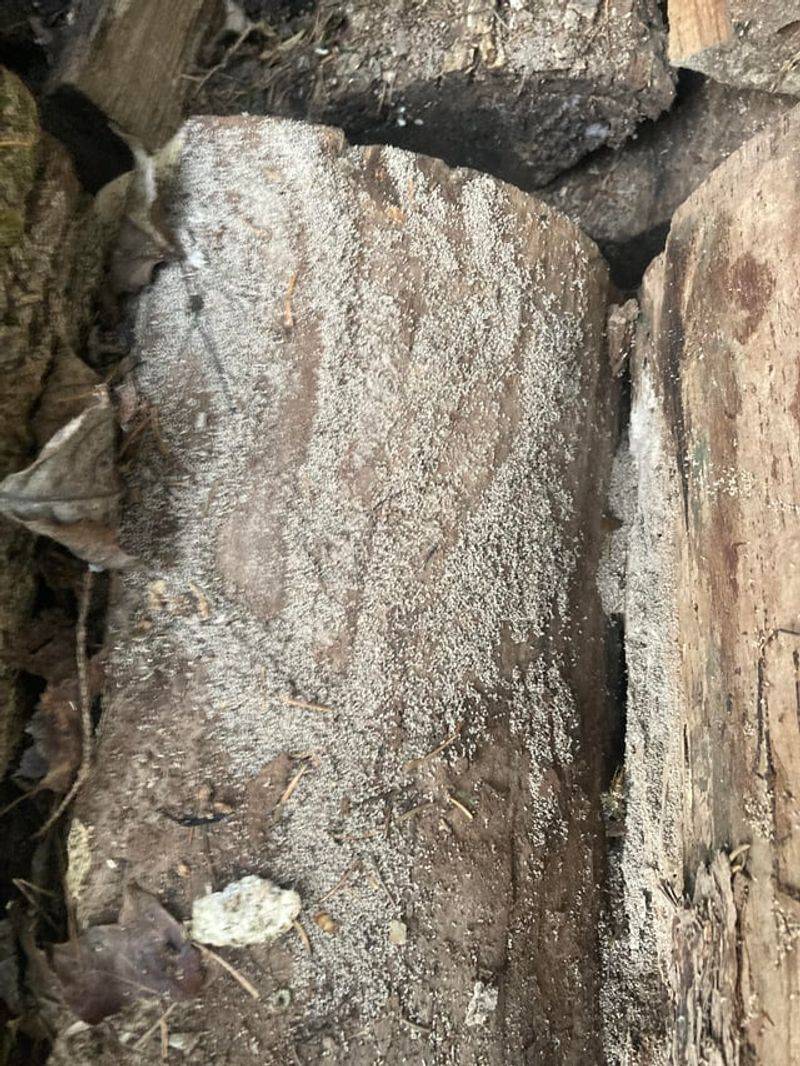
Soil contact is the part that matters most. Termites travel through the ground, and any wood resting on dirt becomes an open doorway.
Firewood stacked against a wall usually sits on bare earth or mulch. Foraging workers reach it without ever crossing open air, which keeps them hidden and protected.
From that pile, the distance to siding, trim, or a sill plate is tiny.
Homes across Georgia often have wood elements close to grade, especially older houses with low crawl spaces. A woodpile pressed against those spots removes the small gap that normally slows insects down.
The fix is unglamorous but effective. Move the stack well away from the house, ideally twenty feet or more, and get it up off the ground.
A simple metal rack, concrete blocks, or treated posts work fine.
Keeping the pile off soil also helps the wood dry faster, which makes it burn better and reduces the moisture termites favor. Two problems solved with one change.
Avoid stacking against fences that connect to the house, since those boards can act as a bridge.
No setup removes all risk, because termites live naturally in the soil and forage widely. What distance does is make your foundation a less convenient target than the surrounding woods.
Check the ground under the old pile after moving it, since damp wood fragments often remain.
2. Subterranean Termites Spend Most Of Their Time Underground
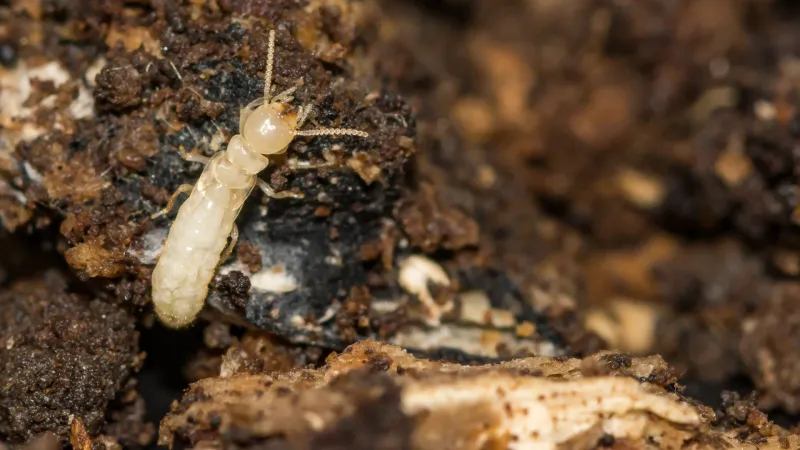
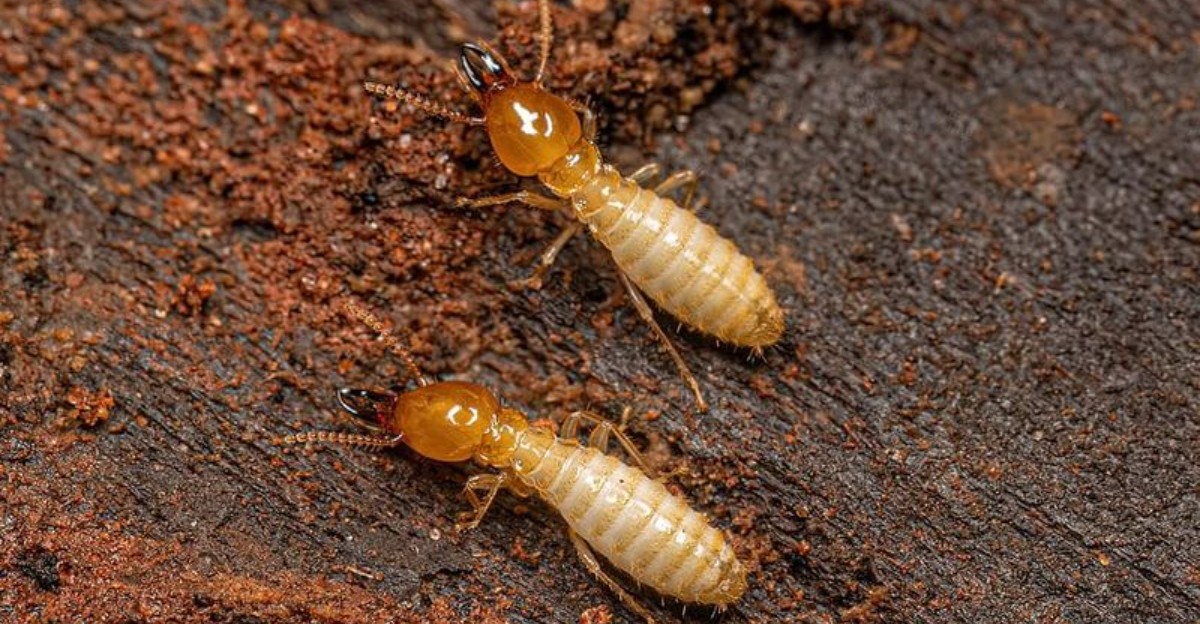
Out of sight is exactly how these insects operate. Subterranean termites nest in soil and travel through tunnels, so most activity happens where nobody looks.
Colonies can be large, and workers forage in several directions at once searching for cellulose.
That underground habit explains why a woodpile can be infested for months without any obvious sign. The insects rarely wander across open concrete or exposed siding in daylight.
Eastern subterranean termites are the species most often reported in Georgia homes, and swarms typically show up in spring on warm, humid days.
Winged swarmers near a window or porch light are worth noting, though they may come from a nearby colony rather than the house itself.
Because the workers stay hidden, inspections focus on evidence instead of the insects. Crawl spaces, sill plates, and the base of exterior walls are common places to look.
Soft, pale bodies mean they avoid dry, open conditions whenever possible.
Handling firewood gives you a rare chance to see them. Splitting a log that has been sitting on damp ground sometimes reveals small tunnels and pale workers inside.
Burn that wood soon rather than carrying it into a garage or basement for storage.
Finding termites in a woodpile does not confirm the house is infested, but it does mean a colony is foraging close by.
3. Damp Wood Creates Conditions These Termites Prefer
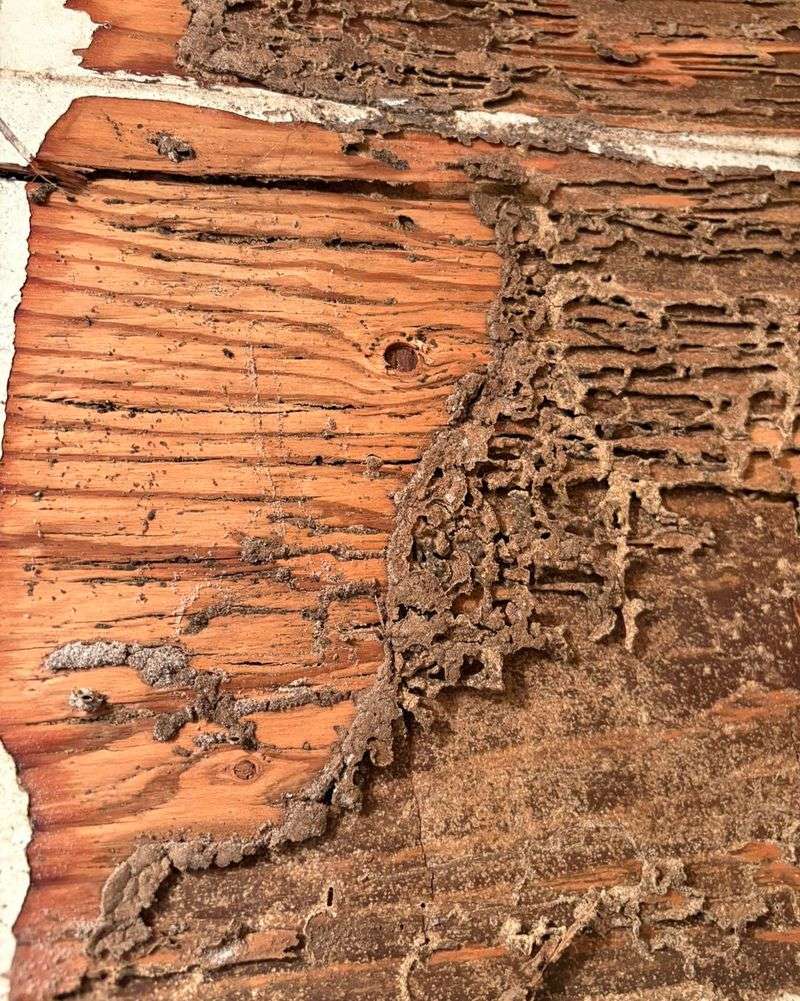
Moisture drives the whole problem. Subterranean termites need humid conditions, and damp wood suits them far better than dry, seasoned splits.
Rain, shade, and soil contact keep the bottom layers of a woodpile wet for weeks at a time.
Humid summers and steady rainfall in Georgia make drying slower than many people expect. A pile stacked in deep shade against a north wall may stay damp well into the season.
Add a leaky gutter or a downspout emptying beside the foundation, and conditions get even friendlier.
Simple drainage work helps here. Extending downspouts, clearing gutters, and grading soil so water moves away from the wall all reduce dampness near the house.
Crawl space vents that stay blocked by shrubs or wood stacks trap humid air underneath the floor.
Covering the top of a woodpile with a tarp while leaving the sides open lets air move through and keeps rain off.
Fully wrapping a pile in plastic does the opposite, since trapped moisture has nowhere to go.
Bark, sawdust, and scrap left behind under a stack hold water too, so raking that debris away is worth the few minutes.
Reducing moisture does not remove termites from the landscape, but it makes the area beside your foundation noticeably less attractive to a foraging colony.
4. Hidden Galleries Allow Colonies To Move Through Wood
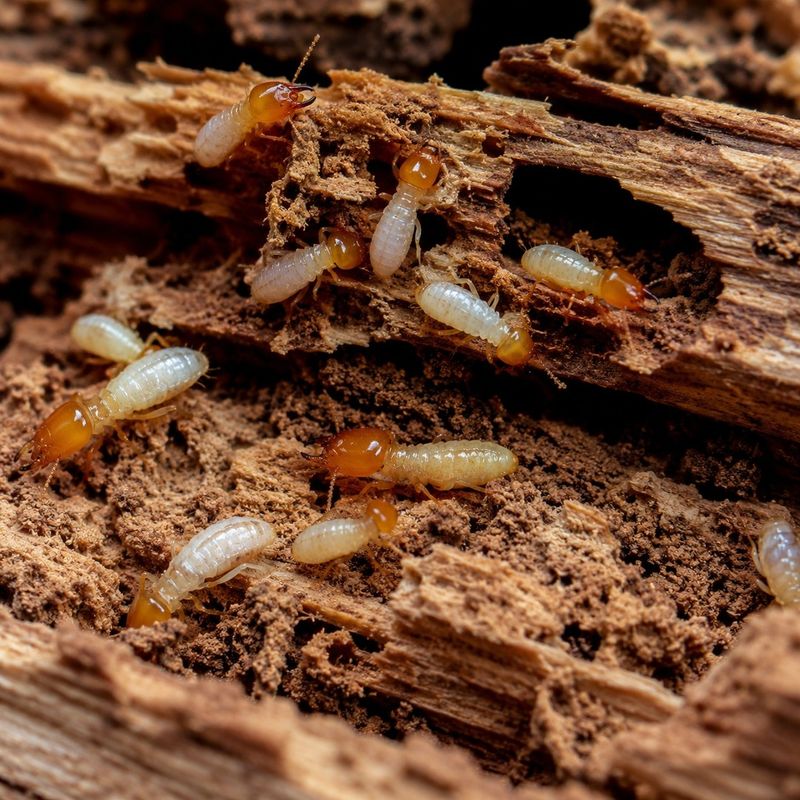
Split a suspicious log and the inside can look like a maze. Termites hollow out galleries along the grain, packing them with soil and waste as they go.
Outside, the piece may still look solid. That mismatch is what makes the damage so sneaky.
Galleries let workers travel protected from air and predators, which is why they rarely appear on the surface. A firewood stack riddled with tunnels acts like a staging area beside your wall.
Structural lumber can develop the same hidden pattern once insects reach a joist or stud.
Tapping along baseboards or crawl space framing sometimes produces a hollow, papery sound. Paint that looks slightly rippled or blistered can also hint at tunneling underneath.
Many Georgia homes sit on crawl spaces, which makes seasonal checks of the framing fairly easy with a flashlight.
Look for pencil-thin lines of soil, soft spots, and wood that flakes away under light pressure from a screwdriver.
None of these signs prove an active infestation on their own, since old damage can look similar. Confirmation usually takes a closer inspection.
When you handle firewood, glance at the cut ends before bringing it inside.
Wood with obvious galleries should go straight to the fire rather than into a storage rack near the house or under a deck.
5. Mud Tubes Can Reveal Activity Near The Foundation
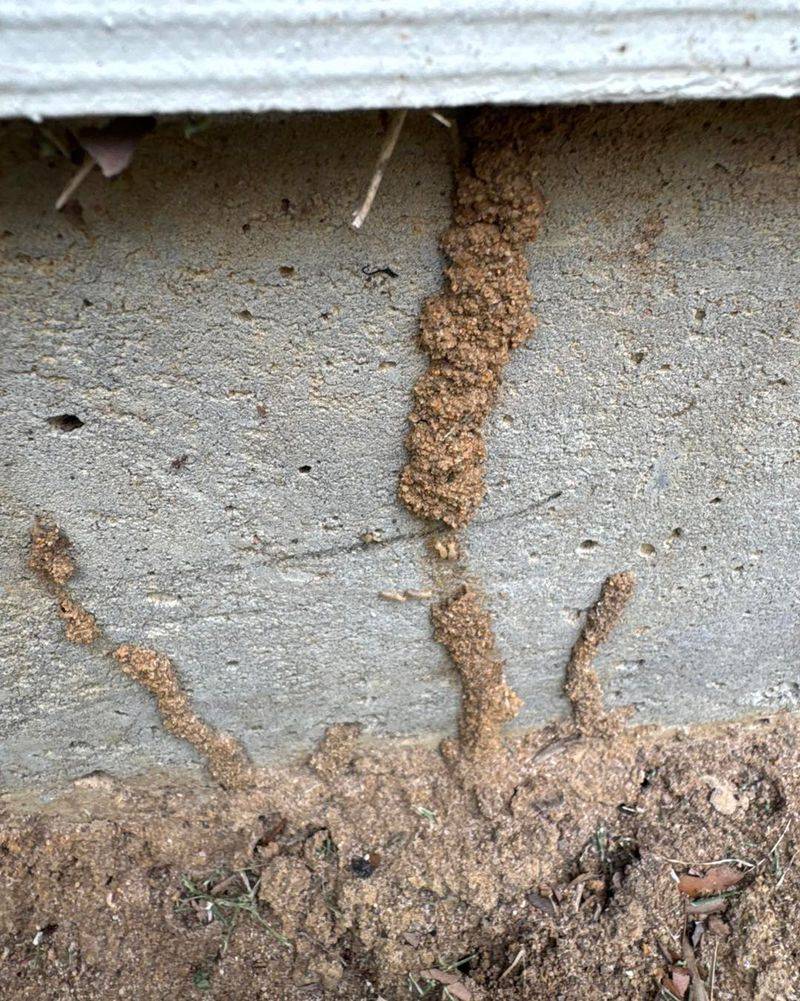
Thin brown lines climbing a foundation wall are worth a second look. Those are mud tubes, built from soil and saliva to shelter termites as they travel.
Width is often close to a pencil, and the texture looks like dried dirt.
Tubes show up on concrete blocks, brick, pier supports, and sometimes across the underside of floor joists. Anywhere workers need to cross an open surface, they may build one.
Behind a woodpile is a prime hiding spot, since the stack blocks your view of the wall entirely.
Moving firewood away restores that sightline, which alone makes inspections far easier.
Break a small section of tube open to check for activity. Live workers inside suggest a current colony, while an empty, crumbly tube may be abandoned.
Repairs often get patched by the insects within days if the colony is still foraging.
Crawl space walls, garage corners, and porch slabs deserve a look during routine yard work in Georgia, especially after wet spring weather.
Keep mulch, leaf litter, and stored lumber pulled back a few inches from the foundation so the bottom of the wall stays visible.
Spotting tubes early does not guarantee minor damage, but it usually beats waiting for a sagging floor to tell you something is wrong.
6. Termite Feeding Can Cause Serious Structural Damage
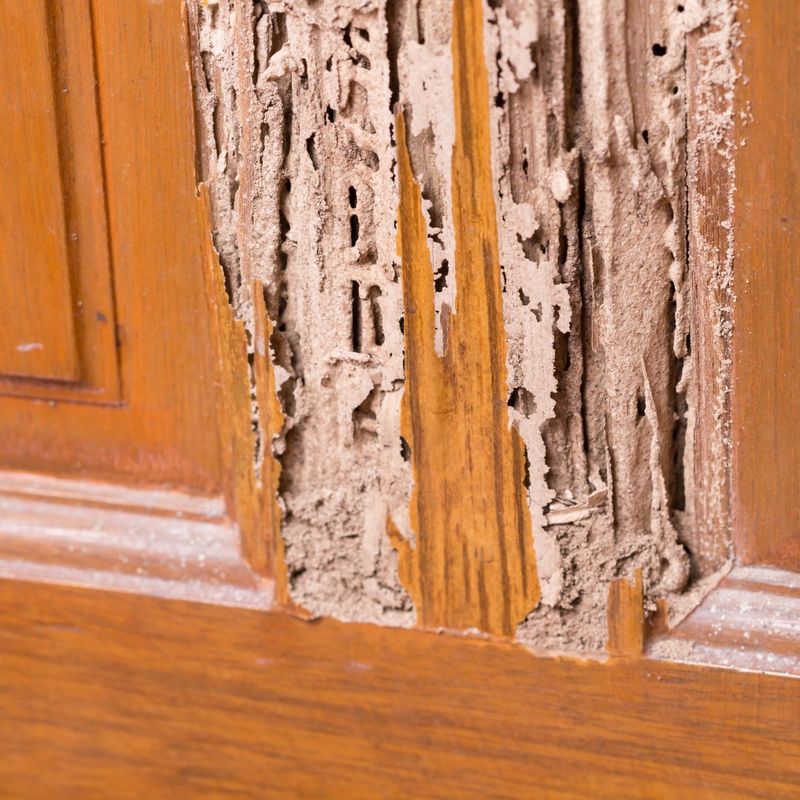
Wood loses strength long before it looks ruined. Termites feed on cellulose, and hollowed framing cannot carry the load it was built for.
Sill plates, band joists, and studs near grade tend to take the first hits.
Damage builds slowly, which is part of the problem. A colony working through a sill plate may go unnoticed for a season or more, especially behind finished walls.
Sticking doors, soft flooring, or a slight sag along a wall sometimes show up first.
Repair costs vary widely depending on how much framing is affected and how accessible it is.
Subterranean termites remain one of the more costly household pests reported across the Southeast, and Georgia sits squarely in that active range. Mild winters simply allow more feeding time each year.
Wooden decks, porch steps, and fence posts set in soil face the same exposure as house framing.
Keeping firewood off porches and away from deck skirting removes an easy food bridge to those structures.
Annual checks matter more than any single precaution, since conditions change with weather, landscaping, and drainage.
Homeowners who catch problems while damage stays limited usually deal with carpentry repairs instead of major structural work. Waiting rarely improves the outcome, and hidden feeding does not pause between seasons.
7. Professional Help Is Best When An Infestation Is Found
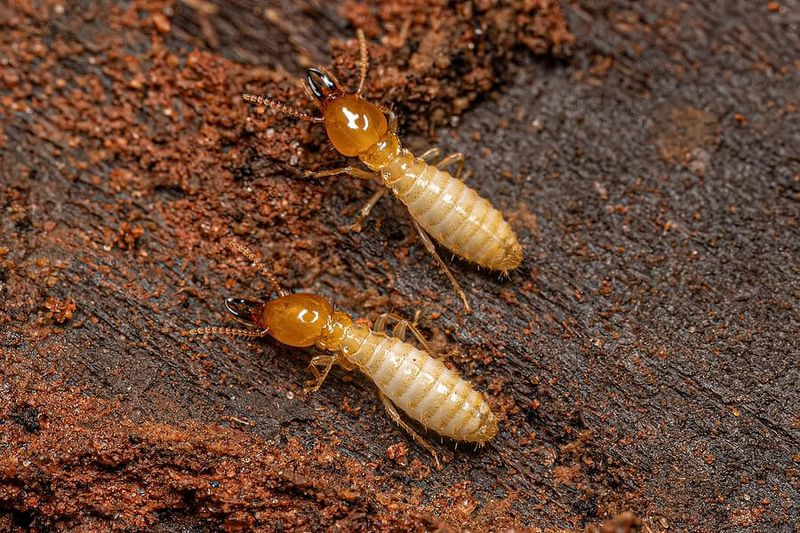
DIY sprays rarely reach the source. Subterranean colonies live in soil, often at a distance from the visible damage, so surface treatments miss most of the population.
Licensed technicians have access to soil treatments and baiting systems built for that situation.
A proper inspection covers the crawl space, foundation perimeter, plumbing penetrations, and any wood near grade. Findings get documented, which matters if a real estate transaction is coming.
Termite protection contracts are common in Georgia, and many include annual reinspection along with treatment terms.
Ask what the agreement covers, whether repairs are included, and how renewals work before signing anything.
Pricing depends on house size, construction type, and treatment method. Getting two or three quotes gives a clearer picture than a single estimate.
Confirm the company holds current state licensing for structural pest control.
Homeowners still play a role after treatment. Keeping firewood far from the walls, fixing drainage, and trimming shrubs off the foundation all support whatever the professional does.
No treatment removes every termite from the surrounding soil, since they occur naturally throughout the region.
What good management does is create a barrier and a monitoring routine that catches new activity early. Regular follow-up inspections remain the most reliable part of the whole plan.