10 Patio Decorating Ideas That Transform Florida Slabs Into Outdoor Living Spaces
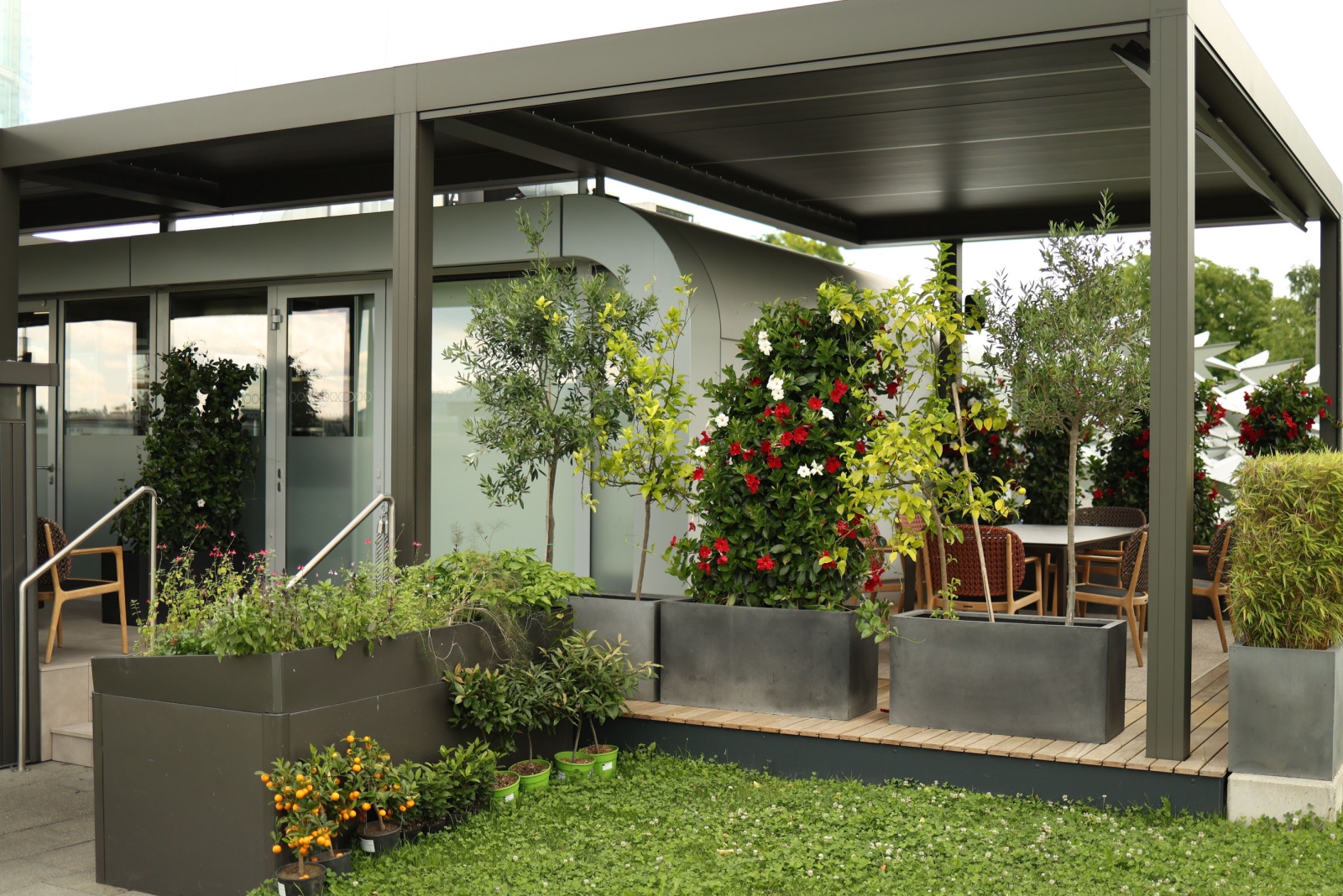
Florida backyards are full of concrete patios that look more like forgotten slabs than inviting outdoor spaces. The truth is, that plain gray surface has massive potential.
With the right design touches, your patio can become a shaded retreat, a weekend hangout zone, and a cozy place for evening gatherings all in one.
Sun, heat, humidity, and sudden rain showers make decorating outdoors in Florida different from anywhere else. What works up north often fails fast here.
That is why smart layout choices, durable materials, and climate-friendly decor matter more than fancy trends.
From cooling shade solutions to tropical plants, outdoor rugs, lighting, and cozy seating, small upgrades can create big visual impact.
If you have been staring at your patio wondering how to make it feel finished and functional, these ideas will show you exactly how to turn that bare slab into an outdoor living space you will actually use year-round.
1. Create Shade With Stylish Pergolas Or Canopies
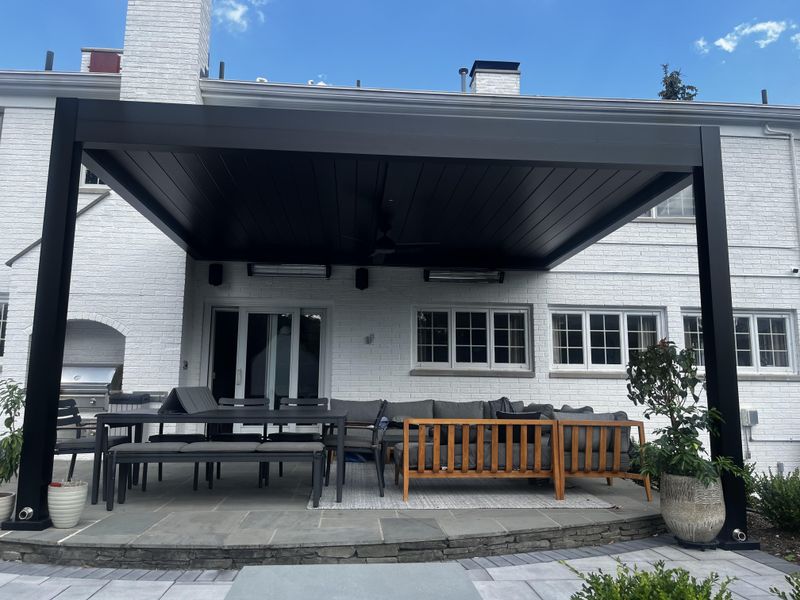
Florida sun can be relentless, especially during those long summer afternoons when the heat makes your patio feel more like a sauna than a retreat. Adding a pergola or canopy gives you the shade you need to actually enjoy your outdoor space without baking in direct sunlight.
Pergolas work beautifully because they allow air to circulate while still blocking harsh rays, and you can train vines like passionflower or coral honeysuckle over the slats for even more coverage and natural beauty.
Canopies offer flexibility since many are retractable, letting you control how much sun or shade you want throughout the day. Look for materials that resist mildew and fading, which are common problems in Florida’s humid climate.
Aluminum frames generally hold up better than untreated wood and steel in coastal areas where salt air accelerates corrosion.
Position your shade structure over seating or dining areas where you spend the most time.
This simple addition reduces direct heat exposure and surface temperatures, making your patio more comfortable even during peak afternoon hours, turning that hot concrete slab into a cool, inviting spot for morning coffee or evening gatherings with neighbors.
2. Add Vertical Planters For Color And Privacy
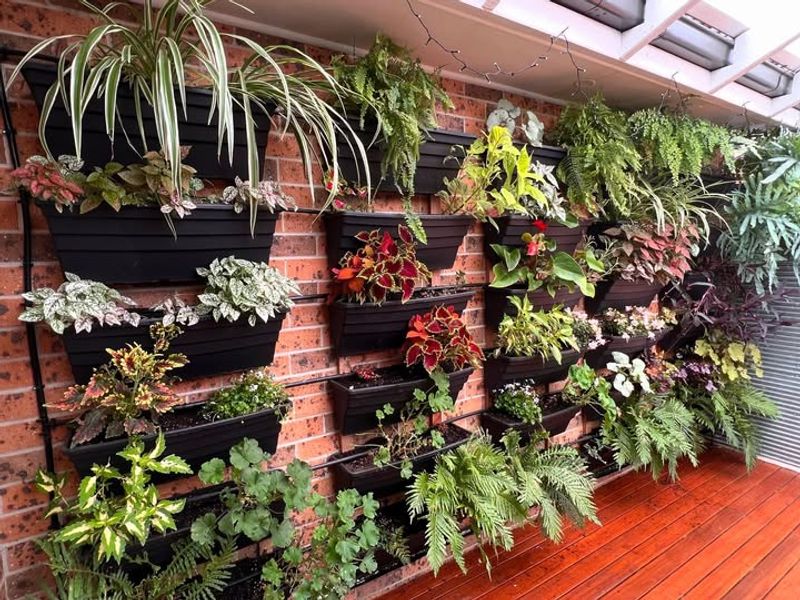
Vertical planters are a game changer when you want to maximize greenery without taking up valuable floor space on your patio. They let you grow flowering plants, herbs, or even small vegetables right on your walls or fences, bringing life and color to areas that would otherwise stay bare.
In Florida, vertical gardens thrive because the warmth and humidity create perfect growing conditions for many tropical and subtropical plants.
Consider using wall-mounted pocket planters or hanging rail systems filled with colorful choices like petunias, begonias, or trailing pothos. These plants handle Florida’s conditions well and add layers of texture and visual interest.
Vertical planters also create natural privacy screens, blocking views from neighbors or street traffic while softening the hard edges of concrete and fencing.
Make sure your planters have proper drainage since Florida’s afternoon thunderstorms can saturate soil quickly.
Position them where they’ll get the right amount of light for your chosen plants, and remember that vertical gardens need regular watering since they dry out faster than ground-level beds, especially during hot stretches when temperatures climb into the nineties.
3. Use Potted Tropical Plants To Bring Life To The Patio
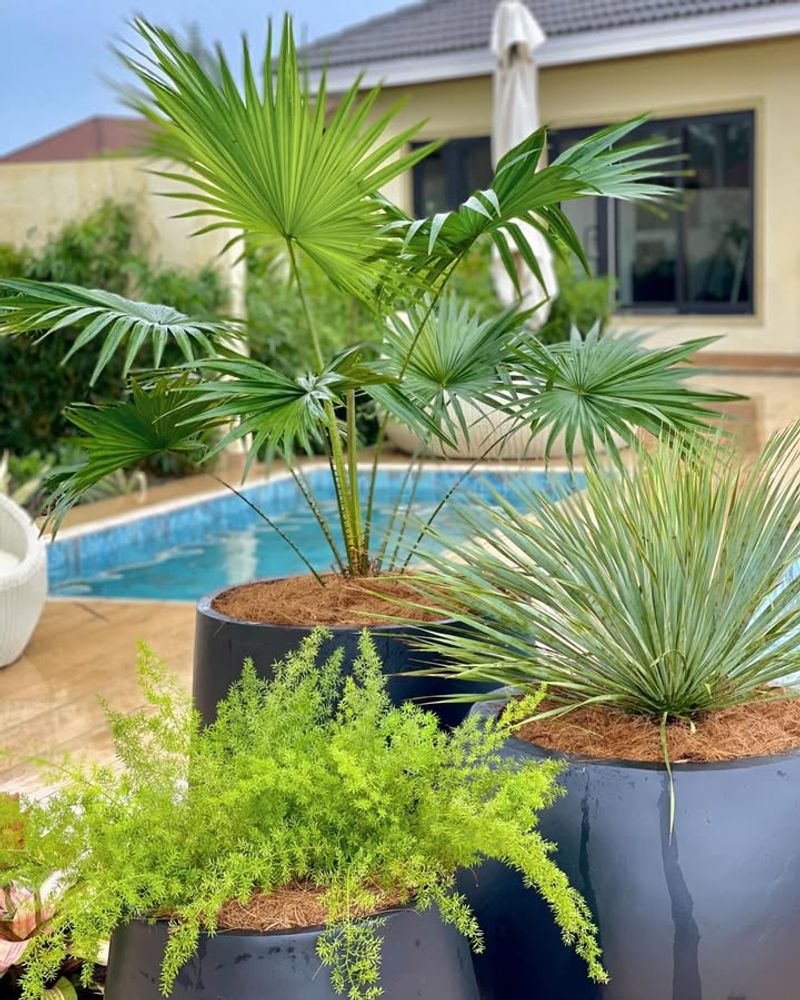
Nothing transforms a bare patio faster than clustering potted tropical plants around seating areas, corners, and along edges. Palms, bird of paradise, crotons, and hibiscus bring bold colors and textures that feel right at home in Florida’s landscape.
Large pots create focal points and anchor your design, while smaller containers let you experiment with different arrangements and move plants around as seasons change or as you redecorate.
Choose containers that complement your patio style, whether that means classic terracotta, sleek modern planters, or colorful ceramic pots that add personality. Make sure each pot has drainage holes to prevent root rot during rainy season.
Grouping plants in odd numbers and varying heights creates a more natural, visually appealing display than lining them up in a row.
Select plants suited to your patio’s light conditions, remembering that many tropicals prefer bright indirect light rather than scorching afternoon sun.
University of Florida IFAS Extension recommends low-maintenance choices like ZZ plants, bromeliads, and snake plants for shaded spots, while sun lovers like lantana and pentas thrive in brighter areas and attract butterflies and hummingbirds to your outdoor space.
4. Incorporate Outdoor Rugs To Define Seating Areas
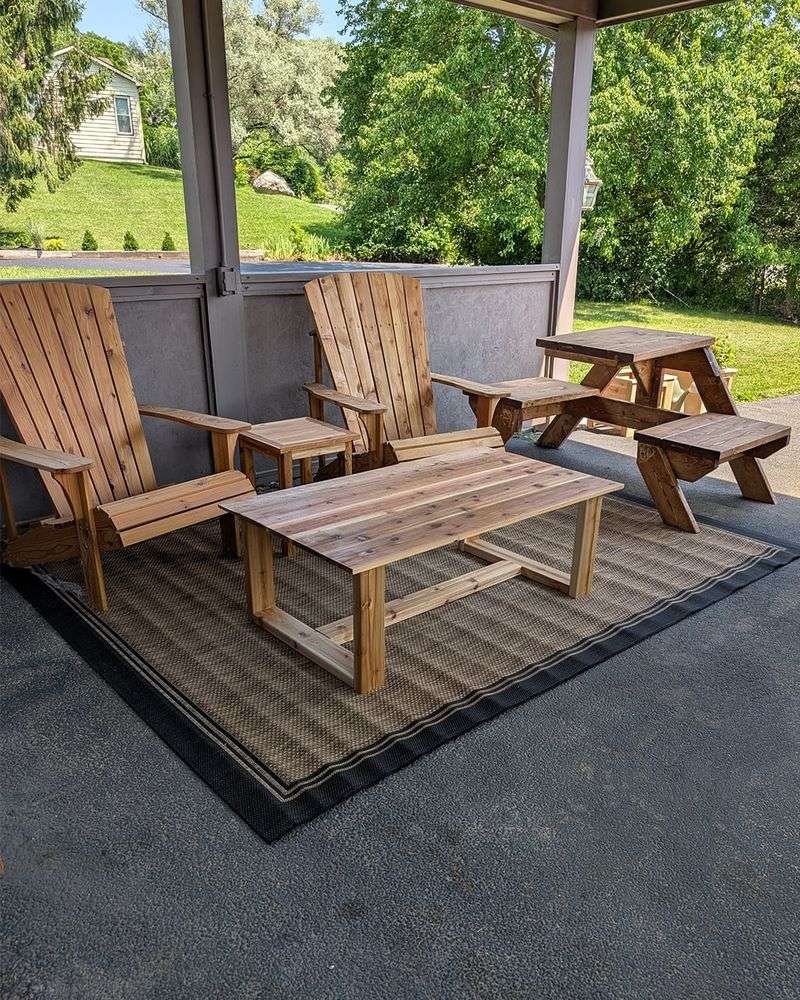
An outdoor rug might seem like a small detail, but it makes a huge difference in how your patio feels and functions. Rugs visually define separate zones on your concrete slab, creating distinct areas for lounging, dining, or conversation without building permanent structures.
They also soften the hard surface underfoot, making your patio feel more like an indoor living room than a utilitarian outdoor space.
Look for rugs made from polypropylene or other synthetic materials designed to withstand moisture, UV rays, and mildew, all of which are constant challenges in Florida. These rugs dry quickly after rain and resist fading even with daily sun exposure.
Patterns and colors add personality and can tie together your furniture, planters, and other decorative elements into a cohesive design.
Size matters when choosing your rug, so measure your seating arrangement and select a rug large enough that all furniture legs sit on it, or at least the front legs of chairs and sofas. This anchors your grouping and makes the space feel intentional and well designed.
Shake out or hose down your rug regularly to keep it looking fresh and prevent dirt buildup underneath.
5. Add Comfortable, Weather-Resistant Furniture
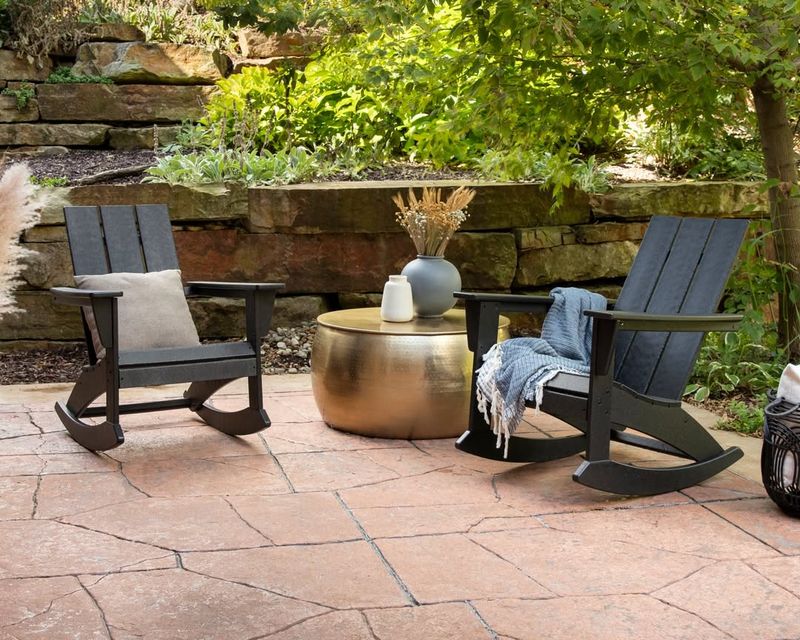
Your patio furniture sets the tone for how you’ll actually use your outdoor space, so comfort and durability matter more than anything else. Florida’s climate demands materials that can handle intense sun, humidity, and sudden rainstorms without warping, rusting, or developing mildew.
Aluminum frames, synthetic wicker, and marine-grade fabrics are smart choices that look great and last for years with minimal maintenance.
Think about how you want to use your patio when selecting pieces. Deep-seated sofas and lounge chairs invite relaxation and conversation, while dining sets create space for outdoor meals with family.
Mix seating types to accommodate different activities and group sizes, and don’t forget ottomans or side tables for setting down drinks and snacks.
Cushions and pillows add comfort and style, but choose fabrics specifically designed for outdoor use, like Sunbrella, which resists fading and repels moisture. Bring cushions inside during severe weather or store them in a deck box to extend their life.
Arrange furniture to encourage conversation by creating U-shaped or L-shaped groupings rather than lining pieces against walls, which makes your patio feel more like a waiting room than a gathering space.
6. Install String Lights Or Lanterns For Evening Ambiance
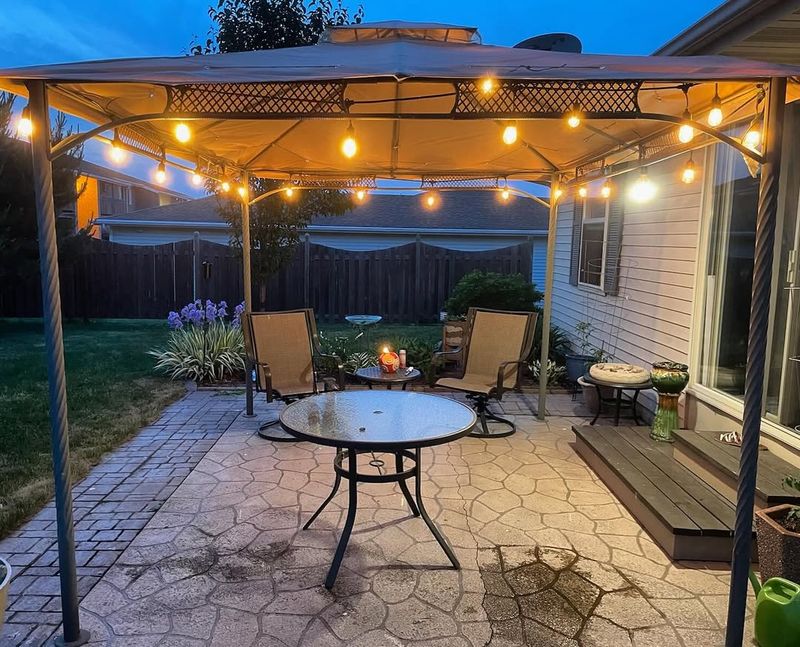
Once the sun sets, your patio needs lighting to stay functional and inviting, and string lights create magical ambiance that transforms your outdoor space into something special. They cast a warm, soft glow that feels festive without being too bright, perfect for evening gatherings or quiet nights outside.
In Florida, where pleasant evenings are common year-round, good lighting extends your patio’s usability well past dinner time.
String lights come in countless styles, from classic Edison bulbs to globe lights and fairy lights, so you can match them to your patio’s personality. Hang them overhead in zigzag patterns, drape them along fence lines, or wrap them around pergola posts for layered lighting that covers your entire space.
Solar-powered options work well in sunny Florida and eliminate the need for outlets or extension cords.
Lanterns add another layer of charm, whether you choose battery-operated LED versions, flameless candles, or traditional oil lanterns for a vintage look.
Place them on tables, hang them from hooks, or group them on steps for accent lighting that guides movement and highlights key areas.
Combine different light sources at varying heights to create depth and visual interest after dark.
7. Include A Small Outdoor Dining Area
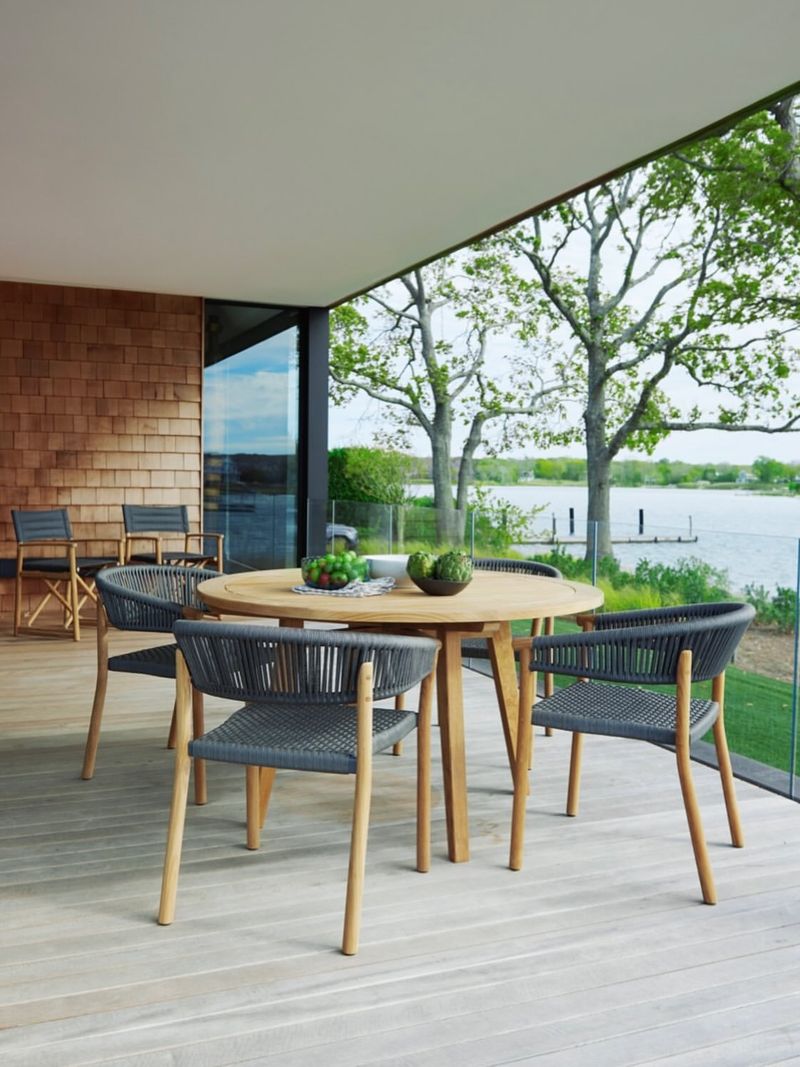
Setting up a dedicated dining area on your patio turns it into a true outdoor room where you can enjoy meals without feeling like you’re eating at a picnic table.
A proper dining setup with a table and chairs creates a focal point and gives your patio clear purpose, making it a natural gathering spot for family dinners, weekend brunches, or casual entertaining with friends.
Choose a table size that fits your space without overwhelming it, leaving enough room to walk around comfortably and pull out chairs. Round tables work well for smaller patios and encourage conversation, while rectangular tables accommodate more guests and fit neatly against walls or railings.
Materials like powder-coated aluminum or treated teak hold up beautifully in Florida’s weather and require minimal upkeep.
Add an umbrella or position your dining set under your pergola for shade during daytime meals, since eating in direct Florida sun can be uncomfortable. Set the table with outdoor dinnerware and colorful placemats to make meals feel special.
Keep a storage bench or outdoor cabinet nearby for stashing serving pieces, napkins, and other dining essentials so everything you need is within reach when you’re hosting.
8. Use Decorative Screens Or Trellises For Interest
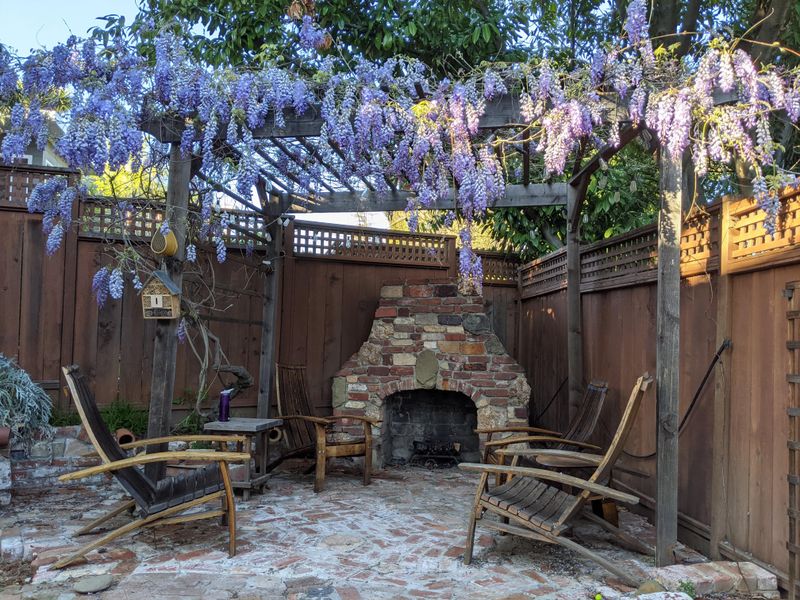
Decorative screens and trellises add architectural interest to your patio while solving practical problems like privacy and wind protection. These vertical elements break up wide-open spaces and create visual boundaries without the permanence or expense of building walls.
In Florida, where neighbors are often close and afternoon breezes can be strong, screens offer flexible solutions that enhance both comfort and aesthetics.
Freestanding screens come in materials ranging from wood and metal to composite and bamboo, each offering different looks and maintenance needs. Position them to block sightlines from neighboring yards or to shield your seating area from prevailing winds.
Trellises serve double duty when you plant climbing vines like jasmine, mandevilla, or bougainvillea at their base, creating living walls that burst with color and fragrance.
Use screens and trellises to define different zones on your patio, separating dining areas from lounging spots or creating a sense of enclosure around conversation areas. Paint or stain them to coordinate with your home’s exterior, or leave natural wood to weather into a soft gray patina.
These vertical accents add height and dimension to flat concrete slabs, drawing the eye upward and making your outdoor space feel larger and more thoughtfully designed.
9. Incorporate Water Features Or Bird Baths

The sound of moving water instantly makes your patio feel more peaceful and resort-like, masking neighborhood noise and creating a soothing backdrop for relaxation.
Small fountains, bubbling urns, or tabletop water features work beautifully on Florida patios, adding sensory appeal without requiring major installation or plumbing work.
Water features attract birds and add soothing movement and sound to your outdoor space, while nearby flowering plants help attract butterflies.
Bird baths serve a similar purpose while supporting local wildlife, providing drinking and bathing spots for songbirds, cardinals, and other species common in Florida yards. Place your bird bath where you can see it from seating areas but away from heavy foot traffic so birds feel safe visiting.
Change the water regularly to prevent mosquitoes from breeding, which is especially important during Florida’s warm, humid months.
Solar-powered fountains eliminate electrical concerns and work well in sunny Florida locations, while battery-operated options give you flexibility in placement. Choose materials like ceramic, resin, or sealed concrete that resist algae growth and weather well outdoors.
Position water features on stable surfaces and near plants to create mini garden vignettes that feel intentional and beautifully composed.
10. Add Fire Pits Or Portable Heaters For Year-Round Use
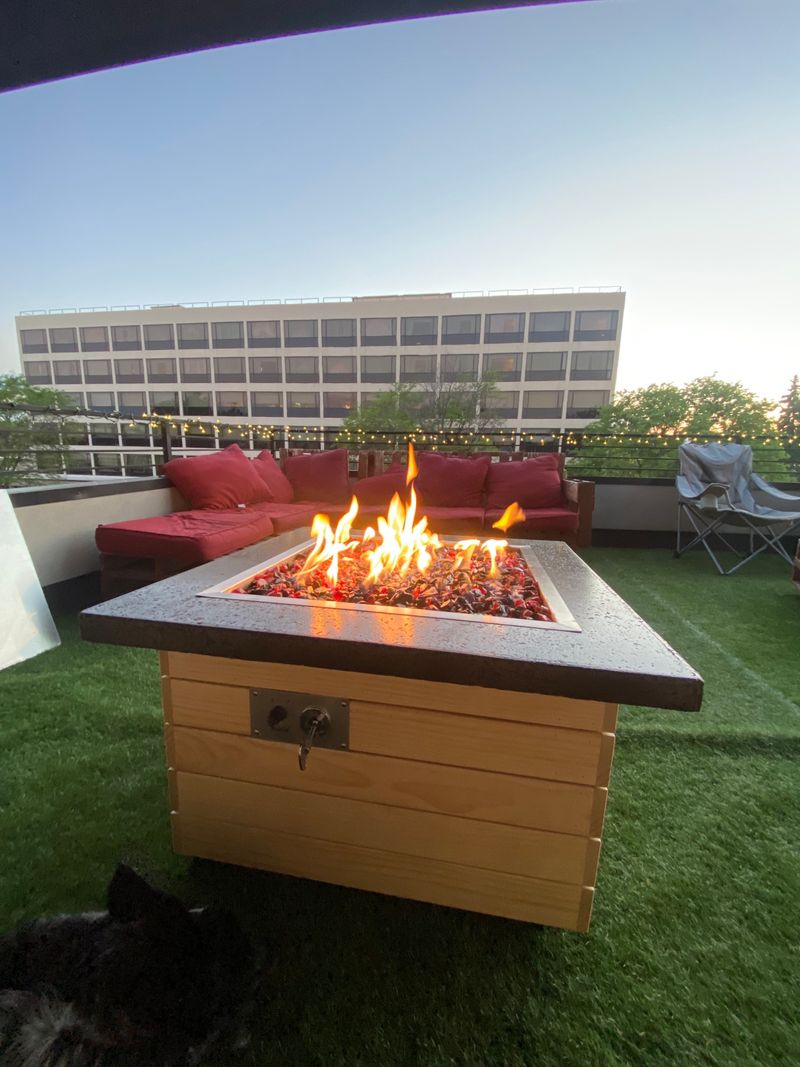
While Florida stays warm most of the year, winter evenings and occasional cold fronts can make your patio uncomfortably chilly without a heat source. A fire pit or portable heater extends your outdoor season and creates a cozy gathering spot that draws people together on cooler nights.
Fire pits work especially well for social settings, giving everyone a focal point and a reason to linger outside even when temperatures drop into the fifties or sixties.
Propane or natural gas fire pits offer convenience and clean burning without the smoke and ash of wood-burning models, which matters on smaller patios where smoke can be overwhelming.
Portable propane heaters give you flexibility to move heat where you need it and store units away when not in use.
Both options add ambiance with flickering flames that make your patio feel warm and inviting.
Position your fire pit or heater in a central location where everyone can benefit from the warmth, keeping it away from overhanging pergolas, canopies, or low tree branches. Check local regulations since some municipalities restrict open flames or require permits.
Add comfortable seating around your heat source with blankets and outdoor pillows nearby, creating an irresistible spot for evening conversations under Florida’s starry skies.