Pennsylvania Container Plants That Keep Performing From May Through First Frost
Most container plantings look great in May and start showing their limitations by July. The plants get leggy, the blooms fade out, or the whole combination just stops looking like something worth keeping on the porch.
Finding plants that genuinely hold up from late spring all the way through the first frost is one of the more practical challenges Pennsylvania gardeners face, because the season here covers a wide range of conditions.
You are asking plants to perform through cool spring nights, humid July heat, dry August stretches, and the cooler but sometimes unpredictable weather that comes in September and October.
The right container plants handle all of that without needing to be replaced halfway through the season.
Pennsylvania actually has a longer workable container season than most people take advantage of, and the plants on this list are proof that one planting can carry you all the way to frost.
1. Calibrachoa (Million Bells)
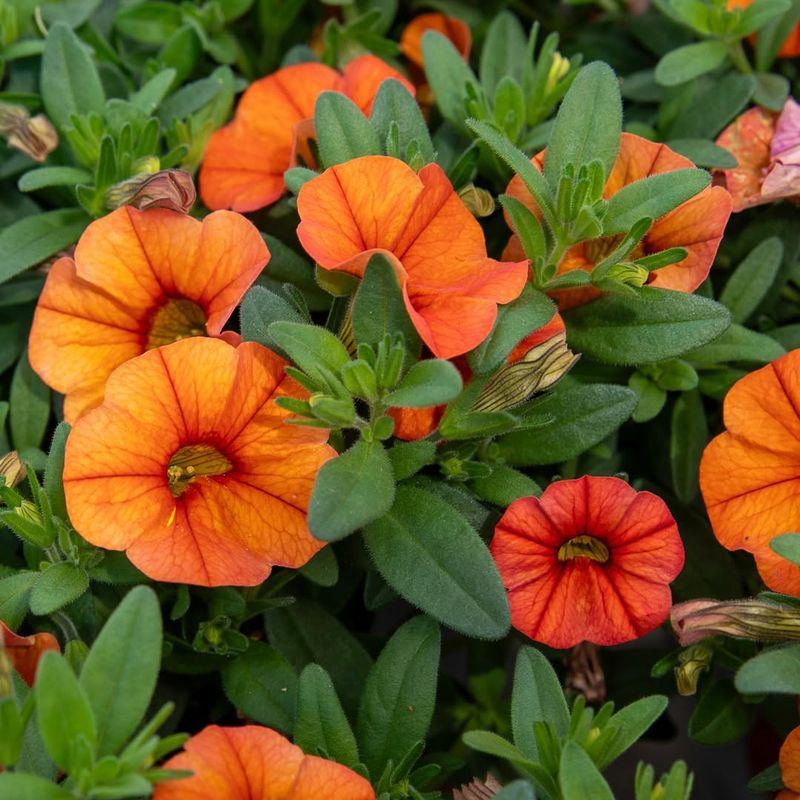
Imagine a plant so covered in tiny flowers that you can barely see the leaves underneath. That is exactly what calibrachoa delivers all season long.
Nicknamed million bells, this cheerful plant earns its name by producing hundreds of small, bell-shaped blooms that keep coming from May until frost arrives.
Calibrachoa thrives in full sun and loves well-draining potting mix. Water it consistently but never let it sit in soggy soil.
A slow-release fertilizer at planting time, plus a liquid feed every two weeks, keeps the blooms coming strong all the way through September and beyond.
One of the best things about million bells is how well it works in mixed containers. Its trailing habit spills beautifully over the edges of hanging baskets, window boxes, and large pots.
It pairs wonderfully with upright plants like geraniums or lantana for a full, layered look. Colors range from soft pastels to rich jewel tones, including coral, magenta, white, yellow, and deep purple. Some varieties even have striped or star-patterned petals.
With so many choices, you can create a completely different look each year without ever getting bored.
Pennsylvania summers can bring humidity and heat, but calibrachoa handles it well as long as air circulates around the plant. Avoid overcrowding in pots.
Deadheading is not required since spent blooms drop on their own, making this one of the lowest-maintenance container plants you can grow.
2. Coleus
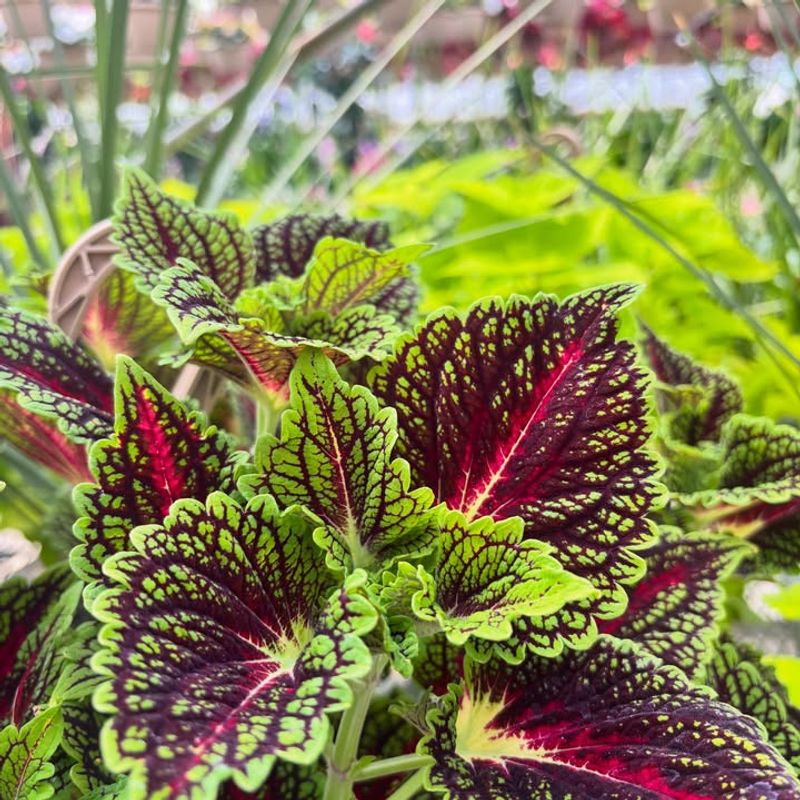
Most gardeners grow plants for their flowers, but coleus flips that idea on its head. The real showstopper here is the foliage, and it never takes a break from looking stunning.
From the moment you plant it in May until frost ends the season, coleus delivers nonstop color without a single bloom needed.
Pennsylvania gardeners with shady spots often struggle to find colorful container plants that actually perform well. Coleus is the answer.
It genuinely loves lower light and can handle spots that get only a few hours of sun each day. Some newer varieties are even bred to handle full sun without fading or wilting.
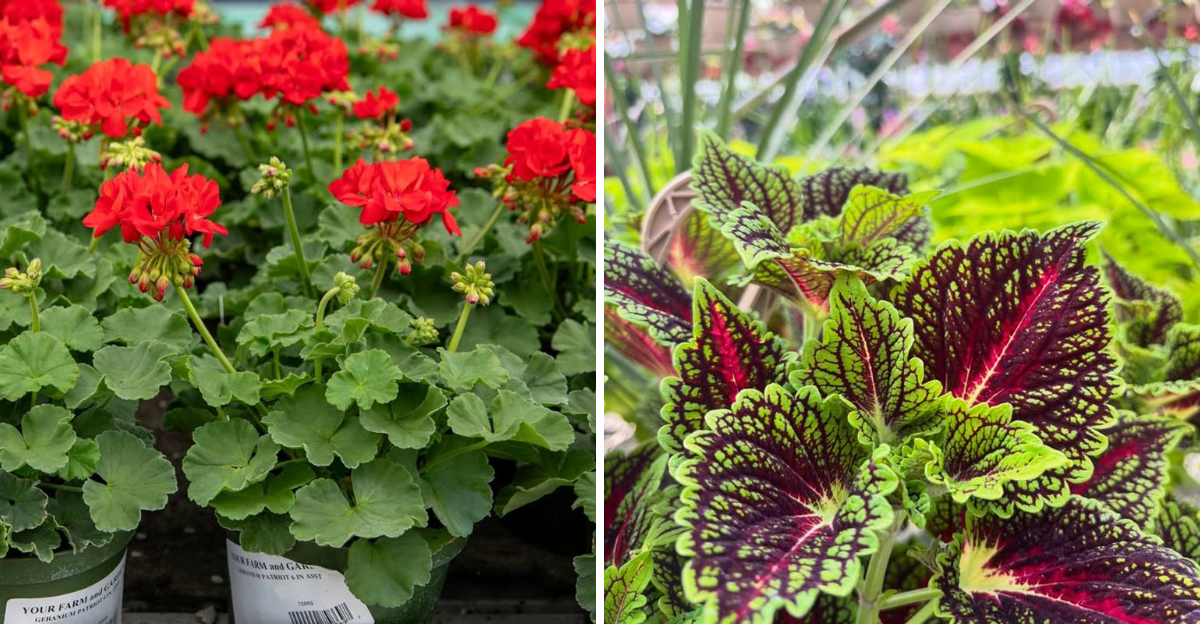
Leaf patterns are almost endlessly varied. You can find coleus with deep burgundy centers edged in lime green, bright chartreuse leaves splashed with red, or soft pink foliage outlined in white.
Your Pennsylvania Garden Changes Every Week. Your Plan Should Too.
Gardening in Pennsylvania changes quickly throughout the season. Every Friday you’ll receive a simple weekly plan showing exactly what to plant, prune, fertilize, harvest, and protect so you never miss the right timing.
Mixing several varieties in one large pot creates a living work of art that changes slightly as the plants grow.
Pinching off the growing tips regularly keeps coleus bushy and full. If you let it go too long without pinching, it will try to flower.
The flowers are small and not very showy, so most gardeners remove them to keep energy focused on the leaves.
Watering coleus consistently matters a lot. It wilts quickly when dry but bounces back fast after a good drink.
Feeding with a balanced liquid fertilizer every two weeks keeps the colors vivid and the growth strong right through the end of the season.
3. Lantana
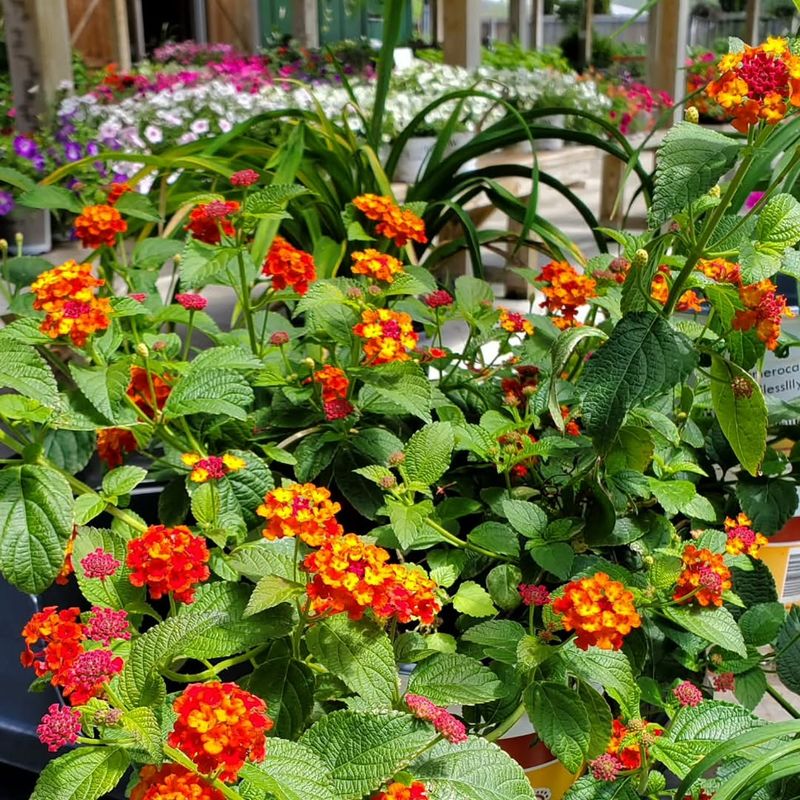
If your Pennsylvania summer turns blazing hot and dry, lantana is the plant you want in your containers. While other plants struggle and slow down during heat waves, lantana just keeps going.
It actually blooms more heavily when temperatures climb, making it one of the most reliable warm-season performers you can find.
Lantana produces tight clusters of tiny flowers in combinations that seem almost too vivid to be real. Orange and yellow blend together in one cluster.
Red and gold mix in another. Some varieties offer soft pinks and whites for a more subtle look.
The color combinations shift slightly as the flowers age, giving each cluster a multi-toned appearance.
Butterflies absolutely love lantana, and so do hummingbirds. Placing a pot near a seating area turns your patio into a front-row seat for watching pollinators all summer long.
Few other container plants bring that kind of wildlife activity to a small space. Full sun is where lantana performs best. Give it at least six hours of direct sunlight each day and it will reward you generously.
Well-draining soil and occasional deep watering work better than frequent shallow drinks. Overwatering is actually more of a concern than underwatering with this tough plant.
As fall approaches and temperatures begin to drop, lantana keeps right on blooming while other plants start to fade. It holds on impressively until the first hard frost arrives.
Deadheading spent clusters encourages fresh blooms and keeps plants looking tidy throughout the long Pennsylvania growing season.
4. Geranium
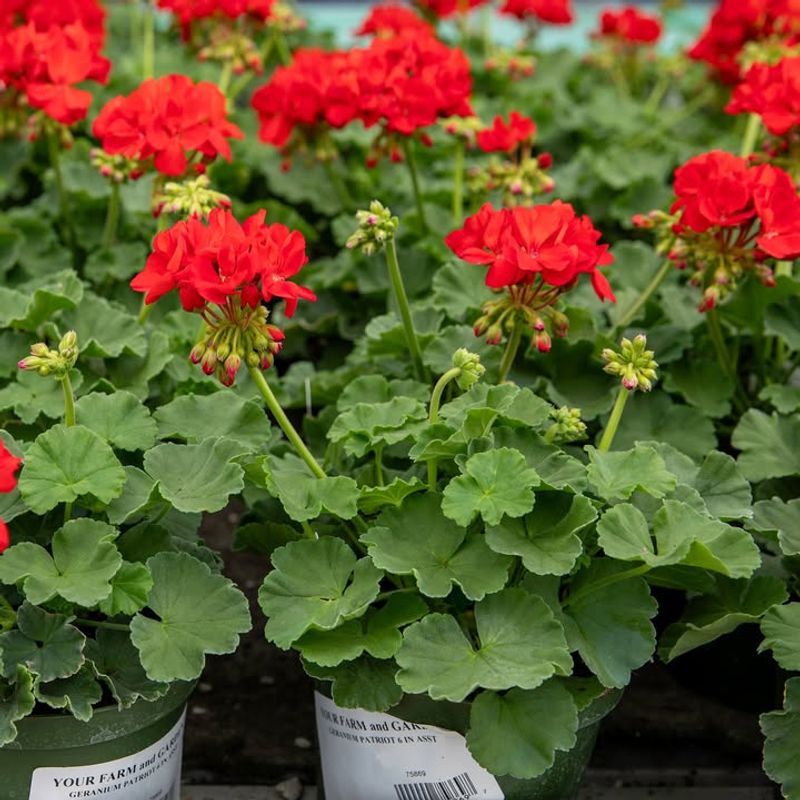
Few plants carry as much nostalgic charm as the classic geranium sitting in a pot on a sunny front porch. There is something timeless about that bold red bloom against dark green, scalloped leaves.
Geraniums have been a garden staple for generations, and they keep earning their spot year after year in Pennsylvania containers.
What makes geraniums so dependable is their tolerance for both heat and occasional dry spells. They do not demand constant attention.
Water when the top inch of soil feels dry, give them plenty of sun, and they will stay happy from May all the way through October.
Deadheading spent flower heads is the one task geraniums do ask of you regularly. Removing old blooms before they go to seed keeps the plant focused on producing new flower clusters.
Skip this step and blooming slows down noticeably. Spend five minutes every few days snapping off old heads and you will be rewarded with continuous color.
Beyond the classic red, geraniums come in salmon, coral, white, lavender, and deep magenta. Zonal geraniums, the most common type, have distinctive dark rings on their leaves.
Ivy-leaf geraniums trail nicely over pot edges and work beautifully in hanging baskets or mixed containers with taller plants.
Pennsylvania’s warm summers suit geraniums well, though they appreciate a little afternoon shade during the hottest weeks in July and August.
A balanced fertilizer applied every three to four weeks keeps plants vigorous and blooming generously through the long growing season without much extra effort.
5. Sweet Potato Vine
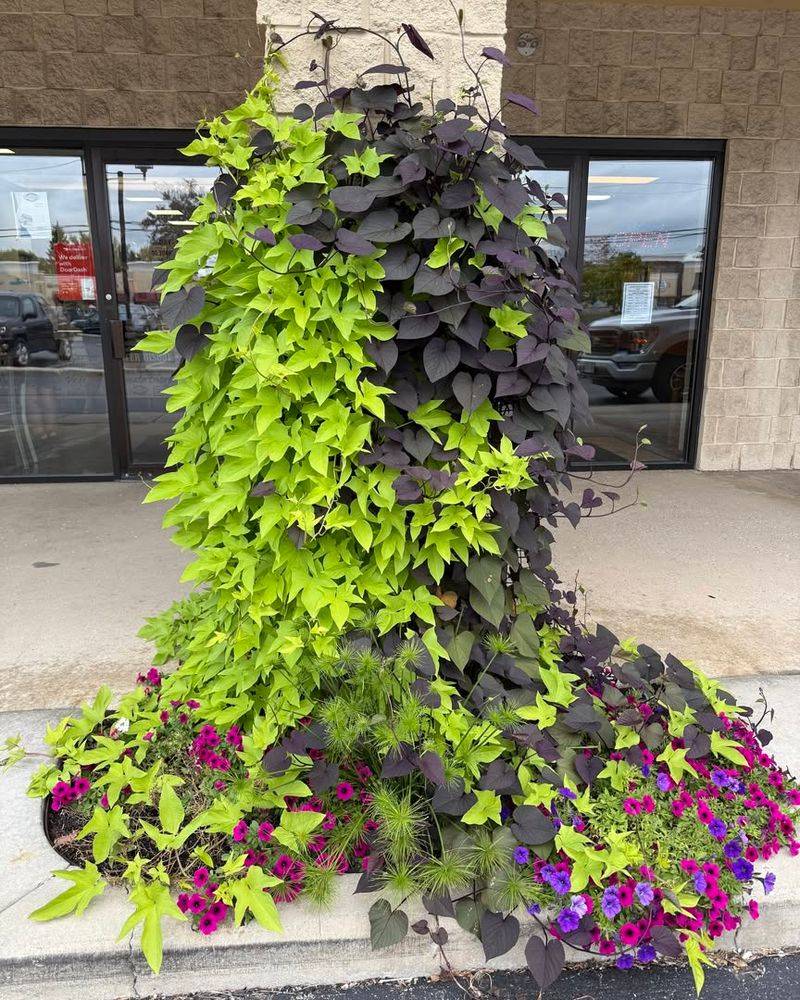
Speed is the first thing you notice about sweet potato vine. Plant it in May and by June it is already spilling dramatically over the edges of your containers, filling every empty space with bold, eye-catching foliage.
Few plants transform a pot so quickly or so completely. Sweet potato vine does not bloom in a showy way, but it does not need to. The leaves do all the work.
Chartreuse varieties glow like neon in the garden, catching every bit of light. Deep purple-black varieties add rich drama to mixed plantings.
Tricolor types offer swirling combinations of pink, green, and white that look almost painted.
This plant is a natural team player in container gardens. It fills the trailing role in the classic thriller-filler-spiller design that professional container gardeners love.
Pair it with tall, upright plants like geraniums or lantana and let the sweet potato vine tumble freely over the sides for a lush, full effect.
Full sun brings out the most intense leaf color, though sweet potato vine adapts to partial shade as well. In shade, growth stays a bit more compact and colors may be slightly less vivid.
Either way, it fills containers quickly and covers bare soil beautifully, reducing moisture evaporation in the process.
Regular watering keeps sweet potato vine growing vigorously, but it tolerates short dry spells better than many container plants.
Fertilizing every two weeks with a balanced liquid feed maintains strong growth and keeps the foliage looking rich and healthy all the way to the first frost.
6. Zinnia
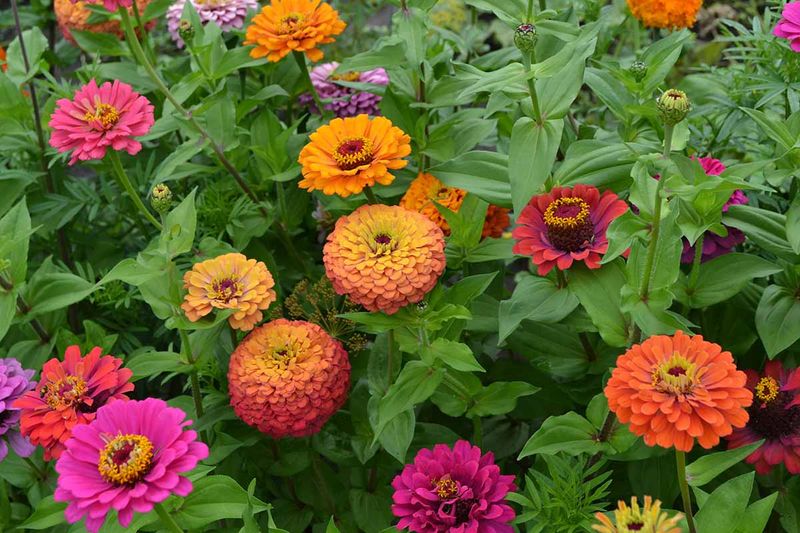
Zinnias are the kind of plants that make you smile every time you walk past them. Their big, cheerful flowers in every shade of the rainbow bring pure joy to a container garden.
Best of all, compact varieties bred specifically for pots bloom continuously from early summer straight through the first frost without slowing down.
Full sun is non-negotiable for zinnias. Give them six or more hours of direct sunlight each day and they will reward you with an almost unbelievable flower count.
Skimp on the sun and blooming becomes sparse and disappointing. A south or west-facing spot on a Pennsylvania porch or patio is ideal.
One practical tip that makes a big difference is deadheading regularly. Removing spent blooms before they set seed tells the plant to keep producing new flowers.
Without deadheading, zinnias slow their bloom production as they shift energy toward making seeds. A quick snip every few days keeps the show going strong.
Powdery mildew can be an issue with zinnias in humid Pennsylvania summers. Choosing mildew-resistant compact varieties like Profusion or Zahara helps a lot.
Good air circulation around pots also reduces the risk. Avoid wetting the leaves when watering and water at the base of the plant instead.
Zinnias also attract butterflies in impressive numbers. Monarch butterflies especially seem drawn to orange and red varieties during their fall migration through Pennsylvania.
Placing a zinnia container near a window gives you a front-row view of these beautiful visitors throughout late summer and autumn.
7. Verbena
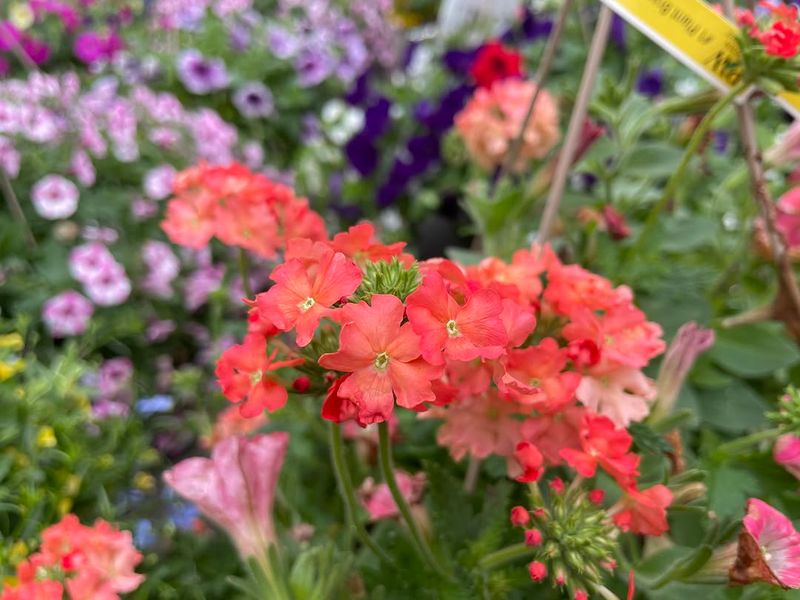
When September arrives and most summer annuals start looking tired, verbena is still putting on a show.
This tough little plant has a remarkable ability to keep producing clusters of bright blooms even as nights cool down in Pennsylvania. It is the kind of reliable performer that earns its spot in the container every single year.
Verbena comes in trailing and upright forms, giving you flexibility in how you use it. Trailing verbena spills beautifully over pot edges and works wonderfully in hanging baskets.
Upright forms hold their own in mixed containers alongside taller plants. Either way, the flower clusters are dense and colorful, covering the plant generously throughout the season.
Color choices are excellent. Deep purple, bright red, soft pink, coral, and white are all widely available.
Some varieties feature a small white eye at the center of each tiny flower, adding a delicate detail that looks lovely up close. Mixing several colors in one large pot creates a vibrant, cottage-garden feel on any porch or patio.
Verbena handles heat and drought better than many gardeners expect. It is not as thirsty as some container plants, and it actually performs better when allowed to dry slightly between waterings.
Overwatering leads to root problems, so always check soil moisture before reaching for the hose.
Trimming verbena back by about one-third in midsummer encourages a fresh flush of growth and blooms for fall. This simple step prevents the plant from getting leggy and keeps it looking neat and full through the end of the growing season in Pennsylvania.