The Specific Pennsylvania Lawn Changes That Tick Experts Say Make The Biggest Difference
Tick management advice tends to be broad, cover up, use repellent, stay out of tall grass, and while none of that is wrong, it treats the problem as something to navigate rather than something to actively reduce.
Tick experts who study habitat and population dynamics have a more targeted perspective, and when they talk about what actually moves the needle on tick pressure around a home, the conversation comes back to the lawn itself and how it is managed.
Specific changes to how Pennsylvania lawns are maintained, structured, and planted at the edges can significantly reduce the tick population in the immediate vicinity of a home, not eliminate it entirely but bring it down in a way that makes a real difference to people spending time in the yard.
Several of these changes are simple enough that they could happen this season, and the ones that require more investment tend to have benefits that extend well beyond tick reduction alone.
1. Keep Grass Short And Well-Trimmed
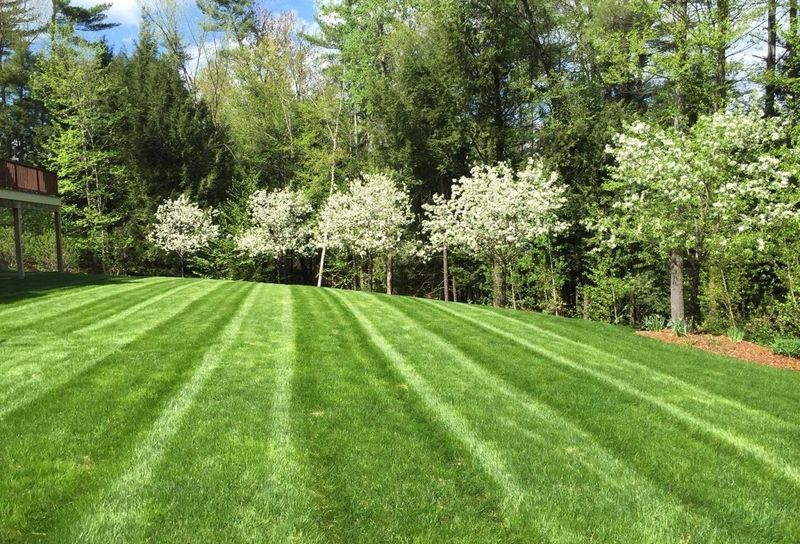
Most people mow their lawn to keep it looking nice, but there is actually a powerful tick-prevention reason to stay on top of it too. Ticks love tall grass.
They climb up grass blades and wait for a passing host, whether that is a deer, a dog, or a person. When grass is kept at 2 to 3 inches tall, ticks have far fewer places to hide and fewer opportunities to latch on.
Short grass also means more sunlight reaches the soil. Ticks need moisture and shade to survive.
When the ground dries out faster because sunlight can reach it, the environment becomes much less comfortable for ticks. Pennsylvania summers can be humid, so every bit of sun exposure helps reduce that dampness ticks rely on.
Try to mow at least once a week during the growing season. Set your mower blade to keep grass between 2 and 3 inches, not shorter, because cutting too low can stress the grass and create bare patches.
Bare patches can actually invite weeds and still leave ground-level hiding spots for ticks near the soil.
Pay special attention to areas near fences, tree lines, and garden beds. These spots are easy to miss but are exactly where ticks tend to gather.
A simple string trimmer can handle tight corners your mower cannot reach. Staying consistent with mowing is one of the easiest and most affordable tick-reduction habits any Pennsylvania homeowner can build.
Experts consistently rank regular mowing as a foundational step in any tick management plan, and the results speak for themselves when you stick with it season after season.
2. Create A Tick-Safe Border

Picture your yard as a neighborhood and the woods next to it as a very different place, one where ticks live and breed.
Without any kind of boundary, ticks can easily wander from that wooded area right into your lawn. A tick-safe border acts like a physical fence they are unlikely to cross.
Experts recommend creating a 3-foot-wide buffer zone between your lawn and any wooded areas, tall grass, or dense vegetation. Fill this buffer with dry materials like wood chips, gravel, or mulch.
Your Pennsylvania Garden Changes Every Week. Your Plan Should Too.
Gardening in Pennsylvania changes quickly throughout the season. Every Friday you’ll receive a simple weekly plan showing exactly what to plant, prune, fertilize, harvest, and protect so you never miss the right timing.
Ticks prefer moist, shaded ground, so a dry, open barrier is a strong deterrent. They tend to avoid crossing hot, dry surfaces because it dries them out quickly.
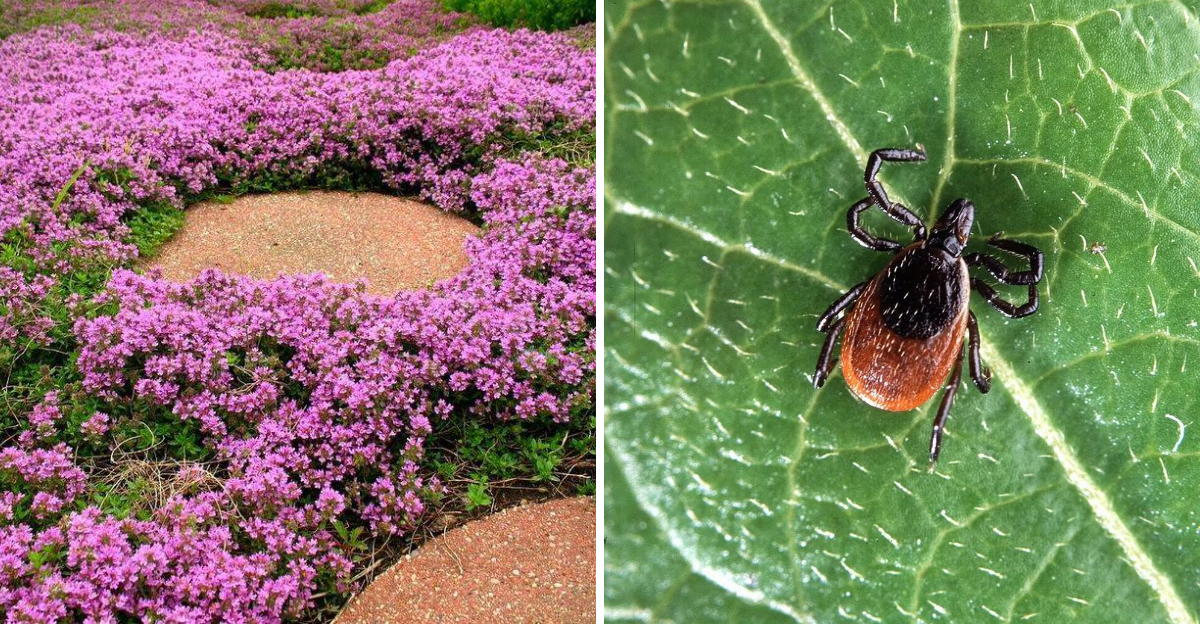
Low-growing, sun-loving plants can also work well in this border zone. Creeping thyme, for example, is a ground cover that stays low, loves sunlight, and even has natural properties that some researchers believe may repel ticks.
Mixing plants like this with gravel or mulch can create a border that is both attractive and functional.
Maintaining this border is just as important as creating it. Keep the mulch or gravel raked and free of leaf buildup, because leaves can trap moisture and give ticks a foothold in the barrier.
Replace mulch annually to keep it fresh and dry. In Pennsylvania, where wooded backyards are common, this border strategy is one of the most recommended steps by tick control experts.
It works by exploiting a simple weakness ticks have: they struggle to survive in open, dry, sunny conditions. A well-maintained border uses that weakness against them every single day.
3. Remove Leaf Litter And Debris
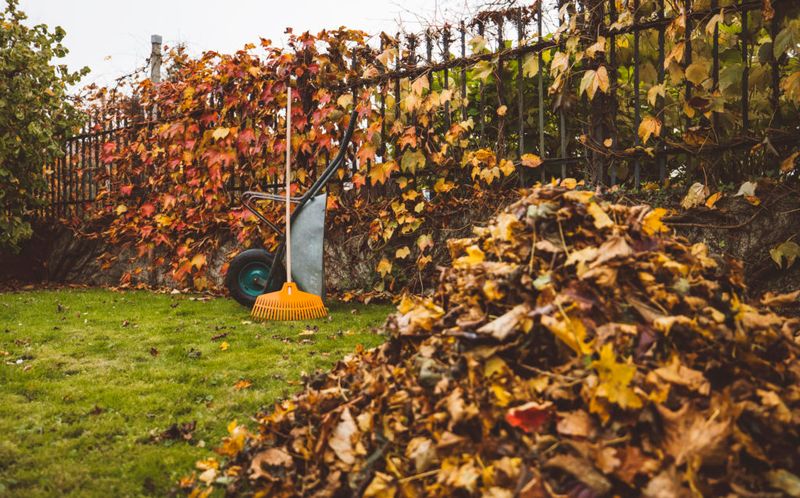
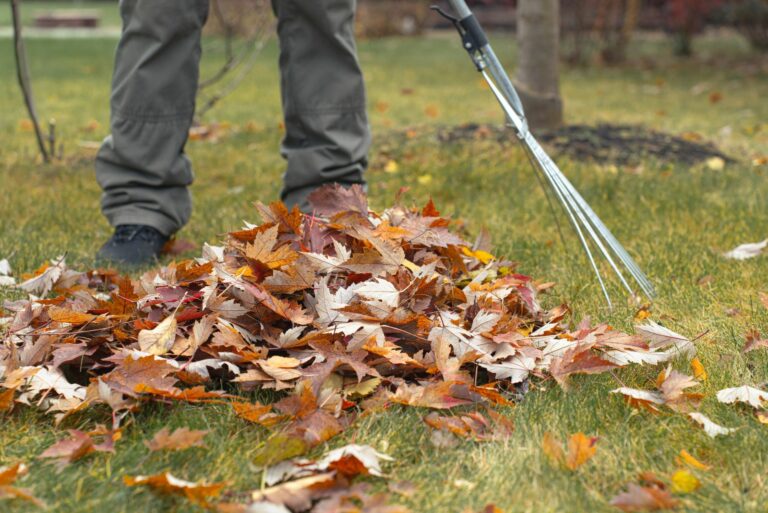
Autumn in Pennsylvania is beautiful, but all those falling leaves create a hidden problem. Leaf litter is one of the most tick-friendly environments you can have in your yard.
A thick layer of damp, decomposing leaves is basically a five-star resort for ticks. It keeps them warm, moist, and hidden from predators.
Clearing leaf litter regularly is one of the most impactful things you can do to reduce tick habitat. Do not let leaves pile up against the house, under shrubs, or along fence lines.
These are the spots where ticks and the small animals that carry them, like mice and chipmunks, like to settle in. Removing the leaves removes the shelter.
Woodpiles are another big issue. Stacked firewood is a favorite hiding spot for rodents, and rodents are major tick carriers.
If you store firewood, keep it stacked neatly off the ground and away from the house. Placing it on a rack in a sunny, open area reduces the chances of it becoming a tick and rodent hangout.
Brush piles, old garden debris, and even forgotten lawn furniture can create similar problems. A yard that is kept clean and open is a yard that is far less welcoming to ticks.
Make a habit of doing a thorough cleanup in both spring and fall, and do quick checks throughout the summer. Bag your leaf debris rather than leaving it in compost piles near the lawn.
In Pennsylvania, where tick season stretches from early spring through late fall, staying on top of debris removal is a year-round commitment that pays off with noticeably fewer ticks in your outdoor space.
4. Keep Shrubs And Bushes Pruned
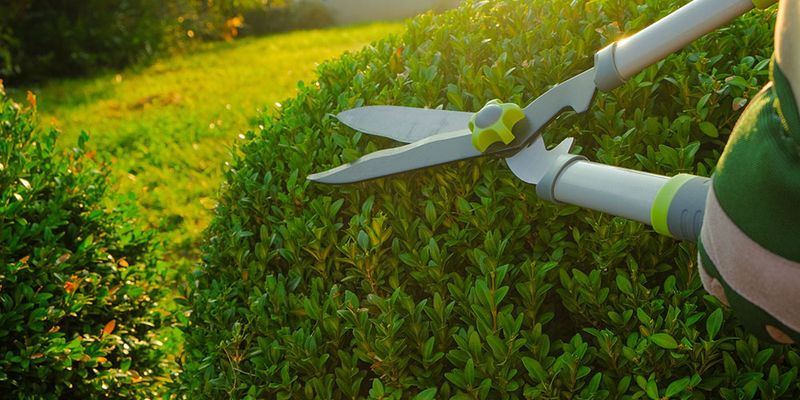
Overgrown shrubs might look lush, but they create exactly the kind of shady, humid microclimate that ticks love.
Dense hedges and unpruned bushes block sunlight from reaching the ground underneath them, keeping the soil cool and moist. That combination is ideal for ticks and very bad for anyone trying to enjoy their yard safely.
Pruning your shrubs and bushes regularly solves this problem by opening up the canopy and letting more sunlight in. When sunlight reaches the ground beneath your plants, the soil dries out faster.
Ticks are very sensitive to dryness and cannot survive long in hot, dry, exposed conditions. Something as simple as trimming back a few overgrown branches can change the microclimate of an entire garden bed.
Focus especially on shrubs along the edges of your yard, near fences, or adjacent to wooded areas. These spots act as transition zones between wild and maintained land, and they attract both ticks and the wildlife that carries them.
Keeping these areas trimmed and well-lit makes them far less inviting. Good airflow matters too. When branches are dense and overlapping, air cannot move freely through them.
That stagnant, humid air is another tick favorite. Regular pruning improves circulation, reduces humidity, and creates a healthier environment for your plants as well.
Use sharp, clean tools and trim in late winter or early spring before new growth begins. In Pennsylvania, where humidity can be high during summer months, this kind of proactive maintenance can make a real difference.
Experts say that improving sunlight and airflow in your yard is one of the most underrated but highly effective tick-reduction strategies available to homeowners.
5. Discourage Wildlife Hosts Near The Yard
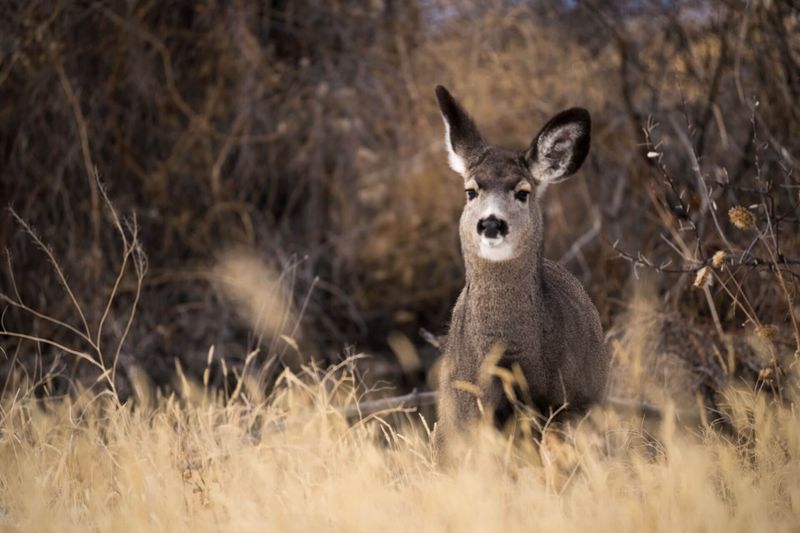
Ticks do not just appear out of nowhere. They hitch rides into your yard on animals. Deer are one of the biggest carriers, but raccoons, opossums, and especially white-footed mice play a huge role too.
If your yard is a regular stop for these animals, ticks are going to follow them in every single time.
One of the most effective ways to reduce ticks is to make your yard less attractive to the animals that carry them. Bird feeders are a surprisingly common culprit.
Spilled seeds attract mice and squirrels, and those rodents are among the most important tick hosts in Pennsylvania. Consider moving feeders far from the house or removing them during peak tick season, which runs roughly from April through October.
Unsecured compost bins and trash cans also attract raccoons and other wildlife. Use bins with tight-fitting lids and keep compost enclosed.
Dense brush piles and low-growing ground cover near the yard edges give small rodents a place to nest. Cleaning these up removes both the habitat and the tick-carrying animals that come with it.
Deer-resistant plantings can help too. Replacing plants that deer love with species they tend to avoid reduces how often deer wander through your yard.
Some Pennsylvania homeowners also use fencing to keep deer out, particularly in areas near woods. Motion-activated lights or sprinklers can startle and discourage nocturnal visitors.
Every animal you deter is one fewer tick delivery into your lawn. Experts emphasize that managing wildlife access is not just helpful, it is one of the highest-impact strategies in any comprehensive tick-reduction plan for Pennsylvania yards.
6. Consider Targeted Ground Treatments
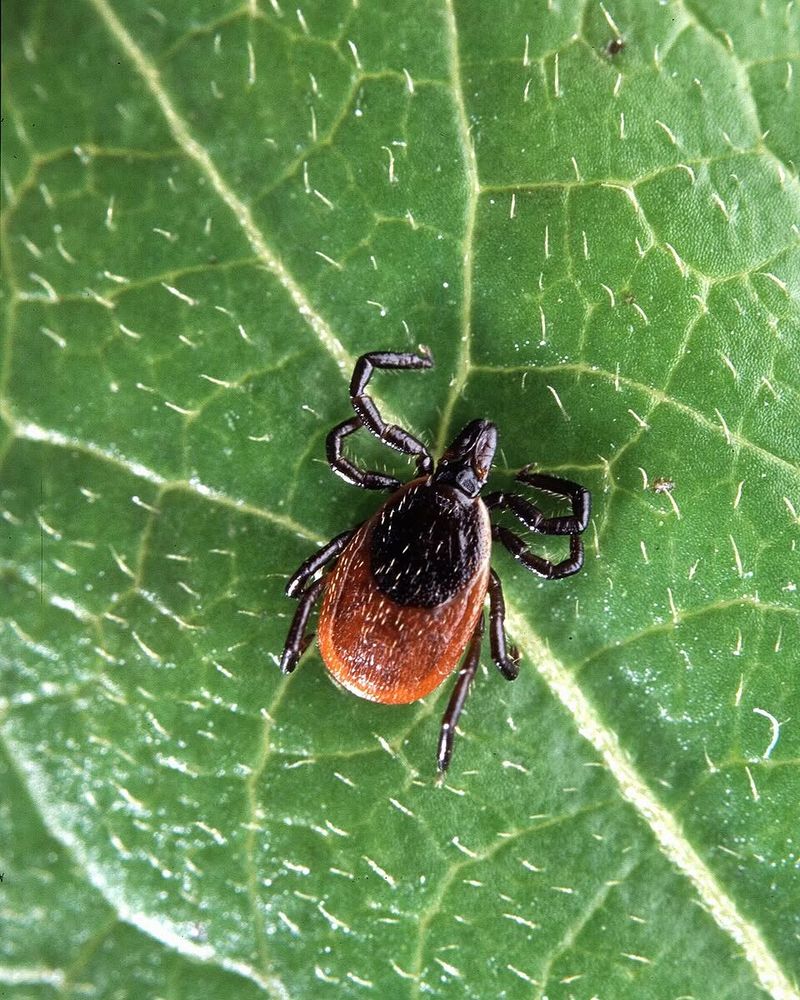
Sometimes, even with the best lawn maintenance habits, tick pressure in Pennsylvania can still be high. That is especially true for yards that back up to forests, fields, or wetlands.
When natural landscape changes are not enough on their own, targeted ground treatments can fill in the gaps and provide a meaningful reduction in tick numbers.
Acaricides are pesticides specifically designed to reduce tick populations. Experts recommend using them in a targeted way, not spraying the entire yard, but focusing on the areas where ticks are most active.
Woodland edges, border zones, and areas with known tick activity are the prime targets. Applying treatments in a narrow band along these hotspots uses less product and minimizes impact on beneficial insects like bees and butterflies.
Timing matters a lot with these treatments. In Pennsylvania, the best windows are typically late spring, when nymph-stage ticks are most active and hardest to spot, and again in early fall.
Nymphs are especially concerning because they are tiny and easy to miss during a body check, yet they are responsible for a large share of tick-borne illness cases.
Homeowners can apply some products themselves using ready-to-use sprayers, but hiring a licensed pest control professional ensures the right products are used in the right places at the right concentrations.
Look for professionals certified in integrated pest management, as they focus on using the least amount of product needed to get results.
Bifenthrin and permethrin are among the most commonly used and studied options. Used responsibly and strategically, targeted treatments can significantly lower tick activity in Pennsylvania yards without turning your lawn into a chemical zone.