8 Pennsylvania Flowers To Grow Instead Of Magnolia For Longer Blooms
Is there anything more beautiful and more fleeting than a magnolia in full bloom? Those enormous, fragrant flowers are genuinely stunning for the week or two they’re putting on their show.
But then, they’re done, leaving behind a perfectly nice tree that contributes almost nothing visually to the garden for the remaining fifty weeks of the year.
It’s one of the most stunning but least efficient bloomers in the Pennsylvania landscape, and most gardeners who have one know exactly what that trade-off feels like.
The good news is that Pennsylvania supports a remarkable range of flowering plants that deliver beauty for weeks and months rather than days, bringing color and pollinator activity to the garden across a stretch of the season that a magnolia simply cannot compete with.
Some of them are just as visually impressive as magnolia at peak bloom, and they just keep going long after the magnolia has finished and moved on.
1. Panicle Hydrangea
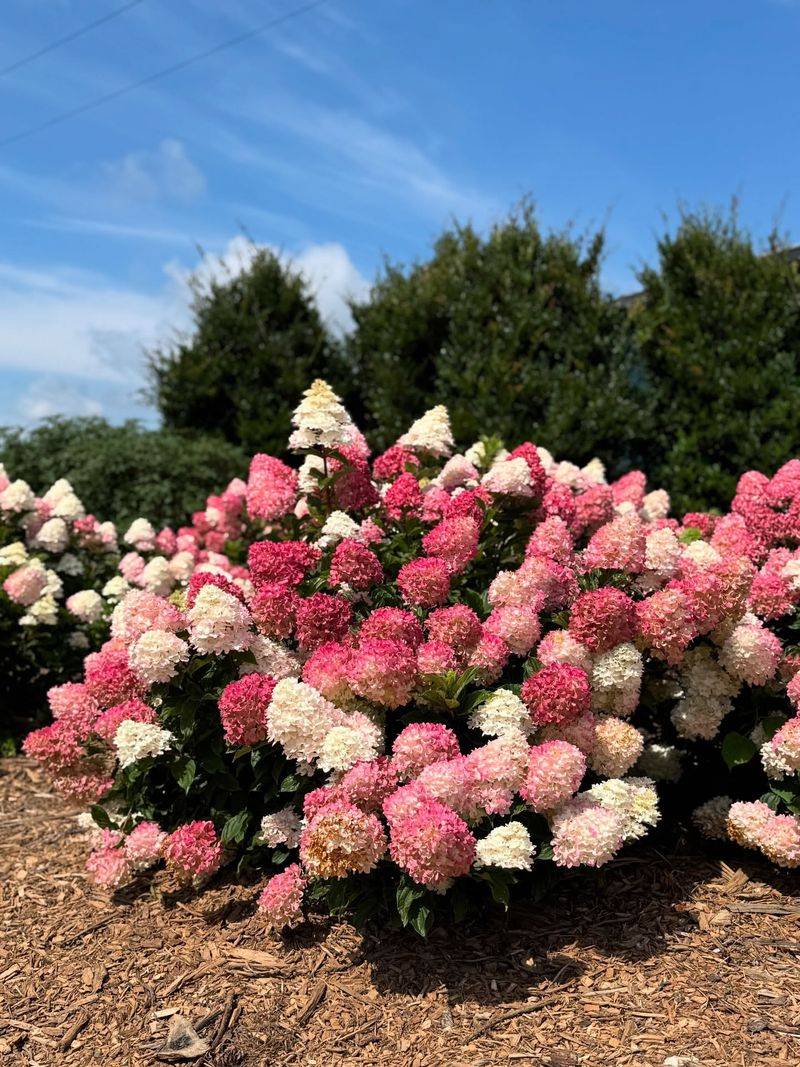
Few shrubs put on a show quite like the panicle hydrangea. While magnolias give you maybe two weeks of flowers, panicle hydrangeas bloom from midsummer and keep going strong well into fall.
That is months of color from a single plant, which is a pretty amazing deal for any Pennsylvania gardener.
Panicle hydrangeas produce big, cone-shaped flower clusters that start out creamy white and slowly turn pink or even burgundy as the season goes on. This color change adds a beautiful, ever-shifting look to your yard.
The blooms are large and showy, and they dry beautifully on the shrub, giving you interest even after the growing season ends.
These shrubs are tough. They handle cold winters without much fuss and bounce back strong every spring.
They grow well in full sun to partial shade and are not picky about soil as long as it drains well. You can find varieties ranging from compact three-foot plants to large shrubs reaching ten feet tall.
Popular options like Limelight and Quick Fire are widely available at Pennsylvania nurseries. Deadheading is not required, which makes them low-maintenance.
Water them regularly when young, and once established, they are fairly drought-tolerant. For a long-blooming, easy-care shrub that outperforms magnolia in every way, panicle hydrangea is a top choice.
2. Rose Of Sharon
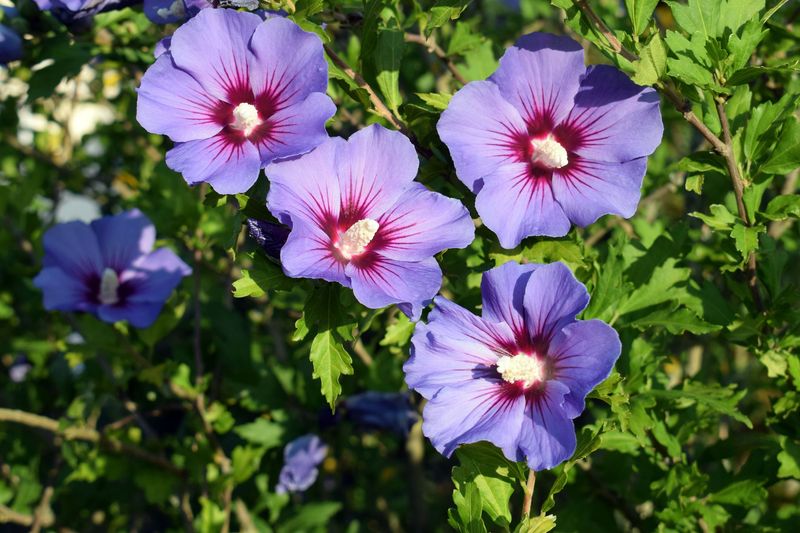
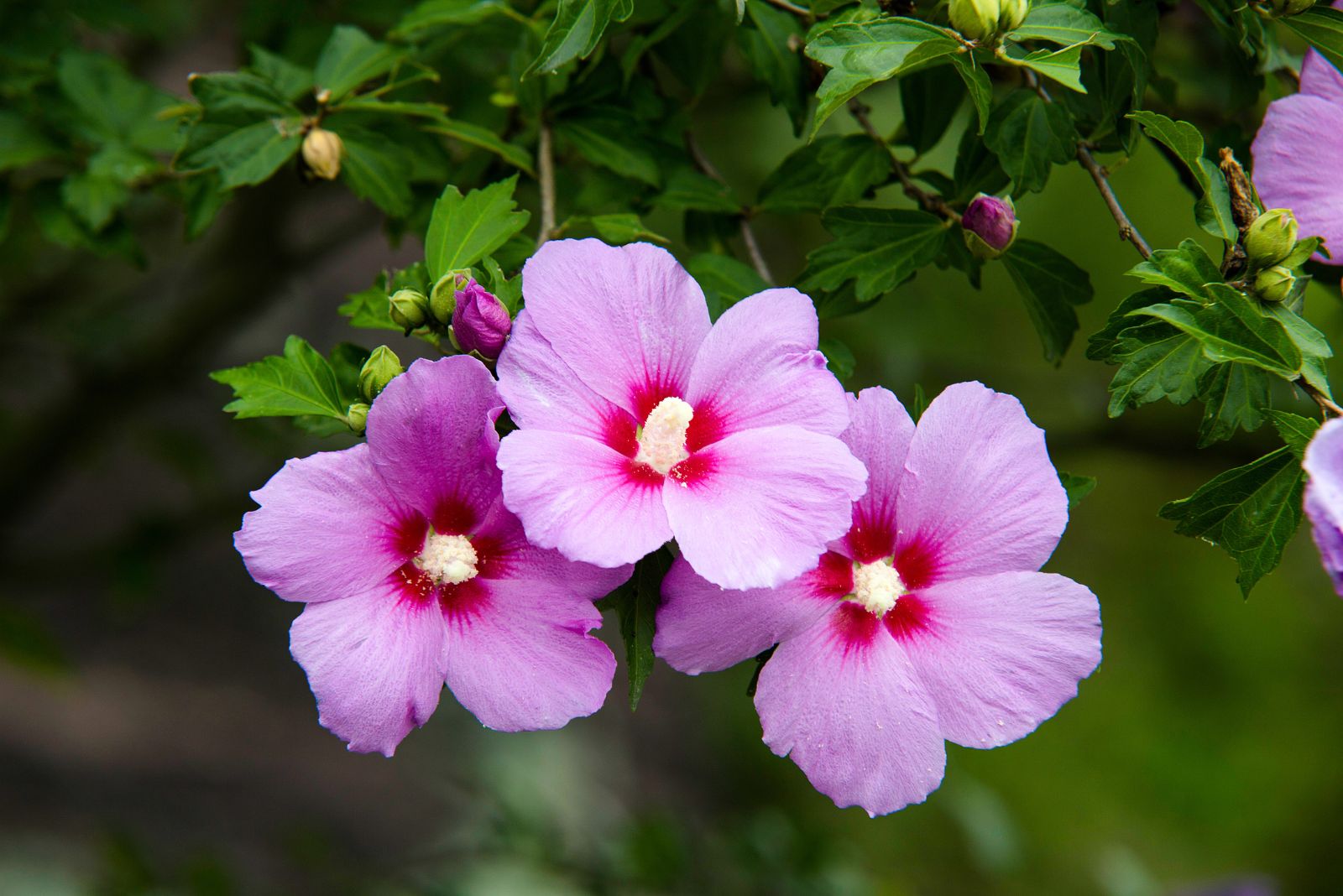
When summer starts winding down and most other flowers have already faded, Rose of Sharon is just getting started. This hardy shrub blooms from midsummer all the way into fall, filling a gap in the garden when color is hard to come by.
For gardeners who want non-stop interest, it is a real standout. The flowers look almost tropical, with wide, open blooms that resemble hibiscus. That makes sense, because Rose of Sharon is actually a member of the hibiscus family.
Colors range from white and pink to purple, lavender, and even deep red. Some varieties even have double flowers that look extra full and fancy. Hummingbirds and bees absolutely love them.
Growing Rose of Sharon in Pennsylvania is straightforward. It thrives in full sun and tolerates a range of soil types, including clay-heavy soils common in many parts of the state.
Your Pennsylvania Garden Changes Every Week. Your Plan Should Too.
Gardening in Pennsylvania changes quickly throughout the season. Every Friday you’ll receive a simple weekly plan showing exactly what to plant, prune, fertilize, harvest, and protect so you never miss the right timing.
Once established, it handles heat and drought surprisingly well. It can grow six to ten feet tall, making it useful as a privacy screen or a bold focal point in a mixed border.
Pruning in late winter or early spring keeps it tidy and encourages more blooms. Unlike magnolia, which needs careful placement and babying, Rose of Sharon is forgiving and adaptable. It is a shrub that earns its place in any yard season after season.
3. Knock Out Rose
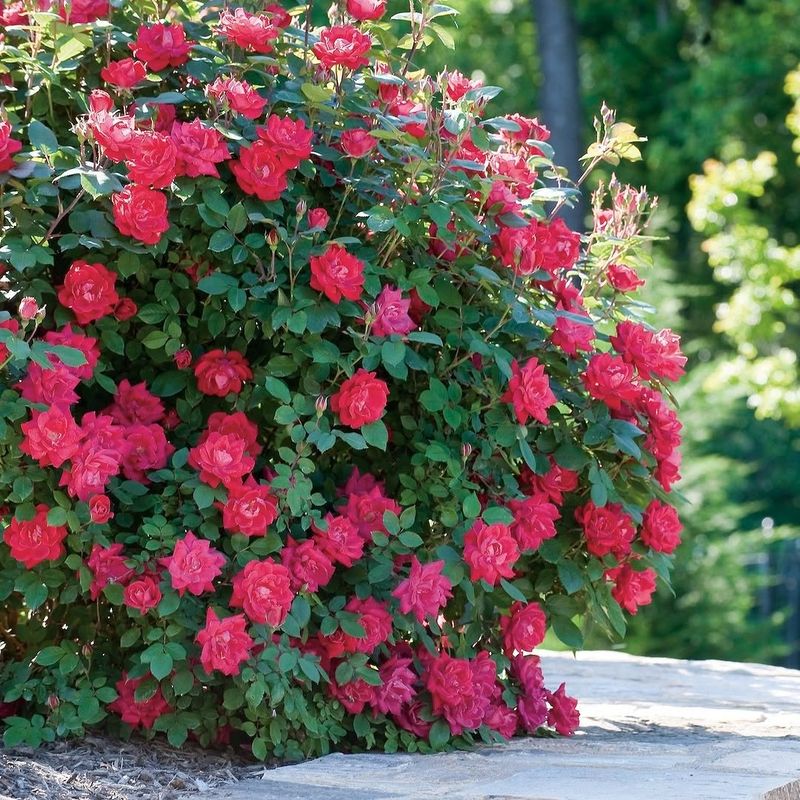
Traditional roses have a reputation for being fussy, but Knock Out roses flipped that script completely. Introduced in 2000, the Knock Out rose quickly became one of the best-selling plants in America, and gardeners have been fans ever since.
The reason is simple: these roses bloom almost non-stop from late spring through the first hard frost.
Unlike old-fashioned roses that need constant spraying and pampering, Knock Out roses are bred for toughness. They resist common diseases like black spot and powdery mildew, which tend to plague other rose varieties.
They do not need deadheading to keep blooming, though removing spent flowers can encourage even more buds. Colors include classic red, pink, coral, yellow, and white, giving gardeners plenty of options to match any landscape style.
In Pennsylvania, Knock Out roses perform beautifully in full sun locations with well-drained soil. They grow three to four feet tall and wide, making them great for borders, foundation plantings, or standalone specimens.
Fertilizing once in spring and once in early summer gives them a boost, but even without extra feeding they put on a solid show. Bees and butterflies visit the blooms regularly, adding even more life to your yard.
For a plant that outlasts magnolia blooms by several months, the Knock Out rose is an easy, reliable, and gorgeous choice for Pennsylvania landscapes.
4. Coneflower
Coneflowers are one of those plants that feel like they belong in Pennsylvania. Native to North American prairies and open woodlands, they are perfectly suited to the state’s climate and soil.
They bloom from early summer well into fall, giving you months of color without much effort at all.
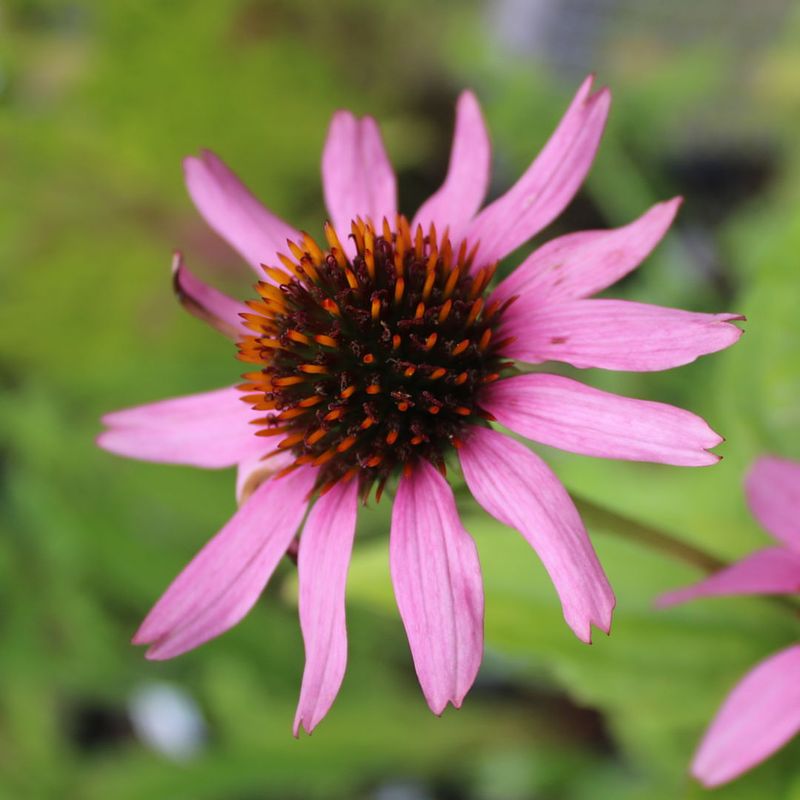
The classic purple coneflower, also known as Echinacea purpurea, has daisy-like petals surrounding a spiky orange-brown center cone. That distinctive cone is where the name comes from, and it doubles as a food source for goldfinches and other birds late in the season.
Modern breeding has produced coneflowers in shades of orange, red, yellow, white, and even deep pink, so you have a lot of creative options for your garden beds.
Coneflowers thrive in full sun and handle dry spells well once they get established, which makes them a smart pick for busy gardeners who cannot water every day. They spread slowly over time, forming larger clumps that fill in garden beds beautifully.
Deadheading spent blooms encourages more flowers, but leaving the seed heads standing through winter provides food for birds and adds visual texture to the garden. They pair wonderfully with ornamental grasses, black-eyed Susans, and bee balm.
If you want a native plant that blooms longer than magnolia and supports local wildlife at the same time, coneflower is a fantastic choice.
5. Zinnia
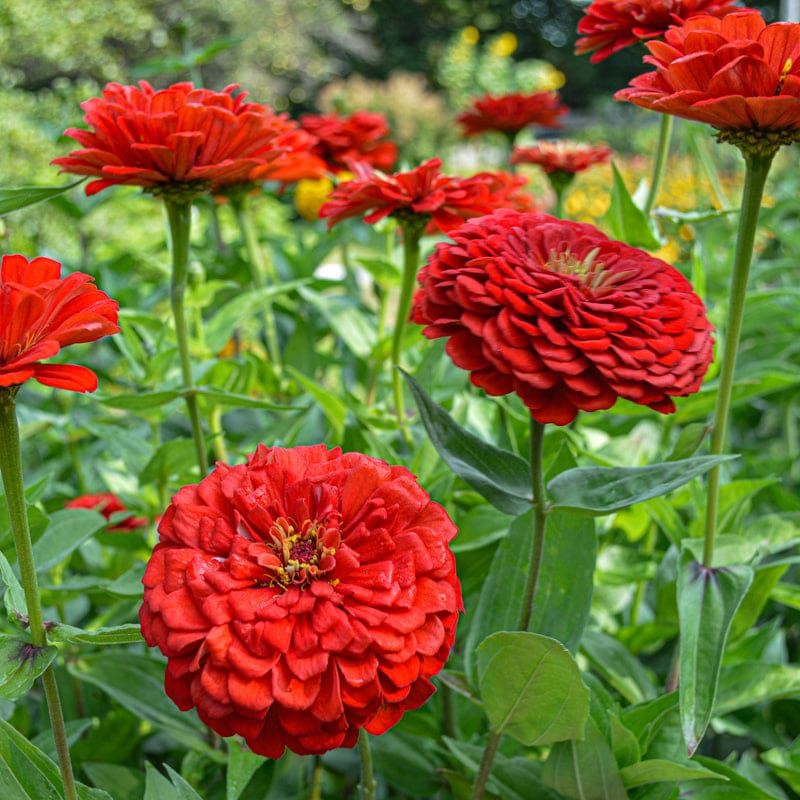
Zinnias are the life of the party in any Pennsylvania garden. From the moment they start blooming in early summer, they do not stop until frost shuts them down for the season.
That kind of staying power puts magnolias to shame, and zinnias do it with bold, cheerful color that is hard to ignore.
Grown from seed, zinnias are one of the easiest annuals you can plant. Direct sow them into a sunny garden bed after the last frost date, which in most parts of Pennsylvania falls sometime in mid-April to mid-May depending on your zone.
They sprout quickly and grow fast, reaching bloom stage in just a few weeks. Colors include red, orange, yellow, pink, white, purple, and multicolored varieties that look almost hand-painted.
Regular deadheading, which means removing spent flowers, keeps zinnias producing new buds all season long. Even if you miss a few, they keep going on their own.
They love heat and full sun, making them perfect for those hot summers. Butterflies, especially swallowtails and monarchs, visit zinnias constantly, turning your garden into a lively pollinator hub.
Zinnias also make excellent cut flowers, so you can bring that summer color indoors. Plant them in borders, raised beds, or containers for a flexible, non-stop blooming display that far outlasts anything magnolia can offer.
6. Daylily
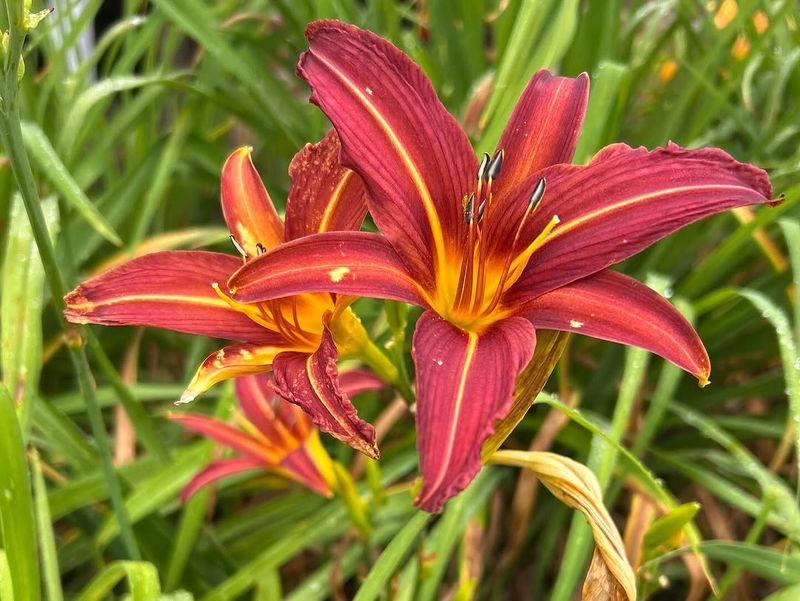
Daylilies have a funny name because each individual flower only lasts one day. But do not let that fool you.
A single daylily plant produces dozens of buds, and reblooming varieties can flower multiple times throughout the season, giving Pennsylvania gardeners color that stretches from early summer into fall.
These plants are almost impossible to neglect into failure. They tolerate poor soil, drought, and partial shade, though they bloom best in full sun.
Once planted, daylilies spread slowly to form full, lush clumps that look great along borders, slopes, and driveways.
Classic orange daylilies are a familiar sight along Pennsylvania roadsides, but modern hybrids come in cream, yellow, peach, red, purple, and bi-colored combinations that are absolutely stunning.
Reblooming varieties like Stella de Oro, Happy Returns, and Black-Eyed Stella are especially popular in Pennsylvania gardens because they push out multiple rounds of flowers instead of just one.
Dividing clumps every three to four years keeps them vigorous and blooming their best. A little fertilizer in spring gives them a nice head start. Daylilies also pair beautifully with coneflowers, ornamental grasses, and black-eyed Susans for a layered, naturalistic look.
For a low-maintenance, long-blooming perennial that thrives across Pennsylvania’s varied landscapes, daylilies deliver season after season without asking for much in return.
7. Bee Balm
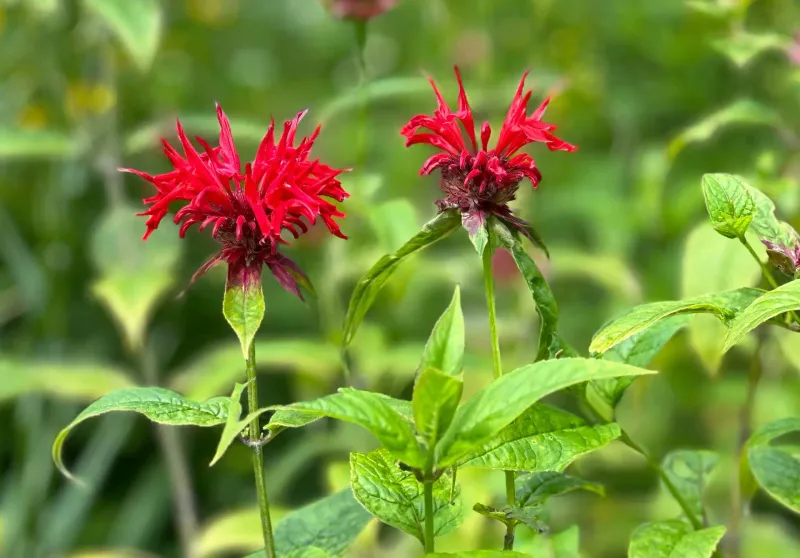
If your garden feels a little quiet and still, bee balm is the fix you need. This bold, native perennial erupts in shaggy, spiky blooms during peak summer and turns your yard into a buzzing, fluttering hub of pollinator activity.
Hummingbirds, bees, and butterflies all flock to it, making it one of the most exciting plants you can grow in Pennsylvania.
Bee balm, also known as Monarda, is native to eastern North America and feels right at home in Pennsylvania’s climate. It blooms in shades of red, pink, purple, and white, with the red varieties being especially attractive to hummingbirds.
The flowers have a wild, tousled look that adds a cottage-garden charm to any planting. Beyond its looks, bee balm has a wonderful minty, herbal fragrance that fills the air around it on warm days.
Growing bee balm is easy in Pennsylvania. It prefers full sun to light shade and moist, well-drained soil.
It spreads by underground runners, so give it room to grow or divide it every couple of years to keep it in check. Good air circulation around the plant helps prevent powdery mildew, which can be a nuisance in humid summers.
Cutting the plant back after the first bloom flush sometimes encourages a second round of flowers. For bold summer color and non-stop pollinator action that far outlasts magnolia, bee balm earns its spot in any Pennsylvania garden.
8. Butterfly Bush
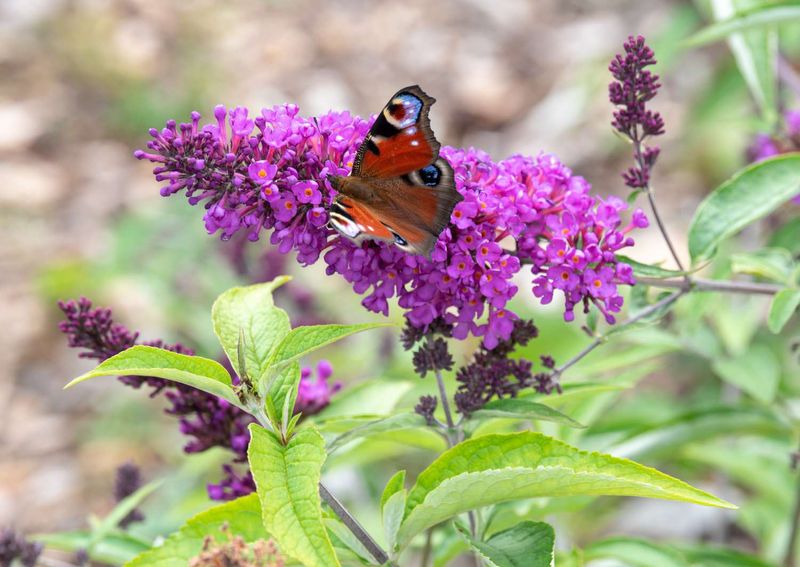
Walk past a butterfly bush on a warm Pennsylvania afternoon and you will likely stop in your tracks.
The long, cone-shaped flower spikes are covered in tiny, fragrant blooms, and on any given day you might count a dozen or more butterflies feeding from a single plant. It is one of the most visually dramatic bloomers you can add to a Pennsylvania landscape.
Butterfly bush, also called Buddleia, blooms from midsummer all the way into fall, easily outlasting the brief two-week window that magnolias offer. The flowers come in deep purple, lavender, pink, white, and even bi-colored varieties.
Many gardeners describe the fragrance as sweet and honey-like, which is part of what makes it so irresistible to pollinators. Monarch butterflies, swallowtails, and sphinx moths are regular visitors.
In Pennsylvania, butterfly bushes grow best in full sun with well-drained soil. They are drought-tolerant once established and handle the heat of Pennsylvania summers without complaint.
Cutting the plant back hard in early spring, just as new growth begins, encourages vigorous new shoots and the best bloom production. Deadheading spent flower spikes throughout the season keeps new buds coming and extends the show even further.
Newer sterile varieties like Lo and Behold are a responsible choice since they do not spread seed. For fragrance, pollinator appeal, and months of bold color, butterfly bush is a standout alternative to magnolia in any yard.