The 7 May Watering Mistakes That Hurt Ohio Gardens Most
Most Ohio gardeners water with good intentions and still manage to set their gardens back by weeks. May is deceptive.
Temperatures feel mild, rain shows up often enough to create false confidence, and plants look healthy right up until the moment they don’t. Overwatering drowns roots that need oxygen.
Underwatering during critical establishment periods creates stress that follows a plant all season long. Bad timing turns even a generous amount of water into wasted effort.
The mistakes aren’t random. Ohio’s clay-heavy soil, unpredictable spring rain patterns, and wide overnight temperature swings create the same watering pitfalls for gardeners across the state, season after season.
Experienced growers recognize them fast. First-time gardeners repeat them for years.
A single corrected habit can change how an entire garden performs from June through August. Get the fundamentals right in May and the rest of the season takes care of itself far more than most people expect.
1. Watering By The Calendar Instead Of The Soil
Plenty of gardeners set a reminder on their phone – water on Monday, water on Thursday – and stick to it no matter what. It feels organized, but in May weather, a rigid schedule can quietly work against you.
Rain can drop an inch in two days, then disappear for a week. The soil does not care what day it is.
Clay soil, which covers a large portion of the state, holds moisture much longer than most gardeners expect. After a good spring rain, clay can stay damp several inches down for days.
Watering on schedule anyway can push roots into overly wet conditions, reducing the oxygen they need to stay healthy. On the other hand, raised beds, sandy loam, and lightweight potting mixes can dry out in a day or two during a warm, breezy stretch.
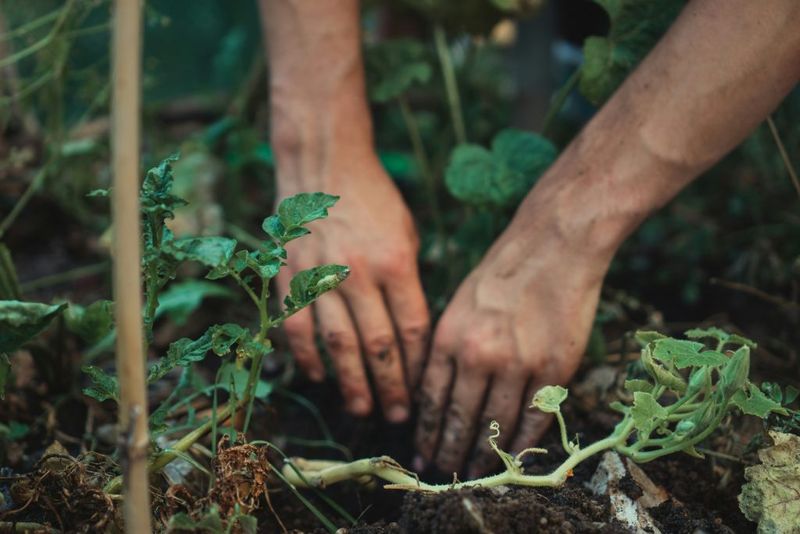
The fix is simple: check the soil before you water. Push your finger two to three inches into the ground near the root zone.
If it feels moist, wait. If it feels dry at that depth, water.
For containers, lift the pot; a light pot needs water, a heavy one likely does not. Watch for soil pulling away from the edges of pots, which signals the mix has dried and may resist absorbing water evenly.
Also pay attention to when plants wilt. A little afternoon droop on a hot day is normal stress and usually recovers by evening.
Wilting that persists into the morning is a real signal that roots need moisture. Learning to read your soil rather than your calendar gives your plants a much stronger start before summer heat arrives.
2. Sprinkling Lightly And Leaving Roots Thirsty
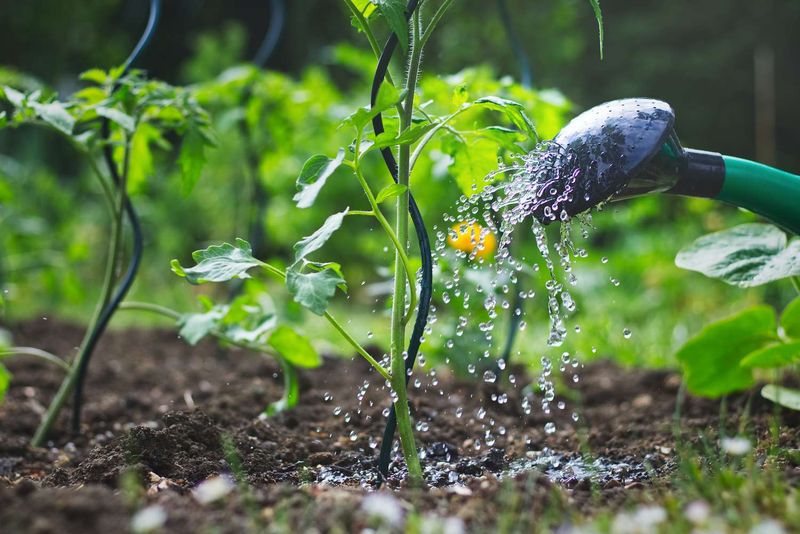
A quick pass with the hose every morning can feel like responsible gardening, but if the water only wets the top inch of soil, the roots below are not getting much benefit.
Light, frequent sprinkling encourages roots to stay near the surface, where they are more vulnerable to dry spells and heat later in the season.
Newly planted vegetables, annuals, perennials, shrubs, and trees all need moisture to reach their actual root zone.
Your Ohio Garden Changes Every Week. Your Plan Should Too.
Gardening in Ohio changes quickly throughout the season. Every Friday you’ll receive a simple weekly plan showing exactly what to plant, prune, fertilize, harvest, and protect so you never miss the right timing.
For most small vegetable, annual, and perennial transplants in May, that means watering the root ball and surrounding soil deeply enough that moisture reaches the root zone.
Larger shrubs and trees need slower, deeper watering across the root ball and backfill area.
You can test this by watering normally, waiting thirty minutes, then digging a small hole nearby to see how far the moisture actually reached.
Many gardeners are surprised to find dry soil just two inches down.
Watering deeply and less often is a much better approach. Slow down the flow, let the water soak in rather than run off, and pause if you see pooling.
For in-ground beds, this might mean watering for longer periods two or three times per week during dry stretches rather than briefly every day. For new transplants in their first week or two, you may need to water more frequently until roots begin to spread.
Deep watering encourages roots to grow downward, where soil stays cooler and holds moisture longer.
By the time July arrives with its heat and dry stretches, plants with well-developed root systems handle stress far better than those with shallow roots.
Taking the extra time now pays off for the whole season.
3. Soaking Leaves When Humidity Is Already High
Ohio springs can be muggy. When warm air moves in after a stretch of cool rain, humidity climbs and stays there for days.
Foliage that stays wet in those conditions creates a welcoming environment for common fungal problems, especially on plants that are already prone to leaf issues.
Tomatoes, cucumbers, squash, roses, and zucchini are all plants that gardeners love to grow, and they are all plants that struggle when leaves stay wet for extended periods.
Overhead watering from a sprinkler or a hose held up high sends water across the foliage and onto the soil.
On a breezy, sunny morning that is less of a concern. But during cloudy, humid stretches, wet leaves can stay damp for hours.
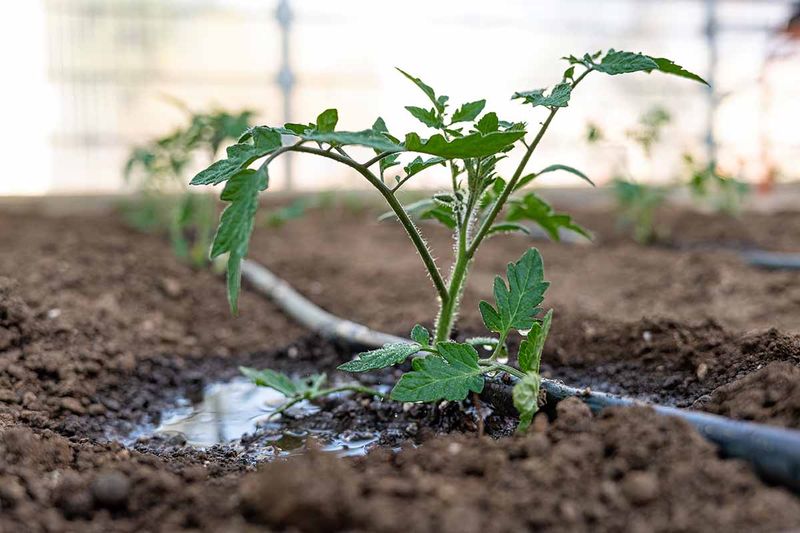
Watering at the base of plants is a straightforward habit that helps a lot. Soaker hoses and drip lines deliver water directly to the soil and root zone without wetting the canopy.
They also use water more efficiently by reducing evaporation. If you do not have drip irrigation, a watering wand with a gentle head angled toward the soil works well for most garden beds.
Spacing plants with enough room for air to move between them also reduces how long foliage stays wet after rain or watering.
Ohio State University Extension recommendations for tomatoes and cucumbers consistently mention airflow as a factor in managing foliar issues.
If you water with overhead methods, early morning is the best time so leaves have the full day to dry. Keeping foliage dry when possible is one of the most practical habits a May gardener can build into their routine.
4. Forgetting New Plants Need Extra Attention
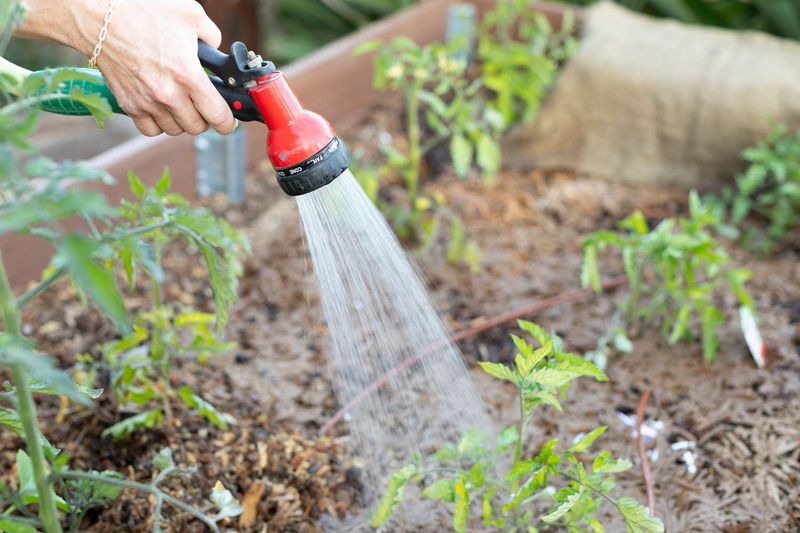
Putting a tray of petunias or a six-pack of pepper transplants in the ground feels like the hard part is done. But for those plants, the real adjustment is just beginning.
A transplant moved from a greenhouse or nursery pot into your garden has a limited root system. This means it needs time to establish contact with the surrounding soil before it can pull in moisture on its own.
Nursery plants are often grown in very fast-draining potting mix. When you move them into garden soil, that root ball can actually dry out faster than the soil around it, especially if it was already slightly rootbound.
You might water the bed and assume the plant is fine, but the root ball itself may still be dry. Pressing your finger directly into the root ball after watering is a good habit for the first couple of weeks.
New transplants in full sun or exposed, windy spots need checking every day during the first warm stretch of May weather. Water the root ball and the surrounding soil so moisture is available as roots begin to spread outward.
For trees and shrubs, deep watering at the base matters more than surface wetting of a wide area.
As the weeks pass and plants show new growth, that is usually a sign roots are expanding and the plant is settling in. You can begin to ease back on how often you check and water.
Getting through those first two to three weeks with consistent moisture helps new plants build the root depth they will need to handle summer heat without constant hand-holding.
5. Letting Containers Dry Out Between Hot Spells
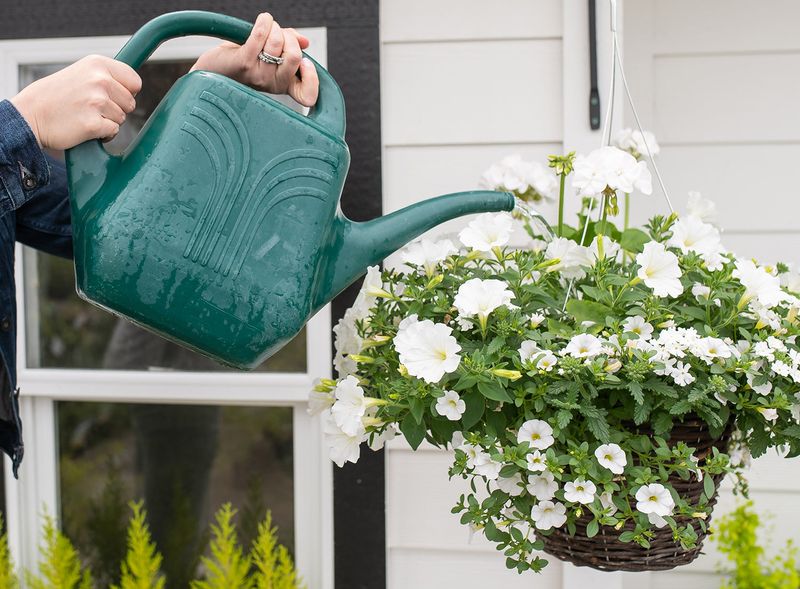
Containers are a different world compared to in-ground beds. They have limited soil volume, no connection to ground moisture, and they are exposed to sun and wind on multiple sides.
A pot that felt heavy and moist in the morning can be surprisingly dry by late afternoon on a warm, breezy May day.
Small pots dry out the fastest. Dark-colored containers absorb heat and speed up moisture loss.
Terracotta and fabric grow bags are porous and release moisture through their walls.
Hanging baskets, especially in full sun or exposed areas, can need water every single day once temperatures climb into the upper sixties or seventies.
Crowded plantings with large root systems competing for a small amount of soil dry out even faster.
Check containers by weight and by feel. Lift smaller pots – a noticeably light pot needs water.
For larger containers, press your finger an inch or two into the soil near the center. When you do water, pour slowly until water flows from the drainage hole.
That tells you moisture has reached the entire root zone rather than just the top layer. Avoid letting saucers collect standing water for more than a day, since roots sitting in pooled water can suffer.
Grouping pots together in partial shade during hot stretches helps reduce how fast they dry. Using larger containers also helps because more soil volume holds moisture longer and buffers temperature swings.
Containers reward attentive gardeners, and once you get into the rhythm of checking them daily, keeping up with their moisture needs becomes second nature before summer even fully arrives.
6. Watering Too Late And Inviting Leaf Trouble
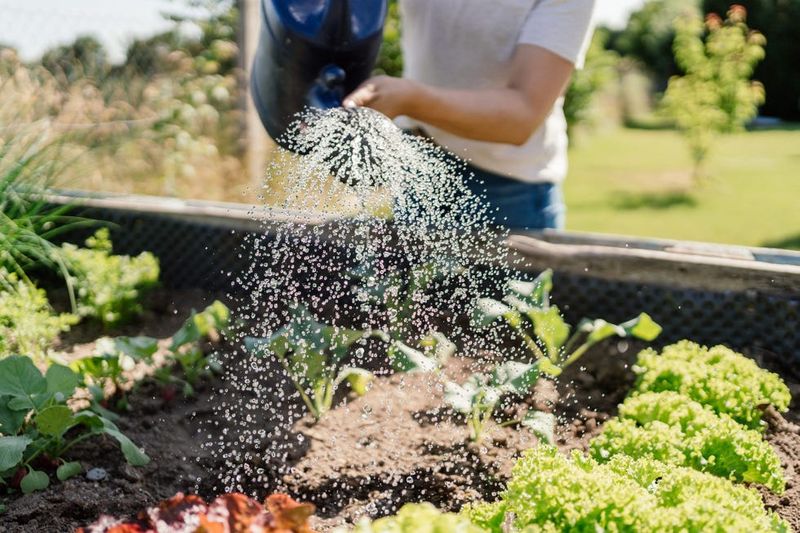
Timing matters more than many gardeners realize, and late evening is one of the trickier times to water during the spring. After the sun goes down, temperatures drop and air movement slows.
Any moisture left on foliage has little chance to evaporate before morning. In humid May weather, that combination can encourage the kinds of leaf problems that show up as spots, powdery patches, or yellowing over time.
Early morning watering is the most practical choice for most gardens. Plants can take up moisture as temperatures rise and the day gets going.
Any water that lands on leaves has hours of sunlight and airflow to help it dry off. Soil moisture also tends to last longer when water is applied in the cooler morning air rather than the heat of midday.
Midday watering gets a bad reputation, but it is not always wrong. A container that is wilting in the afternoon heat, or a fresh transplant sitting in full sun, can and should be watered right away regardless of the time.
Waiting until morning when a plant is genuinely stressed does more harm than a midday drink. The concern about scorched leaves from water droplets acting as magnifying glasses is largely a myth – watering during the day is fine in a genuine pinch.
For routine garden care, though, making early morning your default watering time is a habit worth building. It works with your plants’ natural rhythms, helps foliage stay dry, and gives you a chance to check on your garden before the day gets busy.
Small adjustments in timing can make a real difference in how your plants look and perform through May and into summer.
7. Ignoring Mulch When Soil Moisture Swings
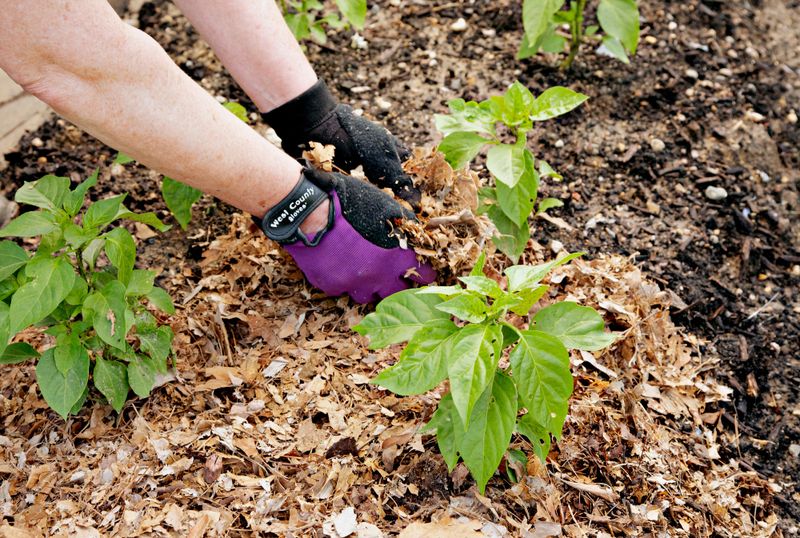
May here often brings exactly the kind of moisture swings that mulch was made for – a soaking rain followed by four dry, breezy days, then another downpour. Without a layer of mulch, that cycle puts real stress on plant roots.
Bare soil loses moisture quickly to evaporation, bakes under afternoon sun, and gets compacted by heavy rain hitting directly.
A two to three inch layer of mulch changes that picture significantly. It slows evaporation so soil stays moist longer between waterings.
It cushions the impact of heavy rain, which reduces soil splash onto lower leaves and helps water soak in rather than run off.
Mulch also moderates soil temperature, helping keep roots cooler during warm afternoons and reducing sharp temperature swings once the soil has warmed.
Straw works well in vegetable beds and breaks down to add organic matter. Shredded leaves are an excellent low-cost option for both vegetables and ornamentals.
Untreated wood chip mulch suits ornamental beds and around shrubs and trees. Pine needles work in areas where a slightly more acidic surface is acceptable.
Compost used as a thin top dressing adds nutrients while improving moisture retention.
One caution worth repeating: keep mulch an inch or two away from plant stems, crowns, and tree trunks. Mulch piled directly against a stem traps moisture against soft tissue and can cause rot over time.
Spread it around the plant rather than up against it.
Mulch makes your watering efforts go further by holding moisture where roots can actually use it. This is especially helpful as Ohio moves from the unpredictability of spring into the steady heat of summer.