Arizona Gardeners Grow These Strong Scented Plants To Help Deter Scorpions
Arizona heat changes the entire feel of a yard once summer starts settling in. Quiet corners around patios, walls, and entryways suddenly become the exact spots people start paying closer attention to, especially during scorpion season.
Small changes around the landscape often become a much bigger focus once temperatures stay high late into the evening.
Strong scented plants keep showing up more often in Arizona yards for a reason. Fragrance carries differently in dry desert air, and certain plants naturally stand out once the heat intensifies through summer.
Plenty of landscapes already use them for color and texture alone, but interest around these plants tends to grow even faster once warmer months arrive.
1. Rosemary Thrives In Heat With Fragrant Growth
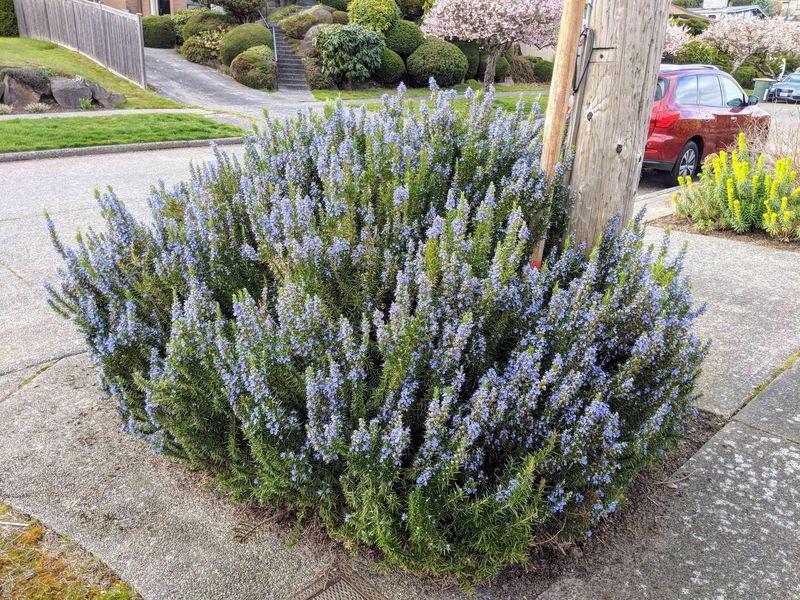
Rosemary might be one of the toughest fragrant plants you can grow in Arizona, and that toughness is part of what makes it so valuable. It handles full sun, poor soil, and stretches without rain that would finish off most herbs without complaint.
Beyond durability, rosemary produces a bold, piney aroma that fills the air around it, especially on warm afternoons when the essential oils in its leaves become more volatile.
Gardeners across the Tucson and Scottsdale areas grow it near doorways and fence lines specifically because of that persistent, strong scent.
Scorpions are believed to be sensitive to intense aromatic compounds, and rosemary’s oils are among the more potent you will find in a common garden plant.
Planting it in dense clusters rather than scattered single stems seems to amplify the effect and creates a more consistent scent zone.
Upright rosemary varieties can grow into sizeable shrubs over time in Arizona’s climate, which means they eventually provide a physical barrier as well as a fragrant one. Prostrate varieties work well spilling over raised beds or retaining walls.
Either way, a light pruning every few weeks keeps growth tidy and encourages the plant to push out fresh, oil-rich foliage that smells the strongest.
Rosemary also stays evergreen through Arizona winters, so the strong fragrance and dense growth remain useful throughout the year instead of fading after one season.
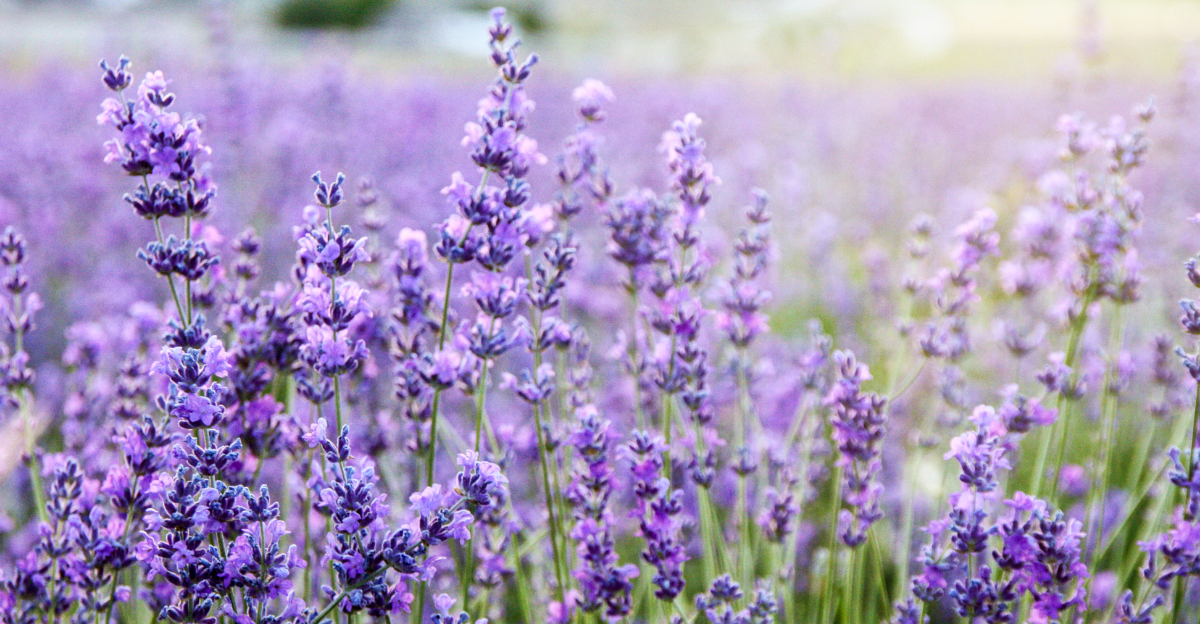
2. Lavender Releases A Strong Scent Around Walkways
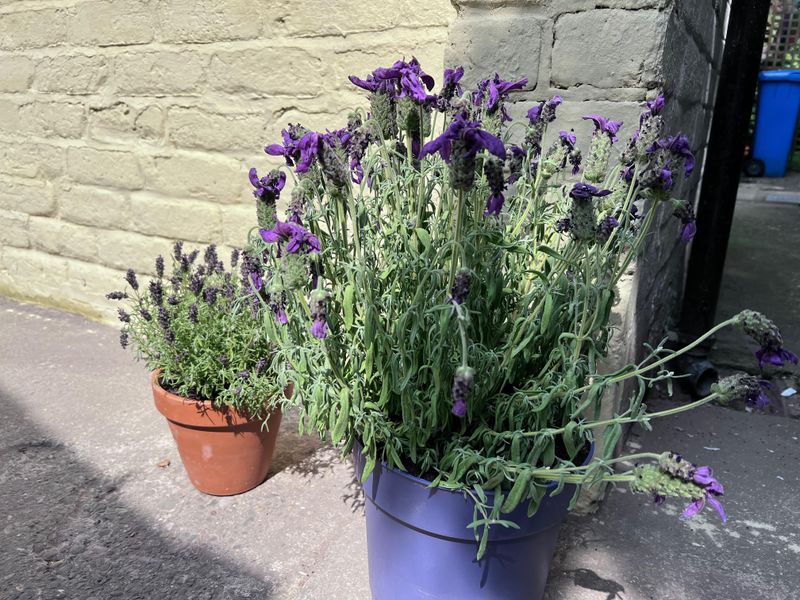
Walking past a row of blooming lavender in an Arizona yard is an experience that stays with you.
That sharp, floral fragrance drifts through the air even on calm days, and it turns out that intensity is exactly why so many local gardeners plant it near entryways and footpaths.
Lavender thrives in Arizona’s dry heat and well-drained soils, making it a genuinely practical choice rather than just a pretty one. Once established, it needs very little water, which is a huge bonus in a state where every drop counts.
Placing it along walkways creates a fragrant barrier right where foot traffic is highest.
The strong scent is believed to interfere with the sensory cues that scorpions and their insect prey rely on, potentially making those areas less attractive to them. Gardeners in the Phoenix and Tucson areas have reported success lining porch steps and garden paths with lavender for this reason.
Your Arizona Garden Changes Every Week. Your Plan Should Too.
Gardening in Arizona changes quickly throughout the season. Every Friday you’ll receive a simple weekly plan showing exactly what to plant, prune, fertilize, harvest, and protect so you never miss the right timing.
Spanish lavender varieties tend to perform especially well in Arizona’s climate. Prune plants back after flowering to encourage fresh growth and maintain that powerful aroma.
Pair lavender with gravel mulch to reflect heat and improve drainage, and you have got a low-maintenance, fragrant border that pulls double duty all season long.
Warm Arizona temperatures help lavender release even more fragrance during the evening hours, especially near patios and walkways where the scent lingers in the air.
3. Mint Produces A Sharp Herbal Aroma In Containers
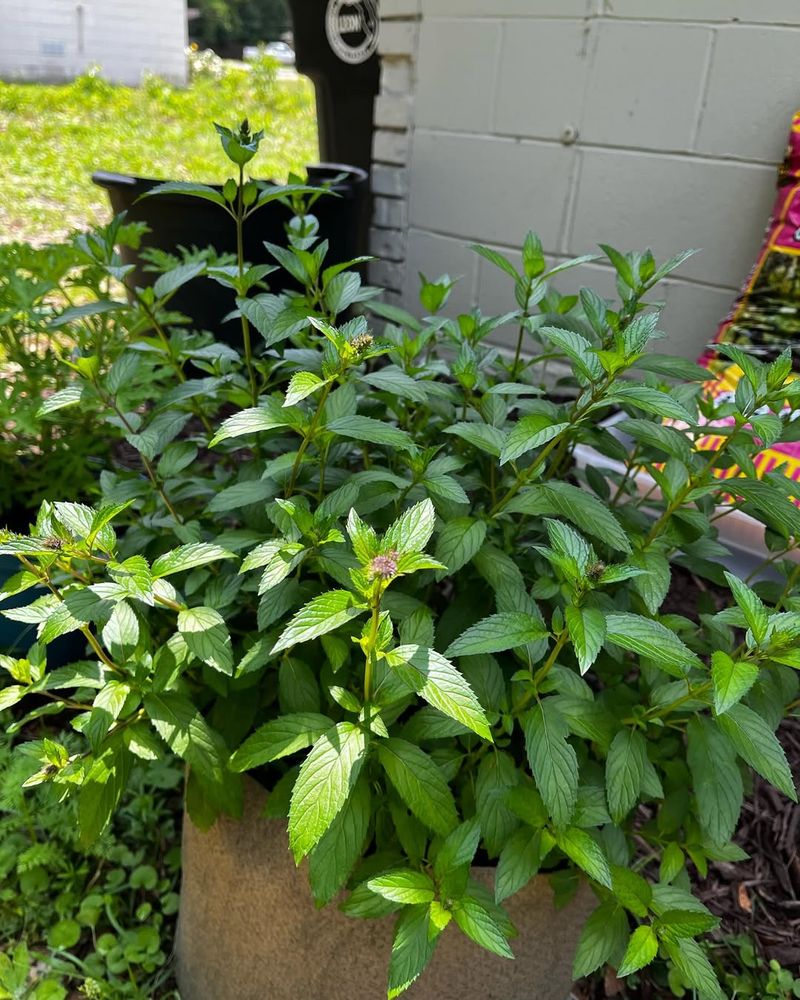
Few plants punch above their weight quite like mint when it comes to scent. Break a single leaf and the sharp, cool aroma hits immediately, which is exactly the kind of intensity that Arizona gardeners count on when placing it near patios and outdoor seating areas.
Mint spreads aggressively in the ground, so containers are the smarter move in most Arizona yards.
Growing it in pots also lets you position plants strategically near doorways, windowsills, or along the edge of a patio where scorpions might otherwise wander in from surrounding desert areas.
Peppermint tends to have the strongest scent of the common mint varieties, though spearmint and chocolate mint both carry a noticeable aroma as well. Regular harvesting keeps plants full and bushy, and the more you trim, the more fragrant new growth pushes out to replace it.
Arizona summers can stress mint if containers heat up too quickly, so placing pots in spots with afternoon shade helps keep plants healthy through the hottest months. Water consistently but avoid letting containers sit in standing water.
Grouping several pots together near an entryway creates a concentrated scent zone that is both practical and surprisingly pleasant for anyone coming and going from the house.
Frequent watering is especially important for mint in Arizona because dry soil causes the leaves to lose some of their strongest fragrance during extreme heat.
4. Basil Gives Off A Strong Fragrant Scent
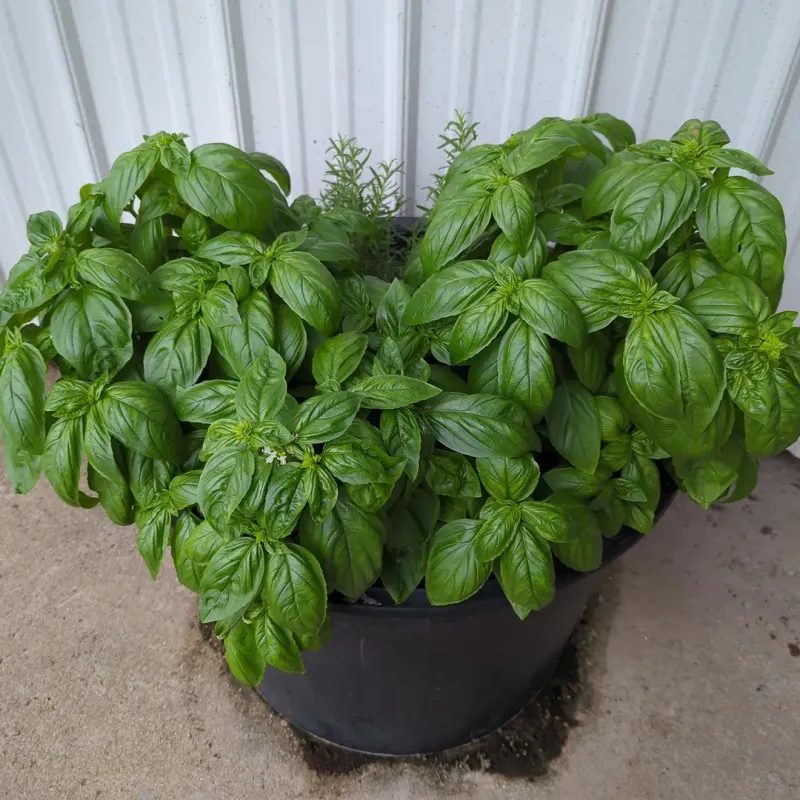
Basil has a scent that is hard to ignore, and that is the whole point when you are trying to create a garden that feels less welcoming to scorpions. The sharp, clove-like aroma that wafts off fresh basil leaves is driven by compounds like eugenol and linalool, both of which are notably pungent.
Arizona gardeners often tuck basil into raised beds near back doors or along garden borders where they spend the most time outdoors.
Warm weather actually intensifies the fragrance, which means Arizona’s long, hot summers work in your favor when growing this herb for scent rather than just cooking.
Thai basil and lemon basil both carry particularly strong aromas and tend to hold up reasonably well in dry heat when watered consistently. Sweet basil is also a solid choice and is easy to find at most local nurseries across the Phoenix metro and surrounding areas.
Pinching off flower buds as they appear keeps plants focused on producing fragrant foliage rather than going to seed. Once basil bolts, leaf production slows and the scent becomes less consistent.
Planting a fresh batch every four to six weeks through the growing season ensures you always have vigorous, aromatic plants working as part of your garden’s natural pest-deterrent strategy.
Morning watering helps basil stay healthier through Arizona heat and reduces stress that can weaken leaf production during the peak of summer.
5. Thyme Releases A Strong Scent In Hot Weather
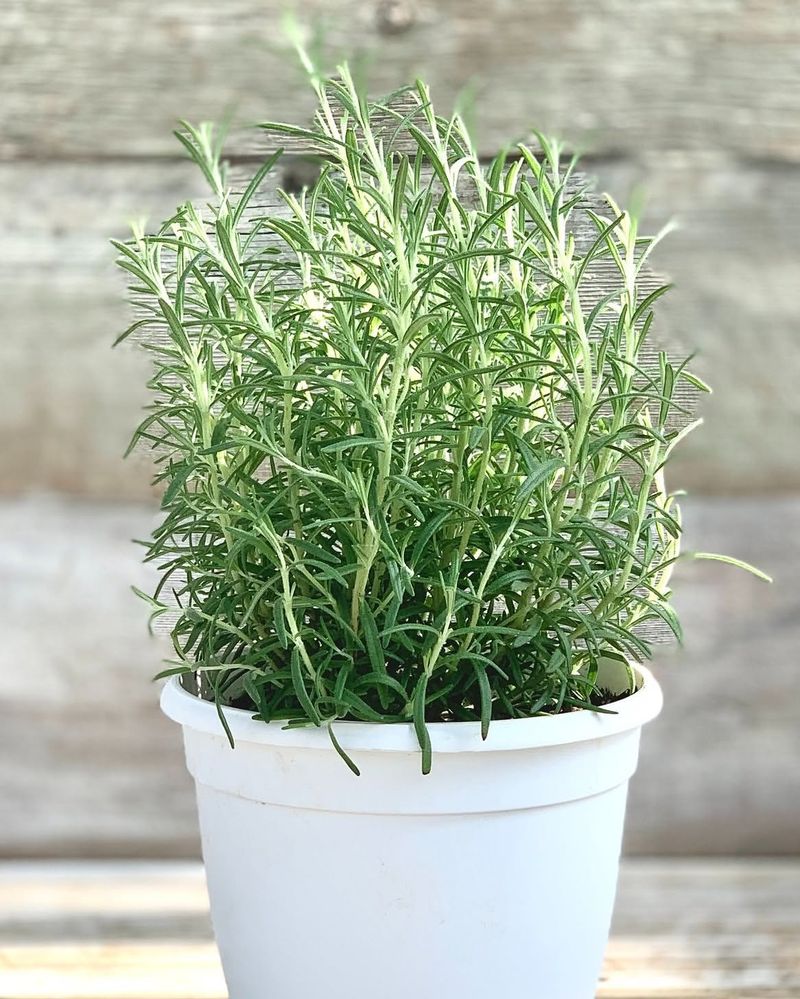
Hot weather does not slow thyme down. If anything, Arizona summers seem to push this compact herb into producing some of its most intensely fragrant growth of the year.
Brush against it accidentally while walking by and the sharp, herby smell lingers on your hands for a while.
Thyme grows low to the ground, which makes it a smart choice for filling in gaps along garden paths, between stepping stones, or at the base of taller plants near a home’s foundation.
Those are exactly the kinds of spots where scorpions tend to move through, so having a fragrant ground cover in those areas makes practical sense.
Lemon thyme is a popular variety among Arizona gardeners because it adds a bright citrus note on top of the standard herby base, creating a scent profile that is noticeably stronger than common thyme alone.
Both varieties are genuinely drought tolerant once established and require minimal care through the season.
Sandy or gravelly soil suits thyme well, and it actually tends to produce more aromatic foliage when not over-fertilized. Rich soil can cause leggy, less fragrant growth.
Keep plants trimmed after flowering to maintain a tidy, dense form. In warmer parts of Arizona, thyme can stay productive year-round, giving you a consistent aromatic presence in the garden without replanting every season.
Tiny flowers that appear during the blooming period also attract bees and other pollinators without taking away from thyme’s usefulness as a low-growing aromatic herb in Arizona gardens.
6. Lemongrass Produces A Noticeable Citrus Like Aroma
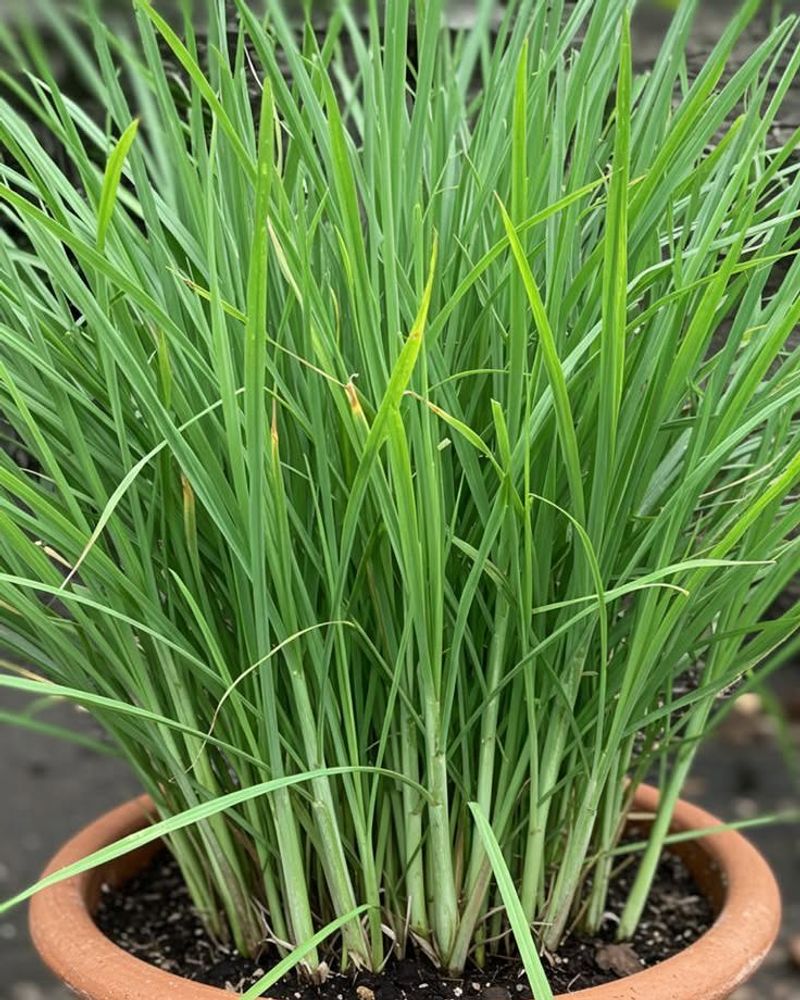
Lemongrass makes a statement in any Arizona garden, both visually and aromatically. Tall, grass-like stalks can reach several feet in height, and the citrusy scent they release is sharp enough to notice from a distance on a warm afternoon.
That combination of size and scent gives it real presence as a border plant.
Citronellal and geraniol, the compounds responsible for lemongrass’s distinctive aroma, are the same types of ingredients found in many commercial insect-repelling products.
Arizona gardeners who grow lemongrass near outdoor seating areas or along fence lines often report a more pleasant outdoor experience overall, though results can vary depending on conditions.
Lemongrass needs warmth to thrive, and Arizona provides plenty of that. It does best with regular watering and appreciates some afternoon shade during the peak summer heat in lower desert areas like Phoenix.
In containers, it can be moved to protected spots during rare cold snaps in winter.
Dividing clumps every year or two keeps plants healthy and productive. As the base of the plant grows thicker, older stalks toward the center can lose some of their fragrance, so division refreshes the whole plant.
Placing lemongrass at corners of garden beds or flanking a gate creates strong scent points that make the garden feel intentionally designed and naturally protected at the same time.
Fast growth during Arizona’s warm season helps lemongrass fill out quickly and create a fuller, denser screen around patios and walkways.
7. Garlic Chives Grow With A Pungent Garden Scent
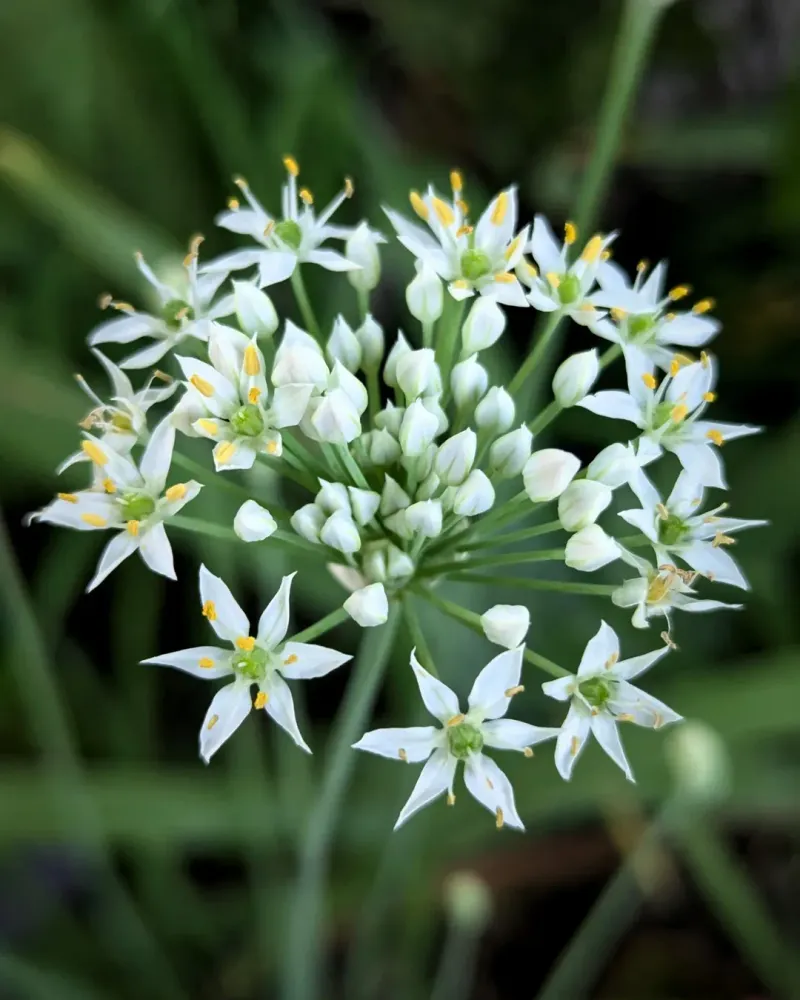
Garlic chives bring something different to the table compared to other fragrant herbs. Where lavender and rosemary lean floral or piney, garlic chives go straight for pungent.
That sharp, unmistakable garlic-like scent is exactly what makes them stand out as a companion planting option in Arizona gardens.
Allicin and related sulfur compounds give garlic chives their powerful aroma, and those compounds are persistent, especially when the plant is disturbed or brushed against.
Planting them along the edges of beds or near garden entry points puts that pungency right where it can do the most work as part of a broader pest-deterrent approach.
Garlic chives are surprisingly adaptable in Arizona. They handle heat well, tolerate some drought once established, and come back reliably each season.
White flower clusters appear in late summer through fall, and while the blooms are attractive, deadheading them prevents the plant from self-seeding aggressively across the garden.
One practical tip from experienced Arizona gardeners is to plant garlic chives in clusters rather than single plants. A dense grouping produces a much more concentrated scent zone than scattered individual plants.
They also work well in raised beds near vegetable gardens, where the strong aroma may help discourage multiple types of unwanted visitors. Regular light harvesting keeps plants tidy and encourages fresh, strongly scented growth throughout the growing season.
8. Sage Thrives In Heat With Strong Aromatic Foliage
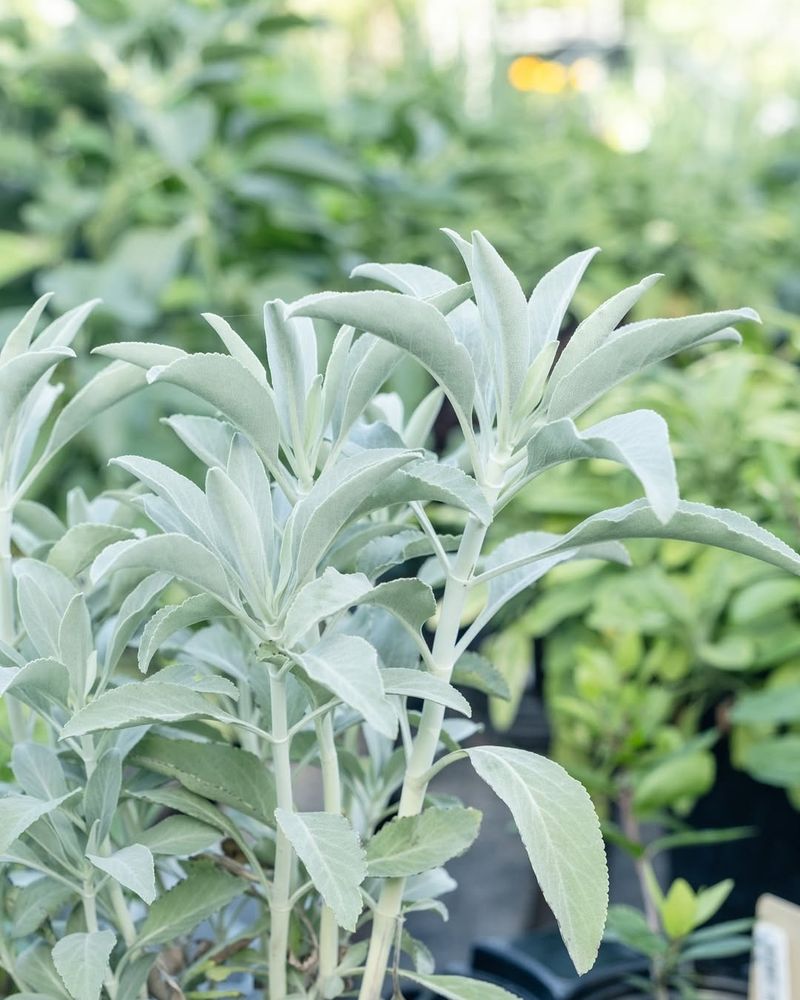
Sage was practically made for Arizona. Its silvery leaves, drought tolerance, and ability to thrive in poor, rocky soil make it one of the most naturally suited fragrant herbs for desert gardening.
And that earthy, almost medicinal aroma it produces is no small thing. Common culinary sage carries a strong enough scent to be noticeable from several feet away on a warm day.
In Arizona, where temperatures push essential oil production into overdrive, the fragrance can be genuinely intense near established plants. That intensity is what makes it useful as part of a broader garden strategy around the perimeter of a home.
Plant sage in spots that get full sun and have excellent drainage.
Standing water around the roots is the one condition that will consistently cause problems, so raised beds or sloped garden areas work especially well. Once established, sage needs very little supplemental water and can handle Arizona’s dry stretches without much fuss.
Pruning sage back by about a third after it flowers encourages fresh, aromatic growth to fill in. Older woody stems produce less scent than younger growth, so keeping plants trimmed maintains that sharp fragrance throughout the season.
Gardeners in the Tucson area often combine sage with lavender and rosemary along fence lines for a layered, fragrant border that covers multiple scent profiles at once.
Mature sage plants also handle Arizona wind surprisingly well, which makes them useful for exposed garden areas where more delicate herbs struggle to stay healthy.