7 Pennsylvania Perennials To Divide In September
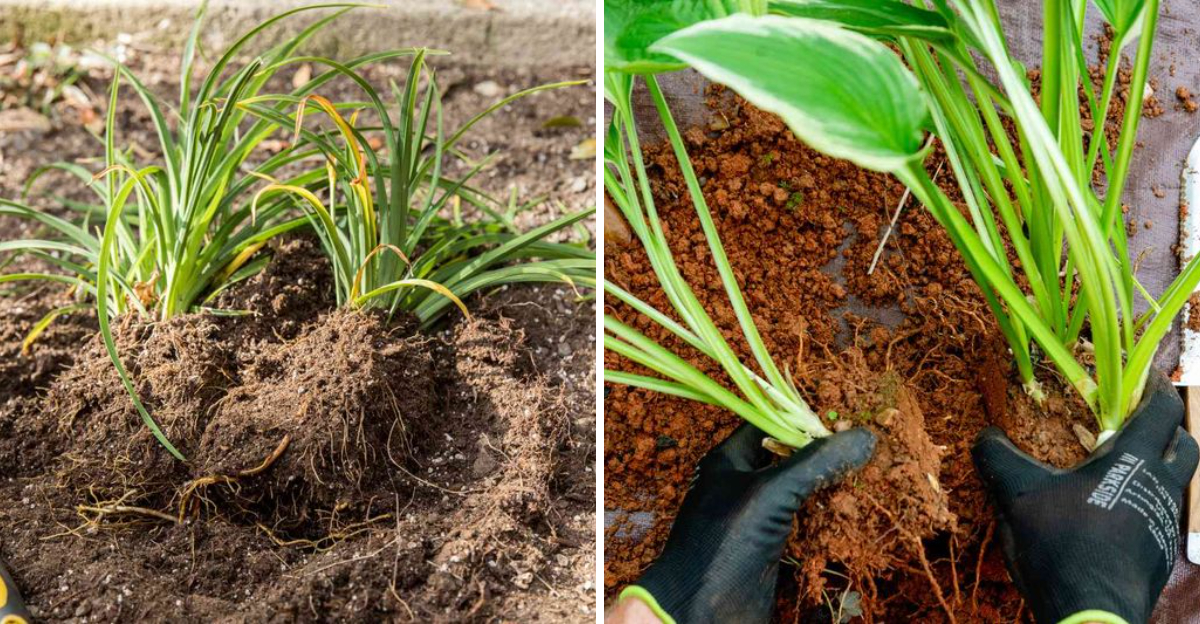
September in Pennsylvania opens one of the best division windows of the entire gardening year, and most homeowners either don’t know it exists or assume fall is too late to be moving established plants around. Both are worth reconsidering.
The combination of cooling temperatures, soil that still holds warmth from summer, and the weeks ahead before hard frost makes September genuinely ideal for dividing certain perennials and getting those divisions established before winter.
The key is knowing which perennials belong in a September division and which ones should be left for spring.
For the right plants, a September division produces divided clumps that establish quickly, develop meaningful root systems through fall, and come back the following spring with noticeably more vigor than overcrowded, undivided plants would have managed.
The timing works with the plant’s biology rather than against it. Done correctly, September division is one of the most effective and rewarding garden tasks of the entire fall season.
Here are the Pennsylvania perennials worth dividing this September and exactly how to handle each one for the best results.
1. Coral Bells
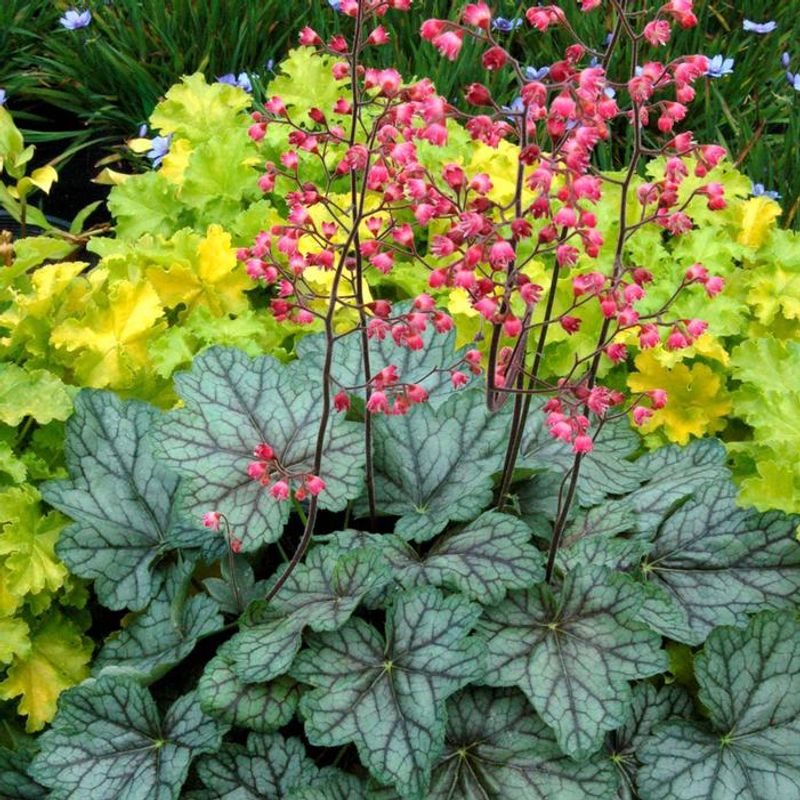
Coral bells are one of those plants that gardeners fall head over heels for, and it is easy to see why. Their colorful foliage comes in shades of burgundy, lime green, caramel, and silver, making them a standout in any garden bed.
But here is something many gardeners do not realize: over time, the center of a coral bells plant can get woody and thin, and the whole plant starts to look a little scraggly. September division is a great way to breathe new life into older plants.
When you dig up a coral bells clump, take a close look at the crown. The woody, brown center is usually not worth saving.
Instead, focus on the younger, greener growth around the edges. Use a sharp knife or spade to cut away sections that have healthy roots and at least one or two growing points. These are the parts that will establish quickly and grow into strong new plants.
Replant your divisions so the crown sits just at or slightly above the soil surface. Burying the crown too deep can cause it to rot, especially heading into the wetter months of fall.
Water your new divisions well after planting and check on them every few days. If the soil dries out, give them a good drink.
Coral bells are not heavy feeders, so you do not need to add fertilizer at planting time. A thin layer of mulch will help protect the roots as temperatures start to drop through October and into November.
2. Daylilies
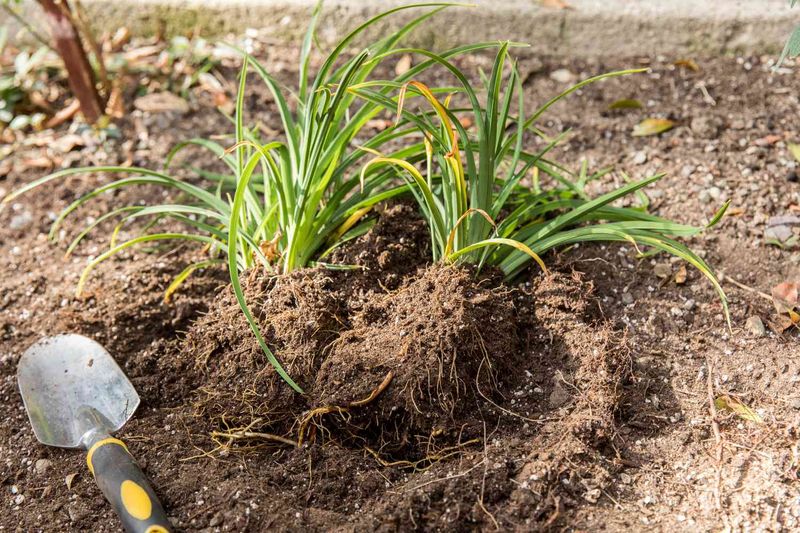
Few plants put on a show quite like daylilies. They bloom in a rainbow of colors all summer long, but by the time September rolls around, those big clumps can get seriously crowded.
When daylilies are packed too tightly together, they produce fewer blooms and start to look tired. Early fall is the perfect window to step in and fix that.
Your Pennsylvania Garden Changes Every Week. Your Plan Should Too.
Gardening in Pennsylvania changes quickly throughout the season. Every Friday you’ll receive a simple weekly plan showing exactly what to plant, prune, fertilize, harvest, and protect so you never miss the right timing.
Start by digging around the outside of the clump with a sharp spade. Lift the whole root mass out of the ground and then use your spade or a garden fork to pry it apart into smaller sections.
Each division should have a good handful of healthy roots and a few fans of foliage attached. Try not to make the divisions too small, since tiny sections take much longer to bounce back.
Replant your divisions at the same depth they were growing before. Space them about 18 inches apart so they have room to fill in over the next season or two.
Water them in deeply right after planting and keep the soil moist for the first few weeks. Daylilies are pretty tough, but they do need consistent moisture while their roots are getting settled in a new spot.
Adding a light layer of mulch around each division helps hold in moisture and keeps the soil temperature steady as nights get cooler. By next summer, your newly divided daylilies should be blooming beautifully again, looking healthier and fuller than ever before.
3. Coreopsis
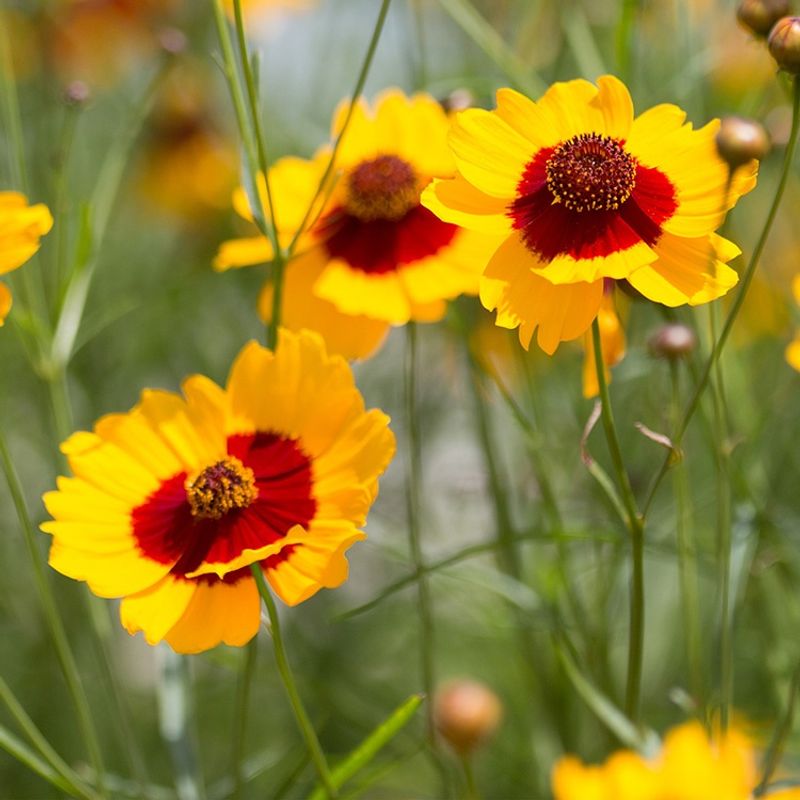
Coreopsis, sometimes called tickseed, is a cheerful, sun-loving perennial that lights up summer gardens with bright yellow, pink, or orange daisy-like flowers. It is a tough plant that handles heat and dry spells like a champ.
But after a few years in the same spot, established clumps can start to spread outward and leave a bare, dry-looking patch right in the center. That is your signal to grab a shovel and get dividing.
Wait until the flowering has really wound down before you start digging. In Pennsylvania, that usually happens by early to mid-September.
Use a garden fork to loosen the soil around the edges of the clump, then lift the whole root mass out. You will probably notice that the center is woody and not very productive.
Toss that part on the compost pile and work with the younger, more vigorous growth from the outer edges instead.
Break those outer sections apart into smaller pieces, making sure each one has a solid set of roots attached. Replant them in well-drained soil with plenty of sunlight, since coreopsis really does not like wet feet.
Space your divisions about 12 to 18 inches apart depending on the variety. Water them in well and keep the soil from drying out completely over the next few weeks.
Division also gives you a great chance to move coreopsis to a new spot in the yard or share extra plants with friends and neighbors. Come next summer, your refreshed plants should flower more freely and look much more tidy and compact.
4. Purple Coneflower
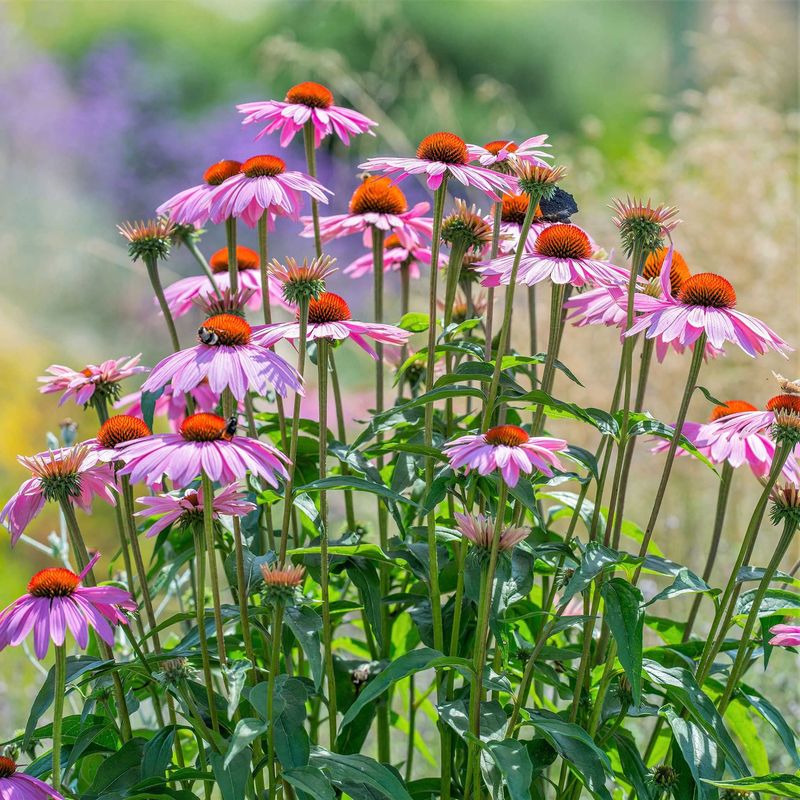
Purple coneflower, or echinacea, is practically a symbol of the American summer garden. Those cheerful purple petals surrounding a spiky orange center are hard to miss, and pollinators absolutely love them.
Coneflowers tend to spread slowly but steadily over the years, forming dense clumps that eventually crowd themselves out. Dividing them in early fall helps keep the plants productive and gives you more to work with across your garden.
The best time to divide coneflowers in Pennsylvania is in early September, once the main flush of blooming has finished. By this point, the plants have stored up energy in their roots and the cooler weather makes transplanting much less stressful.
Dig up the clump carefully, trying to keep as much of the root system intact as possible. Coneflowers have a deep taproot, so use a long-handled spade and work slowly to avoid snapping it.
Once you have the clump out of the ground, use a sharp spade or sturdy knife to cut it into sections. Each division should have a healthy crown with several growing points and a good portion of roots.
Avoid making divisions that are too small, since they will struggle to establish before the ground freezes. Replant at the original depth, firm the soil gently around the roots, and water deeply.
New divisions need at least four to six weeks of mild weather to get their roots established before a hard freeze sets in. Marking your newly planted divisions with a small stake is a helpful trick so you remember where they are once the foliage dies back in late fall.
5. Astilbe
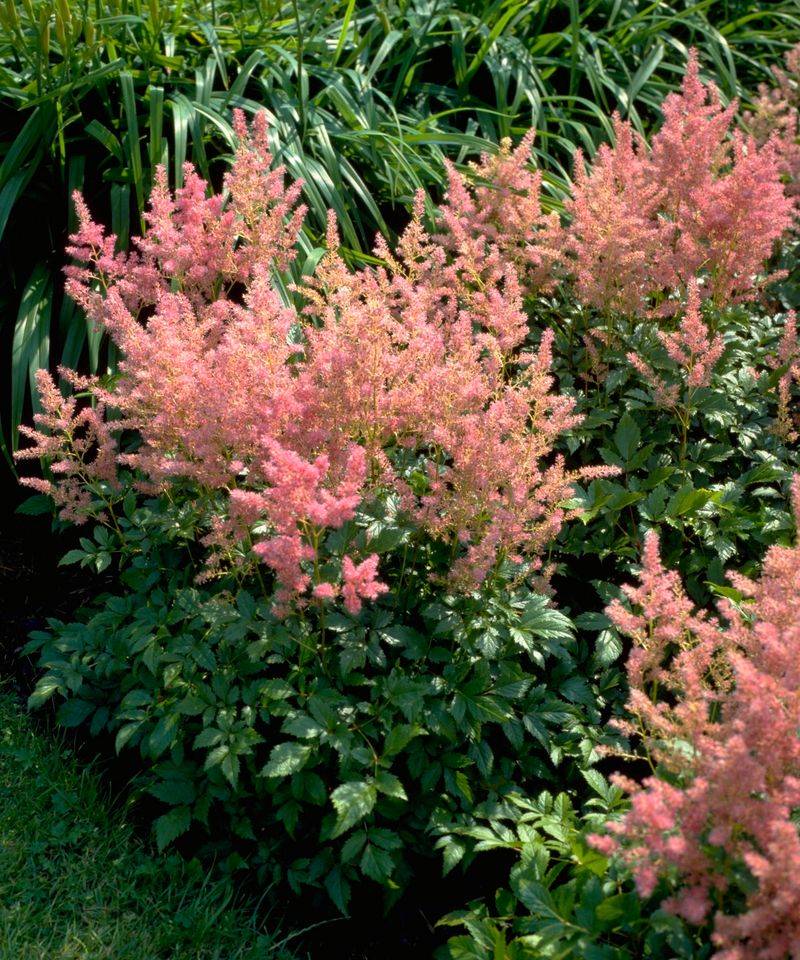
Astilbe is one of those plants that makes shady spots feel magical. Those feathery plumes in shades of pink, red, white, and lavender are a welcome pop of color in spots where most plants struggle.
Over time, though, astilbe clumps grow dense and crowded, and the flowering starts to suffer. Late summer into early September is a reliable window for dividing them before the season wraps up.
Astilbe roots are thick and tough, almost like a tangle of woody fingers. You will need a sharp spade or even a sturdy knife to cut through them.
Dig up the entire clump first, then work on the ground to separate it into sections. Each piece should have at least two or three visible growing buds, which look like small reddish or pinkish bumps on the crown of the plant.
Roots that look dry, cracked, or hollow are past their prime and can be discarded. Replant your astilbe divisions in a spot with partial to full shade and rich, moisture-retentive soil.
Astilbe does not handle drought well at any stage of growth, but newly divided plants are especially sensitive to dry conditions.
Water them in thoroughly right after planting and plan to check the soil moisture every two or three days for the first month. A generous layer of mulch, about two to three inches deep, will help lock in moisture and protect the roots as temperatures dip.
With the right care, your newly divided astilbe will reward you with a gorgeous flush of blooms the following summer.
6. Lavender
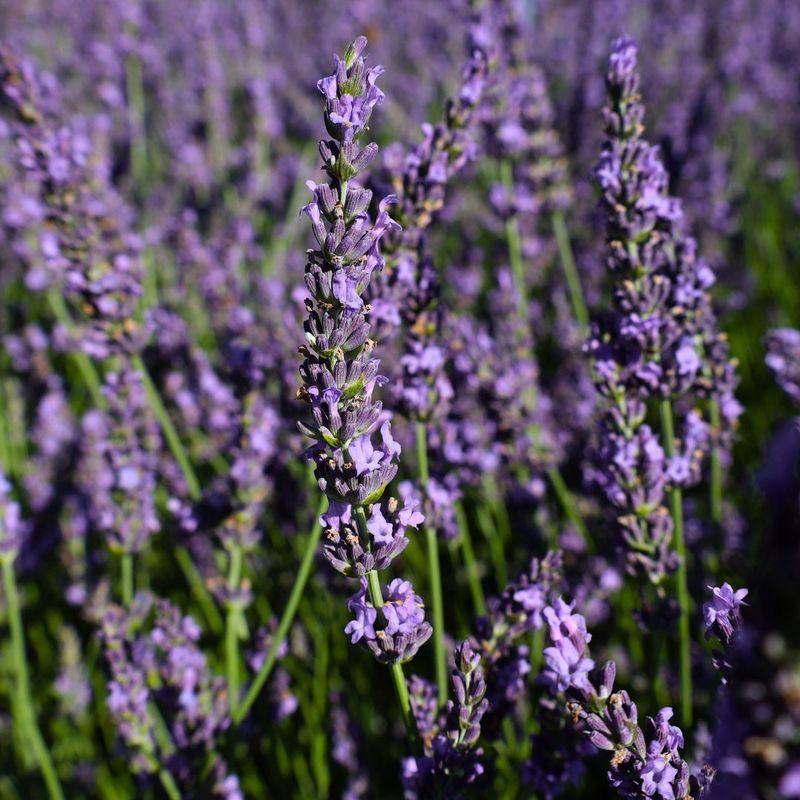
Lavender has a reputation for being a little fussy, and honestly, that reputation is not entirely wrong. But when it is happy, it is one of the most rewarding plants you can grow.
The fragrance alone is worth every bit of effort. In Pennsylvania, established lavender plants that have been growing vigorously for a few years can be divided in early fall, giving you more plants while also keeping the original from getting too woody and sprawling.
Not every lavender plant is a good candidate for division. Young plants that are only a year or two old are better left alone.
Look for clumps that have multiple healthy stems growing from the base and show strong new growth. Use a sharp spade to cut down through the root zone and separate a section from the outer edge of the plant.
Avoid cutting through the woody central stems, since those sections rarely establish well after division.
Drainage is the single most important factor for lavender success in Pennsylvania winters. Plant your divisions in a raised bed or a slope where water runs off quickly rather than pooling around the roots.
Sandy or gravelly soil mixed with some compost works really well. Set the division at the same depth it was growing before and firm the soil around it.
Water it in once and then let the soil dry out a bit before watering again. Lavender strongly prefers drier conditions, especially as it heads into the cooler months.
Skip the heavy mulch right at the base of the plant, since good air circulation around the crown helps prevent rot through the wet fall and winter season.
7. Hostas
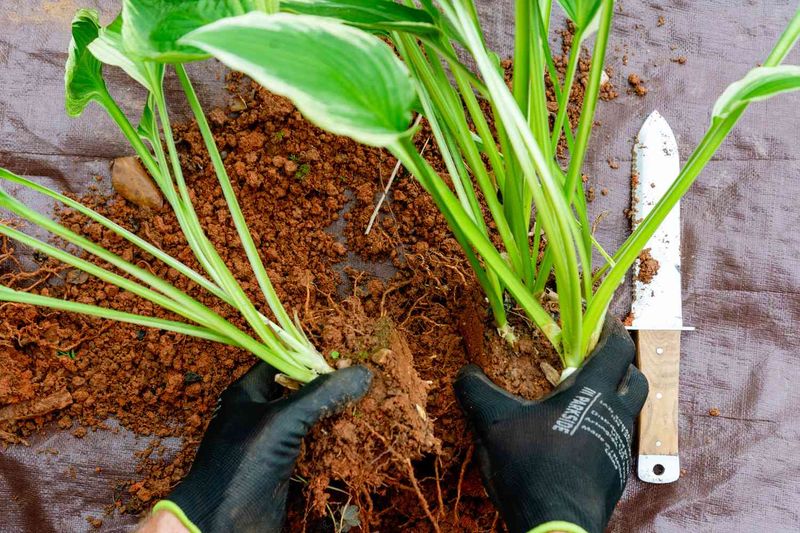
Hostas are the workhorses of the shade garden. They come in hundreds of varieties, from tiny miniatures to giant plants with leaves the size of dinner plates.
Most gardeners grow to love them deeply, partly because hostas are so forgiving. They actually tolerate division quite well outside of the typical spring window, making September a surprisingly good time to break up large, overcrowded clumps.
As temperatures cool down in early fall, hostas start to slow their growth and focus energy into their roots. This makes it a low-stress time to dig and divide.
Use a sturdy garden fork to loosen the soil around the entire clump before lifting it. Hosta roots can be surprisingly thick and dense in older plants, so be prepared to use some muscle.
Once the clump is out of the ground, use a sharp spade or a heavy knife to cut it into sections. Each division needs at least two or three healthy buds, which look like pale, pointed nubs at the base of the stems, along with a generous portion of roots.
Replant your hosta divisions in a shaded or partly shaded spot with rich, well-drained soil. Set them at the same depth they were growing before and water them in deeply.
Consistent moisture is key for the first few weeks while the roots settle in. A two-inch layer of mulch around each division helps retain soil moisture and keeps the ground temperature more stable as fall nights get cooler.
By next spring, your newly divided hostas should push up fresh new growth right on schedule, filling in their spots with that beautiful, lush foliage all over again.