The Pennsylvania Vegetables You Can Still Plant In August For A Fall Harvest
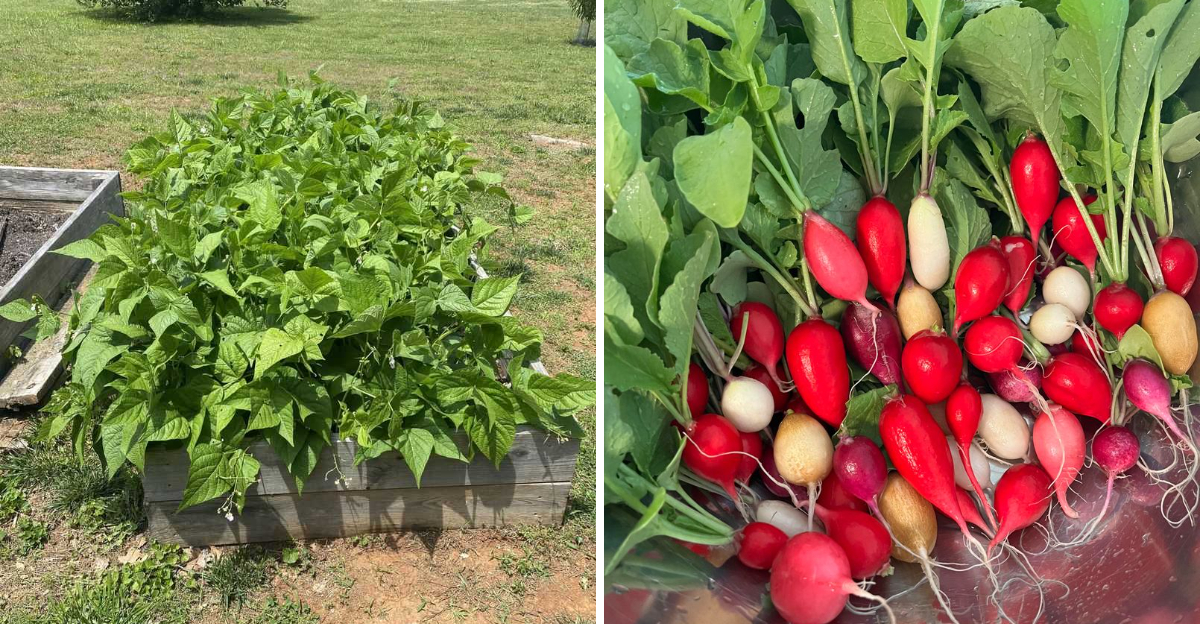
An empty garden bed in August is not wasted space.
Across Pennsylvania, summer crops may be slowing down, bolting, yellowing, or leaving gaps behind. That can make the garden feel finished, but the season usually has more to give than it seems.
August is a planning month as much as a planting month.
The trick is working backward from your local average first frost date. Pennsylvania does not move on one garden calendar.
A southeastern valley, a central ridge, and a cooler northern or mountain garden can have very different harvest windows.
That local timing matters.
Fall crops grow in warm soil at first, then finish under shorter days and cooler nights. Seed packets give a useful starting point, but autumn growth often takes a little longer than spring growth because daylight is fading.
Good preparation helps every crop on this list.
Clear spent plants, pull weeds, loosen crusted soil, add a modest layer of finished compost, and water the seedbed before sowing. A clean, moist bed gives late-season vegetables the best chance to establish quickly.
So what can Pennsylvania gardeners still plant in August for a fall harvest?
Start with fast crops, frost-tolerant greens, quick roots, and transplants that can turn late-summer space into a productive autumn bed.
1. Lettuce For Fast Salads
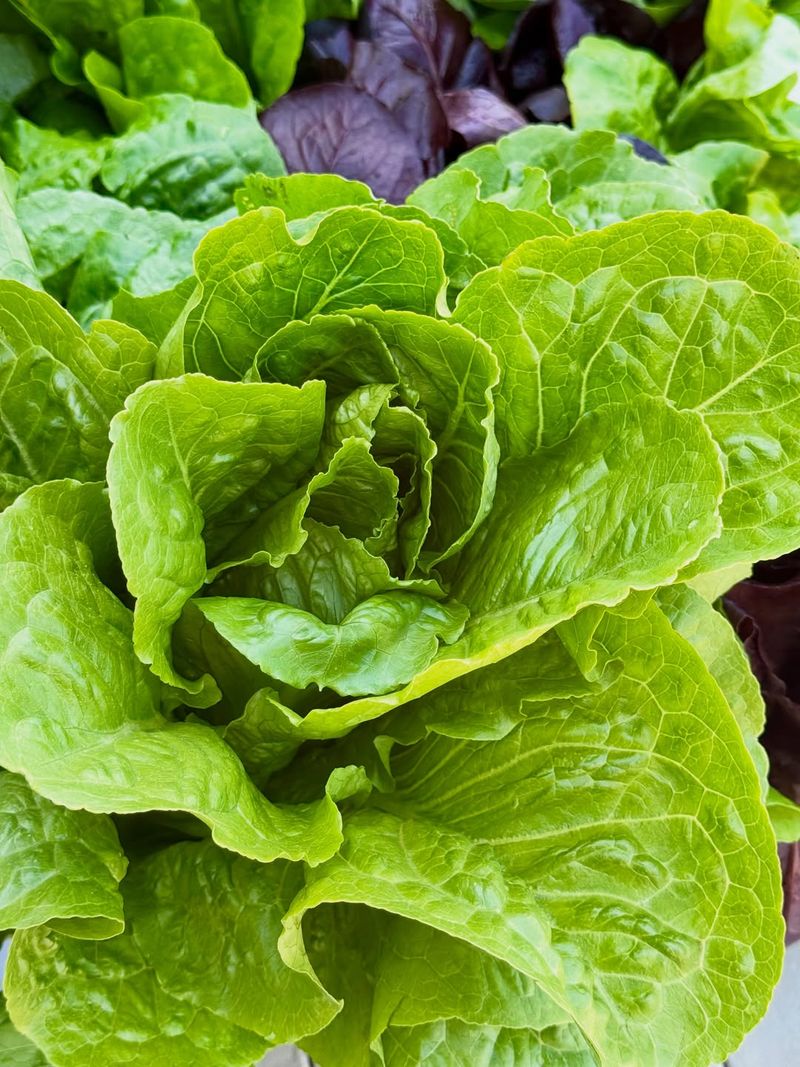
Loose-leaf lettuce is one of the fastest ways to refill an August bed.
It can reach baby-leaf harvest size quickly, especially when planted in a prepared bed with steady moisture. That makes it a smart choice after summer crops leave behind open space.
Baby leaves come first. Many loose-leaf varieties can be clipped while still small, which gives gardeners a harvest long before full-sized heads would be ready.
Skip head lettuce for speed. Heading types usually need more time and more even conditions, while loose-leaf types are more forgiving in late-season plantings.
Seed shallowly. Lettuce seed is tiny and should only be pressed lightly into fine, moist soil, about one-eighth inch deep.
Warm soil can slow germination. August beds may still be hotter than lettuce prefers, so shade the seedbed lightly for the first week.
Use row cover or a screen. A floating row cover, shade cloth, or old window screen can cool the surface and help keep moisture from disappearing too fast.
Keep the surface damp. Lettuce seed needs consistent moisture to sprout well, and the top layer of soil dries quickly during late-summer afternoons.
Thin for airflow. Once seedlings appear, give them enough room so leaves are not packed together in humid fall weather.
Harvest from the outside. Snip outer leaves and leave the center growing for repeated harvests.
Succession sowing helps. A small new row every week or so can keep salads coming rather than giving one large flush all at once.
Lettuce is not trying to be the toughest crop in the garden.
It is the quick one, and in August, quick can be exactly what an empty Pennsylvania bed needs.
2. Spinach For Cool Nights
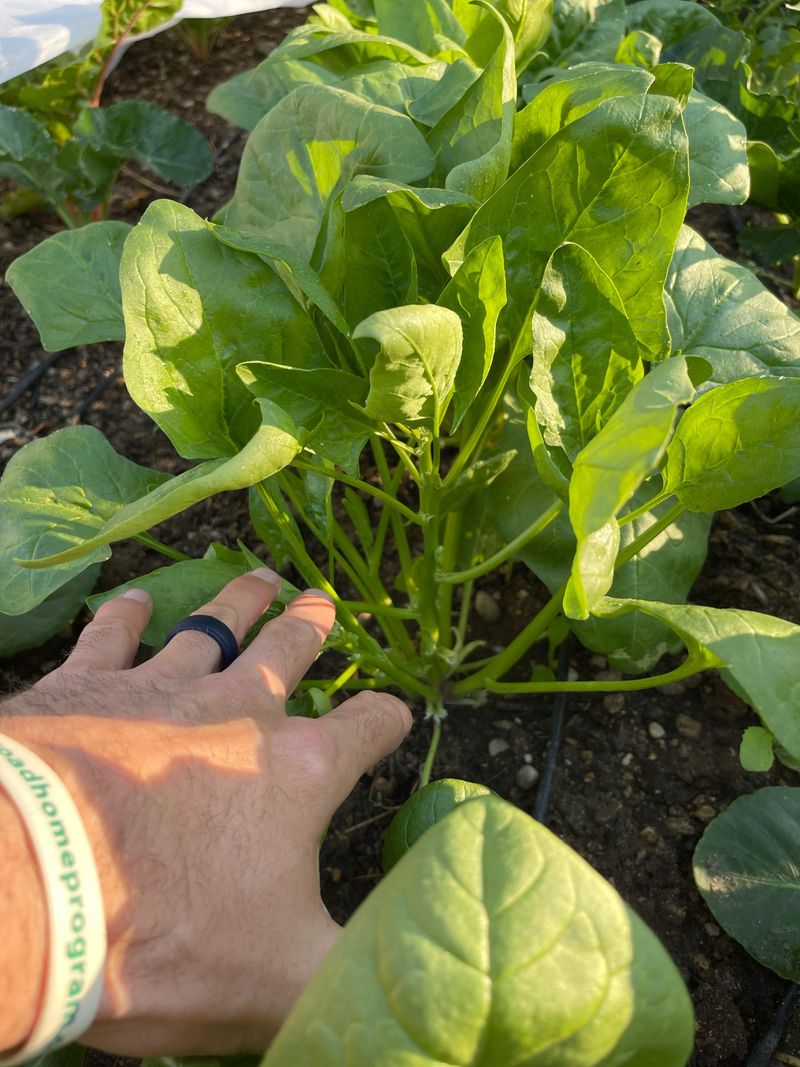
Spinach waits for the weather lettuce wanted earlier.
Your Pennsylvania Garden Changes Every Week. Your Plan Should Too.
Gardening in Pennsylvania changes quickly throughout the season. Every Friday you’ll receive a simple weekly plan showing exactly what to plant, prune, fertilize, harvest, and protect so you never miss the right timing.
It prefers cooler soil, cooler nights, and shorter days, which makes late August a useful window in many Pennsylvania gardens. The challenge is getting seeds started while the soil is still warm.
Timing makes the difference. Sowing toward the later part of August often gives spinach a better chance because the seedbed begins cooling slightly.
Germination can be slow in heat. Spinach seed does not always sprout well in hot soil, so patience and moisture matter.
Sow about half an inch deep. That depth helps keep seeds in a more stable moisture zone without burying them too far.
Keep rows moist until emergence. Spinach seed has a firm coat and needs steady moisture to wake up reliably.
Thin after seedlings establish. Plants spaced a few inches apart grow stronger leaves and face less competition.
Autumn growth is slower than spring growth. A variety listed at 40 days may need extra time as daylight shortens, so build in a buffer before frost.
Cool weather improves quality. Spinach often tastes richer and sweeter once fall nights begin dropping.
Light frost is not a problem. Healthy spinach can handle chilly nights better than many tender summer crops.
Mulch lightly around plants. Straw or shredded leaves can help steady soil temperature and moisture as September nights become unpredictable.
Row cover extends the season. A simple cover can protect young plants from early cold and keep the harvest going longer.
Spinach is not always the fastest August crop.
But once cool nights arrive, it becomes one of the most rewarding.
3. Radishes For Quick Rows
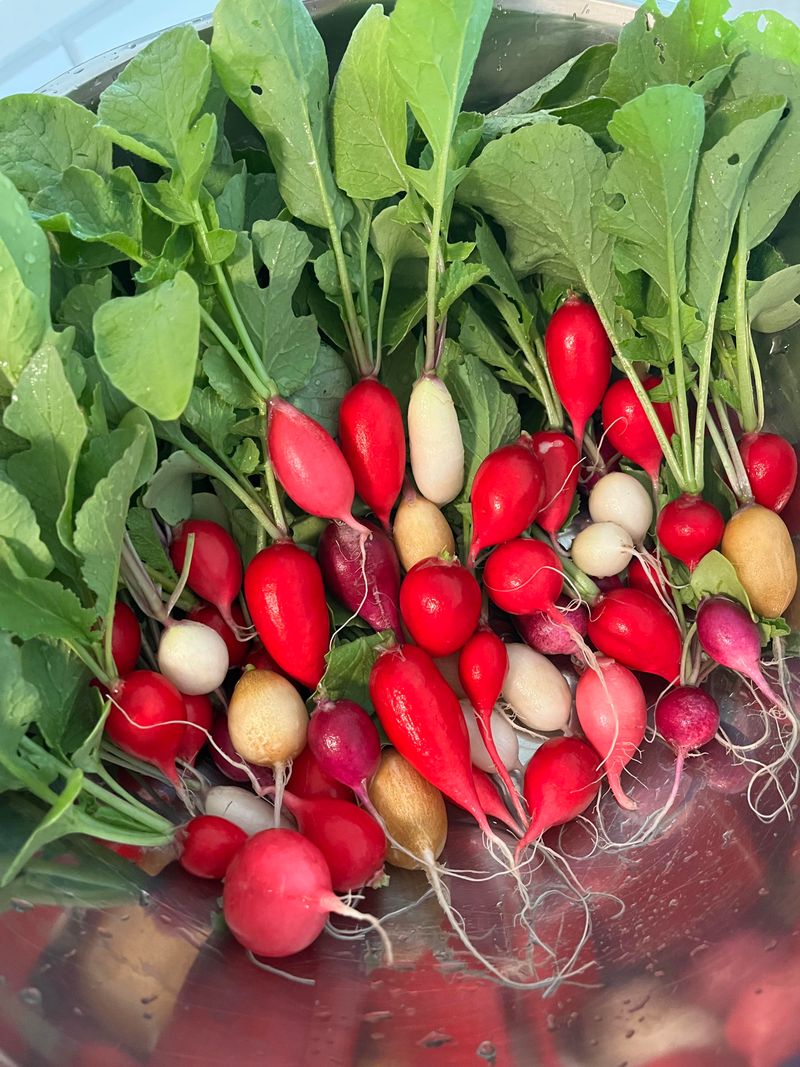
Radishes are the speed crop of the fall garden.
They move from seed to harvest so quickly that even a short Pennsylvania window can still produce something crisp, colorful, and useful. That makes them perfect for small gaps left behind by summer vegetables.
Choose quick varieties. Round spring types often mature much faster than long storage radishes.
Sow directly in the bed. Radishes do not need transplanting and usually perform better when seeded exactly where they will grow.
Plant about half an inch deep. That gives seeds enough cover while still allowing fast emergence.
Thin early. Crowded radishes produce leafy tops and disappointing roots, so give seedlings about two inches of space once they are up.
Moisture needs to stay even. Dry soil followed by heavy watering can lead to cracked roots, woody texture, or extra sharp flavor.
Warm soil speeds them up. Early August sowings may mature quickly, but flavor usually improves as nights cool.
Use small rows. A short row every week or ten days gives a steadier supply than one big planting.
Harvest on time. Radishes left too long in warm soil can turn pithy, tough, or overly pungent.
Check root size often. The shoulders may push slightly above the soil when roots are ready.
Use the greens too. Tender radish tops can be added to sautés, soups, or pestos when harvested young and clean.
Mulch lightly during dry stretches. A thin layer helps hold moisture without burying the crowns.
Radishes are the garden’s quick answer to an empty August patch.
They do not need much time, but they do need steady moisture and prompt harvesting.
4. Beets For Roots And Greens
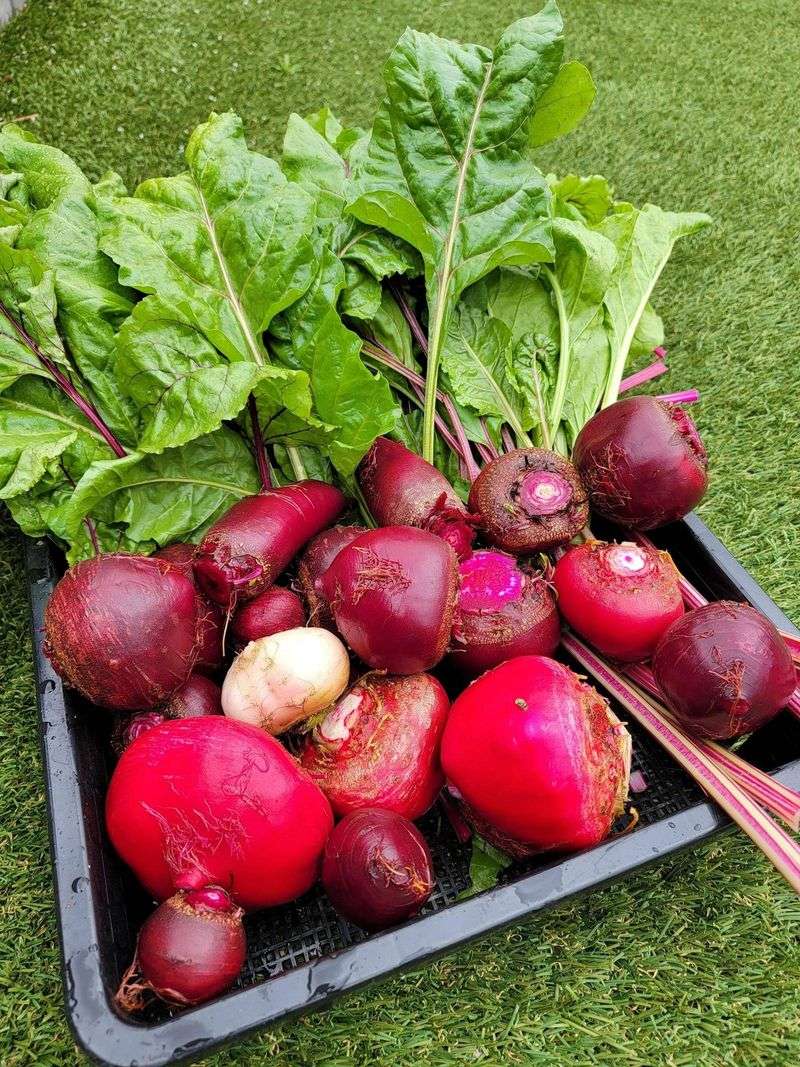
Beets give Pennsylvania gardeners two harvests from one row.
The roots are the obvious prize, but the greens are useful too. That flexibility makes beets a smart August crop, especially when frost timing feels tight.
The seed is actually a cluster. Each beet “seed” often contains more than one seed inside, so multiple seedlings can sprout from the same spot.
Thinning is essential. Crowded beets cannot size up properly, and pulling seedlings too roughly can disturb nearby roots.
Use scissors for thinning. Snip extra seedlings at soil level instead of tugging them out.
Sow about half an inch deep. Keep the row evenly moist until seedlings appear.
Give roots room. Final spacing of three to four inches usually produces better-sized beets without wasting bed space.
Greens can be harvested early. Pick a few outer leaves once plants are established, but leave enough foliage to keep roots growing.
Moisture prevents cracking. Dry spells followed by sudden soaking can split roots or make growth uneven.
August timing varies by region. Warmer southern and southeastern gardens often have more time for full-sized roots, while cooler northern or higher-elevation gardens may harvest smaller beets.
Small beets are still excellent. Golf-ball-sized roots are tender, sweet, and often better for quick roasting or pickling than oversized ones.
Light frost can improve flavor. Cool weather often brings out better sweetness in both greens and roots.
Harvest before the ground locks up. A few cold nights are fine, but a prolonged deep freeze can damage roots left near the surface.
Beets are forgiving because they offer something even when the season runs short.
Roots, greens, or both, the row rarely feels wasted.
5. Kale For Frost Sweetness
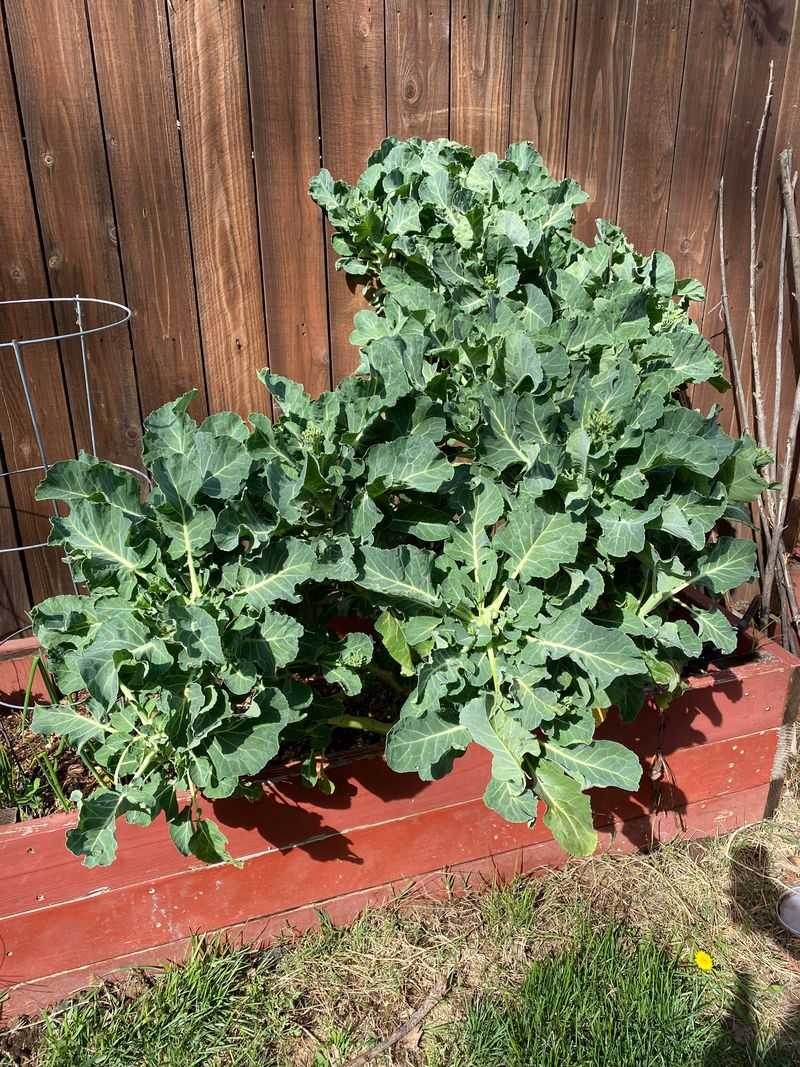
Kale is one of the best crops for turning August planting into late fall food.
It does not merely tolerate cooler weather. It often improves with it. Chilly nights can make the leaves taste sweeter and richer than they do in summer heat.
Plant early enough for size. Kale needs time to build a strong plant before cold weather slows growth.
Direct seeding can work in early August. In cooler regions or later windows, transplants give a better head start.
Transplants are useful. Young plants started earlier can go into cleared beds and begin growing immediately.
Spacing matters. Give plants enough room for broad leaves, airflow, and easier harvesting.
Row cover protects young plants. It blocks cabbage white butterflies that lay eggs on kale and other brassicas.
Check leaf undersides often. Cabbage worms can blend in perfectly, leaving ragged holes before gardeners notice them.
Harvest lower leaves first. Taking the oldest outer leaves lets the center keep producing new growth.
Do not strip the plant bare. Leave enough foliage for steady recovery after each harvest.
Cold improves the crop. After a few chilly nights, kale often becomes less harsh and more enjoyable in soups, sautés, and salads.
Mulch helps roots stay steady. A light layer around plants reduces moisture swings and keeps soil from crusting.
Choose reliable varieties. Lacinato, Red Russian, and curled types can all work well, depending on the garden’s timing and use.
Kale is the crop for gardeners who want the season to stretch.
When tender summer vegetables fade, kale is just getting interesting.
6. Carrots For Late Crunch
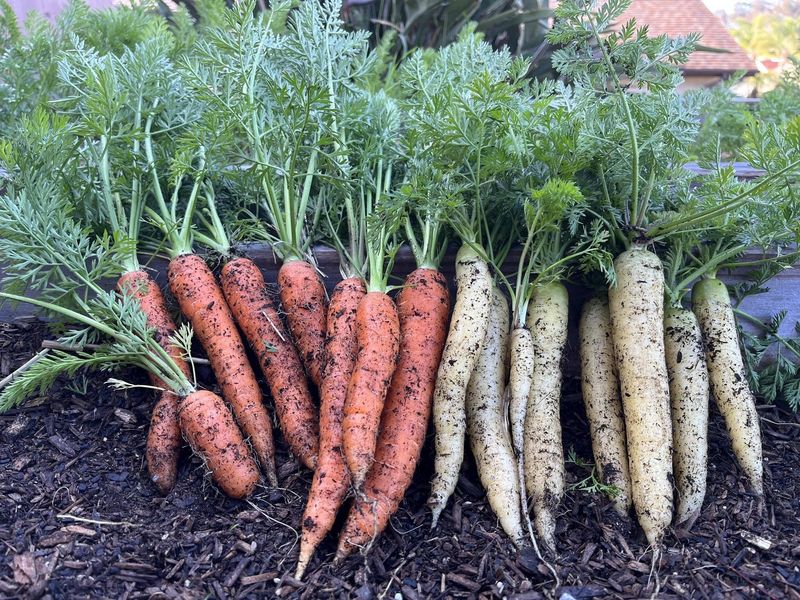
Carrots take more patience, but the payoff is worth it.
Cool autumn soil can produce roots with better sweetness, crispness, and flavor than many summer sowings. The challenge is giving them enough time and moisture to germinate well.
Fine soil is essential. Carrot roots need loose, stone-free ground so they can grow straight instead of forking or twisting.
Prepare the bed deeply. Work the soil eight to ten inches down and remove rocks, clods, and old roots.
Seed shallowly. Carrot seed is tiny and should be sown lightly, then covered with a thin layer of fine soil.
Moisture is the hard part. Seeds may take a week or two to sprout, and the surface must stay damp the whole time.
Cover the row temporarily. Burlap, a board, or row cover can help hold moisture until the first sprouts appear.
Remove covers as soon as seedlings show. Young carrots need light and airflow once they emerge.
Thin carefully. Crowded carrots stay skinny, so give seedlings about two inches of space after they are established.
Choose shorter varieties. Nantes, Danvers, and Chantenay types are often better choices for August sowing than long-season storage types.
Frost can improve sweetness. Light cold encourages better flavor, but deep cold can damage unprotected roots.
Mulch can extend harvest. A thick layer of straw over mature roots may help protect them during early cold snaps.
Timing is the deciding factor. Northern and higher-elevation Pennsylvania gardens may need faster varieties or an earlier sowing.
Carrots are not the fastest August crop.
But when the calendar allows, they turn cool fall soil into one of the best harvests of the season.
7. Bush Beans For Speed
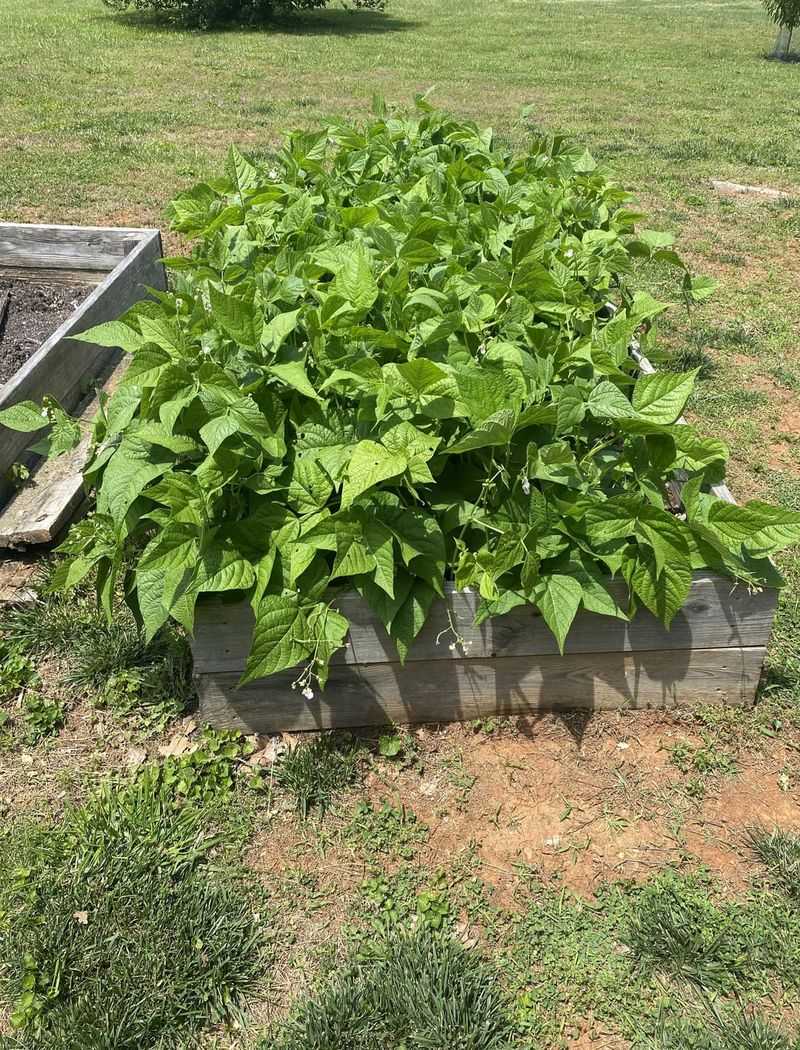
Bush beans are the warm-season gamble that can still pay off. They grow fast, produce quickly, and do not need a trellis, but they cannot handle frost. That makes August planting all about local timing.
Check your frost window first. Gardeners in southeastern Pennsylvania may have enough time, while cooler northern or mountain areas may be cutting it close.
Count backward carefully. A 50-day bean still needs enough warm days to flower and fill pods before cold weather arrives.
Choose fast varieties. Provider, Contender, and other quick bush beans are better suited to tight fall windows than slower types.
Sow directly. Beans dislike root disturbance, so plant seeds right where they will grow. Plant about one inch deep. Warm August soil usually brings quick germination when moisture is steady.
Give rows space for airflow. Humid late-summer weather can encourage leaf problems when plants are crowded.
Water at the soil level. Wet foliage can raise disease pressure, especially as nights cool. Mulch after seedlings emerge. This helps hold moisture and keeps soil from splashing onto lower leaves.
Skip late succession sowing. Once the frost-free window becomes too short, new bean rows become too risky.
Harvest pods young. Pick before seeds bulge for the best texture and to keep plants producing as long as possible.
Be realistic with the weather. A warm fall can reward the gamble, while an early frost can shorten the harvest.
Bush beans are not guaranteed in every Pennsylvania August garden. But in the right region, with a fast variety, they can turn late summer space into one more crisp harvest.
8. Broccoli From Transplants
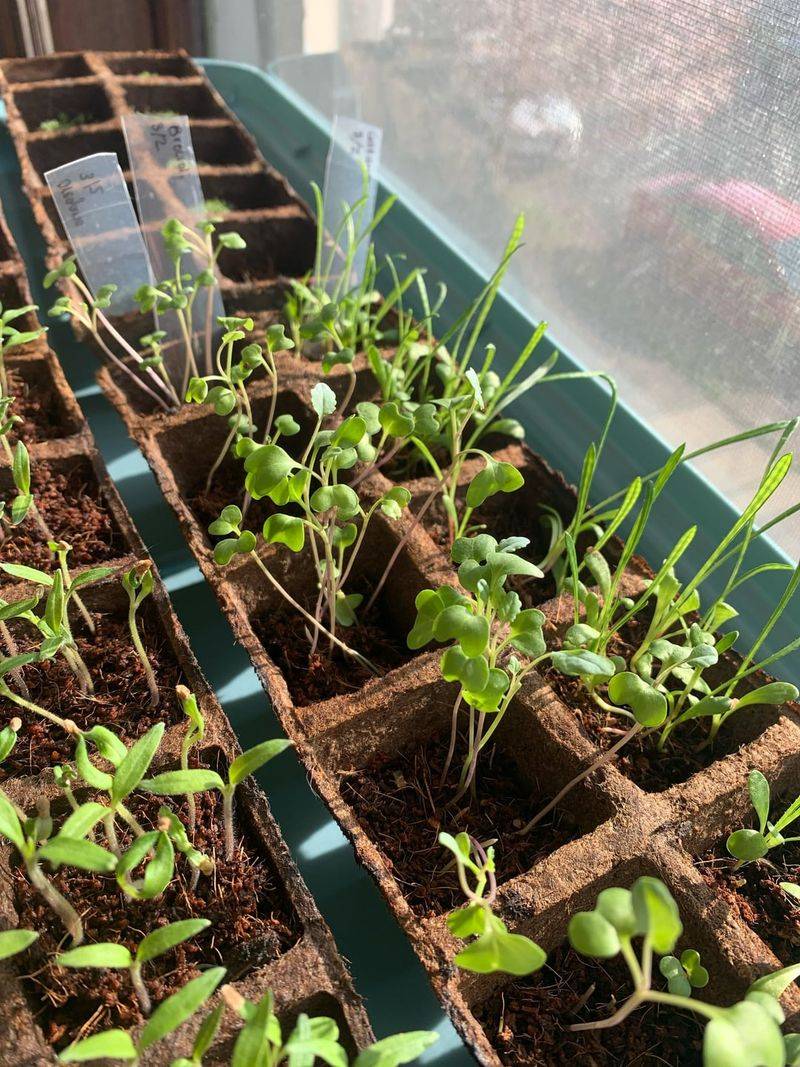
Broccoli needs a head start in August.
Direct seeding can take too long for many Pennsylvania fall gardens, but sturdy transplants can make the timing work. They begin with several weeks of growth already behind them.
Use healthy young plants. Stocky transplants with strong stems and green leaves settle in better than stretched, root-bound plants.
Plant with enough room. Broccoli needs space for broad leaves, airflow, and head development.
Water deeply after planting. A steady start helps roots move into the bed quickly during late-summer heat.
Provide temporary shade during hot afternoons. A few days of light protection can reduce transplant stress when temperatures are still high.
Row cover helps from day one. It blocks cabbage white butterflies and can reduce caterpillar damage before it starts.
Check under leaves anyway. Covers can shift, and pests can still appear, so regular scouting matters.
Keep growth steady. Broccoli forms better heads when it does not swing between dry soil and sudden soaking.
Use compost, but avoid overfeeding. Too much nitrogen can push leaves without improving head quality.
Harvest before buds open. Cut the central head while it is still firm and tight.
Leave the plant after cutting. Side shoots often form and can provide smaller harvests for several weeks.
Choose shorter-season varieties. Fall broccoli needs to move efficiently before hard cold becomes a regular part of the forecast.
Broccoli is not the easiest August crop from seed.
But with transplants, steady moisture, and pest protection, it can become one of the most satisfying fall harvests in the Pennsylvania garden.