Drought-Tolerant Pennsylvania Perennials That Don’t Need Watering To Bloom All Summer
Pennsylvania is not typically thought of as a drought-prone state, but dry stretches in summer are more common than the rainy reputation suggests, and even a few weeks without meaningful rainfall can stress plants that rely on consistent moisture to keep blooming.
Dragging a hose around a garden through July and August is one of the less enjoyable parts of the season, and it becomes genuinely frustrating when the plants being watered still underperform when conditions get difficult.
There is a group of Pennsylvania perennials that simply does not need that level of attention.
They root deeply, access moisture that surface-level plants cannot reach, and push out blooms through dry summer weeks without waiting on the gardener to make up the difference.
Several of them are native to the region, which means they are already calibrated for exactly the kind of inconsistent summer rainfall Pennsylvania delivers. Beautiful, reliable, and waterwise is a combination that earns a permanent place in any garden.
1. Purple Coneflower (Echinacea Purpurea)
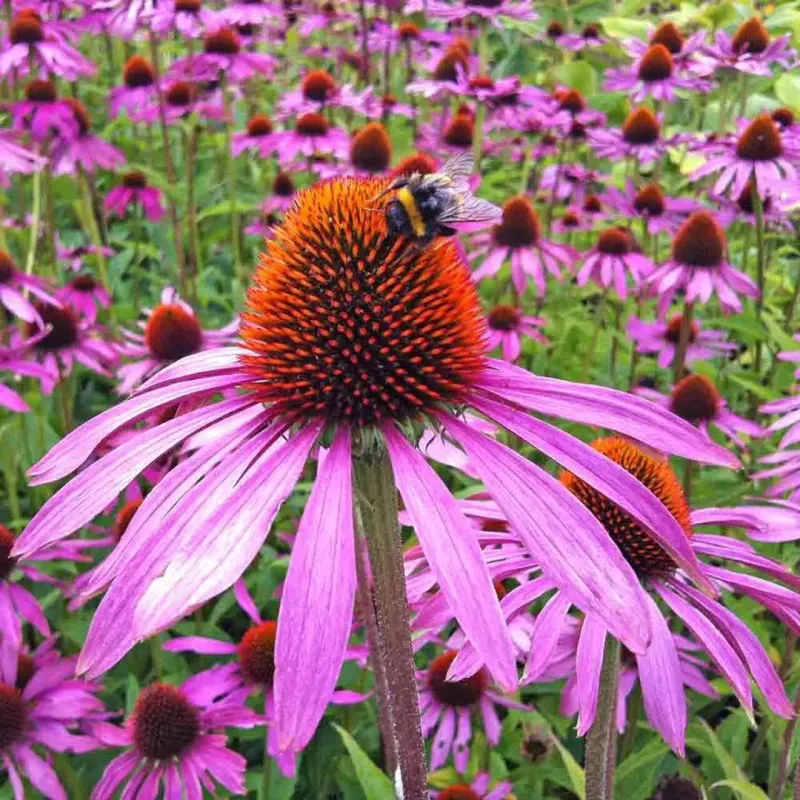
Walk through almost any Pennsylvania garden in midsummer and you will likely spot the cheerful, daisy-like blooms of Purple Coneflower standing tall in the heat. This plant is a true local favorite, and for good reason.
It thrives in full sun and handles dry soil like a champ once it gets established in its first season.
The flowers are a rich rosy-purple with a spiky, cone-shaped center that gives the plant its name. They start blooming in July and keep going well into fall, which means you get months of color without doing much at all.
Bees, butterflies, and goldfinches absolutely love this plant, so expect some lively visitors. Purple Coneflower grows best in well-drained soil and does not need fertilizer. In fact, too much rich soil can make it floppy and weak.
Plant it in a sunny spot, water it regularly during its first summer, and then step back and let it do its thing.
Over time, it will spread naturally and fill in your garden beds with gorgeous color. You can even leave the seed heads standing through winter to feed birds and add texture to your yard.
It is one of those rare plants that looks great, helps wildlife, and asks for almost nothing in return.
2. Black-Eyed Susan (Rudbeckia Hirta)
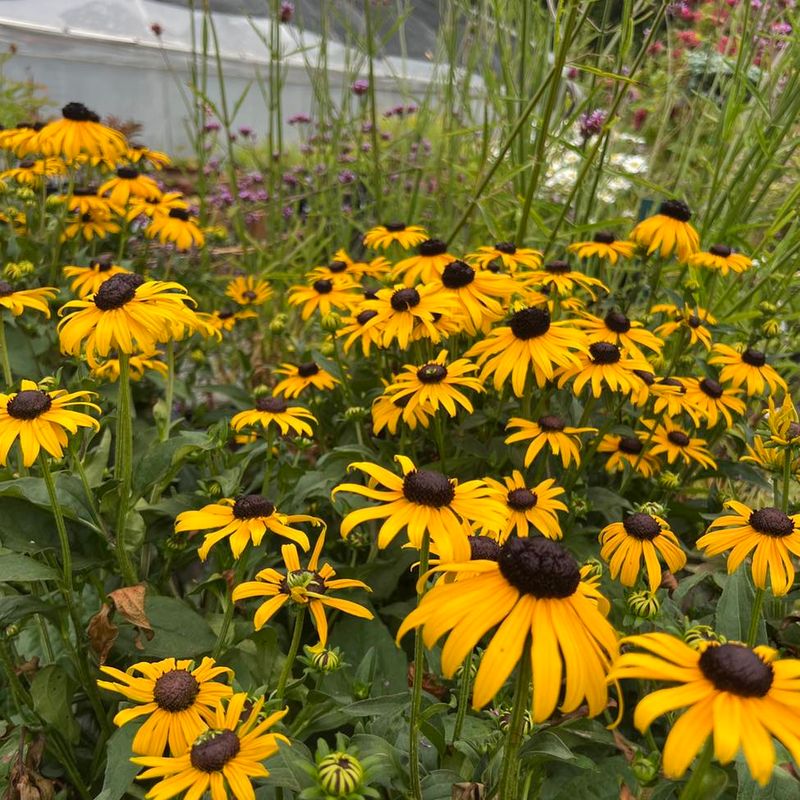
Few flowers scream summer in Pennsylvania quite like Black-Eyed Susan. Those bold yellow petals surrounding a dark chocolate-brown center are impossible to miss, and they seem to glow even on the hottest days of the year.
This plant is practically fearless when it comes to heat and drought. Black-Eyed Susan grows well in full sun and tolerates poor, dry soil without complaint. Once established, it rarely needs watering even during dry stretches.
It blooms from June through September, making it one of the longest-blooming options you can put in a sunny bed.
Fun fact: Rudbeckia fulgida, sometimes called the orange coneflower, is actually the longer-lived perennial version, while Rudbeckia hirta tends to behave more like a biennial.
Either way, both self-seed freely and will return to your garden year after year with almost no help from you.
Your Pennsylvania Garden Changes Every Week. Your Plan Should Too.
Gardening in Pennsylvania changes quickly throughout the season. Every Friday you’ll receive a simple weekly plan showing exactly what to plant, prune, fertilize, harvest, and protect so you never miss the right timing.
Plant Black-Eyed Susan in groups for the biggest visual impact. It looks stunning paired with purple coneflower or ornamental grasses.
Pollinators go absolutely wild for the blooms, and birds will snack on the seeds through fall and winter.
Deadheading spent flowers will encourage more blooms, but it is totally optional. If you skip it, the plant simply seeds itself and spreads. It is a low-effort, high-reward perennial that every Pennsylvania gardener should have.
3. Butterfly Weed (Asclepias Tuberosa)
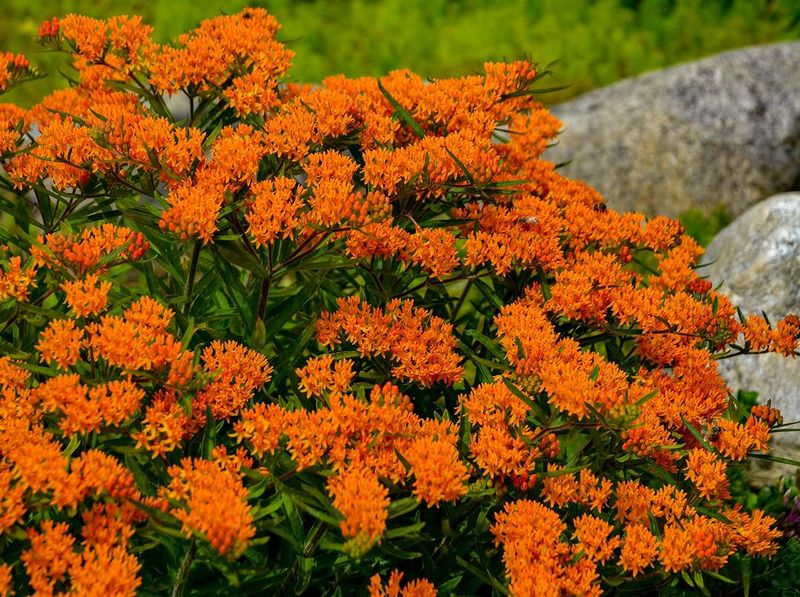
Bright, bold, and absolutely buzzing with life, Butterfly Weed is one of the most exciting native plants you can grow in Pennsylvania. Its clusters of vivid orange flowers practically light up a garden bed from late June through August.
And unlike many flashy plants, this one truly earns its keep without needing much water at all.
Butterfly Weed is a native milkweed, which makes it a critical host plant for monarch butterflies. Female monarchs lay their eggs on the leaves, and the caterpillars feed on them as they grow.
Planting even a few of these in your yard helps support a species that is struggling across North America.
What makes this plant so tough is its deep taproot. It reaches far down into the soil to find moisture, which is why it handles dry summers so well.
Because of that taproot, it does not like being moved once established, so pick a sunny, well-drained spot and let it settle in for the long haul.
Butterfly Weed is slower to emerge in spring than other perennials, so do not panic if you do not see it right away. Mark the spot so you do not accidentally dig it up.
Once it shows up, it grows quickly and rewards you with weeks of stunning color and a constant parade of butterflies, bees, and other pollinators that make the garden feel truly alive.
4. Tickseed (Coreopsis Lanceolata)
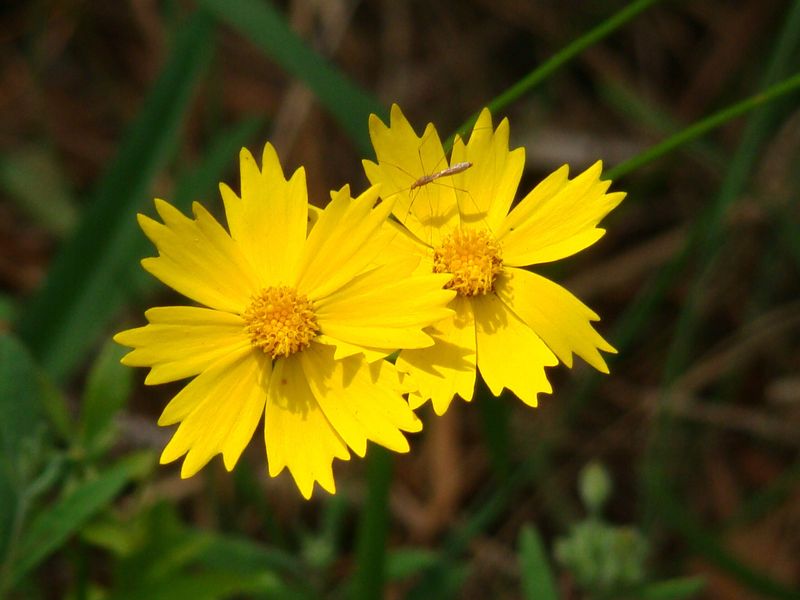
Sunny, cheerful, and ridiculously easy to grow, Tickseed is the kind of plant that makes you look like a gardening expert without much effort at all.
The bright yellow, daisy-like flowers cover the plant from late spring well into summer, and in some years they keep going until early fall with just a little deadheading.
Coreopsis lanceolata thrives in full sun and actually prefers lean, dry soil over rich, moist conditions.
Giving it too much water or fertilizer can reduce blooming and cause the plant to grow floppy. Plant it in a spot that gets at least six hours of direct sunlight and forget about it.
One of the best things about Tickseed is how quickly it establishes itself. Even in its first year, it blooms generously and spreads at a polite pace, filling in gaps without taking over the entire bed.
It plays nicely with other drought-tolerant perennials like Salvia and Yarrow. Did you know the name “Tickseed” comes from the shape of its seeds, which look a little like ticks? Strange name aside, the plant itself is totally charming.
Butterflies and bees visit the flowers regularly, adding movement and life to your garden all season long.
Trim back the stems by about one-third after the first flush of blooms fades and you will likely get a second wave of flowers. It is a small effort for a big payoff.
5. Yarrow (Achillea Millefolium)
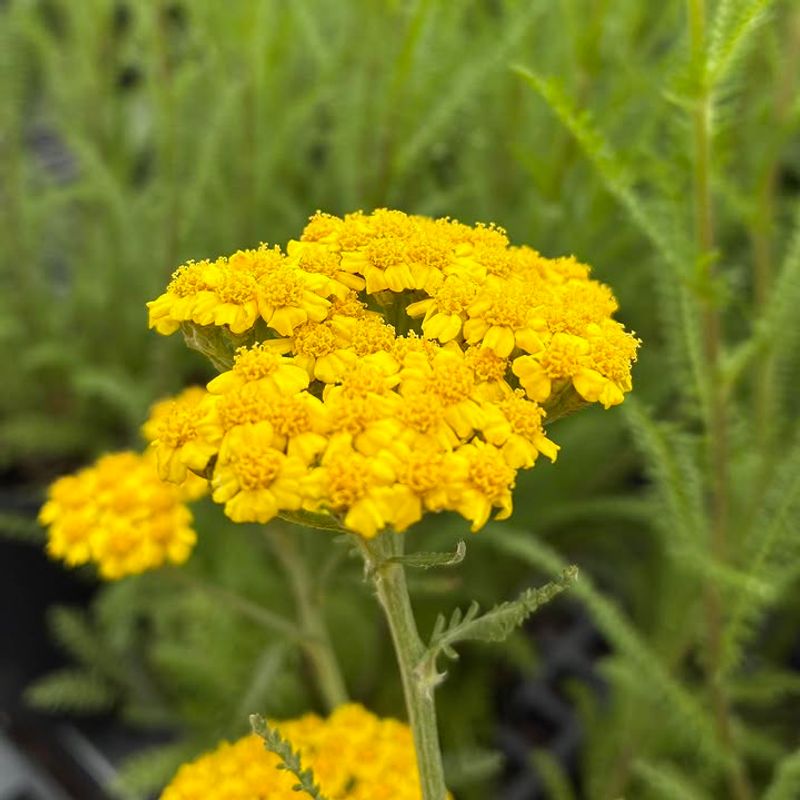
There is something almost old-fashioned and comforting about Yarrow. It has been growing in fields and gardens across Pennsylvania for centuries, and it shows no signs of slowing down.
With its flat-topped flower clusters and feathery, fern-like foliage, it adds a soft and airy texture to any sunny garden bed.
Yarrow blooms in shades of yellow, white, pink, and red depending on the variety you choose. The flowers appear from late spring through midsummer and often rebloom if you cut them back after the first flush fades.
They also make excellent cut flowers and dry beautifully for indoor arrangements. What truly sets Yarrow apart is how well it handles poor, dry conditions. It actually prefers lean soil and full sun, and it will spread more aggressively in rich, moist beds.
In dry summers when other plants start looking tired, Yarrow keeps right on blooming without a complaint.
Yarrow has a fascinating history too. Ancient soldiers reportedly used it to help treat wounds on the battlefield, which is where the plant gets its genus name, Achillea, from the Greek hero Achilles.
Whether or not that story is fully true, it adds a bit of drama to an already impressive plant. Space plants about 18 inches apart and divide clumps every few years to keep them vigorous.
Pollinators absolutely flock to the flowers, making Yarrow one of the most wildlife-friendly choices for a dry Pennsylvania garden.
6. Agastache (Hyssop)
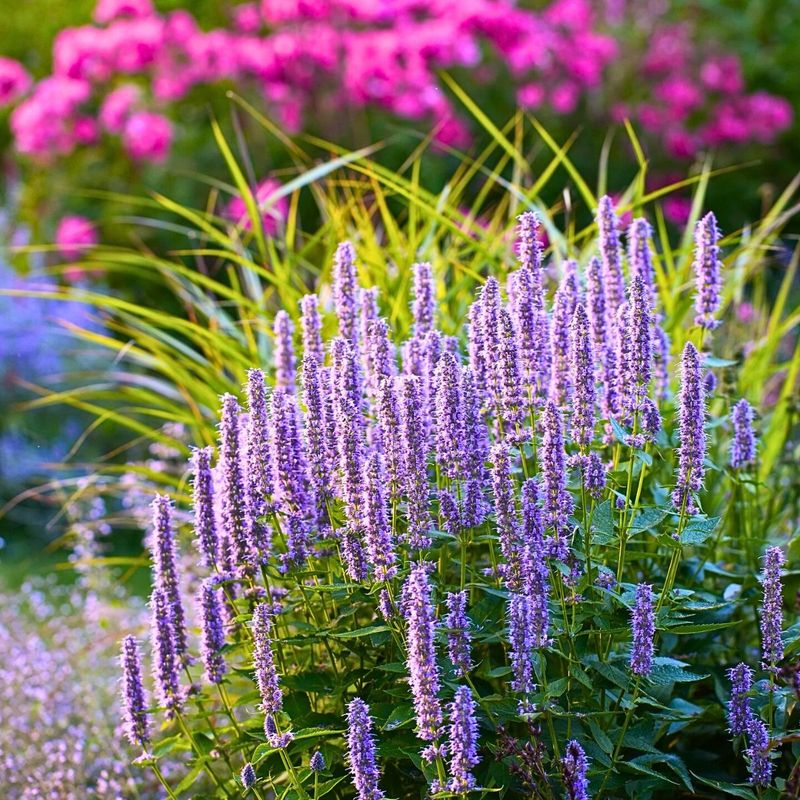
If your garden feels a little quiet and still on summer afternoons, Agastache is the plant that will change that.
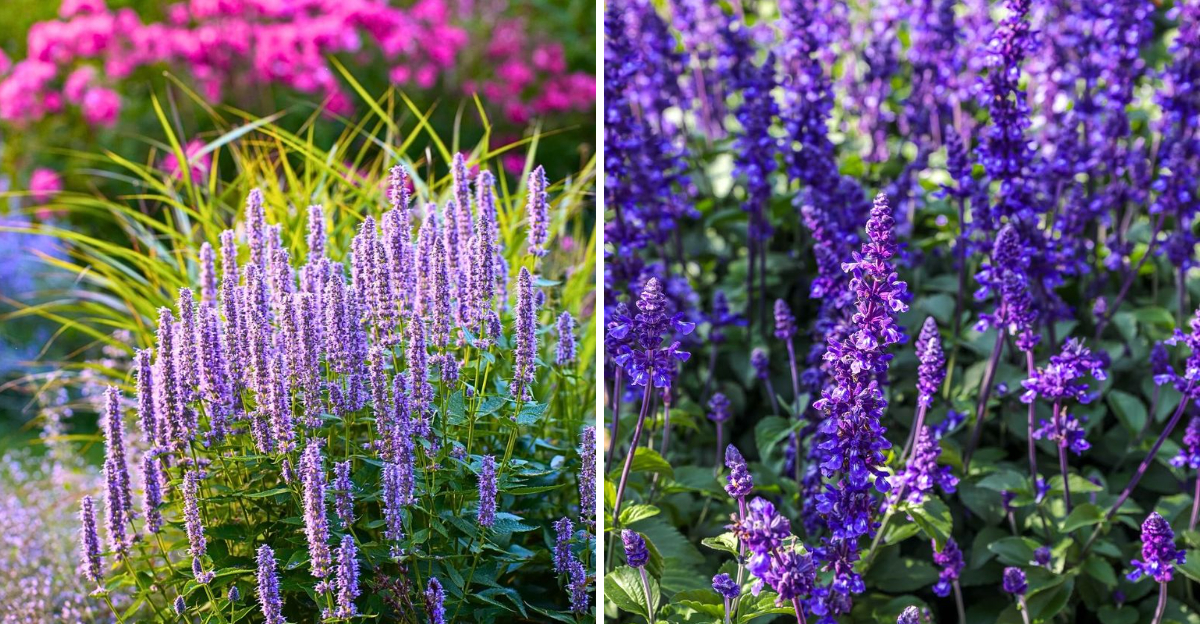
Also known as Hyssop, this fragrant perennial sends up tall spikes of tubular flowers in shades of orange, purple, pink, and coral that hummingbirds and butterflies simply cannot resist.
The whole plant smells wonderful too, with a licorice-like scent that drifts through the garden on warm days.
Agastache loves heat and handles drought with ease once established. It thrives in full sun and well-drained soil, making it a natural fit for Pennsylvania summers.
Humid, wet conditions are actually harder on this plant than dry ones, so avoid planting it in low spots where water tends to collect.
The blooms appear from midsummer through fall, giving you months of color right when many other plants start to wind down.
Deadhead spent spikes regularly to encourage continuous flowering and to keep the plant looking tidy. Even without deadheading, it blooms generously and self-seeds lightly.
Popular varieties like Agastache rupestris and the Kudos series are especially well suited for Pennsylvania gardens. They are compact, long-blooming, and absolutely stunning in mass plantings.
Pair Agastache with Salvia or Black-Eyed Susan for a bold, pollinator-friendly combination that looks professionally designed.
Agastache is also deer resistant, which is a huge bonus in many parts of Pennsylvania where deer pressure can be intense. It is a plant that truly delivers on every level.
7. Salvia
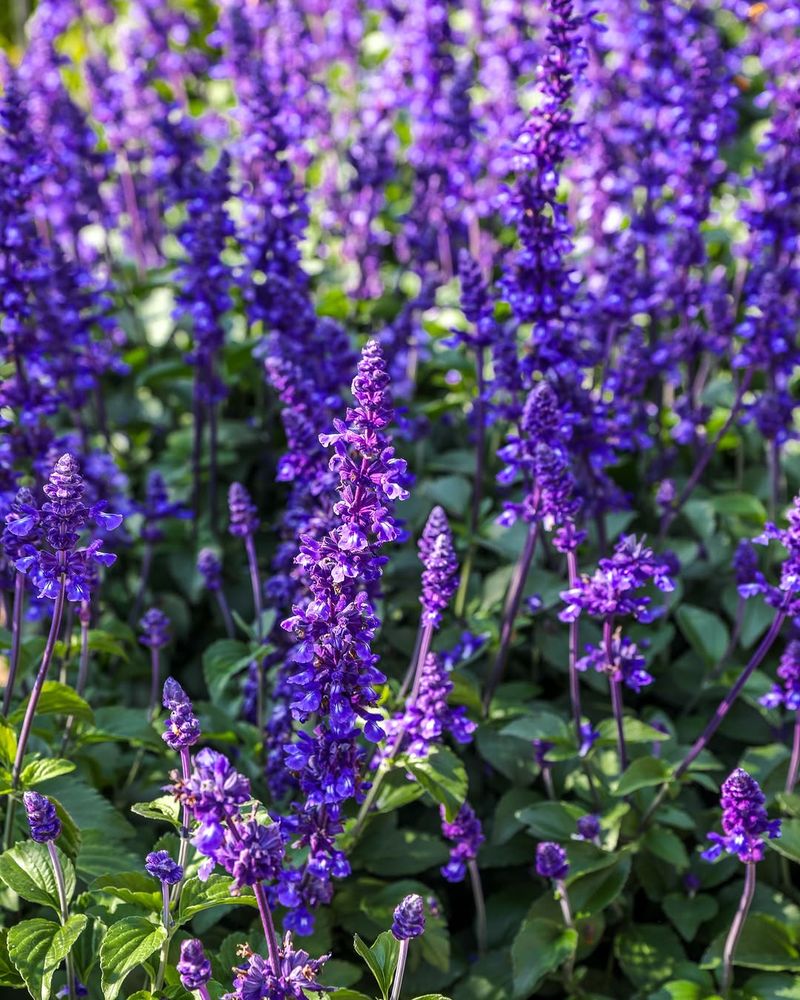
Salvia nemorosa might just be the most reliable bloomer in the entire perennial world. Gardeners across Pennsylvania love it for its upright spikes of rich purple, blue, or pink flowers that seem to appear endlessly from late spring well into summer.
Cut it back after the first flush and it will reward you with a second and sometimes even a third round of blooms.
Heat and dry soil do not slow this plant down at all. It thrives in full sun and actually performs better in lean conditions than in rich, moist soil.
Overwatering is one of the few ways to make Salvia unhappy, so keep the watering minimal once it settles in.
Popular varieties like May Night, Caradonna, and East Friesland are all excellent choices for Pennsylvania gardens. They are compact, long-blooming, and deeply attractive to bees and butterflies.
The vertical flower spikes add great structure to garden beds and pair beautifully with mounding plants like Coreopsis or Sedum.
Salvia is also remarkably deer resistant, which matters a lot in suburban and rural Pennsylvania where deer can be a real challenge. The slightly aromatic foliage seems to put them off, so your blooms stay safe all season.
Trim plants back by about half after each bloom cycle to keep them tidy and encourage fresh new growth.
Within a few weeks, a fresh set of flower spikes will emerge and the show starts all over again. Salvia is truly the gift that keeps on giving all summer long.
8. Sedum (Stonecrop)
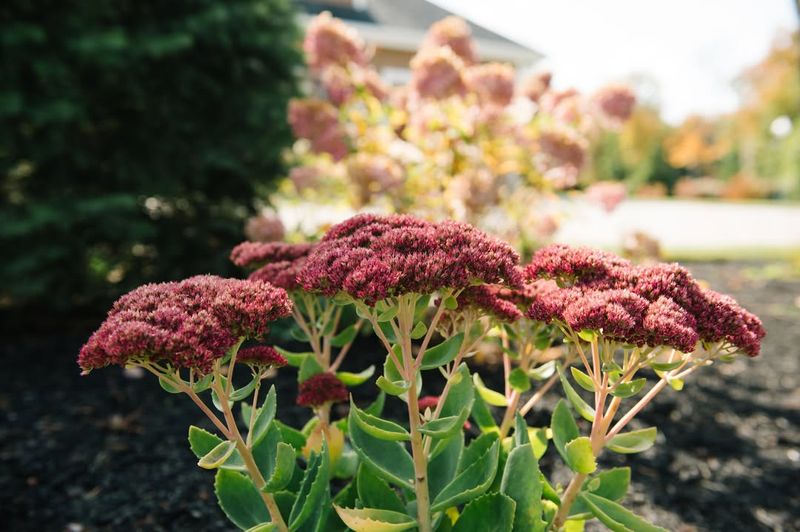
Sedum, commonly called Stonecrop, is basically the superhero of the dry garden. Its thick, succulent leaves store water like a tiny reservoir, which allows it to sail through even the driest Pennsylvania summers without missing a beat.
And just when other perennials start looking worn out in late summer, Sedum bursts into bloom with clusters of star-shaped flowers in shades of pink, red, and white.
Tall Sedum varieties like Autumn Joy and Autumn Fire are especially popular in Pennsylvania gardens. They grow into sturdy, upright clumps that look attractive even before they bloom.
The flower heads start out as pale green buds in late summer, then shift to dusty rose and finally deepen to a rich coppery red by fall.
Low-growing Sedum varieties, sometimes called creeping Stonecrop, are fantastic for rock gardens, slopes, and any area where the soil is thin and dry. They spread slowly to form a dense mat of colorful foliage and tiny flowers that pollinators love.
Plant Sedum in full sun and make sure the soil drains well. It absolutely does not tolerate soggy roots.
Sandy or gravelly soil is actually ideal, and adding compost or heavy mulch is not necessary and can sometimes cause problems.
One of the best reasons to grow Sedum is its four-season interest. The flower heads hold their structure through winter, providing texture and food for birds long after the growing season ends. It is a plant that earns its spot in the garden every single month of the year.