7 Peony Care Jobs Georgia Gardeners Should Not Skip In Spring
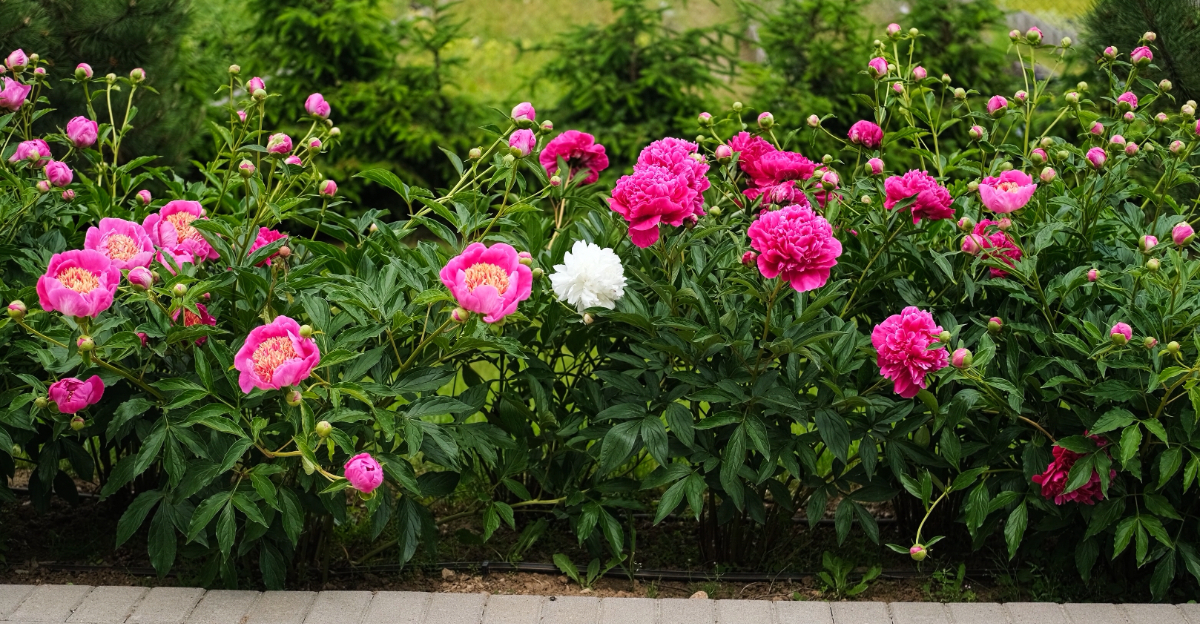
Peonies can look incredible in Georgia gardens during spring, but strong blooms later in the season usually depend on what happens much earlier while plants are still actively developing.
Healthy leaves, sturdy stems, and fuller flowers often come down to a few important care steps that are easy to overlook once spring gardens start getting busy.
Georgia weather can create extra pressure on peonies once heat and moisture start building together. Plants respond quickly when conditions are off, especially once buds begin forming and growth speeds up.
Spring care plays a much bigger role with peonies than many gardeners realize at first, particularly when the goal is healthier plants and better flowering once the season reaches its peak.
1. Spring Mulch Helps Peony Roots Stay Cooler Longer
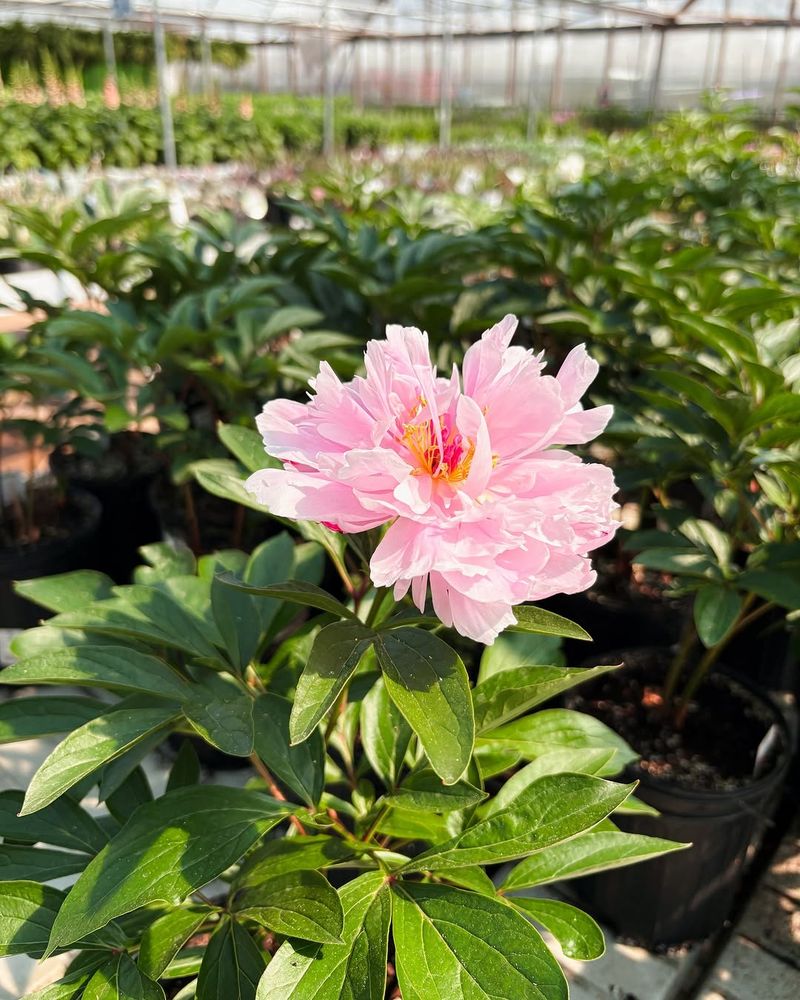
Georgia soil heats up fast once spring gets rolling, and peony roots are not fans of that kind of warmth. A good layer of mulch around the base of your plants can slow down soil temperature spikes and help roots stay comfortable well into the blooming season.
Without it, shallow roots near the surface can dry out quickly between waterings, especially during warm April and May days.
Pine straw works particularly well in Georgia gardens because it is widely available, breaks down slowly, and does not mat together the way some wood mulches can.
Aim for about two inches of coverage, keeping the mulch a couple of inches away from the actual crown of the plant.
Piling mulch directly on the crown can trap moisture and lead to rot, which is the last thing you want after waiting all winter for blooms.
Mulching also cuts down on how often you need to water, which is a practical bonus during busy spring weeks. Beyond moisture retention, it suppresses weeds that would otherwise compete with your peonies for nutrients and space.
Organic mulch breaks down over time, gently improving soil structure as it does.
2. Crowded Stems Increase Moisture Around Peony Leaves
Too many stems packed together might look lush at first glance, but inside that cluster, trouble brews quietly. When stems crowd each other, air has nowhere to move, and moisture just sits there on leaves and between stalks.
In Georgia’s naturally humid spring climate, that combination is a reliable recipe for fungal problems that spread faster than most gardeners expect.
Thinning out weaker stems early in the season gives the remaining ones room to breathe and grow stronger.
Most peony experts suggest leaving no more than five to seven strong stems per mature plant, though this can vary depending on the variety and the age of the plant.
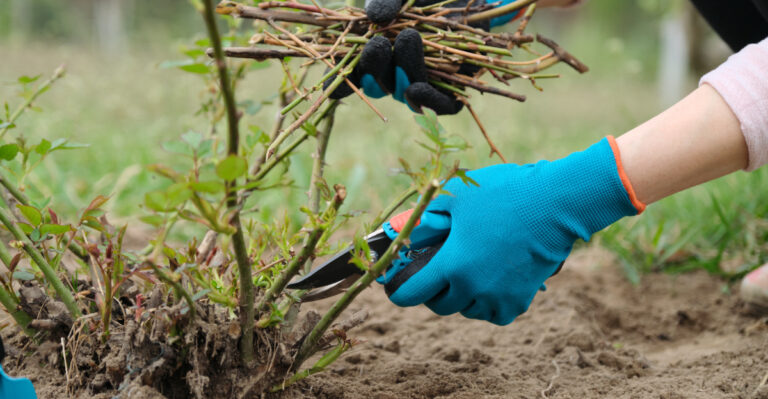
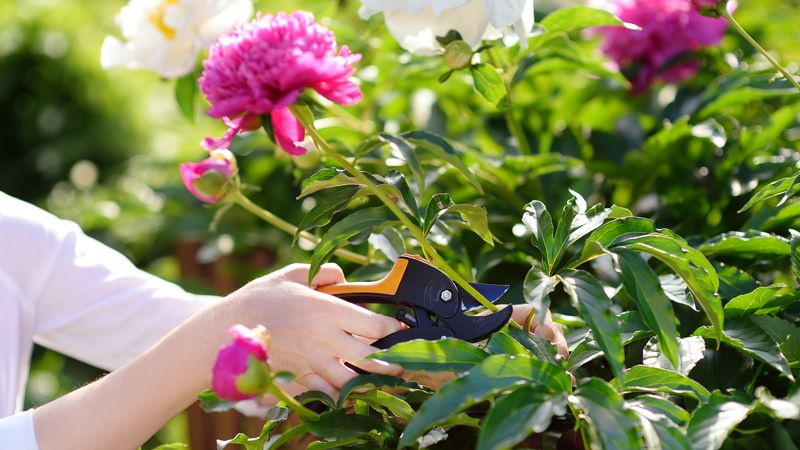
Cutting weaker shoots at ground level with clean, sharp pruners is the cleanest approach and causes the least disruption to the plant overall.
Removing crowded stems also redirects the plant’s energy toward producing larger, more impressive flowers on the stems that remain.
Gardeners in Georgia who have tried this technique often notice a visible difference in both bloom size and overall plant health by mid-spring.
Your Georgia Garden Changes Every Week. Your Plan Should Too.
Gardening in Georgia changes quickly throughout the season. Every Friday you’ll receive a simple weekly plan showing exactly what to plant, prune, fertilize, harvest, and protect so you never miss the right timing.
Thinning is best done when shoots are still short, usually just a few inches tall, because it is easier to identify which ones look weak or oddly positioned at that stage.
3. Morning Sun Helps Peonies Produce Better Flowers
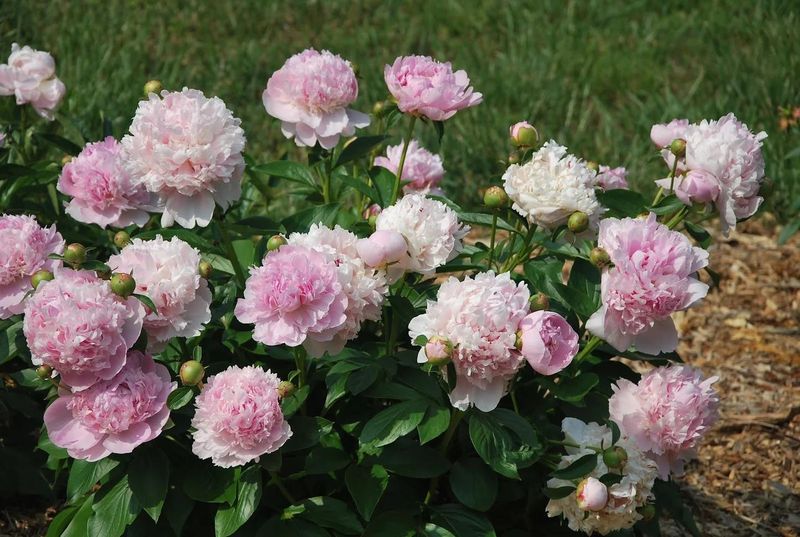
Sunlight timing matters more than most gardeners realize when it comes to peony performance.
Peonies that catch strong morning sun and get some afternoon shade in Georgia actually tend to bloom more reliably than those planted in spots with harsh all-day exposure.
Morning sun warms the plant gradually, supports photosynthesis during the coolest part of the day, and helps dry off any overnight moisture on leaves before heat sets in.
Afternoon shade becomes especially valuable in Georgia, where summer heat arrives early and aggressively. Too much afternoon sun can stress plants, cause blooms to fade faster, and push the soil to dry out between waterings at an uncomfortable rate.
Checking how sunlight moves across your garden in early spring helps you identify the best placement for peonies, whether you are relocating an established clump or choosing a spot for a new planting.
Existing plants that are struggling to bloom well might simply be in the wrong light conditions.
If a peony sits under heavy tree cover or in a north-facing bed that barely gets direct light, moving it to a sunnier morning exposure can genuinely transform its performance.
Transplanting is best done in fall in Georgia, but observing light patterns in spring helps you plan ahead.
4. Heavy Rain Can Cause Large Blooms To Fall Over
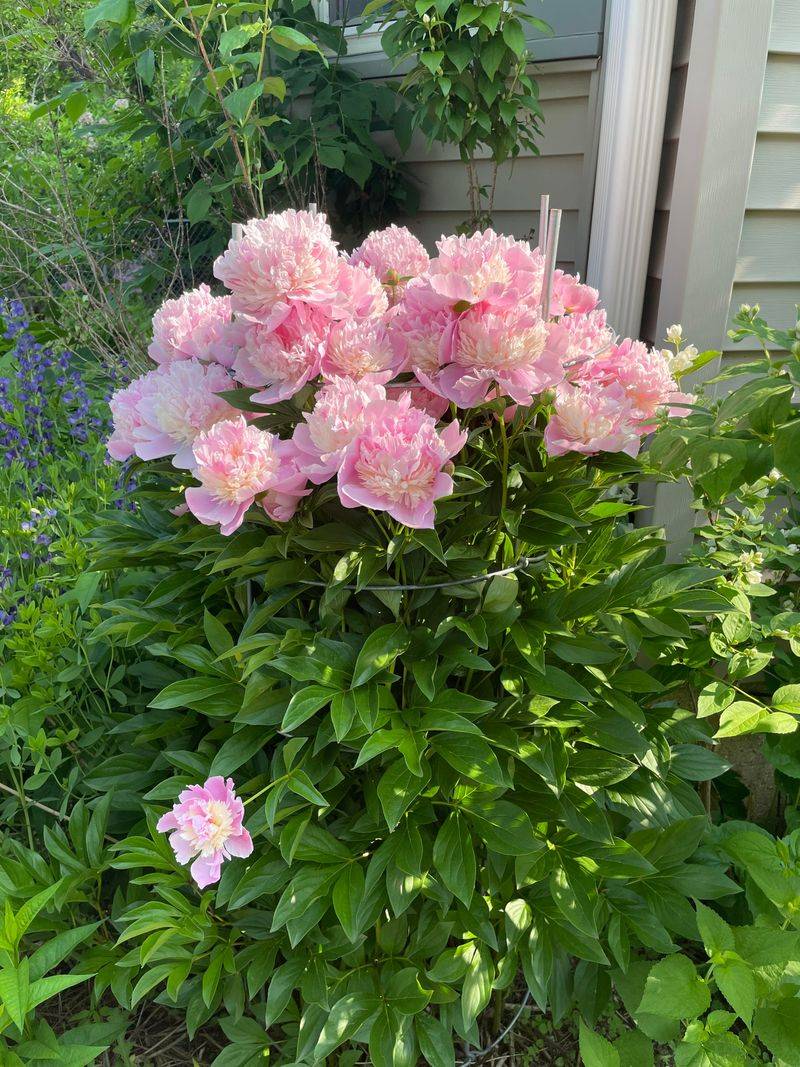
Anyone who has watched a peony bloom go from stunning to face-down in the mud after a Georgia spring storm knows exactly how frustrating that moment feels.
Peony flowers are heavy by nature, and once they fully open, the stems often cannot support that weight on their own, especially after rain soaks the petals and adds even more load.
Supporting your plants before blooms open is the move that saves the season.
Wire peony rings or grow-through supports are among the most effective options available. These are placed over the plant early in spring, while stems are still short, so the plant grows up through the support naturally.
By the time blooms develop, the structure is already in place and doing its job without any visible fuss. Bamboo stakes with soft garden twine work well too, especially for individual stems that lean noticeably.
Georgia gardeners deal with unpredictable spring weather, including sudden heavy downpours that can flatten unsupported plants in minutes. Setting up supports in late March or very early April gives you enough lead time before the first buds appear.
Waiting until blooms are already forming makes installation awkward and risks damaging the stems you are trying to protect.
5. Good Airflow Helps Reduce Common Fungal Problems
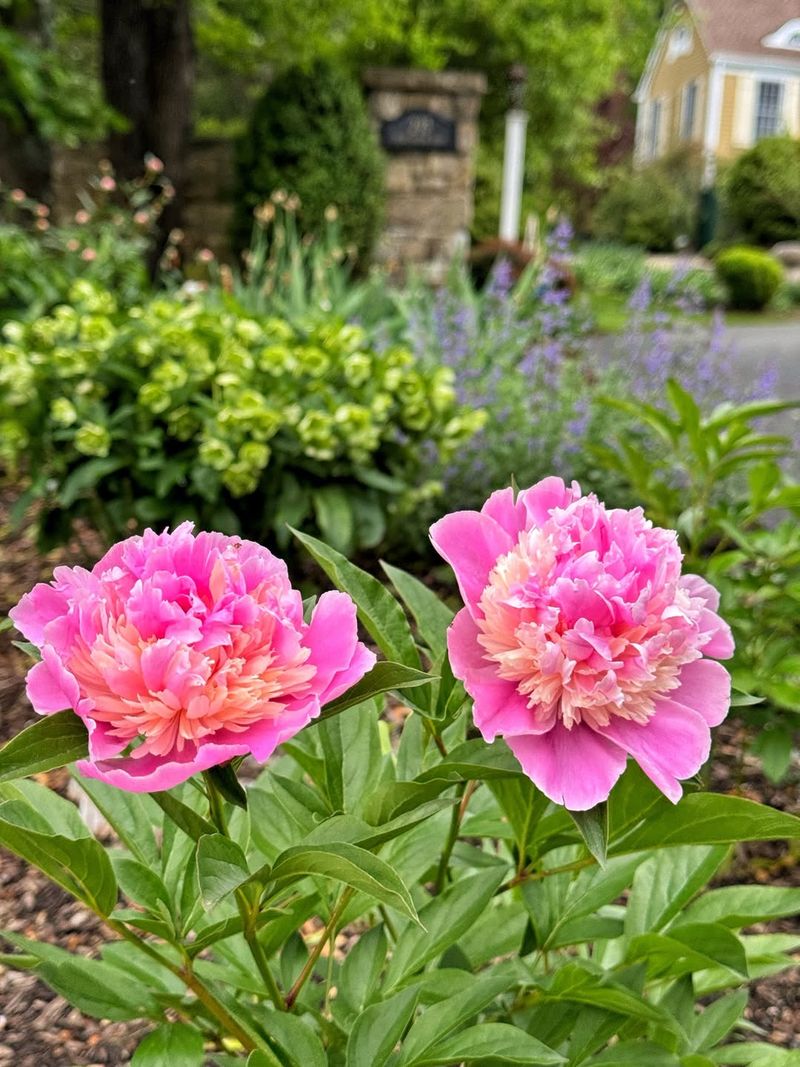
Botrytis blight is one of the most common problems peony growers face in Georgia, and poor airflow is one of the biggest reasons it takes hold. Botrytis shows up as grayish-brown spots on leaves and buds, and it spreads quickly in warm, humid conditions.
Georgia springs offer plenty of that humidity, so giving plants room to breathe is genuinely one of the most practical things you can do.
Spacing matters at planting time, but it also matters year to year as plants mature and expand. Established clumps that have grown large enough to touch neighboring plants or shrubs may need surrounding vegetation trimmed back in spring to restore proper spacing.
Good airflow around and through the plant helps leaves dry faster after rain or morning dew, which cuts down on the conditions that fungal spores need to germinate and spread.
Removing any fallen leaves or old plant debris from around the base of peonies each spring also helps, since fungal spores can overwinter in decomposing material and reinfect plants when warm weather returns.
Cleaning up the bed before new growth gets too tall makes the job easier and more thorough.
Gardeners in Georgia who grow peonies in densely planted beds or near fences and walls often struggle more with fungal issues simply because airflow is restricted in those spots.
6. Spent Flowers Prevent Plants From Wasting Energy
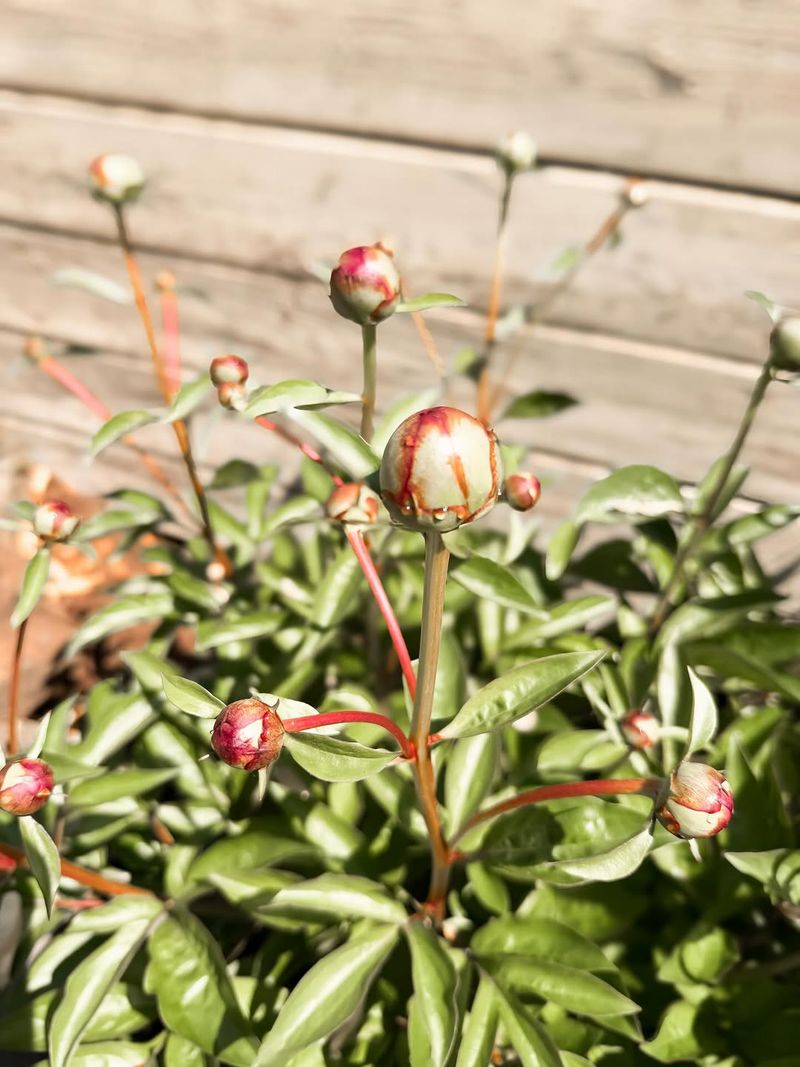
Once a peony bloom fades, it has done its job, but leaving it on the plant is where things go sideways. Spent flowers left in place signal the plant to start producing seeds, and that seed development pulls energy away from roots and the overall structure of the plant.
In Georgia, where the growing season stays warm long after peony blooms finish, that redirected energy can noticeably affect how well the plant performs the following year.
Deadheading, which simply means removing spent flowers, is a quick task that takes only minutes per plant. Cut the stem back to the first set of healthy leaves below the spent bloom using clean, sharp pruners.
Avoid cutting all the way to the ground, because the remaining foliage continues photosynthesizing and feeding the roots through summer, storing energy for next spring’s growth.
Regular deadheading also keeps the garden looking cleaner and prevents the wet, decomposing petals from sitting on leaves below and encouraging fungal growth.
After a heavy bloom period, Georgia gardens can accumulate a lot of spent peony flowers quickly, especially if you have multiple plants.
Making a habit of checking every few days during and after peak bloom makes the task feel manageable rather than overwhelming.
7. Deep Watering Supports Stronger Spring Growth
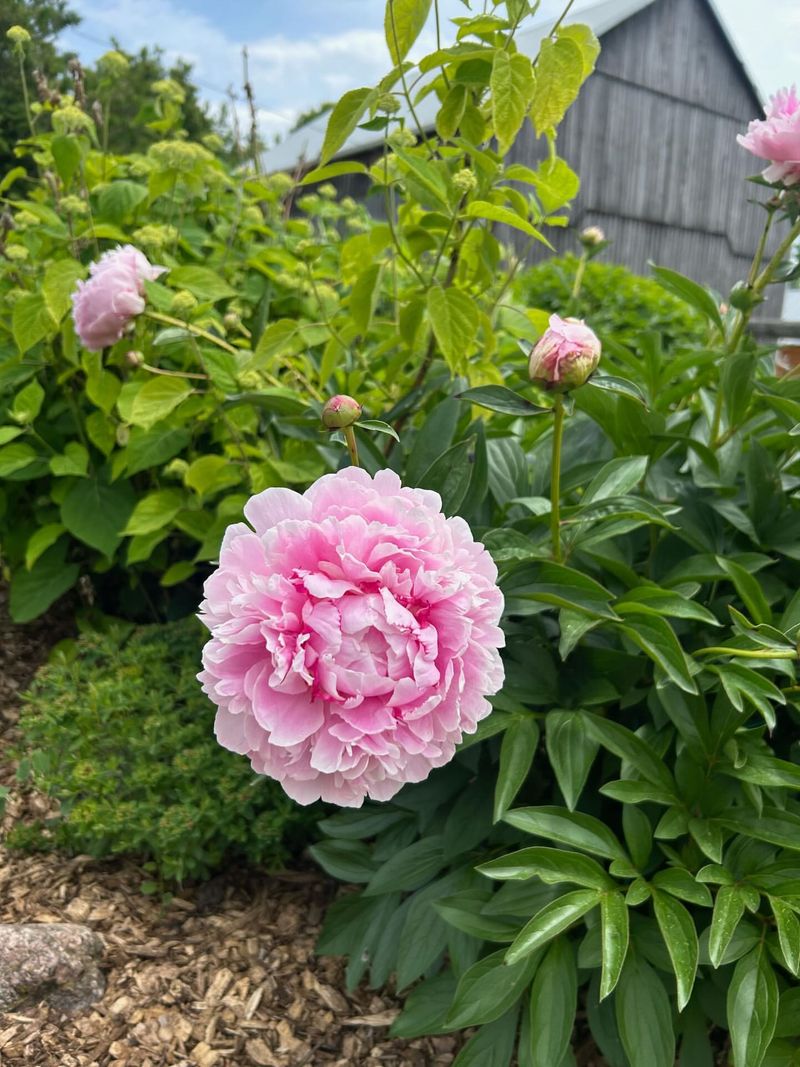
Shallow, frequent watering is one of the most common mistakes peony growers make, and it shows up in the plant’s performance over time.
When water only penetrates the top inch or two of soil, roots stay near the surface instead of reaching deeper where moisture is more stable.
Deep, infrequent watering encourages roots to grow downward, which makes plants more resilient during Georgia’s unpredictable spring dry spells between rain events.
Peonies generally do well with about one inch of water per week during active spring growth, either from rainfall or supplemental irrigation.
Soaker hoses or drip irrigation deliver water directly to the root zone without wetting foliage, which is a practical advantage in a humid climate like Georgia’s.
Overhead sprinklers can work, but watering early in the morning gives leaves time to dry before temperatures drop at night, reducing fungal risk.
Checking soil moisture before watering prevents overwatering, which is just as problematic as drought stress for peonies. Push a finger two to three inches into the soil near the base of the plant.
If it feels dry at that depth, watering is appropriate. If it still feels moist, waiting another day or two makes more sense.