9 Perennial Vegetables That Keep Growing Year After Year In Florida
Florida gardens can feel like a gamble, but a small group of vegetables flips the odds in your favor. Plant them once and they return each season with fresh harvests, less work, and steady flavor.
In a climate known for heat, pests, and sudden storms, these resilient crops stand their ground and keep yields strong. Smart gardeners rely on them to cut costs, reduce repeat plant cycles, and build a yard that rewards patience.
Each pick offers reliable growth, strong roots, and harvests that return without constant effort. This list highlights nine perennial vegetables suited for Florida soil, sun, and long seasons.
Expect bold flavors, surprising toughness, and a garden that feels easier to manage with each new year. Start once, harvest often, and watch your beds turn into a reliable food source that keeps supply steady.
Choose wisely now and set up seasons of real abundance with less work.
1. Okinawa Spinach Thrives Year-Round In Florida
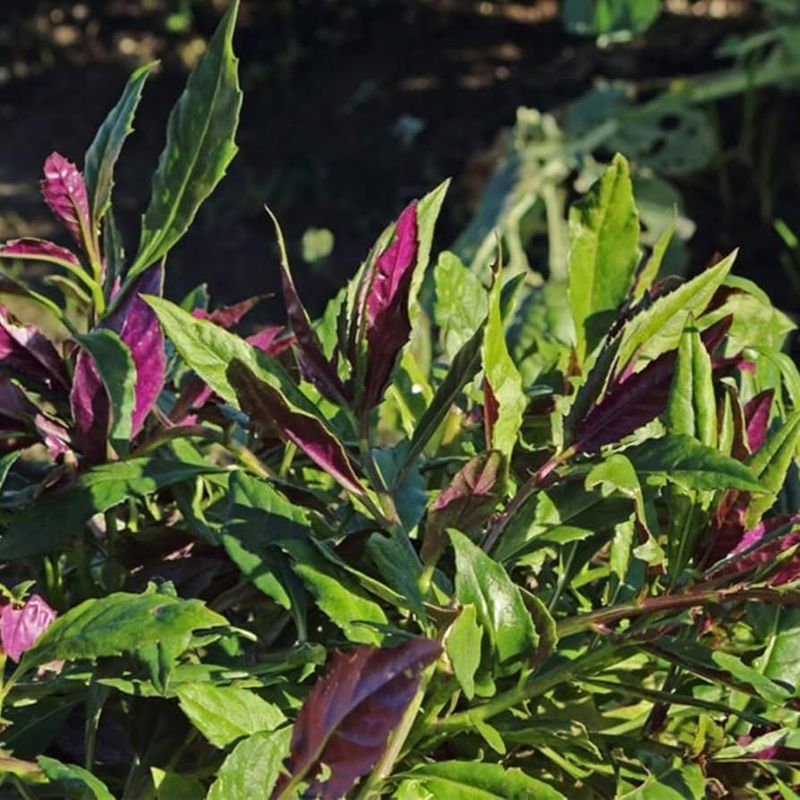
One look at Okinawa Spinach and you already know it is something special. Those striking green and purple leaves are not just pretty to look at, they are packed with antioxidants, vitamins, and nutrients that make this plant a true garden superstar.
Originally from the Ryukyu Islands of Japan, this tropical green has found a perfect second home in Florida’s warm, humid climate.
Growing Okinawa Spinach in Florida is surprisingly simple. It thrives in partial shade, which makes it a great option for garden spots that do not get full sun all day.
Consistent watering helps it stay lush and productive, but it is forgiving enough to handle a few dry days without struggling. Plant it in well-draining soil and give it some room to spread, because it grows into a full, bushy plant over time.
Regular harvesting is actually one of the best things you can do to keep this plant productive. Snipping the tips encourages thicker, bushier growth and gives you a steady supply of tender leaves.
Toss them into salads, stir-fries, or smoothies for a nutritional boost. Once established, this plant requires very little attention, making it an excellent low-effort addition to any Florida garden.
2. Moringa Delivers Superfoods All Year
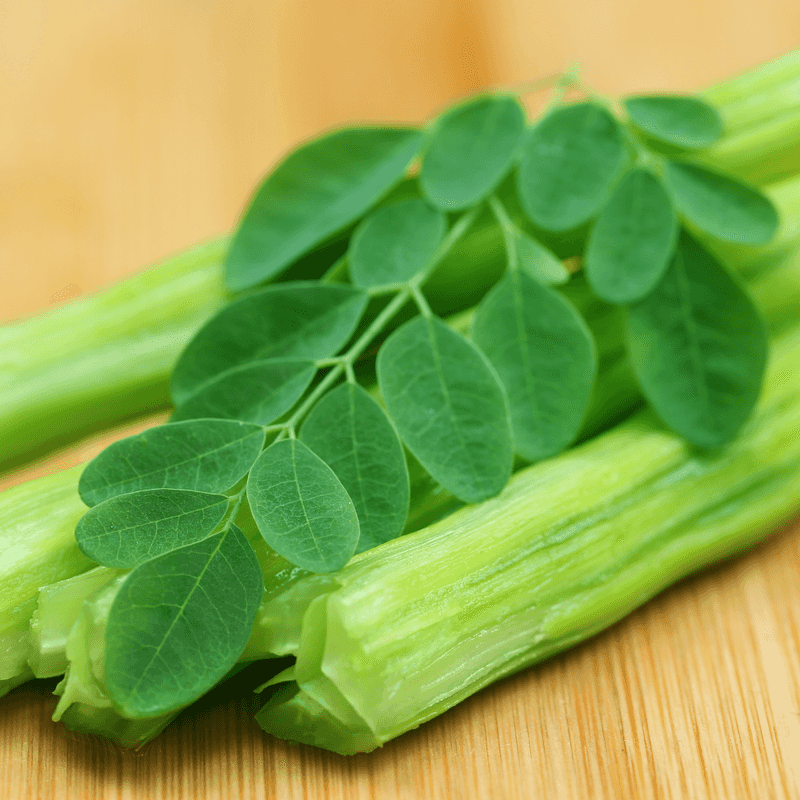
Few plants in the world can match Moringa when it comes to nutritional punch. Often called the drumstick tree, this fast-growing wonder produces edible leaves, flowers, and long seed pods that are loaded with protein, calcium, iron, and vitamins A and C.
People across tropical regions have relied on Moringa as a dietary staple for centuries, and Florida gardeners are now catching on to just how valuable this plant can be.
Moringa loves Florida’s heat and sunshine. It grows quickly in full sun and handles drought conditions far better than most vegetables, which is a huge advantage during Florida’s dry spells.
Plant it in sandy or loamy, well-draining soil and watch it shoot up fast. In South and Central Florida, it behaves as a true perennial, growing back vigorously year after year.
In North Florida, coppicing the plant, which means cutting it back to encourage fresh growth, helps it bounce back after cooler winters.
Harvesting is easy and rewarding. Snip young leaves and add them to soups, teas, or smoothies.
The seed pods can be cooked like green beans. Because the plant grows so quickly, you will rarely run short of fresh material to harvest throughout the year.
3. Chaya Provides Fresh Leaves Every Year
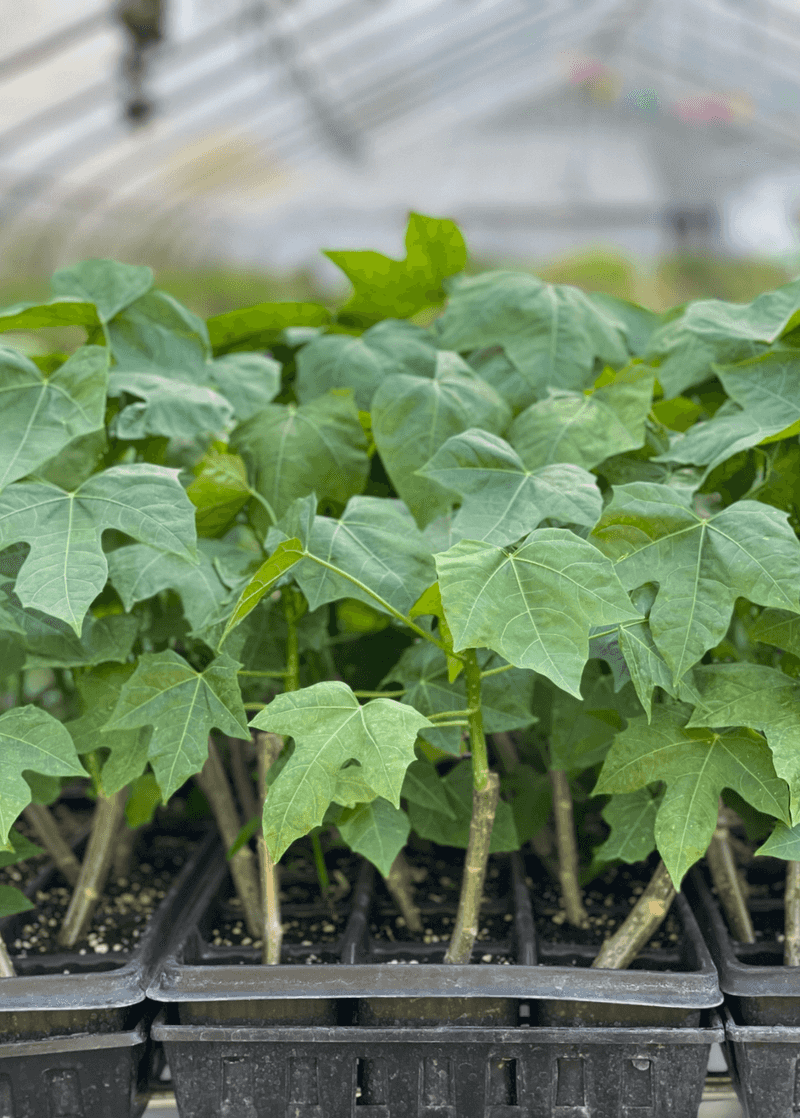
Nicknamed tree spinach, Chaya is one of the most productive leafy greens you can grow in a Florida garden. This sturdy shrub can reach six to eight feet tall, producing an almost overwhelming abundance of nutrient-rich leaves throughout the year.
Native to the Yucatan Peninsula of Mexico, Chaya has long been valued by Mayan communities for its impressive nutritional profile, which includes high levels of protein, iron, calcium, and vitamins.
What makes Chaya especially appealing for Florida gardeners is how little effort it demands once established. It thrives in full sun to partial shade and handles Florida’s occasional dry stretches with ease, thanks to its excellent drought tolerance.
Propagating new plants is straightforward since stem cuttings root reliably and grow quickly in warm conditions. Plant cuttings in well-draining soil, water them regularly at first, and they will take off with minimal fuss.
One important thing to remember is that Chaya leaves must always be cooked before eating. Raw leaves contain compounds that can cause discomfort if consumed unprocessed.
A quick boil or saute removes those compounds and leaves you with a tender, spinach-like green that works wonderfully in soups, stews, and sauteed side dishes. For anyone wanting a truly sustainable and productive perennial, Chaya is a fantastic choice.
4. Longevity Spinach Grows With Little Care
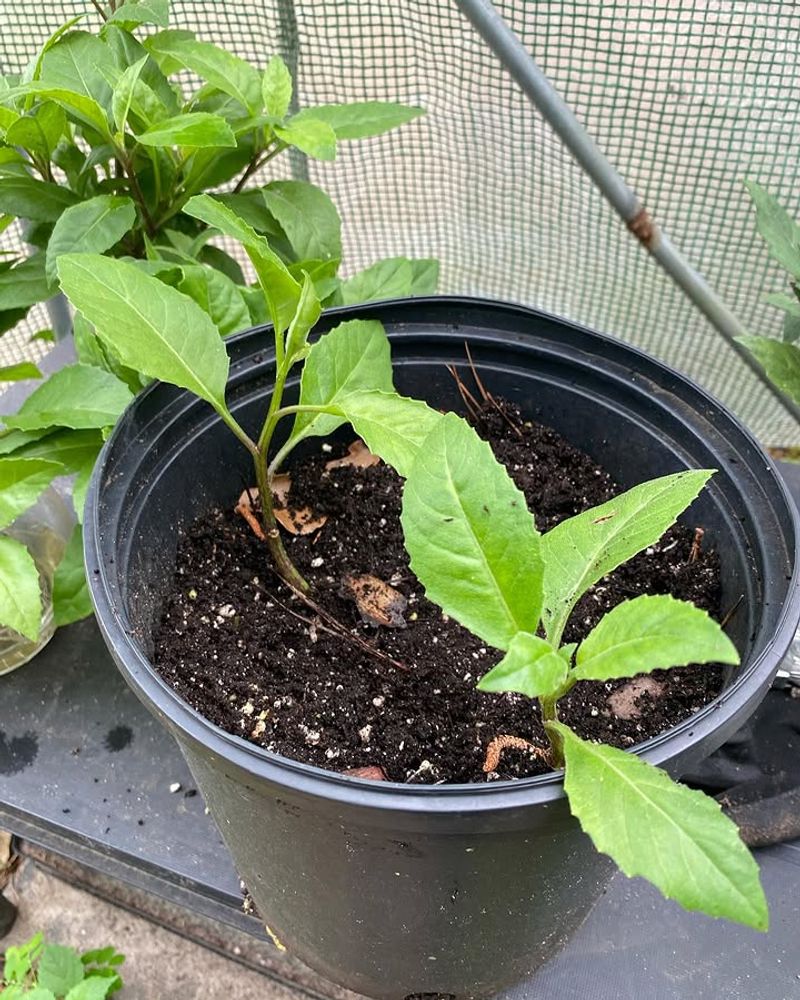
There is a reason this plant earned the name Longevity Spinach. Celebrated across Southeast Asia for its health-promoting properties, this remarkable green has been used in traditional wellness practices for generations.
Modern research backs up much of that reputation, showing that the leaves contain valuable antioxidants and anti-inflammatory compounds that support overall health. Bringing this plant into a Florida garden is both a smart nutritional choice and a surprisingly easy gardening win.
Longevity Spinach is perfectly suited to Florida’s warm, humid climate. It grows happily in partial shade, which means it can fill in spots in your garden that other vegetables might struggle with.
The plant spreads along the ground as it grows, making it a useful ground cover that also doubles as an edible crop. It roots easily wherever stems touch the soil, so expanding your planting is as simple as letting the plant do its thing.
Watering needs are modest once the plant is established, and it rarely requires fertilizing beyond a light application of compost. Harvest leaves regularly to keep the plant tidy and productive.
Add fresh leaves to salads, blend them into smoothies, or lightly saute them as a side dish. For gardeners who want big rewards with minimal effort, Longevity Spinach is a perfect fit for Florida gardens.
5. Perennial Leeks Add Zesty Flavor Every Year
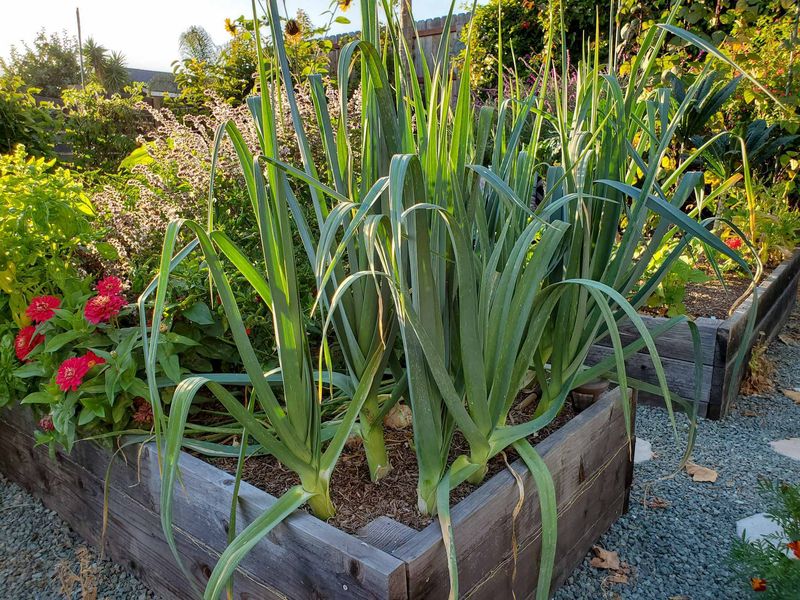
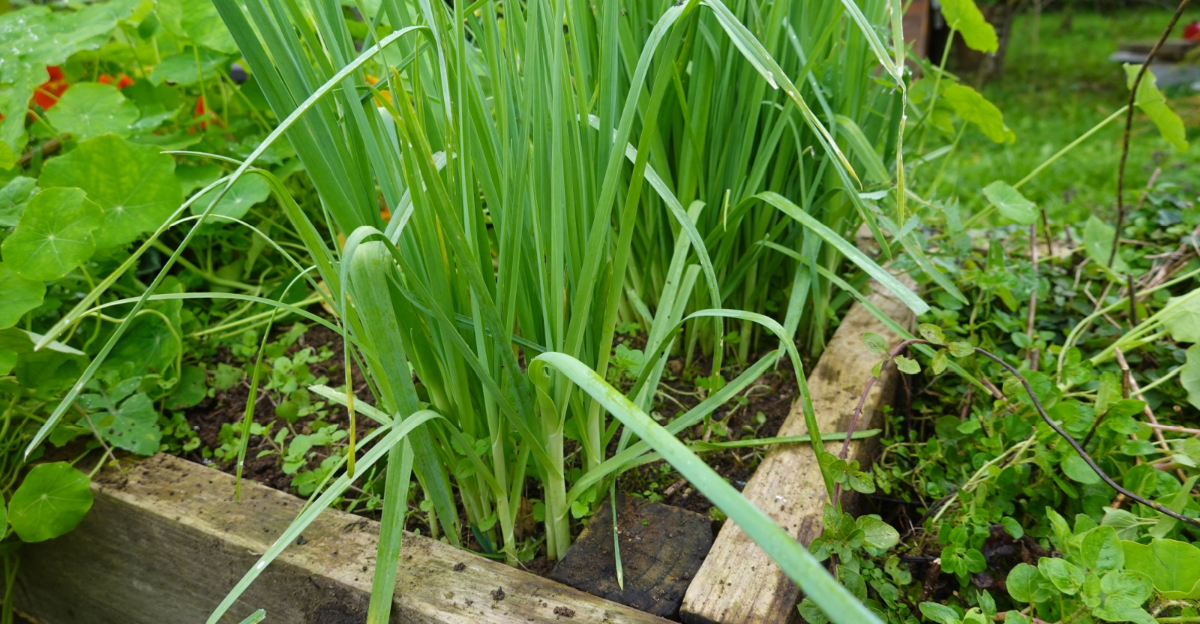
Most people think of leeks as something you grow once and pull out at harvest, but perennial leek varieties tell a completely different story. These hardy alliums keep coming back season after season, building stronger clumps over time and delivering that mild, onion-like flavor that home cooks love.
For Florida gardeners looking for a reliable, low-fuss crop that also tastes fantastic, perennial leeks deserve a prominent spot in the vegetable bed.
Perennial leeks adapt well to Florida’s soil when planted in a spot with good drainage and at least six hours of sunlight per day. They appreciate consistent moisture but do not like sitting in waterlogged soil.
Adding compost to the planting area before getting started gives them a nutrient boost that supports strong, steady growth throughout the year. Dividing established clumps every couple of years keeps them vigorous and productive.
In the kitchen, perennial leeks shine in soups, stews, pasta dishes, and stir-fries. Their flavor is slightly milder than regular onions, which makes them versatile and crowd-pleasing.
Harvest individual stalks as needed, leaving the rest of the clump to keep growing. This cut-and-come-again approach means you always have fresh leeks on hand without replanting, which is exactly what makes them such a valuable perennial for Florida gardens.
6. Asparagus Keeps Giving Fresh Spears
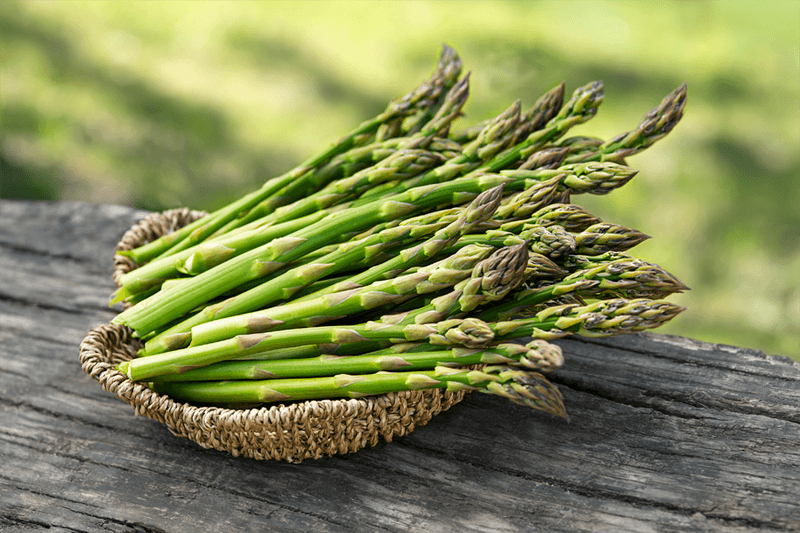
Patience is the one ingredient every asparagus grower needs, but the wait is absolutely worth it. Asparagus plants take a couple of years to become fully productive, but once they hit their stride, they reward gardeners with fresh spears for twenty years or more.
That kind of long-term payoff is rare in the vegetable world, and it makes asparagus one of the most valuable perennial investments a Florida gardener can make.
Florida’s warm climate actually works in asparagus’s favor in some surprising ways. Varieties like the Mary Washington and especially the newer heat-tolerant cultivars developed for southern climates handle Florida’s temperatures well.
Plant crowns in raised beds or mounded rows to ensure excellent drainage, since asparagus roots do not appreciate standing water. Sandy, well-draining soil with plenty of added compost gives the plants the foundation they need to thrive.
The harvest window in Florida typically falls during the cooler months, from late fall through early spring. During this time, cut spears when they reach six to eight inches tall and enjoy them steamed, roasted, or grilled.
After the harvest season, let the feathery foliage grow freely to feed the root system for the following year. With proper care, your asparagus bed will keep producing fresh spears year after year.
7. Artichokes Provide Multiple Harvests Year After Year
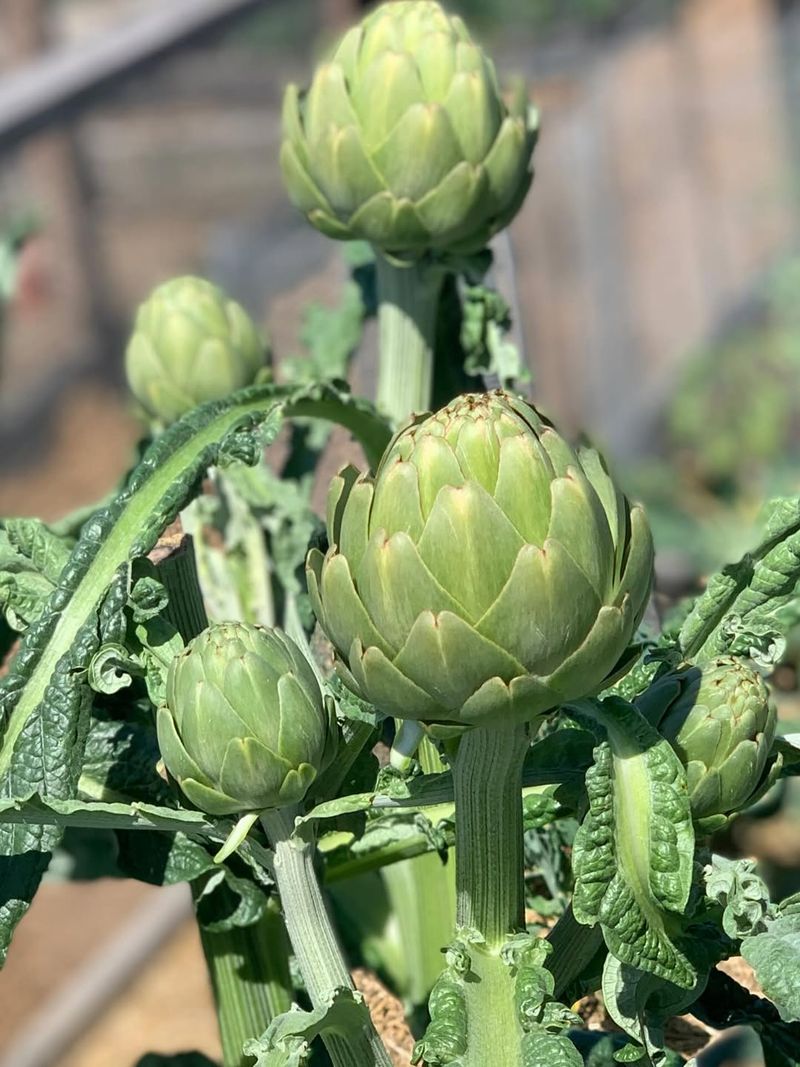
Artichokes bring something truly special to a Florida garden, combining bold visual drama with genuinely delicious harvests. Those large, architectural plants with their spiky, silver-green leaves look stunning in the garden even when they are not producing.
When they do produce, the tightly packed flower buds that most people recognize as artichokes are tender, flavorful, and worth every bit of effort it takes to grow them.
Growing artichokes in Florida requires choosing the right variety for the climate. The Imperial Star variety performs particularly well in warmer climates and can be grown as a perennial in Central and South Florida with proper care.
Plant them in full sun with rich, well-draining soil and water them consistently. Artichokes are heavy feeders, so regular applications of compost or a balanced fertilizer keep them producing at their best throughout the season.
In Florida, artichokes tend to produce most heavily during the cooler months, making fall and winter planting a smart strategy. Harvest buds when they are firm and tightly closed for the best flavor and texture.
After harvesting, cut the plant back and it will send up new growth, often producing a second or even third flush of buds in the same growing season. For both culinary and ornamental value, few perennials match the artichoke.
8. Cassava Delivers Roots And Greens Year After Year
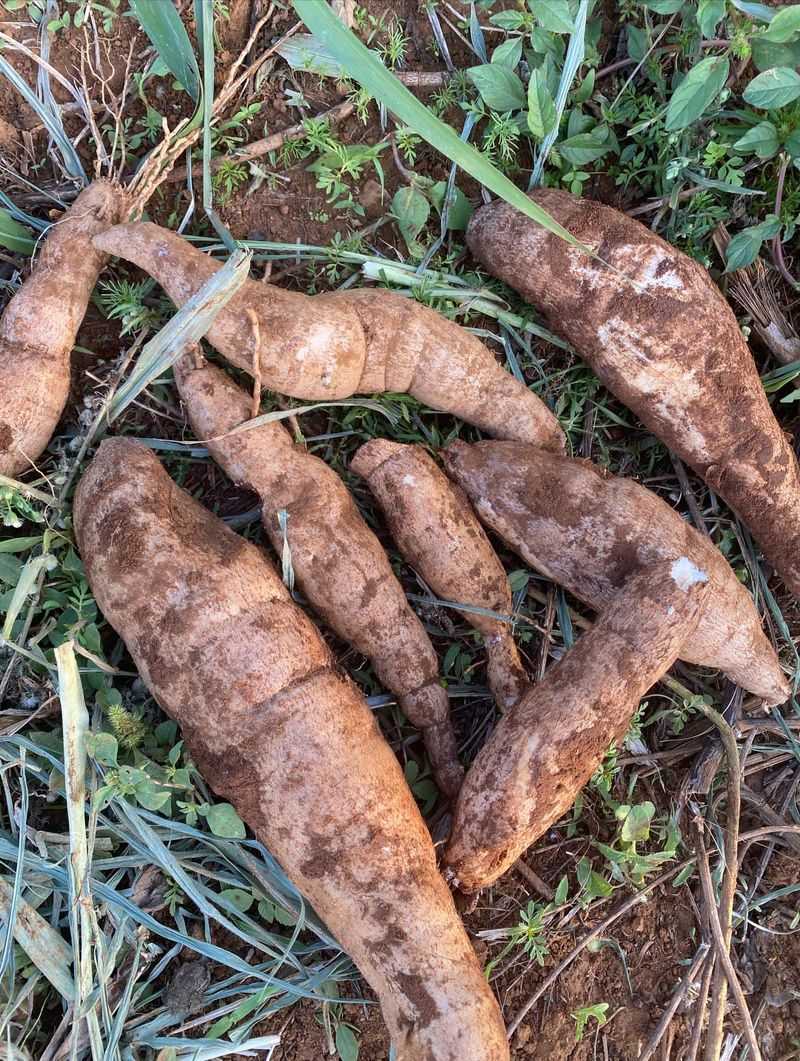
Cassava is one of those plants that genuinely earns its place in a Florida garden many times over. Known across tropical regions as a foundational food crop, this versatile plant produces two entirely different edible harvests from the same plant.
The thick, starchy roots that form underground are one of the most widely consumed carbohydrates in the world, while the young leaves offer a nutritious, spinach-like green when properly cooked.
Florida’s hot, humid climate is practically tailor-made for cassava. The plant thrives in the kind of warm conditions that challenge many other vegetables, and it handles sandy or nutrient-poor soils better than almost anything else in the garden.
Start plants from stem cuttings rather than seeds for the fastest results. Space them generously, as mature plants can get quite large, and make sure the planting area has decent drainage to prevent root issues.
Roots are typically ready to harvest eight to twelve months after planting. Always cook cassava roots thoroughly before eating, as raw roots contain naturally occurring compounds that must be neutralized by heat.
Young leaves also require cooking before consumption. Once you have an established planting, cassava will continue producing reliably with very little maintenance, making it one of the most self-sufficient crops a Florida gardener can grow.
9. Perennial Chives Keep Flavoring Your Dishes
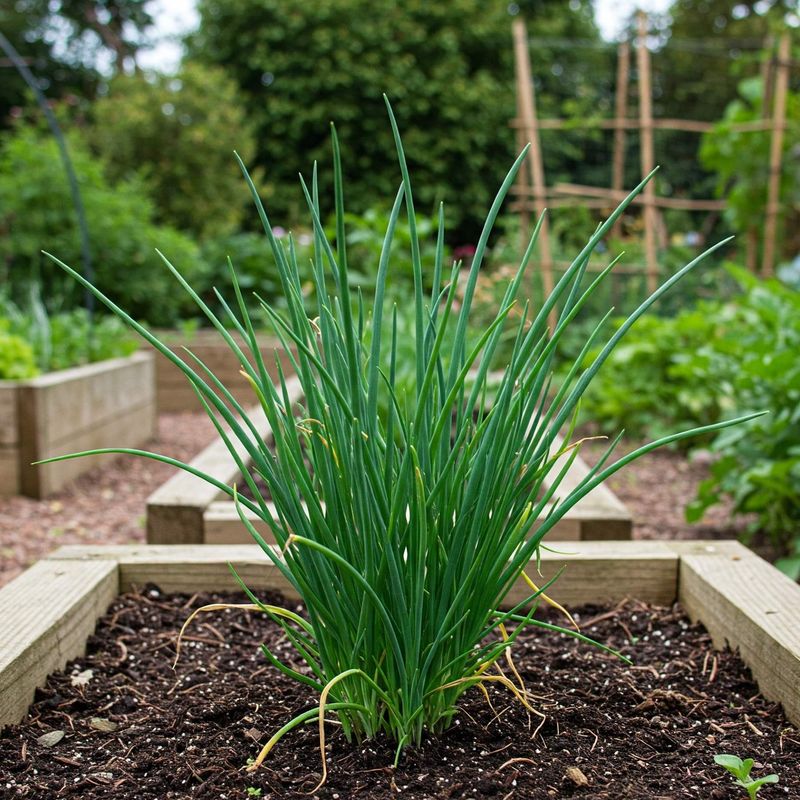
Few herbs bring as much consistent flavor and charm to a garden as chives. These slender, bright green stalks have been flavoring dishes in kitchens around the world for thousands of years, and their cheerful purple blooms make them just as attractive as they are useful.
For Florida gardeners, the good news is that chives behave as reliable perennials, returning season after season with very little prompting from the gardener.
Chives grow well in Florida’s climate when planted in a spot that receives at least six hours of sunlight per day. They prefer well-draining soil and appreciate regular but moderate watering.
Unlike many herbs that struggle in Florida’s summer heat, chives are surprisingly resilient and tend to bounce back quickly after periods of stress. Planting them in containers is also a great option for gardeners with limited space, and they do beautifully on patios and balconies.
Harvesting chives is as simple as snipping the stalks with scissors about an inch above the soil. This encourages fresh new growth and keeps the plant tidy and productive.
Use them fresh on eggs, potatoes, soups, and salads for a mild onion flavor that elevates almost any dish. The purple flowers are also edible and make a beautiful garnish.
With minimal care, chives will keep flavoring your kitchen for years to come.