9 Perennials You Can Divide This Fall For Free Plants
Certain garden flowers can keep blooming in one spot for fifty years or more, outliving fences and even houses nearby. Their roots quietly thicken underground each year, building a hidden stash that most of us simply ignore.
Turns out many of those crowded clumps actually bloom better once you split them apart with a sharp spade. Cool October air and warm soil give fresh roots a cozy window to settle in before winter.
I learned this after paying full price for plants I already owned, tucked inside one overgrown border. You probably have a few of those hidden bargains waiting in your own beds right now, too.
One afternoon with a shovel can turn a single tired plant into four or five healthy new ones. Which flowers in your yard are secretly ready to multiply into free plants this month?
1. Daylily
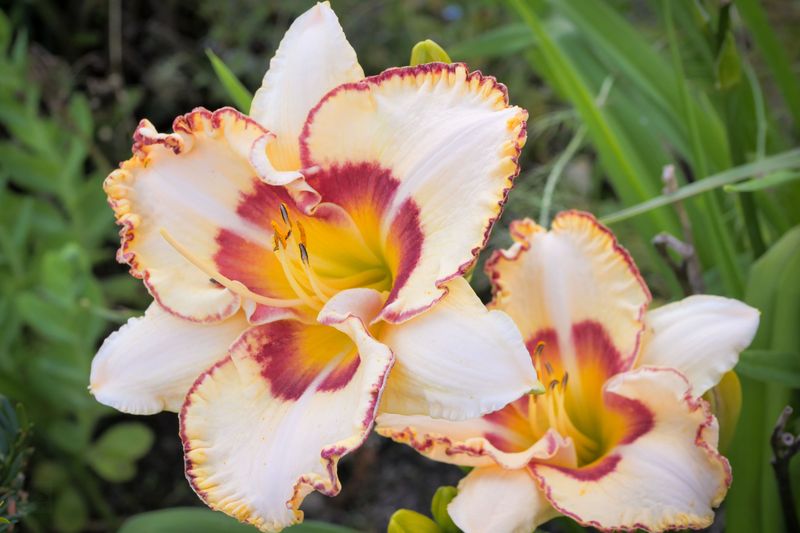
Each daylily flower opens for just one day, yet a healthy clump keeps the show going for weeks. I find that little fact charming, because the plant clearly believes in quantity over a single grand moment.
Hemerocallis grows in USDA zones 3 through 9, so most gardeners across the country can grow it easily. Its arching, strap-like leaves rise in neat fans, and those fans make division wonderfully simple to figure out.
Aim to dig your clumps about four to six weeks before the ground freezes in your area. Lift the whole plant with a garden fork, then shake off loose soil so you can see the roots.
Pull or cut the clump into sections that each hold two or three fans with plenty of attached roots. Replant them at the same depth they grew before, and water deeply right after you finish the job.
Daylilies love full sun and bloom best there, although they will handle some shade with fewer flowers. Splitting them every three to five years keeps clumps vigorous and often brings back stronger flower production next summer.
Cat owners should take note, because daylilies can cause serious kidney injury in cats that chew them. Plant your divisions away from curious pets, and keep the extra fans for friends who have dogs instead.
2. Hosta
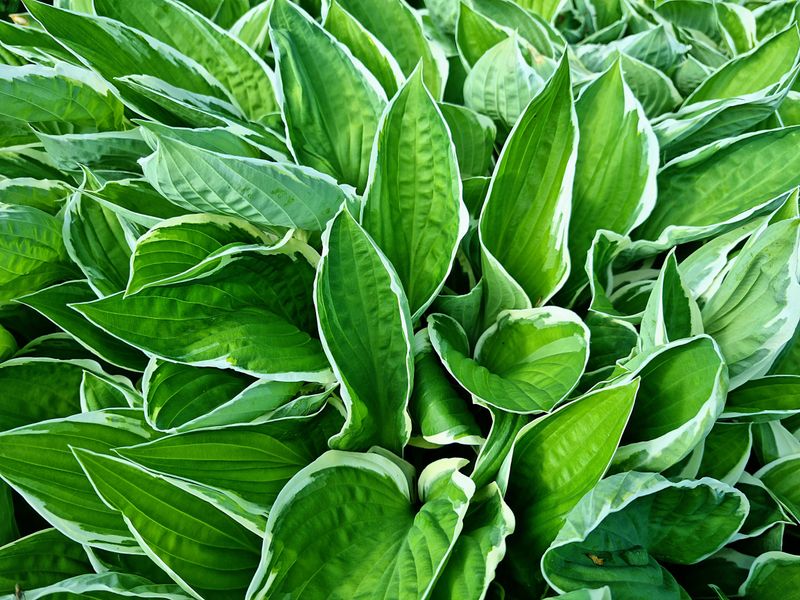
Hostas can quietly double in width over a few seasons, turning one shady mound into a leafy carpet. Honestly, splitting a big hosta feels like opening a gift that keeps on giving year after year.
These rhizome-growing perennials thrive in zones 3 through 9 and need a cold winter rest to grow well. They want at least thirty days below 43 degrees, so chilly northern winters suit them just fine.
Plan your division in early fall, giving roots at least thirty days to settle before the first hard frost. Cut the leaves back by half first, which reduces water loss while the new roots get established.
Dig around the clump, lift it out, and slice through the crown with a sharp spade or knife. Each piece should have several healthy eyes and a good chunk of roots attached to grow strongly.
Replant in moist, rich soil with dappled shade, because harsh afternoon sun can scorch the leaves quickly. Blue varieties especially need extra shade, while many gold and variegated types handle a bit of morning sun.
Keep new divisions watered regularly until cooler weather arrives, then ease off as the plants go dormant. Hostas contain saponins that can upset dogs and cats, so tuck them where pets rarely wander or dig.
3. Siberian Iris
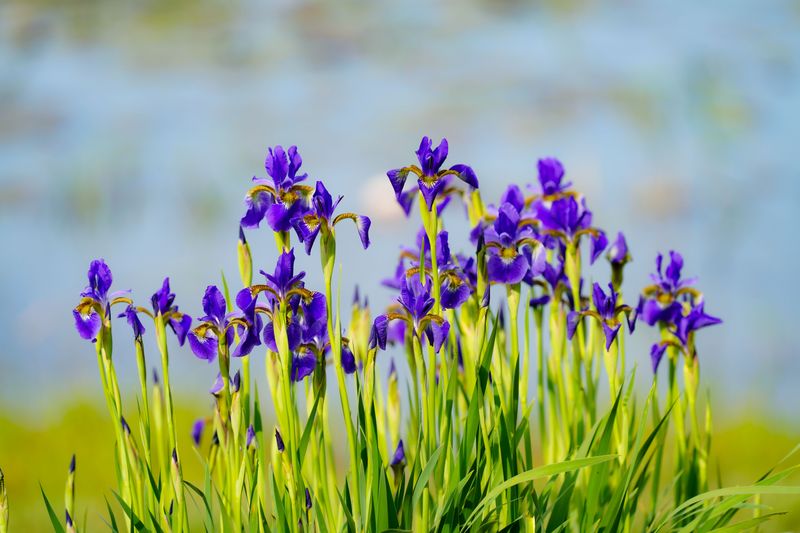
Siberian iris flowers look like tiny butterflies resting on slender stems, often marked with white or gold flashes. My favorite part arrives after blooming, when the grassy blue-green leaves stay tidy and graceful all season long.
Iris sibirica grows in zones 3 through 9 and actually blooms better after a proper cold winter. Plants usually reach two to four feet tall, forming tight clumps that slowly widen over the years.
Ideal timing runs from late summer into early fall, so try to finish any splitting early this month. In colder regions, earlier is better, since divisions need several weeks of root growth before the ground freezes.
You will know a clump needs help when the center thins out or flower numbers start to drop. Use a sharp spade to cut the dense mass into chunks with several fans and healthy roots each.
Siberian irises handle heavy clay and damp spots better than many other irises, which makes them super adaptable. Water new divisions once or twice a week for about a month to help them settle in nicely.
Wear gloves while working, because the sap can irritate skin and all plant parts are toxic if eaten. Deer and rabbits mostly leave them alone, which honestly makes these irises worth every bit of digging effort.
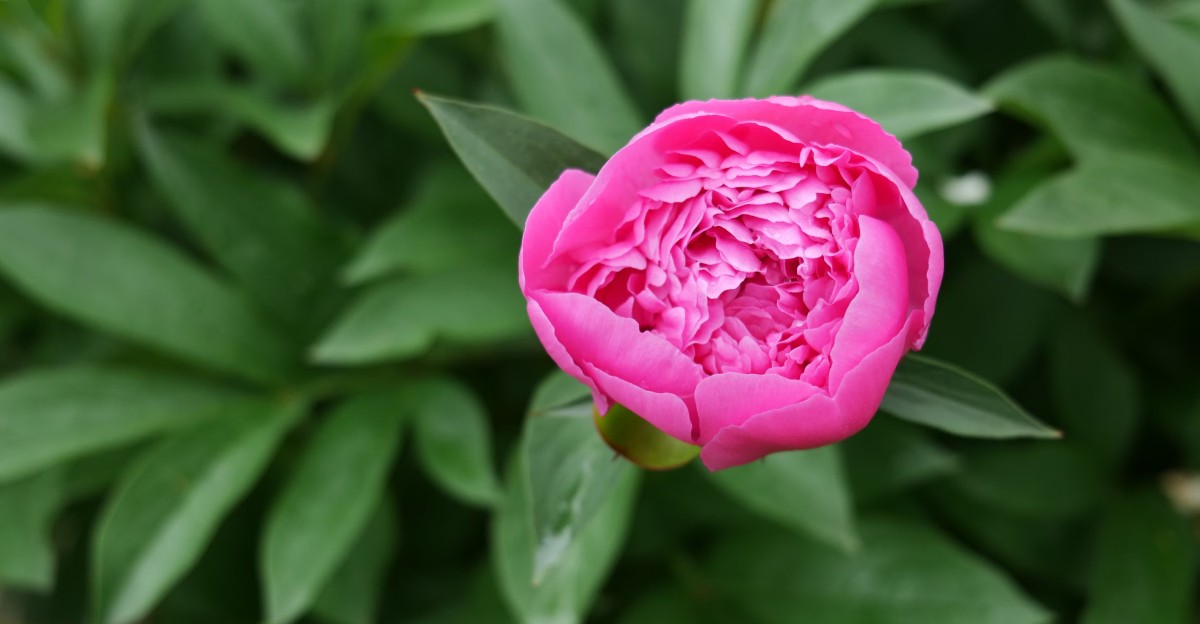
4. Peony
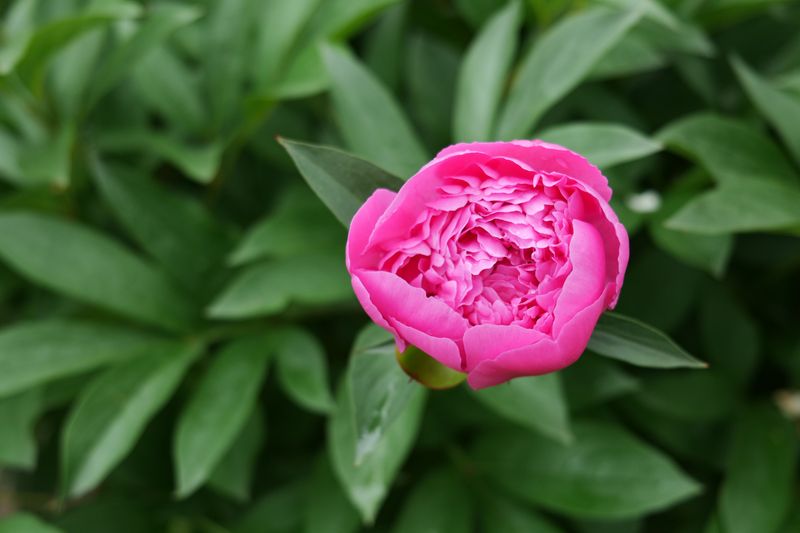
Some peony plants have bloomed in the same garden beds for decades, passing joy from one generation onward. Splitting one feels a little like borrowing a piece of family history and planting it somewhere new.
Fall is the best season to divide peonies, ideally after the first frost but before the ground freezes. October fits that window in many northern gardens, while warmer areas may wait a few weeks longer.
Cut the stems to the ground first, then dig wide around the crown to protect the thick roots. Wash away the soil so you can clearly see the pink buds, which gardeners call eyes.
Each new division should carry three to five eyes and a healthy share of roots to bloom well. Plant the eyes no deeper than about two inches below the soil surface, or flowers may not appear.
Peonies grow in zones 3 through 8 and need around six weeks of winter chill for good blooms. Give them full sun and well-drained soil, because soggy ground can quickly cause the roots to rot.
Be patient with fresh divisions, since they often take a year or two before putting on a big show. Those ants crawling on spring buds are harmless visitors, and the flowers open fine without their help, too.
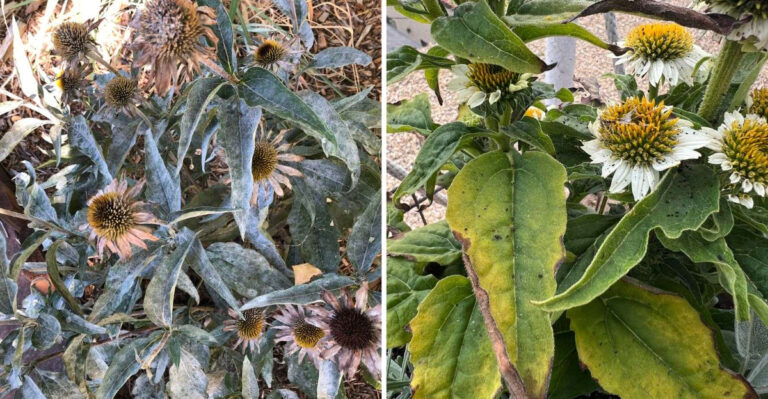
5. Purple Coneflower
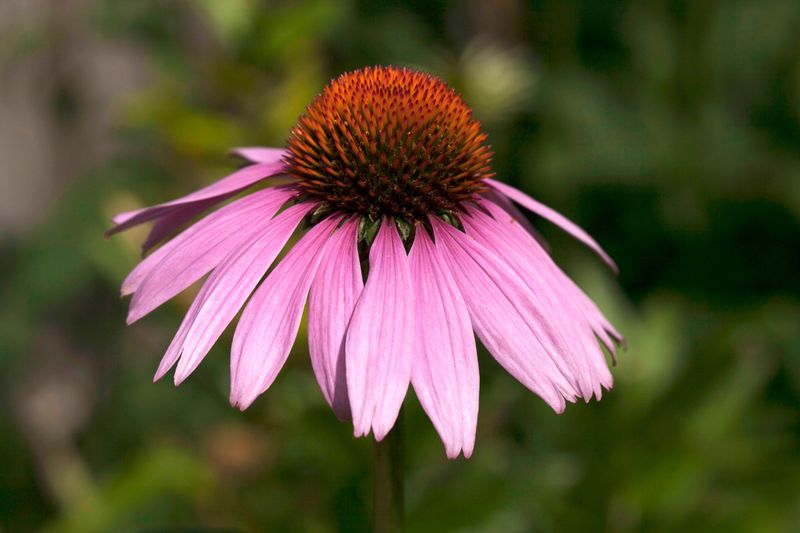
Goldfinches love perching on coneflower seed heads in fall, picking out seeds like kids raiding a snack bowl. Watching that little show from my kitchen window makes me happy I left a few stems standing.
Purple coneflower, Echinacea purpurea, is the best choice for dividing because it has a fibrous root system. Many other coneflower species grow long taproots, and those plants usually resent being split apart or moved around.
Wait until blooms fade and the plant slows down, which often lines up nicely with October in many regions. Dividing during bloom asks too much of the plant, since it is spending its energy on flowers.
Dig up the clump, then gently pull or cut it into sections that each keep healthy roots attached. Replant quickly in a sunny spot with at least six hours of direct light for sturdy stems.
Coneflowers grow in zones 3 through 9 and tolerate poor, sandy, or rocky soil surprisingly well. Heavy clay that stays wet causes trouble, so pick a spot where rainwater drains away without sitting around.
Water new divisions regularly through their first season, then mostly rely on rainfall once the roots are established. Native to the eastern and central United States, these flowers feed bees and butterflies while looking cheerful.
6. Black-Eyed Susan
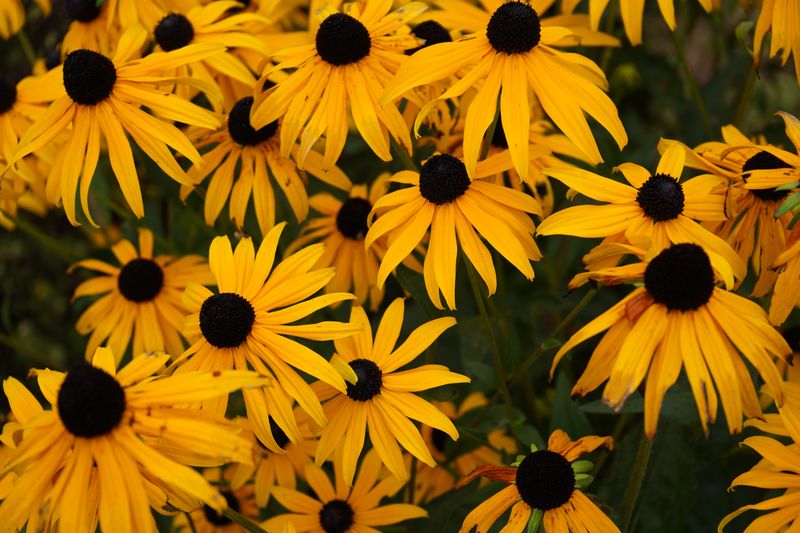
Bright gold petals around a chocolate-brown center make black-eyed Susans look like little suns with sunglasses on. I grin every time I spot them, especially when late-season blooms are still glowing bright in early October.
Rudbeckia hirta often behaves like a short-lived perennial, while Rudbeckia fulgida tends to stick around for many years. Both are called black-eyed Susan, so check your plant tag before deciding how much to split.
Mid-September through October is a fine time to divide, especially as flowers fade and growth slows down. Splitting every three to four years improves air flow and keeps crowded clumps from losing their vigor.
Lift the plant with a fork and break it into pieces that each have leaves and solid roots. Replant in full sun with well-drained soil, since soggy spots can lead to root rot over the winter.
These tough plants grow in zones 3 through 9 and handle average or poor soil better than rich beds. New divisions still need steady moisture until they settle in, so water them deeply about once a week.
Wear gloves while handling them, because the rough, hairy leaves can irritate sensitive skin for some gardeners. Leave a few seed heads standing afterward, since songbirds like goldfinches snack on them through the colder months.
7. Astilbe
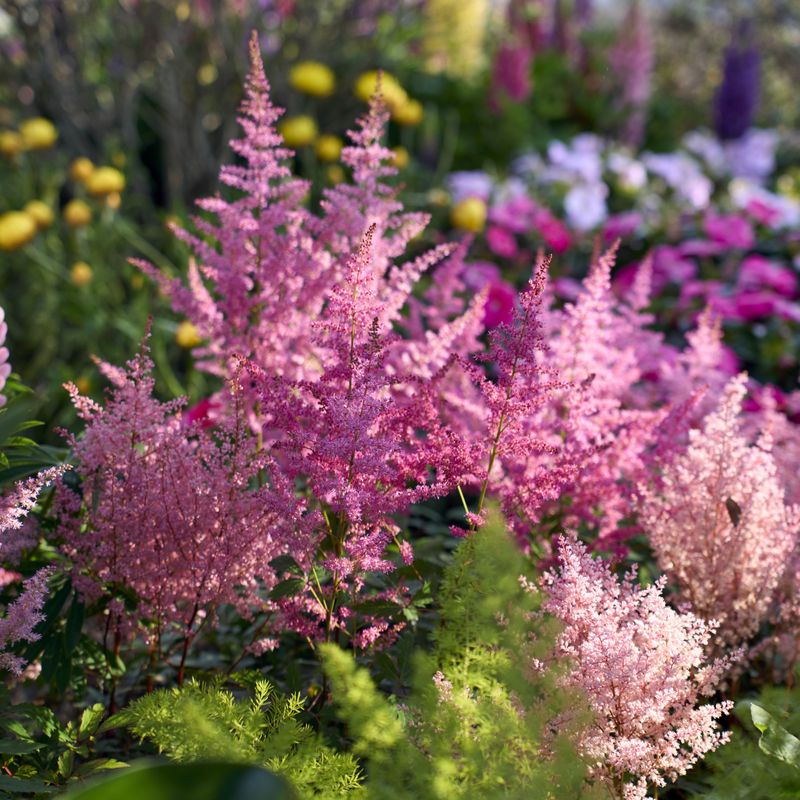
Feathery astilbe plumes look like pastel cotton candy floating above lacy, fern-like leaves in shady corners. If your shade garden feels a bit dull, a few extra astilbe divisions can brighten it up wonderfully.
Astilbe clumps slowly rise out of the ground over time, which leaves crowns exposed to harsh winter freezing. Dividing and replanting at the proper depth every three to four years solves that problem quite neatly.
Fall works beautifully because the soil stays warm and moist, giving fresh roots time to grow before frost. Try to finish early in October in colder regions so the new pieces settle in before temperatures drop.
Dig the clump, then cut through the tough rhizomes with a sharp knife or spade into chunky sections. Each piece should have a few growing buds and plenty of roots to support strong growth next spring.
Astilbe grows in zones 3 through 9 and loves rich, moist soil with plenty of compost mixed in. Drought is its weak spot, so water new divisions deeply and keep the soil from drying out.
Thankfully, astilbe is considered non-toxic to kids and pets, which makes it a relaxed choice for family yards. Deer and rabbits usually skip the bitter leaves, and slugs tend to ignore them, which I find truly delightful.
8. Coral Bells
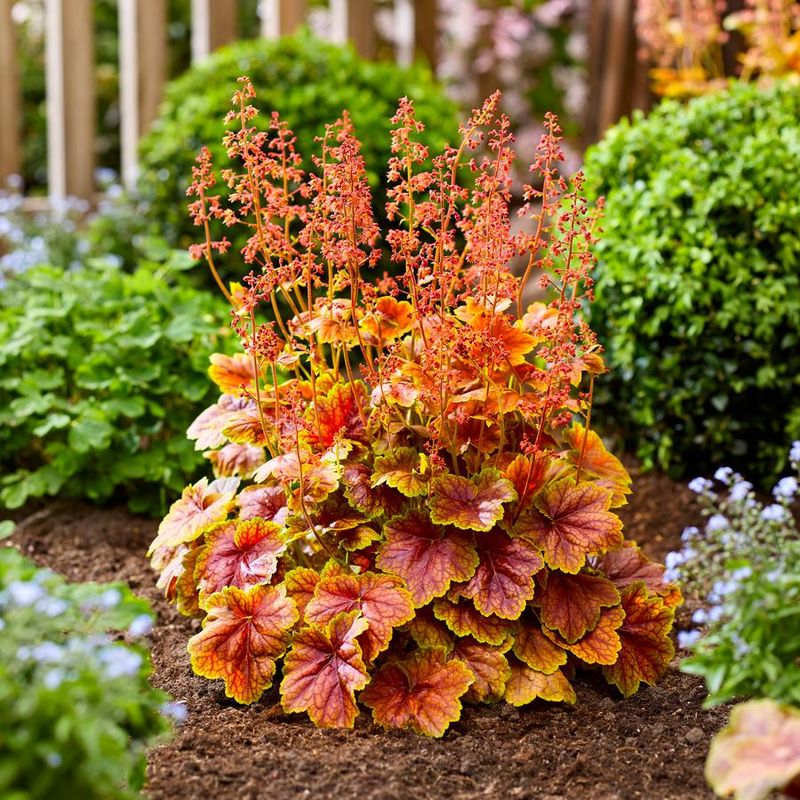
Coral bells come in leaf colors ranging from lime green to nearly black, like a paint swatch display outdoors. I collected way too many varieties before realizing I could just divide my favorites and save money instead.
Heuchera plants are native to North America and grow in zones 4 through 9, with some handling zone 3. They form low mounds, usually six to eighteen inches tall, topped by dainty bell-shaped flowers in early summer.
After a few years, the crown often turns woody and starts pushing itself up out of the soil. Winter freeze-thaw cycles cause that heaving, and division helps reset the plant back to a healthy level.
Spring is usually preferred for dividing, but early fall works well, especially in milder regions with gentle autumns. Gardeners in cold northern zones may want to wait until spring if October is already turning frosty.
Cut away the old woody center and keep the younger rosettes that have fresh roots growing underneath them. Plant each piece with its crown at or slightly above soil level to help prevent crown rot.
Morning sun and afternoon shade suit coral bells best, particularly varieties with pale chartreuse or silver leaves. Hummingbirds visit the tiny flowers, and the plants are non-toxic to pets, which makes them easy to love.
9. Autumn Joy Sedum
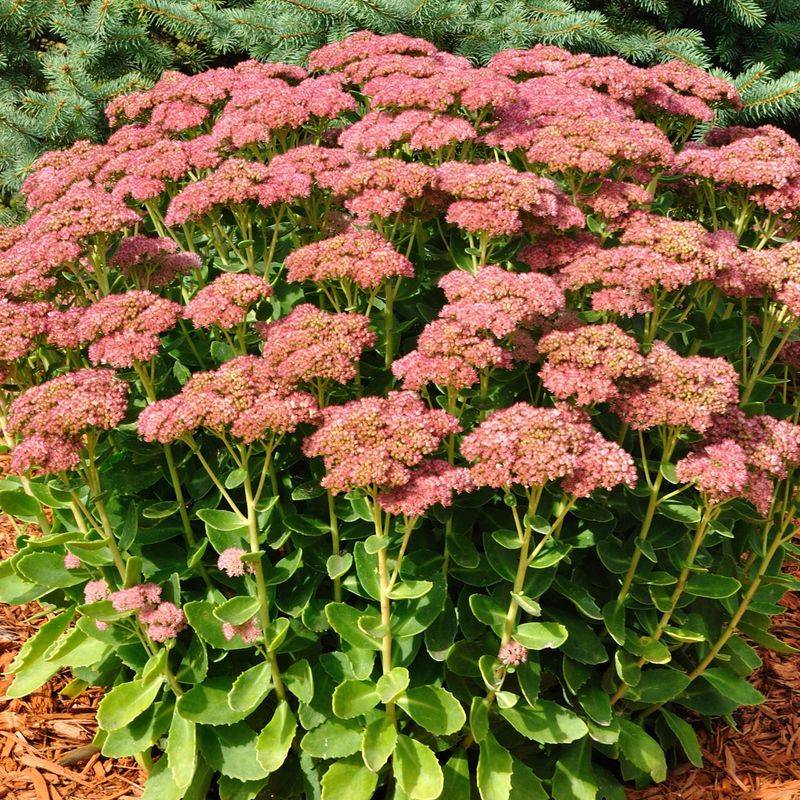
Autumn Joy sedum changes color like a slow sunset, shifting from soft pink to deep rusty bronze by November. Right now in October, those flower heads are usually at their richest shade, buzzing with late bees and butterflies.
Botanists now place it in the genus Hylotelephium, where it is often listed as Hylotelephium ‘Herbstfreude’ (sold as ‘Autumn Joy’), though most garden centers still label it plain old sedum.
Its thick, fleshy gray-green leaves store water, which explains why this succulent shrugs off dry summer spells.
Spring is often the preferred time to divide, but fall division after blooming works well for floppy plants. A clump that splits open in the middle is basically asking you to grab a spade and help.
Dig it up and cut the crown into sections, making sure every piece keeps healthy roots and some stems. Replant them in full sun, since too much shade leads to weak growth that flops over by late summer.
Sedum grows in zones 3 through 9 and prefers lean, well-drained soil over rich, heavily amended garden beds. Water new divisions deeply during their first year, then let the soil dry out between drinks once established.
Leave the old flower heads standing through winter, because they look lovely dusted with frost and feed birds. Deer and rabbits tend to pass this plant by, so your free divisions should stay safe in exposed beds.