7 Pink Flowers That Thrive In Texas Heat All Summer
Texas summers do not play around. The sun stays intense, the heat lingers for months, and many plants start to look tired long before the season is over.
That is why finding flowers that can keep blooming through all that heat feels like such a win. And when those blooms happen to come in shades of pink, they bring an extra bit of charm that can make any yard feel brighter, softer, and more inviting.
Pink flowers have a way of standing out without feeling too bold. Some look cheerful and playful, while others add a more elegant touch to garden beds, borders, and containers.
In Texas, though, looks are only part of the story. A flower may be beautiful in spring, but if it cannot handle blazing afternoons and dry stretches, it will not earn its spot for long.
The best pink flowers for Texas are the ones that keep showing up even when the weather is at its toughest. They bring color, life, and personality to the landscape all summer instead of fading out when you need them most.
1. Pink Turk’s Cap
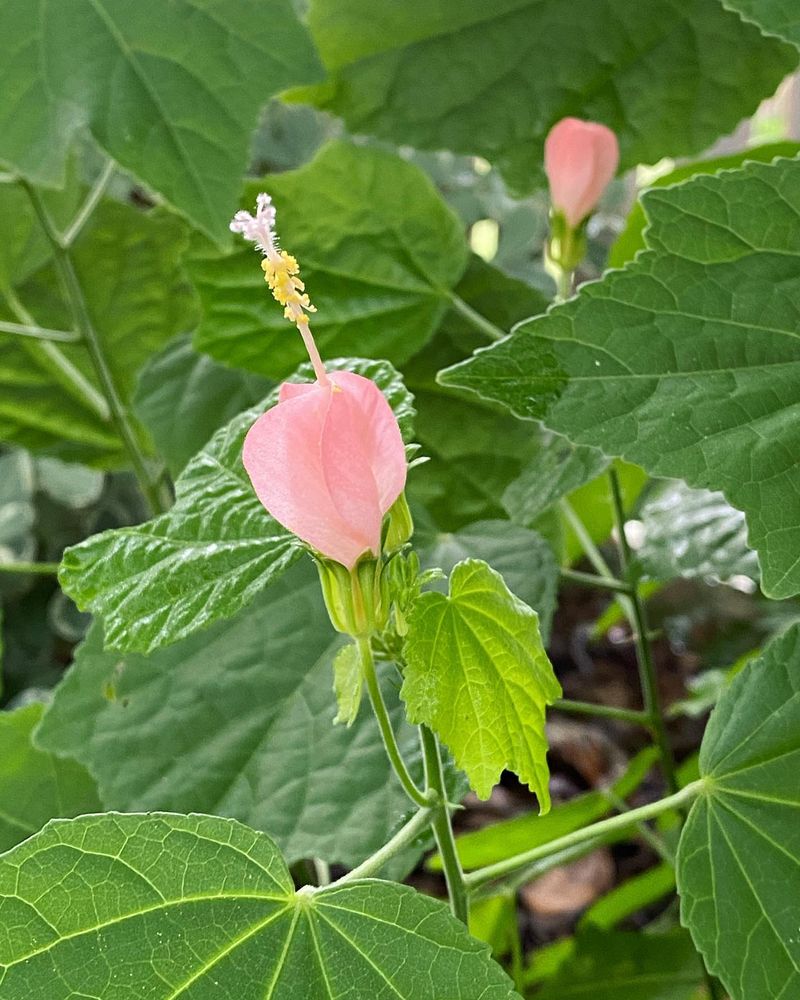
Walk through almost any Texas garden in July, and you might spot a wild-looking shrub covered in bright, twisted pink blooms that look like tiny turbans. That is Pink Turk’s Cap, and it is one of the most reliable native plants you can grow in the Lone Star State.
Its scientific name is Malvaviscus arboreus, and it has been thriving in Texas heat long before anyone thought to put it in a garden bed.
What makes Turk’s Cap so special is how tough it really is. Most flowers struggle once temperatures push past 95 degrees, but this plant just keeps blooming.
It handles full sun, but it also does surprisingly well in partial shade, which makes it perfect for spots under trees where other plants refuse to grow. In Texas, where shade is precious, that flexibility is a huge bonus.
Hummingbirds and butterflies absolutely love Turk’s Cap. The twisted blooms may never fully open, but the nectar inside is irresistible to pollinators.
If you want to bring wildlife into your yard while keeping it low maintenance, this plant checks every box. It can grow four to nine feet tall, so give it room to spread out.
Watering is simple once it is established. A deep soak once a week during dry spells is usually enough.
It also grows well in poor soil, which is great news for Texas gardeners dealing with rocky or clay-heavy ground. Plant it in spring, and enjoy the blooms all summer long.
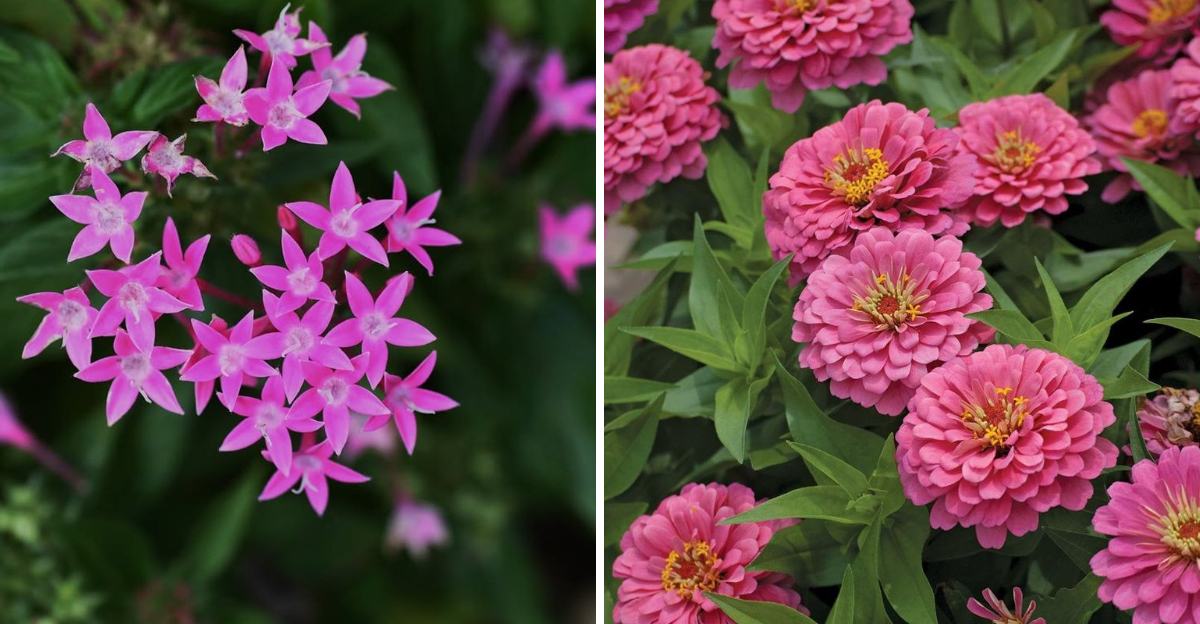
2. Pink Zinnias
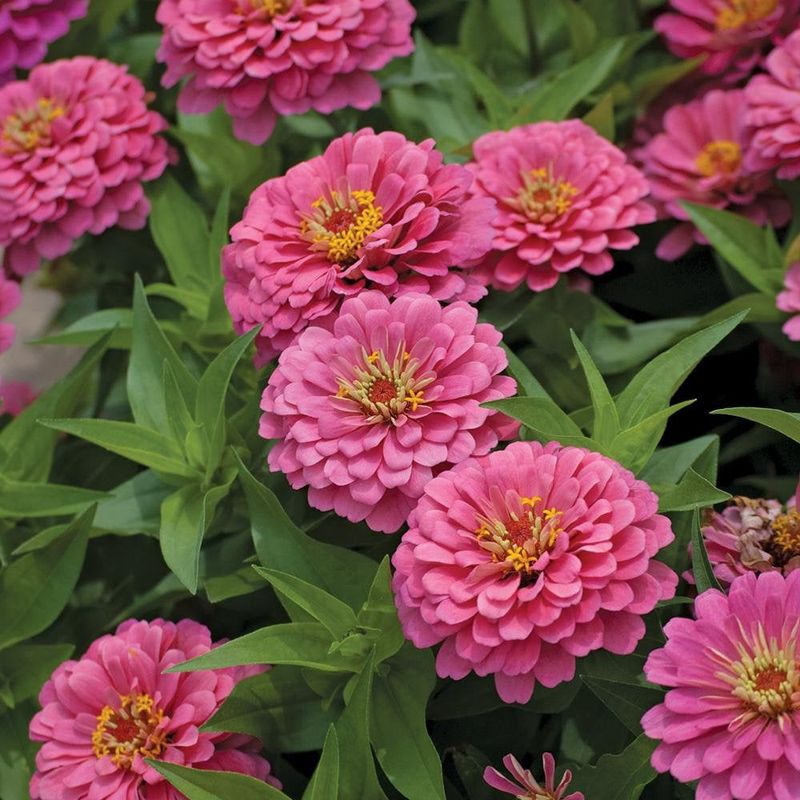
Few flowers are as cheerful and easy to grow as the zinnia. Drop a seed in the ground, give it some sun, and stand back.
Pink zinnias are workhorses of the summer garden, and in Texas, they absolutely shine from late spring through the first cool snap of fall. They are one of those plants that seem to get more beautiful the hotter it gets.
Zinnias love full sun, and Texas has plenty of that to offer. They thrive in well-drained soil and do not need a lot of water once they are established.
In fact, overwatering is one of the few ways to get into trouble with them. Water at the base of the plant rather than overhead to keep the leaves dry and healthy all season long.
One of the best things about pink zinnias is how long they bloom. Plant them in May, and they will still be putting on a show in October.
They also make excellent cut flowers, so you can bring some of that Texas garden beauty inside your home. The more you cut them, the more blooms they produce, which is a pretty sweet deal.
Did you know zinnias are native to Mexico? That explains why they handle hot, dry summers so well.
They are used to intense heat and limited rainfall. In Texas cities like Dallas and El Paso, where summers are especially brutal, zinnias are a go-to choice for gardeners who want color without constant fuss. Start from seed or buy transplants either way works great.
3. Pink Moss Rose (Portulaca)
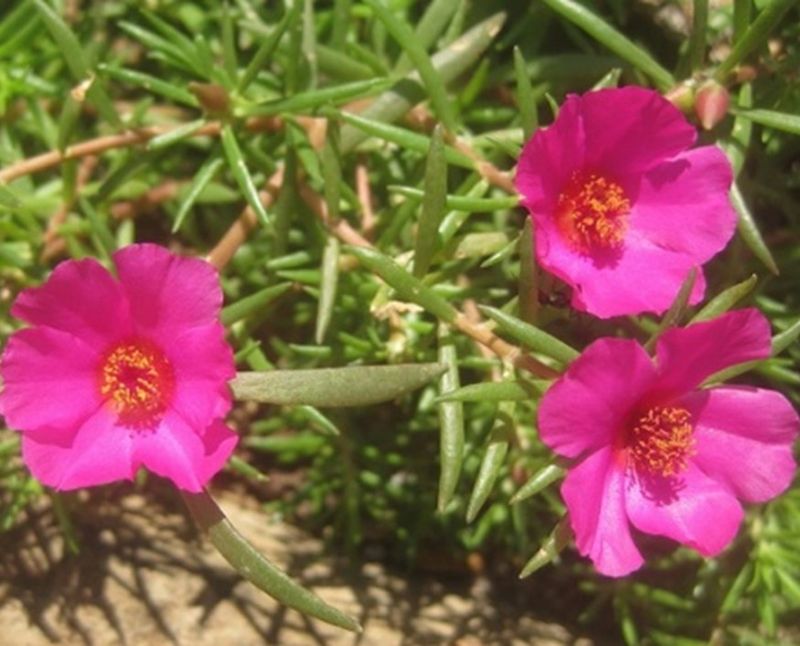
Imagine a plant so tough it can bloom beautifully in gravel, sand, or nearly bare soil under a Texas summer sun. That is exactly what Pink Moss Rose does.
Also known as Portulaca grandiflora, this low-growing gem is practically made for hot, dry conditions. Gardeners across Texas have fallen in love with it because it asks for almost nothing and gives back so much color.
The blooms are gorgeous. They come in a rich, saturated pink that almost glows in bright sunlight.
The flowers open wide during the day when the sun is shining and close up in the evening, which is just one of the quirky things that makes this plant so interesting to watch. If you have a sunny rock garden, a dry slope, or a container on a hot patio, Portulaca is your answer.
Moss Rose has thick, succulent-like leaves that store water, which is how it survives in drought conditions that would stress out most other plants.
In Texas, where summer rain can be unpredictable, having a plant that holds onto moisture is a serious advantage. You can water it once or twice a week and it will be perfectly happy.
It grows only about six inches tall, so it works beautifully as a ground cover or border plant. It spreads nicely without taking over, and it reseeds itself, meaning you may get a bonus crop of blooms next year without doing a thing. Plant it once and let Texas sunshine do the rest.
4. Pink Pentas
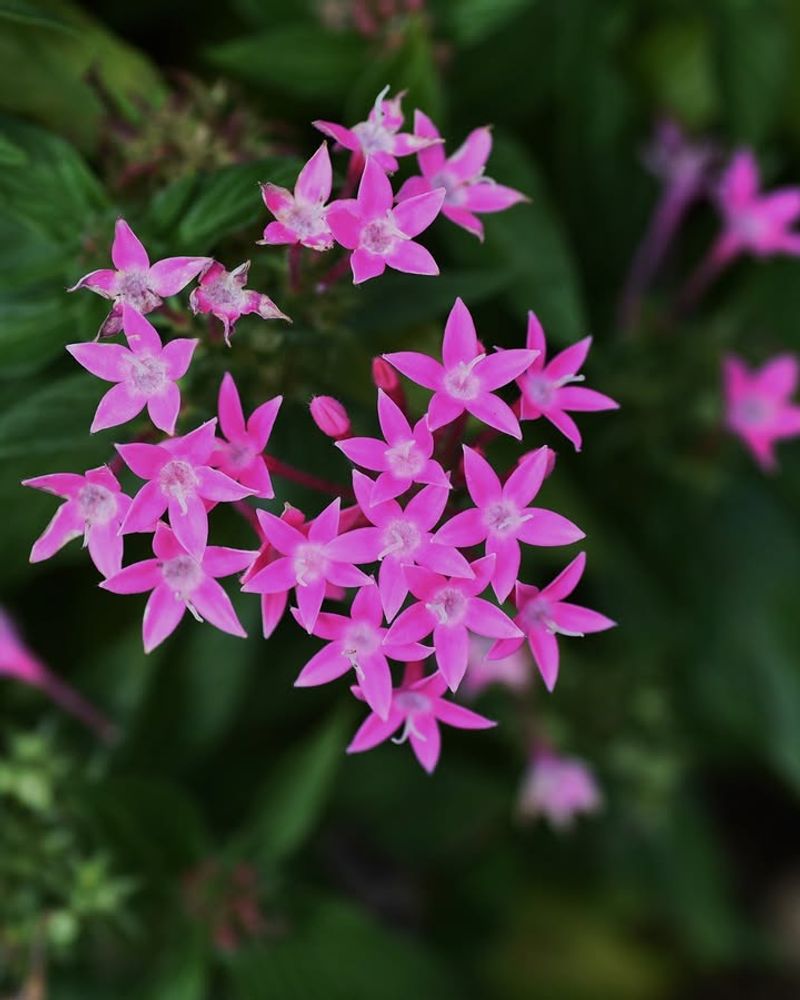
Butterflies are picky. They know a good flower when they see one, and they absolutely swarm Pink Pentas every single summer.
If you have ever wanted to turn your Texas yard into a butterfly hotspot, this is the plant to reach for. Pentas lanceolata produces tight clusters of tiny star-shaped pink flowers that bloom nonstop from spring through fall, and the pollinators cannot get enough of them.
Beyond the wildlife appeal, Pentas is just a fantastic summer flower for Texas gardens. It handles heat and humidity like a champ.
Whether you are in steamy Houston or sun-baked Lubbock, this plant will perform all season without drama. It grows about two to three feet tall and wide, making it a great mid-border plant or a bold container choice for a sunny front porch.
Pentas prefers full sun but can handle a bit of afternoon shade, especially in the hottest parts of Texas where temperatures regularly hit triple digits. Water it regularly when young, and once it is settled in, it becomes much more self-sufficient.
A layer of mulch around the base helps keep the roots cool and holds in moisture during dry stretches.
Deadheading, which means removing old blooms, is not even required with Pentas. It is what gardeners call a self-cleaning plant, meaning it drops its spent flowers on its own and keeps pushing out new ones.
For busy Texans who want a beautiful yard without spending every weekend gardening, Pink Pentas is truly a dream plant to grow.
5. Pink Vinca (Periwinkle)
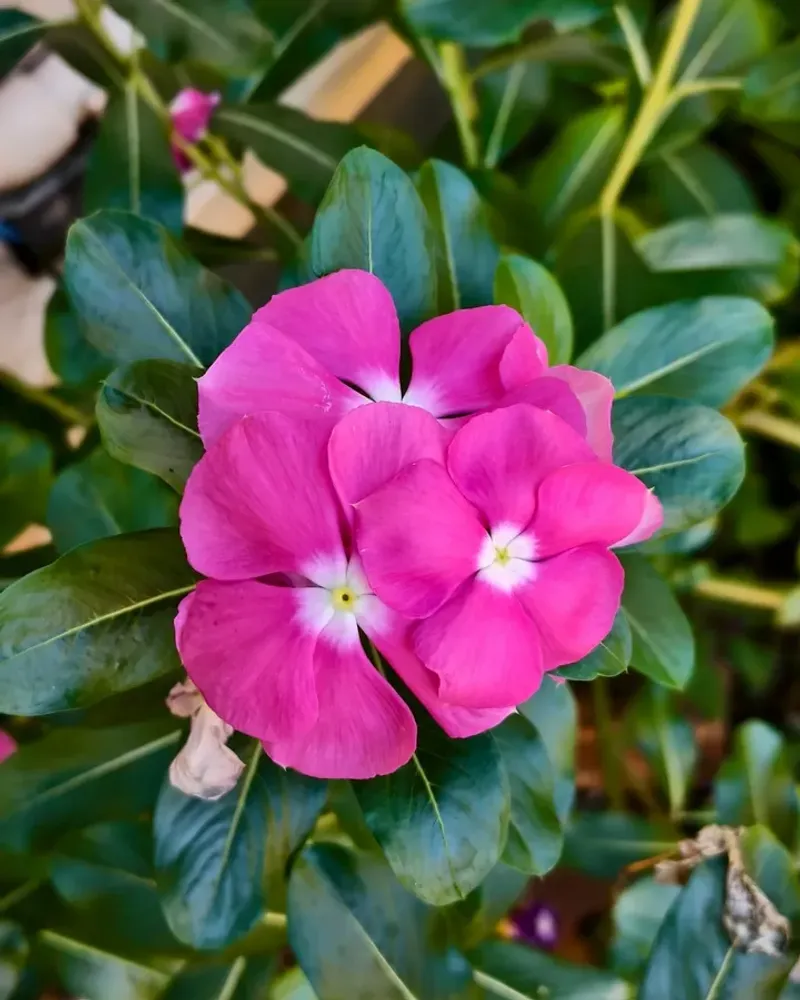
Some plants just refuse to quit, and Pink Vinca is at the top of that list. Known formally as Catharanthus roseus, this cheerful flower is a Texas summer staple for good reason.
It blooms from late spring all the way through fall without missing a beat, even when the thermometer climbs past 100 degrees. Gardeners across the state rely on it because it simply will not let them down.
The blooms are flat, five-petaled, and come in a clear, bright pink with a slightly deeper pink center that gives each flower a beautiful layered look. The glossy green leaves stay fresh-looking even on the hottest days, which is more than most plants can say.
Pink Vinca looks polished and put-together even when you have not touched it in two weeks.
Drought tolerance is where Vinca really earns its reputation. Once established, it can handle dry spells much better than most flowering annuals.
That said, it does appreciate regular watering during extreme heat waves. In Texas, planting it in well-drained soil is key because it does not like sitting in wet ground for long periods. Raised beds and containers work especially well.
Vinca grows about one to two feet tall and spreads nicely to fill in garden spaces. It works great as a border plant, in mass plantings, or tucked into pots by the front door.
Pair it with white or yellow flowers for a bold summer display. Texas nurseries stock it widely in spring, so grab a few flats and enjoy the color all season.
6. Pink Esperanza (Tecoma Pink Varieties)
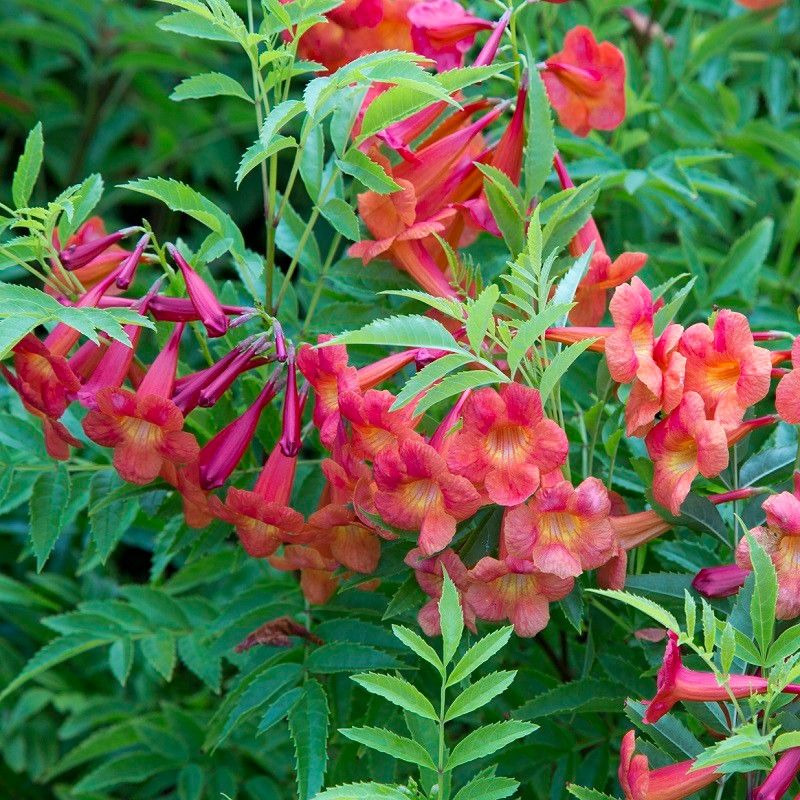
Most flowering plants stay low to the ground, but Pink Esperanza brings height, drama, and serious color to a Texas summer landscape.
Tecoma in its pink varieties is a fast-growing shrub that can reach six feet or taller, and it covers itself in gorgeous trumpet-shaped blooms from early summer through fall. If your yard feels flat and one-dimensional, this is the plant that changes everything.
Originally from warm climates in Central and South America, Tecoma is perfectly suited to Texas conditions. It loves full sun and handles heat and humidity without any complaints.
Once established, it is also quite drought-tolerant, which makes it a smart choice for water-conscious gardeners in cities like San Antonio or Midland where summer rainfall is limited and water bills can add up fast.
The trumpet-shaped pink flowers are not just pretty to look at. They attract hummingbirds like magnets.
If you set up a chair near a blooming Esperanza on a summer morning, you will likely have some feathered visitors stopping by for breakfast. That kind of backyard entertainment is hard to put a price on.
Pink Esperanza works well as a privacy screen, a backdrop for smaller plants, or a standalone specimen in a sunny corner of the yard. Prune it back in late winter to keep it tidy and encourage strong new growth in spring.
In warmer parts of Texas, it may even behave like a perennial, returning year after year from the same root system. That is excellent value for any garden budget.
7. Pink Gaura
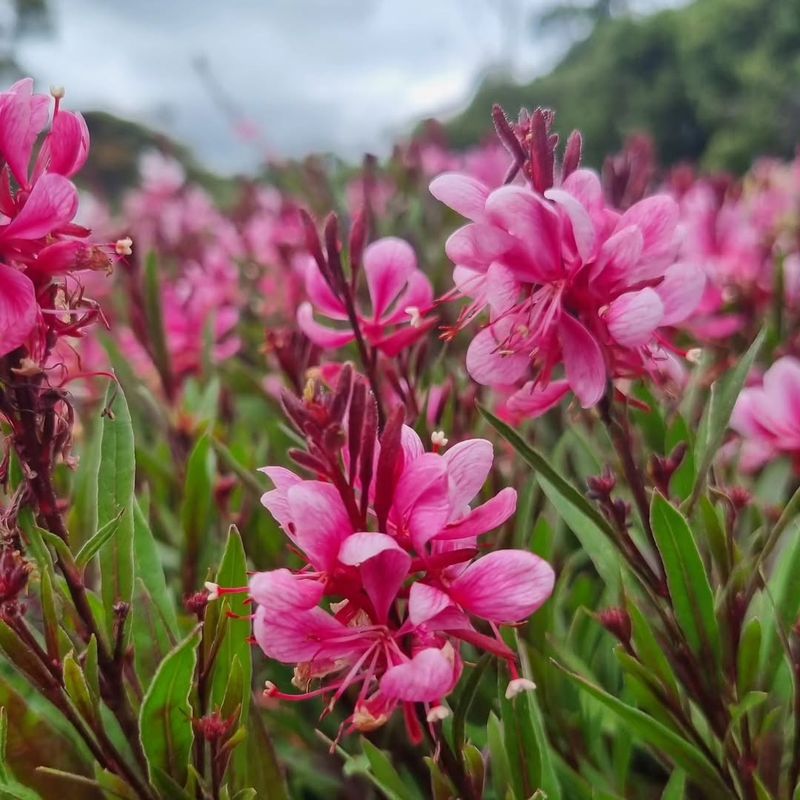
There is something almost magical about Pink Gaura. Its slender stems rise up from a low base and sway gently in the breeze, covered in tiny pink blooms that look like butterflies in flight.
It has an airy, wildflower quality that feels relaxed and natural, which is a refreshing contrast to stiffer, more formal garden plants. In a Texas summer garden, it adds movement and softness that few other plants can match.
Gaura lindheimeri is actually native to Texas and Louisiana, which tells you everything you need to know about how well it handles the local climate.
It has been growing wild in Texas fields and roadsides for centuries, thriving in heat, poor soil, and dry conditions that would stress out plants from gentler climates. Bringing it into your garden means working with nature instead of against it.
One of the most impressive things about Pink Gaura is how long it blooms. Starting in late spring, it pushes out flowers continuously through summer and into early fall.
It does not need deadheading, and it rarely needs fertilizing. Give it full sun and well-drained soil, and it will reward you with months of delicate pink color without much effort on your part.
Pink Gaura looks stunning when planted in groups or mixed with bolder flowers like zinnias or pentas. The contrast between its light, feathery texture and heavier blooms creates a layered garden look that feels professionally designed.
It grows two to four feet tall and is widely available at Texas nurseries each spring. Plant it once and enjoy it for years to come.