10 Places California Gardeners Should Not Plant Tomatoes
Growing tomatoes in California can feel like the ultimate garden win, until one plant sulks in the shade, another gets blasted by heat, and a third somehow ends up in a soggy corner that looked totally fine in spring.
California likes to keep gardeners on their toes like that.
A backyard near the coast plays by very different rules than one in the Central Valley, and even within the same yard, one planting spot can set tomatoes up for a strong season while another can lead to a whole lot of disappointment.
That is what makes location such a big deal.
Plenty of gardeners focus on variety, watering, and fertilizer, which all matter, of course, but the planting spot can quietly decide how the whole summer unfolds. Too much shade, poor drainage, trapped cold air, or reflected heat can all create problems fast.
The good news is that spotting those trouble zones ahead of time can save a lot of effort, stress, and sad-looking tomato plants later.
1. In Full Shade Or Low-Light Areas
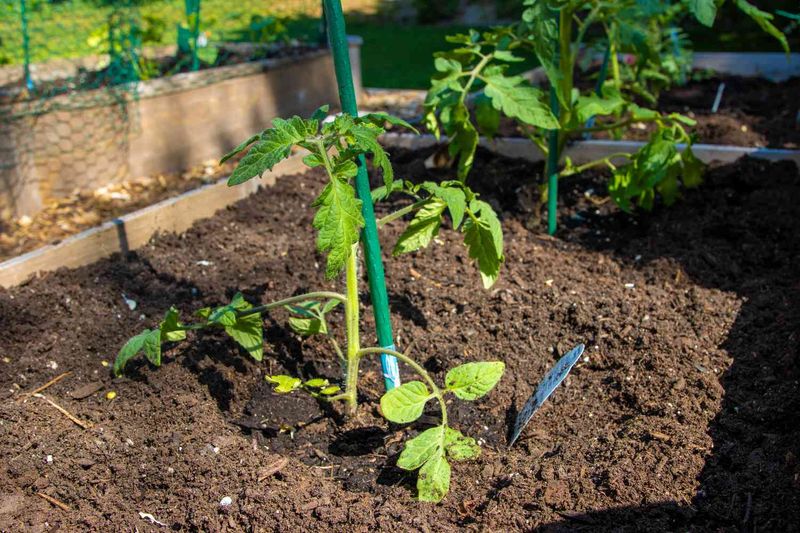
Tomatoes are sun lovers, and a shaded corner of the yard might look like a peaceful spot, but it is one of the worst places to plant them. Most tomato varieties need at least six to eight hours of direct sunlight each day to grow well and produce fruit.
When that light is missing, the plant responds with thin, stretched stems, pale leaves, and very few flowers.
In many California backyards, mature trees, tall fences, and neighboring structures can cast more shade than homeowners realize. A spot that looks bright in early spring may become deeply shaded by midsummer when surrounding plants fill in.
Checking how sunlight moves across your yard throughout the day, not just in the morning, gives you a much clearer picture before you plant.
Low-light conditions also slow soil warming, which tomatoes need to establish strong root systems early in the season. Cool, shaded soil stays damp longer and can invite fungal issues that would not show up in a sunnier bed.
If your garden has limited sunny spots, raised beds placed in open areas away from shade-casting structures tend to give tomatoes a much better start across California’s varied growing regions.
2. In Soil Where Tomatoes Or Related Plants Grew Recently
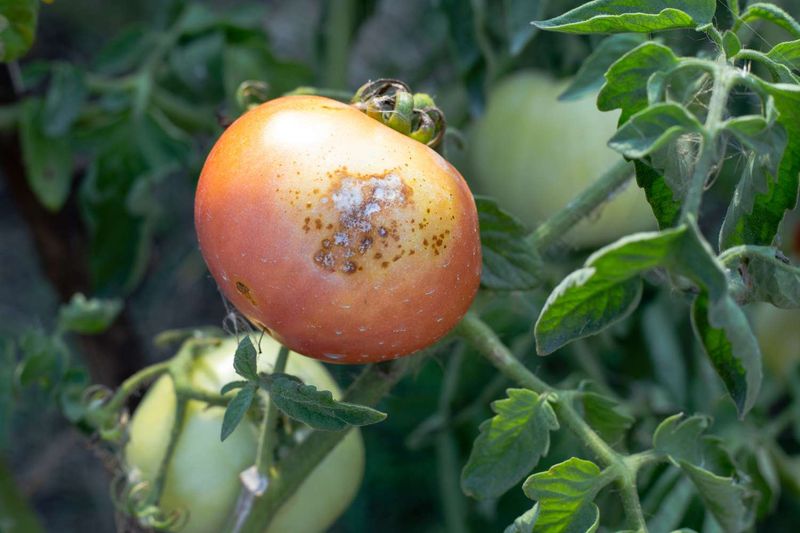
Rotating your crops sounds like extra work, but skipping it is one of the most common reasons California tomato patches underperform year after year.
Planting tomatoes in the same bed where tomatoes, peppers, eggplant, or potatoes grew the previous season creates conditions where soil-borne pathogens can build up and attack the new plants before they even get established.
Solanaceous crops, which is the plant family that includes all of the vegetables mentioned above, share many of the same pests and diseases.
When those organisms overwinter in the soil and a new tomato plant goes in the same spot, the plant is essentially walking into a problem that already exists.
Symptoms may not show up right away, which makes the connection easy to miss until the season is already struggling.
Your California Garden Changes Every Week. Your Plan Should Too.
Gardening in California changes quickly throughout the season. Every Friday you’ll receive a simple weekly plan showing exactly what to plant, prune, fertilize, harvest, and protect so you never miss the right timing.
A simple three-year rotation plan, moving tomatoes to a different section of the garden each season, helps break that cycle naturally.
In smaller California yards where space is limited, even shifting the planting location by a few feet can reduce risk compared to planting in the exact same footprint.
Keeping a basic garden map from year to year makes rotation much easier to track and follow consistently.
3. In Poorly Draining Or Waterlogged Soil
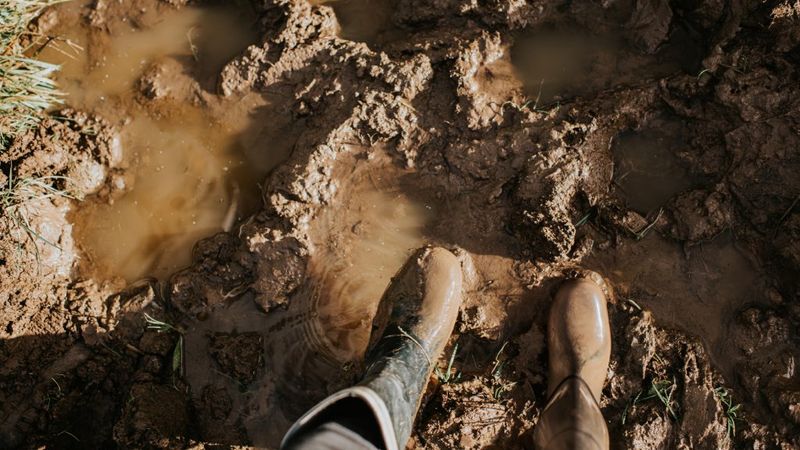
Soggy soil is a quiet problem that shows up slowly and gets worse over time. Tomato roots need oxygen to function, and when soil stays waterlogged for extended periods, those roots struggle to breathe and begin to break down.
What looks like a watering problem from above is often a drainage issue happening underground.
Parts of California with heavy clay soils are especially prone to this. Clay holds water for a long time, and during the cooler parts of the growing season or after heavy irrigation, it can stay saturated well past the point where tomatoes are comfortable.
Gardeners often notice yellowing leaves, slow growth, or wilting even when the soil surface looks moist, all signs that roots are under stress from too much water rather than too little.
Before planting, it helps to do a simple drainage test by digging a hole about a foot deep, filling it with water, and watching how quickly it drains.
If water is still sitting in the hole an hour later, that spot likely needs amendment or raised bed construction before tomatoes will thrive there.
Adding organic matter, building raised beds, or choosing a naturally elevated planting area are practical ways California gardeners can work around drainage challenges without relocating the entire garden.
4. Directly Against A South-Facing Wall In Hot Inland Climates
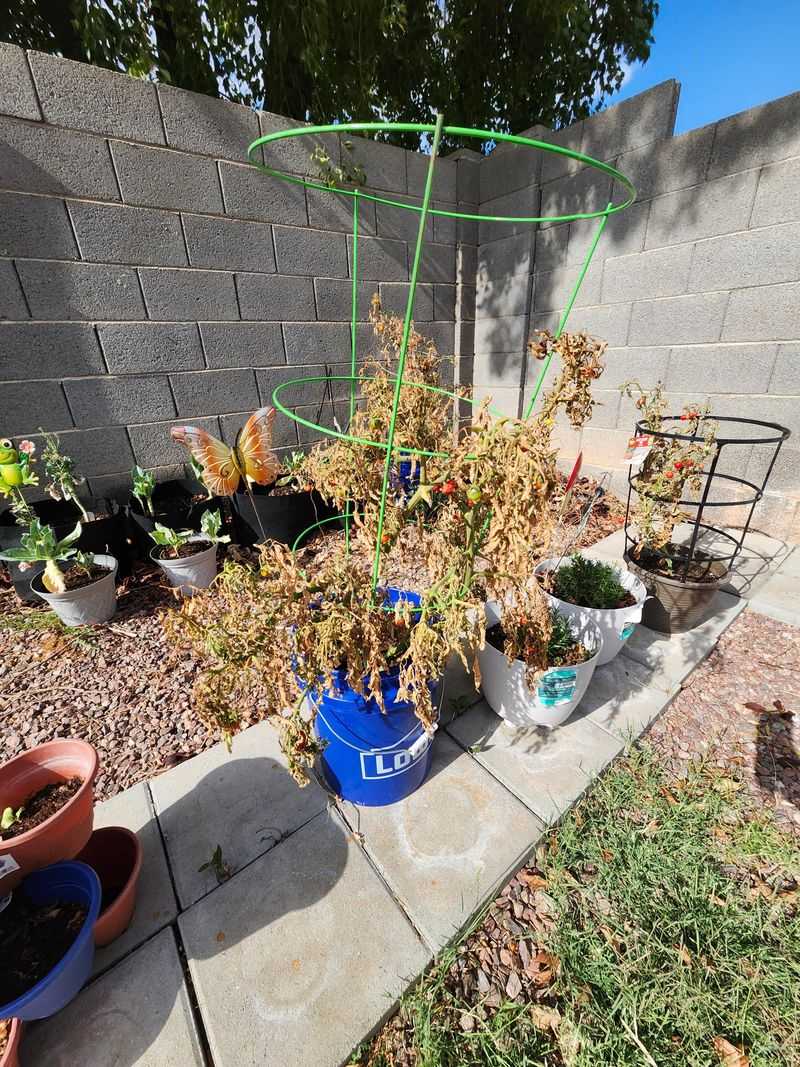
A south-facing wall in an inland California garden can act like a heat trap, and not in a good way for tomatoes.
These walls absorb sunlight all day and radiate intense heat back toward the plant, especially during the long, hot afternoons that are common across the Central Valley, Inland Empire, and other warm inland areas.
Soil near these walls also dries out much faster than soil in open beds.
Tomatoes prefer warm conditions, but extreme heat pushes them past a comfortable range.
When temperatures climb above 95 degrees Fahrenheit consistently, tomato flowers tend to drop before setting fruit, which means fewer tomatoes even from a plant that looks healthy and green.
The fruit that does develop near a radiant wall can also show sunscald, where patches of the skin turn white or tan from too much direct heat exposure.
Gardeners in Fresno, Riverside, Sacramento, and similar inland California cities often discover this problem mid-summer when their plants suddenly stop producing despite looking vigorous.
Pulling the planting location out from the wall by several feet, or choosing a spot that gets afternoon shade from a structure to the west, can make a meaningful difference.
Reflective heat from walls and pavement combined is a real challenge for tomatoes in these regions.
5. In Soil Contaminated With Herbicide Residue
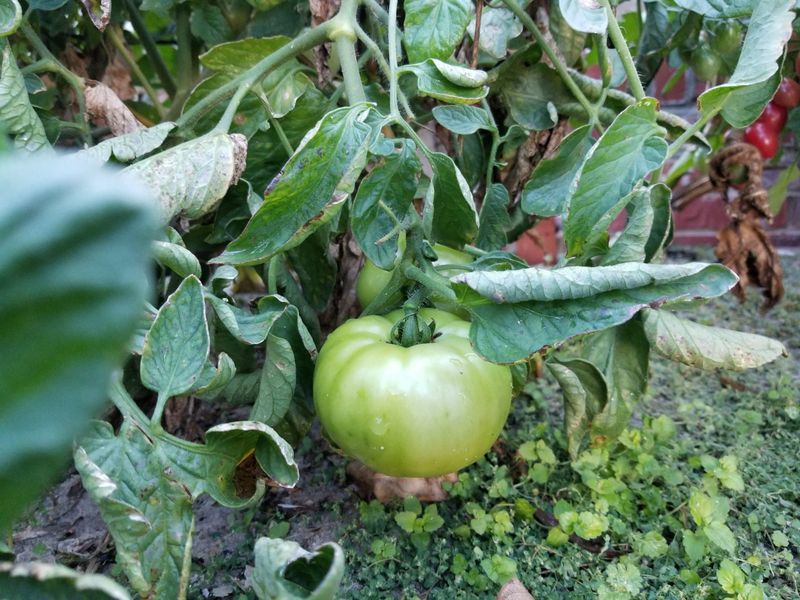
Twisted leaves, curling stems, and stunted growth that appears shortly after planting can point to something invisible in the soil: herbicide residue.
Certain persistent herbicides, including some used on lawns, pastures, and neighboring properties, can linger in the soil or in compost made from treated plant material long after the original application.
Tomatoes are particularly sensitive to a group of herbicides called pyridine carboxylic acids, which includes products containing clopyralid or aminopyralid.
These compounds can move through compost, manure, or straw mulch if the source material was treated, and they do not break down quickly.
California gardeners who use municipal compost, purchased manure, or hay mulch without knowing the source history may unknowingly introduce these residues into otherwise healthy beds.
The damage often looks like nutrient deficiency at first, but fertilizing does not help because the problem is chemical interference rather than a lack of nutrition.
If herbicide contamination is suspected, a bioassay using sensitive plants like tomatoes or beans in a small container of the suspect soil can help confirm the issue before the full garden is planted.
Switching to a known clean soil source and allowing time for residues to break down are the most reliable paths forward for affected California garden beds.
6. In Areas With Heavy Pest Pressure And No Management Plan
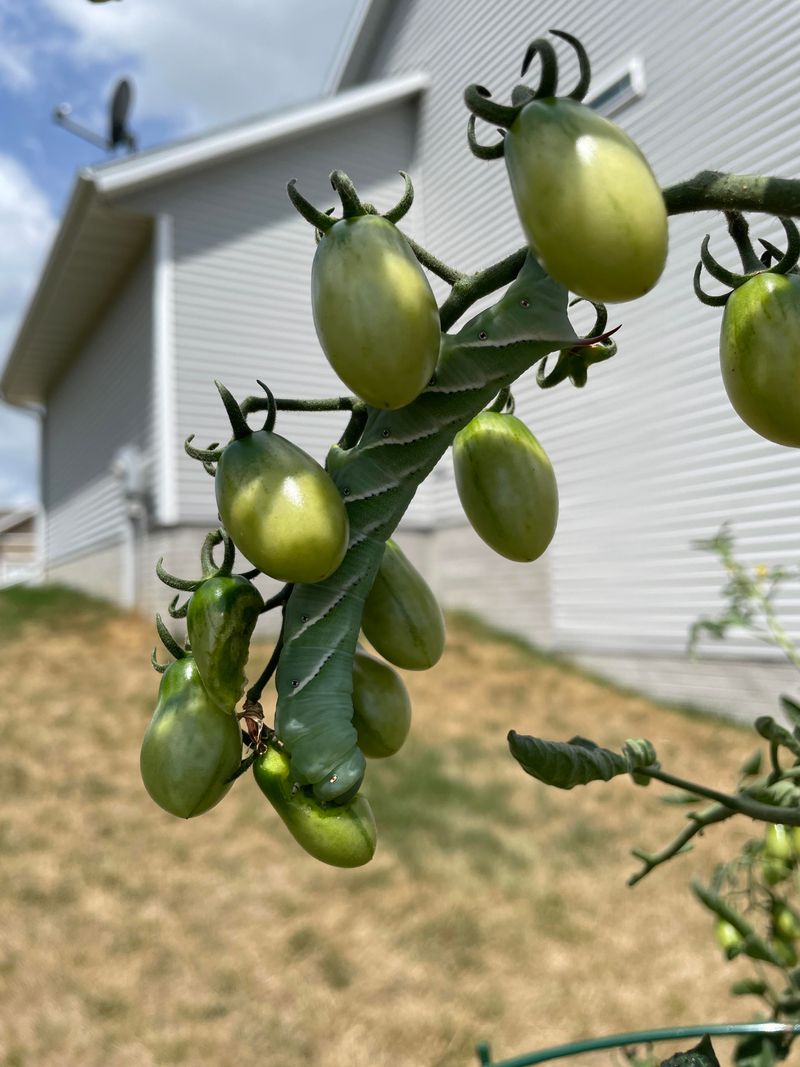
Some corners of a California garden seem to attract every pest in the neighborhood.
Low spots near compost bins, areas close to weedy fence lines, or beds that previously hosted heavily infested plants can carry higher populations of aphids, whiteflies, spider mites, tomato hornworms, and other common tomato pests season after season.
Planting tomatoes in one of these high-pressure spots without a plan in place is a setup for a difficult season. Pest populations that go unmanaged early can multiply quickly, especially during the warm, dry summers that much of California experiences.
By the time damage becomes obvious, the infestation may already be significant enough to affect fruit quality and overall plant health throughout the rest of the growing period.
A good management plan does not need to be complicated.
Checking plants regularly, removing pests by hand when populations are small, encouraging beneficial insects by planting nearby flowers, and keeping the area around tomatoes free of weedy host plants all help reduce pressure before it becomes overwhelming.
Choosing a planting spot with good airflow and away from known problem areas gives tomatoes a cleaner start.
In California, where warm temperatures support year-round pest activity in many regions, early monitoring makes a noticeable difference in how well tomatoes perform through the season.
7. In Soil With A History Of Verticillium Or Fusarium Wilt
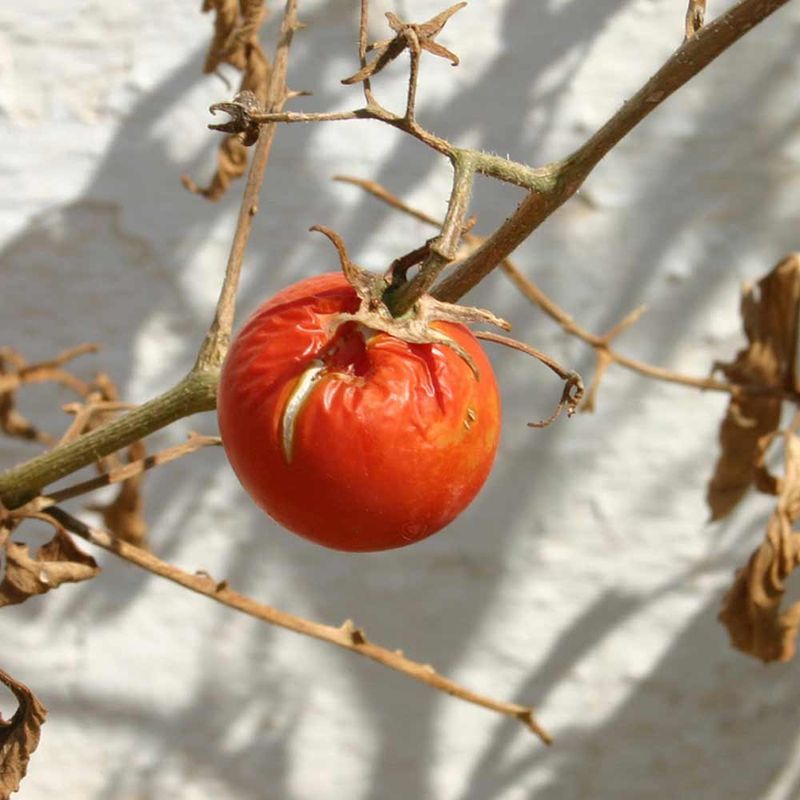
Walking into a garden where tomatoes have struggled with wilt diseases before is a warning worth taking seriously. Verticillium wilt and Fusarium wilt are caused by soil-borne fungi that can persist in the ground for many years without a host plant present.
Once a garden bed has a history of either disease, replanting tomatoes in that exact spot raises the risk of seeing the same problems repeat.
Both diseases work similarly, entering through the roots and blocking the plant’s ability to move water and nutrients upward through the stem. Gardeners typically notice yellowing that starts on lower or older leaves and works its way up the plant over several weeks.
Cutting through an affected stem often reveals a brown discoloration inside, which is a reliable sign of vascular damage from one of these fungi.
California’s warm inland soils tend to favor Fusarium wilt, while Verticillium is more common in cooler coastal and northern California growing areas.
Choosing disease-resistant tomato varieties labeled with a V or F on the tag provides meaningful protection without changing the planting location.
However, when the disease pressure in a particular bed has been consistently severe, moving tomatoes to a new location or building a fresh raised bed with clean soil is often the most practical long-term solution for home gardeners.
8. In Spots With Constant Strong Wind Exposure
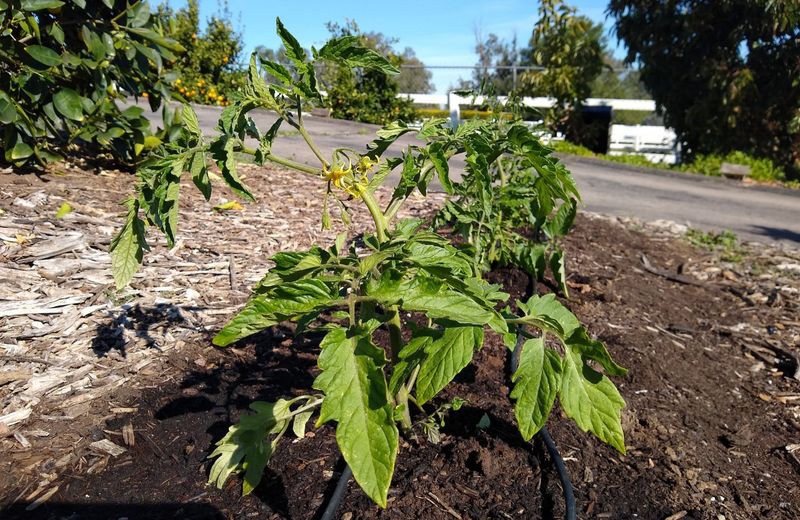
A breezy garden can feel refreshing on a hot afternoon, but constant strong wind exposure is genuinely hard on tomato plants.
Wind pulls moisture out of leaves faster than roots can replace it, leading to a condition called windburn that shows up as dry, crispy leaf margins and a generally stressed appearance even when the soil has plenty of moisture available.
California gardeners near the coast, on hillsides, or in areas where afternoon winds funnel through gaps between structures often deal with this challenge.
The San Francisco Bay Area, coastal Sonoma County, and parts of Southern California near canyon openings are examples of places where wind can be a consistent seasonal factor.
Young transplants are especially vulnerable right after planting, when root systems are still getting established and cannot keep up with rapid moisture loss.
Beyond moisture stress, strong winds can snap stems, knock over unsupported plants, and interfere with pollination by shaking flowers before they set fruit.
Placing tomatoes on the sheltered side of a fence, hedge, or garden wall can reduce wind exposure significantly without blocking necessary sunlight.
Sturdy staking from the moment of planting also helps plants stay upright through windy periods. Windbreaks do not need to be elaborate to make a real difference in how well tomatoes grow through a California season.
9. Near Walnut Trees
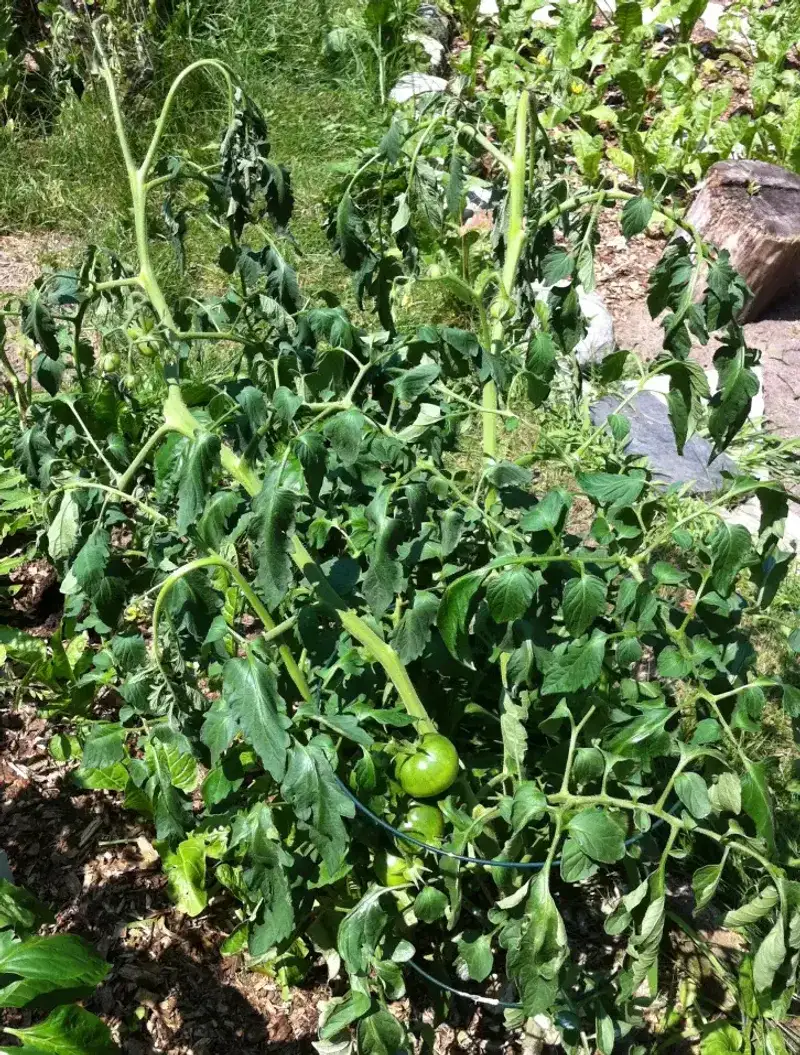
Walnut trees have a reputation among experienced gardeners for a good reason. Both black walnut and English walnut trees produce a natural compound called juglone, which is released from the roots, leaves, hulls, and shells into the surrounding soil.
Many plants that grow within the root zone of a walnut tree show signs of stress or fail to thrive, and tomatoes are among the most sensitive species to juglone exposure.
The affected zone around a mature walnut tree can extend well beyond the visible canopy drip line, sometimes reaching fifty feet or more from the trunk in established trees.
California gardeners who have large walnuts on their property or near the property line may not immediately connect a struggling tomato plant to the tree nearby, especially if the tree looks healthy and unrelated to the vegetable garden area.
Symptoms of juglone sensitivity in tomatoes include wilting, yellowing, and slow decline that does not improve with watering or fertilizing. Moving the planting location outside the root influence zone of the tree is the most straightforward solution.
Raised beds placed well away from the drip line and filled with fresh soil can help create enough separation for tomatoes to grow without exposure to juglone from the surrounding ground.
English walnut rootstocks used in orchards can also affect nearby garden areas in some California landscapes.
10. In Low-Lying Frost Pockets In Cool California Regions
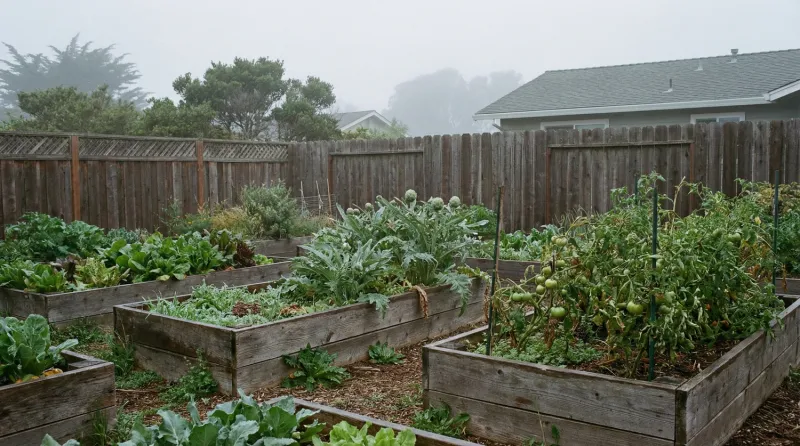
Cold air is heavier than warm air and flows downhill at night, pooling in low-lying areas the same way water does. These spots, often called frost pockets, can experience temperatures several degrees colder than nearby higher ground on the same night.
For California gardeners in mountain foothill communities, the Central Valley’s low-lying edges, or cool coastal valleys, this is a real seasonal consideration when choosing where to plant tomatoes.
Tomatoes are sensitive to cold temperatures, and even a light frost can damage foliage and set back early-season growth considerably.
Planting in a frost pocket means that even as neighboring gardens move past the last frost date, a low-lying bed might still experience cold snaps that stress or damage young plants.
Late spring frosts are more common in certain California regions than many gardeners expect, particularly in areas above 1,500 feet or in inland valleys that experience strong temperature inversions.
Choosing a planting spot on slightly elevated ground, a gentle slope, or a raised bed that sits above the surrounding soil level can help plants avoid the coldest air that settles overnight.
South-facing slopes tend to warm faster in spring and drain cold air more effectively than flat or bowl-shaped areas.
Paying attention to how frost behaves in your specific California garden over one or two seasons makes it much easier to identify where tomatoes will have the warmest, most consistent start each year.