6 Places To Avoid Planting Coneflowers In Michigan And 5 Where They Thrive Instead

Coneflowers have a reputation as one of the toughest, most forgiving perennials a Michigan gardener can plant, which makes it all the more frustrating when one still refuses to thrive. Something clearly isn’t adding up.
The plant itself usually isn’t the problem. More often than not, the spot it landed in was working against it from the very start, no matter how much care followed afterward.
A handful of common yard locations quietly set coneflowers up to struggle, even when soil and sun both seem reasonable at first glance. Meanwhile, other spots practically guarantee a full, healthy bloom with barely any effort at all.
Knowing which is which before you dig a single hole could save you an entire season of wondering why a supposedly easy plant just won’t cooperate. Here’s where to steer clear, and where to plant with confidence instead.
1. Skip The Soggy Low Spots Where Water Pools
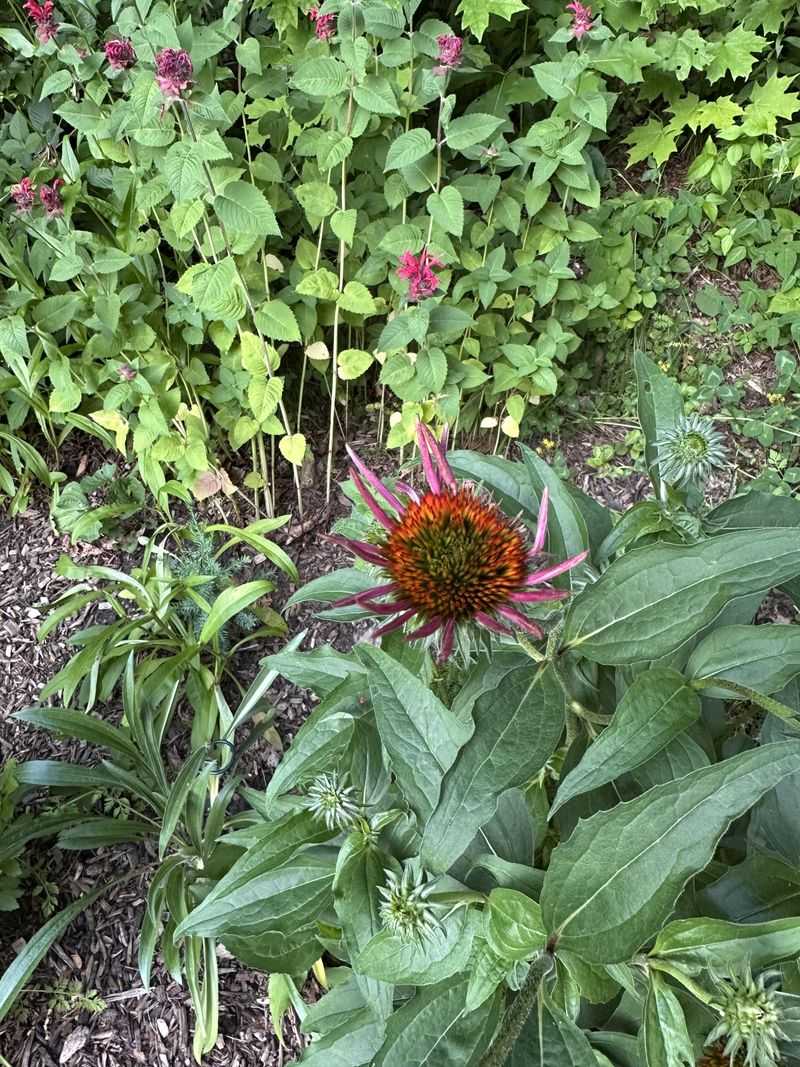
Every yard seems to have that one dip where rainwater lingers long after a storm. In Michigan, with our heavy spring rains and clay-rich soils, these low spots stay wet for days.
Coneflowers, which are native to dry prairies, really dislike having their roots sitting in water. Constant moisture invites root rot, a problem that makes plants wilt even when the sun is shining.
You might notice yellowing leaves or a mushy stem near the base. These are signs that the roots are struggling to breathe underground.
Michigan’s clay soils are especially tricky because they hold water tightly instead of letting it drain away. A puddle that dries in an hour in sandy soil might stick around all afternoon in clay.
If you love that low corner, consider planting moisture-loving natives there instead, like swamp milkweed or blue flag iris. They actually enjoy wet feet and will reward you with blooms.
For your coneflowers, look for higher ground where water moves along rather than gathering. A gentle slope works wonderfully.
You can also build up a raised bed or mound to lift the roots above the wet zone. Adding compost and a bit of coarse sand helps loosen heavy clay over time.
Before planting anywhere, try the simple puddle test. Dig a small hole, fill it with water, and see how fast it drains.
If the water disappears within a few hours, you have found a friendlier home for these prairie favorites.
2. Avoid Deep Shade Under Thick Tree Canopies
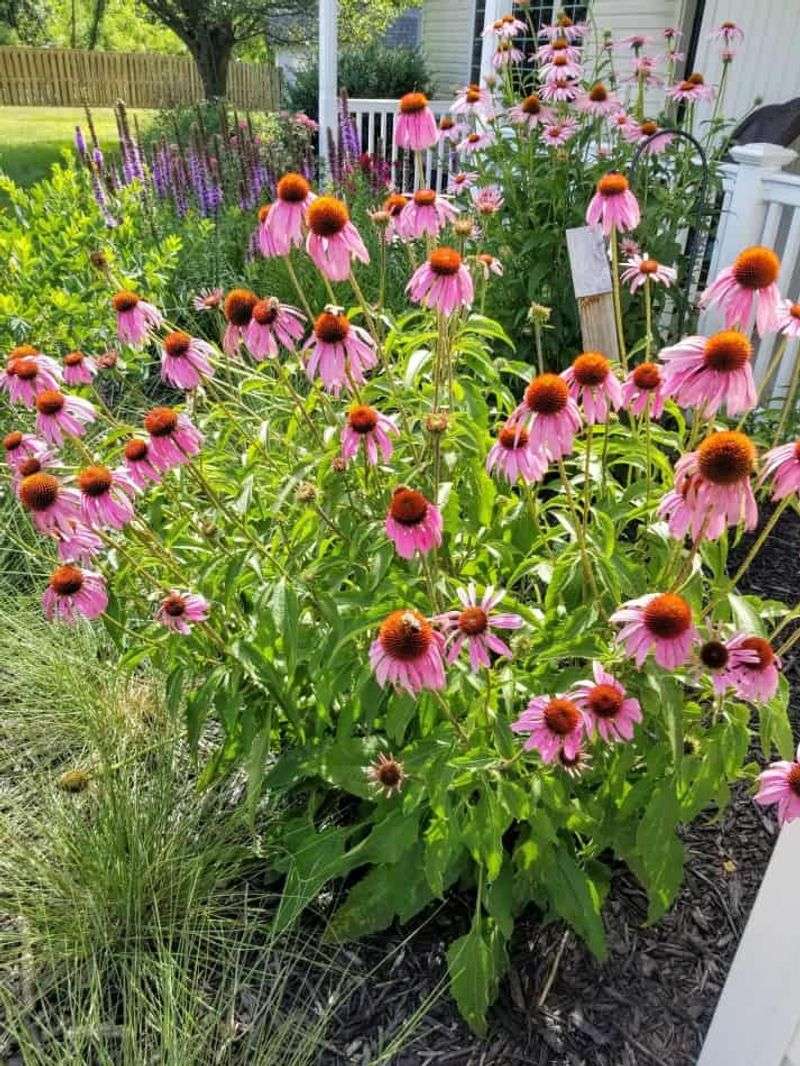
Under a big shade tree, the air feels cool and calm, almost like a natural umbrella. It is a lovely place to sit, but a rough place for coneflowers to grow.
These plants come from open prairies where the sun beats down all day long. Give them deep shade and they stretch tall and floppy, searching for light that never quite arrives.
In Michigan, our mature maples and oaks throw dense shadows that block most of the sunshine. Flowers grown there often produce just a handful of pale, sad blooms.
You may also see the stems flop over sideways, unable to stand up straight. Weak stems mean fewer flowers and a messy-looking bed.
Your Michigan Garden Changes Every Week. Your Plan Should Too.
Gardening in Michigan changes quickly throughout the season. Every Friday you’ll receive a simple weekly plan showing exactly what to plant, prune, fertilize, harvest, and protect so you never miss the right timing.
Tree roots create another hidden challenge underground. Big trees drink up water and nutrients fast, leaving little behind for smaller plants nearby.
That competition means your coneflowers fight a losing battle for resources. Even watering more often may not solve the problem.
If shade is your reality, fill that space with plants built for it, such as wild ginger, hostas, or woodland ferns. They thrive where sunlight is scarce.
Save your coneflowers for a spot that catches at least six hours of direct sun. Morning and midday light are especially valuable.
Watch your yard across a full day to see where sunbeams actually land. Shadows shift as the season changes, so spring shade may deepen by summer.
Choosing the sunniest patch you have will set these blooms up for a cheerful, upright display.
3. Steer Clear Of Crowded Beds With Poor Air Flow

It is tempting to pack plants tightly for that lush, full look right away. But squeezing coneflowers shoulder to shoulder often backfires.
When plants crowd together, air cannot move freely between the leaves. Michigan summers bring plenty of humidity, and trapped moisture sets the stage for trouble.
Powdery mildew is one common visitor, showing up as a whitish dust on the leaves. Crowded, damp conditions help it spread from plant to plant quickly.
Aster yellows, a disease spread by tiny insects, can also travel faster through packed beds. Sick plants may grow strange, greenish flowers instead of healthy blooms.
Good spacing is like giving each plant its own bubble of fresh air. Most coneflowers appreciate about eighteen inches to two feet between them.
That breathing room lets leaves dry quickly after morning dew or a rain shower. Dry leaves resist disease far better than damp ones.
If your bed already feels jammed, autumn is a fine time to dig and divide. Spread the extras to new spots or share them with a neighbor.
Thinning out nearby tall plants can also open up the airflow. Sometimes moving one bushy companion makes a big difference.
Try mixing coneflowers with airy grasses rather than dense, leafy neighbors. The open texture keeps circulation flowing.
A little planning now means fewer fungus headaches later in the season. Your reward is a bed of clean, healthy blooms that stand proud through muggy stretches.
4. Don’t Plant Right Against Foundations With Runoff
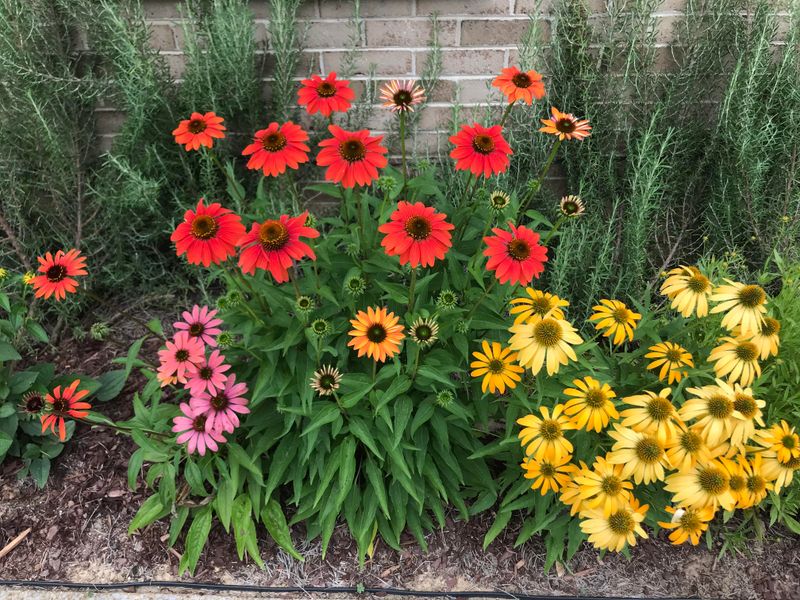
That skinny strip of dirt hugging your house looks like the perfect flower home. Yet the ground right against a foundation can throw curveballs at coneflowers.
Downspouts often dump gushes of rainwater into these narrow beds. One heavy storm can flood the roots, while dry weeks leave the same spot bone dry.
The wild swing between soaked and parched stresses prairie plants. They prefer steady, moderate conditions rather than a feast-or-famine rhythm.
Foundation soil also tends to be compacted and full of leftover construction debris. Bits of concrete and gravel can raise the soil’s alkalinity, which some plants dislike.
Walls facing south or west bounce extra heat onto the plants during summer. That reflected warmth can scorch leaves and bake the shallow soil quickly.
Roof overhangs create rain shadows too, blocking natural moisture from reaching the bed. Plants tucked under an eave may stay thirsty even during a rainy stretch.
If you adore that spot, try tough shrubs or drought-tolerant sedums that shrug off the conditions. They handle the ups and downs with ease.
Move your coneflowers a few feet away from the wall into open ground. A little distance gives roots room to spread and steady moisture to sip.
Redirecting downspouts with an extension also protects nearby plantings. Simple splash blocks send water where you want it.
Give these blooms an honest patch of garden soil rather than a tricky foundation strip. They will thank you with far more flowers.
5. Bypass Frost Pockets In Low Valleys
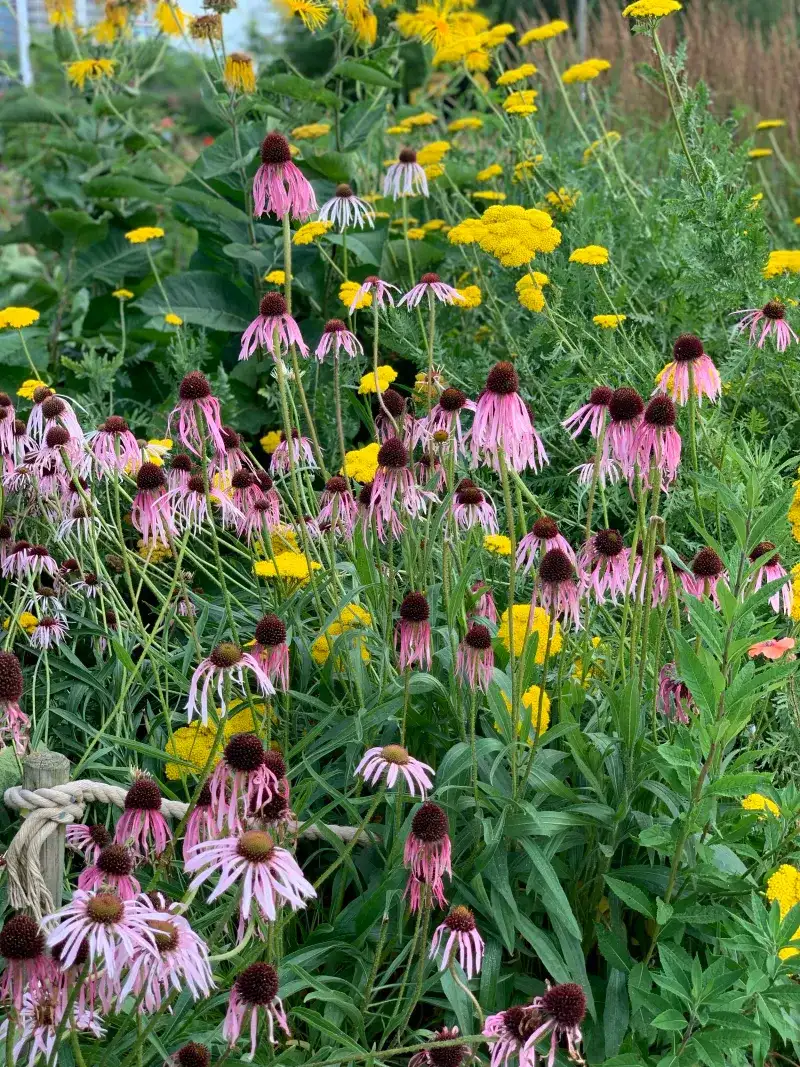
Cold air behaves a lot like water, sliding downhill and settling in the lowest spots. Gardeners call these chilly dips frost pockets.
On calm spring and fall nights in Michigan, these low areas trap freezing air. Frost forms there long after the higher ground has warmed up.
Coneflowers are hardy perennials, tough enough for our winters, so the plants themselves survive the cold. The catch comes with timing and tender new growth.
An unexpected late frost in a pocket can nip fresh spring shoots. Damaged shoots slow the plant down and delay those summer flowers.
Fall frost pockets can also cut the blooming season short. Your flowers may fade earlier than the same variety planted uphill.
Michigan’s spring weather is famously unpredictable, with warm days followed by surprise cold snaps. A frost pocket makes those swings even sharper.
To spot one, walk your yard on a frosty morning and see where the white lingers longest. That lingering frost marks the cold zone.
Planting on a gentle slope lets cold air drain past your flowers rather than pooling around them. Higher ground stays a few degrees warmer.
If the low area is your only choice, mulch can help buffer the temperature swings. A blanket of shredded leaves protects the crown.
Choosing a spot with good air movement keeps frost from settling. Aim for open, slightly raised ground where your coneflowers can enjoy a longer, stronger season.
6. Resist Rich, Over-Fertilized Vegetable Plots

A vegetable garden bursting with dark, crumbly soil seems like paradise for any plant. Coneflowers, though, actually prefer things a little leaner.
These prairie natives evolved in average, even sandy, soils with modest nutrients. Pamper them with too much fertilizer and they respond in a surprising way.
Instead of more flowers, you get lots of tall, leafy growth. All that lush foliage often comes at the expense of blooms.
Rich vegetable plots are usually loaded with nitrogen from compost and plant food. Nitrogen pushes leaves and stems while quietly cutting back on flower production.
The stems may also grow soft and floppy in overly fed soil. Weak stems bend under the weight of what few flowers do appear.
Michigan gardeners often amend veggie beds heavily each spring for hungry tomatoes and squash. That generous feeding suits vegetables but overwhelms tough prairie flowers.
If you want coneflowers near the garden, tuck them along a leaner edge. A border with less-amended soil suits them better.
Skip the extra fertilizer entirely when planting these blooms. They genuinely perform best when you leave them a bit hungry.
Mixing in some sand or fine gravel can lighten overly rich soil. Better drainage and fewer nutrients bring out more flowers.
Think of coneflowers as easygoing plants that dislike fussing. Give them plain ground and steady sun, and they reward you with color all summer while you save the compost for your hungry crops.
7. Thrives In Open, Sun-Drenched Prairie Beds

Now for the happy news, starting with the spot coneflowers love most. Picture a wide open bed soaking up sunshine from morning until evening.
These flowers descend from the tallgrass prairies of the Midwest. Full sun is written into their very nature.
Six or more hours of direct light gives you strong stems and heaps of blooms. The more sun they catch, the better they perform.
Prairie-style beds mimic that natural home beautifully. Group your coneflowers with native grasses, black-eyed Susans, and bee balm for a lively scene.
Pollinators adore this setup, and you will spot bees and butterflies visiting all season. Goldfinches even feast on the seeds come autumn.
Open beds also enjoy good air movement, which keeps disease at bay. Breezes dry the leaves and discourage mildew.
Leave a little space around each plant so air flows freely. That breathing room pays off in healthier foliage.
Once established, prairie beds ask for very little from you. These plants handle Michigan’s summer heat and dry spells like champs.
Water them well during the first season while roots settle in. After that, they mostly fend for themselves.
Skip the heavy feeding, since lean soil brings the best flowers. A yearly sprinkle of compost is plenty.
Leave the seed heads standing through winter for the birds and for a bit of frosty beauty. Come spring, cut them back and watch a fresh, sunny display begin all over again.
8. Flourishes Along Sunny Slopes With Sharp Drainage

A gentle slope in your yard is like a natural gift for coneflowers. Water rolls downhill instead of hanging around the roots.
That quick drainage is exactly what these prairie plants crave. Their roots stay healthy when excess moisture drifts away.
Michigan gardeners with clay soil especially benefit from planting on a rise. The slope helps overcome heavy ground that would otherwise stay soggy.
Sunny slopes usually catch plenty of light too, doubling the benefit. Full sun plus sharp drainage makes an ideal combination.
Coneflowers grow deep taproots that anchor firmly into hillsides. Those roots also help hold the soil in place and reduce erosion.
You can tuck a few flat rocks among the plants for extra charm and stability. Rocks hold warmth and help keep soil from washing away.
Pair them with other drought-tolerant natives like butterfly weed or little bluestem grass. The mix creates a rugged, low-care planting.
Slopes can dry out fast, so water deeply while the plants are getting settled. Once rooted, coneflowers handle dry spells with ease.
A layer of mulch slows runoff and keeps moisture near the roots a bit longer. Shredded bark or leaves work nicely.
Terracing a steep bank into small level pockets can make planting simpler. Each pocket catches just enough water without flooding.
Give these blooms a sunny hillside and they reward you with sturdy stems and lasting flowers. It is one of the easiest ways to keep them content all summer long.
9. Happy In Pollinator Gardens Buzzing With Life

If you want a garden that hums with activity, coneflowers belong front and center. Bees, butterflies, and beneficial bugs simply cannot resist them.
The flat, open flower centers make perfect landing pads for visiting insects. Pollinators sip nectar while dusting themselves with pollen.
Monarch butterflies, which migrate through Michigan, appreciate the steady nectar supply. Coneflowers bloom for weeks, feeding travelers along the way.
Native bees especially favor these flowers, and Michigan is home to hundreds of bee species. Supporting them helps your whole neighborhood’s plants thrive.
A pollinator garden layers different bloom times so something is always flowering. Coneflowers fill the midsummer gap beautifully.
Plant them alongside milkweed, wild bergamot, and goldenrod for a rich buffet. The variety keeps pollinators coming back all season.
Sunny, open placement helps insects find the flowers easily. Bees prefer warm, bright spots where they can work comfortably.
Skip pesticides in these areas to keep your tiny visitors safe. Healthy plants and good spacing reduce the need for sprays anyway.
When autumn arrives, resist tidying up too soon. Standing seed heads feed goldfinches and other hungry birds through the cold months.
Hollow stems left over winter give native bees a cozy place to shelter. Wait until spring to trim things back.
Building a pollinator patch turns your yard into a lively rest stop for wildlife. Coneflowers make that job easy, drawing in a cheerful crowd of buzzing, fluttering guests from June clear into fall.
10. Content In Raised Beds With Loamy Mix

Raised beds give you a fresh start, and coneflowers appreciate the clean slate. You control exactly what goes into the soil.
For Michigan gardeners stuck with heavy clay, this is a real game changer. A raised bed lets you build the loose, well-draining home these plants prefer.
A loamy mix of garden soil, compost, and a little coarse sand works wonderfully. The blend holds just enough moisture without staying waterlogged.
Elevated soil also warms up faster in spring, giving plants an earlier start. Warmer roots mean quicker growth once the weather turns mild.
Drainage in a raised bed is naturally excellent since water flows out the bottom. Coneflower roots stay comfortable rather than soggy.
You can place a raised bed in the sunniest part of your yard easily. That flexibility helps you meet the six-hour sunlight goal.
Keep the soil on the lean side, since overly rich mixes cut back on flowers. A modest amount of compost is all you need.
Raised beds also make gardening kinder on your back and knees. Less bending means more time enjoying the blooms.
Water new plants regularly while they establish, as raised beds can dry quicker than ground level. A layer of mulch slows that drying.
Once settled, coneflowers in a good raised bed practically care for themselves. They stand up straight, bloom heavily, and shrug off Michigan’s soggy springs.
It is a tidy, reliable way to enjoy these sunny prairie favorites for years.
11. Perfect For Low-Water Xeriscape Corners

For anyone tired of dragging the hose around, coneflowers offer sweet relief. These plants shine in low-water gardens known as xeriscapes.
Xeriscaping means designing a garden that gets by on little extra watering. Coneflowers fit right in thanks to their deep, drought-tough roots.
Michigan summers can bring stretches with little rain, and these flowers ride out dry spells calmly. Once their roots reach down deep, they rarely need help.
A sunny corner with gravelly or sandy soil suits them perfectly. Sharp drainage keeps their roots healthy while using almost no water.
Pair them with other tough companions like sedum, yarrow, and lavender. Together they create a colorful, easygoing planting that sips rather than gulps.
A layer of gravel or stone mulch helps hold in what little moisture there is. Mulch also keeps weeds from crowding in.
These beds are wonderful for busy folks or anyone hoping to save on their water bill. Less watering means less work and lower costs.
During the first season, give new plants a steady drink so roots settle in well. After that, natural rainfall usually does the job.
Xeriscape corners look striking with rocks, boulders, and drought-loving grasses mixed among the flowers. The rugged style feels natural and relaxed.
Coneflowers prove that a water-wise garden can still burst with color. Give them a dry, sunny nook and they will bloom happily while asking almost nothing in return, making them a smart pick for thrifty Michigan gardeners.