The Clock Is Ticking For Colorado Gardeners Before The State’s Early Mountain Frost
Frost does not knock before it arrives quietly. It slides down from higher elevation without warning. Nights in Colorado can shift fast before midnight. Colorado gardens sit closer to open sky than lowland ones.
Your tomatoes look strong today, unaware of what comes next. Elevation writes rules that lowland gardeners rarely learn. Temperatures swing hard across the valley, testing any gardener caught off guard.
Squash vines sprawl wide, careless of the calendar’s warning. Growers who wait too long can lose their fruit to a frosty morning. You still have time, but that window is closing fast. A clear, still evening can undo weeks of careful work.
Cold air pools low and settles into open yards silently. Yet momentum still favors you if you move now. This late-summer stretch demands sharp, fast decisions.
Preparation beats hesitation, especially at high elevation. What comes next decides whether your harvest holds through the shift.
Read Your Elevation, Not The Seed Packet
Seed packets are written for someone living in Ohio, not for someone gardening on a slope above a creek in Gunnison County. That mismatch trips up more Colorado gardeners than any bug or blight.
Elevation shortens the growing window fast. Denver often sees its first light freeze around early October, while towns above 8,000 feet often see their first freeze weeks earlier.
Some high valleys, like the San Luis Valley or Fraser, are known for unusually cold nights even in July.
Cold air behaves like water, sliding downhill and pooling in low spots. A garden at the bottom of a gentle slope can be several degrees colder than one halfway up the same hill.
Track your own numbers instead of trusting a regional average. A cheap min-max thermometer parked in the garden for two weeks will teach you more than any online map.
Write down the date of your first light freeze each year in a notebook or phone app. After three seasons, you will have a personal frost calendar that beats generic advice.
Count backward from that date to figure out what still has time to finish. If a pepper needs 30 more days and you have 12, that plant needs help or it needs to come indoors.
Knowing your true window turns guessing into planning. And planning is what separates a shrug in October from a counter piled with produce.
Harvest The Tender Crops While They Still Look Happy
Waiting for one more day of ripening is the delay that costs Colorado gardeners the most fruit. Basil, squash, cucumbers, beans, and peppers all decline quickly once air dips into the 30s.
Green tomatoes are perfectly happy to finish indoors. Pick them once they show a pale blush or a glossy sheen, then set them in a single layer on newspaper in a cool room.
Toss an apple or banana into the box if you want them to redden faster. Both give off ethylene gas, the same signal fruit uses to ripen naturally.
Basil deserves special urgency because it blackens at temperatures other herbs shrug off. Cut whole stems, strip the leaves, and freeze them in olive oil using an ice cube tray.
Your Colorado Garden Changes Every Week. Your Plan Should Too.
Gardening in Colorado changes quickly throughout the season. Every Friday you’ll receive a simple weekly plan showing exactly what to plant, prune, fertilize, harvest, and protect so you never miss the right timing.
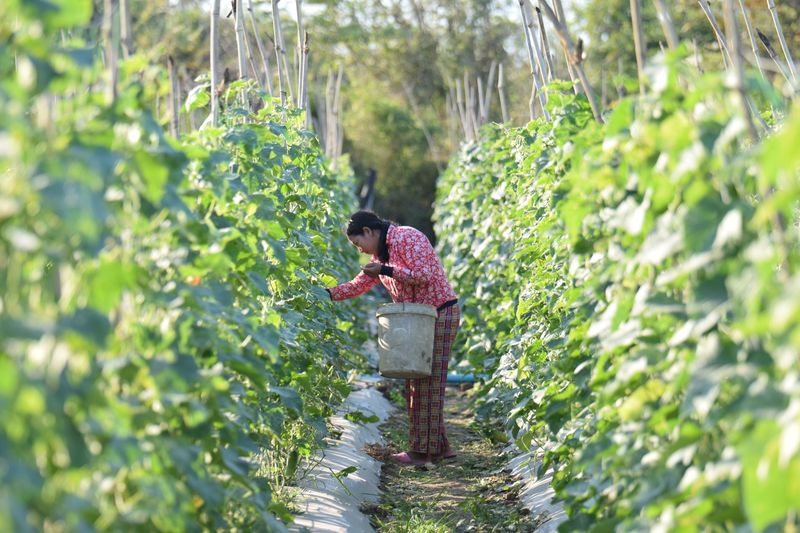
Summer squash and cucumbers keep producing right up until the cold arrives, so harvest every two days in September. Smaller fruit tastes better anyway, and picking encourages the vine to keep going.
Peppers actually sweeten if left on the plant, which tempts people to wait too long. Compromise by pulling half your crop early and gambling with the rest.
Beans and peas can be blanched for a couple of minutes, then frozen, in about fifteen minutes of total kitchen work. That small effort in September pays off in a February soup.
Once the tender stuff is safely inside, the pressure lifts. You can then focus your energy on the hardy plants that genuinely enjoy the chill.
Build A Frost Shield You Can Throw On In Minutes
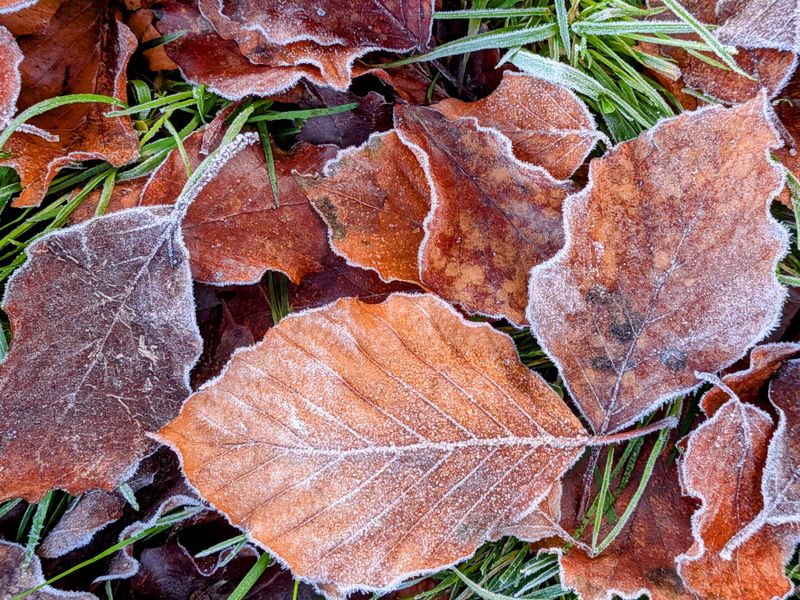
The best frost protection is the kind you can deploy in slippers, in the dark, holding a flashlight in your teeth. If covering the garden takes half an hour, you will talk yourself out of it.
Floating row cover fabric is the workhorse here. Lightweight versions typically add a few degrees of protection, while heavier grades can offer noticeably more on a calm night, though results vary by brand and thickness.
Hoops matter more than most people expect. Fabric resting directly on leaves transfers cold straight to the plant, so bend some PVC or wire into arches first.
Anchor the edges all the way to the ground with rocks, bricks, or landscape staples. The warmth you are trapping comes from the soil, and an open gap lets it escape.
Old bedsheets work in a pinch, though they soak up moisture and get heavy. Plastic sheeting is the worst option because anywhere it touches a leaf, that spot gets damaged.
For single plants, a five gallon bucket or an upside down cardboard box does the job nicely. Some mountain gardeners fill milk jugs with water and tuck them beside tomatoes, since the water releases heat overnight.
Uncover in the morning once temperatures climb past the mid 40s. Trapped heat under fabric on a sunny Colorado afternoon can overheat tender greens surprisingly quickly.
Keep everything folded in a bin by the back door. Convenience is what makes protection actually happen.
Water Deeply Before A Cold Night Rolls In
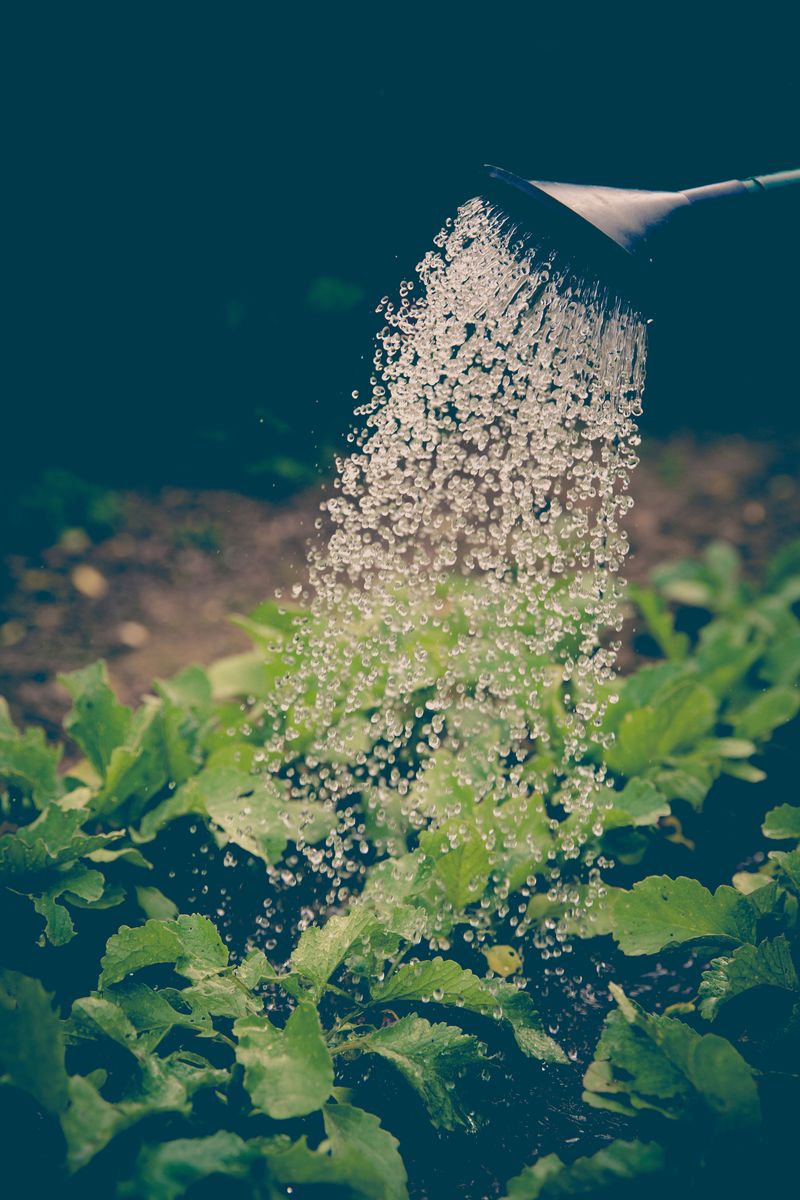
Here is a trick that feels backward: soggy soil helps plants handle cold better than dry soil. Moist ground holds daytime heat and slowly releases it after sunset.
Dry, dusty soil, which is common across much of Colorado, acts more like an insulator. It blocks that stored warmth from reaching the air around your plants.
Water in the afternoon before a forecasted cold night, not at 9 p.m. Giving the soil a few hours of sunshine lets it soak up heat like a stone patio.
Aim for a deep soak, roughly an inch of water, rather than a quick sprinkle. Shallow watering wets only the top layer and does little for heat storage.
Orchard growers have used this method for generations, and backyard gardeners get the same benefit at a smaller scale. The difference can be a few meaningful degrees, which is often the whole margin.
Mulch complicates things slightly. A thick straw layer keeps roots cozy but also blocks soil heat from rising, so pull mulch back from the base of tender plants on a cold night.
Skip this trick for succulents, lavender, and native xeric plantings. Those prefer dry feet and handle cold just fine on their own.
Colorado’s dry autumn air also pulls moisture from evergreens and shrubs. Give trees a slow soak every few weeks through fall while the hose is still hooked up.
Plant A Fast Fall Crop That Tolerates Cold Well
Not every plant fears a cold snap. Some actually taste better once they have been chilled, converting stored starch into sugar as a natural defense.
Spinach, kale, arugula, mache, and collards fall into that camp. A light freeze makes them sweeter, crunchier, and honestly more interesting than anything from a plastic clamshell.
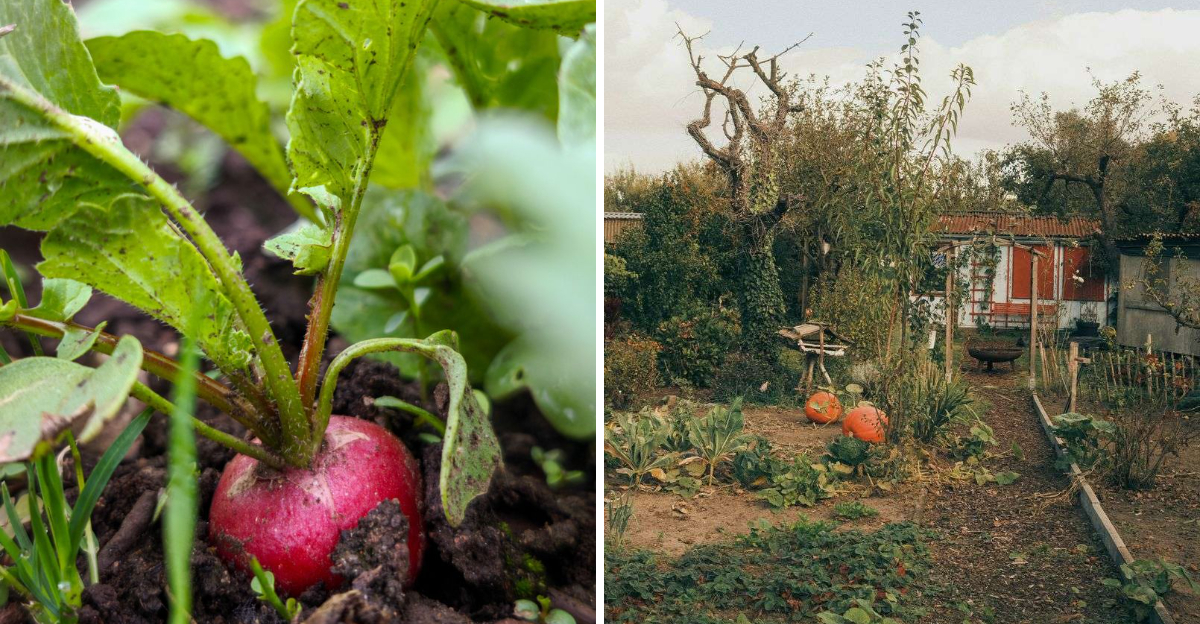
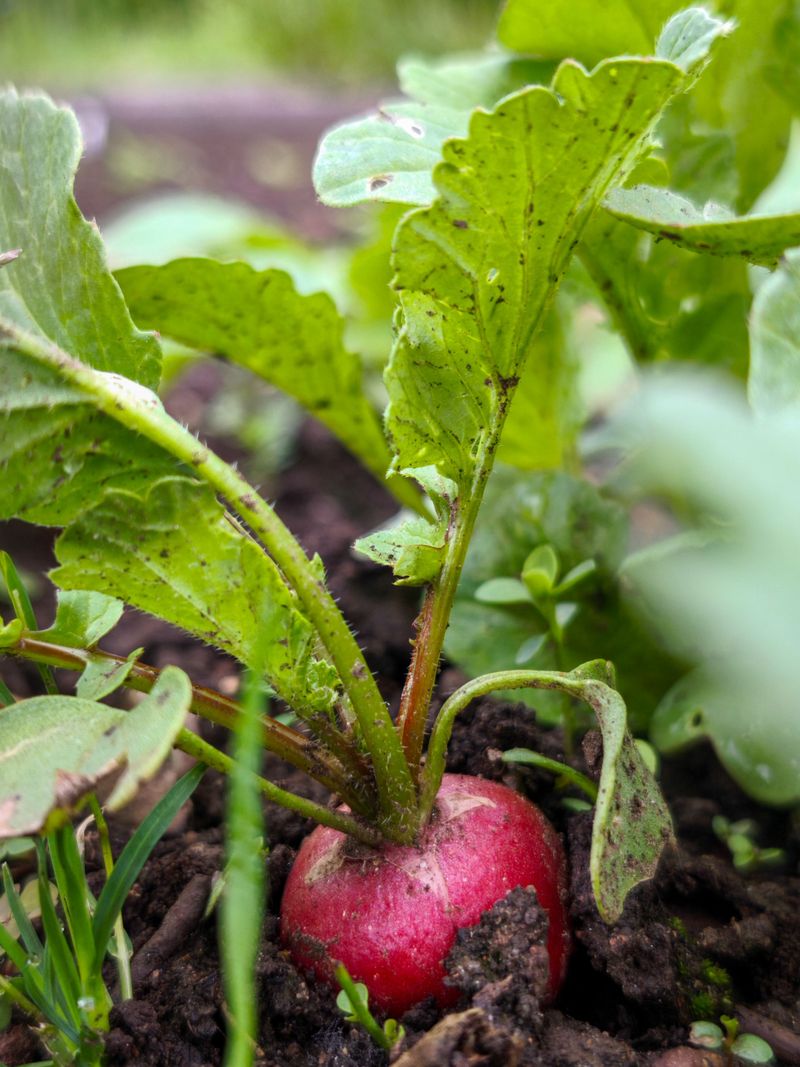
Radishes are the sprinters of the fall garden, ready in about 25 to 30 days. Sow a row in early September and you will be pulling them in October.
Turnips, mustard greens, and bok choy also move quickly. Baby-leaf lettuce can be cut at three weeks if you sow it thickly and harvest with scissors.
Garlic deserves a spot on your October to-do list too. Plant cloves four to six weeks before the ground firms up, mulch heavily, and forget about them until June.
Cold frames and low tunnels stretch this season dramatically. Eliot Coleman famously grew greens through New England winters using nothing but layered covers, and Colorado’s abundant sunshine gives you an even bigger advantage.
Sow seeds a bit deeper than you would in spring, since surface soil dries out fast in autumn wind. Keep the bed damp until sprouts appear.
Watch for that low-angle sun. Beds against a south-facing wall or fence pick up reflected warmth and often outperform open ground by a week or two.
Put The Garden To Bed Before The Ground Firms Up
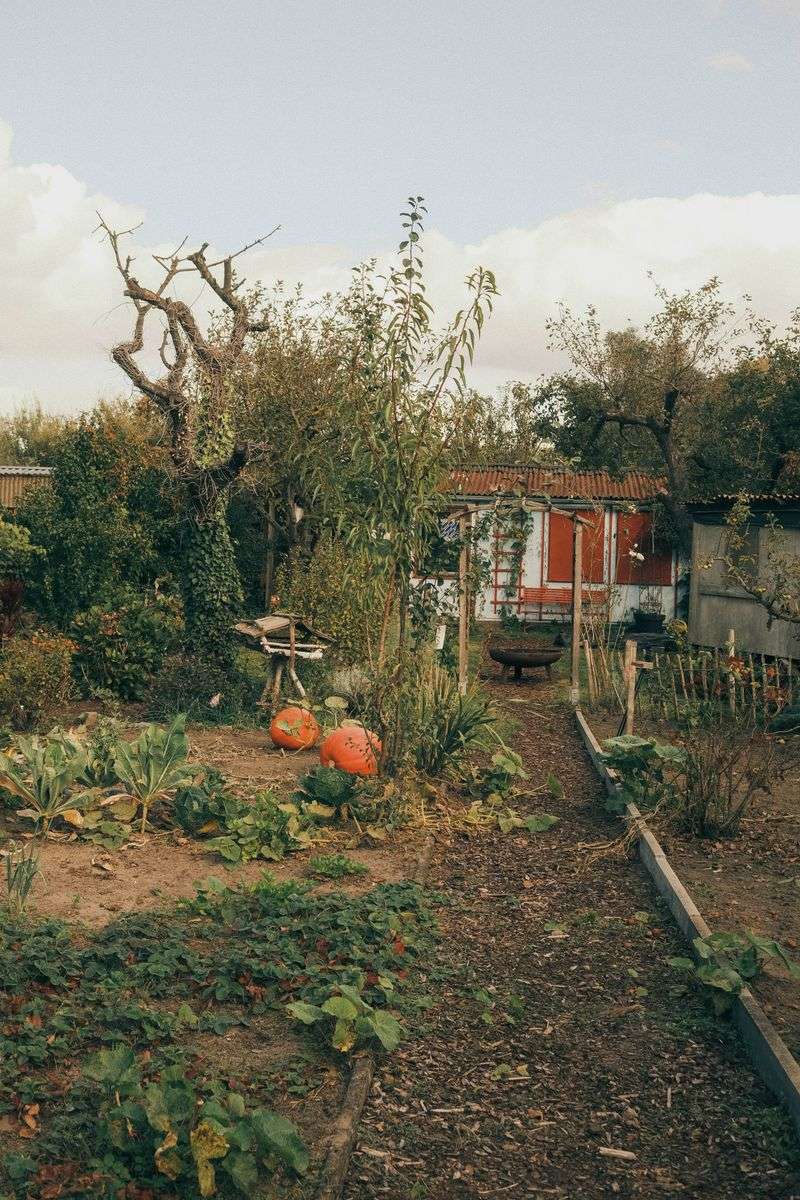
October cleanup feels like a chore until the following April, when you realize past-you did all the hard work. A tidy fall garden wakes up faster and healthier.
Start by clearing out spent tomato, squash, and cucumber vines. Those plants often carry fungal spores that overwinter happily in leftover debris.
Leave the healthy stuff standing, though. Native perennials, coneflower seed heads, and ornamental grasses feed chickadees and give beneficial insects a place to shelter.
Spread two to four inches of compost across your beds and let winter moisture pull it downward. Colorado soils tend to be low in organic matter, so every bit counts.
Straw mulch over garlic and perennial herbs prevents the freeze-thaw cycling that heaves roots right out of the ground. Our sunny winter days are surprisingly hard on shallow-rooted plants.
Drain and coil your hoses, and shut off outdoor spigots before overnight lows settle in. A cracked pipe in a crawlspace is a costly repair.
Empty terra cotta and ceramic pots, then store them upside down or under cover. Water trapped in the clay expands when frozen and splits the pot along the seams.
Sharpen and oil your pruners and shovels while you have the time. Take twenty minutes to jot notes about what thrived and what flopped this year. Next spring, that scribbled page will be the most useful tool in your shed.