Plant These 10 Winter Annuals in Florida Now for Color Through the Holidays
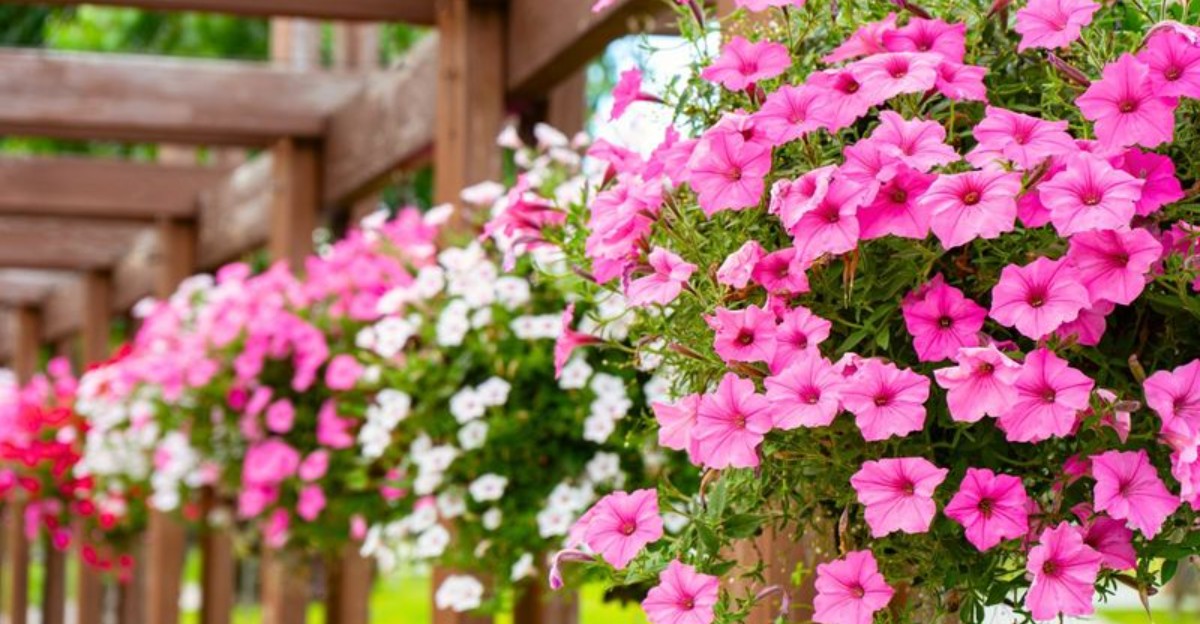
A frosty night in the mid-twenties can leave certain cheerful flowers looking perfectly fine by breakfast the next morning. Meanwhile, those same blooms often sulk and fade once our steamy summer heat arrives in late spring.
Florida gardeners get to flip the usual calendar upside down, planting bright color just as northern beds go quiet. Cool nights and sunny days here create the perfect stage for flowers that can’t stand muggy weather.
I have to admit, my favorite planting week arrives when the first cool front finally sweeps across the state. You might notice garden centers filling their tables with bold trays of color around that same time.
I’ll defend this to the end: a porch full of blooms beats any string of plastic lights during the holidays. A handful of cool-loving favorites can have your beds glowing before the first guest rings the doorbell.
1. Pansy
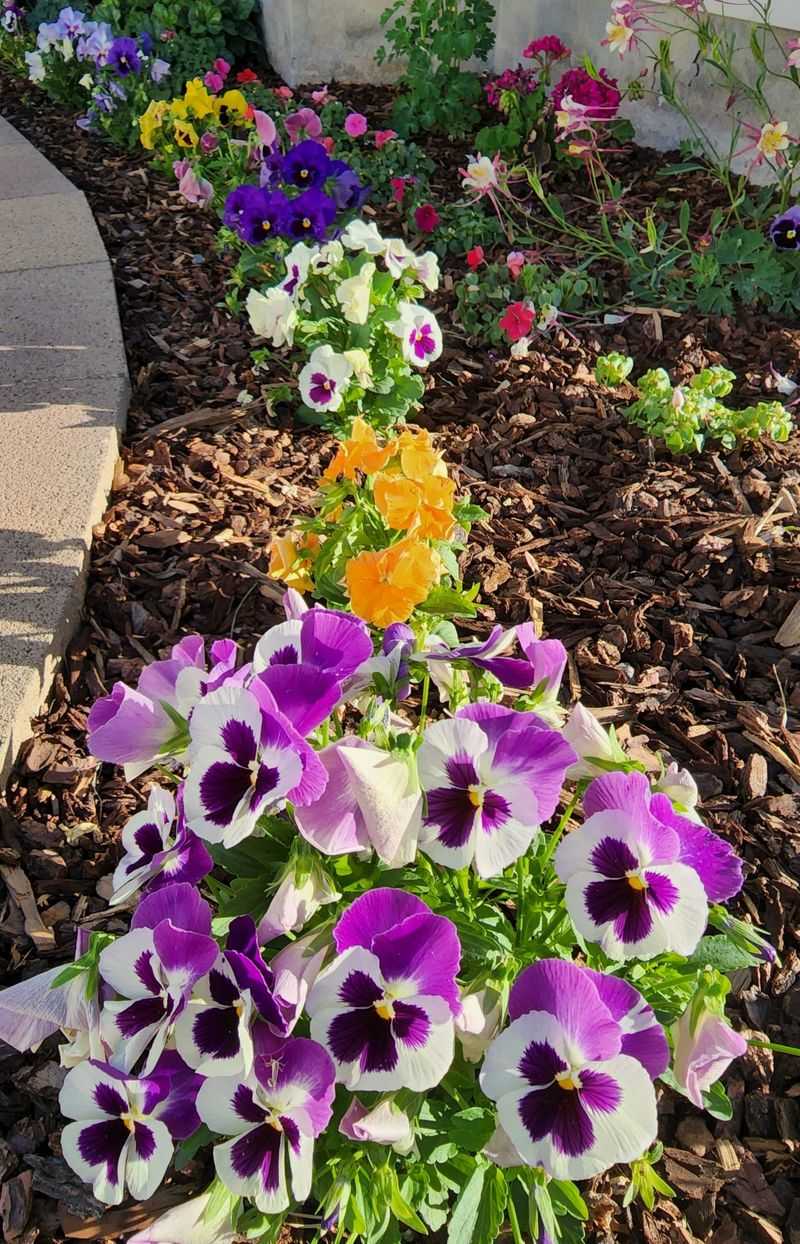
Every pansy seems to wear a tiny face, and I swear some of them look a little grumpy about it. Those dark blotches in the center give each bloom personality, like a crowd of cheerful cartoon characters.
Known to botanists as Viola x wittrockiana, pansies handle chilly nights far better than most bedding plants at the nursery. A light frost rarely bothers them, and they usually perk right up once the morning sun warms the bed.
You can choose shades ranging from creamy white to deep velvety purple, plus plenty of blends and ruffled forms. Plants stay compact, usually around six to nine inches tall, which makes them lovely along walkways and porch steps.
Plant transplants in fall once daytime temperatures settle into the seventies, spacing them roughly eight to ten inches apart. Rich, well-drained soil mixed with compost helps roots settle quickly, so new flowers keep coming week after week.
Water at the base of each plant rather than over the leaves, since soggy foliage invites fungal spots. Keep the soil evenly moist but not swampy, especially during breezy dry spells that pop up after cold fronts.
Pinching off faded blooms keeps your plants focused on fresh flowers instead of setting seed too early in the season. A light feeding with balanced fertilizer every few weeks also helps them stay bushy and bright through the holidays.
Fun bonus here, because pansy petals are edible and look adorable scattered across a holiday salad or a frosted cake. Just skip any plants treated with garden chemicals, and choose blooms you grew yourself for the kitchen.
2. Viola
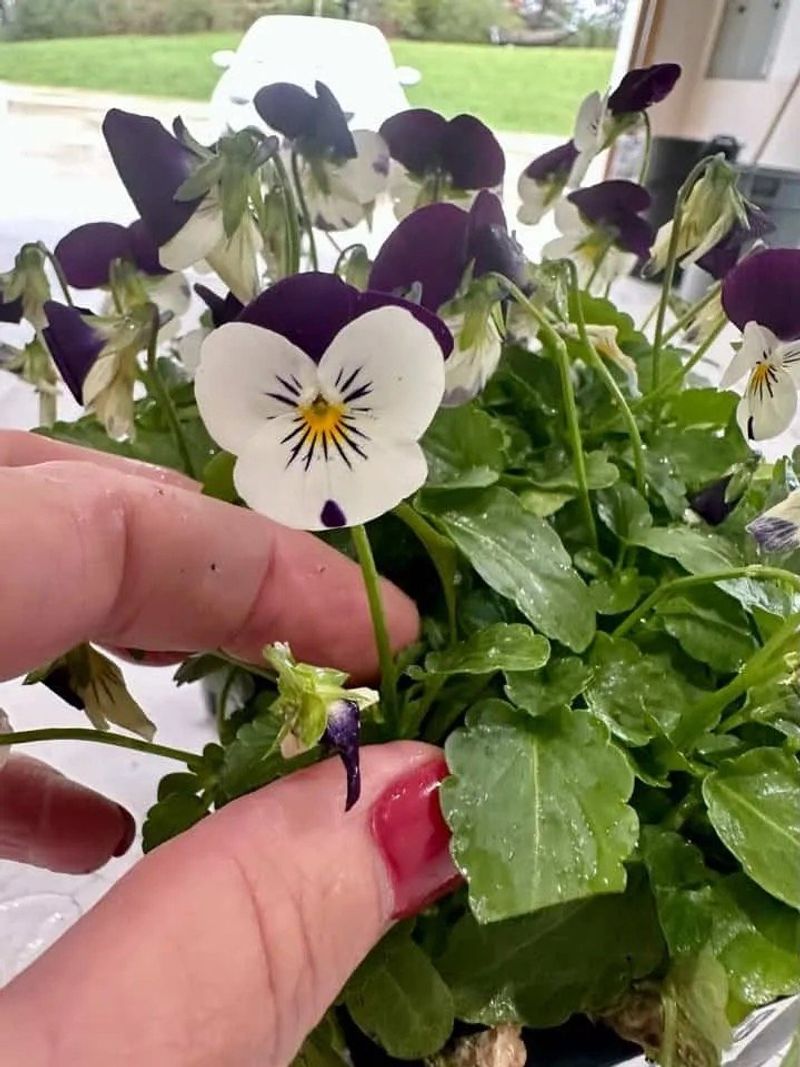
Small but mighty, violas pack an astonishing number of blooms onto plants that barely reach your ankles in height. I love tucking them into spots where a bigger flower would look clumsy or crowded.
Violas are close cousins of pansies, but their flowers are smaller and usually appear in much greater numbers. Many varieties come from Viola cornuta, often called horned violet, while Johnny jump-ups belong to Viola tricolor.
That smaller flower size gives them a surprising advantage during breezy or rainy weather in the cooler months. Tiny blooms bounce back quickly after a storm, while larger petals sometimes flop or tear under heavy drops.
You will find violas in sunny yellow, soft lavender, and cheerful bicolor patterns with whisker-like lines across their centers. Some even carry a faint sweet scent, which you notice most when you lean close on a sunny afternoon.
Give them a bright spot with morning sun and well-drained soil enriched with compost or aged manure. Space plants about six inches apart, since they fill in gently without sprawling across their neighbors in the border.
Containers suit violas beautifully, especially window boxes, hanging pots, and the edges of larger mixed planters near entryways. Check potted soil every couple of days, because small containers dry out faster than garden beds during windy weather.
Many violas keep blooming even if you skip trimming, though a quick snip of spent flowers encourages fresh flushes. As spring warms up, they often stretch and fade, signaling time to swap in warm-season color.
3. Snapdragon
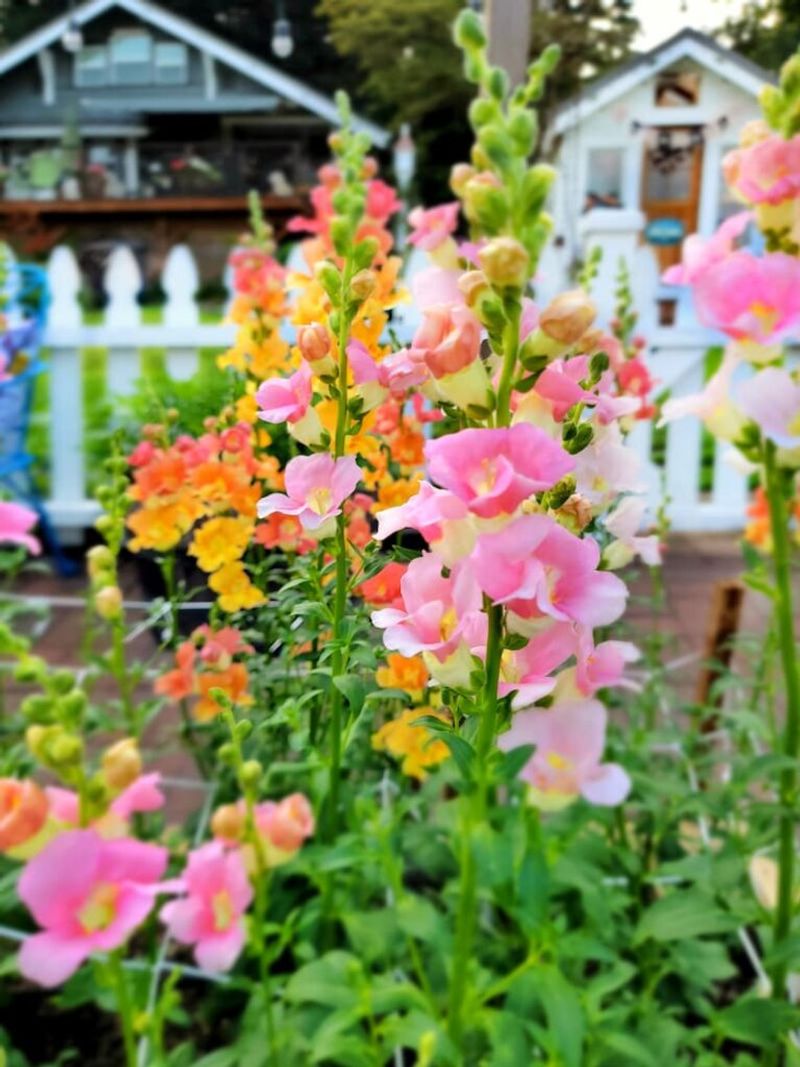
Gently squeeze the sides of a snapdragon flower, and its little jaws pop open like a chatty puppet. Kids adore this trick, and honestly, so do I every single time I walk past the bed.
Snapdragons, or Antirrhinum majus, originally hail from the Mediterranean region, where cool winters and mild springs feel familiar. That background explains why they flourish during our cooler months and struggle once summer humidity rolls back into town.
Their upright flower spikes bring height to a winter bed, which many low-growing annuals simply cannot offer. Dwarf types stay under a foot tall, while taller varieties can reach roughly three feet with sturdy support.
Choose a spot with full sun, since six or more hours of direct light keeps those spikes strong and colorful. Well-drained soil matters a great deal, because soggy roots quickly lead to rot and disappointing yellow foliage.
Fall transplants usually start flowering within several weeks and often continue into spring if nights stay pleasantly cool. Bumblebees are among the few insects heavy enough to pry the closed flowers open and reach the nectar inside.
Pinch young plants just above a leaf pair before they bloom, which encourages side branches and more flower spikes. Tall varieties appreciate a slim stake, especially in exposed spots where gusty cold fronts push across the yard.
Cut faded spikes back to a healthy side shoot, and new blooms will usually follow within a few weeks. Snapdragons also make wonderful cut flowers, so bring a handful indoors for a cheerful holiday table centerpiece.
4. Petunia
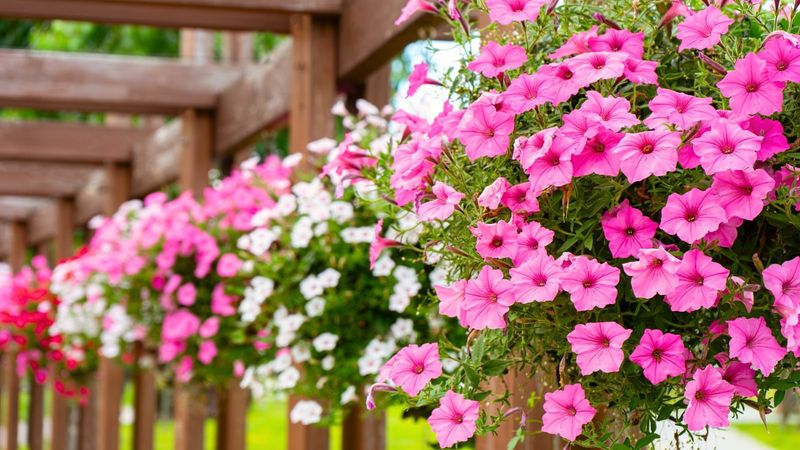
Northern gardeners treat petunias as summer flowers, yet our cool season might be when they look happiest. I still grin every winter when my hanging baskets overflow with blooms while relatives up north shovel snow.
Garden petunias, known as Petunia x hybrida, descend from wild species native to South America. Breeders have spent well over a century developing new colors, flower shapes, and spreading habits for baskets and beds.
Summer heavy rains and sticky humidity often leave petunias looking battered and leggy across much of Florida. Cooler, drier weather from fall into spring lets them grow dense and bloom heavily without much fuss at all.
Plant them in full sun with at least six hours of direct light each day for the best show. Loose, well-drained soil keeps roots healthy, so mix compost into heavy ground before tucking in your transplants.
Spreading types make fantastic groundcovers along sunny borders, while trailing varieties cascade gracefully over the edges of tall containers. Space bed plants about a foot apart, giving them enough elbow room to knit into a colorful carpet.
Let the top inch of soil dry slightly before watering again, because constantly wet roots can lead to trouble. Container plants need more frequent checks, particularly on breezy days when pots lose moisture faster than you expect.
Trim back stretched stems by a few inches if plants start looking scraggly after several weeks of steady blooming. Many newer varieties shed old flowers on their own, which saves you a little time during busy holiday weeks.
5. Sweet Alyssum
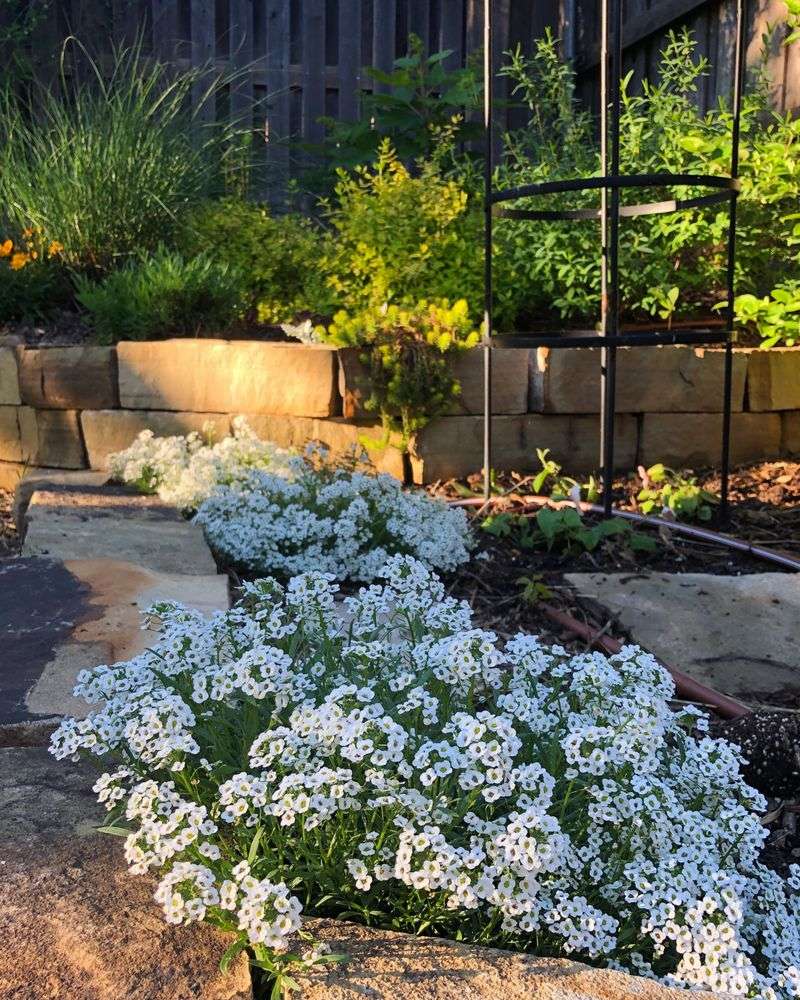
Bend down near a patch of sweet alyssum on a sunny afternoon, and a soft honey scent drifts upward. That fragrance surprises visitors who expect such tiny flowers to smell like nothing at all.
Botanists call this charming plant Lobularia maritima, a member of the mustard family native to the Mediterranean coast. Each bloom has just four little petals, but hundreds cluster together into fluffy mounds that resemble fresh snowdrifts.
White varieties are the classic choice, though you can also find shades of rosy pink and soft lavender. Plants usually stay under ten inches tall, spilling gracefully over the edges of beds, pots, and stepping stones.
What I enjoy most is the parade of helpful insects that alyssum attracts, especially tiny hoverflies and small native bees. Hoverfly larvae feed on aphids, so these blooms quietly support natural pest control throughout your vegetable garden too.
Plant alyssum in full sun or light afternoon shade, using soil that drains well after heavy rain showers. Space plants about six inches apart, and they will soon weave together into a fragrant, flowing ribbon of color.
Keep the soil lightly moist, but avoid overwatering, since alyssum dislikes sitting in soggy ground for long periods. Seeds need light to sprout, so barely press them onto the soil surface instead of burying them deeply.
Once flowering slows, shear plants back by about one third with clean scissors to encourage a fresh round of blooms. Within a couple of weeks, new buds usually appear and the honey scent returns to your garden.
6. Dianthus
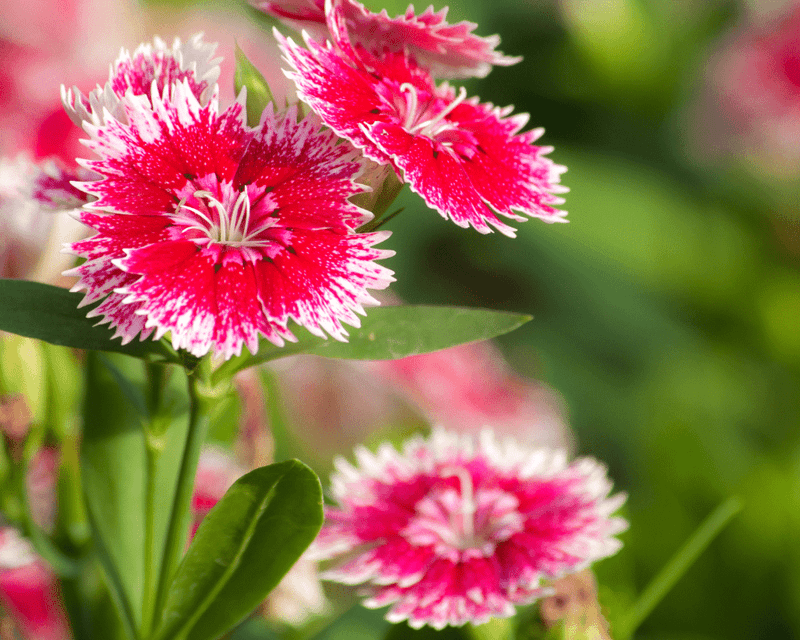
Look closely at a dianthus petal, and you will see edges trimmed as neatly as fabric cut with pinking shears. Many gardeners believe those zigzag edges inspired the old nickname pinks, long before the color carried that name.
The annual types sold for winter beds are mostly Dianthus chinensis, often called China pinks, or their popular hybrids. Plants form tidy clumps with slender gray-green leaves that set off red, pink, and white blossoms beautifully.
Some varieties carry a light, spicy fragrance reminiscent of cloves, which I find irresistible on a cool sunny morning. Butterflies visit the flowers often, so expect a few winged guests on warmer days throughout the season.
Dianthus loves full sun and soil that drains quickly, because wet roots cause problems faster than nearly anything else. Raised beds or containers work wonderfully if your yard holds puddles for hours after a heavy rain shower.
Plant from fall into winter, spacing plants about eight to ten inches apart to keep air moving between them. Keep mulch pulled back slightly from the stems, since constant moisture around the crown invites rot and leaf spots.
Water once the top layer of soil feels dry, then let it drain thoroughly before the next drink. Light, occasional feeding works better than heavy fertilizer, which often produces floppy growth with fewer flowers to admire.
Snip faded flower clusters back to fresh foliage, and new buds should follow within a couple of weeks. With cool weather on your side, dianthus can keep blooming well past the holidays and into late spring.
7. Geranium
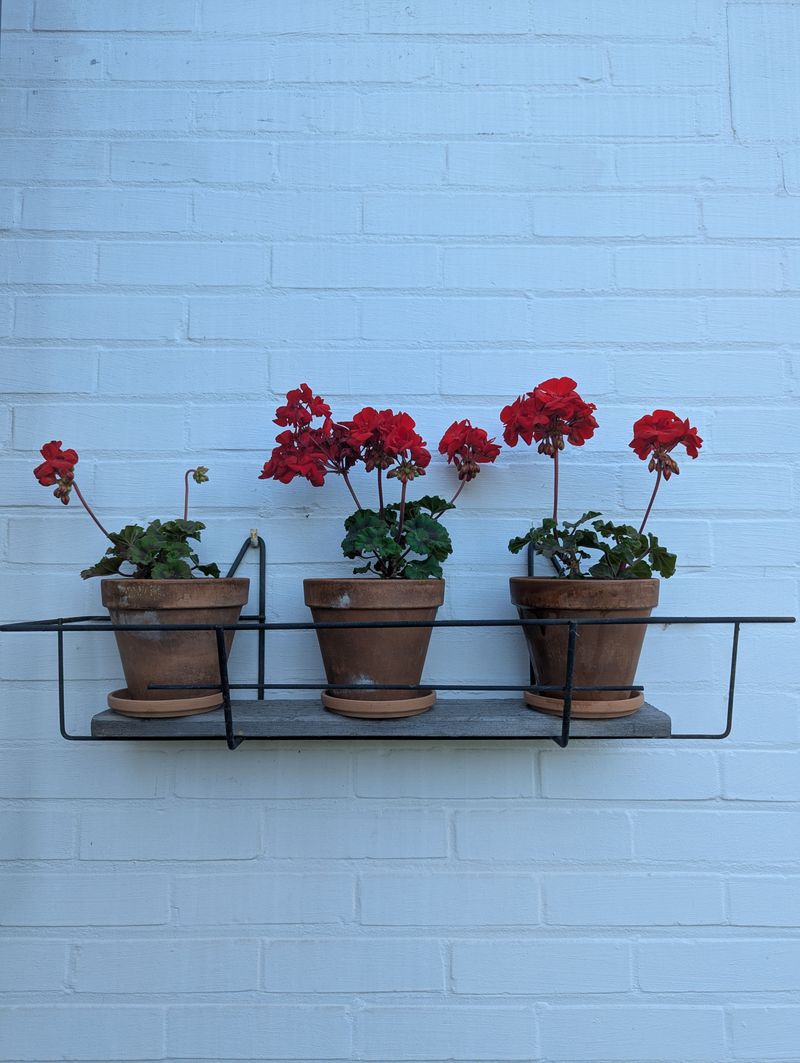
Bright red geranium clusters on a front porch look like they were designed specifically for holiday decorating. I keep a pair flanking my door every winter, and neighbors always ask about them during evening walks.
These familiar plants are zonal geraniums, Pelargonium x hortorum, which originally trace their ancestry to South Africa. Many varieties show a darker horseshoe-shaped band across each leaf, which explains the zonal part of their name.
In central and southern Florida, geraniums perform best as cool-season annuals planted in fall. They usually struggle once intense summer humidity arrives, and hard freezes in northern areas can seriously damage tender stems.
Give them plenty of sun, ideally five or six hours daily, with a little afternoon shade on unusually warm days. Loamy, well-drained soil enriched with compost keeps them growing steadily, whether you plant in beds or roomy containers.
Water deeply when the top inch of soil dries, but avoid keeping the ground soggy for days at a time. Aim the hose at the base, because wet flowers and leaves are more likely to develop gray mold.
Snap off spent flower clusters at the base of their stems to keep new blooms appearing throughout the season. Pinching stem tips occasionally helps the plants branch out, creating fuller mounds instead of tall, lanky stems.
Keep in mind that geraniums are considered toxic to dogs and cats if chewed or swallowed. Place pots where curious pets cannot easily nibble, and your holiday display stays safe for everyone in the household.
8. Calendula
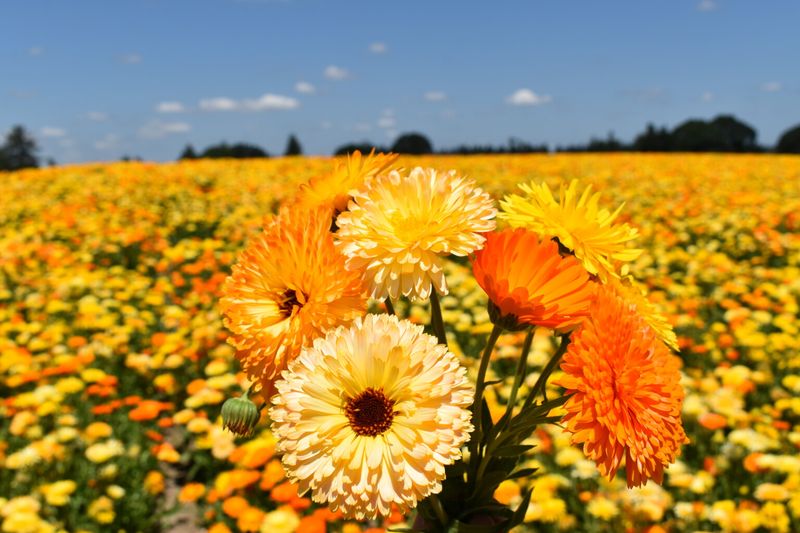
Calendula flowers tend to close up on cloudy afternoons and open again when the sun returns. Watching them follow the weather feels a bit like having a tiny, cheerful forecaster planted right in your garden.
Often called pot marigold, Calendula officinalis is not actually a true marigold, which belongs to the Tagetes group. The nickname comes from its long history in European kitchen gardens, where cooks tossed petals into soups and stews.
Blooms appear in glowing shades of orange and golden yellow, sometimes with softer apricot or cream tones mixed in. Plants form rounded mounds about one to two feet tall, filling gaps nicely in beds or larger containers.
Transplants can be tricky to find at some nurseries, so starting from seed in early fall works well. Seeds sprout readily in warm soil, and young plants usually begin flowering within roughly two months after sowing.
Choose a sunny spot with well-drained soil, and resist the urge to feed heavily with fertilizer. Rich soil often produces lots of leafy growth, while leaner conditions encourage calendula to focus its energy on flowers.
Water at the base when the top inch of soil feels dry, keeping leaves dry to reduce powdery mildew. Space plants about a foot apart so air moves freely around them during damp, humid stretches of weather.
Pinch off fading flowers regularly unless you want seedlings popping up next season across your garden beds. The bright petals are edible, adding a sunny splash of color to salads, rice dishes, or homemade herb butter.
9. Ornamental Kale
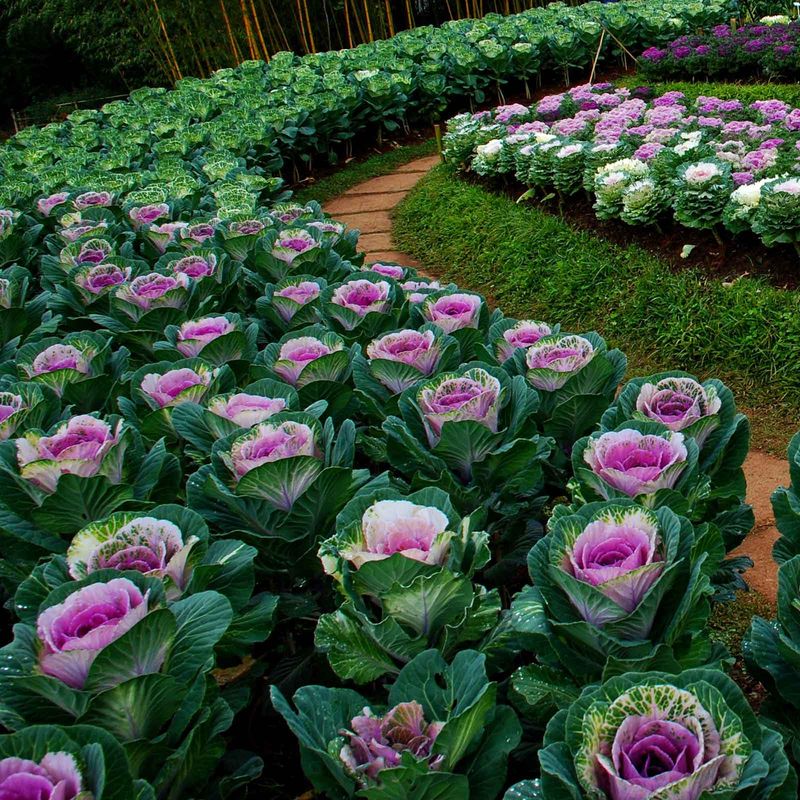
Ornamental kale gets more colorful as nights turn chilly, which feels delightfully backward compared with most garden plants. Those ruffled centers shift from pale green to vivid pink or purple once temperatures dip lower.
Botanically, ornamental kale and cabbage belong to Brassica oleracea, the same species that gives us broccoli and edible kale. Breeders selected these types for showy foliage rather than flavor, so their leaves taste tougher and more bitter.
Color typically intensifies after several nights in the fifties or cooler, so northern parts of Florida often see the boldest displays. Southern gardens still enjoy attractive rosettes, though the centers may stay softer in tone during mild winters.
Plant these rosettes in full sun with fertile, well-drained soil, setting them at the same depth as their nursery pots. Space them about twelve to eighteen inches apart, giving each frilly head enough room to show off fully.
Consistent moisture keeps leaves crisp and lush, so water whenever the top inch of soil begins drying out. A light feeding at planting time is usually plenty, since too much nitrogen can dull the leaf colors.
I love pairing kale with pansies or sweet alyssum, which soften the bold, cabbage-like shapes with dainty flowers nearby. They also look fantastic in large urns, adding a festive touch near front doors and garden gates.
Watch for caterpillars chewing holes in the outer leaves, and handpick them whenever you spot one feeding. Once warm spring weather arrives, plants usually send up tall flower stalks, signaling their season is finished.
10. Dusty Miller
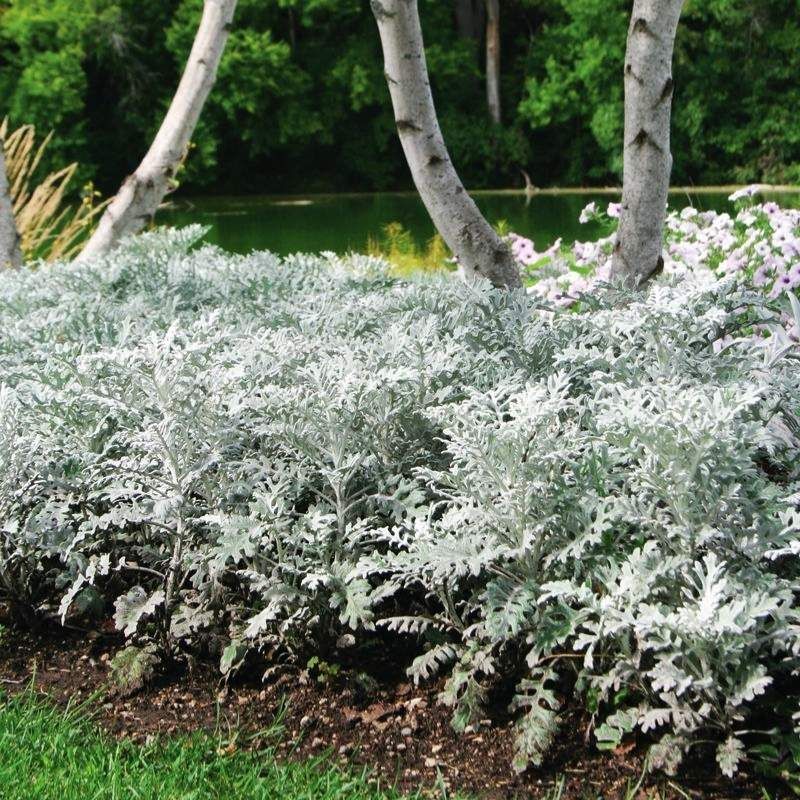
Brush your fingers across dusty miller leaves, and they feel soft and fuzzy, almost like a well-worn flannel shirt. That silvery coating comes from tiny hairs that help the plant reflect strong sunlight and conserve water.
Dusty miller is commonly sold under the name Senecio cineraria, though botanists now often list it as Jacobaea maritima. It grows wild along rocky Mediterranean coastlines, which explains its comfort with sun, wind, and occasional dry spells.
Gardeners grow it mainly for foliage, since those silvery leaves glow beside red, purple, or pink winter flowers. In a holiday bed, the effect reminds me of a light dusting of frost that never melts away.
Plant dusty miller in full sun and soil that drains quickly after heavy showers or long sprinkler cycles. Soggy ground leads to root rot fast, so raised beds and containers often give the best results.
Space plants about eight to twelve inches apart, and they will form neat, rounded mounds around one foot tall. Water when the soil feels dry an inch down, then let it drain well before watering again.
Yellow flower buds may appear eventually, and many gardeners snip them off to keep the foliage looking tidy. Trimming lanky stems also encourages fresh silver growth, keeping the plant compact and full through the cooler season.
Plant this one away from grazing pets and curious toddlers, since its leaves are considered toxic if eaten. Beyond that caution, dusty miller is an easygoing companion that makes every nearby bloom look brighter.