Plant These 7 Berry Plants Before March In Texas
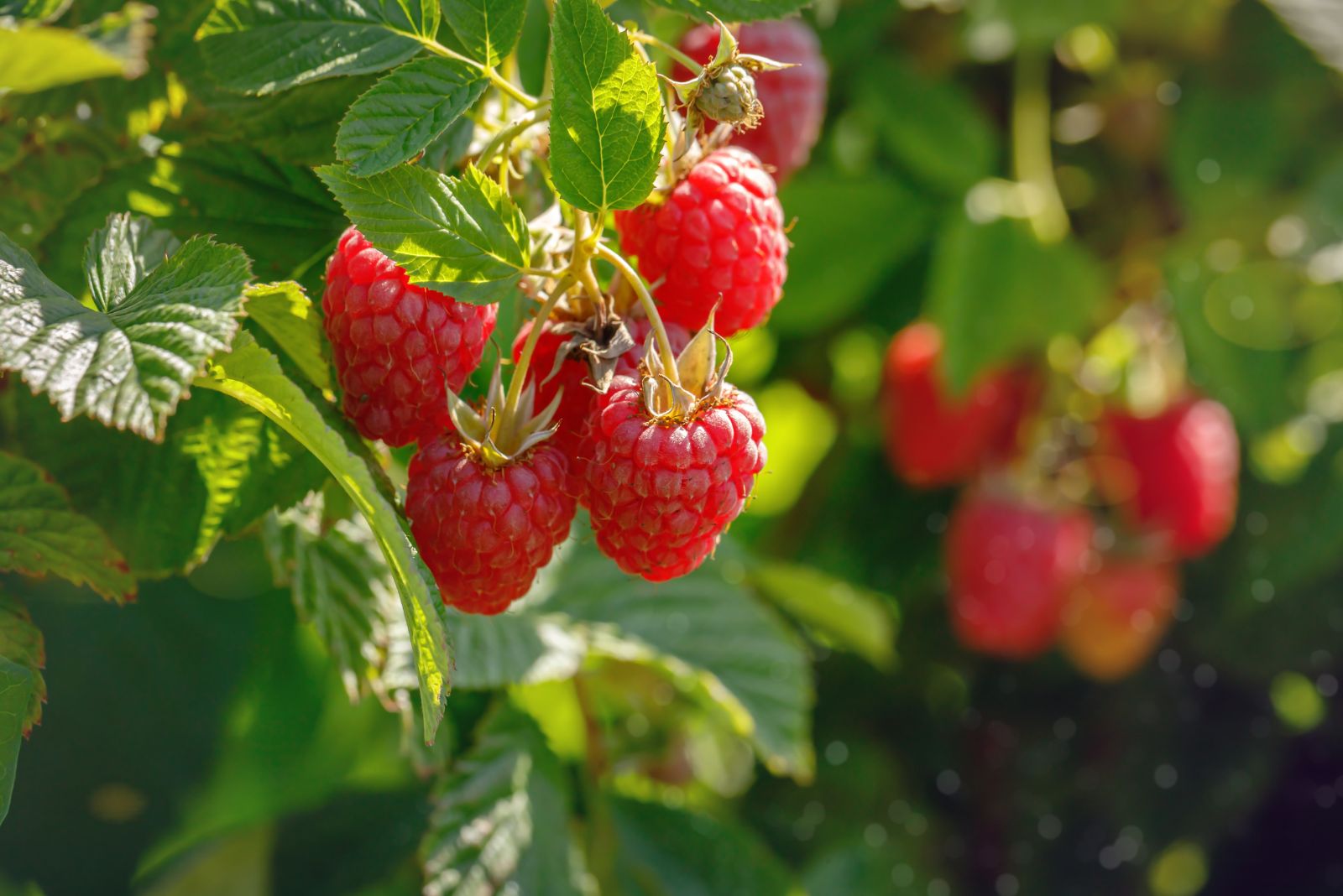
Late winter in Texas offers a valuable window for gardeners eager to grow fresh, homegrown berries. Planting at the right time gives young plants a strong start, allowing roots to settle before spring growth accelerates and summer heat arrives.
Many berry varieties thrive when established in cooler conditions, developing healthier growth and improving future fruit production. Waiting too long can expose new plants to rising temperatures before they are ready, which may slow development and reduce yields.
Early planting also gives gardeners time to prepare soil, improve drainage, and ensure plants receive consistent moisture as they begin to grow. With proper timing, berry plants can become productive, long lasting additions to your garden.
Getting them in the ground before March sets the stage for vigorous growth, stronger plants, and the promise of sweet, flavorful harvests in the seasons ahead.
1. Strawberries
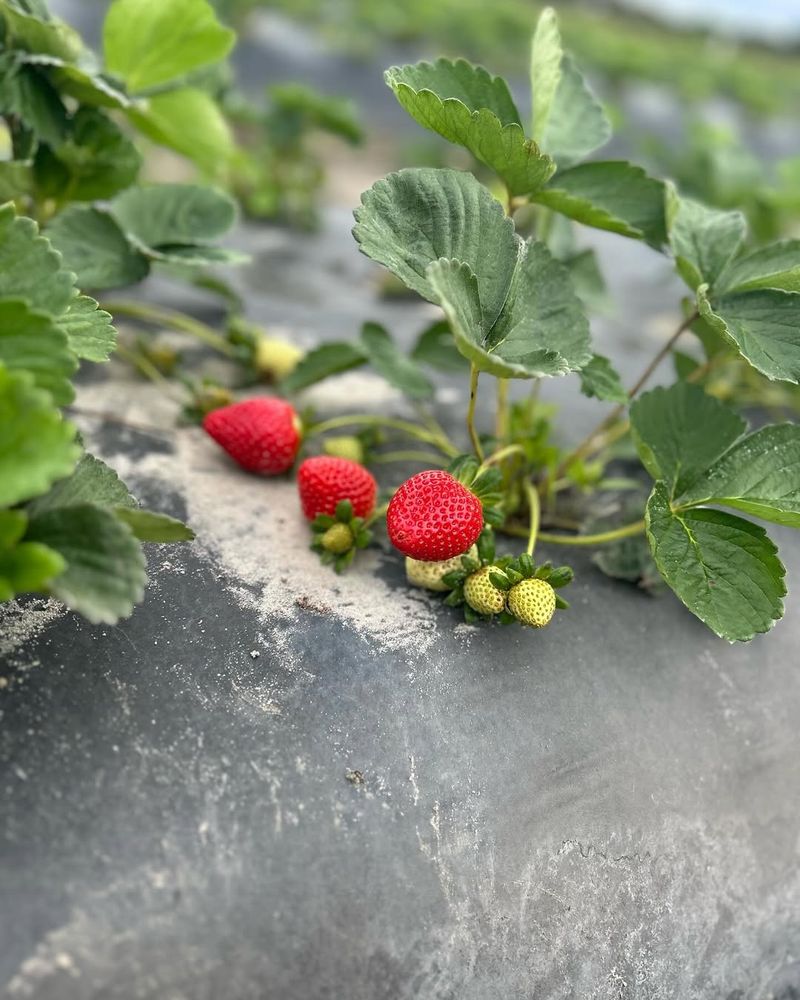
Nothing beats biting into a sun-warmed strawberry picked fresh from your own garden. Texas gardeners have excellent success growing strawberries when they plant during the late winter months.
The mild temperatures give these plants exactly what they need to establish roots before warmer weather arrives.
Two main types work well across Texas. June-bearing varieties produce one large crop in late spring, flooding you with berries over a few weeks.
Everbearing types spread their harvest across several months, giving you smaller amounts of fruit throughout spring and fall. Both types thrive when planted before March in Texas gardens.
Strawberries demand full sun and soil that drains well. They struggle in soggy conditions, so raised beds or mounded rows work perfectly in areas with heavy clay soil.
Space plants about twelve to eighteen inches apart to give them room to spread their runners.
Most Texas gardeners treat strawberries as annuals, replanting each year for the best production. Fresh plants produce more berries and face fewer disease problems than older plants.
You can find bare-root plants at nurseries throughout late winter, ready to go straight into prepared beds.
Water regularly during establishment, keeping soil moist but never waterlogged. Once plants start flowering, consistent watering becomes even more important for developing sweet, juicy berries.
Mulch around plants helps retain moisture and keeps berries clean. Within a few months of planting, you’ll be harvesting your own strawberries right here in Texas.
2. Blackberries
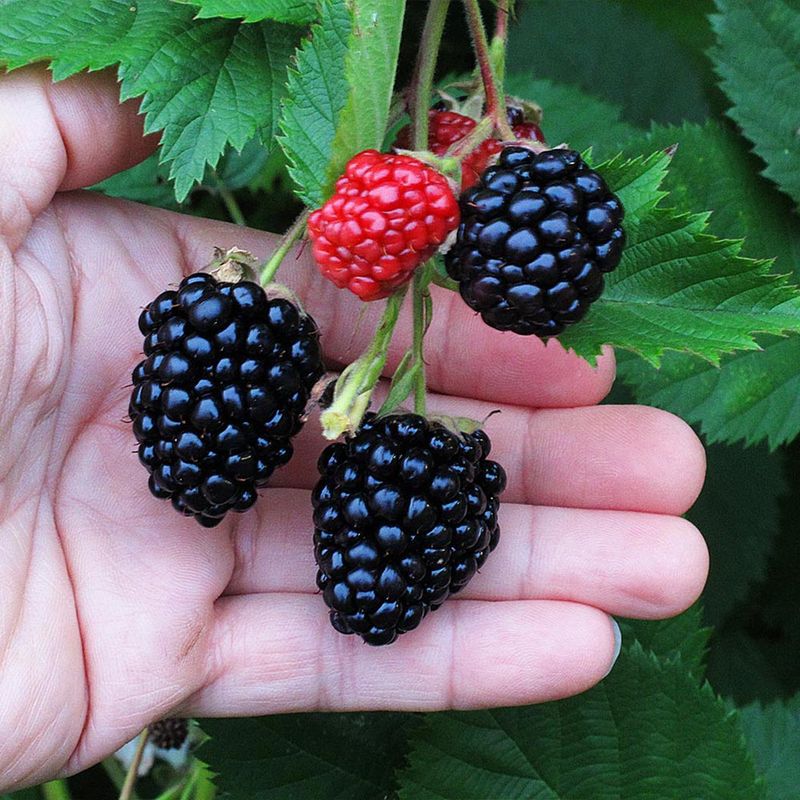
Blackberries practically grow themselves once established in Texas gardens. These tough plants handle our hot summers and occasional droughts better than almost any other berry.
Thornless varieties have become incredibly popular because they make harvesting so much easier and more pleasant.
Late winter planting gives blackberry roots time to spread before spring growth begins. Once the plant breaks dormancy and starts growing, an established root system supports vigorous cane development.
Texas heat doesn’t bother blackberries the way it troubles more delicate berries. Choose a sunny spot with decent drainage for your blackberry patch. These plants tolerate various soil types but perform best when soil isn’t constantly wet.
Space plants about three to five feet apart, depending on the variety. They’ll fill in quickly once established.
Blackberries grow on canes that live two years. First-year canes grow tall and develop leaves.
Second-year canes produce flowers and fruit before finishing their life cycle. Pruning out old canes after harvest keeps plants productive and manageable.
Summer harvests from blackberries planted before March in Texas can be absolutely incredible. A single mature plant produces pounds of berries over several weeks.
The fruit ripens gradually, so you’ll have fresh blackberries for pies, jams, or eating fresh throughout early summer.
Drought tolerance makes these plants especially valuable across Texas, where water conservation matters. Birds love blackberries too, so netting may help protect your harvest.
3. Blueberries
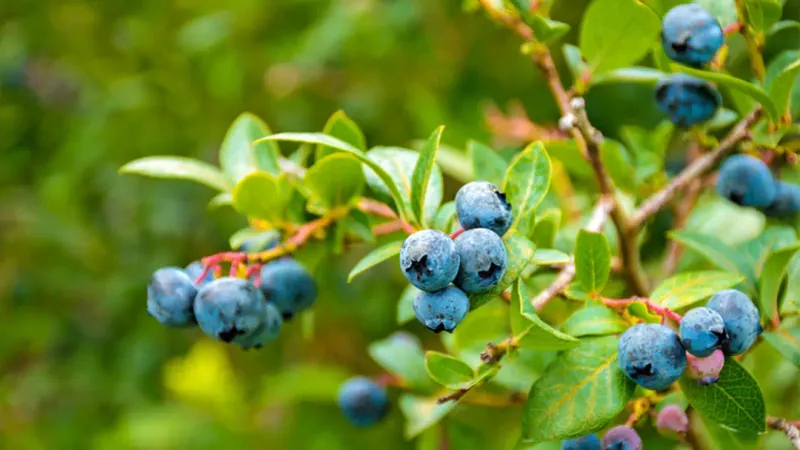
Blueberries bring a special challenge to Texas gardeners, but Rabbiteye varieties solve most problems.
These southern-adapted blueberries handle heat and humidity far better than northern types. Planting before March gives them months to adjust before summer stress arrives.
Soil preparation makes or breaks blueberry success in Texas. These plants absolutely require acidic soil with a pH between 4.5 and 5.5.
Most Texas soil runs neutral to alkaline, so amendments become necessary. Sulfur added months before planting helps lower pH, or you can create raised beds filled with acidic planting mix.
Rabbiteye blueberries need cross-pollination from another variety for good fruit set. Plant at least two different Rabbiteye varieties within fifty feet of each other.
Bees moving between plants ensure both produce well. Varieties like Tifblue, Climax, and Brightwell all grow successfully across much of Texas.
Full sun and excellent drainage keep blueberry roots healthy. These plants hate wet feet, so raised beds or mounded rows work perfectly. Mulch heavily with pine needles or wood chips to maintain soil acidity and moisture.
Early planting in Texas gives blueberries time to establish before heat arrives. Water regularly during the first growing season, keeping soil consistently moist.
Berries ripen from late spring into early summer, depending on variety and location. North Texas gardens may harvest slightly later than southern regions.
The sweet-tart flavor of homegrown blueberries makes the extra soil preparation worthwhile for Texas gardeners willing to meet their needs.
4. Raspberries
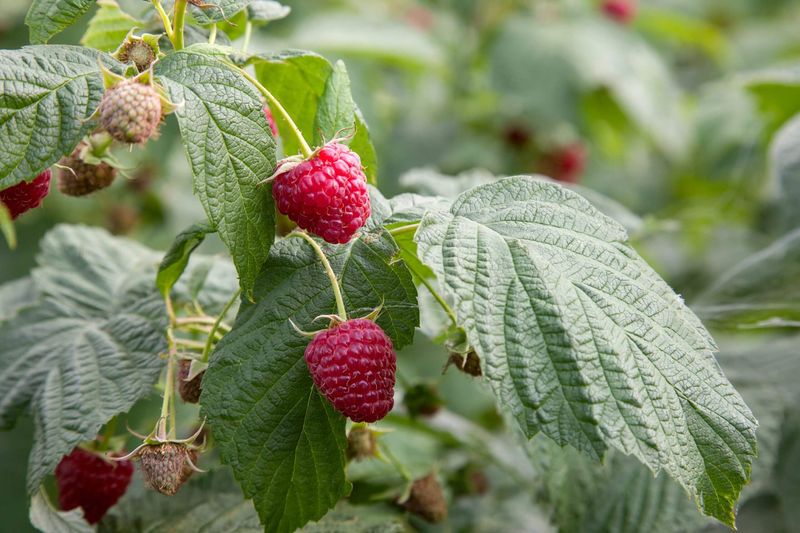
Raspberries have a reputation for struggling in Texas heat, but heat-tolerant varieties prove that reputation wrong.
North and Central Texas gardeners can grow raspberries successfully when they choose appropriate varieties and plant early. Getting plants in the ground before March helps roots establish during cooler weather.
Look for varieties specifically bred for southern heat tolerance. Dorman Red and Bababerry both perform better in Texas than traditional northern raspberries.
These varieties still prefer the milder conditions found in northern parts of the state rather than the intense heat of South Texas.
Raspberries need well-drained soil and consistent moisture. They struggle in heavy clay unless you improve drainage significantly.
Raised beds work wonderfully for raspberries in Texas, lifting roots above problematic soil. Full sun encourages good production, though afternoon shade during peak summer helps in hotter regions.
Summer-bearing raspberries produce fruit on second-year canes in late spring. Fall-bearing types fruit on first-year canes in autumn.
Some Texas gardeners prefer fall-bearing varieties because they produce fruit before winter rather than struggling through summer heat.
Support raspberry canes with a simple trellis or wire system. Canes grow tall and flop over without support, making harvest difficult.
Water deeply and regularly, especially during fruit development. Mulch helps retain moisture and keeps roots cooler during Texas summers.
Early planting before March in Texas gives these somewhat finicky berries their best chance at success.
With proper care and variety selection, fresh raspberries become a reality even in challenging Texas conditions.
5. Mulberries
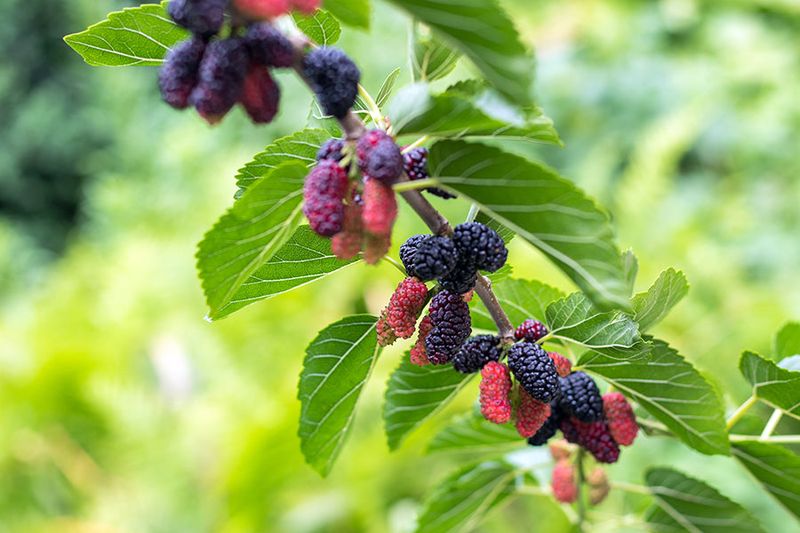
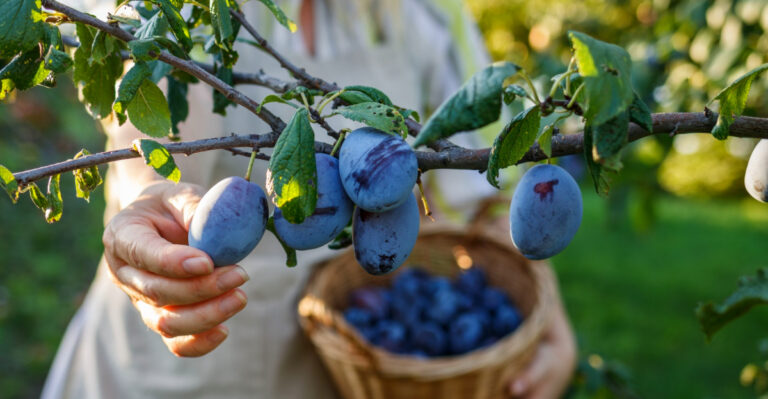
Mulberry trees rank among the easiest fruit producers for Texas gardens. These fast-growing trees handle heat, drought, and poor soil better than almost any other fruit-bearing plant.
Once established, they practically take care of themselves while producing buckets of sweet berries each spring.
Several mulberry varieties grow well across Texas. Black mulberries produce the sweetest fruit, while red mulberries tolerate the widest range of conditions.
White mulberries grow fastest but have blander flavor. All types produce abundantly once mature, usually within two to three years of planting.
Plant mulberries in full sun where they have room to spread. These trees grow quickly, reaching fifteen to thirty feet tall depending on variety.
Space them away from patios, driveways, and walkways because falling fruit can create purple stains. Birds adore mulberries, which makes these trees excellent wildlife plants.
Mulberries need very little care once established in Texas. They tolerate drought remarkably well, though some water during extreme dry spells helps maintain fruit production.
No spraying or special feeding is typically necessary. These trees just grow and produce year after year.
Spring brings clusters of elongated berries that ripen gradually over several weeks. Fresh mulberries taste sweet and mild, perfect for eating fresh, baking into pies, or making jam.
Planting before March in Texas gives young trees months to establish roots before summer heat.
By the following spring, you may already see your first small crop of berries from this low-maintenance Texas favorite.
6. Gooseberries
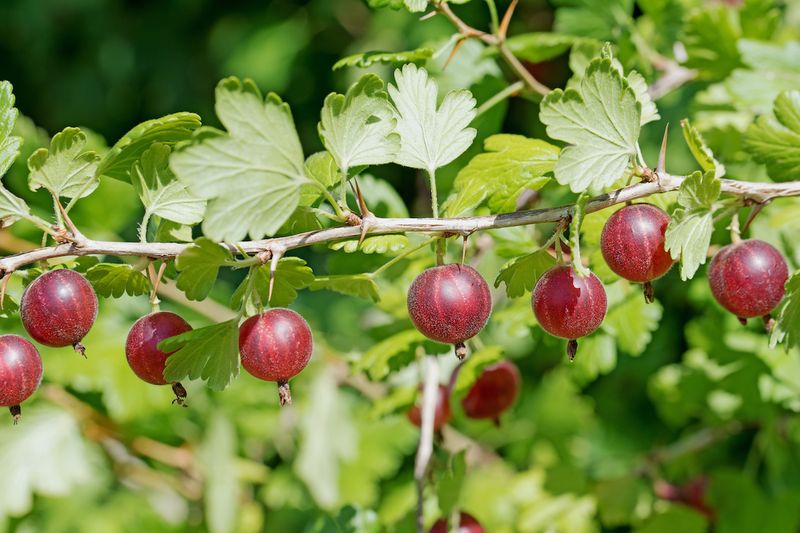
Gooseberries remain somewhat unusual in Texas gardens, but North Texas gardeners can grow them successfully. These tart berries prefer cooler conditions, making them better suited to areas where summers stay milder.
Early planting before March becomes especially important because gooseberries need establishment time before heat arrives.
North Texas offers the best conditions for gooseberries in the state. The Dallas-Fort Worth area and regions further north provide enough winter chill and moderate enough summer heat for reasonable success.
Central and South Texas gardeners will likely find gooseberries too challenging due to intense summer temperatures.
Unlike most berries, gooseberries appreciate some afternoon shade in Texas. Morning sun with protection from the hottest afternoon rays creates ideal conditions.
They also prefer consistently moist soil, so locations that retain some moisture without becoming waterlogged work best. Mulching heavily helps maintain the cool, moist root environment gooseberries prefer.
Gooseberry bushes grow compact and manageable, usually reaching three to five feet tall. The branches carry sharp thorns, so gloves help during pruning and harvest.
Berries develop in late spring to early summer, ripening to various colors depending on variety. Some stay green when ripe, while others turn pink, red, or purple.
Tart gooseberries make excellent pies, jams, and preserves. Many people enjoy the unique sweet-tart flavor that intensifies when cooked with sugar.
Fresh berries can be quite sour, though some varieties taste pleasant eaten raw when fully ripe.
For North Texas gardeners willing to provide the care gooseberries need, these uncommon berries offer flavors rarely found in stores.
7. Elderberries
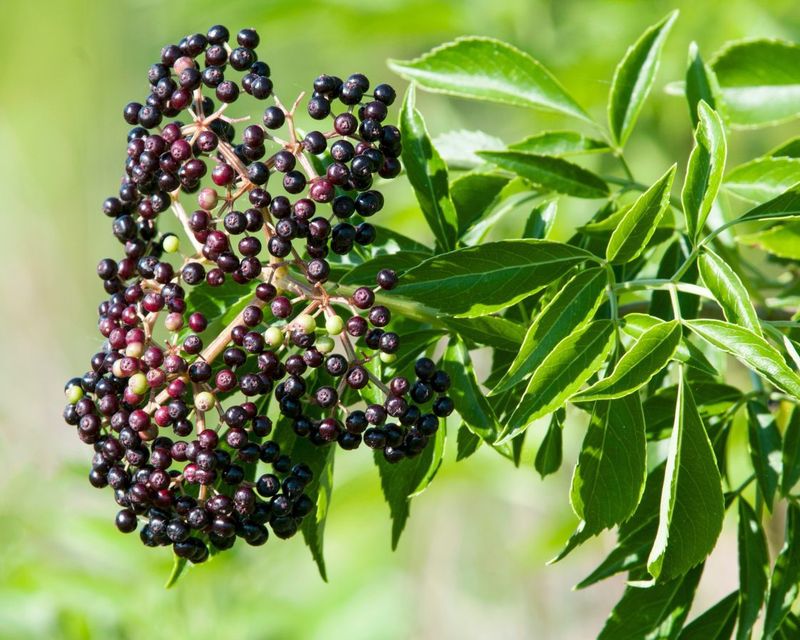
Elderberries deserve more attention from Texas gardeners. These hardy shrubs adapt to various conditions across the state while producing clusters of dark berries valued for their health benefits.
Planting before spring growth begins in March gives elderberries time to establish strong roots.
Native elderberry varieties grow wild across much of Texas, proving these plants handle local conditions beautifully.
Improved cultivated varieties produce larger berries and heavier crops than wild types. Varieties like Adams, York, and Johns all perform well across Texas regions.
Elderberries grow into large shrubs, often reaching eight to twelve feet tall and wide. Give them plenty of space in full sun to partial shade.
They tolerate various soil types and handle both dry spells and occasional wet conditions. This adaptability makes elderberries valuable for Texas gardens with challenging conditions.
Like blueberries, elderberries benefit from cross-pollination. Plant two different varieties for the best berry production.
Flowers appear in large, flat-topped clusters in late spring, followed by berries that ripen in summer. The dark purple berries hang in heavy clusters, making harvest relatively easy.
Raw elderberries taste quite tart and can cause stomach upset, so most people cook them into syrups, jams, or wine. The cooked berries have a rich, complex flavor prized for both taste and wellness properties.
Beyond fruit production, elderberry flowers attract beneficial insects and pollinators to Texas gardens. Birds and wildlife also value these shrubs.
Early planting before March in Texas helps elderberries establish quickly, often producing their first significant crop within two years.