Plant These Blue Perennials In Texas Once And Enjoy Them Forever
Some plants are worth the effort for a single season, but the ones that really win people over are the ones that keep coming back without needing to be planted all over again. That is exactly why blue perennials are such a great find for Texas gardens.
They bring a cooler, richer kind of color that stands out beautifully against the heat, the sun, and all the usual greens and warm tones in the yard.
In a place where gardening can feel like a challenge for much of the year, finding flowers that return reliably feels like a very smart move.
Blue blooms also have a way of making a garden feel more polished without looking too formal. Some shades feel soft and calming, while others pop enough to catch your eye from across the yard.
Either way, they add something special that is a little less common than the usual pinks, reds, and yellows. For Texas gardeners who want long-lasting beauty without turning every spring into a full replanting project, these perennials make a lot of sense.
Plant them once, give them a good start, and they can keep showing up with color and charm year after year.
1. Mealy Blue Sage (Salvia Farinacea)
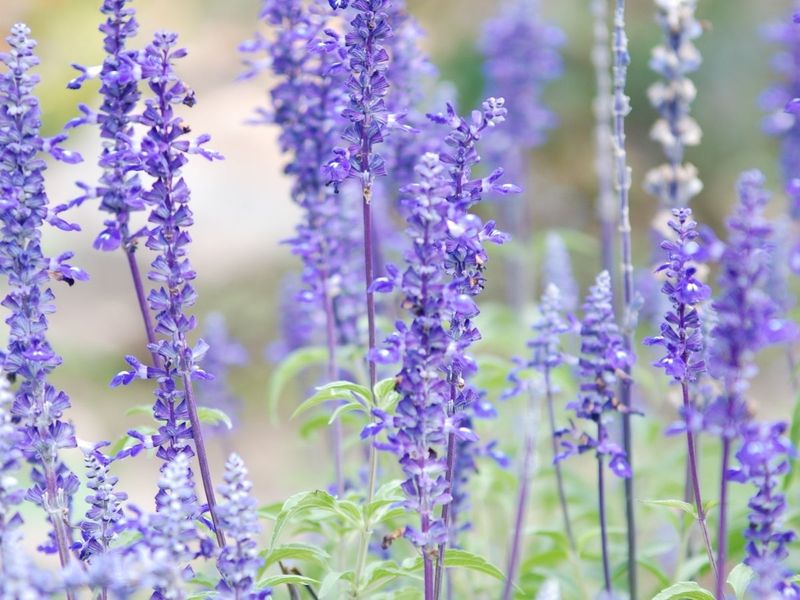
Ask any experienced Texas gardener which blue perennial they trust the most, and Mealy Blue Sage will almost always be at the top of the list. This plant is a true workhorse in the Lone Star State.
It handles the blazing summer heat without skipping a beat, and it keeps pumping out those gorgeous blue flower spikes from spring all the way through fall.
Salvia farinacea is native to Texas and parts of Mexico, so it already knows how to survive here. It grows best in full sun and well-drained soil, which is easy to find across most of Texas.
Once established, it needs very little watering, making it a smart pick for gardeners who want beauty without constant maintenance.
The tall spikes of blue to violet flowers are a magnet for bees, butterflies, and hummingbirds.
Pollinators absolutely love this plant, which means planting it helps your whole garden thrive. It typically grows between one and three feet tall, making it a great mid-border plant.
In warmer parts of Texas, like the Rio Grande Valley or San Antonio area, Mealy Blue Sage often behaves as a true perennial and returns reliably year after year.
In colder northern regions, it may act more like an annual, but it self-seeds so freely that you will likely see new plants pop up the following spring anyway.
Either way, you win. It is one of the easiest and most rewarding blue perennials you can grow in Texas.
2. Blue Mistflower (Conoclinium Coelestinum)
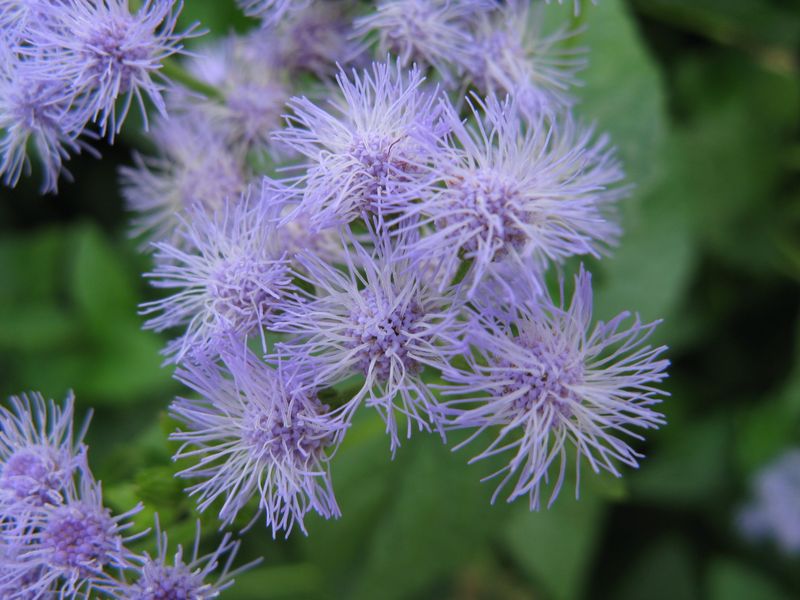
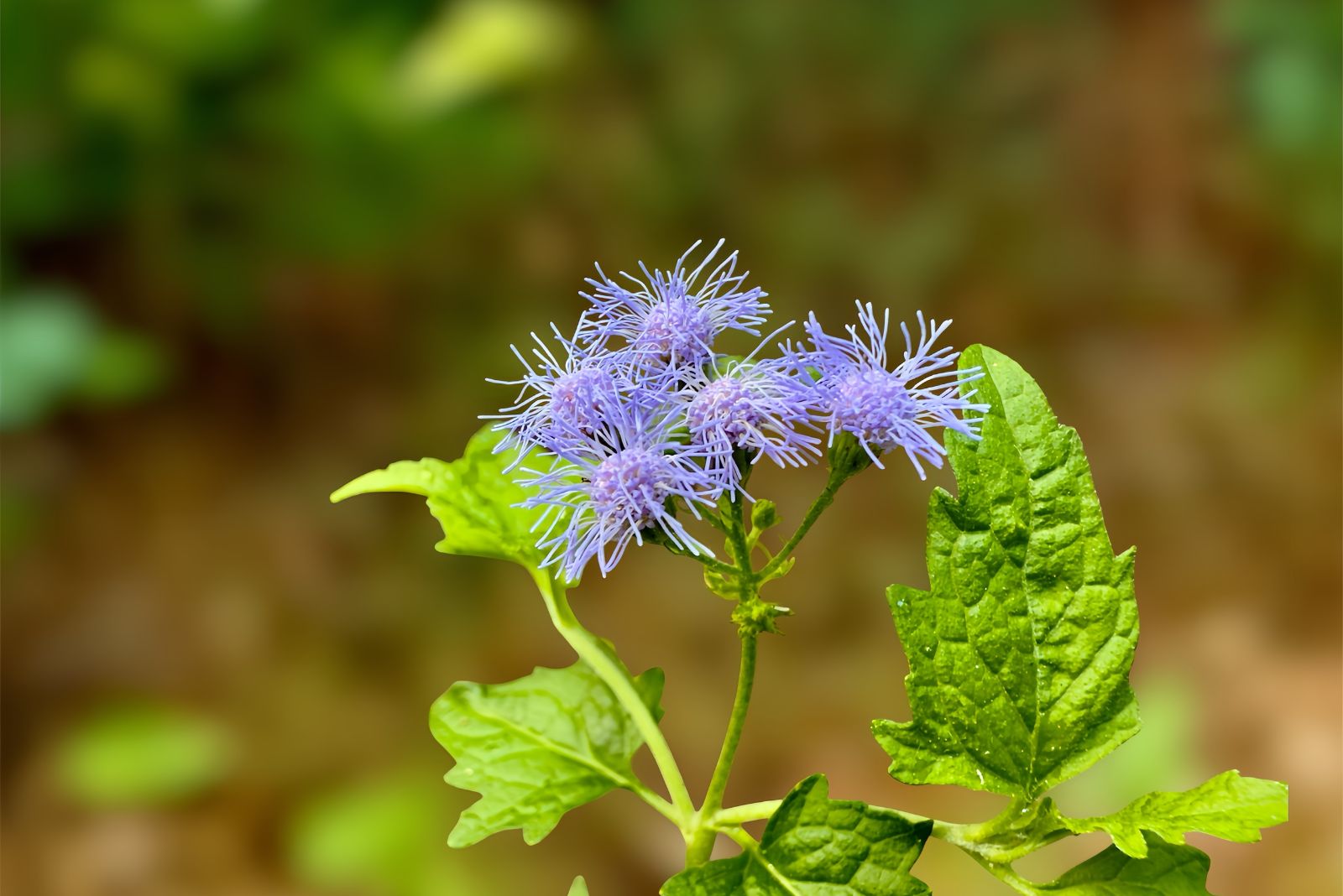
There is something almost magical about Blue Mistflower when it bursts into bloom in late summer and fall.
Just when most other plants in your Texas garden are looking tired and heat-stressed, this cheerful native swoops in with clouds of soft, fuzzy blue flowers that look like something out of a fairy tale. It is one of the most welcome sights of the gardening season.
Conoclinium coelestinum is native to eastern and central Texas, and it loves areas that get a little more moisture than the dry western parts of the state. If you have a low spot in your yard or a garden bed near a water source, this is your plant.
It spreads by underground rhizomes and will slowly form wide, lush colonies that fill in bare spots beautifully over time.
The flowers are incredibly popular with monarch butterflies and other pollinators making their fall migration through Texas. Planting Blue Mistflower is not just good for your garden, it is good for the whole ecosystem. That alone makes it worth growing.
Blue Mistflower grows about two to three feet tall and works wonderfully along fence lines, naturalized areas, or the back of a mixed border. It prefers partial shade to full sun and moist, well-drained soil.
Once it settles in, it spreads steadily without being overly aggressive. Cut it back in late winter to keep it tidy, and it will bounce back fresh and full every single spring. It is a true Texas treasure.
3. Blue Skullcap (Scutellaria Suffrutescens)
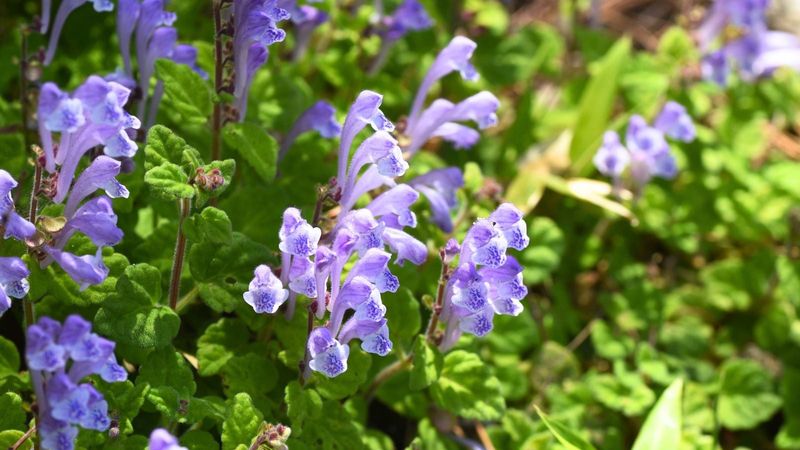
Small in size but huge on charm, Blue Skullcap is one of those plants that surprises people every time they see it. Most folks walk right past it at the nursery because it looks so unassuming.
Then they plant it, watch it bloom for months on end, and wonder why they waited so long to try it. Scutellaria suffrutescens is a hidden gem of the Texas native plant world.
This compact, woody perennial is native to Texas and northern Mexico, and it is extraordinarily tough. Blazing heat? No problem. Long dry spells? It handles those with ease. Rocky, alkaline soil?
That is practically its preferred home. Blue Skullcap is one of the most heat- and drought-tolerant perennials you will find, which makes it a natural fit for most Texas landscapes.
The flowers are small and tubular, in shades of soft blue to rosy-pink depending on the specific variety, and they appear from spring all the way through fall.
That is an incredibly long bloom season for any perennial, and it means your garden gets consistent color for most of the year. Hummingbirds and bees visit the flowers regularly.
Blue Skullcap stays compact, usually reaching only about one foot tall and spreading a bit wider. It works beautifully in rock gardens, along pathways, or tucked into the front of a mixed border.
Full sun and excellent drainage are the main requirements. Give it those two things in your Texas garden, and it will reward you with reliable blooms and easy care for many years to come.
4. Gregg’s Mistflower (Conoclinium Greggii)
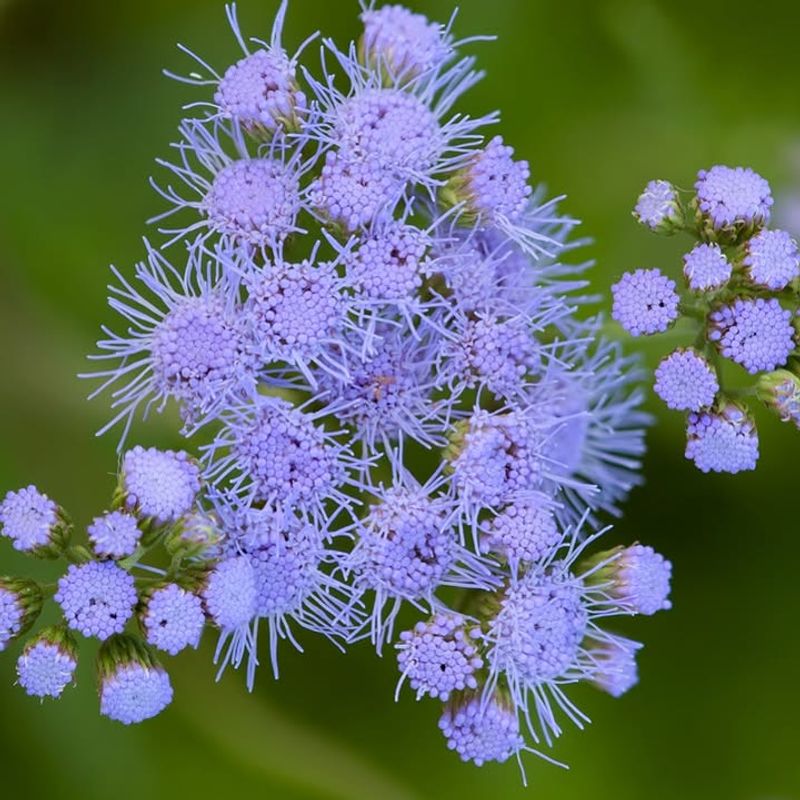
Meet the tougher cousin of Blue Mistflower. Gregg’s Mistflower was practically built for the harsh, dry conditions found across central and west Texas.
While its eastern relative needs more moisture to thrive, this native perennial laughs at drought and keeps on blooming. If you live in the Hill Country, San Antonio area, or anywhere with rocky, limestone-heavy soil, Gregg’s Mistflower deserves a spot in your yard.
Conoclinium greggii produces vivid clusters of bright blue to lavender flowers that show up in late summer and fall, right when pollinators need food the most. Monarch butterflies, queen butterflies, and countless native bees flock to this plant during migration season.
It is one of the most wildlife-friendly plants you can put in a Texas garden, and it looks absolutely stunning while doing it.
This perennial grows about one to two feet tall and spreads gradually through rhizomes, forming tidy, low-growing colonies over time.
It thrives in full sun and is extremely forgiving of poor, rocky, or alkaline soil, the exact conditions that challenge so many other garden plants in Texas. Once established, it needs almost no supplemental watering.
Gregg’s Mistflower is also a great choice for xeriscaping projects, where conserving water is a priority. Pair it with other Texas natives like Mealy Blue Sage or Fall Aster for a pollinator-friendly planting that practically takes care of itself.
Cut it back hard in late winter, and it will return full and vigorous every spring. Tough, beautiful, and native, it checks every box.
5. Fall Aster (Symphyotrichum Oblongifolium)
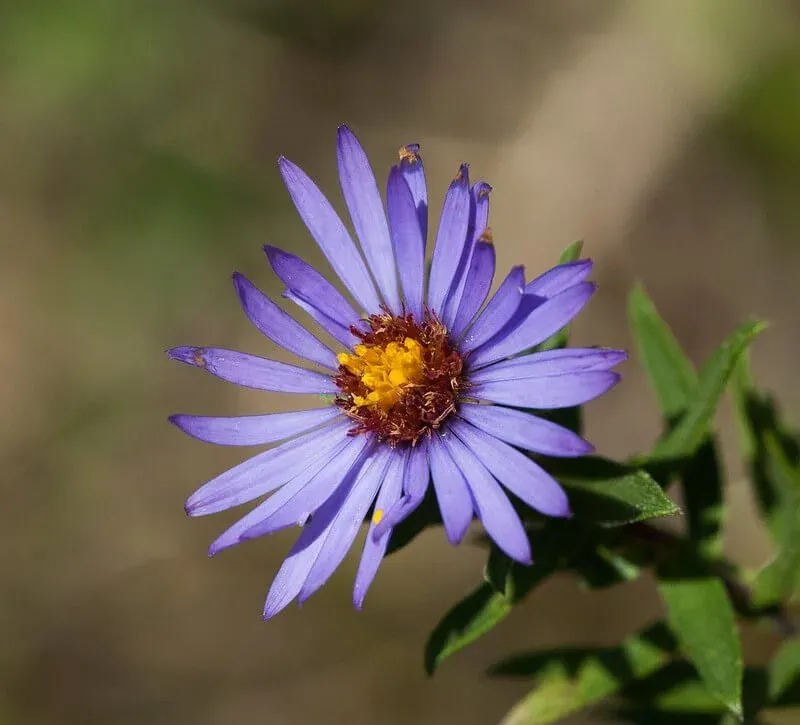
When fall rolls around in Texas and most of the garden has gone quiet, Fall Aster puts on one of the most spectacular shows of the entire year.
Suddenly, the whole plant is covered in hundreds of tiny blue to blue-purple daisy-like flowers, creating a soft, colorful cloud that stops people in their tracks.
It is genuinely one of the most reliable and rewarding perennials you can grow anywhere in the state.
Symphyotrichum oblongifolium is widely adapted across Texas, from the humid east to the drier central regions. It thrives in full sun and tolerates a wide range of soil types, including the heavy clay and rocky limestone soils that are so common across the state.
Once it is established, it is very drought-tolerant and needs little extra care beyond an occasional trim.
Fall Aster typically grows two to three feet tall and wide, forming a rounded, bushy mound that looks great even when it is not in bloom. The foliage is clean and tidy throughout spring and summer, then the whole plant explodes with color in September and October.
Monarch butterflies and native bees absolutely swarm the blooms during fall migration, making it an ecological powerhouse.
Shearing the plant back by about half in late spring or early summer encourages a more compact, full shape and even more flowers in fall. After blooming, cut it back to the ground and let it rest.
It will return reliably every spring. Few perennials in Texas deliver this kind of late-season drama with so little effort on your part.
6. Spiderwort (Tradescantia Spp.)
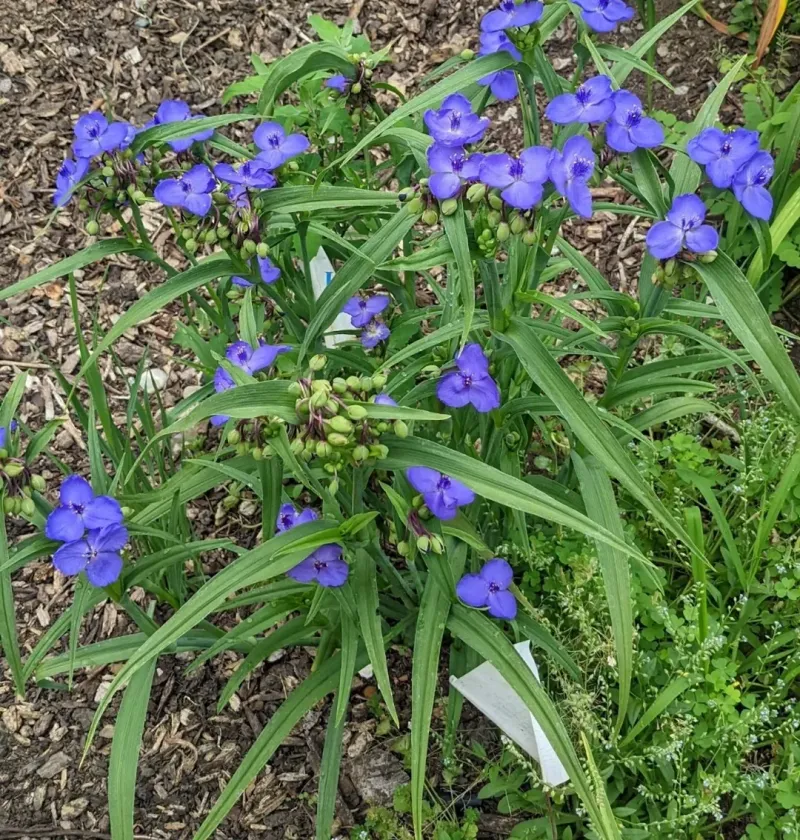
Few plants in Texas are as easygoing and cheerful as Spiderwort. Walk through almost any Texas woodland edge, roadside meadow, or backyard garden in spring, and you are likely to spot those distinctive three-petaled blue flowers nodding in the breeze.
Tradescantia has been brightening up the Texas landscape for centuries, and once you plant it in your own yard, you will understand exactly why it has stuck around so long.
Spiderwort grows in a wide range of conditions, which is one of its greatest strengths. It does well in full sun but also handles partial shade better than most blue-flowering perennials.
Sandy soil, clay soil, rocky soil, it is remarkably adaptable. This flexibility makes it one of the most useful plants for filling in tricky spots where other plants struggle to perform.
The flowers are a true, clear blue, which is actually quite rare in the plant world. Each individual flower lasts only one day, but the plant produces so many buds that the show goes on for weeks during spring and early summer.
After the main bloom, cutting the plant back by half encourages a second flush of flowers in fall.
Spiderwort spreads through self-seeding and clump division, gradually filling in an area over time. It is easy to share with neighbors, easy to move around the garden, and easy to grow from seed.
If you are new to gardening in Texas or just want a no-fuss blue perennial that truly delivers, Spiderwort is the perfect place to start. Simple, beautiful, and completely dependable.