Plant These 10 Early Spring Perennials In Florida Before February Ends
Late winter in Florida is a short window that smart gardeners don’t waste. While the rest of the country is still frozen, Florida yards are already waking up and getting ready for spring growth.
Planting perennials before February ends gives roots time to settle in, adjust to the soil, and build strength before heat and humidity arrive. It’s the difference between plants that struggle and plants that take off fast once warm weather hits.
If you’ve been waiting for the perfect moment to refresh your landscape, this is it.
Getting these perennials in the ground now sets your garden up for stronger blooms, healthier growth, and less maintenance later in the season!
1. Coreopsis Brings Early Color Before Spring Even Starts
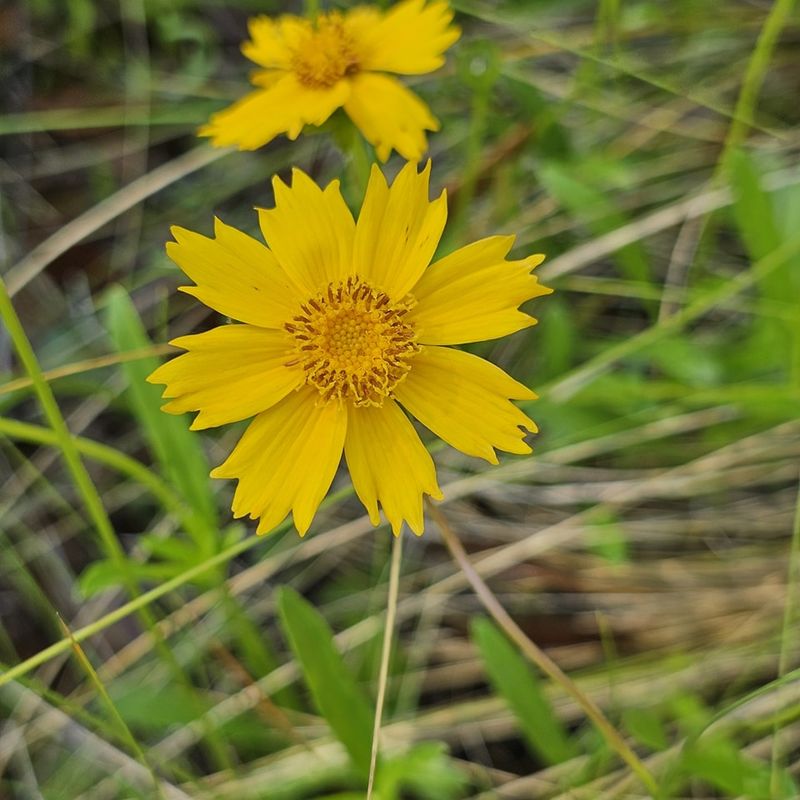
Garden centers start filling their tables with cheerful yellow blooms right when you notice the first warm afternoons of late February. Coreopsis loves being planted early because it sends roots deep into warming soil before heat becomes intense.
Your plants get a chance to settle in and build strength for months of continuous flowering.
Full sun works best for this Florida native, though it tolerates a bit of afternoon shade in South Florida. Well-draining soil keeps roots healthy, and spacing plants about 12 inches apart gives them room to spread naturally.
You will notice new growth within two weeks of planting if soil stays consistently moist.
Blooms typically begin in late March to April when planted in February, depending on temperatures and plant size at planting. Central Florida gardeners see flowers by early April, while North Florida might wait until late April depending on lingering cool nights.
Mulching around plants helps retain moisture and keeps roots comfortable during temperature swings.
Butterflies find these flowers irresistible once blooming starts. Deadheading spent blooms encourages more flowers, though coreopsis blooms so freely that skipping this step still gives you plenty of color.
Watering deeply twice weekly during establishment builds strong root systems that handle summer heat beautifully.
2. Blanket Flower Thrives When Florida Heat Is Right Around The Corner
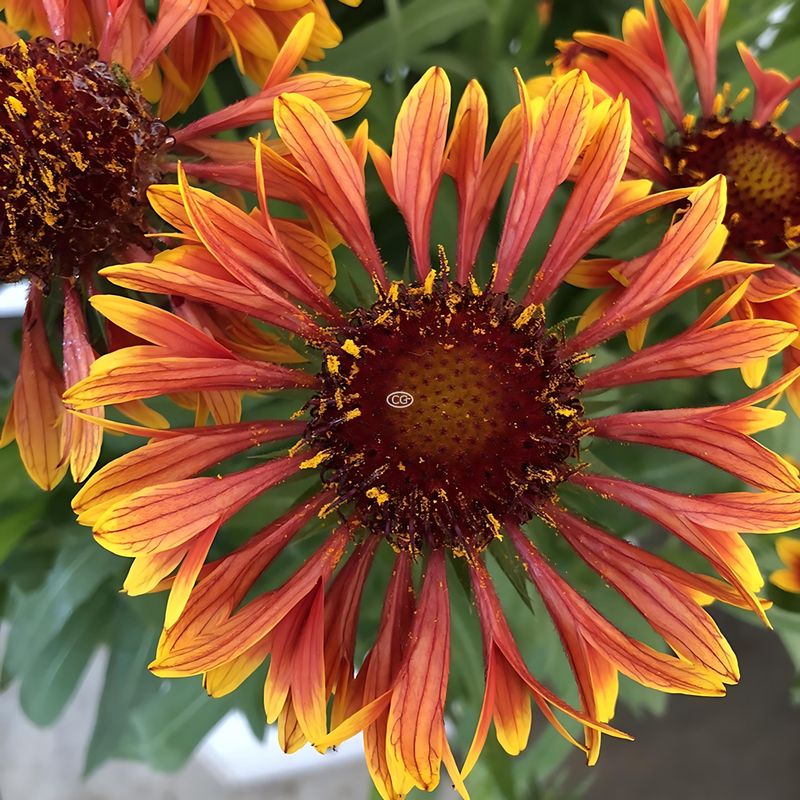
Warming soil and lengthening days signal perfect timing for blanket flower, which absolutely loves getting planted just before temperatures climb. February planting lets roots establish while nights stay cool, preparing plants for the heat they genuinely enjoy.
You set yourself up for waves of fiery blooms that keep coming all spring and summer.
Sandy, well-draining soil suits blanket flower perfectly, making it ideal for Florida’s naturally sandy conditions. Full sun brings out the best flowering, and these tough plants handle drought once established.
Space them 15 inches apart because they spread into bushy clumps that fill garden beds nicely.
South Florida gardeners may see first blooms by early to mid-April, depending on weather conditions and transplant maturity. Central Florida can expect flowers in early to mid-April, while North Florida typically enjoys blooms by late April or early May.
Blanket flower keeps producing new flowers without much fussing, making it perfect for gardeners who want color without constant maintenance.
Mulch helps young plants stay hydrated during establishment, but avoid piling it against stems. Water regularly for the first month, then reduce frequency as plants mature.
These perennials attract bees and butterflies constantly once flowering begins, adding movement and life to your garden beds.
3. Black-Eyed Susan Sets Up Big Blooms For Spring
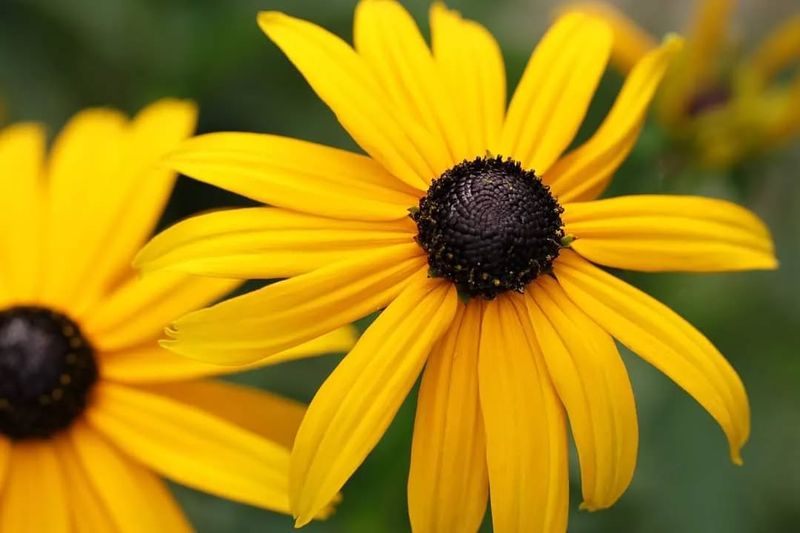
Late winter planting gives black-eyed Susan the cool root development period it needs before spring heat arrives. You will notice garden centers displaying these cheerful flowers just as February temperatures start feeling consistently warmer.
Getting them into the ground now means roots spread through moist soil without stress from intense sun.
These adaptable short-lived perennials grow well in much of Florida, though in South Florida they often behave as warm-season annuals. Average garden soil works fine, and black-eyed Susan actually prefers soil that is not overly rich.
Space plants 18 inches apart because they grow into substantial clumps that produce dozens of flower stems.
First blooms typically appear in April for South and Central Florida, while North Florida sees flowers by May. Once blooming starts, it continues for months with minimal effort from you.
Deadheading extends flowering, but even without it, plants keep producing new buds throughout warm weather.
Water newly planted black-eyed Susan regularly until you see vigorous new growth, usually within three weeks. After establishment, these tough perennials handle dry spells remarkably well.
Mulching keeps soil temperatures moderate and reduces watering needs, especially important during the transition from spring into summer heat.
4. Purple Coneflower Gets A Head Start On Summer Flowers
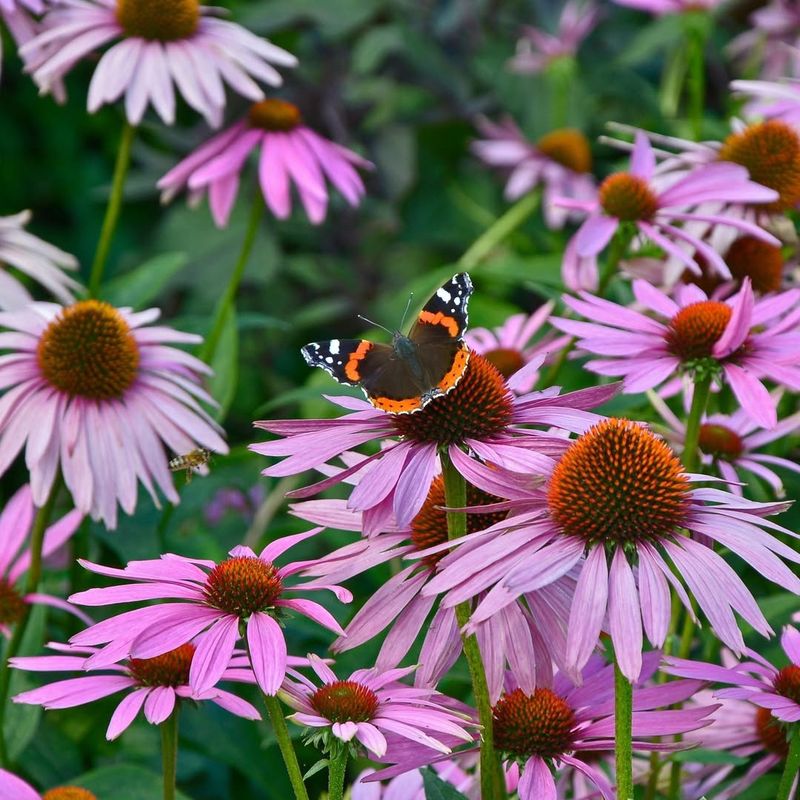
Soil warming in late February creates ideal conditions for purple coneflower roots to spread and strengthen. Planting now gives these beautiful perennials time to develop extensive root systems before summer heat tests their endurance.
You are essentially giving your plants a running start that pays off with bigger, healthier blooms when warm weather fully arrives.
Full sun produces the most flowers, though purple coneflower tolerates light afternoon shade in South Florida where summer sun gets particularly intense. Well-draining soil prevents root issues, and spacing plants about 18 inches apart allows air circulation that keeps foliage healthy.
Light compost or organic matter can improve performance in Florida’s sandy soils, though plants will tolerate lean conditions once established.
South Florida might see early blooms by late April, while Central Florida typically enjoys flowers in May. North Florida gardeners can expect blooming to start in late May or early June.
Once flowering begins, purple coneflower keeps producing blooms well into fall, attracting goldfinches and butterflies throughout the season.
Regular watering during the first six weeks helps roots establish deeply. After that, purple coneflower handles dry periods well, though occasional deep watering during extended droughts keeps plants looking their best.
Mulch around plants but keep it pulled back slightly from stems to prevent moisture-related issues.
5. Salvia Explodes With Color When Planted Early
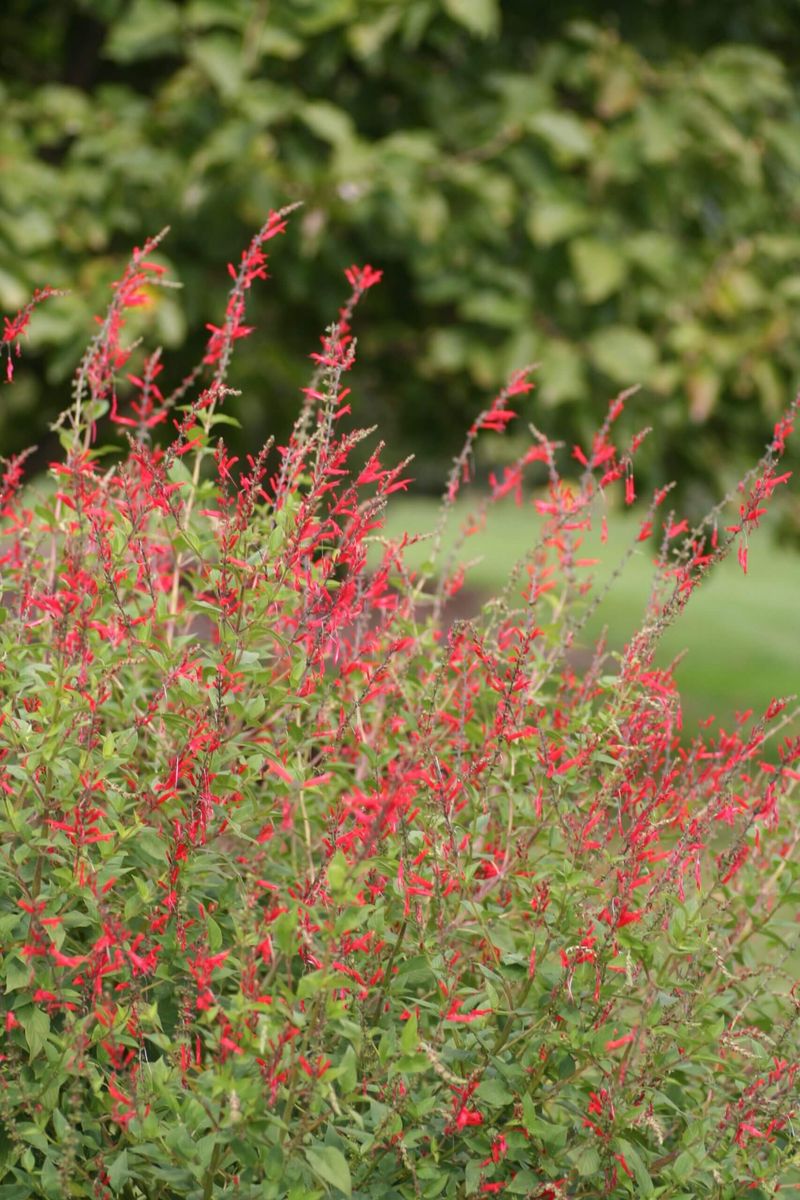
February planting lets salvia roots dig deep into warming soil before the plant focuses energy on producing those spectacular flower spikes. Garden centers stock salvia heavily in late winter because experienced Florida gardeners know early planting leads to fuller, more vigorous plants.
You will see the difference in bloom quantity when plants have extra weeks to establish before heat intensifies.
Full sun brings out the most intense flower color and heaviest blooming. Salvia adapts to various soil types but performs best in well-draining conditions.
Space plants 12 to 15 inches apart depending on variety, as some grow more compact while others spread wider. Good air circulation between plants helps prevent fungal issues during humid summer months.
South Florida often sees blooms by early April. Central Florida typically enjoys flowers by mid to late April, and North Florida can expect blooming to begin in May.
Salvia attracts hummingbirds and butterflies constantly, turning your garden into a wildlife haven throughout the growing season.
Water newly planted salvia regularly until you notice strong new growth emerging from the base. Once established, these tough perennials handle heat and occasional dry spells remarkably well.
Deadheading spent flower spikes encourages new ones to form, extending the blooming season even further into fall.
6. Pentas Kickstart Butterfly Season
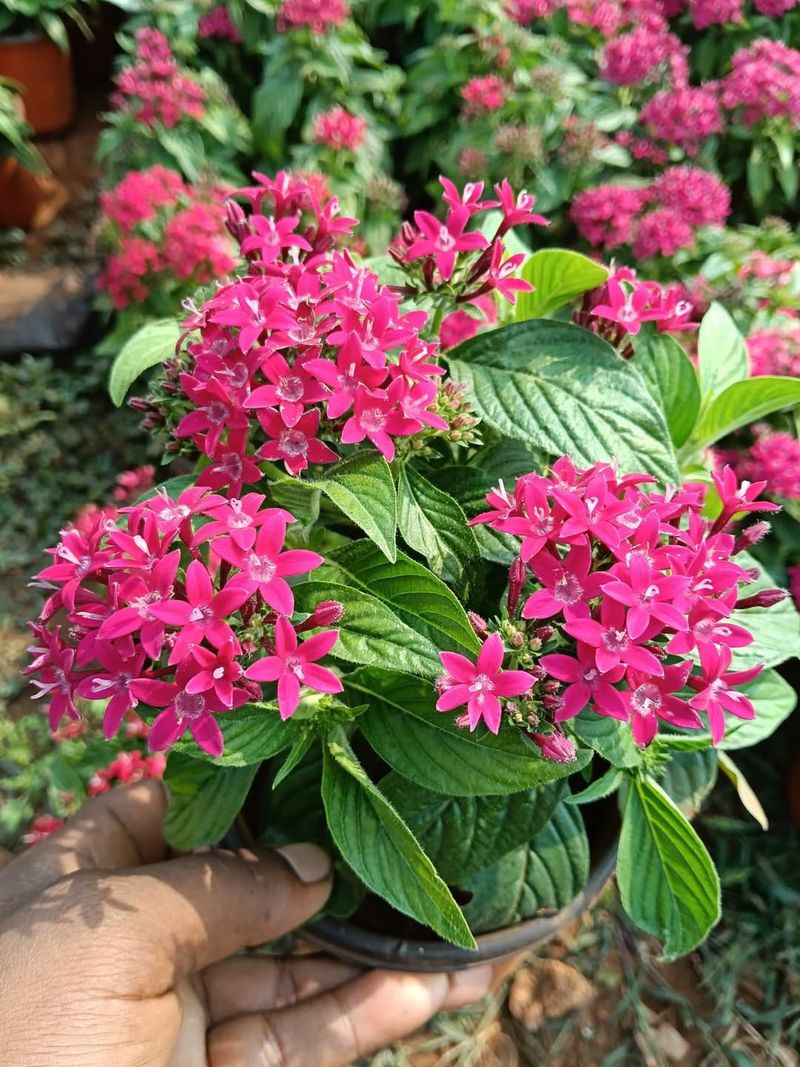
Watching butterflies discover newly planted pentas is one of gardening’s genuine joys, and February planting means flowers appear just as butterfly populations start building in spring. Pentas planted now develop strong root systems during mild weather, then produce flower clusters continuously once temperatures warm.
You create a butterfly magnet that keeps performing month after month.
Full sun to partial shade works well, with at least five hours of direct sunlight producing the heaviest flowering. Pentas tolerate Florida’s sandy soils beautifully and actually prefer conditions that are not overly rich.
Space plants 15 to 18 inches apart because they grow into substantial mounded shapes covered in flower clusters.
South Florida gardeners often see blooms within six to eight weeks of February planting, depending on growing conditions. Central Florida typically enjoys flowers by late April or early May, while North Florida sees blooming begin in May.
Once started, pentas bloom almost constantly with minimal care required from you.
Regular watering during establishment builds strong plants that handle summer heat without wilting. After the first month, pentas become moderately drought-tolerant but perform best with consistent moisture during hot weather.
Pinching back leggy stems encourages bushier growth and even more flower clusters throughout the season.
7. Society Garlic Delivers Blooms With Almost No Effort
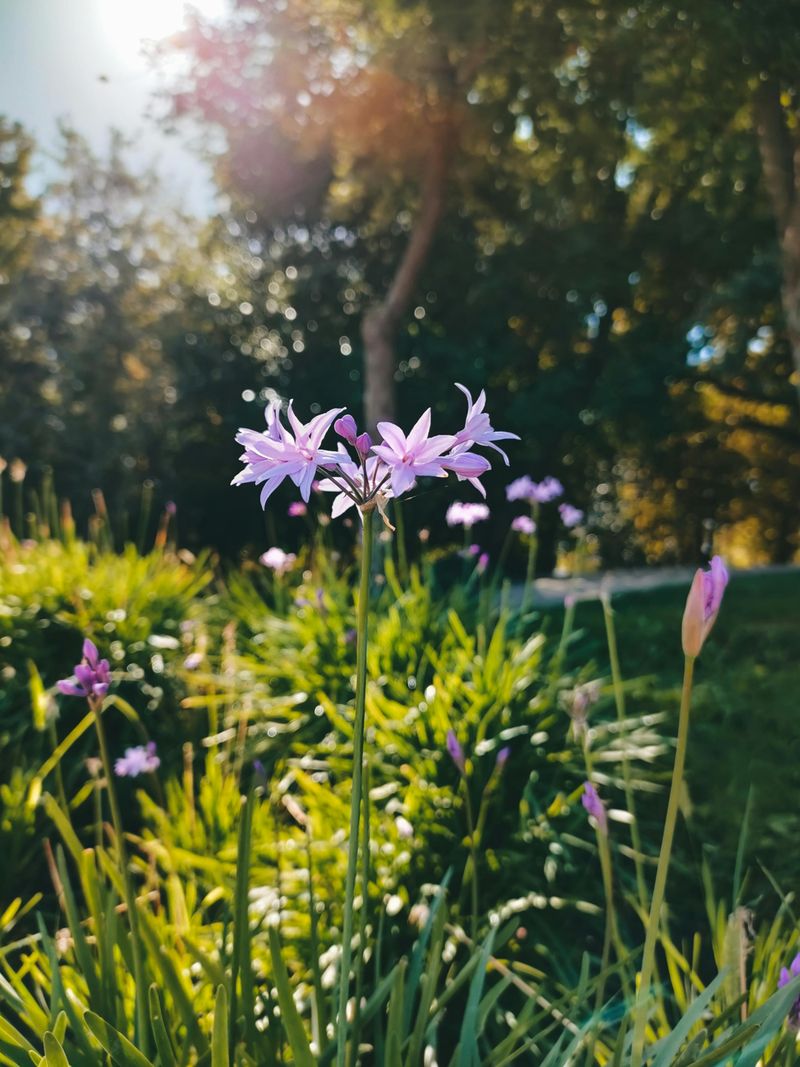
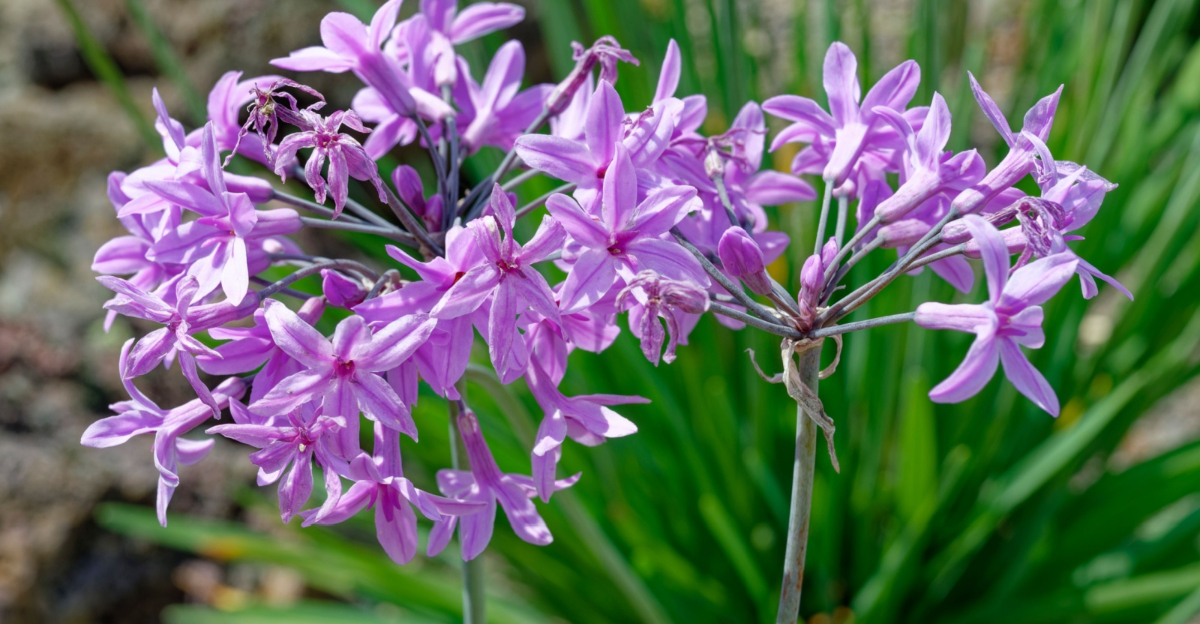
Few perennials offer more reward for less work than society garlic, especially when planted in February while soil temperatures favor quick root establishment. These tough plants settle in fast during late winter, then produce delicate purple flowers mainly from spring through fall, with occasional winter blooms during mild winters in South Florida.
You get beauty without the constant maintenance many flowering perennials demand.
Full sun to partial shade works equally well, making society garlic incredibly versatile for various garden locations. Any well-draining soil suits these adaptable plants, and they handle Florida’s sandy conditions without amendments.
Space clumps 12 inches apart for a full look, or plant them closer for faster coverage in borders and bed edges.
Blooming often starts within weeks of February planting in South Florida. Central Florida sees flowers by April, and North Florida typically enjoys blooms by May.
Society garlic may continue producing occasional flowers during mild winters in South Florida.
Water regularly for the first few weeks, then reduce frequency as plants establish. Society garlic tolerates drought remarkably well once roots spread, though occasional watering during extended dry periods keeps foliage looking fresh.
Dividing clumps every few years rejuvenates plants and gives you extras to spread throughout your garden.
8. Daylilies Wake Up Fast When Planted In Late Winter
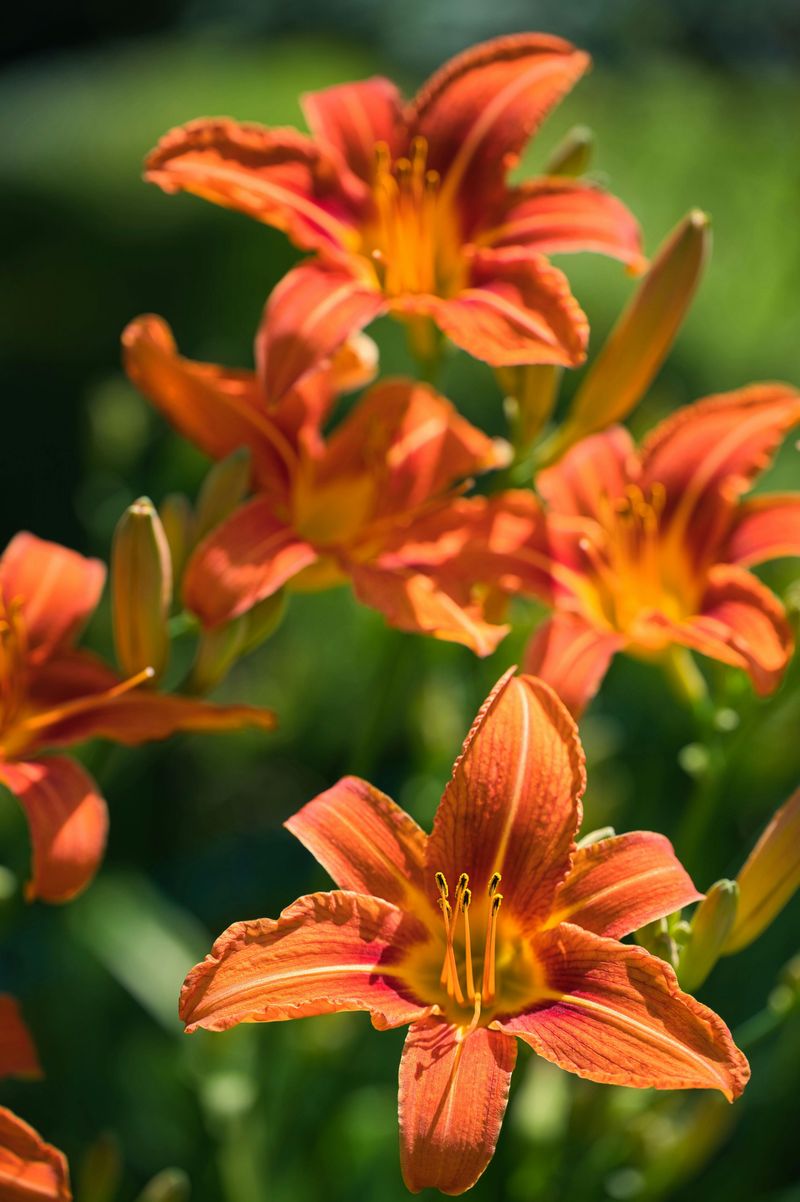
Daylilies respond beautifully to February planting because they use cool soil conditions to establish extensive root systems before channeling energy into flower production. You might notice bare-root daylilies appearing at garden centers in late winter, and this timing is not accidental.
Planting now gives these reliable perennials the best possible start for years of dependable blooming.
Full sun produces the most flowers, though daylilies bloom reasonably well with four to five hours of direct sunlight. They adapt to almost any soil type, making them perfect for challenging garden spots where other plants struggle.
Space plants 18 to 24 inches apart because established clumps spread into impressive masses of foliage and flowers.
South Florida often sees blooms by April when plants go in during February. Central Florida typically enjoys flowers in May, while North Florida can expect blooming to begin in late May or June.
Different varieties bloom at different times, so planting several types extends flowering across multiple months.
Water newly planted daylilies regularly until you see strong new leaf growth emerging. Once established, these incredibly tough perennials handle drought, heat, and neglect better than almost any other flowering plant.
Removing spent flowers keeps beds looking tidy, though it does not significantly impact future blooming.
9. Blue Daze Spreads Color Across Beds And Borders
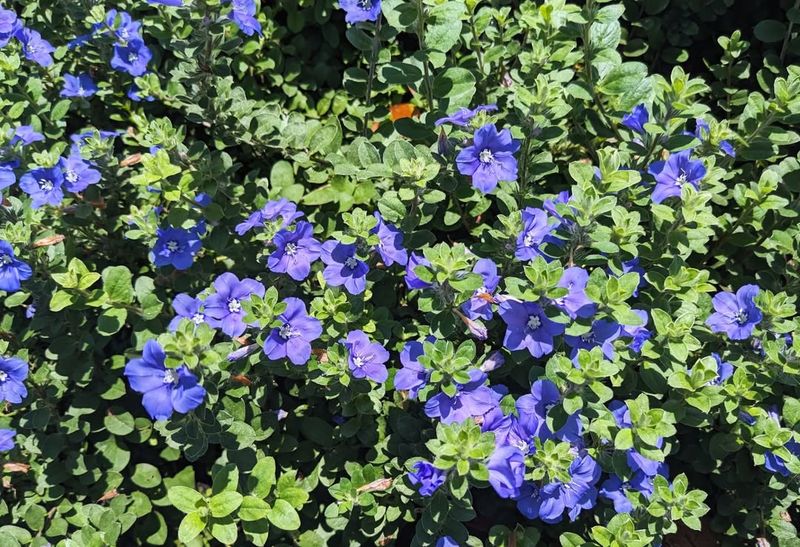
February planting gives blue daze time to spread into those beautiful flowering mats before summer heat arrives in full force. These warm-climate perennials grow quickly in South Florida but may behave as cold-sensitive perennials or annuals in Central and North Florida.
You create living carpets of color that soften bed edges and fill spaces between taller plants.
Full sun brings out the heaviest flowering, and blue daze absolutely thrives in Florida’s warmth and sunshine. Well-draining soil prevents root issues, and these plants actually prefer conditions that stay on the drier side.
Space plants 18 to 24 inches apart because they spread enthusiastically once established, covering ground faster than you might expect.
South Florida often sees blooms within a month of February planting. Central Florida typically enjoys flowers by April, and North Florida can expect blooming to start in May.
Blue daze produces flowers most heavily during cooler months but continues blooming sporadically even through summer heat.
Water regularly during establishment, then reduce frequency as plants mature and spread. Blue daze handles dry conditions well once roots establish, making it a good option for gardeners who want color with reduced watering needs.
Trimming back leggy growth occasionally keeps plants compact and encourages fresh flowering stems to develop.
10. Lantana Starts Strong When Planted Before Warm Weather Hits
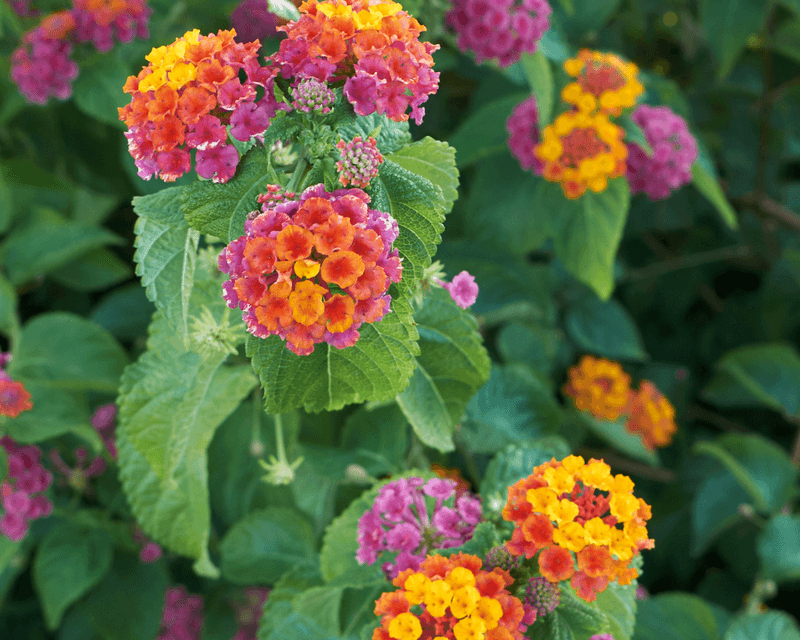
Planting lantana in February takes advantage of mild temperatures that let roots establish without heat stress, setting up plants for explosive growth once warmer weather arrives. These Florida favorites grow vigorously when given a head start, quickly developing into flowering powerhouses that attract butterflies from across your neighborhood.
You invest a little time now for months of nearly effortless color later.
Full sun produces the most flowers and keeps plants compact and bushy. Lantana tolerates poor soil and drought once established, making it ideal for low-maintenance Florida landscapes.
Space plants 24 to 36 inches apart depending on variety, as some stay compact while others spread into large mounding shapes.
South Florida may see blooms within several weeks of February planting if temperatures remain warm and plants are already well established. Central Florida typically enjoys flowers by April, and North Florida can expect blooming to begin in May.
Once flowering starts, lantana blooms most of the warm season, though flowering may slow during extreme heat or heavy summer rains.
Water regularly for the first month after planting, then reduce frequency dramatically. Lantana handles heat and drought remarkably well, actually flowering more heavily when not pampered with excessive water or fertilizer.
Butterflies visit constantly once blooms appear, and you will likely see hummingbirds investigating flowers during migration periods.