Plant These Fast-Growing Florida Plants To Fill Empty Spots In Your Garden This March
March in Florida does not wait for anyone. Warm soil, longer days, and sudden bursts of rain push gardens into overdrive.
Empty spots that looked harmless in winter now stand out like gaps in a smile. Bare patches between shrubs, thin borders along walkways, and unfinished beds can make an otherwise beautiful landscape feel incomplete just as outdoor season begins.
The good news lies in speed. Florida’s early spring warmth creates perfect conditions for plants that establish quickly and surge with fresh growth.
Choose the right varieties now and those empty spaces transform in weeks, not months.
Dense foliage, bright blooms, and strong structure can fill gaps before heat and humidity peak.
Timing matters. Plant in March and you give roots a head start before summer intensity arrives.
With fast-growing choices tailored for Florida’s climate, your garden can look full, layered, and intentional by the time spring hits its stride.
1. Plant Frogfruit For Fast Spreading Groundcover
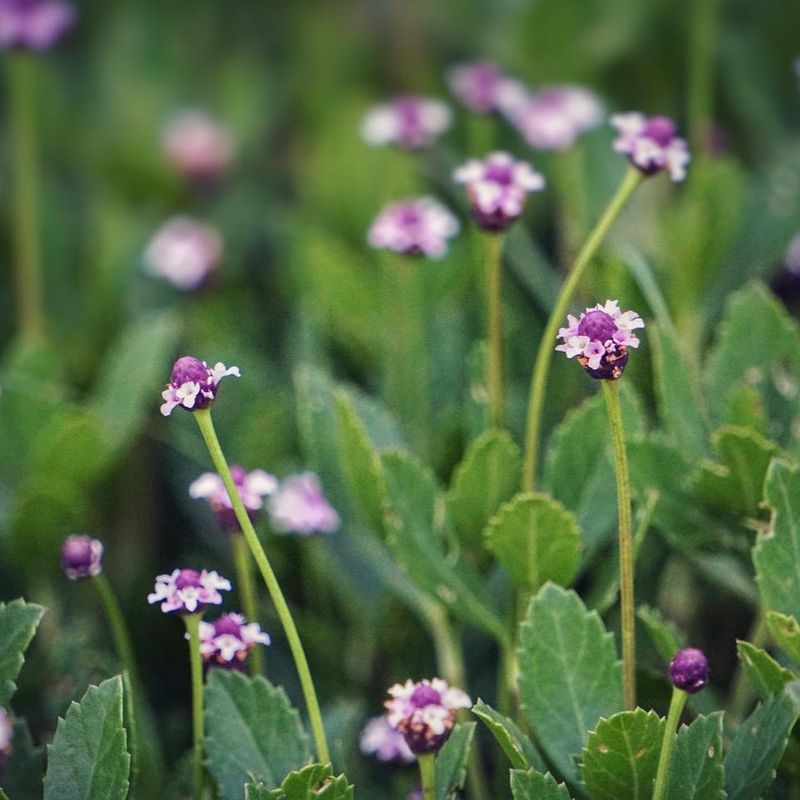
Bare soil between shrubs or along pathways disappears quickly when you plant frogfruit. Phyla nodiflora spreads through runners that root wherever nodes touch the ground, creating a dense living carpet that handles foot traffic better than many traditional groundcovers.
University of Florida IFAS Extension confirms this Florida native thrives statewide, making it a reliable choice for gardeners from Pensacola to Miami.
March planting allows frogfruit to establish before summer rains fuel explosive growth. In South Florida, runners can extend several feet by May.
Central Florida gardeners see similar vigor once nighttime temperatures stay consistently above sixty degrees. North Florida plantings take slightly longer to fill in but still cover ground faster than most alternatives once warm weather arrives in April.
Full sun brings out the best performance, though frogfruit tolerates partial shade with slower spread. Sandy soils, clay, and everything between work fine.
Water new plantings regularly for the first month, then reduce frequency as roots establish. The tiny white flowers attract butterflies and native bees throughout the growing season, adding pollinator value to erosion control and weed suppression.
Space transplants twelve to eighteen inches apart for coverage within a growing season. Frogfruit stays low, rarely exceeding four inches in height, so it won’t compete with taller perennials or shrubs.
Mow occasionally if you want an even tighter appearance, or let it grow naturally for a softer look. This groundcover handles drought once established and recovers quickly from occasional flooding, making it particularly useful in Florida’s unpredictable rainfall patterns.
Frogfruit works well as a lawn substitute in low-traffic areas or as filler between stepping stones. Its spreading nature means it may wander beyond intended boundaries, so edge beds if you need defined borders.
For rapid coverage of empty spots, few Florida natives match frogfruit’s speed and adaptability across all regions.
2. Grow Blue Porterweed For Quick Color And Pollinator Buzz
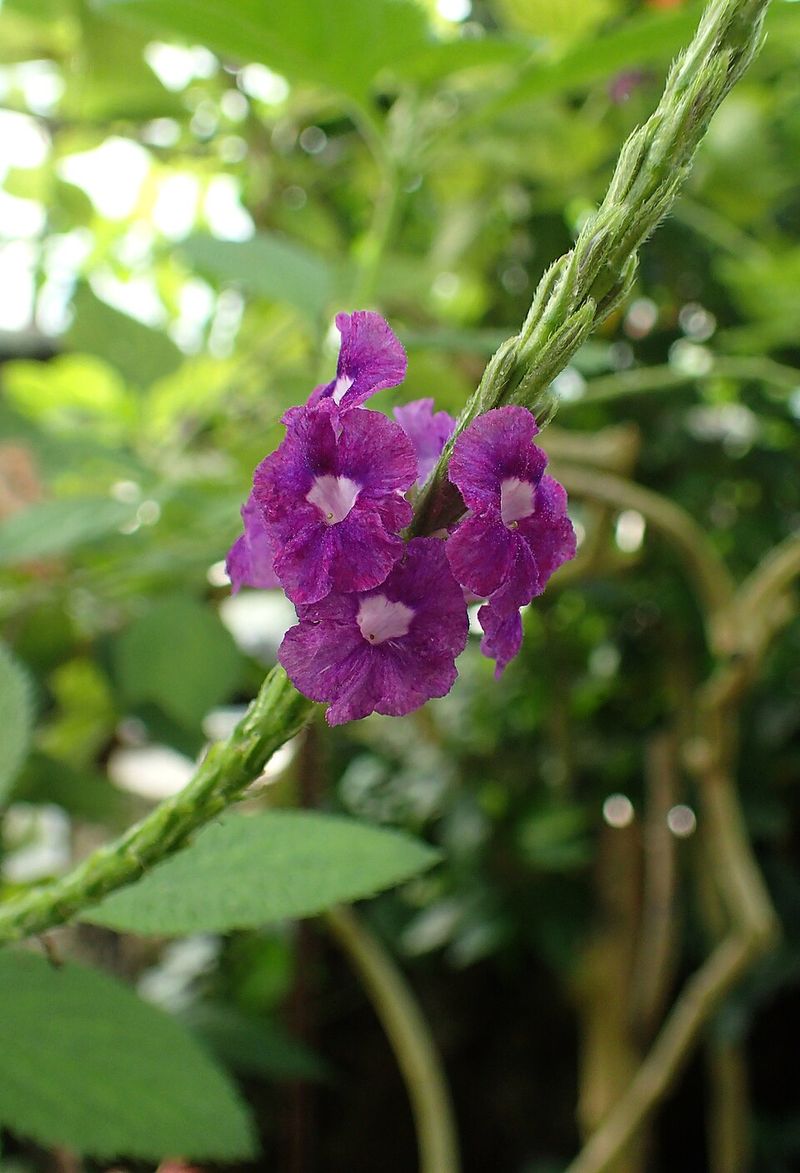
Butterflies gather around blue porterweed almost immediately after blooms appear. The native form of Stachytarpheta jamaicensis produces tubular blue-purple flowers on upright spikes that can reach three to four feet tall by midsummer when planted in March.
This Florida native grows naturally in Central and South Florida, though North Florida gardeners can enjoy it as a warm-season annual that reseeds reliably in protected spots.
Warm soil temperatures trigger rapid growth in blue porterweed. South Florida plantings often show blooms within six weeks of transplanting in March.
Central Florida gardens see similar results by late April or early May. North Florida gardeners should wait until mid-March when frost risk drops and soil warms above sixty-five degrees.
Cold snaps can damage tender growth, so timing matters more in northern counties.
Full sun produces the most flowers and strongest stems, though porterweed tolerates afternoon shade in hotter regions. Well-drained soil works best, but this adaptable native handles sandy, rocky, or slightly clay conditions without complaint.
Water regularly during establishment, then reduce frequency once plants show active growth. Blue porterweed tolerates short dry periods better than soggy conditions.
Space plants two feet apart to allow for mature spread. The upright habit fills vertical space quickly without sprawling, making blue porterweed useful for layering in mixed beds.
Flowers appear continuously from spring through fall in frost-free areas, with South Florida seeing nearly year-round blooms. North Florida gardeners enjoy blooms from late spring until the first freeze, when plants may decline but often return from seed the following year.
Butterflies, hummingbirds, and native bees visit the flowers throughout the day. University of Florida IFAS Extension lists blue porterweed as an important nectar source for several butterfly species, including zebra longwings and gulf fritillaries.
Prune lightly after heavy bloom cycles to encourage fresh growth and more flowers. This fast-growing native delivers color and wildlife value faster than most alternatives.
3. Add Tropical Sage For Fast Blooms In Sunny Spots
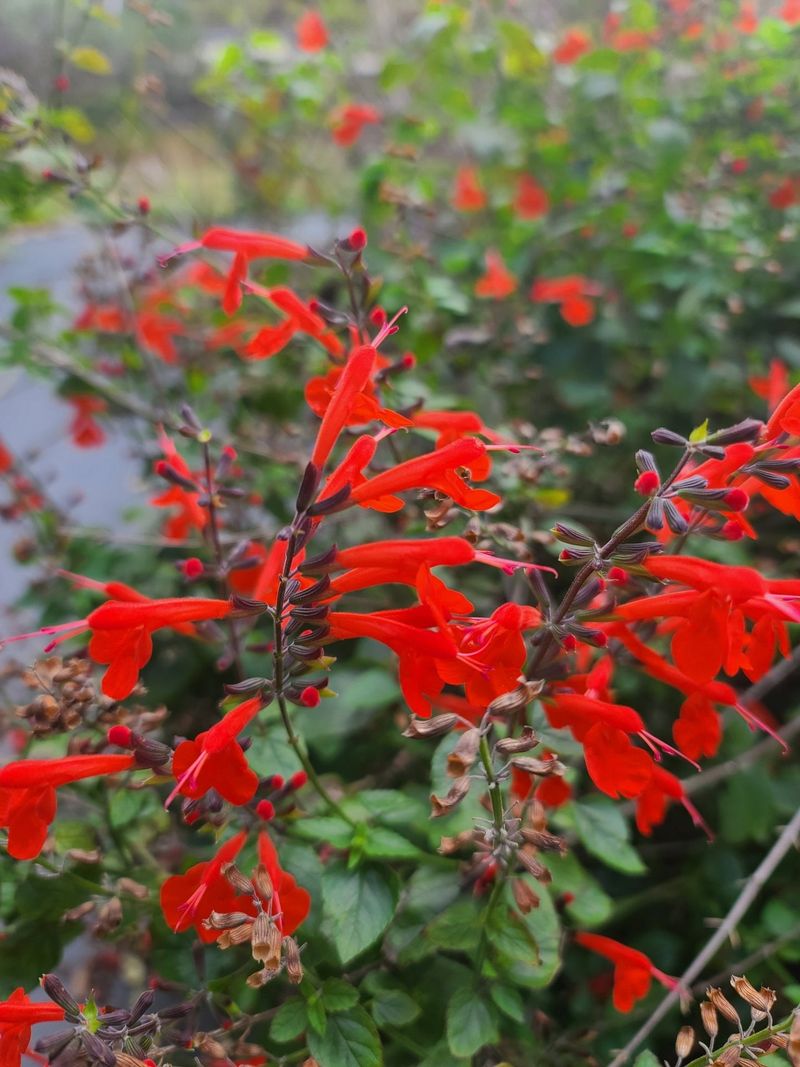
Seeds scattered in early March often produce flowering plants by May. Salvia coccinea, known commonly as tropical sage, germinates quickly in warm Florida soil and grows into bushy plants covered with red, pink, or white tubular flowers that hummingbirds find irresistible.
This Florida native reseeds freely, filling empty spots year after year without replanting.
Tropical sage adapts to Florida conditions statewide, though performance varies by region. South Florida gardeners see nearly continuous blooms with only brief slowdowns during the coolest weeks.
Central Florida plantings bloom heavily from spring through fall, often surviving mild winters to return with vigor. North Florida gardens treat tropical sage as a reliable warm-season annual that reseeds so dependably it feels perennial.
Volunteers often appear in unexpected spots, creating natural drifts of color.
Direct seeding works well in March when soil temperatures reach seventy degrees. Scatter seeds over prepared beds, press lightly into soil, and keep moist until germination appears within seven to ten days.
Transplants establish even faster, often blooming within three weeks of planting. Full sun produces the most flowers, though tropical sage tolerates light afternoon shade without significant reduction in blooms.
Space transplants twelve to eighteen inches apart, or thin seedlings to similar spacing once true leaves develop. Plants grow eighteen to thirty-six inches tall depending on growing conditions, with South Florida plants typically reaching the upper end of that range.
Pinch growing tips early to encourage bushier growth, or let plants develop naturally for a more relaxed appearance.
Water regularly during establishment, then reduce frequency as plants mature. Tropical sage handles short dry spells without wilting but responds to consistent moisture with more prolific blooming.
University of Florida IFAS Extension notes this native’s value for hummingbirds and butterflies, making it a dual-purpose choice for quick color and wildlife support. Spent flower spikes can be left in place to mature and drop seeds, ensuring the next generation fills gaps without additional effort.
4. Use Firebush To Fill Gaps With Bold Growth
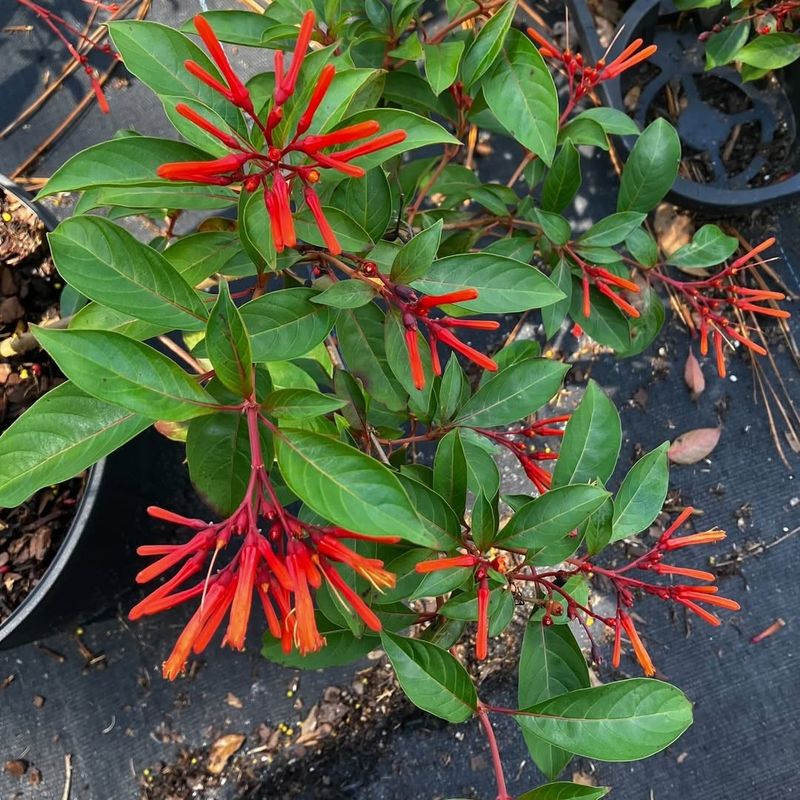
Few Florida natives grow as fast or attract as much wildlife as firebush. Hamelia patens pushes out new growth at a remarkable rate once temperatures warm, transforming small transplants into substantial shrubs within a single growing season.
The tubular orange-red flowers appear continuously from spring through fall, drawing hummingbirds, butterflies, and native bees in numbers that make any garden feel alive.
Regional differences affect how you use firebush in landscapes. South Florida gardeners enjoy near year-round growth and blooms, with plants reaching eight to twelve feet if unpruned.
Central Florida sees similar summer vigor, though cooler winters may cause leaf drop and temporary dormancy. North Florida plantings often freeze back to the ground in winter but return vigorously from roots once warm weather arrives, functioning more like herbaceous perennials than woody shrubs.
March planting gives firebush maximum time to establish before summer heat intensifies growth. Choose sites with full sun for best flowering, though partial shade works in hotter regions.
Well-drained soil is essential; firebush tolerates sandy, rocky, or amended soils but struggles in heavy clay that stays wet. Space plants four to six feet apart for screening or mass plantings, or use single specimens as focal points in mixed beds.
Water regularly during the first growing season to establish deep roots, then reduce frequency. Firebush tolerates drought once established but responds to consistent moisture with more prolific flowering.
University of Florida IFAS Extension recommends the native form rather than cultivars for best wildlife value and regional adaptation.
Prune firebush anytime to control size or shape, though plants bloom on new growth so heavy pruning reduces flowers temporarily. In North Florida, cut freeze-damaged stems to the ground in early spring before new growth emerges.
The rapid growth rate means firebush fills gaps quickly, and the continuous blooms provide nectar when many other plants slow down. Birds eat the small dark berries that follow flowers, adding another layer of wildlife value to an already exceptional native.
5. Sow Tickseed For Rapid Spring Wildflower Color
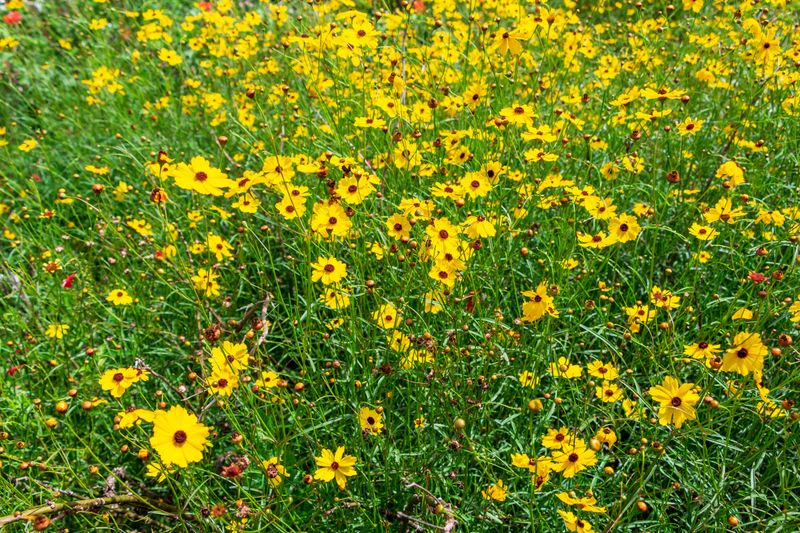
Bright yellow flowers blanket roadsides and meadows across Florida each spring, and you can create the same effect in your garden by sowing tickseed in March. Coreopsis leavenworthii and other native tickseed species germinate quickly from seed scattered directly onto prepared soil, producing flowering plants within six to eight weeks.
These cheerful wildflowers handle Florida’s sandy soils and variable rainfall with ease, making them ideal for filling empty spots that need color fast.
Regional timing affects when blooms peak. South Florida sowings in early March often flower by late April, with blooms continuing into early summer.
Central Florida gardens see peak color in May and June, while North Florida plantings bloom slightly later as soil warms more gradually. All regions benefit from March seeding, which allows roots to establish before heat intensifies.
Prepare planting areas by removing weeds and loosening the top inch of soil. Tickseed seeds need light to germinate, so scatter them over the surface and press lightly without covering.
Water gently to settle seeds into contact with soil, then keep the area moist until seedlings emerge in seven to fourteen days. Once established, tickseed tolerates dry conditions that would stress less adapted plants.
Full sun produces the most flowers, though tickseed tolerates light shade with reduced bloom. Sandy, well-drained soils work best, but these adaptable natives grow in various conditions as long as drainage is adequate.
Space is less critical with wildflowers; natural spacing occurs as seedlings mature. Thin overcrowded areas if needed to improve air circulation.
Tickseed flowers attract butterflies, bees, and other pollinators throughout the bloom period. University of Florida IFAS Extension notes several native Coreopsis species suitable for Florida gardens, each offering slightly different heights and bloom times.
Allow flowers to mature and drop seed for future generations, or deadhead to extend the current season’s display. The rapid germination and growth make tickseed an excellent choice when you need fast color without the expense of transplants.
6. Establish Coontie For Evergreen Structure That Grows Steadily
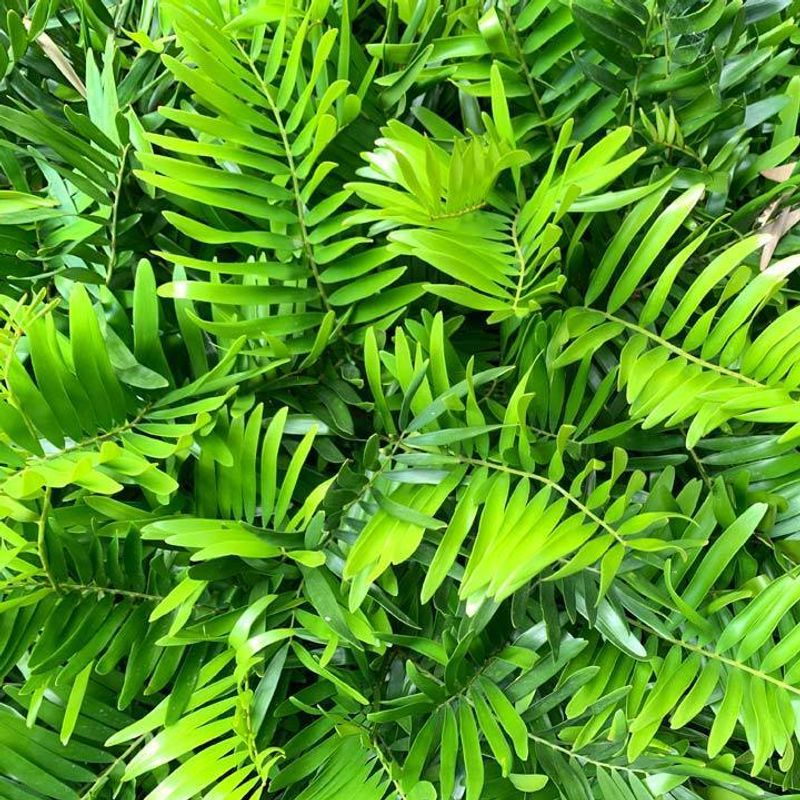
Ancient cycads bring a prehistoric look to Florida landscapes. Zamia integrifolia, commonly called coontie, grows slowly by some standards but establishes quickly enough to fill gaps with evergreen foliage that looks good year-round.
This Florida native produces new fronds in flushes throughout warm months, with March plantings often showing significant growth by fall.
Coontie grows naturally throughout Florida, making it reliable statewide. South Florida gardeners see the most consistent growth, with new fronds appearing almost continuously during warm months.
Central Florida plantings show strong warm-season growth with slower production during cooler months. North Florida gardens experience more seasonal growth patterns, with most new fronds emerging from April through October.
All regions benefit from March planting, which allows roots to establish before summer heat arrives.
Shade to partial sun suits coontie best, though plants tolerate full sun in northern regions or with adequate moisture. Well-drained soil is essential; coontie grows in sand, limestone-based soils, or amended beds but struggles in heavy clay that stays wet.
Space plants two to three feet apart for groundcover effect, or use single specimens as accents in shaded beds.
Water regularly during establishment, typically the first six months after planting. Once established, coontie tolerates considerable drought, making it valuable for low-maintenance landscapes.
The dark green fronds create textural contrast against flowering plants or fine-textured groundcovers. Coontie rarely needs pruning; simply remove old fronds as they yellow and decline naturally.
University of Florida IFAS Extension notes coontie’s importance as the only host plant for atala butterfly larvae in South Florida. Female plants produce cone-like structures that mature into bright red seeds attractive to wildlife.
Male plants produce pollen cones but no seeds. Both sexes contribute evergreen structure that fills space without aggressive spreading or demanding care.
Coontie’s steady growth and permanent presence make it useful for defining bed edges or creating year-round interest in shaded areas where faster-growing plants may not thrive. March planting gives roots ample time to establish before summer, resulting in stronger plants better able to handle Florida’s environmental challenges.
7. Plant Beach Sunflower For Rapid Coverage In Tough Spots
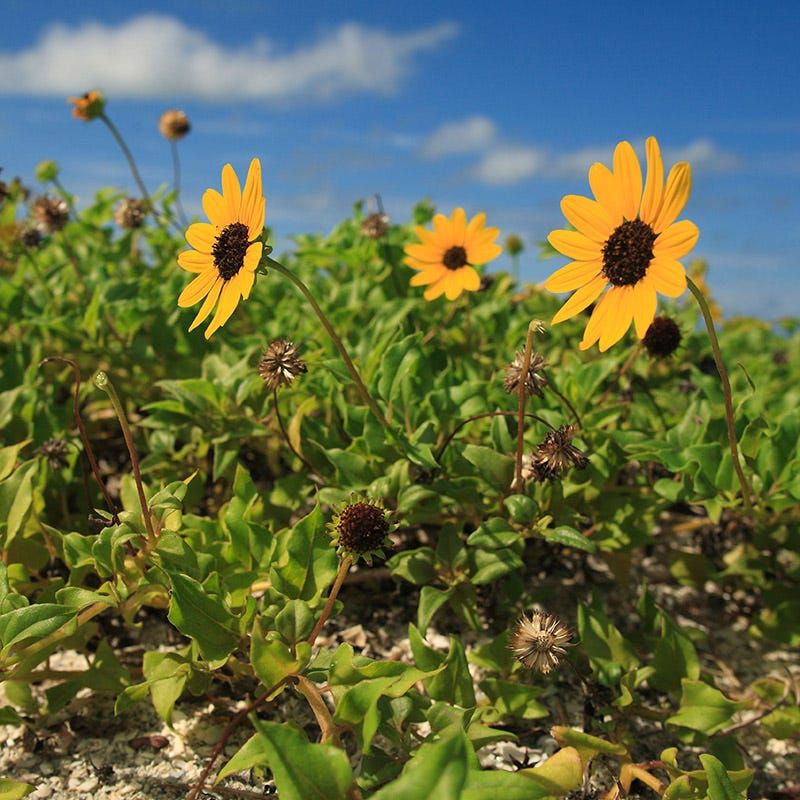
Coastal conditions challenge many plants, but beach sunflower thrives where others struggle. Helianthus debilis spreads quickly through trailing stems that root at nodes, creating mats of succulent-like foliage topped with cheerful yellow flowers from spring through fall.
This Florida native grows naturally along beaches and dunes but adapts readily to inland gardens, especially those with sandy soil and full sun.
March planting allows beach sunflower to establish before peak growing season arrives. South Florida plantings spread rapidly, often covering several square feet by early summer.
Central Florida gardens see similar growth rates once temperatures warm consistently in April. North Florida gardeners experience slightly slower initial growth but still achieve substantial coverage by midsummer.
All regions benefit from the plant’s tolerance of salt spray, drought, and poor soils.
Full sun produces the most flowers and tightest growth, though beach sunflower tolerates light shade with more open habit. Sandy, well-drained soil works best, but this adaptable native handles various conditions as long as drainage is good.
Space transplants two to three feet apart for coverage within a season, or plant closer for faster fill. The trailing stems spread outward rather than upward, keeping the planting low and suitable for slopes or erosion-prone areas.
Water regularly during establishment, then reduce frequency as plants mature. Beach sunflower tolerates considerable drought once established, making it valuable for low-maintenance landscapes.
The bright yellow flowers attract butterflies and native bees throughout the blooming season. University of Florida IFAS Extension recommends beach sunflower for stabilizing sandy soils and providing quick coverage in challenging sites.
Trim back stems occasionally if plants spread beyond desired boundaries, or let them grow naturally for maximum coverage. Beach sunflower may decline during extended dry periods but recovers quickly when rain returns.
The rapid spreading habit and cheerful flowers make this native excellent for filling large empty areas fast, particularly in coastal or sandy inland gardens where other plants struggle. March planting ensures strong establishment before summer heat intensifies, resulting in robust plants that transform bare ground into colorful groundcover within months.