Plant These 9 Florida Plants If Your Yard Floods Every Season
If your Florida yard turns into a mini lake every rainy season, you’re definitely not alone. One week it’s dry and sunny, the next your grass is squishing under your feet and your plants look like they’re waving tiny white flags.
Flood-prone yards are a reality across the state, especially with heavy summer storms and surprise downpours that never seem to check the forecast. The good news?
You don’t have to fight the water every year. Some plants actually thrive in soggy soil and standing moisture, growing stronger instead of drowning out.
Choosing the right ones can save you money, time, and endless replanting. You’re about to see which plants can survive the soggy mess and actually thrive in your yard.
1. Bald Cypress Thrives Where Other Trees Fail
After a heavy afternoon downpour, you might notice one corner of your yard stays wet for days while grass struggles and eventually gives up. Water pools there no matter how much you try to improve drainage, and traditional shade trees just won’t establish roots in those conditions.
This is exactly where bald cypress becomes your most reliable solution for creating vertical structure without worrying about waterlogged roots.
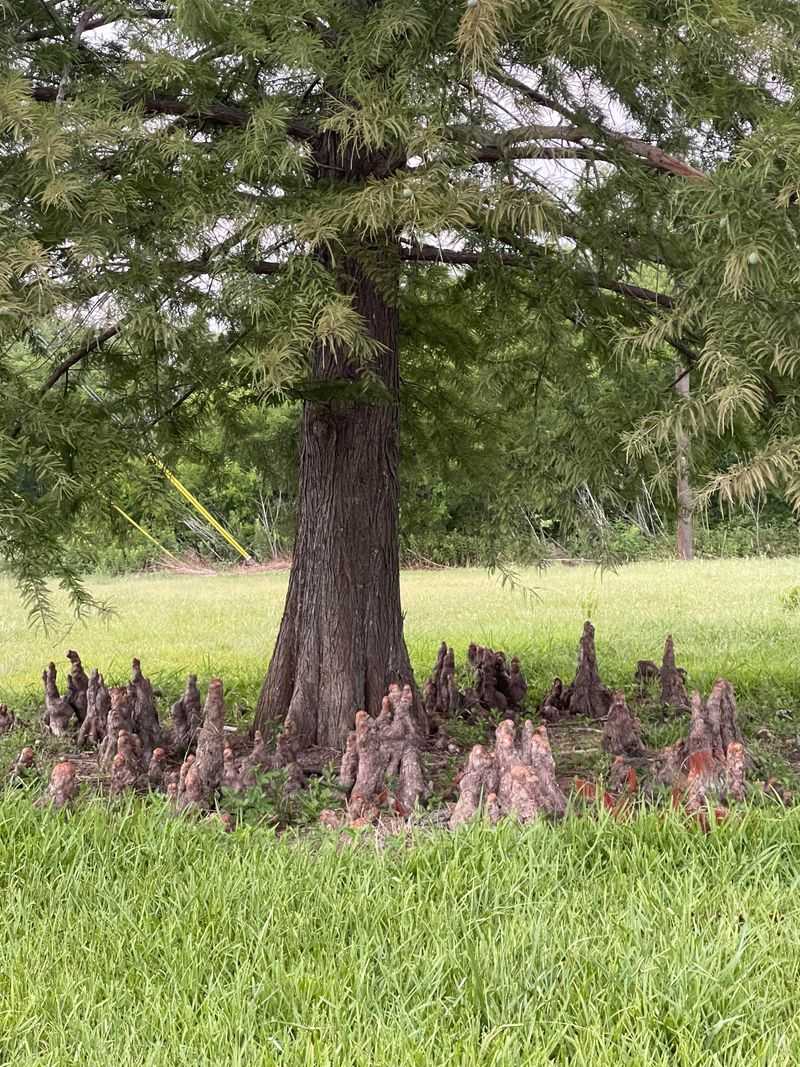
Native to Florida swamps and floodplains, this deciduous conifer tolerates standing water better than almost any other tree. Its trunk naturally flares at the base, spreading stability across saturated soil, and the root system adapts to low oxygen levels that would stress most species.
You can plant it in full sun to partial shade, and it works beautifully in Central Florida yards with clay soils that drain slowly.
Wildlife benefits are significant. In natural or large landscape settings, wading birds may nest in mature canopies, and the seeds feed wood ducks and other waterfowl.
Homeowners consistently notice that once established, bald cypress creates a focal point that looks intentional rather than like a flooded mistake, transforming problem zones into purposeful rain garden anchors.
2. Buttonbush Turns Wet Areas Into Pollinator Hotspots
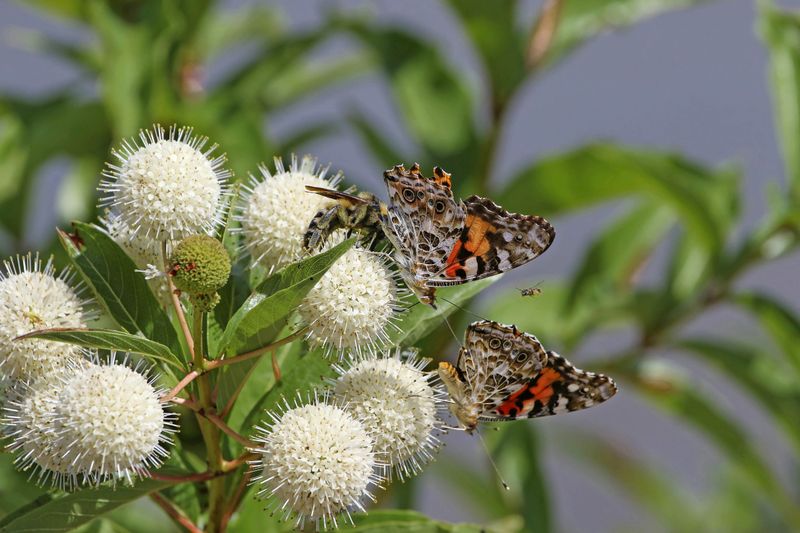
Walk through your yard after summer storms and you’ll probably find low spots where water sits stubbornly, creating muddy patches that feel more like wetland than lawn. Grass won’t grow there, and most shrubs rot out within a season.
Instead of leaving these areas bare or covering them with mulch that floats away, buttonbush offers a flowering solution that pollinators absolutely love.
This Florida native shrub produces round, white pincushion flowers from late spring through summer, attracting bees, butterflies, and hummingbirds even when roots experience temporary shallow flooding or consistently wet soil.
It grows well in full sun to part shade and tolerates a wide range of soil types, from sandy South Florida ground to heavy clay in North Florida.
Buttonbush naturally forms a rounded shape and can reach six to twelve feet tall, making it ideal for creating privacy or visual interest in flood-prone zones.
Homeowners often mention how quickly wildlife discovers buttonbush once it blooms. The flowers provide nectar during Florida’s hottest months, and the seed heads persist into fall, feeding waterfowl and songbirds while adding seasonal texture to your landscape even after blooming finishes.
3. Swamp Milkweed Handles Water While Feeding Butterflies
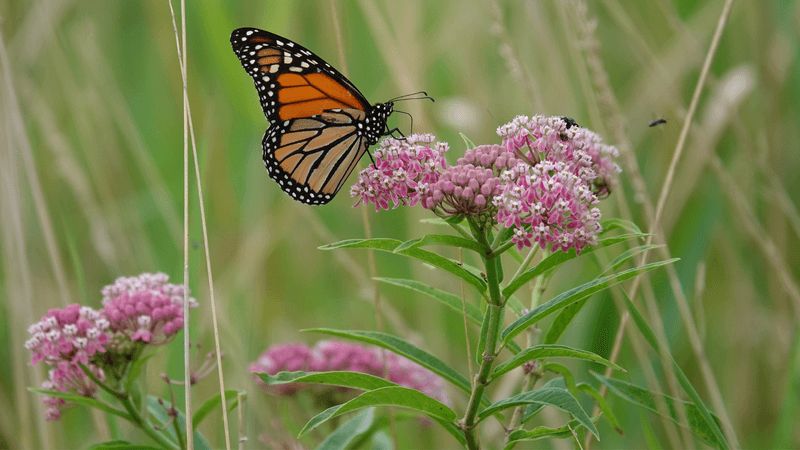
You’ve probably noticed that certain sections of your property stay damp even days after the rain stops, creating conditions too wet for most perennials but too open for large shrubs. Swamp milkweed fits perfectly into these tricky middle zones, offering seasonal color and crucial habitat for monarch butterflies without demanding dry feet or constant maintenance.
Unlike common milkweed, this species evolved in Florida wetlands and naturally tolerates consistently moist soil during rainy months. It does not tolerate long-term standing water and works best in rain gardens that drain within a day or two.
It produces clusters of pink to mauve flowers from spring through fall, and monarch caterpillars depend on milkweed foliage as their only food source. Swamp milkweed grows two to four feet tall in full sun to light shade and works beautifully in rain gardens, bioswales, or along property edges where water tends to collect.
The plant goes dormant in winter in North and Central Florida, then reemerge reliably each spring.
Homeowners appreciate that swamp milkweed requires no supplemental watering once established, and watching monarchs lay eggs on the leaves creates a rewarding connection to Florida’s seasonal butterfly migrations and the broader ecosystem your yard supports.
4. Swamp Hibiscus Delivers Tropical Color In Flood Zones
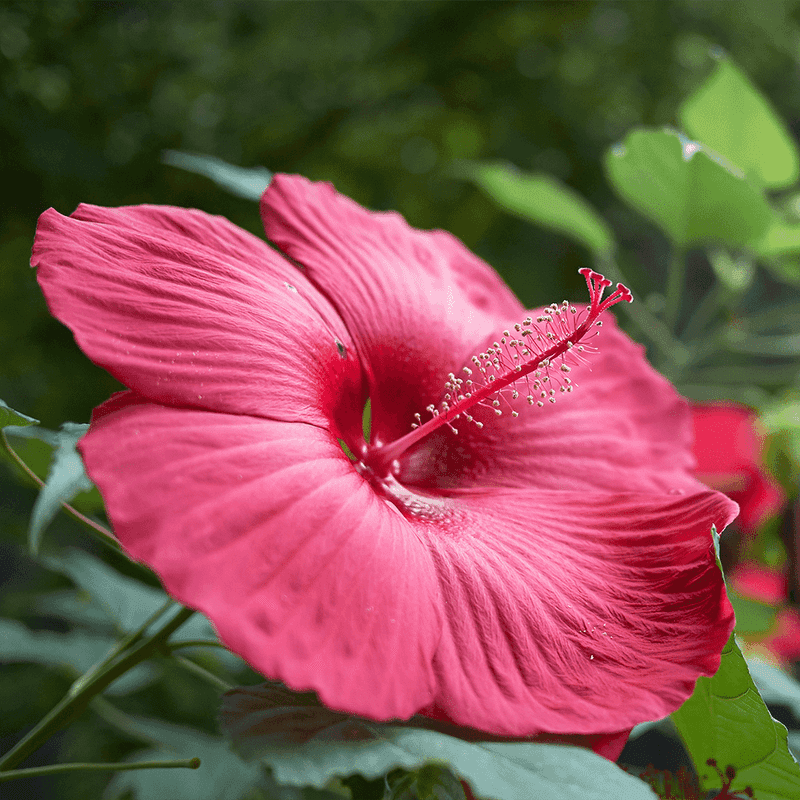
Imagine stepping outside after a week of afternoon thunderstorms and seeing vibrant, dinner-plate-sized flowers blooming cheerfully in the same spot where water pooled just yesterday. Most tropical-looking plants sulk or rot in soggy conditions, but swamp hibiscus thrives exactly where flooding happens regularly, bringing bold color to areas that usually look like landscape failures.
This Florida native perennial produces huge red, pink, or white flowers up to eight inches across, each lasting just one day but replaced continuously throughout the warm season.
Swamp hibiscus grows four to seven feet tall in full sun and tolerates seasonal flooding and saturated soil, making it perfect for low-lying areas in South and Central Florida yards.
The foliage stays lush and green even when roots sit in saturated soil, and the plant naturally goes dormant in winter, reemerging vigorously each spring.
Butterflies and hummingbirds visit the flowers constantly, and the dramatic blooms create a focal point that makes intentional use of wet zones rather than hiding them.
Homeowners consistently report that swamp hibiscus transforms problem areas into conversation pieces, proving that flooding doesn’t mean sacrificing beauty or tropical flair in your landscape.
5. Southern Blue Flag Iris Brings Elegance To Soggy Soil
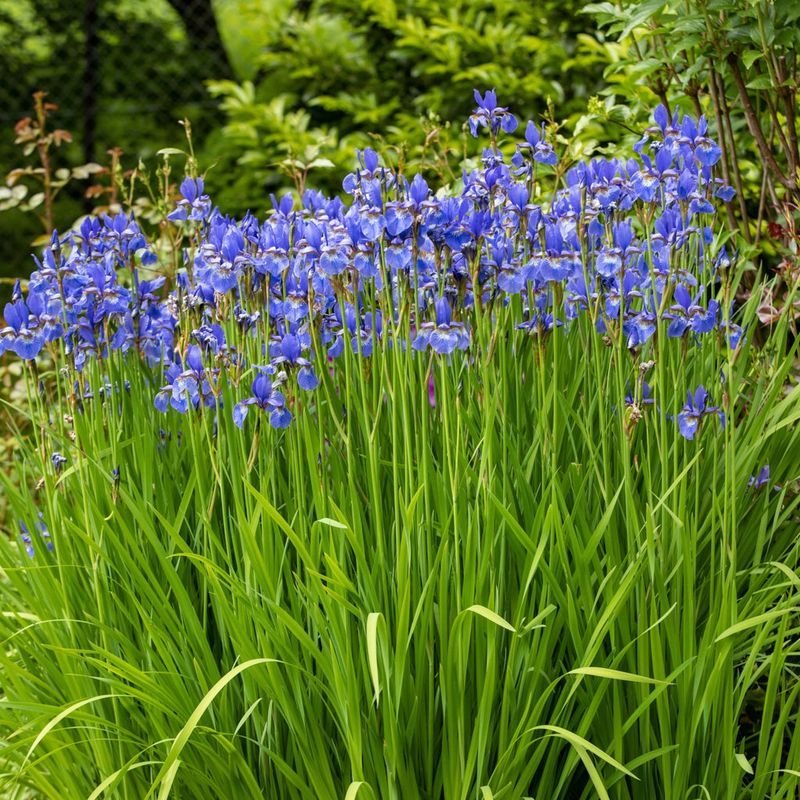
There’s something especially frustrating about watching water sit in your yard for days, turning what could be an attractive garden bed into a muddy mess. Traditional iris varieties rot quickly in these conditions, but southern blue flag iris actually prefers wet feet and brings graceful vertical interest to the soggiest corners of your property.
Native to Florida wetlands, this iris produces striking blue-violet flowers with yellow markings in spring, rising on stems up to three feet tall above sword-like foliage.
It tolerates full sun to partial shade and prefers wet soil over deep, stagnant standing water, making it ideal for rain gardens, pond edges, or any low area where water naturally collects.
The foliage remains attractive even after blooming finishes, providing texture and structure throughout the growing season.
Southern blue flag iris spreads slowly through rhizomes, filling in wet spaces without becoming aggressive or invasive. Homeowners often plant it in groups for maximum visual impact, and the flowers attract native bees and butterflies during bloom time.
Once established, it requires no supplemental irrigation and actually performs better in flood-prone zones than in drier, well-drained beds where many gardeners mistakenly try to grow it.
6. Pickerelweed Loves Standing Water And Rain Gardens
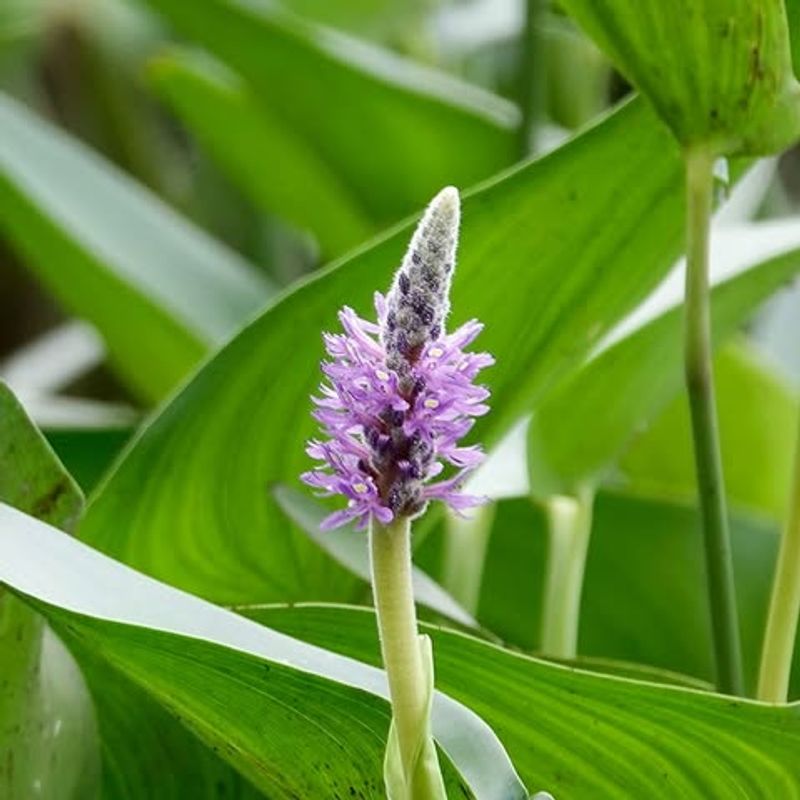
If you’ve ever tried to landscape around a low spot that never dries out, you know how few plants actually tolerate having their roots submerged for extended periods. Most species rot or struggle, leaving you with bare mud and frustration.
Pickerelweed, however, evolved specifically for these conditions and brings both flowers and foliage to areas where water stands longest.
This Florida native aquatic perennial produces spikes of purple-blue flowers from spring through fall, rising above glossy heart-shaped leaves. Pickerelweed grows one to three feet tall and thrives in full sun to part shade, performing best when planted in shallow standing water or consistently saturated soil.
It’s perfect for rain gardens, bioswales, or the edges of retention ponds where traditional plants fail.
The flowers attract bees, butterflies, and other pollinators throughout the warm season, and seeds provide food for waterfowl and marsh birds. Homeowners appreciate that pickerelweed stays green and attractive even during Florida’s rainiest months, turning problem areas into functional wildlife habitat.
It spreads gradually through rhizomes, filling in wet spaces naturally without requiring replanting or constant maintenance, and it pairs beautifully with other wetland species for layered rain garden designs.
7. Duck Potato Fills Wet Spaces With Bold Foliage
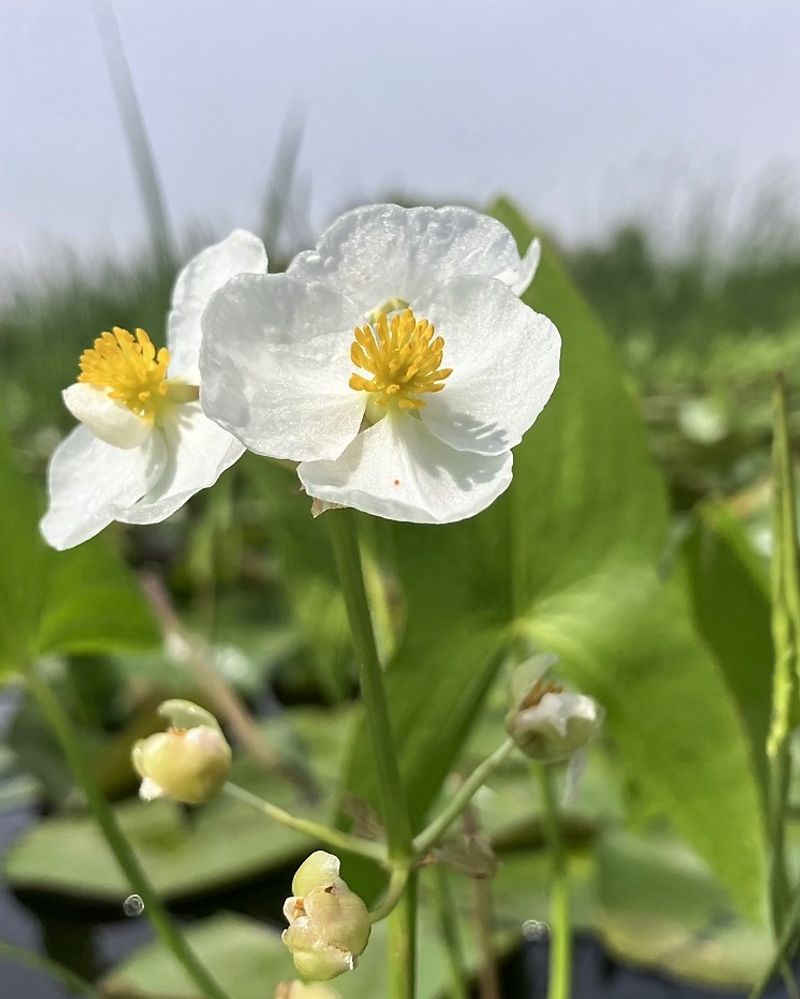
After heavy rains, certain sections of your yard might hold water so long that even wetland plants struggle to get established. Duck potato thrives in exactly these conditions, tolerating deeper standing water than most species and bringing bold, arrow-shaped foliage to areas that feel more like ponds than gardens during rainy season.
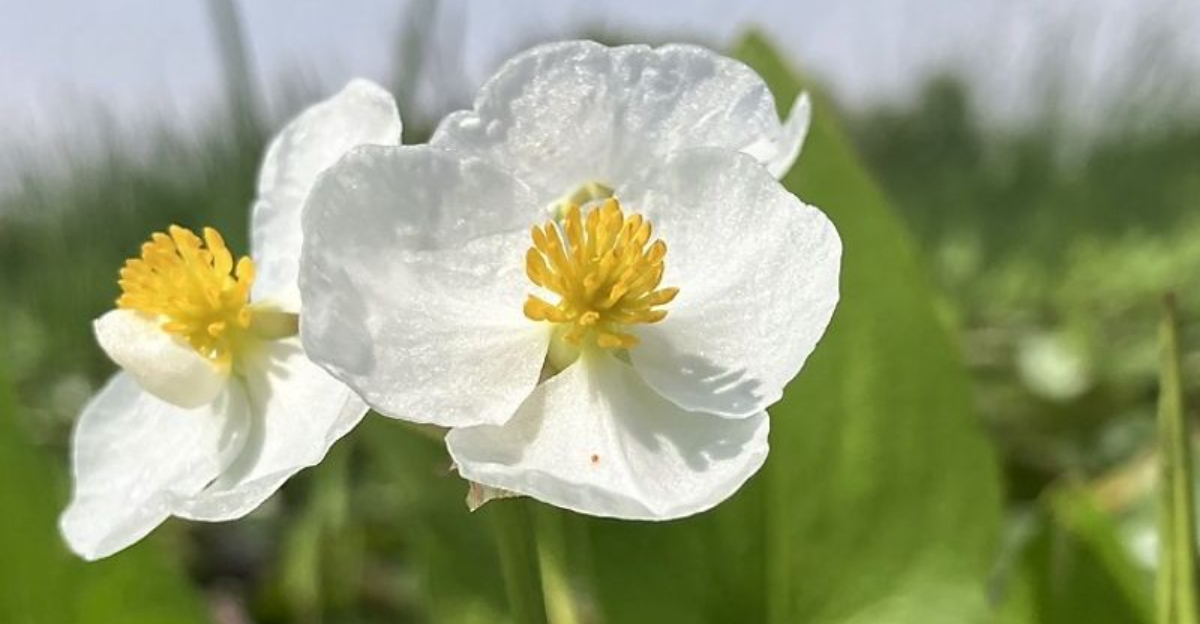
This Florida native aquatic plant produces distinctive arrowhead-shaped leaves on stems that can reach two to four feet tall, along with white three-petaled flowers in summer.
Duck potato grows best in full sun and tolerates shallow to moderate water depths (typically 6–18 inches depending on species), making it ideal for rain gardens, swales, or retention pond edges.
The underground tubers spread gradually, filling in wet spaces and providing food for waterfowl, which is how the plant earned its common name.
Homeowners often plant duck potato in groups to create bold textural contrast against finer-leaved wetland species. The foliage stays attractive throughout the growing season, and the plant goes dormant in winter, reemerging reliably each spring.
Once established, duck potato requires no maintenance beyond occasional thinning if it spreads beyond its intended area, and it performs best in the consistently wet conditions that frustrate most other landscape plants.
8. Soft Rush Creates Structure In Flood-Prone Areas
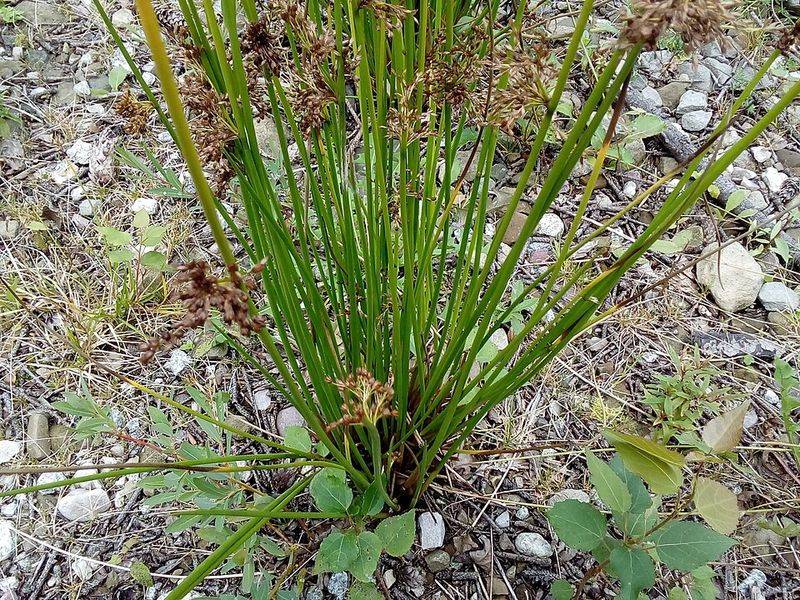
When water sits in your yard after storms, you need plants that not only tolerate flooding but also provide year-round structure and visual interest.
Soft rush delivers exactly that, bringing vertical texture to wet areas with slender, cylindrical stems that remain green and attractive even when roots sit in shallow standing water.
This Florida native grass-like perennial grows two to four feet tall in dense clumps, producing inconspicuous flowers near the stem tips in summer. Soft rush thrives in full sun to partial shade and tolerates a wide range of wet conditions, from consistently moist soil to shallow standing water.
It works beautifully in rain gardens, along swales, or anywhere water naturally collects, and the upright stems create a contemporary look that contrasts nicely with broader-leaved wetland plants.
Soft rush stays green year-round in South and Central Florida, providing constant structure even during winter months. Homeowners appreciate that it requires no mowing, fertilizing, or supplemental watering once established, and the dense root system helps stabilize soil and slow water movement during heavy rains.
Birds often use the stems for nesting material, and the clumps provide shelter for small wildlife navigating wet areas of your property.
9. Golden Canna Adds Bright Blooms To Wet Landscapes
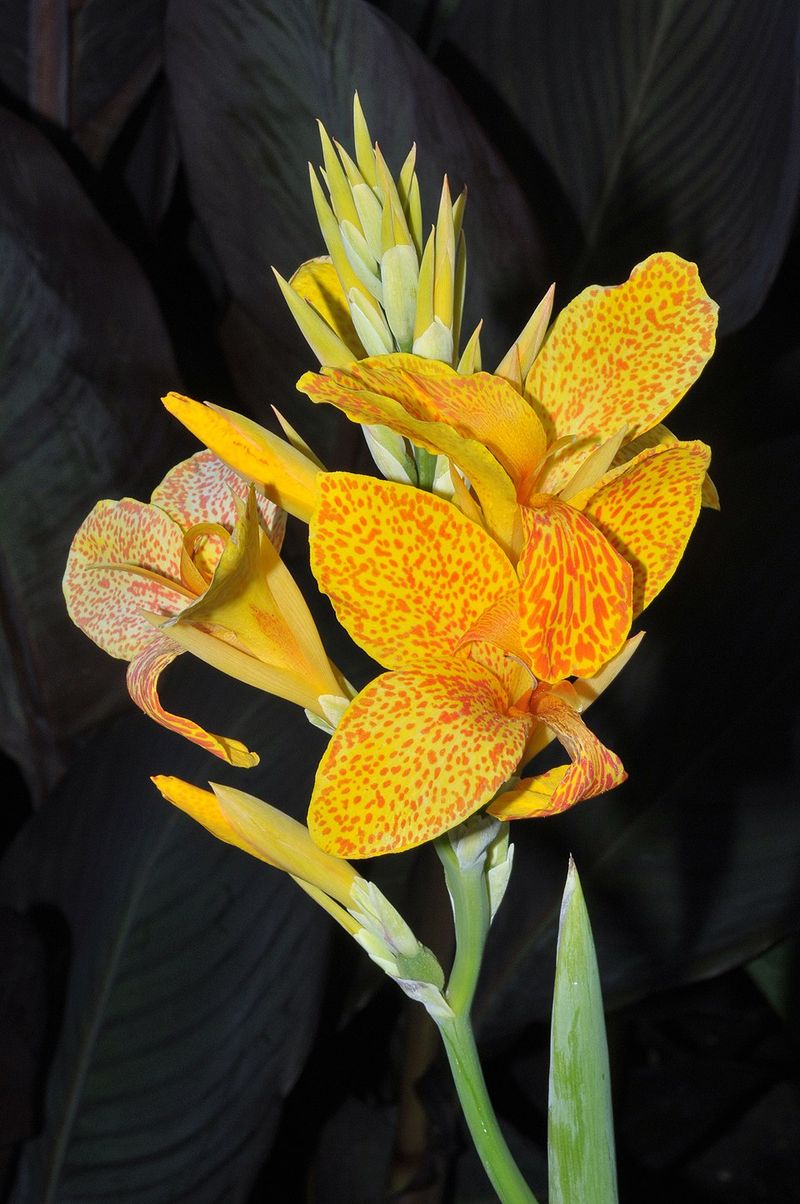
Most flowering perennials demand well-drained soil and sulk when their roots stay wet for more than a day or two. Golden canna partially breaks that rule, producing vibrant yellow or orange flowers and bold tropical foliage in the exact spots where water lingers longest, turning flood-prone zones into colorful focal points rather than landscape liabilities.
This water-tolerant ornamental canna (most varieties are hybrids) grows four to six feet tall in full sun to part shade, blooming continuously from spring through fall.
Golden canna tolerates wet soil and occasional shallow flooding better than many flowering perennials, making it perfect for rain gardens, bioswales, or low-lying areas in South and Central Florida yards.
The large paddle-shaped leaves create instant tropical impact, and the bright flowers attract hummingbirds and butterflies throughout the warm season.
Homeowners love that golden canna requires minimal care once established, needing only occasional removal of spent flower stalks to keep blooms coming.
The plant spreads gradually through rhizomes, filling in wet spaces naturally, and it can be divided every few years to expand plantings or share with neighbors.
Golden canna proves that flooding doesn’t mean sacrificing color or drama, transforming problem areas into vibrant garden features that look intentional and beautifully designed.
Not all plants listed tolerate permanent standing water. Some perform best in rain gardens or low areas that flood temporarily and then drain.
For areas with constant ponding, choose true aquatic plants like pickerelweed, duck potato, soft rush, or bald cypress.