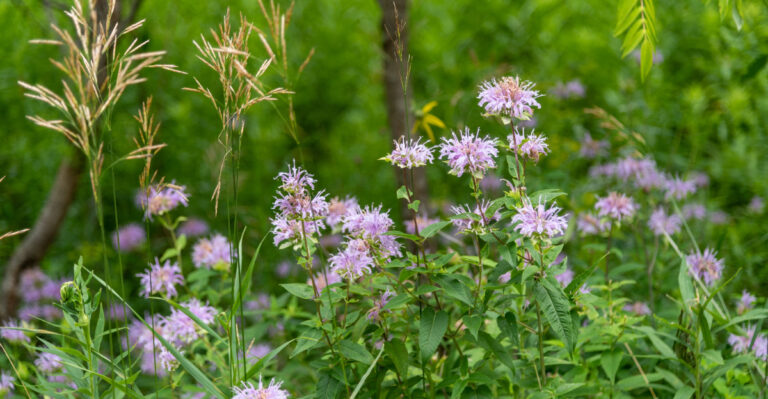
Plant These 9 Flowers In May To Bring Butterflies To Your Ohio Yard Fast
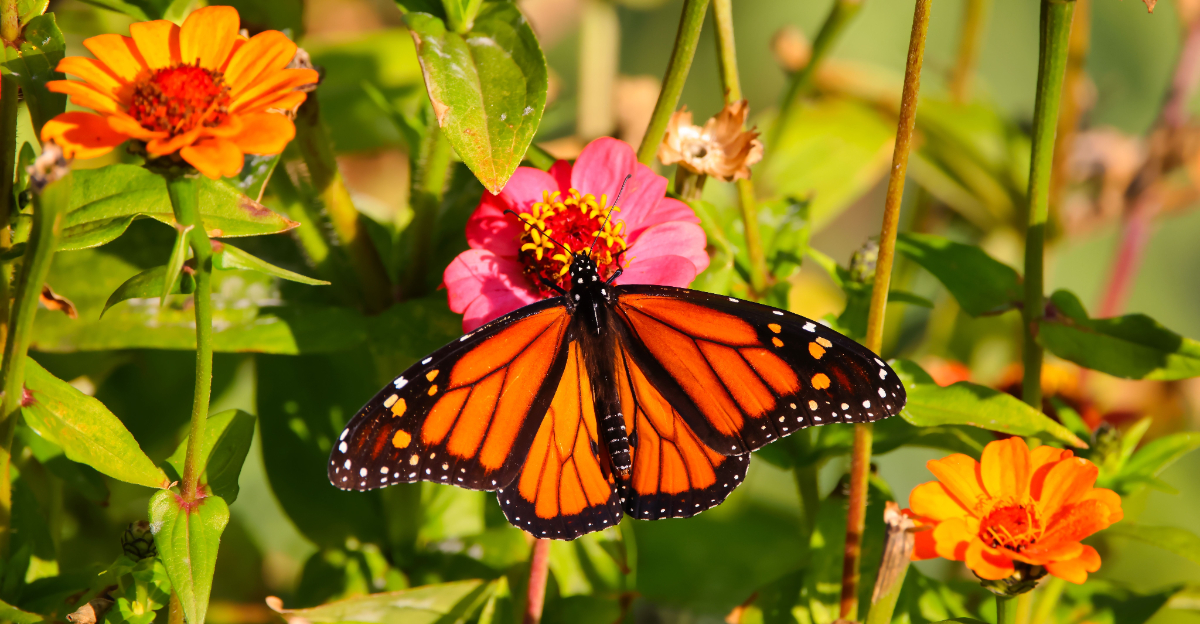
A butterfly can float through your yard in May and make a decision before you even get a good look at it.
Stay or keep moving?
For a lot of Ohio yards, the answer is obvious. Empty porch pots, bare sunny beds, and flowers with little nectar do not give butterflies much reason to linger.
Color helps, but the right kind of color matters more.
May is the sweet spot for changing that. Warm-season annuals can bring fast blooms to containers and borders, while native perennials start building the kind of pollinator-friendly yard that gets better every year.
Add sun, shelter, and a steady run of flowers, and your garden starts to feel less like decoration and more like a stop worth making.
Some plants work fast. Others ask for patience.
The payoff is the same, more movement, more color, and a much better chance that the next butterfly passing through your Ohio yard actually sticks around.
1. Start With Zinnias For Quick Summer Color
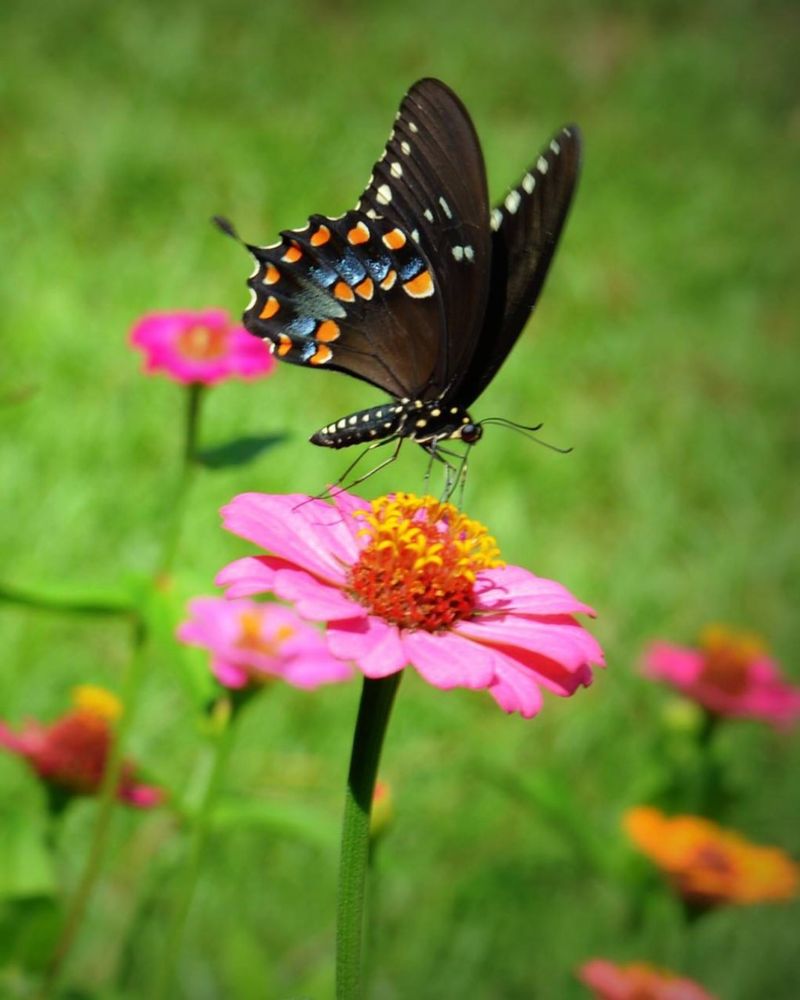
Few flowers are as satisfying to grow in an Ohio May as zinnias. Once frost danger has passed, usually by mid-May in most of Ohio, you can direct sow zinnia seeds right into a prepared sunny bed or set out transplants for even faster color.
Either way, you can get cheerful blooms relatively quickly, especially from transplants, while direct-sown seeds usually need several weeks of warm growing weather before flowering.
Zinnias perform best in full sun with well-drained soil and decent airflow around the plants. Crowding them too closely is one of the most common mistakes, since poor air circulation invites powdery mildew, especially during humid Ohio summers.
Water at the base of the plant rather than overhead to keep foliage dry and reduce disease pressure.
When butterflies do show up to your garden, zinnias are often among the first stops. Single or open-centered varieties tend to offer easier nectar access than fully double blooms, so look for those if attracting pollinators is a priority.
Deadhead spent flowers regularly to keep new blooms coming strong through late summer. Zinnias are one of the most affordable and reliable ways to add fast color to Ohio beds, borders, and even large containers sitting in a sunny spot.
2. Plant Lantana For Heat Loving Butterfly Visits
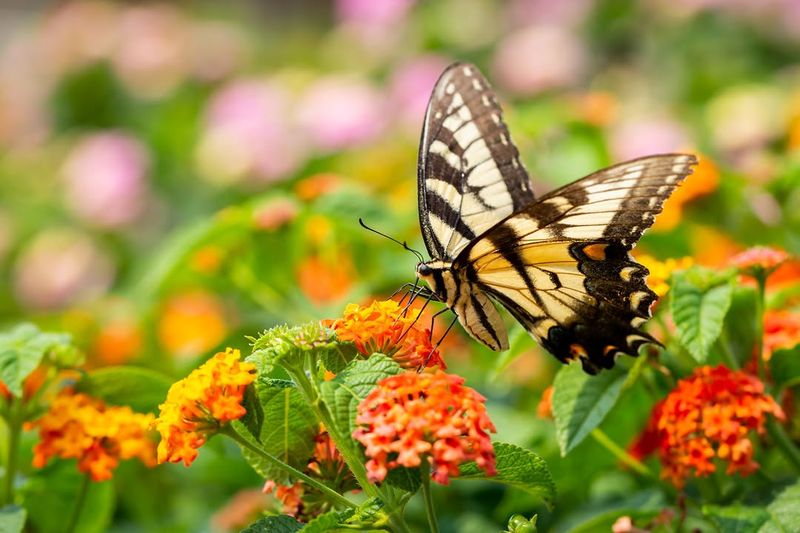
Once the heat of an Ohio summer really settles in, lantana earns its place in the garden.
This tropical plant thrives in full sun and handles high temperatures that leave other flowers struggling, making it a smart pick for sunny patios, pollinator beds, and container arrangements that bake in afternoon heat.
Lantana produces dense clusters of small, tubular flowers that shift color as they age, often showing orange, yellow, pink, and red all on the same plant at once.
That constant bloom production through warm weather is part of what makes it appealing to butterflies passing through a yard.
Wait until nighttime temperatures are reliably warm, well past Ohio’s last frost date, before moving lantana outside, since cold snaps can set it back hard.
Your Ohio Garden Changes Every Week. Your Plan Should Too.
Gardening in Ohio changes quickly throughout the season. Every Friday you’ll receive a simple weekly plan showing exactly what to plant, prune, fertilize, harvest, and protect so you never miss the right timing.
Avoid overwatering lantana, especially in containers. It prefers soil that dries out a bit between waterings and does not tolerate soggy roots well.
Lantana is not winter-hardy outdoors in Ohio and should be treated as a warm-season annual unless you bring it indoors before frost.
3. Add Pentas For Bright Nectar Clusters
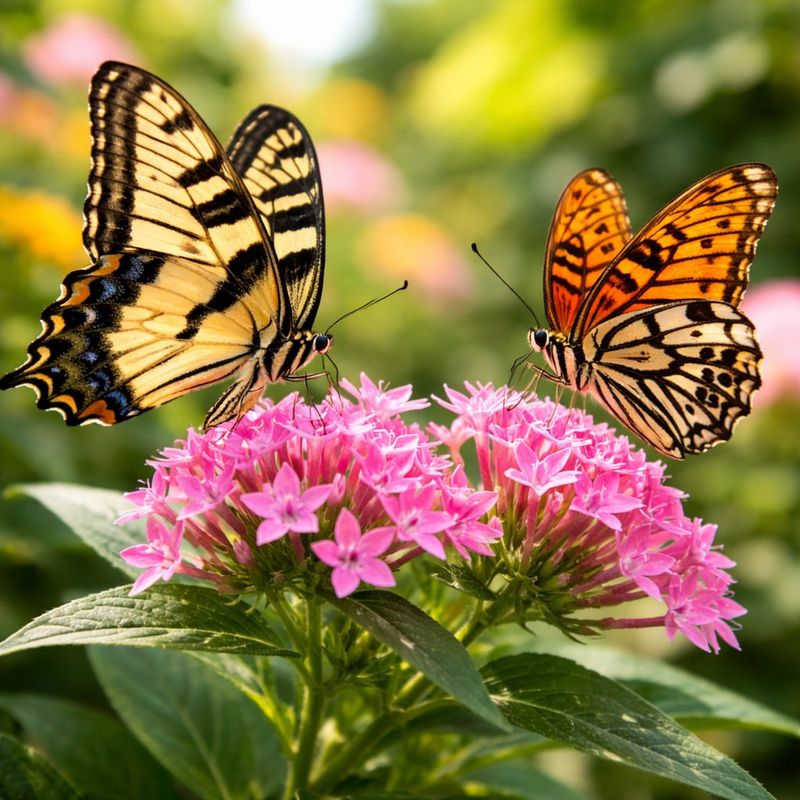
Pentas might not be the first flower Ohio gardeners think of in May, but it deserves a spot on the shopping list.
The star-shaped flower clusters come in red, pink, white, and lavender, and they give sunny pots and beds a tropical brightness that holds up through the hottest parts of summer.
Butterflies are drawn to the flat-topped clusters, which offer an easy landing platform and accessible nectar.
Grown as a tender annual in Ohio, pentas needs warm conditions to thrive. Hold off on planting it outside until cold nights have fully passed, since even a light chill can slow its growth significantly.
Once settled into a warm, sunny spot with steady moisture and well-drained soil, pentas blooms reliably without a lot of fuss.
Containers near a porch or patio are an especially good spot for pentas, since you can watch butterfly activity up close while also being able to move the pot if an unexpected cold night threatens late in the season.
Keep the soil consistently moist but never waterlogged, and give plants a light trim if they start to look leggy by midsummer.
Pentas is a cheerful, underused annual that rewards Ohio gardeners who give it a sunny, warm home.
4. Grow Verbena For Low Spreading Blooms
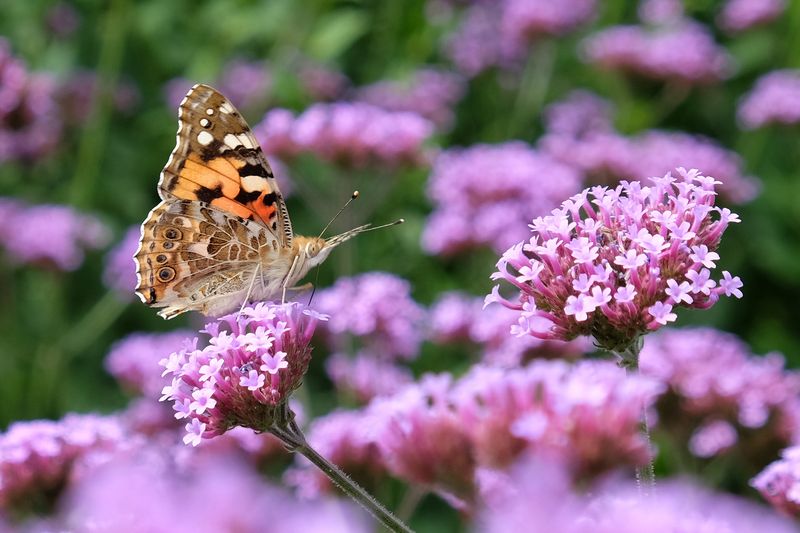
If you have a sunny hanging basket, a container edge that needs softening, or a front border that feels a little flat, verbena is worth trying this May.
Its clusters of small, bright flowers spread and trail in a way that fills spaces quickly, and the blooms attract butterflies while giving the garden a full, layered look.
Verbena likes full sun and well-drained soil, and it can really struggle if roots stay wet for long periods. Ohio summers can bring stretches of heavy rain, so planting verbena in raised beds or containers with good drainage holes makes a meaningful difference.
Heavy, compacted soil is not a good fit for this plant.
By midsummer, verbena can sometimes get a bit thin or scraggly, especially if heat has been intense. A light trim, cutting back some of the longer stems, often encourages fresh growth and a new flush of blooms heading into late summer.
Verbena works well as a companion planting alongside taller annuals like zinnias or salvias, filling in the lower layer of a pot or border.
Look for trailing types for baskets and more upright spreading types for beds and borders, since the two behave quite differently in the garden.
5. Use Salvia For Bold Spikes Of Color
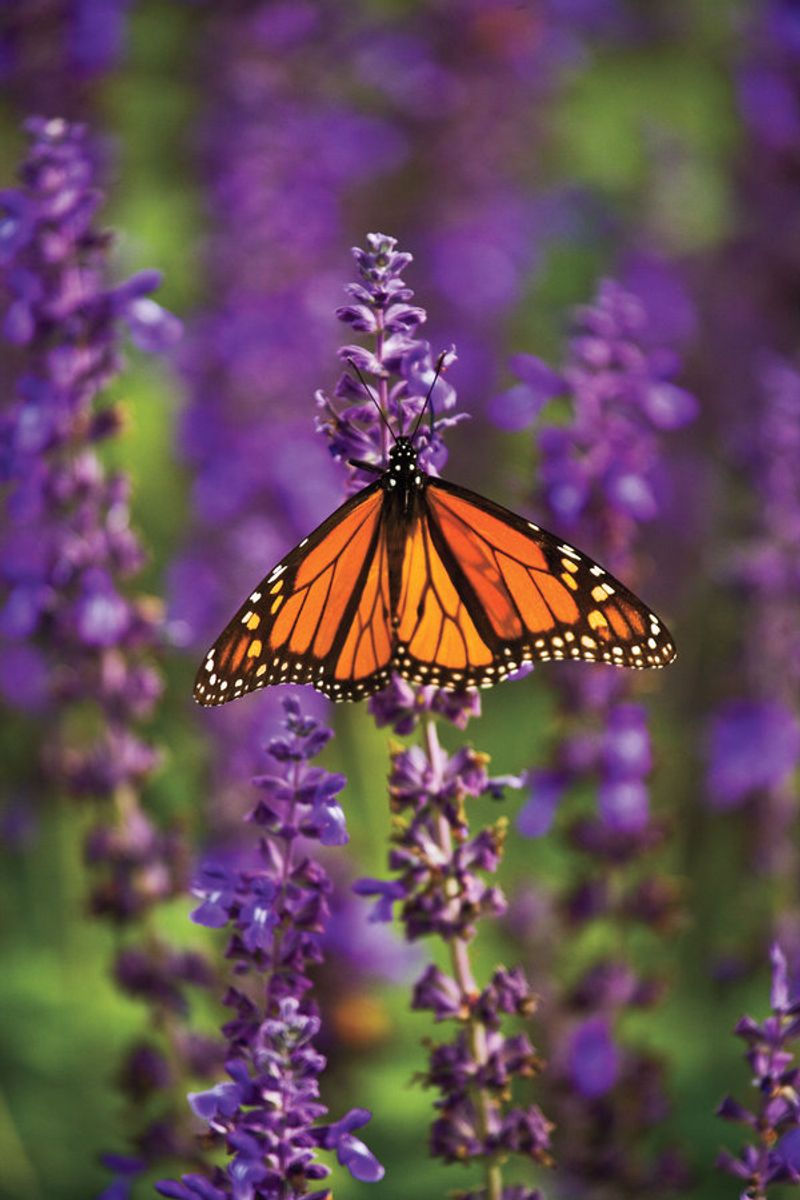
Salvia is one of those flowers that does a lot of work in a summer garden without demanding much in return.
The upright flower spikes come in red, purple, coral, and white depending on the variety, and they add vertical structure to beds and containers that flat-growing annuals simply cannot match.
Many salvias attract butterflies, bees, and hummingbirds with their tubular blooms, making them a multi-purpose addition to a pollinator-friendly Ohio yard.
Annual salvias and tender perennial types like Salvia guaranitica can be planted in May after frost danger has passed. Because salvia varieties vary widely in height, spread, and cold hardiness, checking the plant tag before buying is genuinely useful.
Some stay compact at 12 inches while others reach three feet or more, and spacing them correctly from the start saves a lot of rearranging later.
Full sun and well-drained soil are the two conditions salvias really need to perform well. When flower spikes finish blooming and start to look tired, trim them back to encourage a second round of growth.
In Ohio, salvia planted in May can bloom from early summer right through to frost if given consistent care, making it a long-season value in any sunny Ohio flower bed.
6. Tuck In Cosmos For Airy Butterfly Flowers
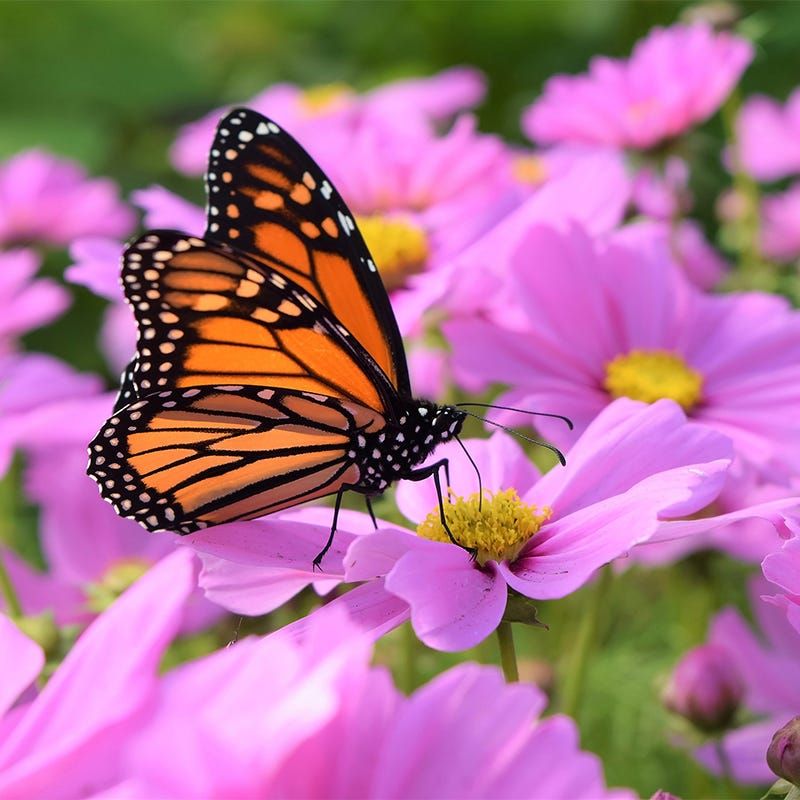
There is something almost effortless about cosmos. Drop the seeds into a sunny bed after Ohio’s last frost date, give them a little room, and within weeks you can have tall, airy plants covered in open, daisy-like flowers.
Cosmos is one of the fastest annuals to go from seed to bloom, which makes it a satisfying choice for gardeners who want results without a long wait.
Butterflies may visit the open flowers, which are easy to land on and offer accessible nectar. The feathery foliage catches a breeze and adds movement to the garden in a way that denser plants simply do not.
Cosmos actually performs better in average to slightly lean soil rather than overly rich garden beds, since too much fertilizer pushes lush foliage at the expense of flowers.
Taller cosmos varieties like Sensation types can reach four feet or more, so give them space and consider planting near a fence or wall if your yard gets strong winds.
Deadheading spent blooms encourages more flowers, though letting a few go to seed at the end of the season can give you a head start on next year.
Cosmos is inexpensive, fast, and genuinely low-maintenance, a great fit for informal Ohio borders and cutting gardens alike.
7. Plant Marigolds For Easy Sunny Color
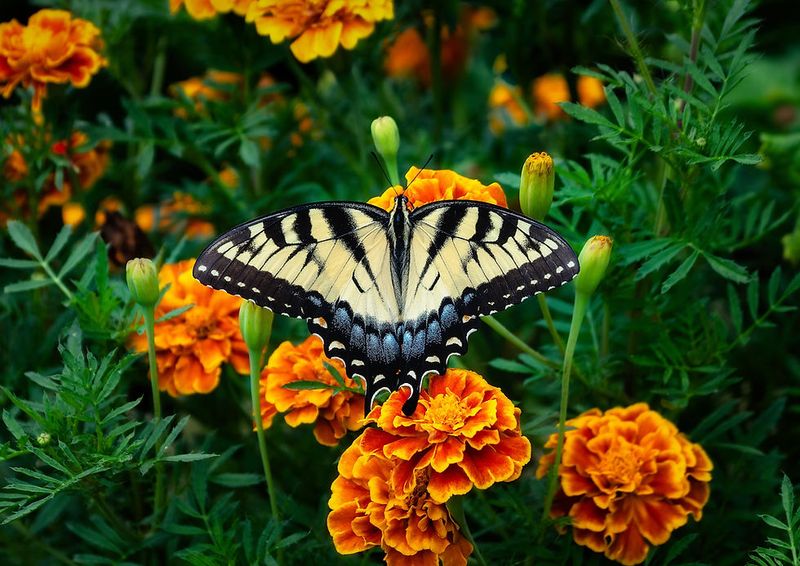
Marigolds show up at every Ohio garden center in May for good reason. They are affordable, tough, and reliable in a way that few other annuals can match.
From compact French marigolds that fit neatly into border edges and container rims to larger African types that stand tall in sunny beds, there is a marigold for almost every spot in an Ohio yard.
Butterflies may visit single or open-flowered marigold types, which offer more accessible nectar than the very dense, fully double varieties. If drawing pollinators is part of your goal, look for varieties with open centers when you are shopping.
Marigolds handle Ohio summer heat well and keep blooming through much of the warm season when deadheaded regularly.
Full sun is essential for marigolds to perform their best. They can manage in partial sun but tend to get leggy and bloom less reliably without at least six hours of direct light each day.
Marigolds work well along vegetable garden edges, in patio containers, and in sunny annual borders.
One honest note: claims that marigolds repel all garden pests are often overstated, so plant them for their color and pollinator value rather than as a pest management strategy.
8. Add Butterfly Weed For Native Long Term Value
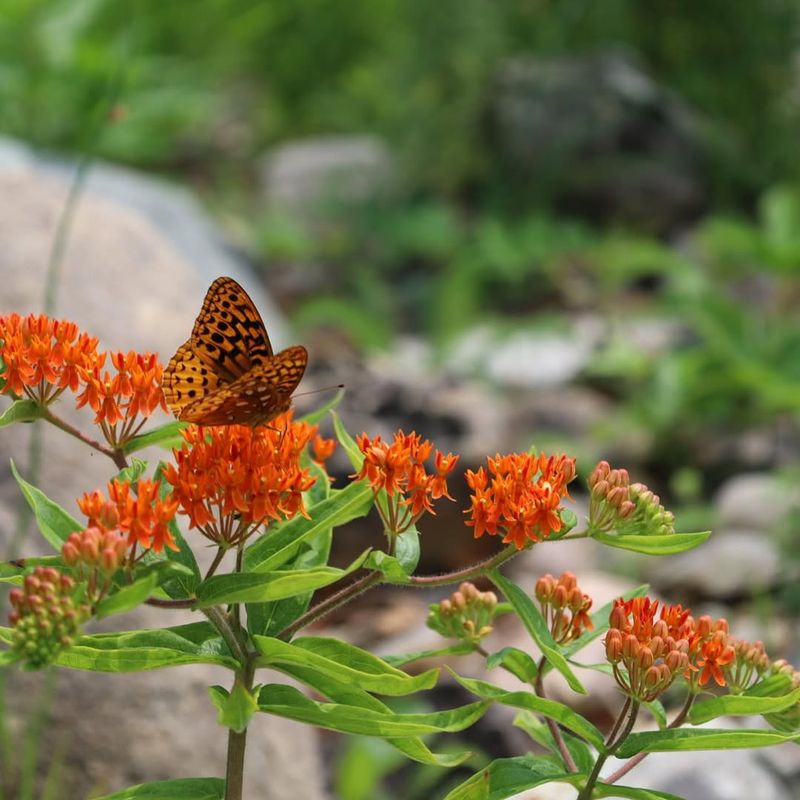
Butterfly weed, known botanically as Asclepias tuberosa, is one of the most ecologically valuable plants an Ohio gardener can put in the ground.
It is a true Ohio native milkweed, and monarch butterflies depend on milkweed species as the only host plant their caterpillars can use.
Planting butterfly weed is not just about adding color. It is about supporting a butterfly species that has seen serious population declines across North America.
The bright orange flower clusters bloom in summer and draw adult butterflies looking for nectar, while the foliage supports monarch caterpillars through their development.
Butterfly weed thrives in full sun and dry to average well-drained soil, making it a great fit for Ohio spots that tend to stay on the drier side.
It does not do well in wet, poorly drained areas.
One thing to know before planting: butterfly weed develops a deep taproot that makes it very difficult to move once established, so choose its location thoughtfully.
Small plants purchased in May may take a full season or two to become established and impressive, so patience is genuinely part of the deal here.
The long-term payoff, a reliable native perennial returning each year with real ecological value, makes that wait more than worthwhile.
9. Finish With Coneflowers For A Longer Bloom Window
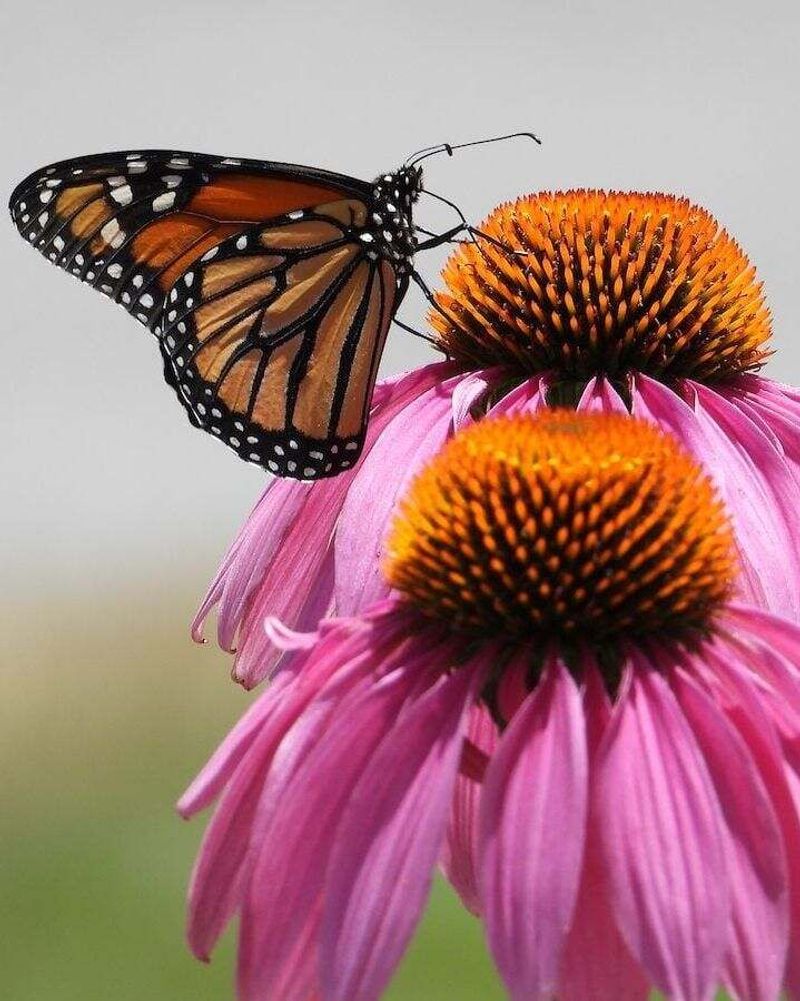
Purple coneflower, Echinacea purpurea, is the kind of plant that keeps giving long after the initial bloom.
The large, daisy-like flowers with raised central cones bloom from midsummer into fall, offering a long nectar window for butterflies and bees during a stretch of the season when some other flowers are winding down.
If you leave the seed heads standing after blooms fade, goldfinches and other seed-eating birds may visit through fall and winter.
Coneflowers prefer full sun to part sun and well-drained soil. They are tolerant of Ohio’s summer heat and, once established, handle dry spells reasonably well.
Small plants purchased in May and planted into a prepared bed may not produce many blooms in their first season, and that is completely normal for a young perennial getting its root system established.
By the second and third season, established coneflower clumps can become genuinely impressive pollinator magnets in a sunny Ohio yard. Dividing clumps every few years keeps them vigorous and gives you more plants to spread around the garden.
Echinacea purpurea is widely considered native to or naturalized across much of Ohio and is supported by native plant and pollinator resources as a strong choice for Midwest pollinator gardens.