The Meaning Behind Praying Mantis Visiting Your Pennsylvania Garden
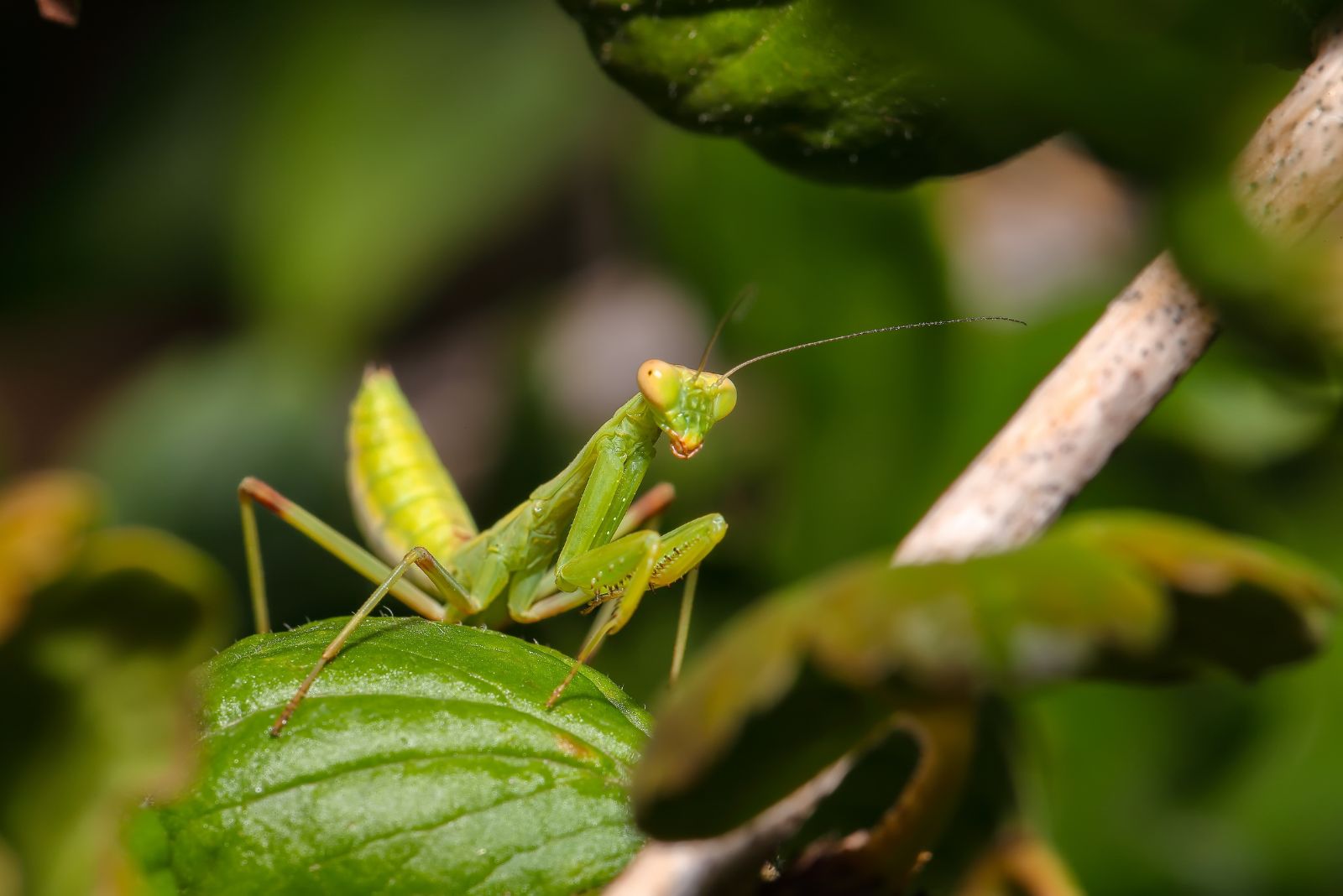
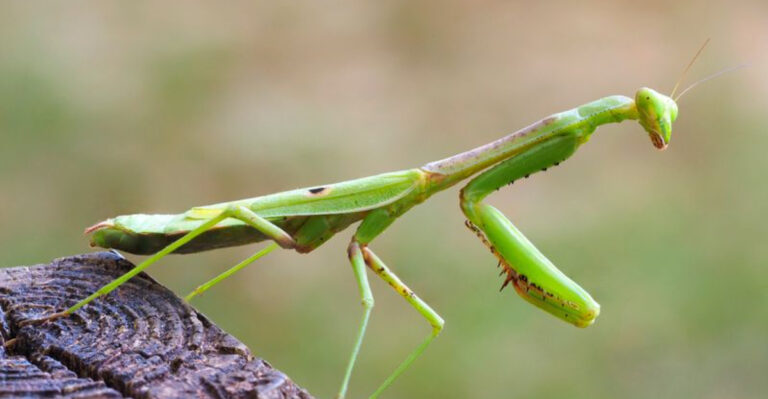
Spotting a praying mantis in your Pennsylvania garden is one of those moments that just makes you stop whatever you’re doing.
There’s something about the way they carry themselves, perfectly still, intensely focused, rotating that distinctive head with what feels like genuine curiosity, that makes them impossible to ignore.
Most people stand there watching for way longer than they planned to. But beyond being one of the more fascinating insects you’ll come across in a garden setting, a praying mantis showing up in your Pennsylvania yard actually carries some real significance.
Naturalists, gardeners, and various cultural and spiritual traditions have all attached meaning to these creatures, and the interpretations are genuinely interesting across the board.
Whether you’re someone who sees a mantis as a sign of a healthy, balanced garden ecosystem, or you’re drawn to the deeper symbolism that surrounds them, there’s a lot worth knowing about what this visit might actually mean.
Your Garden Has Earned A Healthy Ecosystem Badge
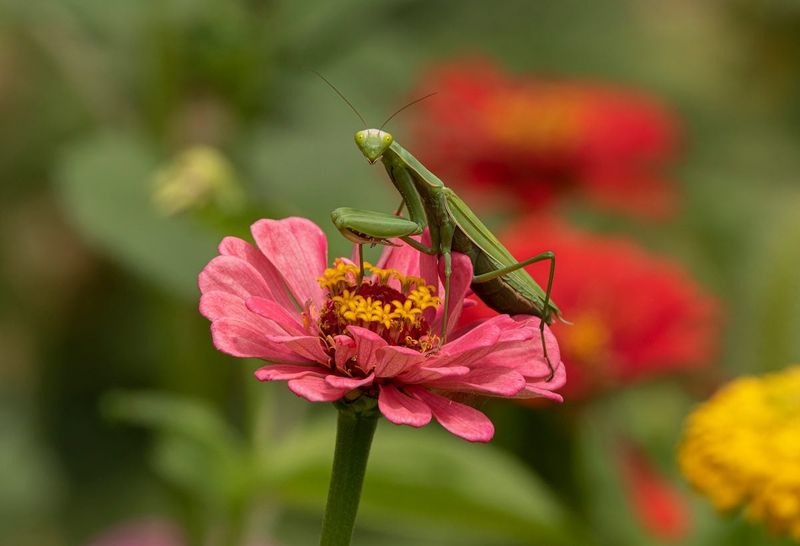
Not every garden gets this kind of visitor. A praying mantis is one of the most chemically sensitive insects in the natural world.
If one has shown up in your Pennsylvania garden, you have likely been doing something very right for a long time.
Praying mantises cannot survive in gardens that are regularly treated with pesticides or harsh chemicals. They are extremely sensitive to these substances, which means their presence is almost always a sign of a clean, low-chemical environment.
Pennsylvania gardeners who use organic methods, compost instead of synthetic fertilizers, and avoid chemical sprays are far more likely to attract them.
A healthy garden ecosystem in Pennsylvania looks like this: layers of native plants, open soil areas for ground-dwelling insects, shrubs that provide shelter, and a steady variety of wildlife moving through. Biodiversity is the key word here.
When your garden supports many different species at once, it creates a functioning web of life that sustains itself naturally.
Finding a mantis in your space is essentially nature handing you a quiet stamp of approval. It signals that your garden has moved beyond just being a pretty space and has become a genuine habitat.
Pennsylvania is home to both the native Carolina mantis and the non-native Chinese mantis, and either one choosing your garden means the conditions are genuinely favorable.
Think of it as a living report card. No certificate, no fanfare, just a slow-moving, triangle-headed insect telling you that your corner of Pennsylvania is exactly what a healthy outdoor space should be.
Nature’s Own Pest Control Is Running In Your Garden
Imagine having a tireless, always-on-duty pest manager working quietly through your garden every single day without you having to do a thing.
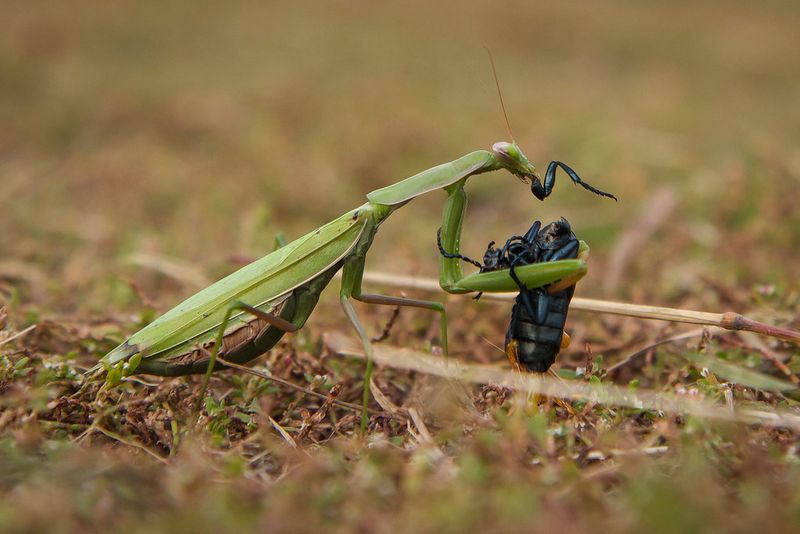
That is essentially what a praying mantis does. These insects are extraordinarily efficient hunters, and their appetite is impressively wide.
In Pennsylvania gardens, praying mantises feed on aphids, beetles, grasshoppers, caterpillars, flies, and a wide range of other insects that can cause real damage to your plants.
Your Pennsylvania Garden Changes Every Week. Your Plan Should Too.
Gardening in Pennsylvania changes quickly throughout the season. Every Friday you’ll receive a simple weekly plan showing exactly what to plant, prune, fertilize, harvest, and protect so you never miss the right timing.
They hunt by staying completely still and waiting for prey to come within reach, then striking with lightning speed. Their camouflage is so effective that most insects never see them coming.
Their presence in your garden means something important: your space has a functioning natural food web. Prey insects are present in enough numbers to support a predator, which means the system is working on its own.
That is a genuinely healthy sign for any Pennsylvania garden. Here is an important nuance worth knowing, though. Praying mantises are not selective hunters.
They will also eat beneficial insects, including bees, butterflies, and other pollinators. This is why their role is really about balance rather than targeted pest control. They are part of a larger system, not a magic solution to every pest problem.
The real takeaway is that chemical pest control and a living pest management system are very different things. Chemicals remove everything, good and bad.
A mantis works within the natural rhythm of your Pennsylvania garden, keeping populations in check while remaining part of the ecosystem itself. That kind of balance is genuinely hard to replicate with a spray bottle.
Your Garden Offers The Habitat They Need
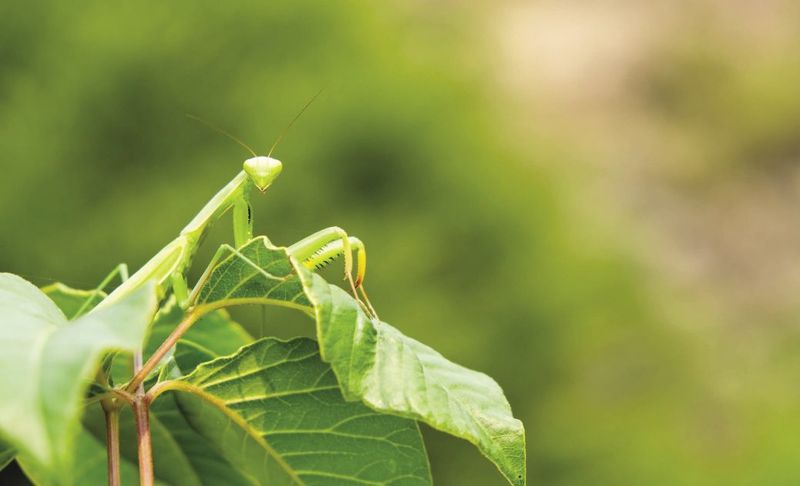
Praying mantises are picky. They do not settle just anywhere. When one chooses your Pennsylvania garden as its hunting ground, it is making a deliberate choice based on some very specific habitat requirements that most gardens simply do not meet.
What they look for includes dense foliage where they can blend in and wait for prey, tall grasses that provide cover and movement corridors, layered shrubs that create vertical structure, and undisturbed areas where they will not be constantly disrupted.
They need a garden that feels like a real landscape, not a tidy, manicured lawn with a few flower beds.
Pennsylvania native plants play a huge role here. Plants like wild bergamot, goldenrod, black-eyed Susan, and native grasses create exactly the kind of layered, textured habitat that mantises prefer.
These plants also attract the insects that mantises feed on, which makes the whole system work together naturally.
When a mantis shows up, it is signaling that your Pennsylvania garden has genuine structural diversity. That means your space is not just visually interesting but actually functional as wildlife habitat.
This matters beyond just the mantis itself. Structural diversity supports birds, beneficial insects, small mammals, and a whole range of creatures that make a garden truly alive.
Pennsylvania sits within a rich network of green corridors and natural landscapes. Gardens that connect to this broader habitat network by using native plants and diverse structures become stepping stones for wildlife moving through the region.
Your garden may be a small space, but a mantis visiting it means it is genuinely contributing to something much larger than your backyard.
A Symbol Of Patience And Stillness
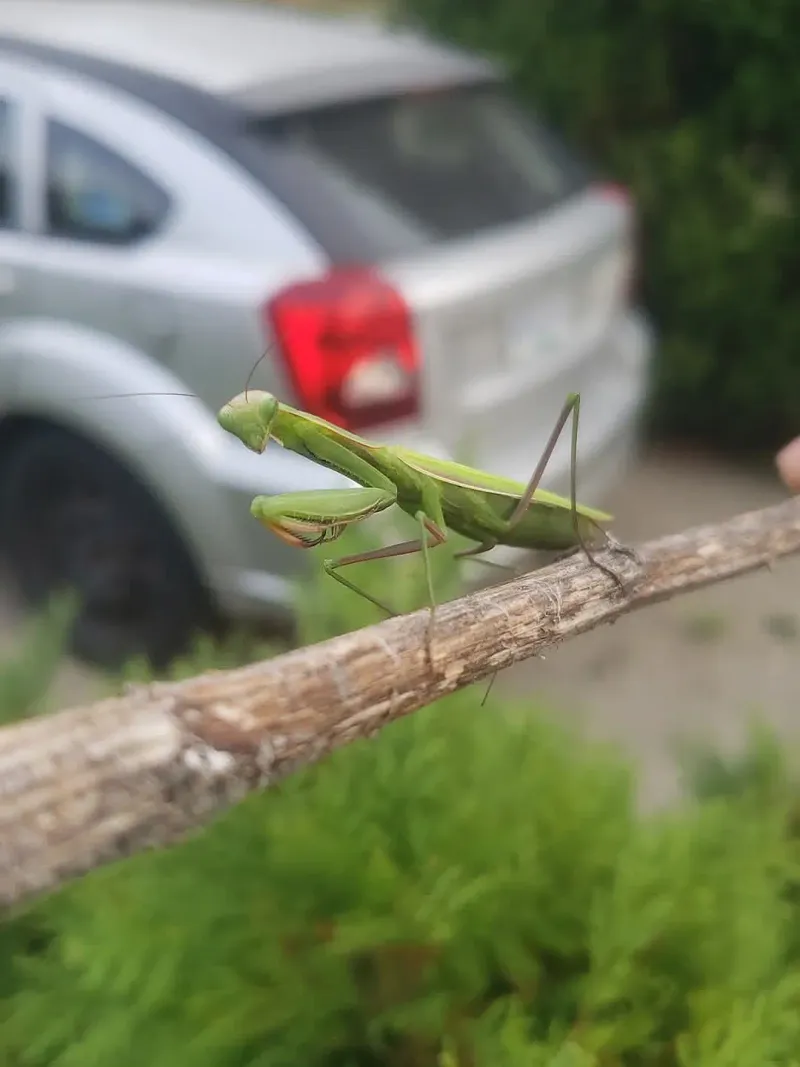
Few creatures in the natural world embody stillness the way a praying mantis does. It can hold the same position for hours without moving a single leg.
Across many cultures and traditions, this quality has made the mantis a powerful and enduring symbol.
In Native American traditions, the praying mantis is associated with patience, careful observation, and the importance of slowing down before acting.
Many traditions viewed it as a teacher of stillness, a reminder that waiting and watching often leads to better outcomes than rushing forward.
For a Pennsylvania gardener spending quiet time outdoors, that message can feel surprisingly personal.
In Chinese cultural tradition, the praying mantis represents calm energy, good fortune, and mindfulness. The mantis is seen as a creature that acts with precision and intention, never wasting movement or energy.
There is even an entire style of kung fu, called Praying Mantis, based on its movements and philosophy.
European folk traditions often viewed the mantis as a spiritual guide or a good omen. In some regions, spotting one was believed to point you in the right direction, literally and figuratively.
The insect was associated with prayer and reflection, partly because of its distinctive folded-leg posture that resembles hands clasped together.
For anyone spending time in a Pennsylvania garden, these symbols carry real relevance. Gardening itself is an exercise in patience.
You plant, you wait, you tend, and you trust the process. A mantis appearing in that space feels like a quiet confirmation that slowing down and paying attention is always worthwhile. Sometimes nature sends the most meaningful messages through the smallest messengers.
A Sign That Good Things Are Growing
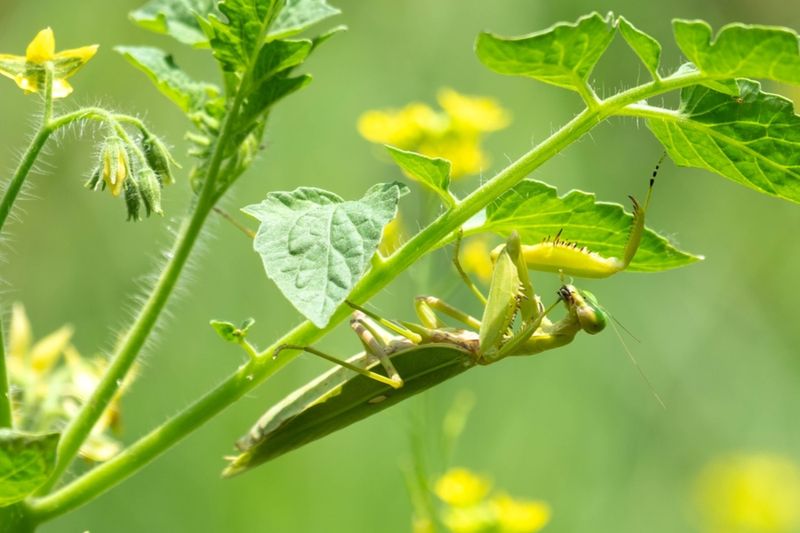
There is a particular kind of satisfaction that comes with seeing your garden truly come alive. When a praying mantis appears among your plants, it is one of the clearest signs that your efforts have been paying off in ways that go far beyond what you can see on the surface.
Across many cultures and traditions, the praying mantis has long been considered a positive omen. In parts of Africa, spotting a mantis was seen as a blessing and a sign of good things ahead.
In many Asian traditions, it signals that fortune and calm are on their way. Whether or not you follow any of these beliefs personally, there is something genuinely uplifting about the idea that this insect shows up when things are going well.
From an ecological standpoint, the meaning is just as encouraging. A mantis cannot survive in a struggling garden.
It needs a stable food supply, healthy plant structure, and a chemical-free environment. Every one of those things requires consistent effort from a Pennsylvania gardener who genuinely cares about their space.
Connecting the ecological meaning with the emotional side of gardening is powerful. You planted seeds, pulled weeds, watered through dry Pennsylvania summers, and chose plants that support wildlife.
The mantis is living proof that those choices added up to something real. Pennsylvania gardeners should see this visitor not simply as an insect passing through but as a living indicator of a garden that is genuinely thriving.
It is nature’s way of saying your corner of Pennsylvania is doing exactly what a healthy, living garden is supposed to do. That is worth celebrating in a quiet, grateful way.
How To Welcome More Praying Mantises Into Your Pennsylvania Garden
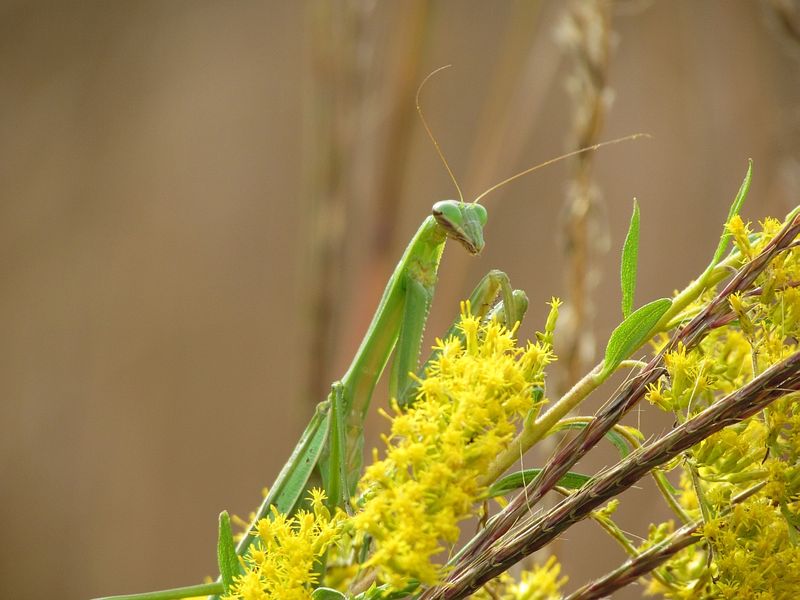
Once you know what a praying mantis visit means, the natural next question is how to make your Pennsylvania garden even more welcoming to them. The good news is that most of the steps involved also make your garden healthier and more beautiful overall.
Reducing or completely eliminating pesticide use is the single most important step you can take. Even products marketed as low-impact can harm mantises and the insects they feed on.
Switching to organic pest management methods creates the chemical-free environment that mantises need to survive and reproduce in your Pennsylvania garden.
Planting native Pennsylvania species is equally important. Plants like goldenrod, native grasses, coneflowers, and wild bergamot provide the dense, layered foliage that mantises use for hunting and shelter.
These plants also attract the wide variety of insects that form the mantis food supply, making your garden self-sustaining in a very real way.
Leave some areas slightly wild and undisturbed. A perfectly manicured garden offers very little to a mantis.
Allowing tall grasses and native perennials to stand through the Pennsylvania winter is especially critical because mantis egg cases, called ootheca, are often attached to plant stems and need to overwinter without being cut down or disturbed.
One important tip for Pennsylvania gardeners: avoid purchasing Chinese mantis egg cases for intentional release. Chinese mantises are non-native and can outcompete the native Carolina mantis, which belongs in Pennsylvania ecosystems.
Supporting the native species is always the better choice. Creating a layered garden with shrubs, perennials, and grasses that mirrors natural Pennsylvania habitat is the most sustainable and rewarding path forward.