What Texas Gardeners Should Still Plant In May For A Summer Harvest
May in Texas is one of those months where the gardening calendar starts sending mixed signals.
Some of the cool-season crops that were thriving a few weeks ago are already on their way out, the heat is building fast, and it’s easy to assume that the planting window for a meaningful summer harvest is closing or already closed.
A lot of Texas gardeners make the mistake of pulling back just when they should be pushing forward.
The reality is that May is still a genuinely productive planting month in Texas, and there’s a solid lineup of vegetables, herbs, and fruiting plants that go into the ground right now and deliver real harvests through the summer months.
The key is knowing which ones are actually worth planting at this point in the season versus which ones have already missed their window. Get the right things in the ground this month and your summer table is going to look a whole lot better for it.
1. Okra
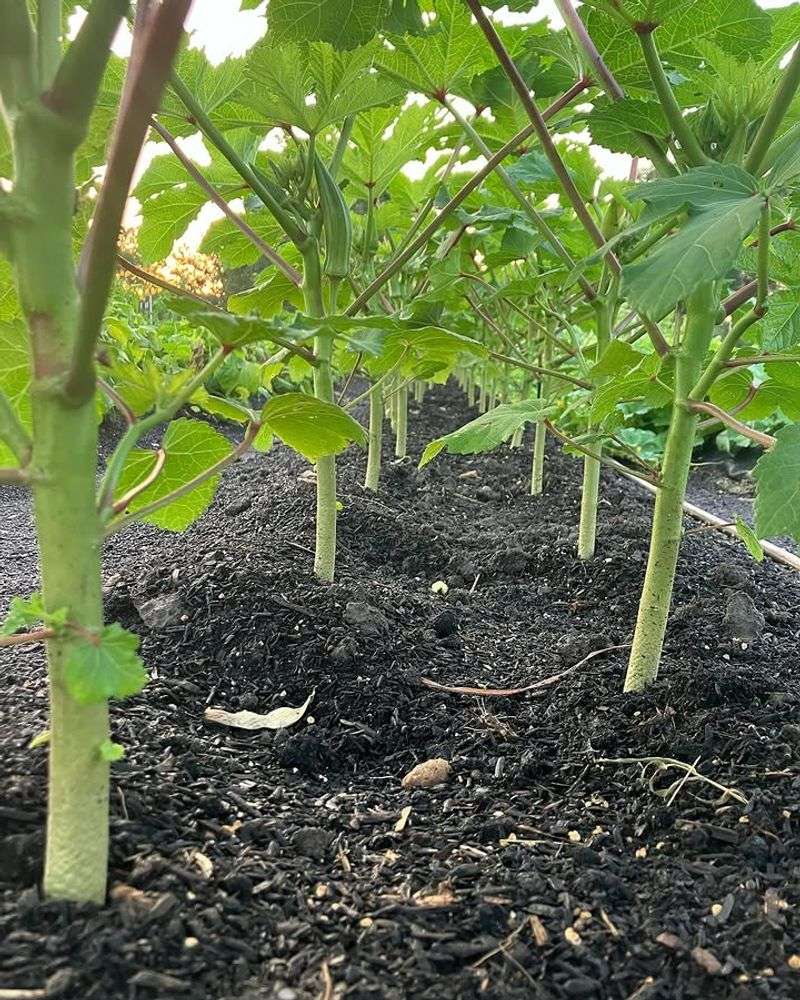
If there is one vegetable that was practically made for Texas summers, it is okra. This heat-loving crop does not just tolerate high temperatures.
It thrives in them. The hotter it gets, the happier okra becomes, making it one of the smartest choices for a May planting in Texas.
Okra grows fast once the soil is warm. In Texas, soil temperatures in May are usually well above the 65 degrees okra needs to sprout and grow properly.
You can expect seeds to germinate in just 7 to 10 days. Within 50 to 65 days, you will start harvesting tender pods ready for frying, grilling, or adding to gumbo.
Plant okra seeds directly into the ground about an inch deep and 12 to 18 inches apart. Okra does not love being transplanted, so direct sowing is the way to go.
Make sure the spot gets full sun for most of the day. Once established, okra needs very little water and handles dry spells like a champ.
Harvest pods when they are 3 to 4 inches long for the best texture and flavor. If you let them grow too large, they get tough and woody.
Check your plants every two to three days because okra grows quickly. Popular Texas-friendly varieties include Clemson Spineless and Burgundy okra.
2. Southern Peas
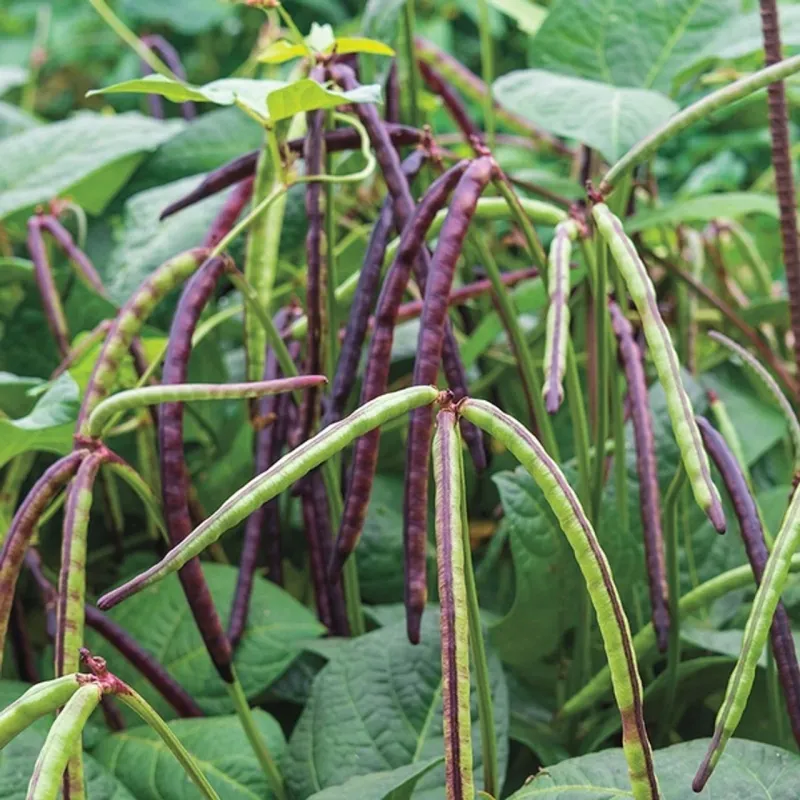
Southern peas, including black-eyed peas, crowder peas, and cream peas, are a true Texas garden classic. Farmers and home gardeners across the state have grown them for generations.
They are tough, reliable, and surprisingly easy to grow even when the weather gets brutally hot.
One of the biggest advantages of Southern peas is their drought tolerance. Once established, these plants can handle dry stretches that would stress out most other vegetables.
That makes them a perfect fit for Texas summers, especially in areas like West Texas or the Panhandle where rainfall can be unpredictable.
Plant seeds directly in the garden in May about an inch deep and 4 to 6 inches apart. Southern peas prefer full sun and well-drained soil.
They do not need much fertilizer either. In fact, like other legumes, they fix their own nitrogen from the air, which actually improves your soil over time.
Your Texas Garden Changes Every Week. Your Plan Should Too.
Gardening in Texas changes quickly throughout the season. Every Friday you’ll receive a simple weekly plan showing exactly what to plant, prune, fertilize, harvest, and protect so you never miss the right timing.
Most varieties mature in 60 to 70 days, which means a May planting gives you fresh peas by mid to late July. You can harvest them as fresh shell peas or let them dry on the vine for storage.
Either way, you get a dependable crop that delivers big results with minimal fuss. Try varieties like Iron and Clay, Pinkeye Purple Hull, or Mississippi Silver for great Texas results.
3. Sweet Potatoes
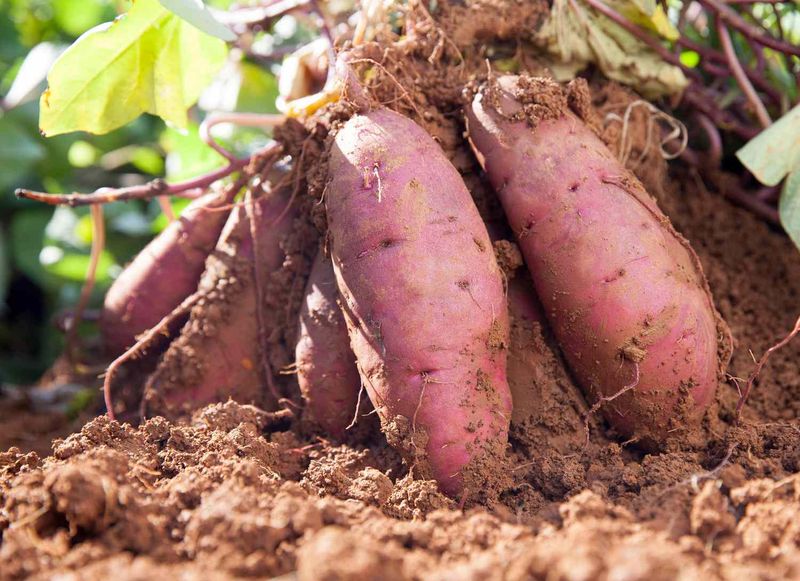
Sweet potatoes are one of those crops that reward patience in a big way. You plant slips in May, mostly ignore them through the summer, and then dig up a treasure chest of beautiful roots come September or October.
For Texas gardeners, they are almost foolproof. Slips are small rooted sprouts that grow from a mature sweet potato. You can buy them from a local nursery or start your own by placing a sweet potato in water until it sprouts.
Once your slips are 6 to 9 inches long and have a few roots, they are ready to go in the ground.
Sweet potatoes love sandy, loose soil that drains well. Heavy clay soil can restrict root growth and lead to small or oddly shaped tubers.
If your Texas garden has clay-heavy soil, consider amending it with compost and sand before planting. Space slips about 12 inches apart in rows 3 feet wide and give them a good drink of water right after planting.
After that, sweet potatoes are surprisingly low-maintenance. They spread out and cover the ground, which actually helps keep weeds down.
Water them during extended dry periods but avoid overwatering. Beauregard and Centennial are two excellent varieties for Texas gardens. Plan to harvest around 90 to 120 days after planting for the best yield.
4. Hot Peppers
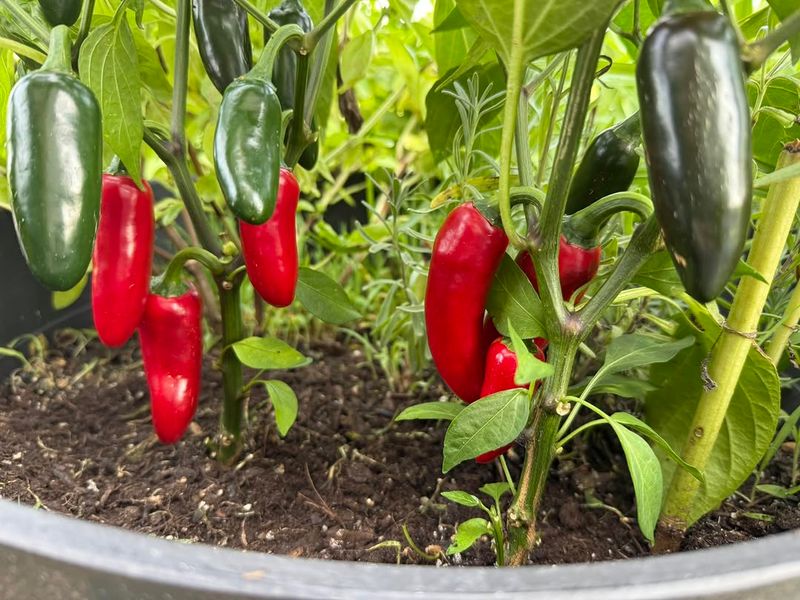
Hot peppers and Texas summers go together like brisket and barbecue sauce. These plants are built for heat, and they absolutely love the long, sunny days that Texas delivers from June through September.
Planting transplants in May gives them a solid head start before temperatures push past 100 degrees.
Jalapenos, cayennes, serranos, and habaneros are all excellent choices for Texas gardens. Most hot pepper varieties need about 70 to 90 days from transplant to first harvest.
A May planting means you could be picking your first peppers by late July or early August, right when the heat is at its peak.
Hot peppers do best in full sun with well-drained soil. They are fairly drought-tolerant once established but produce better fruit when watered consistently.
Aim to keep the soil moist but not soggy. Mulching around the base of your plants helps retain moisture and keeps the roots cooler during the hottest part of the day.
One thing many Texas gardeners do not realize is that hot pepper plants can keep producing well into fall if you protect them from the first frost. With a little care, a single plant can give you hundreds of peppers over the course of one season.
Try growing a few different varieties side by side to create your own homemade Texas hot sauce blend at the end of summer.
5. Eggplant
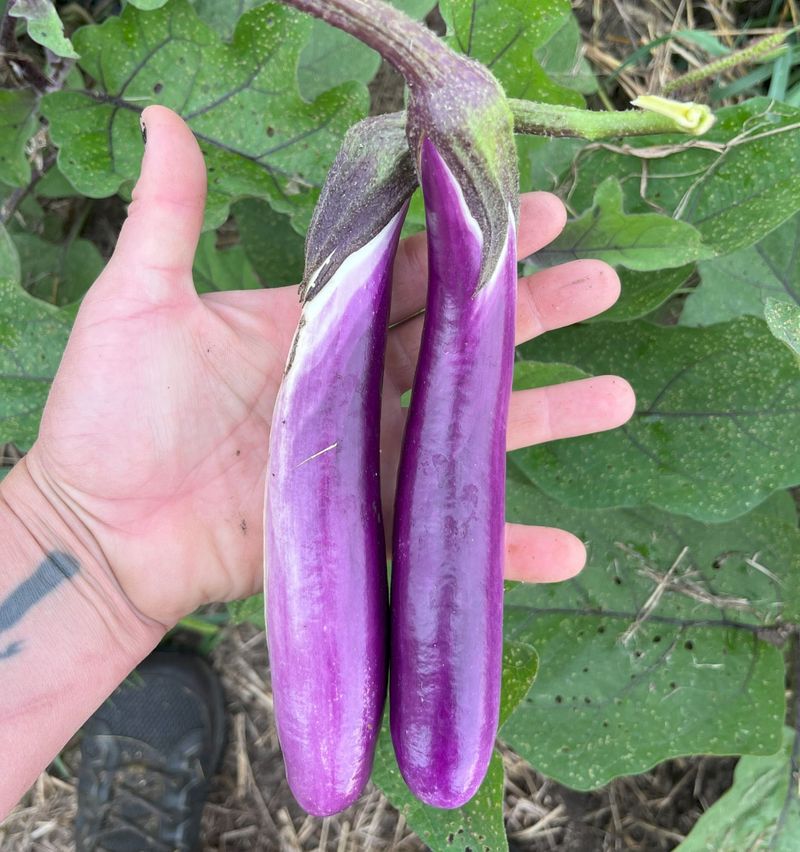
Eggplant is one of those vegetables that really comes into its own once Texas temperatures climb. While cooler-weather crops start to struggle in June and July, eggplant just keeps going.
It is a long-season producer that rewards Texas gardeners who get it in the ground by mid-May.
Unlike some vegetables that slow down in extreme heat, eggplant keeps setting fruit as long as it gets regular water. In Texas, that means staying on top of your watering schedule during dry spells.
Drip irrigation works especially well for eggplant because it delivers moisture directly to the roots without wetting the leaves, which can lead to fungal problems.
Set transplants in the garden about 18 to 24 inches apart in a spot that gets at least 6 to 8 hours of direct sun daily. Eggplant loves warm soil, so planting in May when the ground is already heated up gives roots a chance to settle in fast.
Use a balanced fertilizer at planting time and then side-dress with a light nitrogen fertilizer once the plants begin to flower.
Black Beauty, Ichiban, and Rosa Bianca are all varieties that do well in Texas conditions. Harvest fruits while the skin is still shiny and firm.
Dull skin is a sign the eggplant has passed its peak. Regular harvesting encourages the plant to keep producing right through the hottest months of the Texas summer.
6. Malabar Spinach
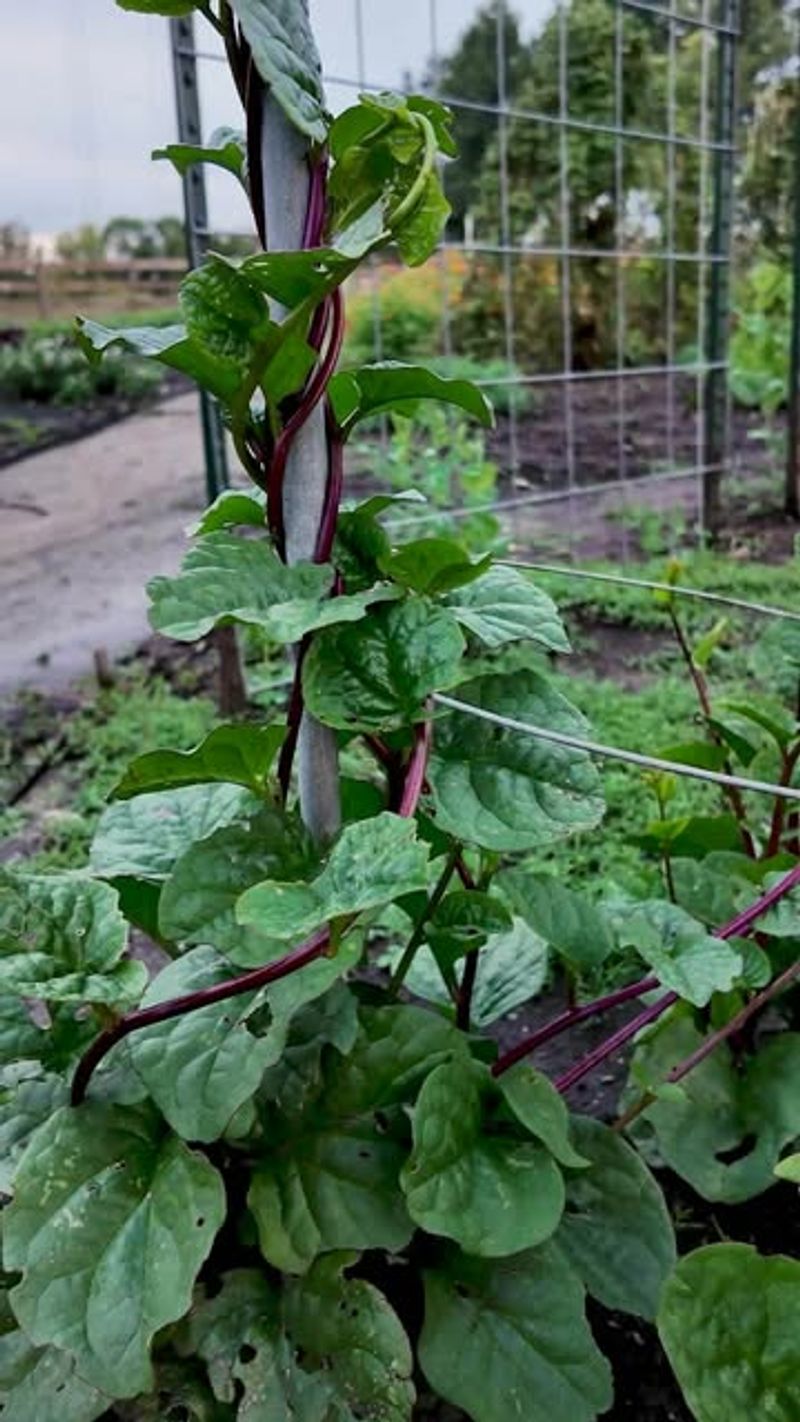
Most spinach calls it quits the moment Texas heat arrives, but Malabar spinach plays by completely different rules. This climbing vine is not even related to regular spinach, but its thick, glossy leaves taste similar and hold up beautifully in stir-fries, soups, and salads.
For Texas gardeners looking for a leafy green that actually thrives in summer, this one is a game changer.
Malabar spinach loves heat and humidity, which makes it perfectly suited for East Texas, the Gulf Coast, and even Central Texas. It grows as a vine, so you will need a trellis, fence, or some kind of support for it to climb.
Given the right structure, it can grow 10 feet or more through the summer months. Plant seeds or transplants in May in a spot that gets full to partial sun. The soil should be rich and moist.
Unlike many summer vegetables, Malabar spinach actually appreciates more water and does well in slightly humid conditions. Mix compost into your planting bed before you get started for best results.
Harvest the tender young leaves and shoot tips regularly to encourage bushy, continued growth. The more you pick, the more it produces.
Leaves can be used fresh or cooked just like regular spinach. Red-stemmed Malabar spinach adds a beautiful pop of color to the garden and is just as productive as the green variety. It is a truly underrated crop for Texas summer gardens.
7. Cucumbers
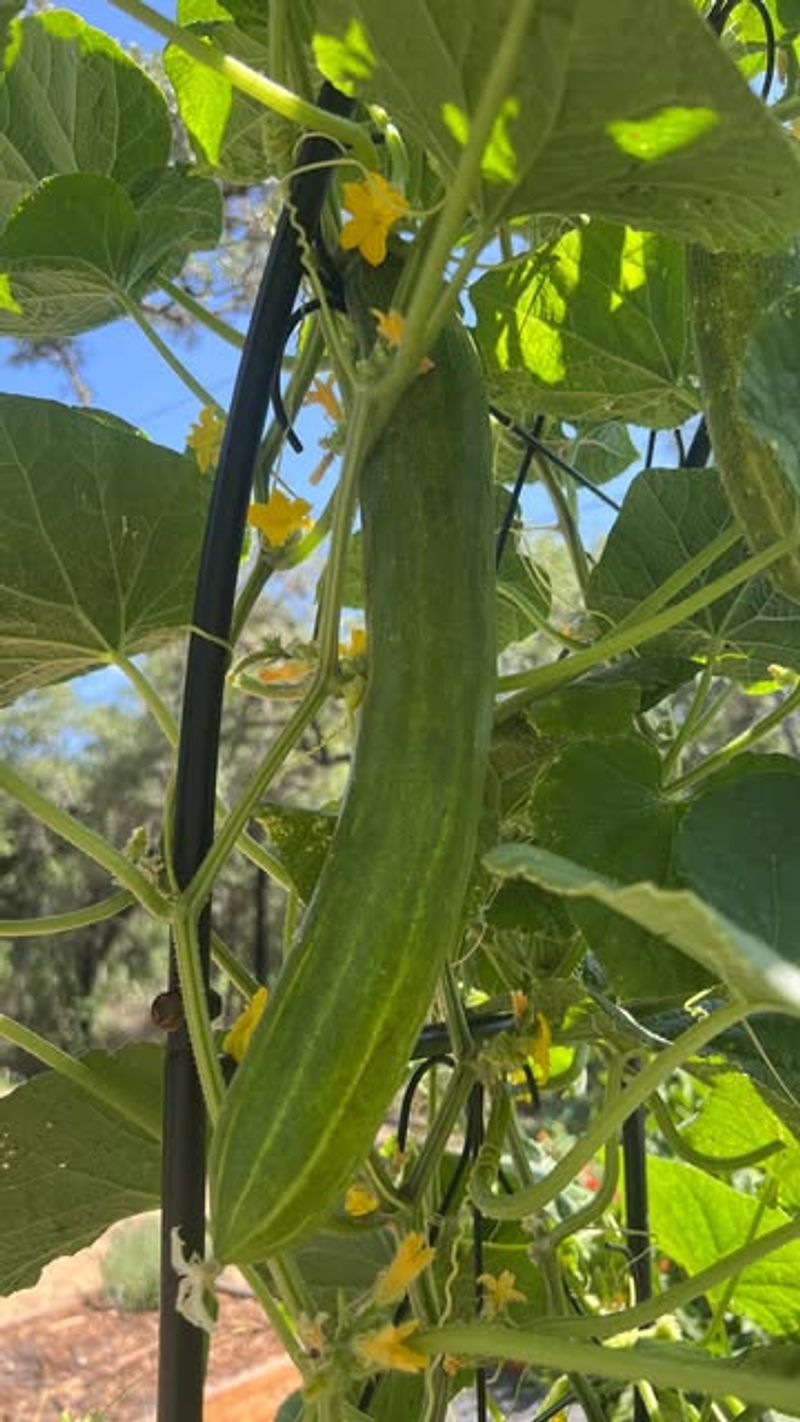
Cucumbers are one of the fastest-growing vegetables you can put in a Texas garden in May. With the right variety and a little attention, you can go from seed to harvest in as little as 50 to 60 days.
That means a May planting could have you picking cucumbers by late June or early July before the most intense summer heat settles in.
The trick with cucumbers in Texas is timing. They grow fast and produce heavily, but they can struggle once daytime temperatures consistently hit 95 degrees or above.
Planting early in May gives them the best chance to set fruit before peak heat arrives. Keeping plants mulched and watered regularly helps extend their productive window.
Train cucumber vines up a trellis or cage to save space and improve air circulation around the leaves. Better airflow reduces the risk of powdery mildew and other fungal issues that show up in humid Texas summers.
Space plants about 12 inches apart and water at the base rather than overhead whenever possible.
Bush Pickle, Straight Eight, and Marketmore 76 are reliable varieties for Texas conditions. Harvest cucumbers while they are still firm and bright green.
Leaving overripe cucumbers on the vine signals the plant to slow down production, so pick often to keep them coming. A well-tended cucumber plant in Texas can produce dozens of fruits in just a few short weeks, making it one of the most satisfying summer crops you can grow.