Plant These Red Perennials In Texas Once And Enjoy Them Forever
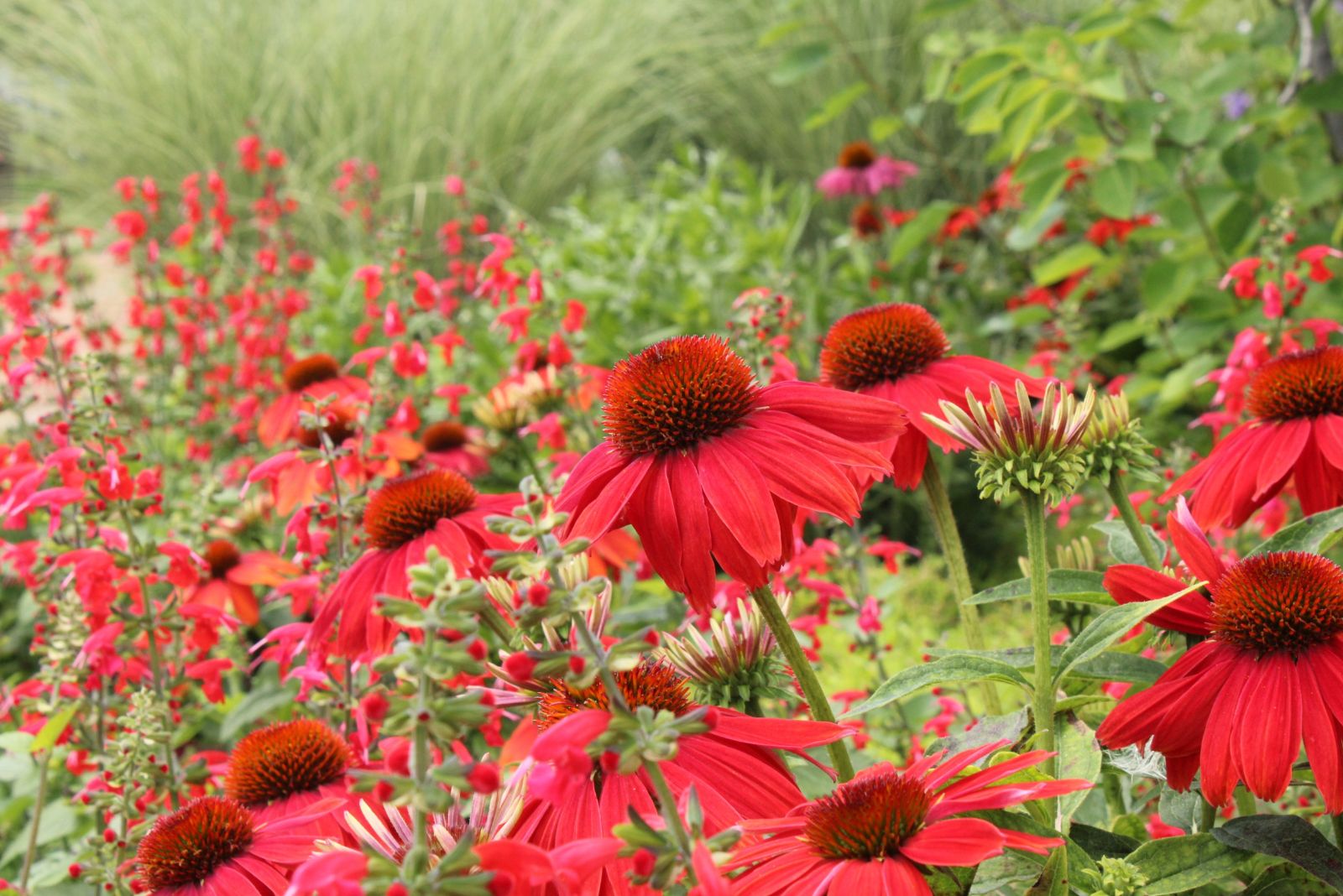
Nothing grabs attention in a Texas garden quite like bold red blooms glowing under the sun. These vibrant flowers bring warmth, energy, and striking contrast that instantly brightens beds, borders, and landscape spaces.
Even better, some perennials keep returning year after year, growing stronger and fuller with each season once they are well established.
In Texas, where heat, sun, and occasional dry spells can challenge many plants, choosing tough, long lived perennials makes gardening far more rewarding.
These reliable growers handle demanding conditions, need less replanting, and still deliver consistent color and beauty. Their rich red tones pair beautifully with greens, yellows, and purples, creating a lively and balanced garden display.
Plant them once and enjoy reliable blooms, steady growth, and lasting color that keeps your garden looking lively season after season.
1. Autumn Sage
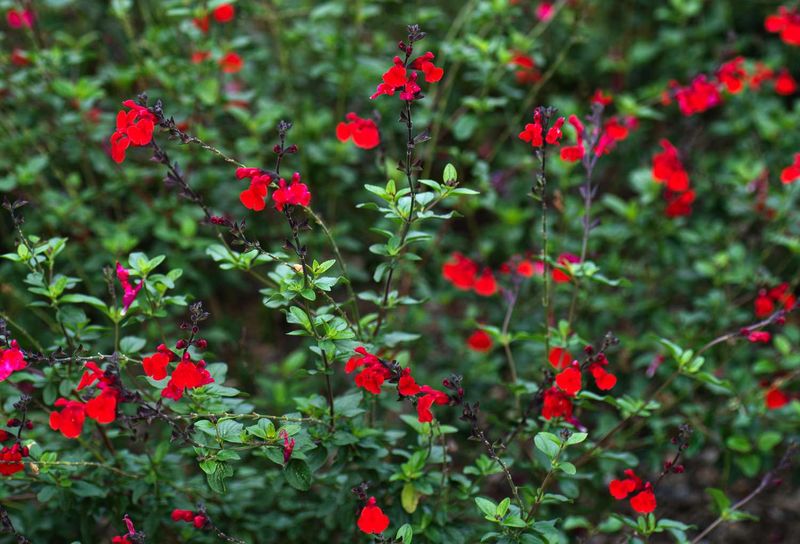
Autumn sage thrives in Texas heat like few other plants can manage. This native perennial produces tubular red flowers that hummingbirds absolutely adore from spring until the first frost arrives.
Growing 2 to 3 feet tall and wide, it creates a rounded shape that fits perfectly into border plantings or container gardens.
The plant handles full sun without complaint and actually prefers the intense Texas sunshine. Once established, it tolerates drought remarkably well, making it ideal for water-conscious gardeners across the state.
Sandy or rocky soil doesn’t bother autumn sage one bit, though it appreciates good drainage to prevent root issues during rainy periods.
Pruning back the stems in late winter encourages bushier growth and more abundant blooming. You can also trim lightly after each flush of flowers to promote continuous blooming throughout the growing season.
The aromatic foliage releases a pleasant scent when brushed against, adding another sensory dimension to your garden.
Autumn sage works beautifully alongside yellow coreopsis or purple verbena for striking color combinations. Plant it near patios or walkways where you can enjoy visiting hummingbirds up close.
This Texas native adapts to conditions from the Panhandle down to the Gulf Coast, proving its versatility across different regions. Deer usually leave it alone, which solves a common Texas gardening frustration.
2. Red Yucca
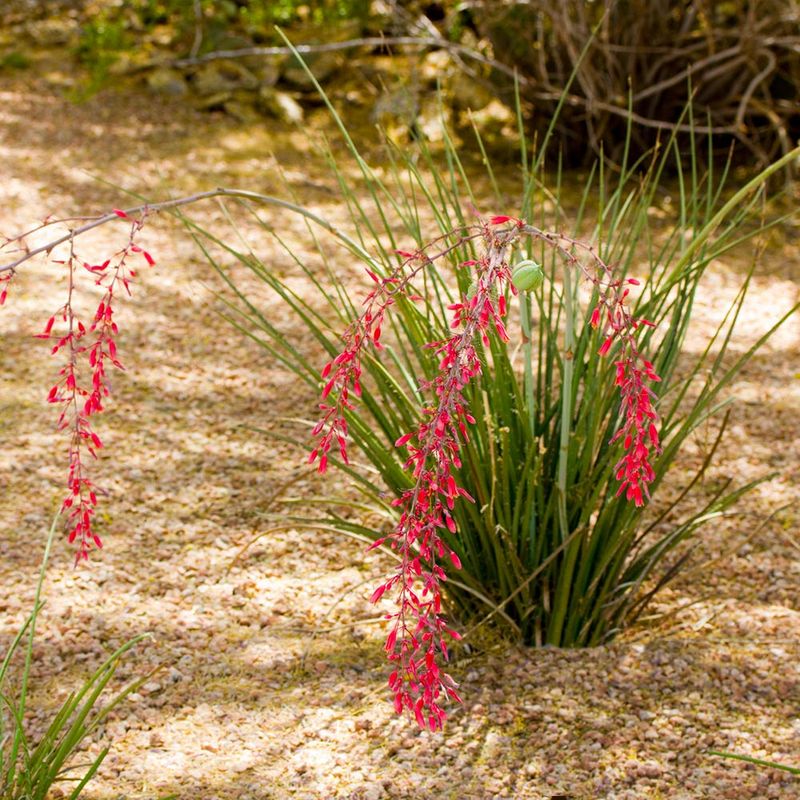
Red yucca brings architectural interest with its spiky foliage and tall coral-red flower stalks. Despite its name, this plant isn’t actually a true yucca but rather a member of the agave family.
The grass-like leaves form an evergreen clump that looks attractive year-round, even when not blooming.
Flower stalks shoot up 3 to 5 feet high in late spring, covered with tubular blooms that hummingbirds find irresistible. The flowering period extends through summer and often into fall, providing months of color.
Each bloom spike produces dozens of individual flowers that open gradually from bottom to top.
This tough perennial handles extreme heat, drought, and poor soil without missing a beat. It grows successfully throughout Texas, from El Paso to Beaumont, adapting to various climate conditions.
Red yucca requires virtually no maintenance once established, making it perfect for busy gardeners or low-maintenance landscapes.
Plant it in full sun for best flowering, though it tolerates partial shade reasonably well. The sharp leaf tips require careful placement away from walkways where people might brush against them.
Removing spent flower stalks keeps the plant looking tidy, but it’s not necessary for plant health. Red yucca combines beautifully with ornamental grasses, agaves, and other xeriscape plants in water-wise Texas gardens.
3. Turk’s Cap
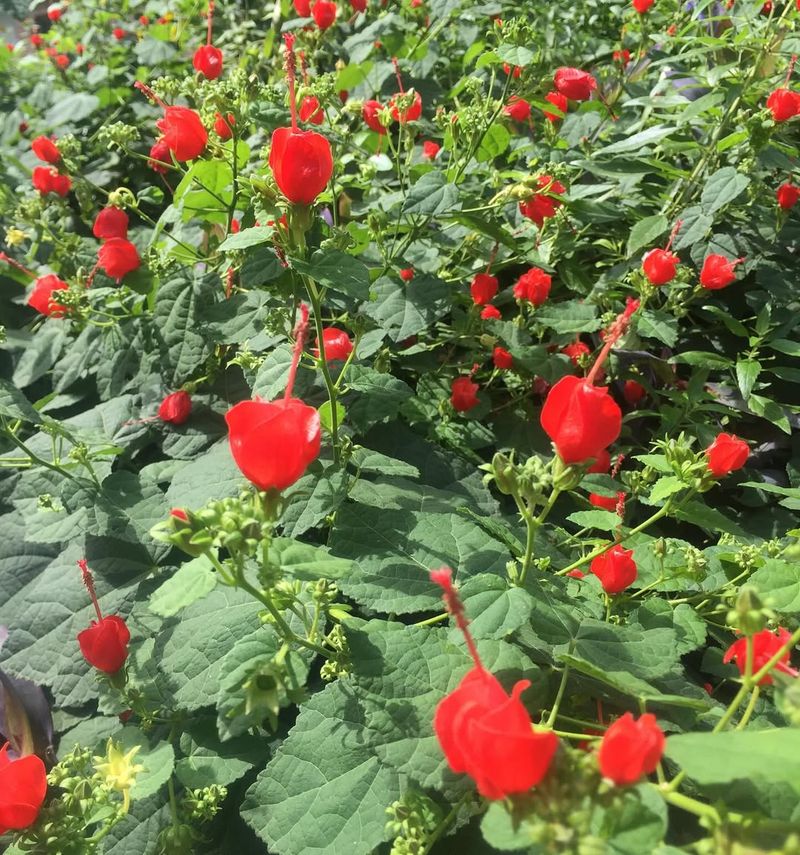
Turk’s cap produces unique red flowers shaped like tiny Turkish turbans that peek out from lush green foliage. This Texas native perennial thrives in partial shade, making it valuable for those tricky spots under trees where many flowering plants struggle.
Growing 3 to 5 feet tall, it creates a substantial presence in shaded borders or woodland gardens.
The blooms appear continuously from spring through fall, providing reliable color for months. Hummingbirds and butterflies visit frequently, adding movement and life to shaded areas.
After flowering, small red fruits develop that birds enjoy eating, extending the plant’s wildlife value beyond the blooming season.
Turk’s cap handles Houston’s humidity and San Antonio’s heat equally well, proving adaptable across different Texas regions. It prefers regular water but tolerates short dry spells once roots establish deeply.
The plant may freeze back during harsh winters in northern Texas but reliably returns from the roots each spring.
Cutting stems back in late winter encourages fuller, bushier growth. The plant self-seeds moderately, so you might find seedlings popping up nearby, which you can transplant or remove easily.
Turk’s cap works wonderfully as an understory plant beneath oak trees or along shaded fence lines. Deer generally avoid it, which makes it especially valuable in areas where browsing causes problems for other shade-loving perennials.
4. Red Texas Star Hibiscus
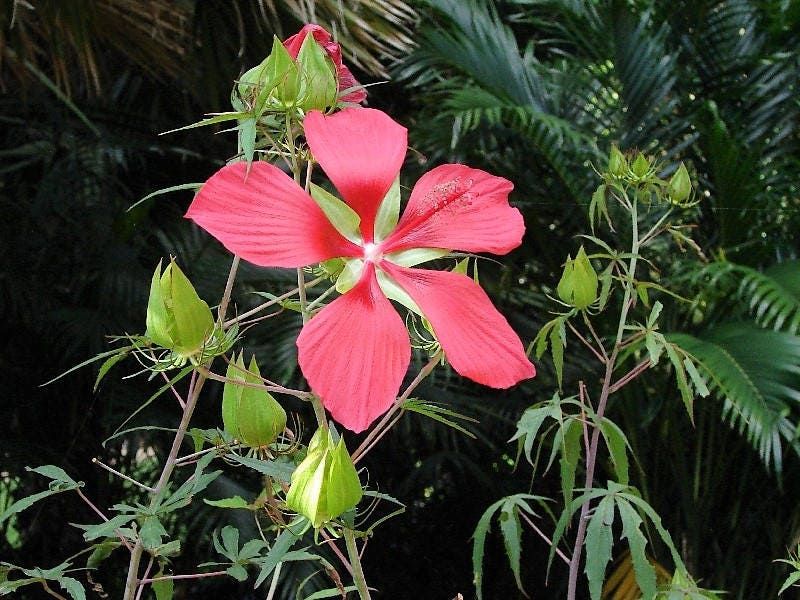
Red Texas star hibiscus produces dinner-plate-sized crimson flowers that stop people in their tracks. Each bloom measures 6 to 8 inches across with five distinct petals surrounding a prominent yellow center.
The flowers open in morning and last just one day, but the plant produces so many buds that fresh blooms appear daily throughout summer.
This native hibiscus grows 3 to 6 feet tall in Texas gardens, forming an upright shrubby shape. Unlike tropical hibiscus that struggles with Texas winters, this species handles cold snaps without problems.
The plant goes dormant in winter and emerges late in spring, so don’t worry if it seems slow to appear.
Red Texas star hibiscus prefers moist conditions and tolerates poorly drained soil better than most perennials.
It grows naturally along Texas waterways and adapts well to rain gardens or low spots where water collects. Regular watering during hot, dry periods keeps the plant flowering prolifically.
The large leaves provide substantial texture in the garden, creating a lush tropical appearance. Plant it in full sun for maximum flowering, though it tolerates light afternoon shade in extreme heat.
This hibiscus works beautifully as a specimen plant or grouped for dramatic impact. Butterflies and hummingbirds visit the flowers regularly, making it excellent for pollinator gardens throughout Texas.
5. Red Hot Poker
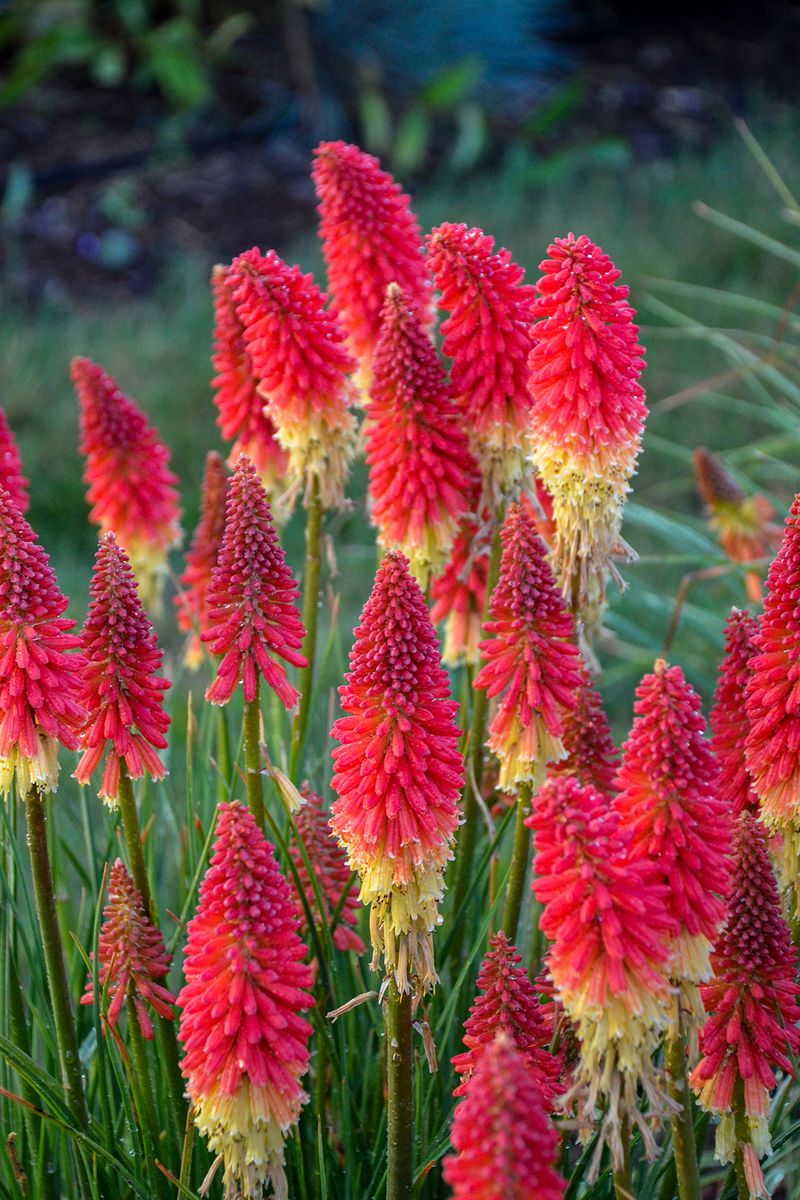
Red hot poker creates vertical drama with its torch-like flower spikes rising 3 to 4 feet above grass-like foliage. The tubular flowers open in shades ranging from coral-red at the top to golden-yellow at the bottom, creating a gradient effect.
Each spike blooms for several weeks, and established plants produce multiple flower stalks throughout the season.
Hummingbirds go crazy for red hot poker, often visiting the flowers repeatedly throughout the day. The long blooming period from late spring through summer provides consistent nectar when other flowers fade.
The evergreen foliage remains attractive year-round in most Texas locations, adding texture even when not flowering.
This perennial prefers well-drained soil and full sun, handling heat admirably once established. It grows successfully across Texas, though it appreciates afternoon shade in the hottest regions.
Water moderately during the growing season, but avoid overwatering which can lead to root problems.
Red hot poker makes an excellent accent plant, drawing the eye upward in mixed borders. The architectural form contrasts beautifully with rounded or mounding plants.
Divide clumps every few years to maintain vigor and increase your plant collection. Remove spent flower stalks to keep the plant looking neat and encourage additional blooming.
The dramatic appearance works well in contemporary landscapes or cottage-style gardens throughout Texas.
6. Scarlet Sage
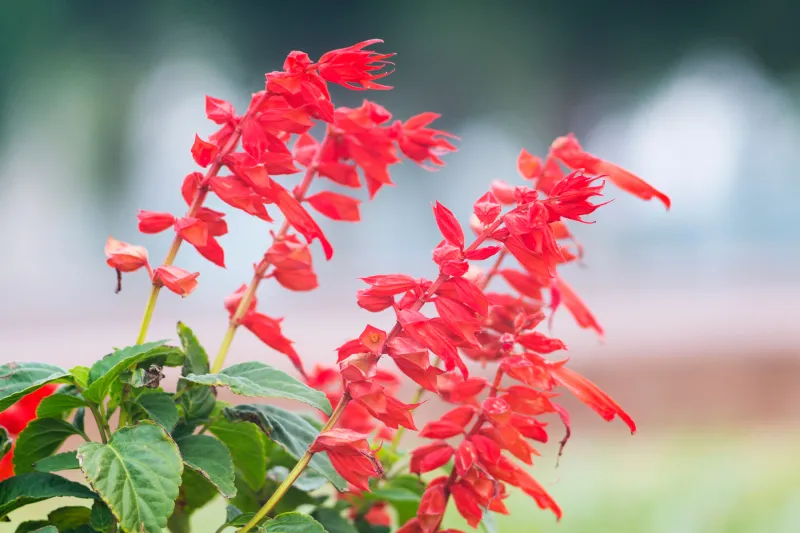
Scarlet sage lights up Texas gardens with brilliant red flower spikes that seem to glow in sunlight. Growing 2 to 4 feet tall depending on variety, this perennial produces continuous blooms from late spring until frost.
The tubular flowers cluster densely along upright spikes, creating solid columns of color that hummingbirds find impossible to resist.
This plant handles intense Texas sun and heat without wilting or fading. Once established, it tolerates drought periods reasonably well, though regular watering promotes more abundant flowering.
Scarlet sage grows successfully from the Panhandle to the Rio Grande Valley, adapting to different climate zones across the state.
The aromatic foliage releases a pleasant scent when touched, and deer typically avoid browsing it. Plant scarlet sage in masses for maximum visual impact, or use it as a border plant along walkways.
The bright red color combines beautifully with purple, yellow, or white flowering companions.
Pinching back young plants encourages bushier growth and more flower spikes. Deadheading spent blooms isn’t necessary, as new flowers emerge continuously from the same stems.
In mild Texas winters, scarlet sage may remain evergreen, while colder areas see it return from roots in spring. The plant self-seeds moderately, providing volunteer seedlings you can transplant or share with fellow gardeners.
7. Red Coneflower
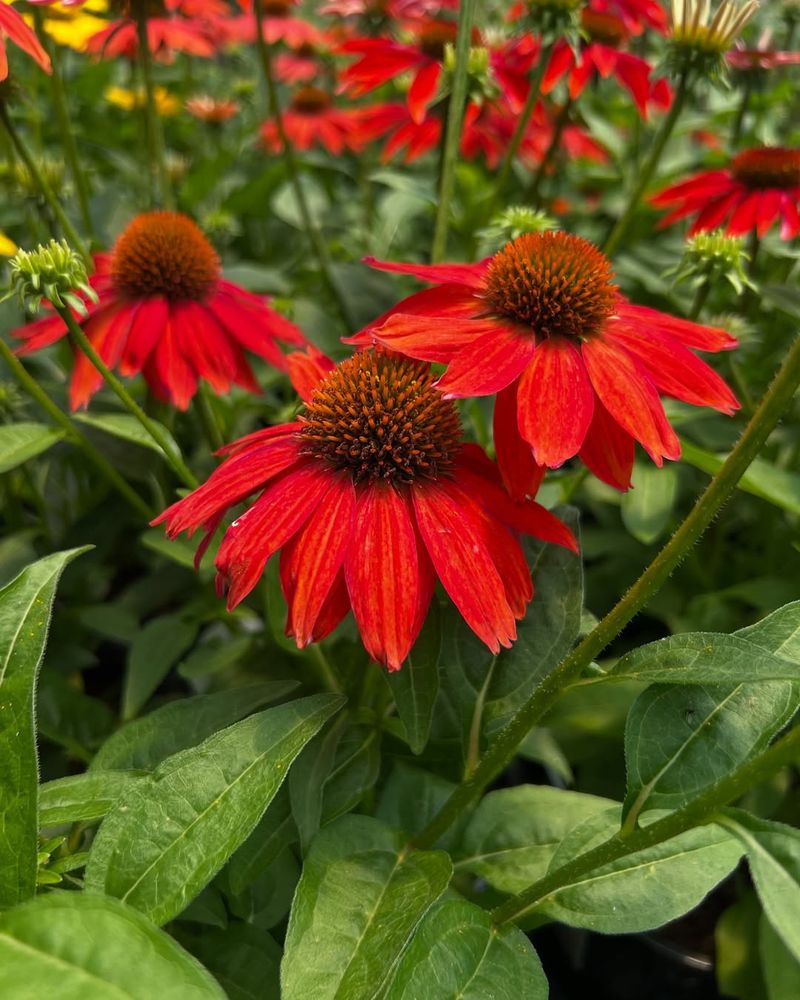
Red coneflower brings prairie charm to Texas gardens with its distinctive raised center cone and drooping petals. The deep red-purple flowers measure 3 to 4 inches across and bloom prolifically from early summer through fall.
Each flower sits atop sturdy stems reaching 2 to 3 feet tall, creating an airy, natural appearance in the landscape.
Butterflies, bees, and other pollinators visit the flowers constantly during daylight hours. Goldfinches arrive in late summer to feast on ripening seeds from spent flowers, providing entertainment as they cling to the seed heads.
The dried seed heads add winter interest and provide food for birds throughout the cold months.
This tough perennial handles Texas heat, humidity, and occasional drought without complaint. It grows successfully across the entire state, from Amarillo to Corpus Christi.
Red coneflower prefers full sun but tolerates light shade, making it adaptable to various garden situations.
The plant requires minimal care once established, needing only occasional water during extended dry spells. Leave seed heads standing through winter for wildlife, then cut back old stems in late winter before new growth emerges.
Red coneflower spreads slowly to form small clumps that you can divide every few years. It combines beautifully with native grasses, black-eyed Susans, and other prairie perennials in naturalistic Texas plantings.
8. Red Spider Lily
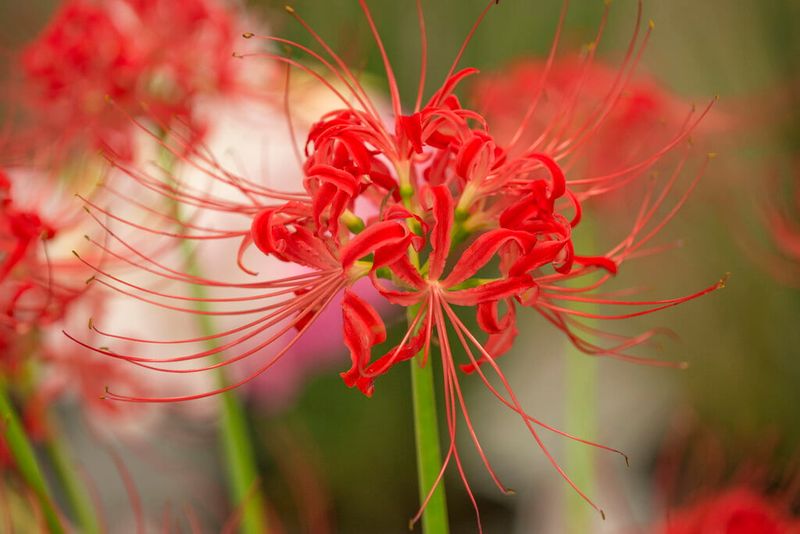
Red spider lily creates magical moments when its bright red flowers suddenly emerge on bare stems in late summer or early fall. The blooms appear seemingly overnight, rising 12 to 18 inches tall before any foliage shows.
Each flower cluster contains multiple blooms with long, curved stamens that give the plant its spider-like appearance.
The strap-shaped leaves emerge after flowering finishes, remaining green through winter and spring before going dormant in summer.
This reverse growth cycle makes red spider lily perfect for planting under deciduous trees where it receives winter sun and summer shade. The bulbs naturalize readily, forming larger colonies over time.
Red spider lily grows successfully throughout Texas, handling both heat and cold without problems.
Plant bulbs in late summer for fall flowering, spacing them 6 inches apart in well-drained soil. They prefer partial shade but tolerate full sun in areas with afternoon shade protection.
The dramatic flowers create stunning displays along walkways or in woodland gardens. Their sudden appearance adds an element of surprise that few other perennials provide.
Red spider lily requires virtually no maintenance, making it ideal for low-care Texas landscapes. The bulbs multiply underground, gradually expanding the planting area.
This unique perennial brings unexpected color when most summer flowers are fading, bridging the gap until fall bloomers take over.