Stop Leaving Mature Zucchini On The Vine During Oregon Heat Spikes, Here’s Why
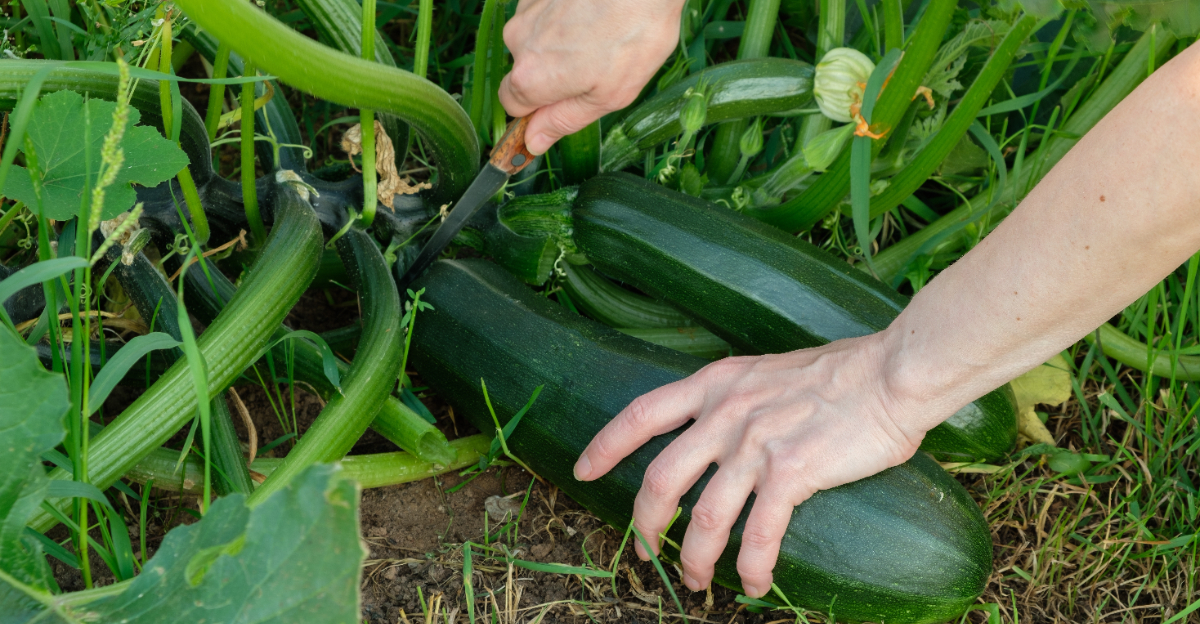
A zucchini can go from perfect to enormous with almost comic speed, especially when Oregon temperatures jump.
Miss one harvest, and that neat green squash may suddenly resemble a garden club. Impressive, perhaps, but not always helpful.
Heat spikes place extra pressure on the entire plant. A mature fruit left on the vine can affect what happens next, even when the leaves still look healthy and new flowers continue to appear.
That is why harvest timing matters more during hot weather. The plant has limited energy, and summer stress can change how it uses every bit of it.
One overlooked zucchini may influence the rest of the crop in ways that are easy to miss.
A quick check beneath those broad leaves can save the plant unnecessary strain. It may also keep the harvest productive once the next blast of Oregon heat arrives.
1. Oversized Zucchini Drains The Plant
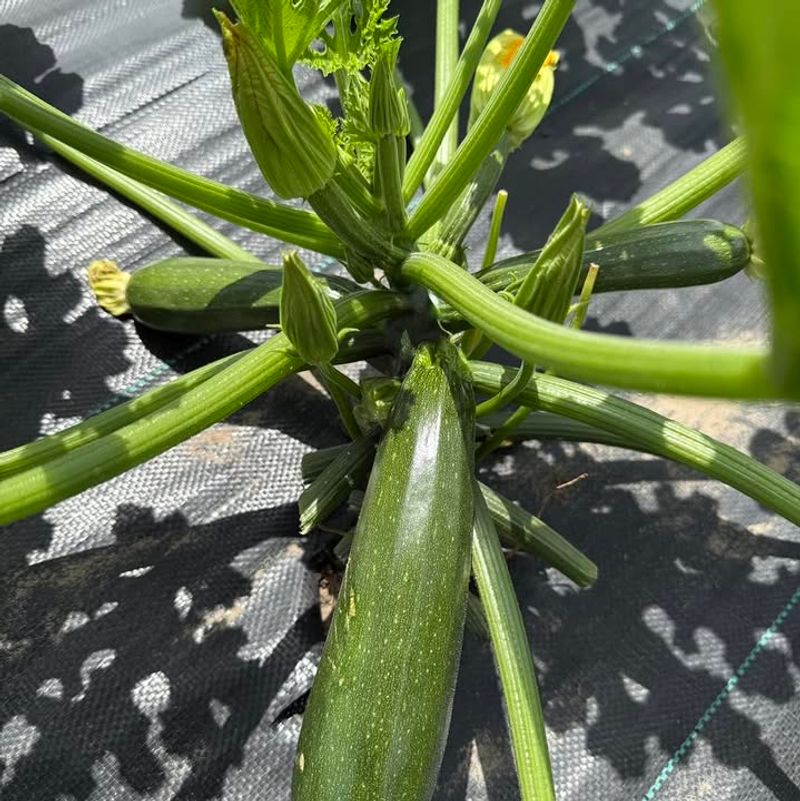
When a zucchini gets too big, it becomes a serious burden on the plant. That giant squash sitting on the vine is pulling sugar, water, and nutrients away from everything else.
The plant keeps working hard to feed that one oversized fruit instead of pushing energy into new blossoms and baby zucchini.
Think of it like carrying a heavy backpack all day. Eventually, you get tired and slow down.
Your zucchini plant does the same thing. Once a fruit grows past six to eight inches, it enters what gardeners call the “seed-filling” stage.
At that point, the plant shifts all its resources toward ripening seeds inside that fruit.
New flowers start dropping off. Tiny zucchini that were just forming shrivel up before they get a chance.
The whole production line grinds to a halt because of one neglected squash. During heat spikes, this problem gets even worse because the plant is already under stress from high temperatures.
Removing oversized zucchini as soon as you spot them gives the plant instant relief. You’ll often see new flowers appear within just a day or two after clearing off the big ones.
It’s a fast, easy fix that makes a huge difference in how productive your garden stays all summer long.
2. Heat Makes Mature Fruit Stress Worse
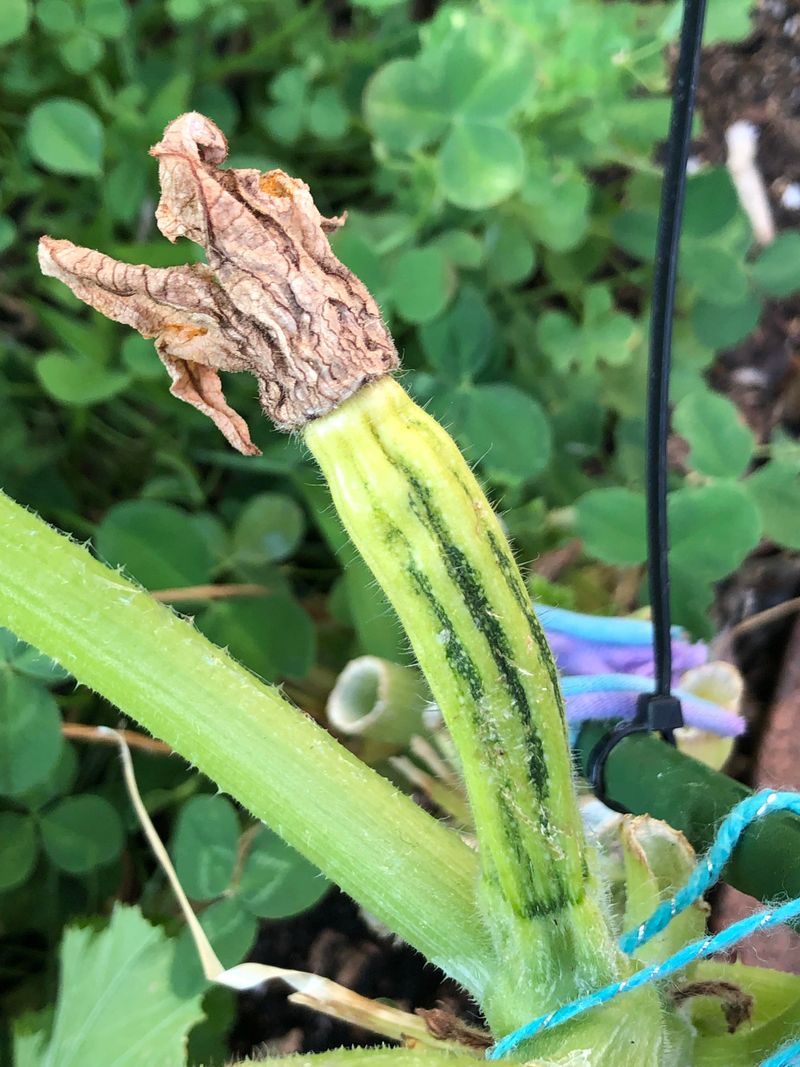
High temperatures push zucchini plants to their limit. When the thermometer climbs above 90 degrees in Oregon, these plants struggle to move water efficiently from their roots to their leaves.
Add a heavy, mature fruit into the mix, and you’re asking the plant to do too much at once.
During a heat spike, the plant focuses on survival first. Keeping its leaves cool and hydrated takes priority.
Feeding a giant zucchini falls way down on the plant’s to-do list. So the fruit just sits there, draining resources while the plant slowly loses its ability to produce new growth.
Wilting is one of the first signs you’ll notice. Even with regular watering, plants weighed down by mature fruit tend to droop earlier in the day and recover more slowly in the evening.
That’s a clear signal the plant is overworked. Picking mature fruit before a forecasted heat wave is one of the smartest things you can do. Check the weather app the night before temperatures are expected to rise.
Your Oregon Garden Changes Every Week. Your Plan Should Too.
Gardening in Oregon changes quickly throughout the season. Every Friday you’ll receive a simple weekly plan showing exactly what to plant, prune, fertilize, harvest, and protect so you never miss the right timing.
Go out early and harvest anything that’s close to full size. Your plant will be in much better shape to handle the heat without the extra weight pulling it down.
A harvested zucchini in your fridge is always better than a stressed vine in your garden.
3. Big Zucchini Signals The Vine To Slow Down
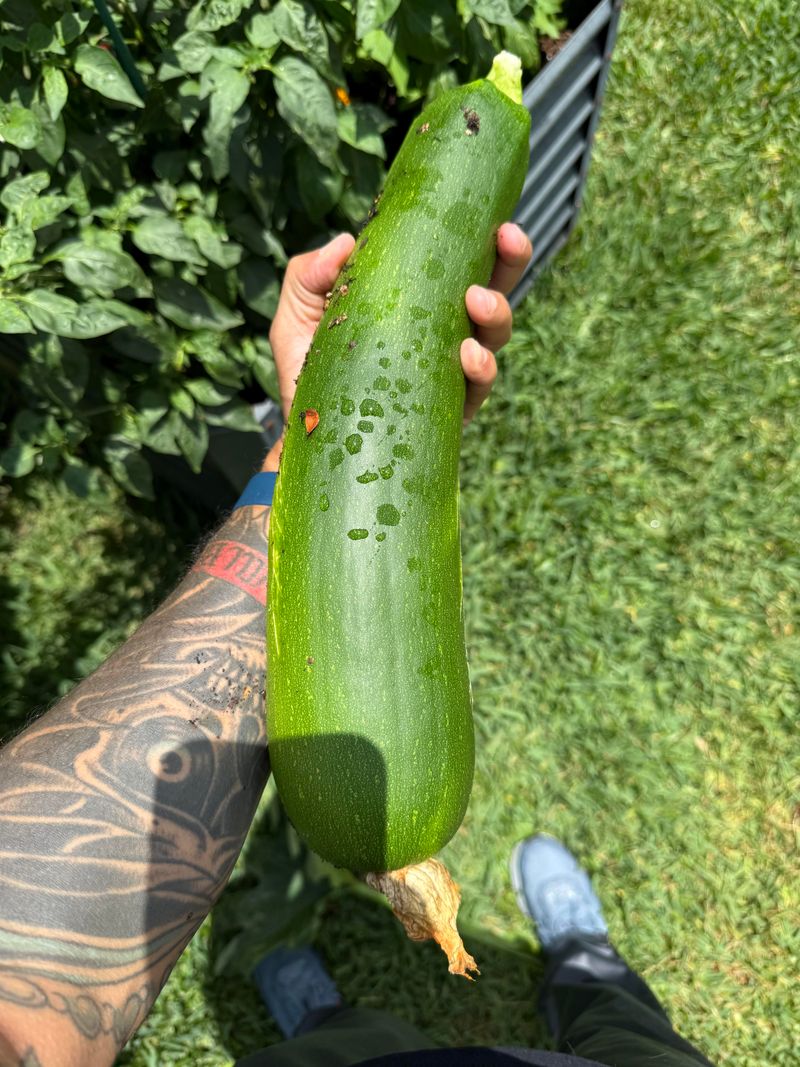
Plants are surprisingly smart about reproduction. When a zucchini reaches full maturity on the vine, it sends a chemical signal through the plant that basically says, “Mission accomplished.”
The plant interprets this as a sign that it has successfully produced seeds for the next generation.
Once that message travels through the vine, production slows down fast. The plant stops putting energy into new flowers.
Existing buds may drop before they even open. It’s not laziness. It’s biology. The plant genuinely believes its job is done.
Gardeners who leave big zucchini on the vine for too long often wonder why their plants stop producing mid-summer. They water more, fertilize more, and still get nothing new.
The real fix is much simpler. Remove the mature fruit and the plant gets a new signal. Suddenly, it thinks it needs to try again.
Consistent harvesting tricks the plant into staying in production mode all season. It keeps thinking it hasn’t finished its reproductive goal, so it keeps blooming and setting new fruit.
During the long warm stretches Oregon gets in July and August, this strategy can double or even triple your total harvest.
Keep the big ones off the vine, and your garden will reward you with a steady stream of perfectly sized zucchini all summer long.
4. Daily Picking Keeps New Fruit Coming
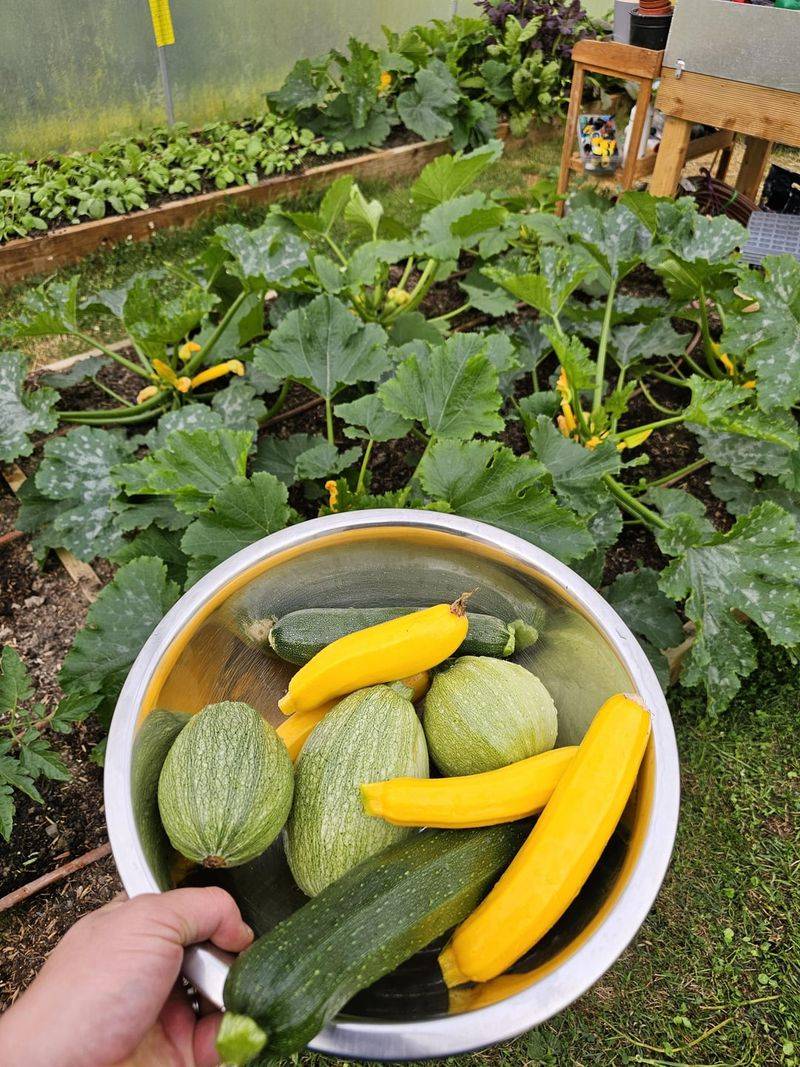
Making a daily trip through your garden during peak summer season isn’t just a good habit. It’s the single most effective way to keep zucchini plants producing at full speed.
Zucchini can grow several inches in just 24 hours when conditions are warm and sunny.
A fruit that looked perfect yesterday might be oversized and seedy by tomorrow morning. That quick turnaround means skipping even one day of checking can set you back.
You might head out expecting a handful of tender squash and instead find a bunch of giants that have already triggered the slow-down signal.
Daily picking also keeps you in tune with your plants. You’ll notice pest damage sooner.
You’ll catch signs of disease before they spread. You’ll spot new blossoms forming and know your plant is happy and healthy.
It turns gardening from a weekend chore into a quick, satisfying daily routine.
Even five to ten minutes in the garden each morning can make a big difference. Bring a basket and pick anything that’s reached six to eight inches.
Don’t leave the almost-ready ones thinking you’ll get them tomorrow. In summer heat, tomorrow is often too late.
The more you pick, the more the plant grows. It really is that simple, and once you get into the rhythm, daily harvesting becomes one of the best parts of summer gardening.
5. Small Zucchini Taste Better In Summer
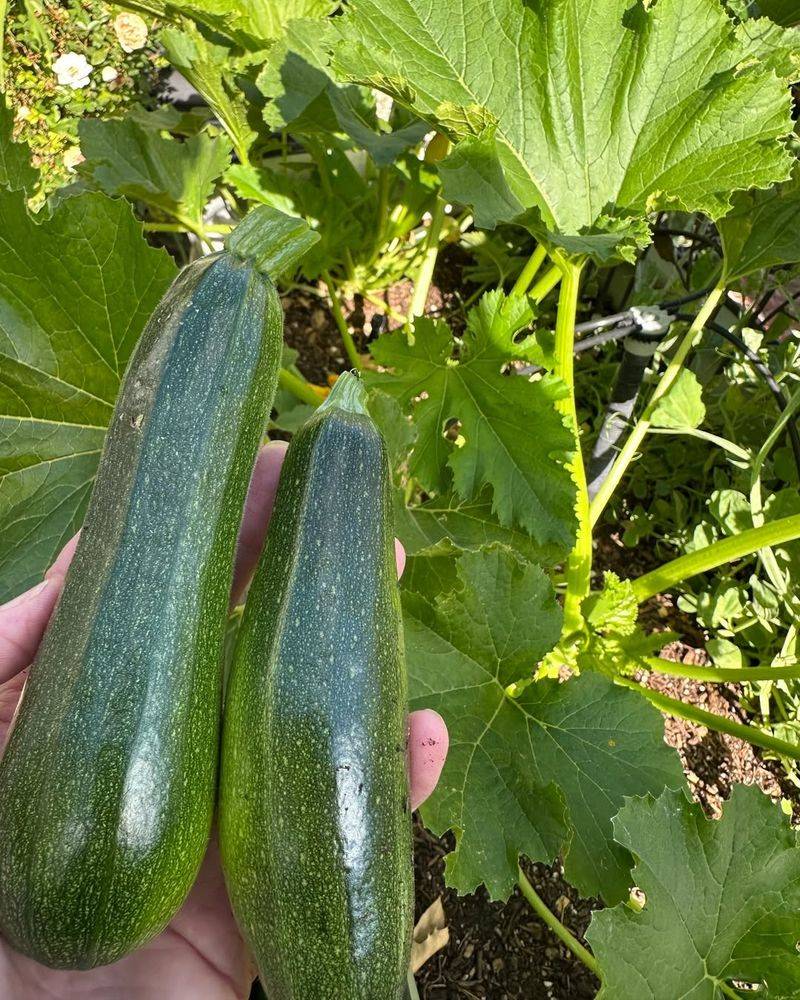
Here’s something every experienced cook already knows: smaller zucchini taste completely different from the giants. When you pick zucchini at six to eight inches, the skin is thin and tender, the flesh is moist and sweet, and there are almost no seeds to deal with.
It’s a completely different eating experience.
Oversized zucchini that’s been sitting on the vine in summer heat tends to develop thick skin and a watery, bland interior. The seeds get large and tough.
The texture turns spongy. Even with great cooking skills, it’s hard to make a giant, heat-stressed zucchini taste good.
Small, freshly picked zucchini shines in everything. Saute it with a little olive oil and garlic, and it’s incredible.
Slice it thin for a summer salad, and it holds its shape beautifully. Grill it quickly over high heat, and you get a slightly caramelized, nutty flavor that big zucchini just can’t match.
Picking small also means less food waste. A giant zucchini often ends up on the porch for neighbors to take because nobody knows what to do with all of it.
A six-inch zucchini gets used right away and actually gets eaten with enthusiasm.
During summer heat waves, frequent harvesting means you’re always working with the freshest, most flavorful produce your garden can offer. That’s a win for your kitchen and your garden at the same time.
6. Hidden Fruit Can Turn Huge Overnight
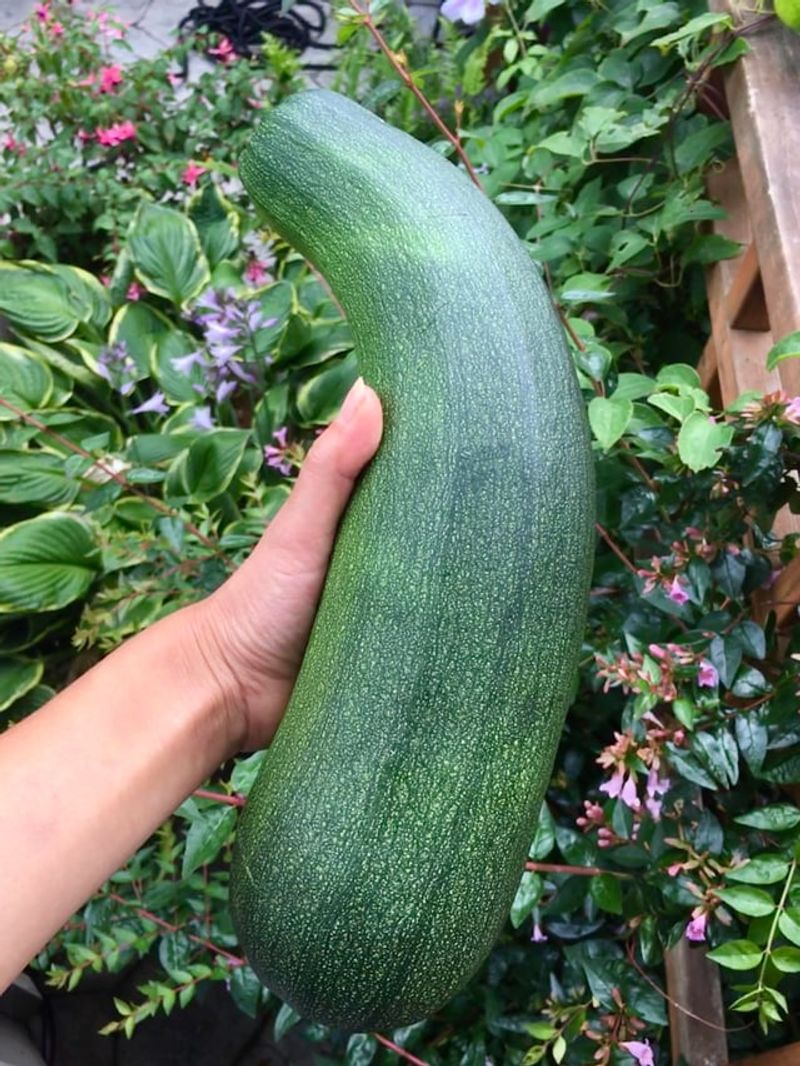
Zucchini plants are sneaky. Those big, broad leaves create a canopy that makes it surprisingly easy to miss a developing fruit.
One day there’s nothing under there, and then suddenly you’re lifting a leaf and finding a zucchini the size of a baseball bat.
This happens faster than most people expect. Warm summer temperatures speed up fruit development significantly.
A fruit that was two inches long on Monday can easily be twelve inches or more by Thursday. The heat doesn’t just stress the plant.
It also accelerates growth in ways that catch gardeners completely off guard.
Missing a hidden zucchini during a heat spike is especially costly. That hidden giant is draining the plant during one of its most vulnerable periods.
It’s pulling resources right when the plant needs everything it has just to stay cool and hydrated. The combination of heat stress and a hidden, mature fruit can shut down production for days.
Getting into the habit of gently lifting leaves and checking underneath every time you visit the garden is a game changer. Use your hands to feel around the base of the plant where young fruit often hides close to the soil.
A quick, thorough search takes less than two minutes per plant. Train yourself to look low and deep into the foliage, and you’ll catch those sneaky giants before they cause real damage to your summer harvest season.
7. Crowded Leaves Make Missed Zucchini Easy
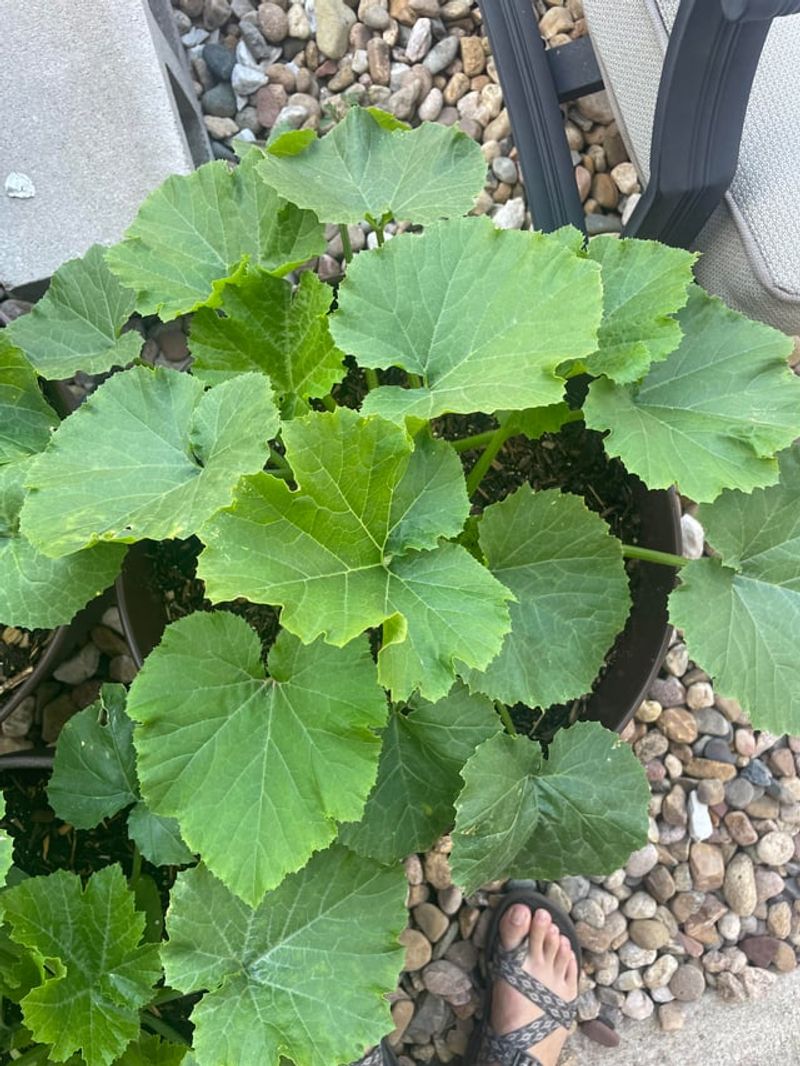
By Oregon midsummer, a healthy zucchini plant looks more like a jungle than a vegetable. The leaves can grow enormous, sometimes reaching the size of dinner plates.
When several of those leaves overlap and pile up on each other, they create deep pockets of shade where fruit hides with ease.
Crowded plants also hold moisture and heat close to the soil, which can encourage mold and mildew on developing fruit.
Poor air circulation around the base of the plant creates conditions where problems start quietly and spread fast.
Thinning out a few of the oldest, largest leaves can open things up and make hidden fruit much easier to spot.
You don’t need to prune heavily. Removing two or three large outer leaves per plant is usually enough to improve visibility and air flow.
Focus on leaves that are yellowing, damaged, or completely blocking the center of the plant. Healthy green leaves that are still doing their job should stay put.
After a light trim, take a fresh look at the base of the plant. You might be surprised by what was hiding in there.
Finding and removing overlooked fruit right away helps the plant recover faster, especially during a heat event. Keeping your plants a little more open and manageable isn’t just good for finding zucchini.
It also keeps the whole plant healthier and more productive throughout the long, warm stretch of a Pacific Northwest summer.
8. Morning Harvests Beat Afternoon Heat
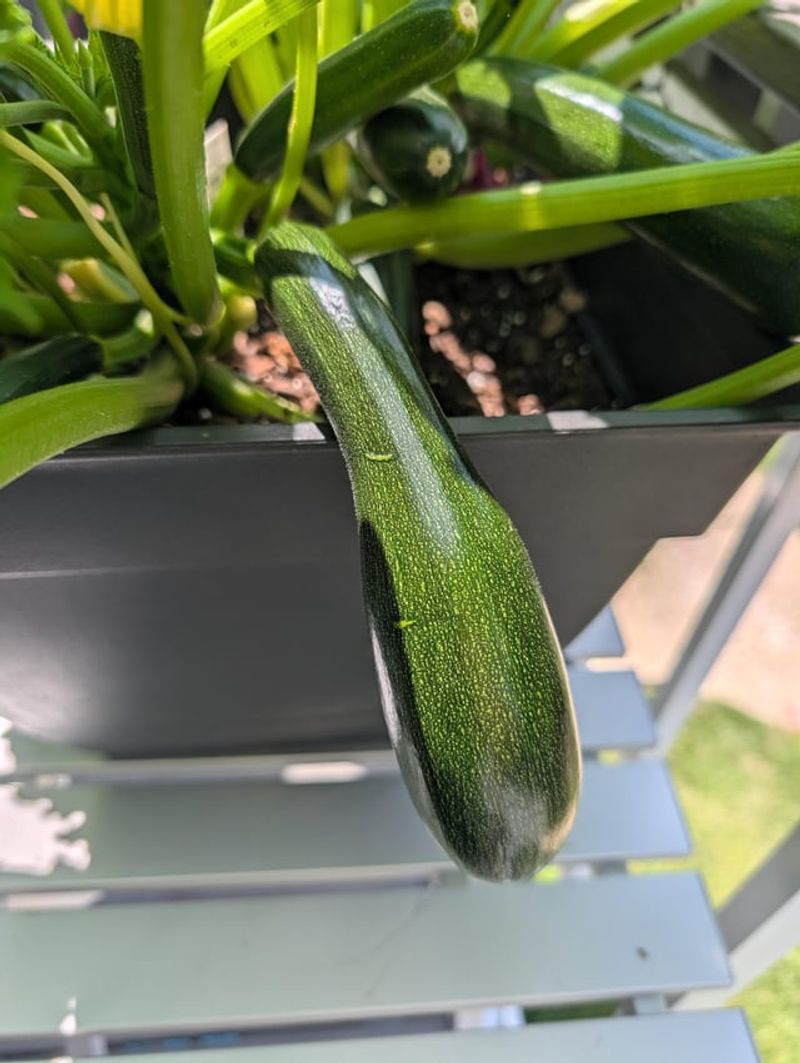
Timing your harvest to the coolest part of the day makes a real difference, both for you and your plants.
Early morning, right after sunrise, is hands-down the best time to head into the garden during a heat spike.
The air is cool, the plants are hydrated from the night, and the zucchini is at its freshest.
Fruit picked in the morning holds up much better after harvest. Vegetables that are cut during peak afternoon heat tend to lose moisture quickly and don’t store as well in the fridge.
A zucchini picked at 7 a.m. will still feel firm and fresh two days later. One picked at 2 p.m. on a 95-degree day may already start softening within hours.
Morning harvesting also protects you. Working in a hot garden in the middle of the afternoon is exhausting and uncomfortable.
Spending a few minutes outside before the heat builds up is pleasant and energizing. It sets a positive tone for the whole day.
Try setting a simple morning routine during heat waves. Wake up, grab a coffee, and walk through the garden before anything else.
It takes just a few minutes, and the payoff is significant. You’ll catch hidden fruit before it gets too big, you’ll keep your plant producing steadily, and you’ll always have fresh, firm zucchini ready to use.
Morning harvesting is one of the easiest habits a summer gardener can build.