Plant This Native Shrub In South Texas During February For Stunning Spring Color
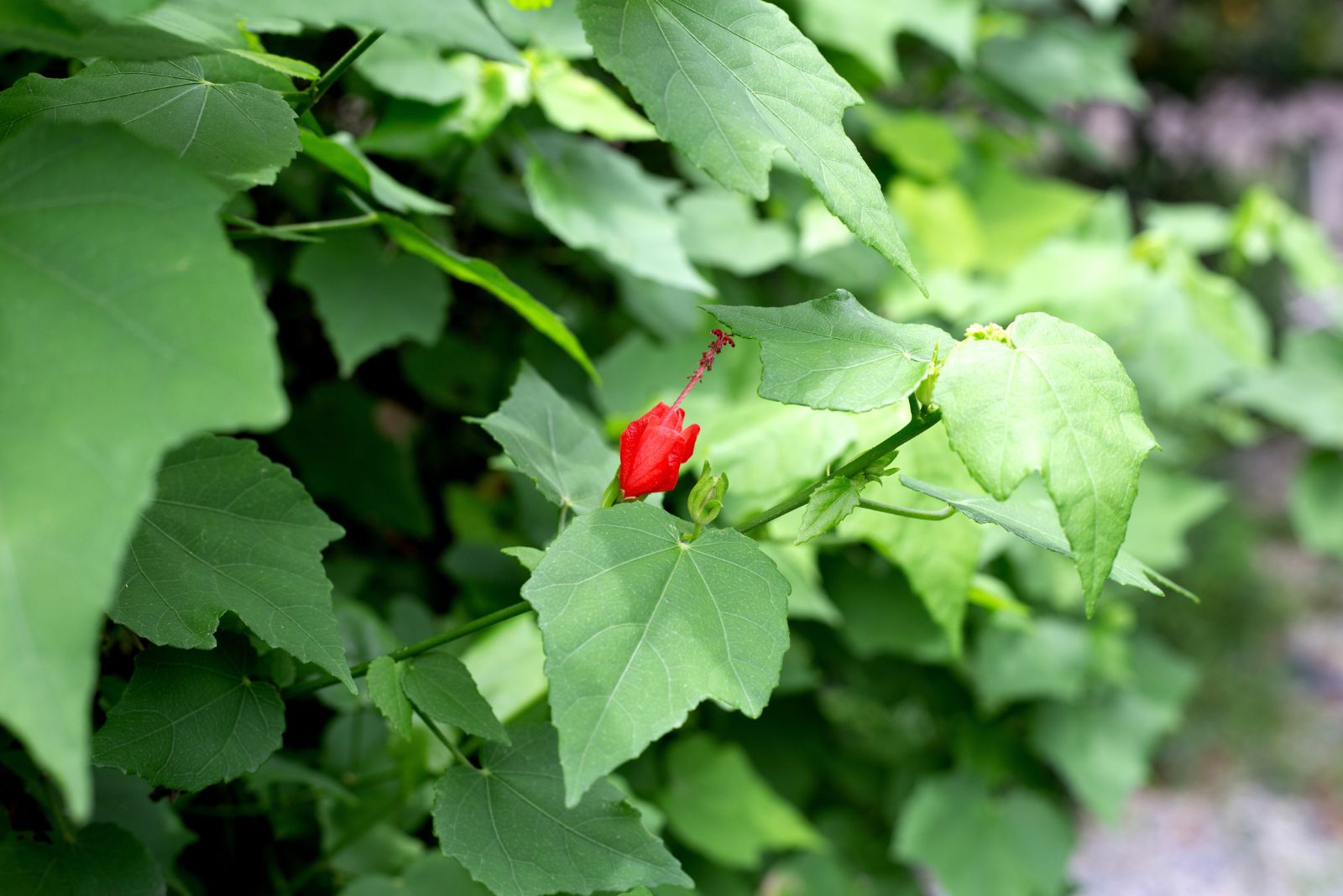
February in South Texas may feel quiet in the garden, but it is actually the perfect moment to set the stage for a burst of spring color.
One native standout that deserves a spot in your yard is Turk’s cap, a hardy shrub known for its bright, cheerful blooms and easygoing nature.
This Texas favorite handles heat, humidity, and unpredictable weather like a pro, making it ideal for gardeners who want beauty without constant fuss.
Planting now gives its roots time to settle before the growing season kicks in, rewarding you with lush foliage and vivid flowers that attract hummingbirds and butterflies.
Whether you are refreshing a landscape bed or adding life to a bare corner, Turk’s cap brings texture, color, and native charm to your outdoor space.
A little effort in February can turn into a vibrant, eye catching display that keeps your South Texas garden lively well into the warmer months ahead.
1. Why Turk’s Cap Is Perfect For South Texas
Native plants always perform better than imports because they evolved right here in South Texas. Turk’s cap has been growing wild in this region for thousands of years.
It knows how to handle the scorching summer heat and occasional dry spells without complaint.
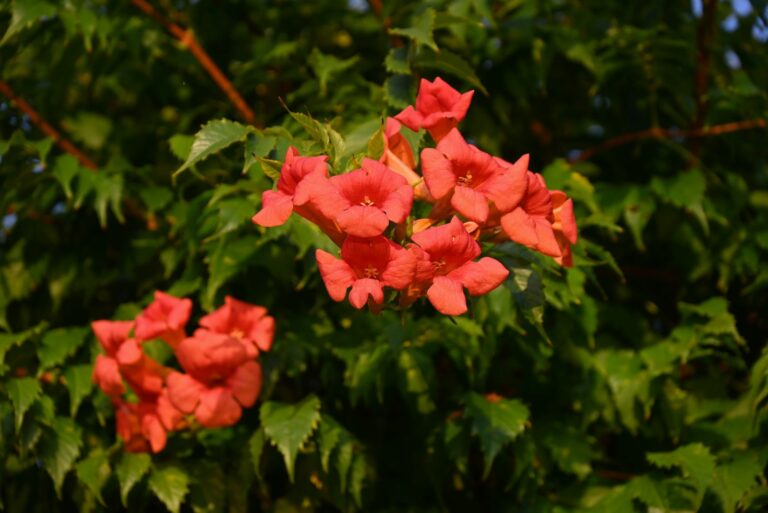
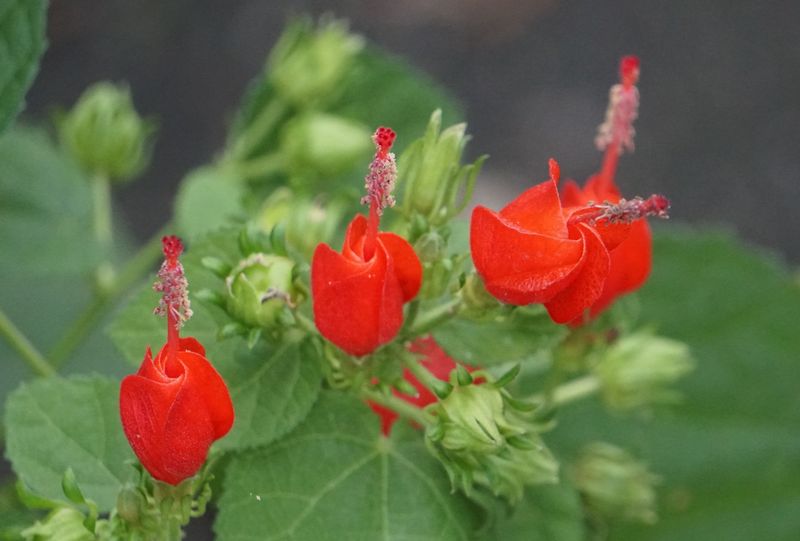
This tough shrub blooms from spring all the way through the first frost. You’ll see bright red flowers shaped like little turbans appearing on the branches month after month.
Most garden plants give you a few weeks of color and then take a break, but Turk’s cap keeps going strong.
February planting gives your new shrub a huge advantage. The roots have time to spread and establish before spring growth begins.
When warmer weather arrives in March and April, your plant will already feel at home in the soil. It can focus energy on producing those gorgeous blooms instead of struggling to survive.
South Texas gardeners appreciate plants that don’t need constant attention. Turk’s cap fits that description perfectly.
Once established, it tolerates drought, heat, and humidity without special care. You won’t spend your weekends nursing a fussy plant back to health.
The long blooming season means hummingbirds will visit your garden from early spring through late fall. Butterflies also love the nectar-rich flowers.
Your yard becomes a wildlife sanctuary simply by adding this one native shrub. February is the ideal time to get started because spring arrives quickly in South Texas, and you want your plant ready to perform.
2. Ideal Planting Conditions
Turk’s cap adapts to different light conditions across South Texas gardens. Full sun locations produce the most flowers, but partial shade works well too.
If your yard has areas that get morning sun and afternoon shade, those spots are perfect. The plant appreciates relief from intense afternoon heat during July and August.
Soil type matters less than you might think. South Texas has everything from heavy clay to sandy loam, and Turk’s cap grows in all of it.
The one requirement is good drainage. Standing water around the roots causes problems, so avoid low spots where puddles form after rain. Clay soil is common in many South Texas neighborhoods. Don’t let that worry you.
Turk’s cap actually tolerates clay better than many plants. You can improve drainage by mixing compost into the planting hole. This loosens the soil and helps roots penetrate more easily.
Sandy soil drains quickly, which sounds good but can dry out too fast. Adding organic matter helps sandy soil hold moisture longer.
Mix in compost or aged manure before planting. Your Turk’s cap will thank you during dry spells.
Water requirements are highest during the first few months after planting in February. New plants need consistent moisture to establish roots.
Plan to water deeply twice a week if rain doesn’t fall. Once summer arrives and the plant is settled, you can reduce watering.
Established Turk’s cap handles South Texas drought conditions remarkably well. The key is giving it a strong start during those critical first months in the ground.
3. When And How To Plant In February
Late February offers the best planting window across South Texas. Soil temperatures are warming up, but intense heat hasn’t arrived yet.
Check your local weather forecast and choose a week without predicted frost. Most South Texas areas are safe by mid-February, but coastal regions can plant even earlier.
Dig your planting hole twice as wide as the nursery pot but the same depth. Turk’s cap roots spread sideways more than they go deep.
A wide hole encourages roots to explore the surrounding soil. Rough up the sides of the hole with your shovel so roots can penetrate easily.
Remove the plant gently from its container. If roots are circling around the bottom, use your fingers to loosen them.
This step is important because circling roots continue that pattern underground. Spread them outward in the planting hole so they grow into the surrounding soil.
Set the plant at the same depth it was growing in the nursery pot. The top of the root ball should be level with the ground surface.
Planting too deep smothers the roots, while planting too shallow exposes them to drying air. Take a moment to check the depth before backfilling.
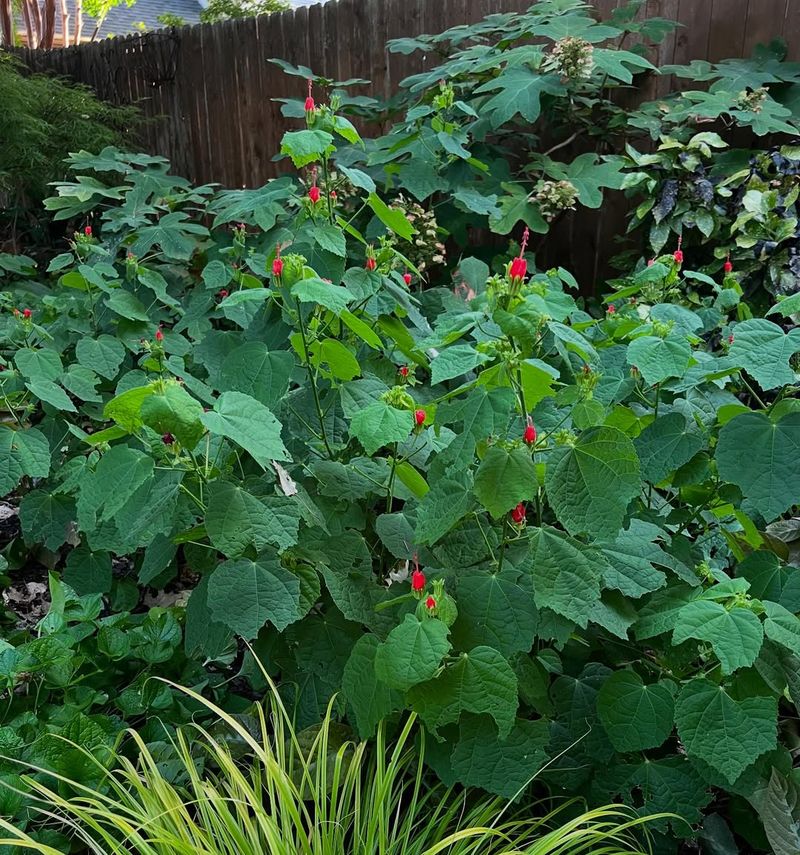
Space multiple plants four to six feet apart. Turk’s cap grows into a rounded shrub three to five feet tall and equally wide.
Proper spacing allows air circulation and gives each plant room to reach full size. Fill the hole with the soil you removed, tamping gently to eliminate air pockets. Water thoroughly after planting to settle the soil around roots.
4. Care And Maintenance After Planting
Watering schedules make the difference between a thriving plant and a struggling one. For the first month after February planting, water your Turk’s cap twice weekly.
Apply water slowly so it soaks deep into the soil rather than running off. Deep watering encourages roots to grow downward where moisture stays more consistent.
Mulch acts like a protective blanket for new roots. Spread a three-inch layer of shredded bark or wood chips around your Turk’s cap.
Keep mulch a few inches away from the stem to prevent rot. This organic covering keeps soil cooler in summer, warmer in winter, and reduces water evaporation. Mulch also prevents weeds from competing with your new plant.
South Texas soils often lack organic matter, so fertilization helps new plants establish faster. Wait until you see new growth emerging in March before applying fertilizer.
Use a balanced, slow-release product with equal numbers like 10-10-10. Sprinkle it around the base of the plant following package directions. Too much fertilizer burns roots, so less is better than more.
Pruning needs are minimal during the first year. Your goal is encouraging the plant to grow and fill out.
Remove any damaged or crossed branches, but otherwise let the shrub develop naturally. Turk’s cap blooms on new growth, so heavy pruning actually reduces flowers.
Watch for new leaves and stems appearing in March and April. This tells you the roots are established and working properly.
Continue regular watering through the first summer in South Texas heat. By fall, your Turk’s cap will be well-rooted and ready to handle future seasons with much less attention from you.
5. What To Expect In Spring
Spring arrives early in South Texas, usually by late March. Your February-planted Turk’s cap will show new growth as temperatures warm.
Fresh green leaves emerge first, followed by flower buds in April. The timing varies slightly depending on your specific location, with coastal areas blooming earlier than inland regions.
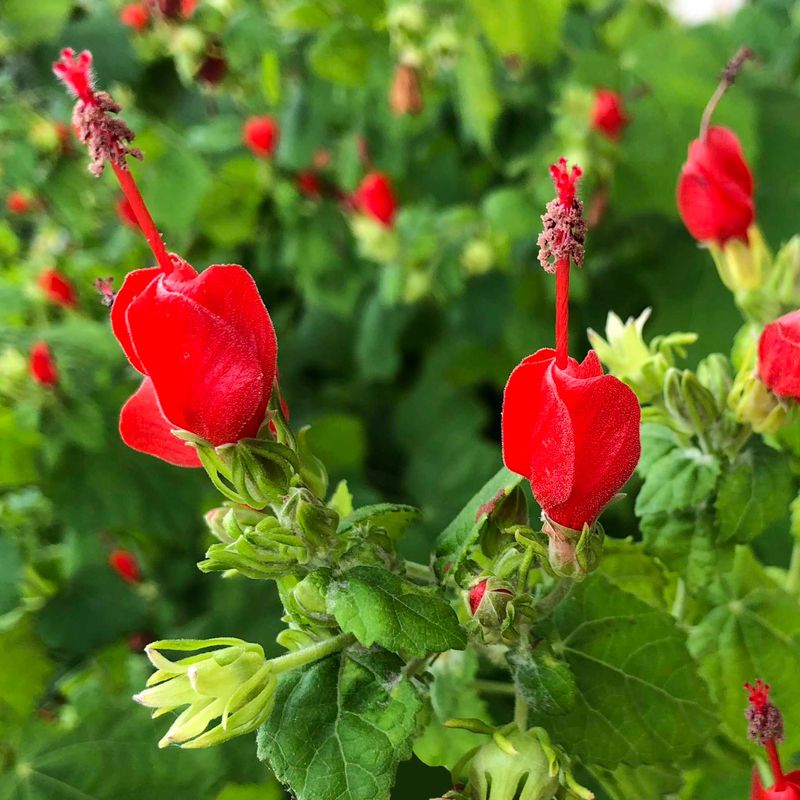
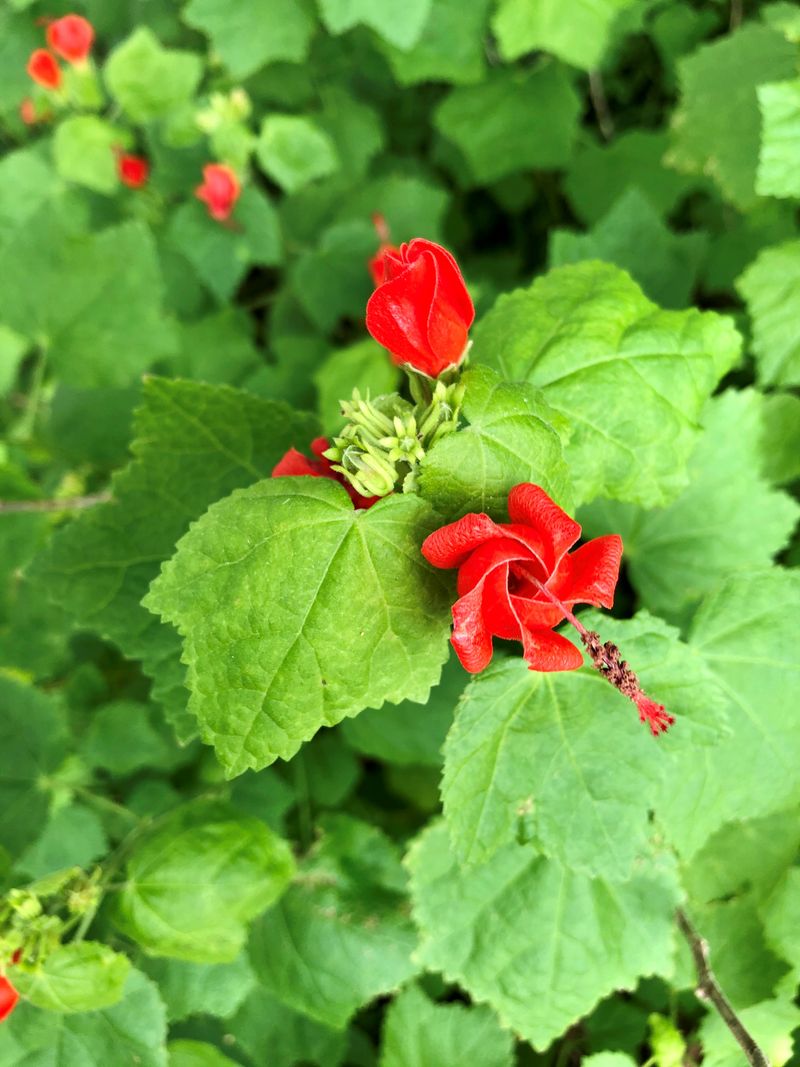
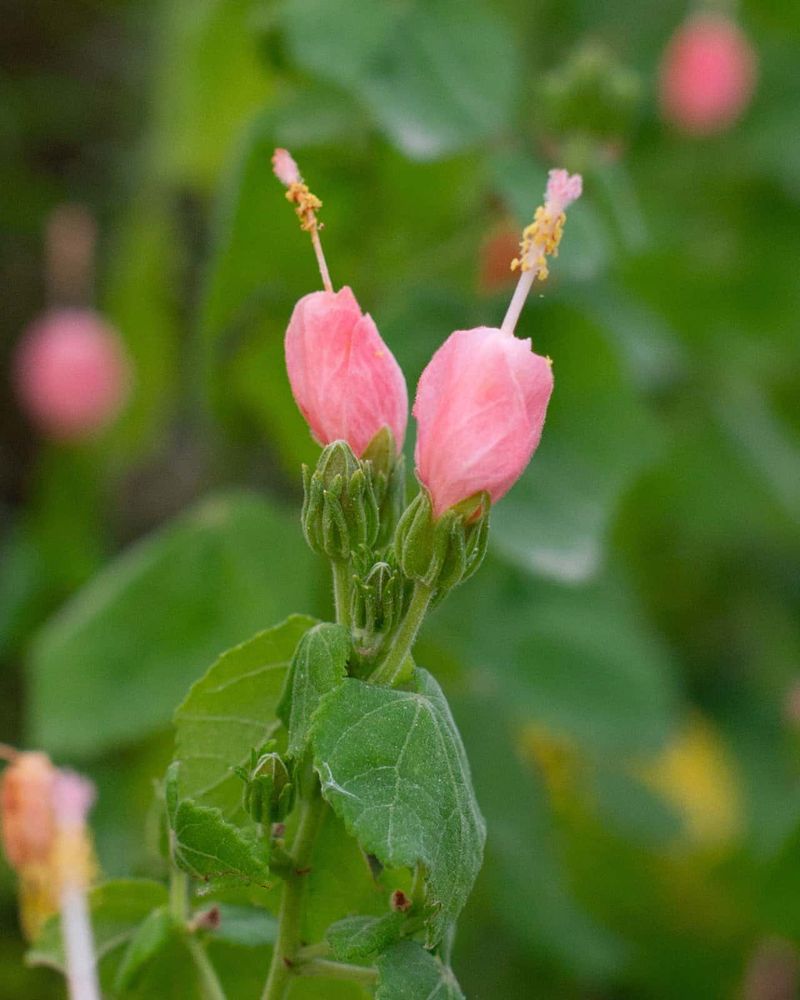
Those first red flowers are worth the wait. Each bloom looks like a small red turban with petals that never fully open.
They dangle from the branches in clusters, creating bright splashes of color against green foliage. The flowers keep coming all through spring, with new buds replacing spent blooms continuously.
Hummingbirds discover your Turk’s cap within days of the first flowers opening. These tiny birds have incredible memories and patrol regular routes looking for food sources.
Once they find your plant, they’ll visit multiple times daily. Watching hummingbirds hover and feed just inches away brings joy to any South Texas gardener.
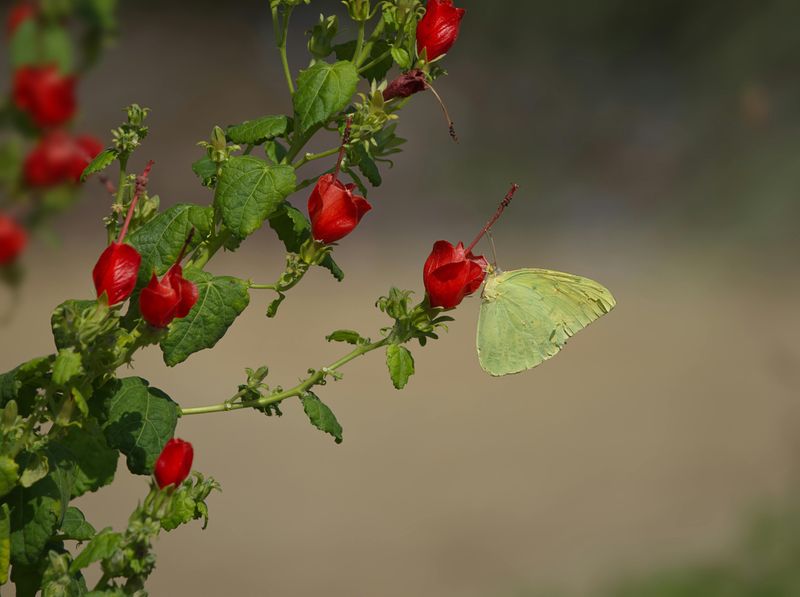
Butterflies join the party too. Several species native to South Texas seek out Turk’s cap nectar.
Gulf fritillaries, swallowtails, and sulfurs all visit regularly. Your garden becomes a hub of activity with wings flashing in the sunlight.
Turk’s cap complements other South Texas native plants beautifully. Pair it with purple sage, esperanza, or fall aster for a colorful display.
The red flowers contrast nicely with yellow or purple blooms from companion plants. Native plant combinations create a cohesive look that feels natural rather than forced.
Your spring garden will showcase the best of South Texas beauty with Turk’s cap as a star performer.
6. Tips For Long-Term Success In South Texas Gardens
Drought tolerance develops as your Turk’s cap matures. After the first year, this tough shrub handles dry periods without supplemental water.
South Texas regularly experiences weeks without rain during summer. Established Turk’s cap keeps blooming even when other plants wilt. This makes it valuable for water-wise landscaping.
Summer heat doesn’t faze mature plants. Temperatures above 100 degrees are common in South Texas from June through September.
Turk’s cap actually thrives in heat that would stress non-native plants. The blooms keep coming regardless of how high the thermometer climbs. Just maintain that mulch layer to keep roots cooler.
Winter in South Texas is generally mild, but occasional cold snaps do occur. Turk’s cap is deciduous, meaning it drops leaves when temperatures fall below freezing.
Don’t worry when this happens. The plant is simply going dormant to protect itself. Stems may look bare and lifeless, but roots remain alive underground.
Rare hard freezes sometimes damage stems and branches. If this occurs, wait until new growth appears in spring before pruning.
Cut away any brown, brittle stems but leave green wood alone. Turk’s cap recovers quickly from freeze damage and often grows back fuller than before.
Companion planting enhances your South Texas garden’s beauty. Try grouping Turk’s cap with purple coneflower, black-eyed Susan, or Mexican bush sage.
These natives bloom at different times, extending color throughout the growing season. Adding various heights and textures creates visual interest while supporting local pollinators.
Your February planting effort pays dividends for years as Turk’s cap becomes a reliable garden anchor.