Plant This Tree Near Your Georgia Patio This October For Beautiful Fall Color Next Year
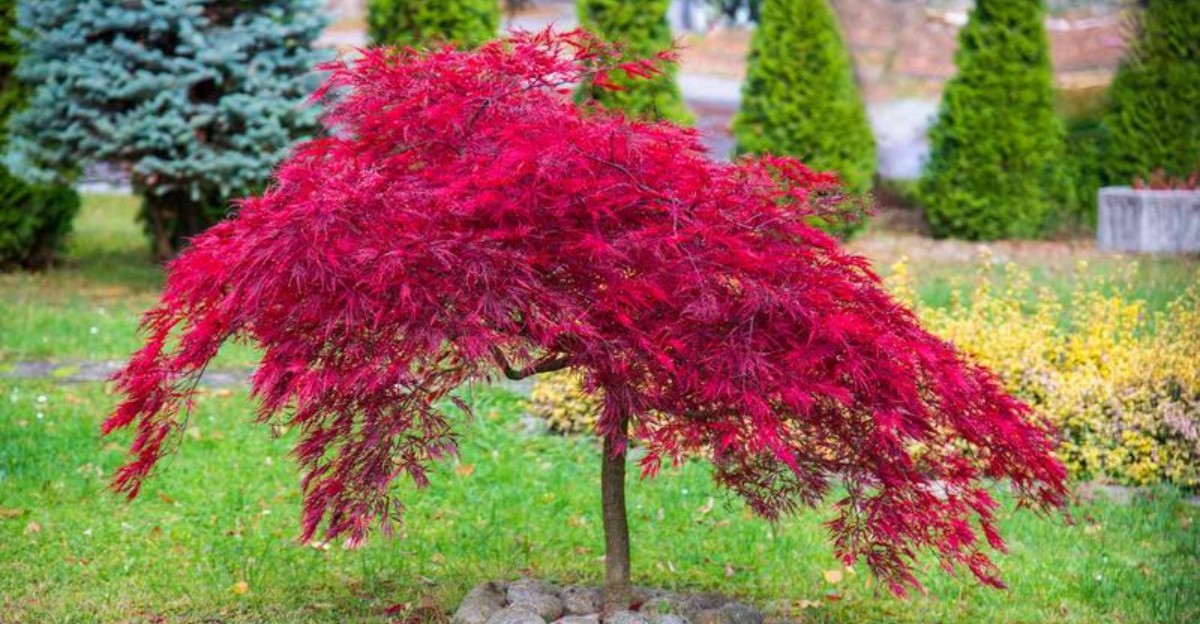
Patio trees often get picked for shade or flowers, while fall color ends up as an afterthought. Then October arrives, and the yard next door turns red while yours stays green.
In Georgia, fall planting gives a young tree time to root in before summer heat returns. A tree planted now can be settled and ready to color up next fall.
One tree in particular stays a manageable size for patios while putting on a strong show each fall.
Its leaves can turn shades that stand out from across the yard, even while the tree is young.
Choosing the right spot matters, since sun exposure can affect how bright that color becomes.
Picture the corner of your patio where you sit most, and think about what would look good there.
1. Mountain-Style Fall Color Can Grow Right Beside The Patio
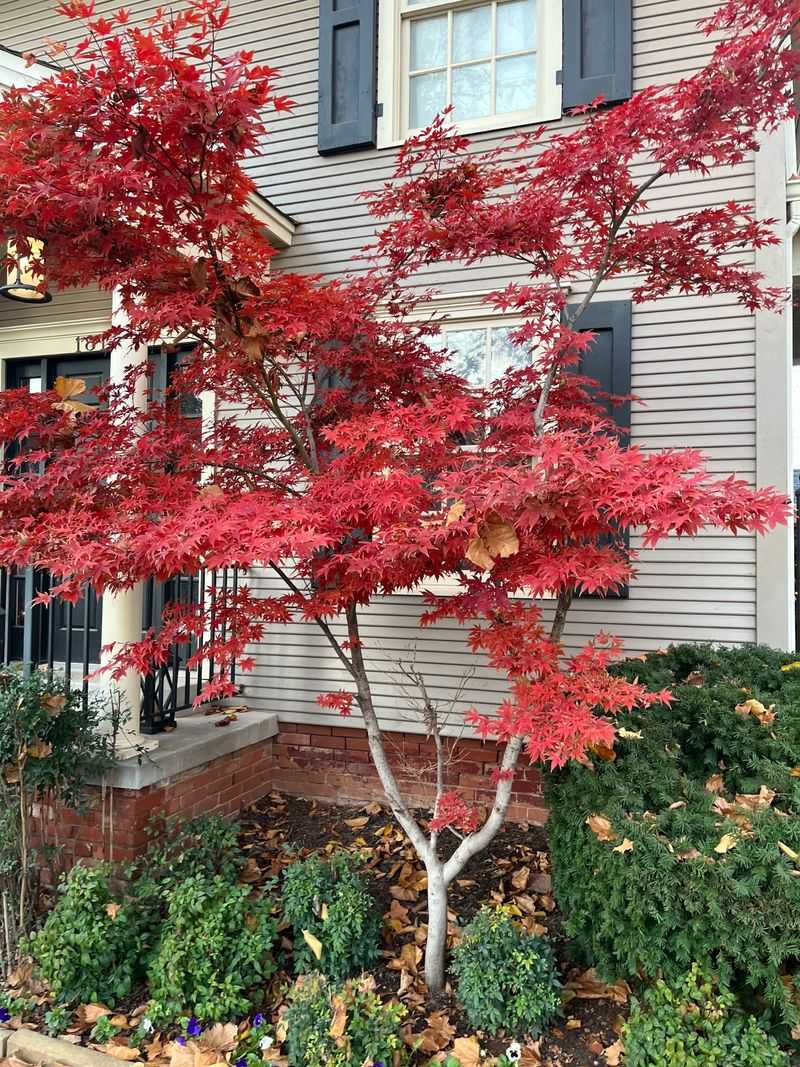
You do not need a weekend trip to the Blue Ridge to see leaves that glow in autumn. A Japanese maple, known as Acer palmatum, can bring that same feeling to a corner of your patio.
Most people across Georgia know the struggle of a backyard that looks a little plain once summer flowers fade.
Planting a Japanese maple near a seating area changes that picture in a big way. Its lacy leaves catch low October sunlight, and the color shows up right at eye level.
Unlike a giant oak, this tree stays close enough to enjoy without craning your neck.
Gardeners love it because it brings interest in more than one season. Spring leaves often open in soft reds or bright greens, and winter shows off the branching shape.
Bark on some types even turns coral or red during the colder months, which adds a nice surprise after the leaves drop.
Keep expectations realistic, though. Fall color can vary from year to year depending on weather, rain, and how much sun the tree receives.
A dry late summer or an early warm spell may dull the show a bit, while a cool, sunny fall often brings stronger shades.
Even in an average year, a healthy tree usually gives your patio a cozy, mountain-like glow worth waiting for.
2. Fall Shades Range From Gold To Fiery Red Depending On Variety
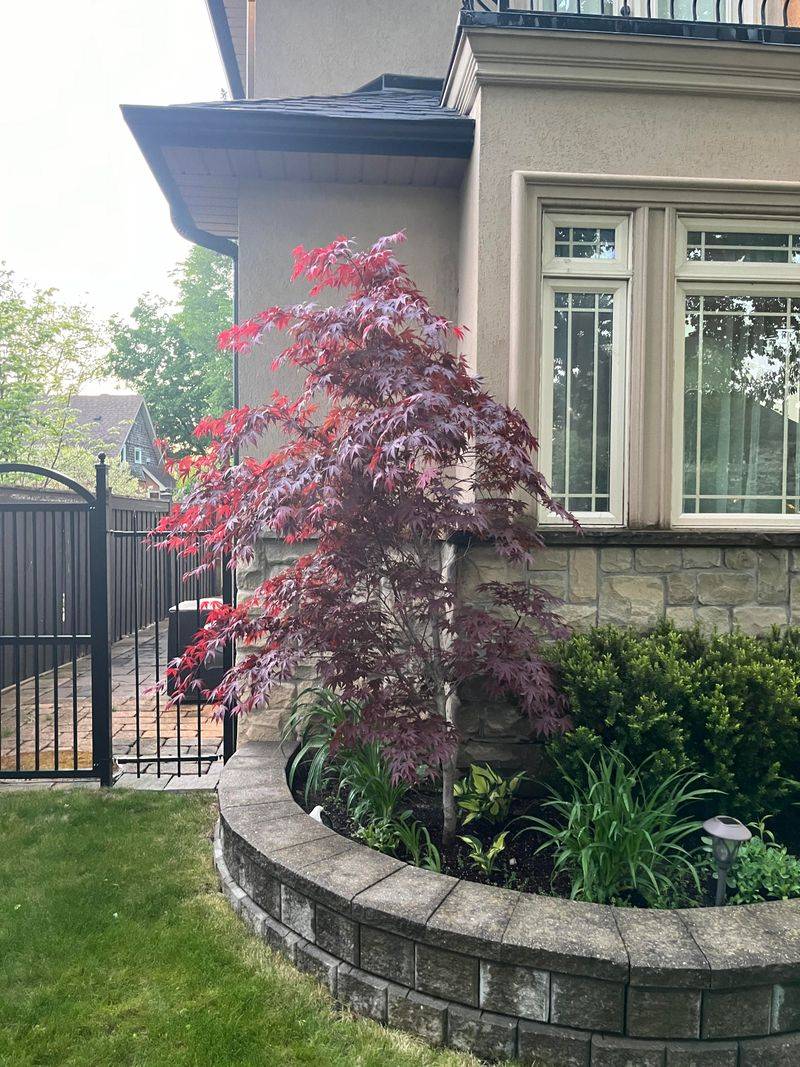
Red is only one option. Japanese maples come in hundreds of named varieties, and their autumn colors range widely.
Some turn butter yellow, others glow orange, and a few blaze a deep crimson that seems to light up a shady yard.
Picking a variety with your patio colors in mind can make the whole space feel planned.
Take Bloodgood, one of the most common choices at Georgia garden centers. Its leaves stay dark red through summer and usually shift to a brighter scarlet in fall.
Osakazuki has green summer leaves that often turn a brilliant red, and many growers rank it among the best for autumn display.
Gold lovers might look at Sango Kaku, the coral bark maple, which tends to turn yellow-gold before its red stems take over in winter.
Your Georgia Garden Changes Every Week. Your Plan Should Too.
Gardening in Georgia changes quickly throughout the season. Every Friday you’ll receive a simple weekly plan showing exactly what to plant, prune, fertilize, harvest, and protect so you never miss the right timing.
Shopping in October has a real advantage here. Trees in nursery pots are often showing some fall color, so you can see what you are buying instead of guessing from a tag.
Labels help, but plants grown in warmer climates may color differently than catalog photos suggest.
Ask the staff which varieties have performed well locally, since their experience in your area often beats any glossy picture.
3. Slow Growth Keeps Many Varieties In Scale With Outdoor Living Spaces
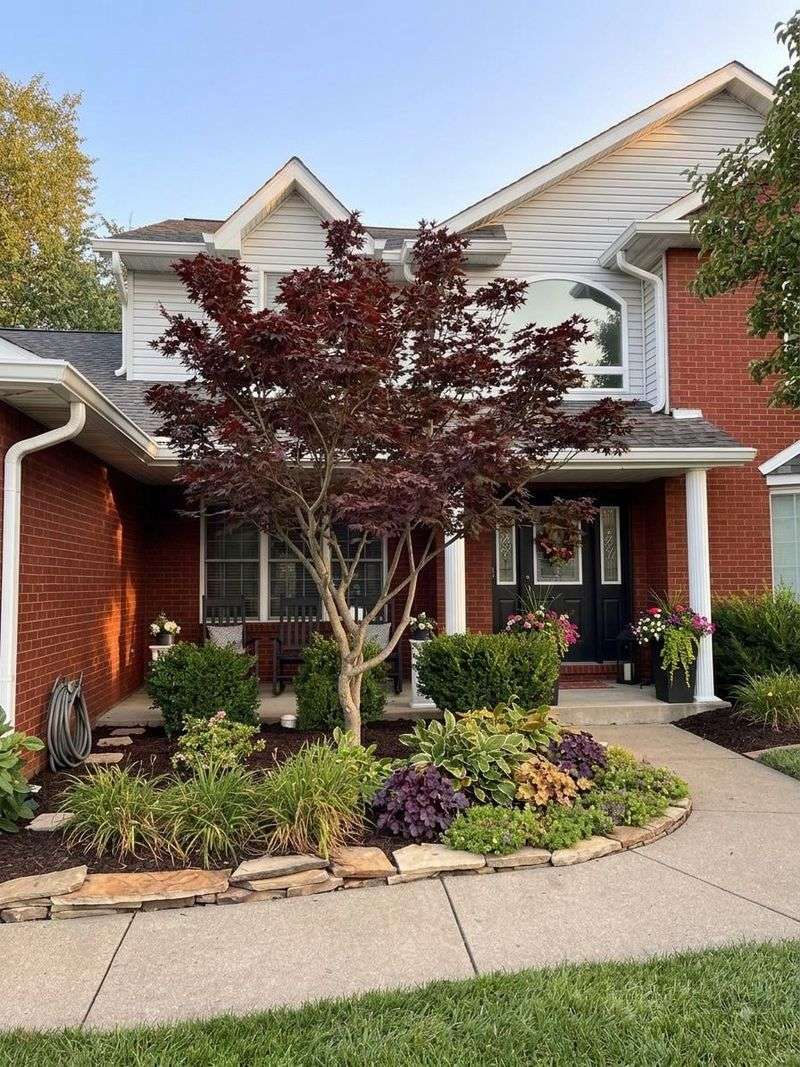
Patience pays off with this tree. Most Japanese maples grow slowly, often adding around a foot a year or less, depending on the variety and growing conditions.
That steady pace is a gift when you are planting close to chairs, tables, and walkways.
Fast-growing trees can crowd a patio within a few seasons. Roots may lift pavers, and branches can start scraping the house or gutters.
A slow grower gives you years of enjoyment before any serious pruning becomes necessary.
Size still varies a lot, so read the label for mature height and width. Some upright types can eventually reach 15 to 25 feet, while many dwarf kinds stay under 8 feet for a long time.
Measure your spot before you shop and leave room for the tree to spread out.
A good rule is to plant at least half the expected mature width away from walls or hard surfaces. That spacing helps air move around the leaves and keeps branches from rubbing.
Homeowners in Georgia with small yards or townhome patios often find this tree fits where a maple or oak would feel crowded.
Light shaping in late winter can keep it tidy, but heavy cutting is rarely needed.
4. Dwarf Laceleaf Types And Upright Forms Fit Different Spaces
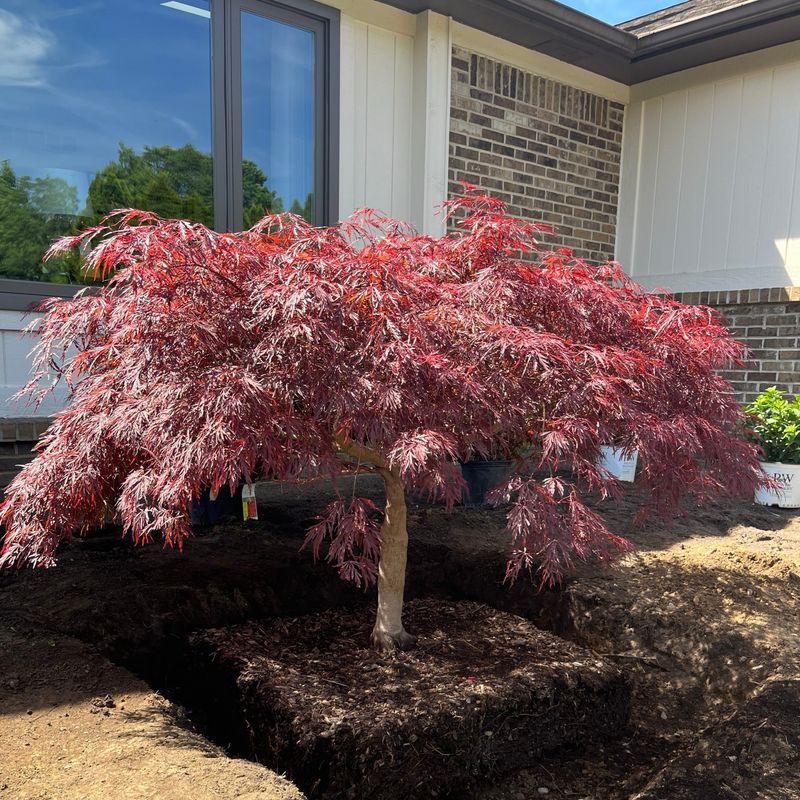
Shape matters just as much as color. Japanese maples generally fall into two main groups, the mounding laceleaf types and the taller upright forms.
Choosing between them depends on how you want the tree to sit beside your outdoor space.
Laceleaf maples, often sold as dissectum types, have finely cut leaves that look almost feathery.
Their branches tend to weep and spill downward, creating a soft mound. Varieties like Tamukeyama and Crimson Queen often stay under 10 feet tall and can spread wider than they grow.
Picture one beside a patio step, near a small water feature, or in a large container.
Upright forms give you a more classic tree shape with a trunk you can see. They can cast light shade over a bench or frame a view from a kitchen window.
Gardeners in Georgia who want a little overhead canopy often lean toward these taller kinds.
Containers are another option for renters or tight spaces. A dwarf type can live in a big pot for years, though it will need more regular watering in summer heat.
Whichever form you pick, set it where you can actually see it from your favorite chair.
5. Afternoon Shade Can Protect Leaves From Summer Scorch
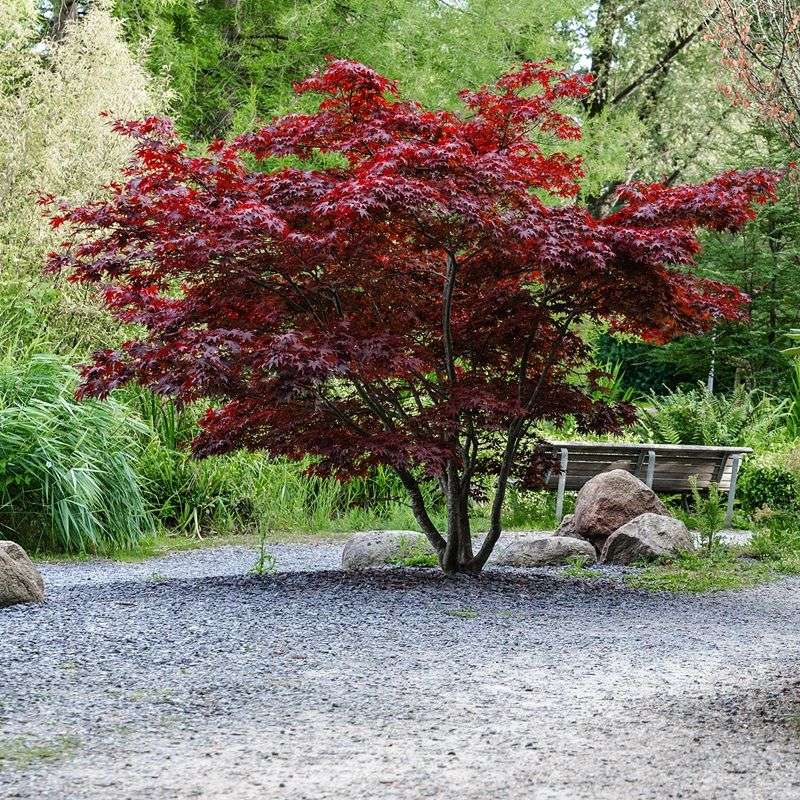
Southern sun can be tough on delicate leaves. In July and August, hot afternoon rays may cause leaf edges to brown and curl, a problem gardeners call leaf scorch.
Placement is your best defense, and it starts before the shovel hits the ground.
Morning sun with afternoon shade is the sweet spot for most Japanese maples in Georgia.
An east-facing side of the house often works well. So does a spot under the high canopy of pine trees, where light filters through rather than beating down.
Watch your yard for a day before planting and note where shadows fall around 3 p.m.
Variety plays a role too. Laceleaf types and many variegated kinds tend to scorch more easily, while some red upright forms handle extra sun a little better.
Even so, a sunnier site usually means more watering and more careful attention during dry spells.
Too much shade brings its own trade-off. Red-leaved trees may turn greenish, and fall color can be weaker without some direct light.
Aim for balance rather than deep shade. A layer of mulch about two to three inches deep also helps keep roots cooler during heat waves.
6. Well-Drained Soil Matters More Than Cold Protection Here
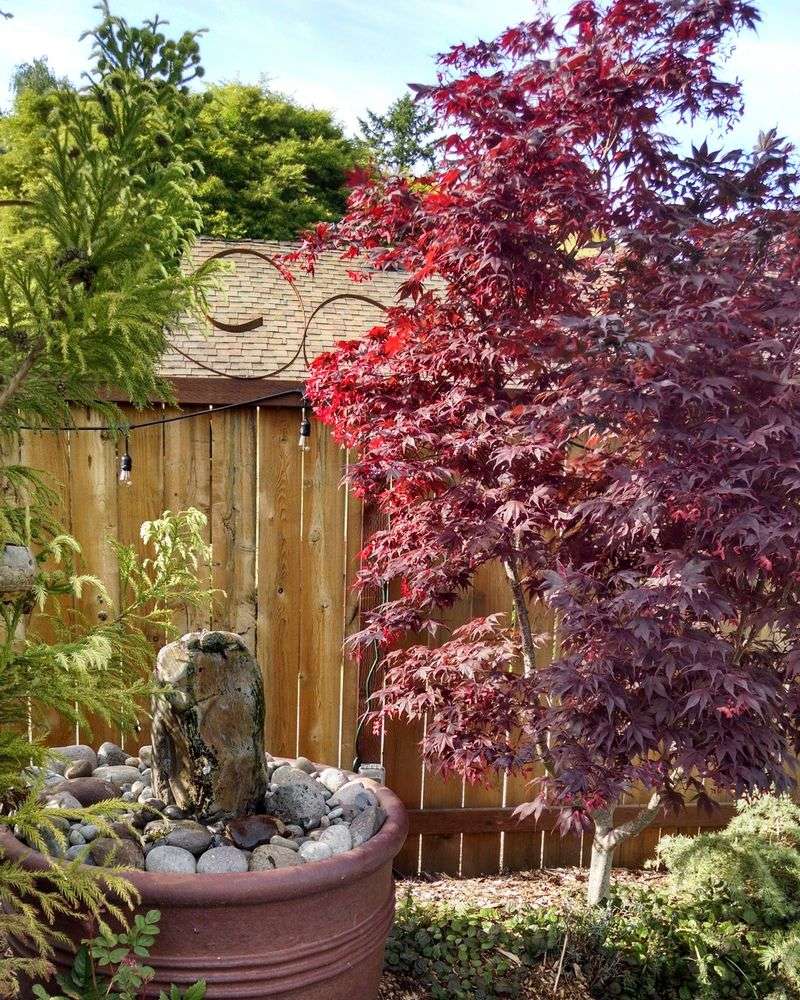
Winter cold is rarely the problem. Japanese maples are generally hardy across Georgia, so roots sitting in soggy ground pose a much bigger risk than a frosty night.
Red clay, common in many parts of the state, can hold water for days after a heavy rain.
When roots stay wet too long, they may rot and the whole tree can decline.
Test your site first. Dig a hole about a foot deep, fill it with water, and see how fast it drains.
If water still stands after several hours, consider another spot or plant on a gentle mound.
Setting the root ball slightly higher than the surrounding ground, by an inch or two, can help extra water drain away. Wide planting holes work better than deep ones, so dig about twice as wide as the root ball.
Mixing in a modest amount of compost can loosen the native soil around the hole.
Avoid filling the hole with pure potting mix, though. That can create a bowl effect where water collects inside the softer soil and drains poorly into the clay.
Late spring frosts can occasionally nip new leaves, but healthy trees usually push out fresh growth afterward.
7. Roots Settle Through The Cool Months After An October Planting
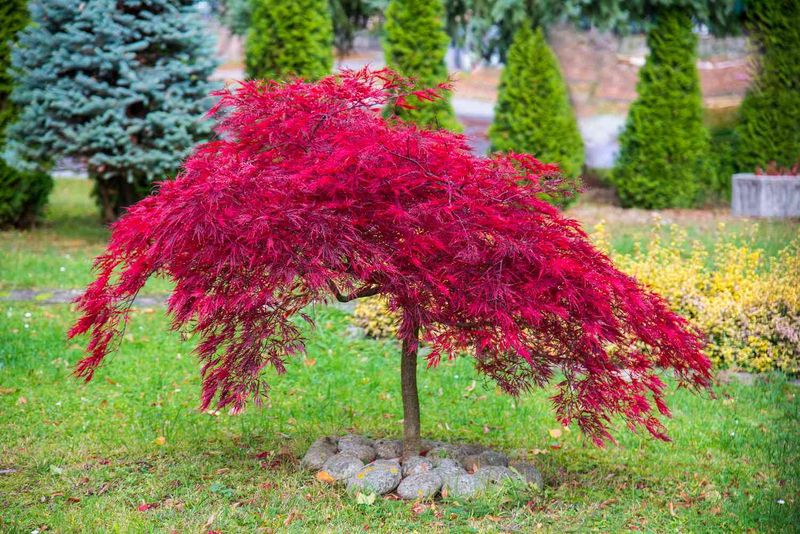
Timing can make a big difference. Planting in October lets a young tree skip the stress of summer heat and spend months building roots instead.
Soil in Georgia often stays warm enough through fall and parts of winter for roots to keep growing slowly.
Above ground, the tree drops its leaves and rests, so it needs less water to support its branches.
Watering still matters, especially in a dry autumn. Give the root ball a deep soak once or twice a week for the first several weeks, then adjust based on rainfall.
Poke a finger a few inches into the soil to check moisture before grabbing the hose.
Skip fertilizer at planting time. Feeding a tree in fall can push tender growth that cold weather may damage, so wait until spring if your soil truly needs it.
Pull mulch a few inches back from the trunk to keep bark dry and healthy.
Next spring, expect fresh leaves to open as temperatures rise. With steady care through its first summer, your maple has a solid chance of giving you real fall color by next October.
Results vary with weather and soil, but an early start gives it every advantage.