14 Plants Floridians Are Using To Help Keep Rats Away From Their Homes Naturally
Rats can become unwelcome guests in Florida homes, searching for food and shelter in our warm climate.
Many homeowners are turning to natural solutions that work with nature instead of against it.
Certain plants have properties that rodents find unpleasant, making them excellent additions to your garden and yard.
Here are fourteen plants that Florida residents are successfully using to keep these pests at bay naturally.
1. Peppermint
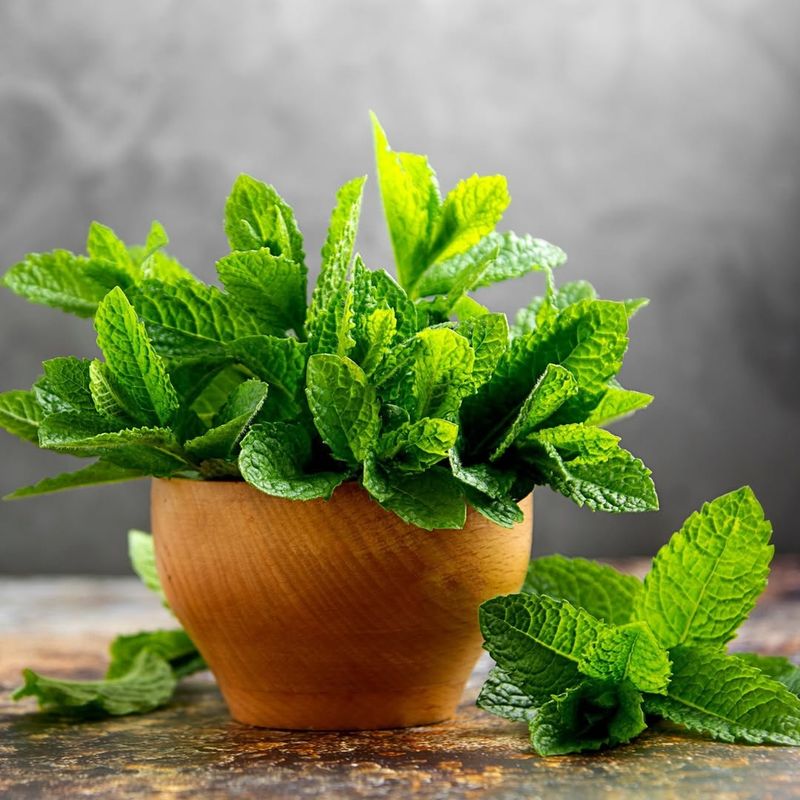
The strong menthol scent of peppermint creates an invisible barrier that rats absolutely cannot stand.
This aromatic herb thrives beautifully in Florida’s climate, especially when planted in areas with partial shade and consistent moisture.
You can place peppermint plants near entry points like doorways, garage openings, and foundation cracks where rodents might try to sneak inside.
The plant spreads quickly, so consider growing it in containers to keep it under control while maximizing its protective benefits.
Fresh peppermint leaves can also be crushed and placed in small sachets around your home for added protection.
Many Florida gardeners plant peppermint along their home’s perimeter, creating a natural defensive line.
The bonus is that you’ll have fresh mint for tea, cooking, and refreshing summer drinks.
Peppermint requires regular watering in Florida’s heat but rewards you with vigorous growth and powerful rat-deterring properties.
This versatile plant also attracts beneficial pollinators while keeping unwanted visitors away.
Growing peppermint is one of the easiest and most effective natural methods Florida homeowners use for rodent control.
2. Lavender
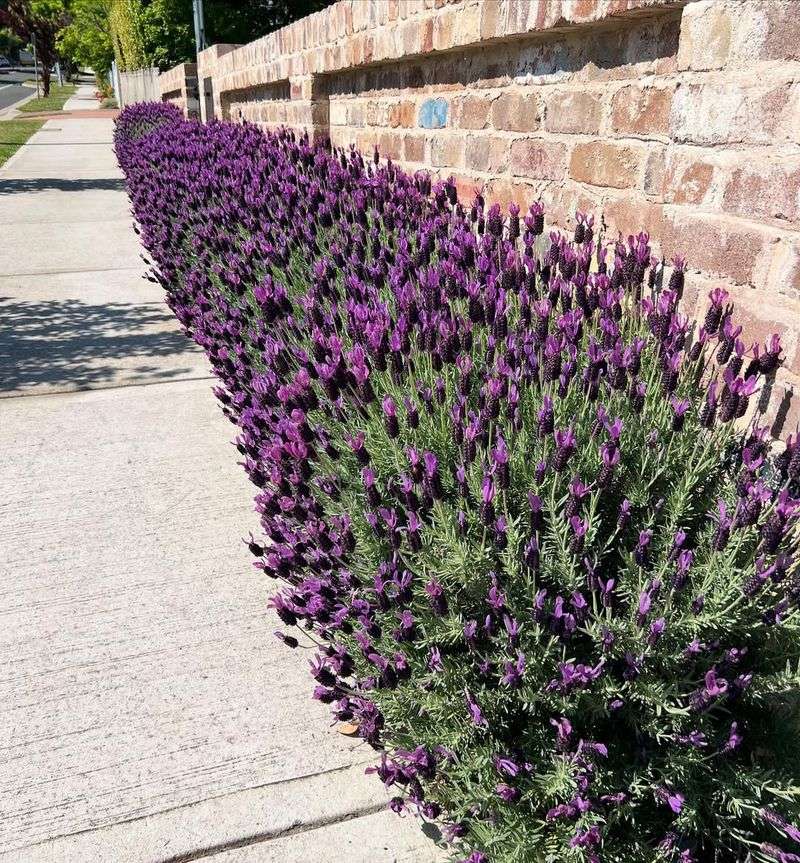
Lavender’s sweet fragrance delights humans but sends rats running in the opposite direction.
This Mediterranean beauty adapts surprisingly well to Florida’s warmer zones, particularly when planted in well-draining soil with plenty of sunshine.
The essential oils within lavender’s flowers and foliage create a scent profile that overwhelms rodents’ sensitive noses.
Florida gardeners often plant lavender near patios, walkways, and outdoor living spaces where they want to enjoy time without worrying about pests.
Spanish lavender and French lavender varieties tend to perform better in Florida’s humidity compared to English lavender.
Position these plants near windows, vents, and other potential entry points for maximum effectiveness.
The silvery-green foliage and purple blooms add stunning visual appeal to your landscape while serving a practical purpose.
Lavender also attracts butterflies and bees, supporting your local ecosystem.
You can harvest the flowers to make dried sachets for indoor use, extending the protective benefits throughout your home.
Regular pruning keeps lavender plants healthy and encourages more aromatic growth that continues deterring unwanted rodents year-round.
3. Rosemary
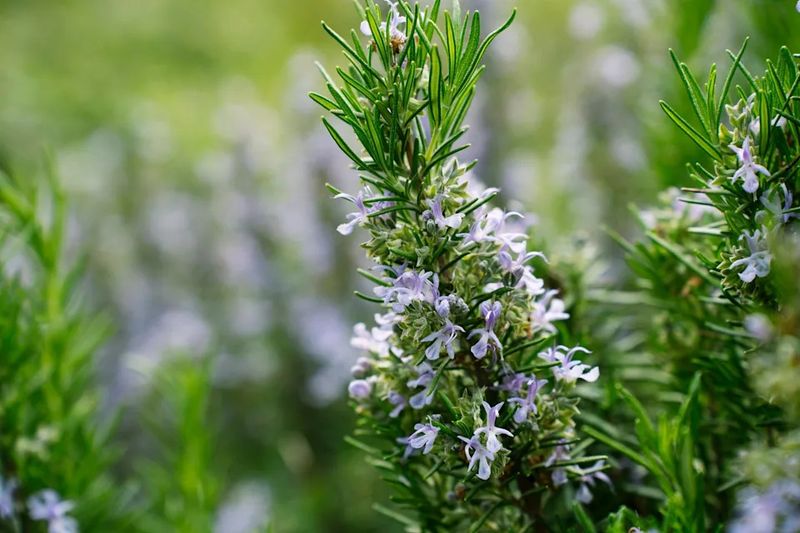
With its pine-like aroma and woody stems, rosemary stands as a powerful natural deterrent against rats.
This Mediterranean herb flourishes in Florida’s climate, tolerating heat and drought once established.
The pungent oils in rosemary’s needle-like leaves irritate rodents’ respiratory systems, encouraging them to seek shelter elsewhere.
Many Florida homeowners plant rosemary as a low hedge along property lines or around vegetable gardens that might otherwise attract rats.
The plant grows into a substantial shrub that can reach several feet in height, creating both a physical and aromatic barrier.
Rosemary requires minimal maintenance once established, making it perfect for busy homeowners seeking natural pest solutions.
You’ll appreciate having fresh rosemary available for cooking while simultaneously protecting your property.
The plant produces delicate blue or purple flowers that add beauty to your landscape.
Position rosemary near compost bins, trash areas, or outdoor storage spaces where rats might be tempted to investigate.
Its evergreen nature means year-round protection without seasonal gaps in your natural defense system against unwanted rodents.
4. Marigolds
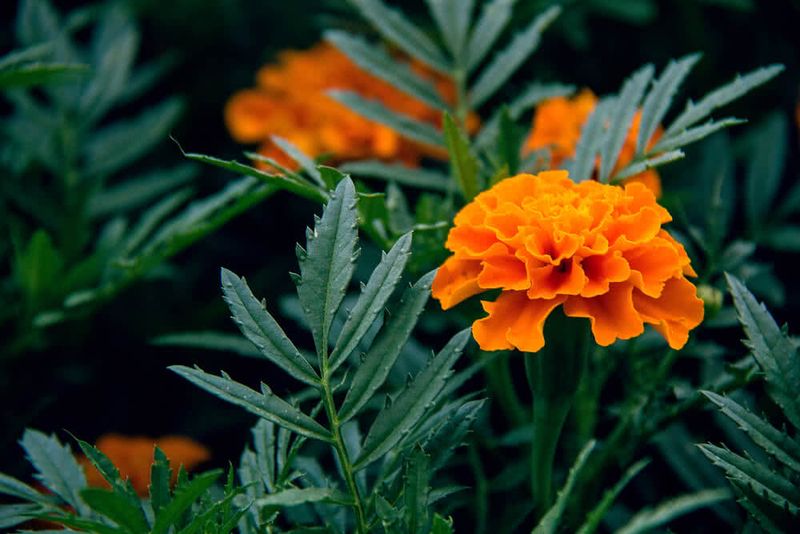
Bright and cheerful marigolds pack a secret weapon that rats find absolutely repulsive.
The distinctive scent comes from compounds in the plant’s roots and foliage that rodents instinctively avoid.
Florida gardeners have long used marigolds as companion plants, and their rat-repelling properties make them doubly valuable.
These hardy annuals thrive in Florida’s full sun and actually prefer the heat that might wilt other flowers.
Plant marigolds densely around vegetable gardens, flower beds, and near home foundations for optimal protection.
The flowers come in shades of yellow, orange, and red, creating stunning visual displays throughout the growing season.
French marigolds and African marigolds both work effectively, though French varieties stay more compact for smaller spaces.
Regular deadheading encourages continuous blooming and maintains the plants’ protective properties.
Marigolds also deter other pests like aphids and mosquitoes, making them multi-purpose garden heroes.
Many Florida residents plant fresh marigolds each season as an affordable and beautiful way to maintain natural rodent control around their properties year after year.
5. Daffodils
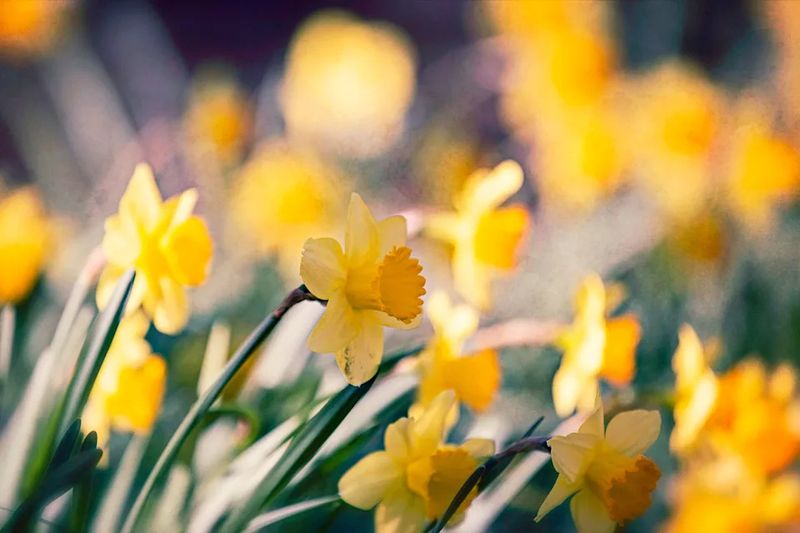
Daffodils contain alkaloids throughout their bulbs, stems, and flowers that make them toxic and repellent to rodents.
While daffodils typically prefer cooler climates, certain varieties can succeed in North and Central Florida with proper care.
Rats instinctively avoid areas where daffodils grow because their keen sense of smell detects the unpleasant compounds.
Planting daffodil bulbs in fall gives them time to establish roots before Florida’s mild winter.
These cheerful spring bloomers add bright yellow and white colors to your landscape while providing natural pest protection.
Position daffodils near outdoor storage areas, sheds, and garage entrances where rats might attempt to establish nests.
The bulbs remain in the ground year after year, providing ongoing protection without replanting.
Paper White daffodils tend to perform better in Florida’s warmer zones compared to traditional varieties.
Create clusters of daffodils rather than single plantings for stronger visual impact and more effective deterrent properties.
Florida gardeners appreciate that daffodils require minimal maintenance once established, making them a practical choice for natural rodent management around homes and properties.
6. Garlic
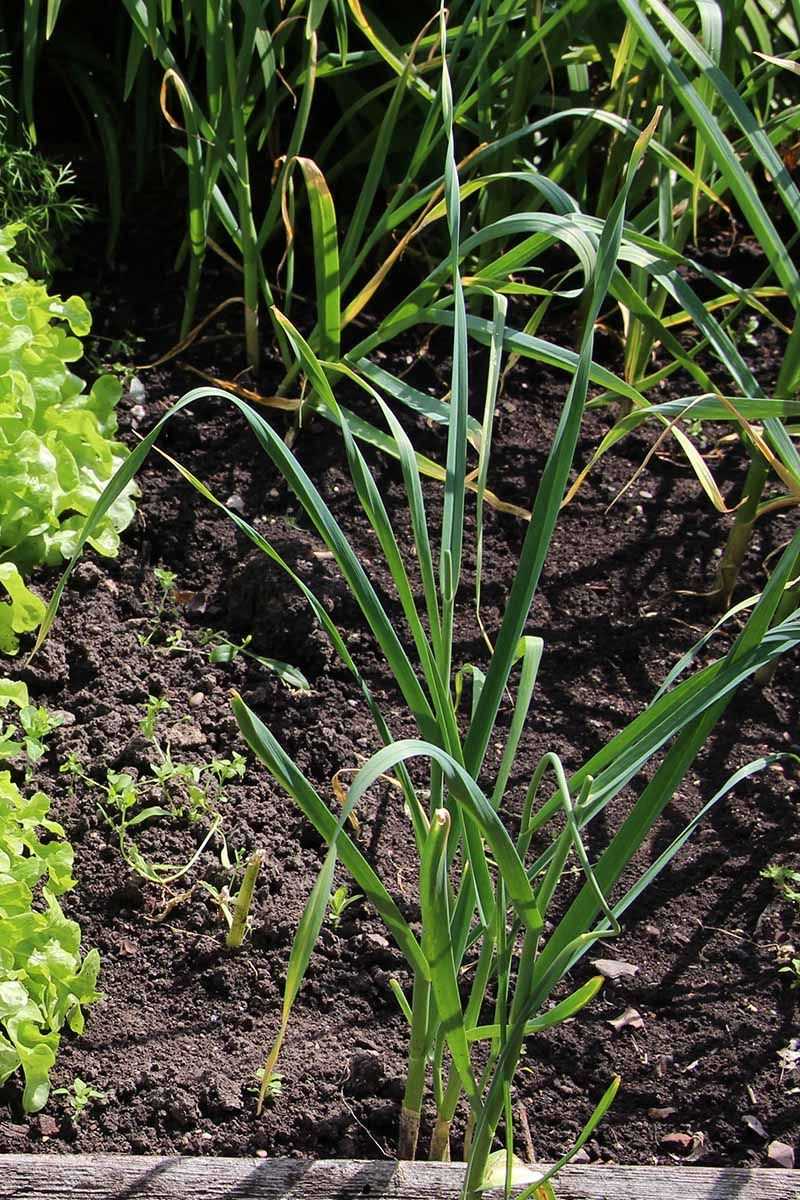
Few scents repel rats as effectively as the sharp, penetrating aroma of garlic.
Florida gardeners plant garlic cloves in fall for a spring harvest, enjoying both culinary benefits and pest protection.
The sulfur compounds that give garlic its characteristic smell irritate rodents’ sensitive nasal passages.
Softneck garlic varieties typically perform better in Florida’s climate than hardneck types.
Plant garlic cloves around your vegetable garden’s perimeter to protect precious crops from rodent damage.
As garlic grows, it releases compounds into the soil that continue deterring rats even after harvest.
You can also plant garlic near chicken coops, pet food storage areas, and compost piles where rats might be attracted.
The tall green shoots add vertical interest to garden beds while serving their protective purpose.
After harvesting bulbs in late spring, you can replant cloves to maintain continuous protection.
Some Florida homeowners create garlic spray from crushed cloves to apply around foundation areas for extra deterrent power.
This dual-purpose plant provides delicious ingredients for cooking while naturally keeping unwanted rodents away from your home and garden spaces.
7. Chrysanthemums
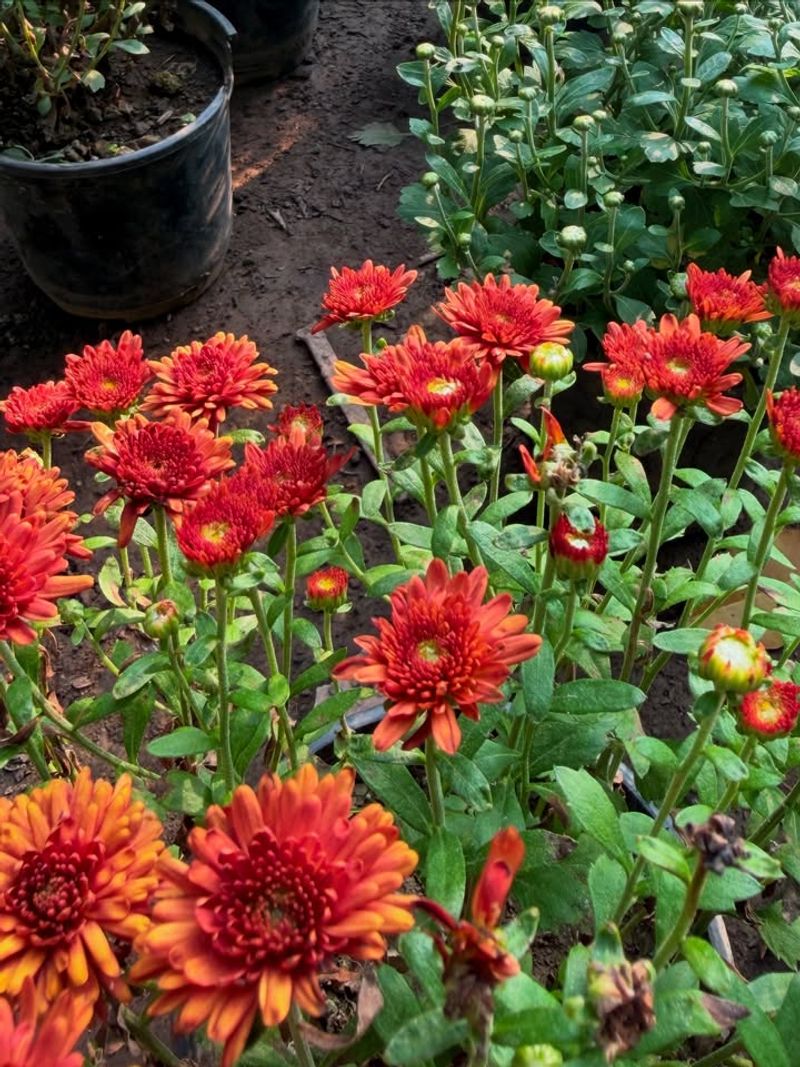
Chrysanthemums contain pyrethrin, a natural compound that repels numerous pests including rats.
These fall-blooming beauties thrive in Florida’s cooler months, providing color when many other plants fade.
The scent and natural chemicals in chrysanthemum foliage create an environment that rodents prefer to avoid.
Florida gardeners often plant mums in containers near doorways and windows for movable protection.
Garden mums come in virtually every color imaginable, from deep burgundy to bright yellow and pure white.
Position these plants strategically around outdoor living areas where you want to discourage rat activity.
The flowers attract beneficial insects while simultaneously deterring unwanted mammals.
Regular watering and deadheading keep chrysanthemums blooming longer and maintaining their protective properties.
Many varieties can be treated as perennials in Florida’s warmer zones with proper care.
Plant chrysanthemums in groups for maximum visual impact and stronger rat-repelling effects.
The combination of beautiful autumn blooms and natural pest control makes chrysanthemums a favorite choice among Florida homeowners seeking attractive and functional landscaping solutions.
8. Mint Varieties
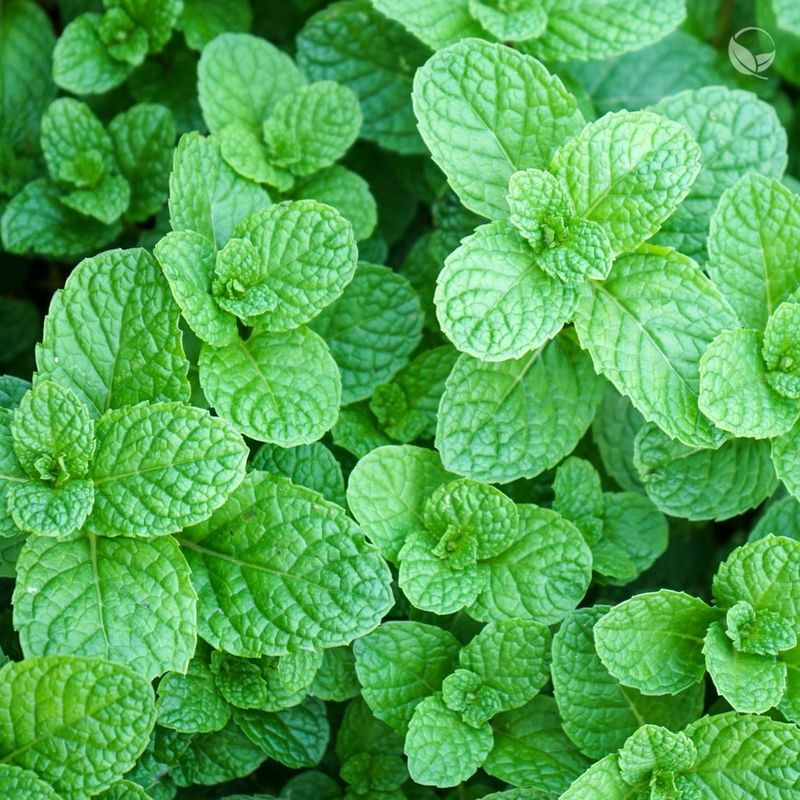
Beyond peppermint, other mint family members like spearmint, chocolate mint, and apple mint all deter rats effectively.
Each variety produces aromatic oils that overwhelm rodents’ sensitive olfactory systems.
Florida’s warm, humid climate allows mint to grow vigorously, sometimes too vigorously without proper containment.
Plant different mint varieties in separate containers to prevent cross-pollination and maintain distinct flavors.
Position mint pots near outdoor seating areas, barbecue zones, and trash storage locations.
The plants spread through underground runners, so container growing helps control their enthusiastic growth habit.
Fresh mint leaves can be harvested regularly for beverages, desserts, and savory dishes.
Crushing a few leaves releases extra oils that boost the rat-repelling properties around your immediate area.
Mint requires consistent moisture but good drainage to prevent root rot in Florida’s rainy season.
You can create mint borders along pathways or around garden beds for both aesthetic appeal and pest protection.
These versatile herbs provide year-round greenery in Florida while continuously working to keep rats away from your home naturally and effectively.
9. Catnip
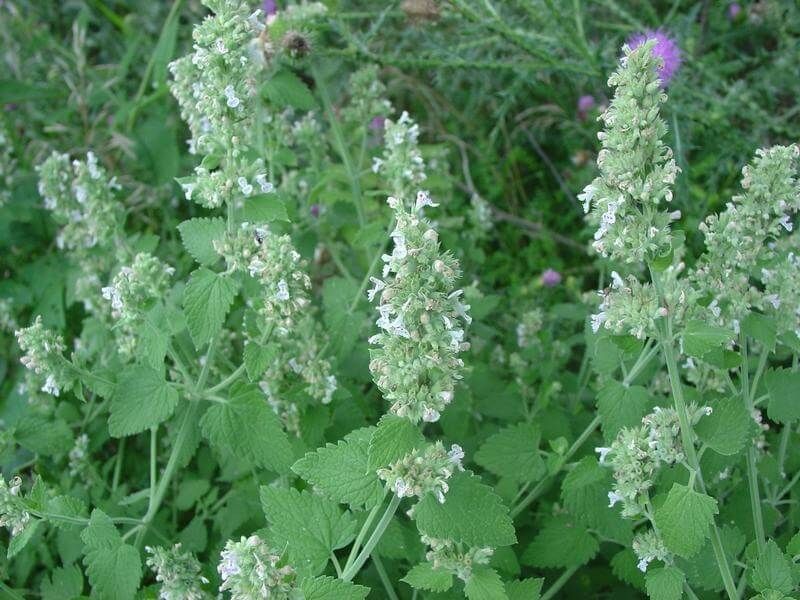
While cats go crazy for catnip, rats find this member of the mint family absolutely repulsive.
The compound nepetalactone that attracts felines actually repels rodents and many insects.
Catnip grows exceptionally well in Florida, tolerating heat and requiring minimal care once established.
Plant catnip near garage doors, storage sheds, and along fence lines where rats might travel.
The gray-green foliage adds interesting texture to garden beds while serving its protective purpose.
If you have outdoor cats, they’ll enjoy rolling in the plants while the scent simultaneously deters rats.
Catnip produces small white or lavender flowers that attract pollinators to your garden.
The plant self-seeds readily in Florida, potentially creating new protective patches without additional effort.
Harvest catnip leaves to dry for homemade cat toys or natural rat-repelling sachets for indoor use.
This fast-growing herb can reach two to three feet tall, creating substantial coverage in problem areas.
Florida homeowners appreciate catnip’s dual nature: entertaining for pets while naturally discouraging rodent activity around homes and outdoor spaces throughout the year.
10. Sage
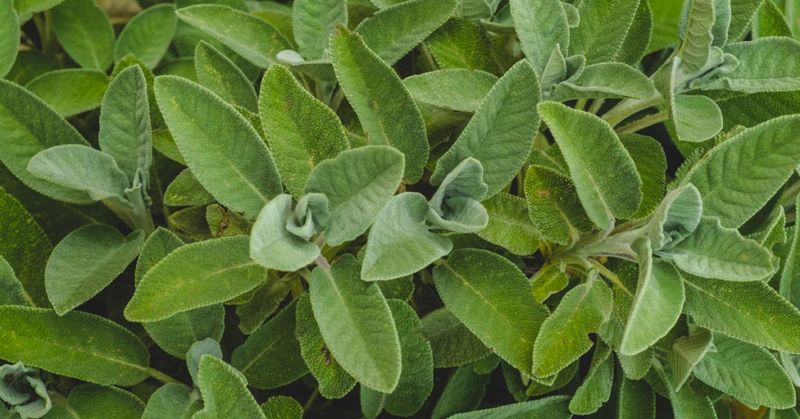
Sage’s powerful aromatic oils make it an excellent natural deterrent against rats seeking entry to your property.
This drought-tolerant herb thrives in Florida’s heat once established, requiring minimal watering.
The fuzzy, textured leaves contain compounds that rats find unpleasant and avoid instinctively.
Common garden sage and pineapple sage both grow successfully in Florida’s climate with proper placement.
Plant sage near kitchen windows, outdoor dining areas, and garden edges for practical and protective benefits.
The plant produces attractive flower spikes in shades of purple, blue, or red depending on the variety.
Regular harvesting encourages bushier growth and maintains the plant’s strong aromatic properties.
Sage works particularly well when planted alongside other Mediterranean herbs in a dedicated herb garden.
You’ll have fresh sage available for cooking while creating an aromatic barrier against unwanted rodents.
The silvery-green foliage provides lovely color contrast in garden beds and containers.
Florida gardeners value sage for its low-maintenance nature and reliable performance as both a culinary herb and natural pest deterrent throughout the growing season.
11. Oregano
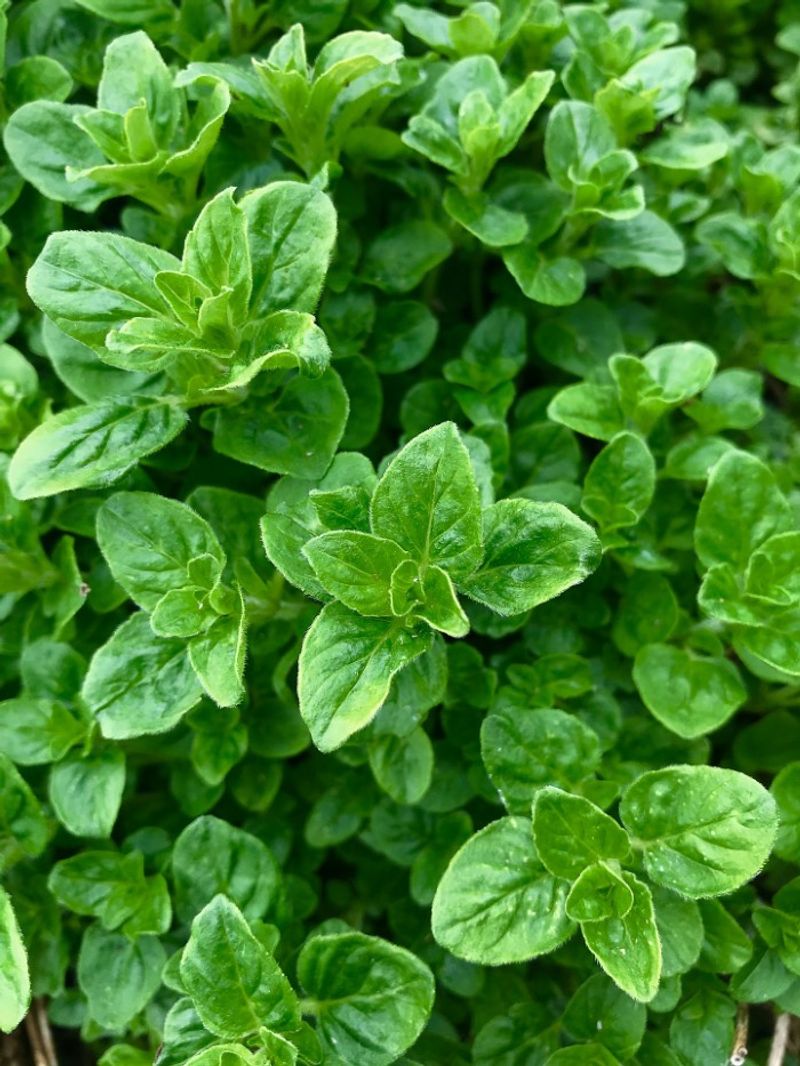
Oregano’s intense aroma serves double duty as a kitchen staple and rat repellent.
This hardy herb spreads vigorously in Florida, creating aromatic ground cover that rodents avoid crossing.
The essential oils in oregano’s tiny leaves produce a scent concentration that overwhelms rats’ sensitive noses.
Greek oregano and Italian oregano both adapt well to Florida’s growing conditions with full sun exposure.
Plant oregano between stepping stones, along pathway edges, or as border plants around vegetable gardens.
The low-growing habit makes oregano perfect for areas where taller plants might obstruct views or pathways.
Small pink or white flowers appear in summer, adding delicate beauty to the useful herb.
Oregano tolerates Florida’s heat and occasional drought better than many other herbs.
Harvest leaves regularly to use fresh or dried while promoting new growth with strong protective properties.
The plant spreads through underground stems, naturally expanding your protective barrier over time.
Many Florida homeowners appreciate oregano’s ability to thrive in challenging conditions while continuously deterring rats from areas around homes, gardens, and outdoor spaces naturally.
12. Thyme
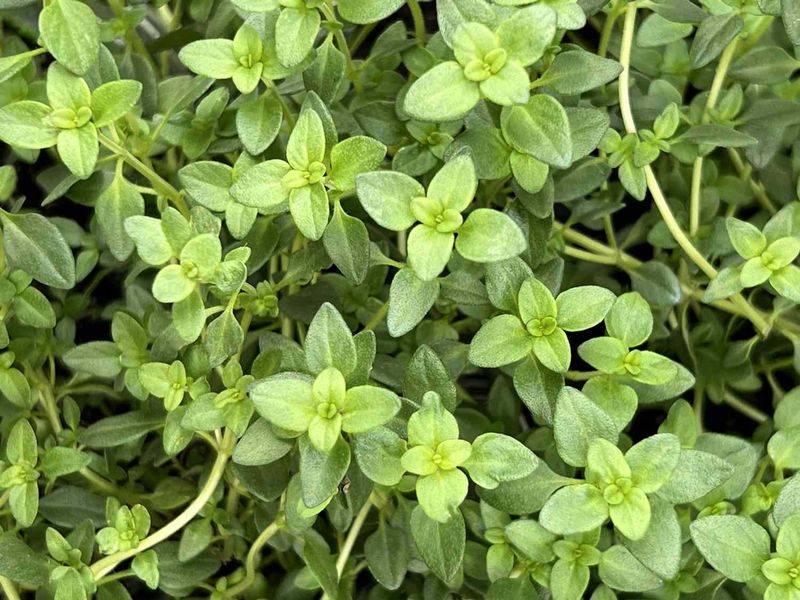
Tiny but mighty, thyme packs powerful aromatic oils that keep rats at bay.
This low-growing herb creates fragrant carpets in Florida gardens while serving as natural rodent repellent.
Common thyme, lemon thyme, and creeping thyme all perform well in Florida’s climate with proper drainage.
The plants release their strongest scent when brushed against or stepped on, making them ideal for pathway borders.
Position thyme near foundation plantings, around air conditioning units, and along building perimeters where rats might approach.
The herb’s drought tolerance once established makes it perfect for Florida’s dry spells.
Small flowers in shades of pink, purple, or white attract beneficial pollinators while the foliage deters pests.
Thyme requires excellent drainage and can struggle in Florida’s heavy clay soils without amendments.
Plant in raised beds or containers for best results in areas with drainage challenges.
Regular harvesting for culinary use encourages dense growth that provides better protection.
Florida gardeners love how thyme’s evergreen nature provides year-round coverage and continuous rat-deterring properties without seasonal gaps in protection around their properties.
13. Bay Laurel
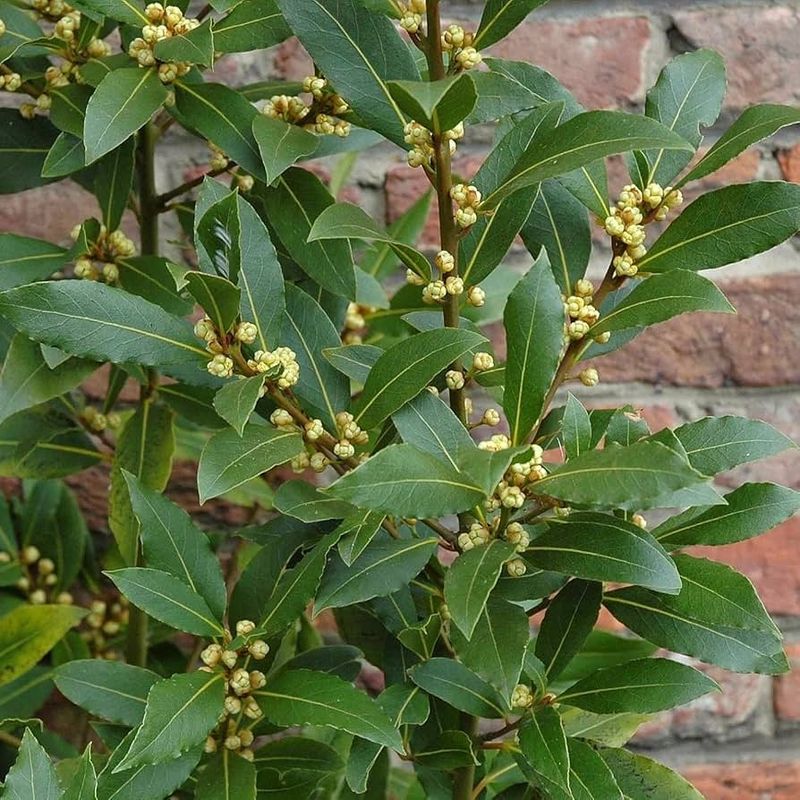
Bay laurel’s aromatic leaves have been used for centuries in cooking and pest control.
This versatile plant grows as either a shrub or small tree in Florida, adapting to various landscape needs.
The strong scent from bay leaves’ essential oils naturally repels rats and other unwanted visitors.
Florida’s climate allows bay laurel to thrive year-round, providing constant protection.
Plant bay laurel near entryways, along property lines, or as a foundation planting for maximum deterrent effect.
The glossy dark green leaves maintain their appearance through all seasons, adding elegant structure to landscapes.
You can prune bay laurel into formal shapes or allow natural growth depending on your landscape design.
Fresh bay leaves harvested from your plant enhance countless recipes while dried leaves can be placed in pantries to deter pests.
The plant prefers well-drained soil and partial shade in Florida’s hottest zones.
Container growing works well for bay laurel, allowing you to move plants strategically around problem areas.
Florida homeowners value bay laurel’s combination of culinary usefulness, ornamental appeal, and reliable rat-repelling properties in one attractive package.
14. Alliums
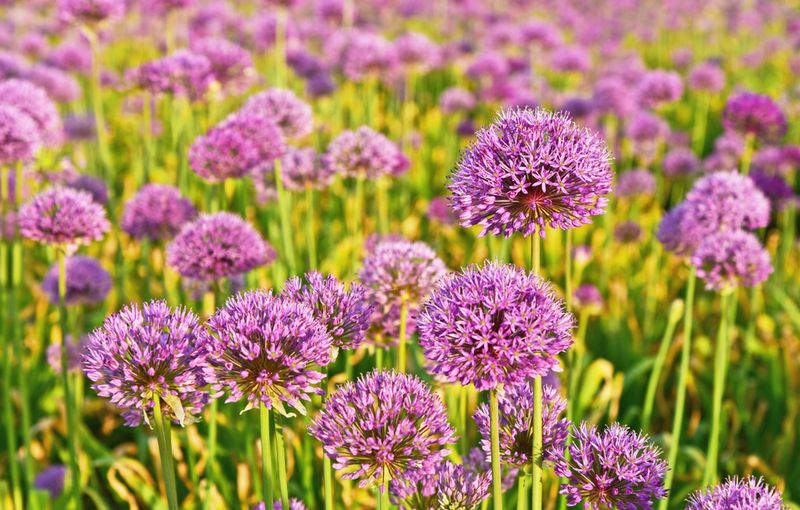
Ornamental alliums bring dramatic beauty to Florida gardens while naturally discouraging rats with their onion-family scent.
These striking plants produce globe-shaped flower clusters atop tall stems that create stunning vertical accents.
The sulfur compounds present in all allium species irritate rodents’ sensitive respiratory systems.
Plant allium bulbs in fall for spring blooms that coincide with increased rodent activity around homes.
Varieties like Allium giganteum create impressive purple spheres that can reach softball size or larger.
Shorter varieties work well in front borders while taller types make excellent mid-border specimens.
The flowers attract butterflies and beneficial insects while the scent keeps rats away from garden areas.
After blooming, the seed heads remain attractive and continue providing some deterrent properties.
Alliums prefer well-drained soil and full sun, adapting well to Florida’s spring growing conditions.
Plant bulbs in clusters for greater visual impact and more effective rodent-repelling coverage.
Florida gardeners appreciate how ornamental alliums combine spectacular spring displays with practical pest-control benefits, making them both beautiful and functional additions to landscapes seeking natural rodent management solutions.