7 Plants Orlando Florida Gardening Experts Recommend Pruning This Winter
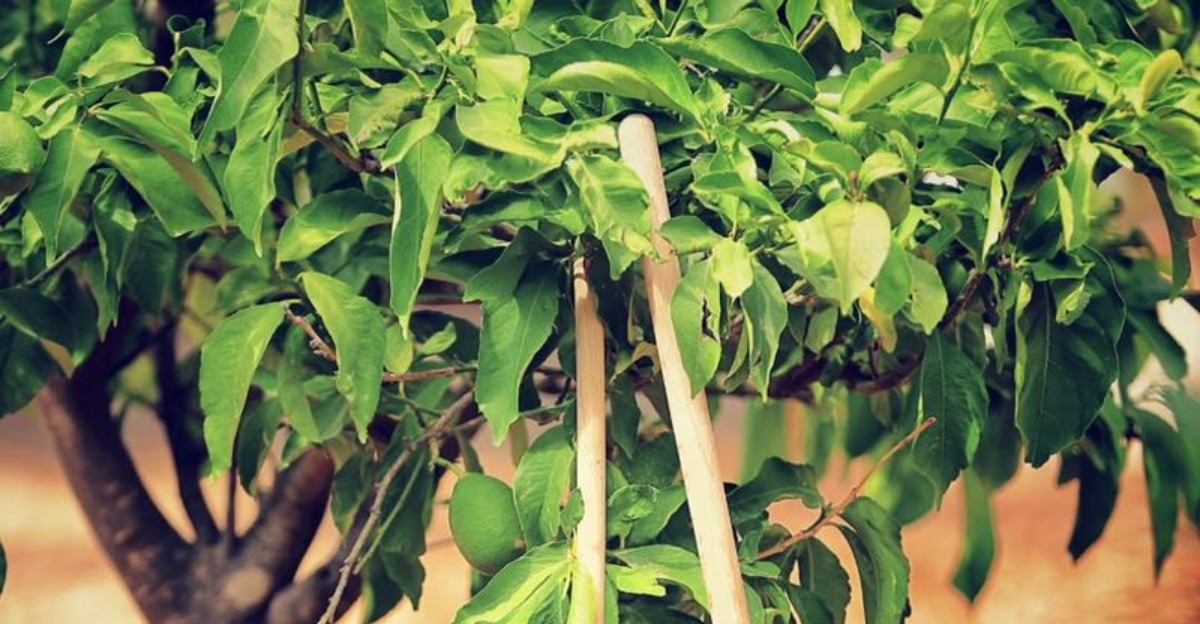
In Orlando, winter pruning isn’t about survival—it’s about strategy.
Gardening experts say this is the ideal time to prune certain plants, setting them up for stronger growth and better blooms when warmer weather returns.
Without intense heat or rapid growth, plants respond well to careful winter cuts.
Pruning now reduces stress, improves airflow, and helps shape plants before spring growth explodes.
Many homeowners hesitate, worried about damaging plants.
But for the right species, skipping winter pruning can lead to weak growth, fewer flowers, or tangled shapes later on.
Knowing which plants benefit from winter attention helps Orlando gardeners stay one step ahead.
A few thoughtful cuts now can save hours of work—and disappointment—later.
1. Crape Myrtle Trees
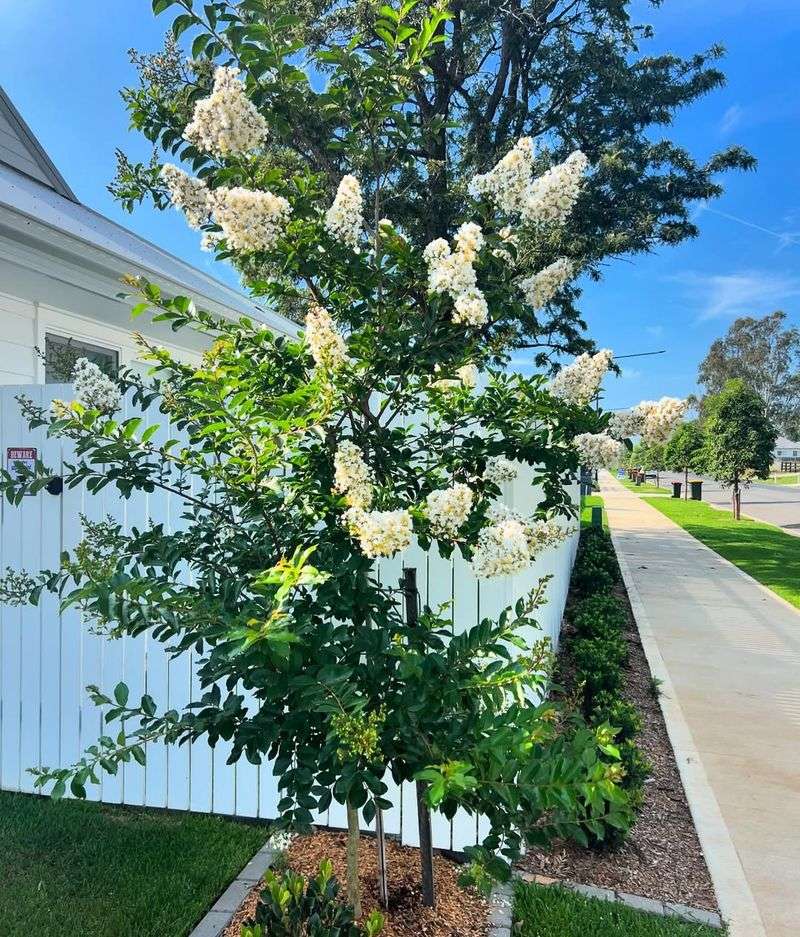
Crape myrtles stand as one of the most beloved flowering trees throughout Central Florida landscapes.
Winter provides the ideal window for shaping these stunning specimens because they enter dormancy and lose their leaves.
Professional gardeners recommend removing suckers at the base, crossing branches, and any growth pointing inward toward the tree’s center.
This strategic trimming encourages better air circulation and reduces the risk of fungal issues during humid summer months.
Avoid the common mistake called “crape murder,” which involves topping the tree with severe cuts that create ugly knobs.
Instead, focus on selective thinning that maintains the tree’s natural graceful shape and elegant branching pattern.
Proper winter pruning results in explosive blooms covering the canopy from late spring through fall.
The timing also allows you to see the tree’s structure clearly without foliage blocking your view.
Orlando’s mild winters mean you can prune anytime from late December through February without worrying about freeze damage.
Always use sharp, clean tools to make smooth cuts that heal quickly and prevent disease entry points.
2. Rose Bushes
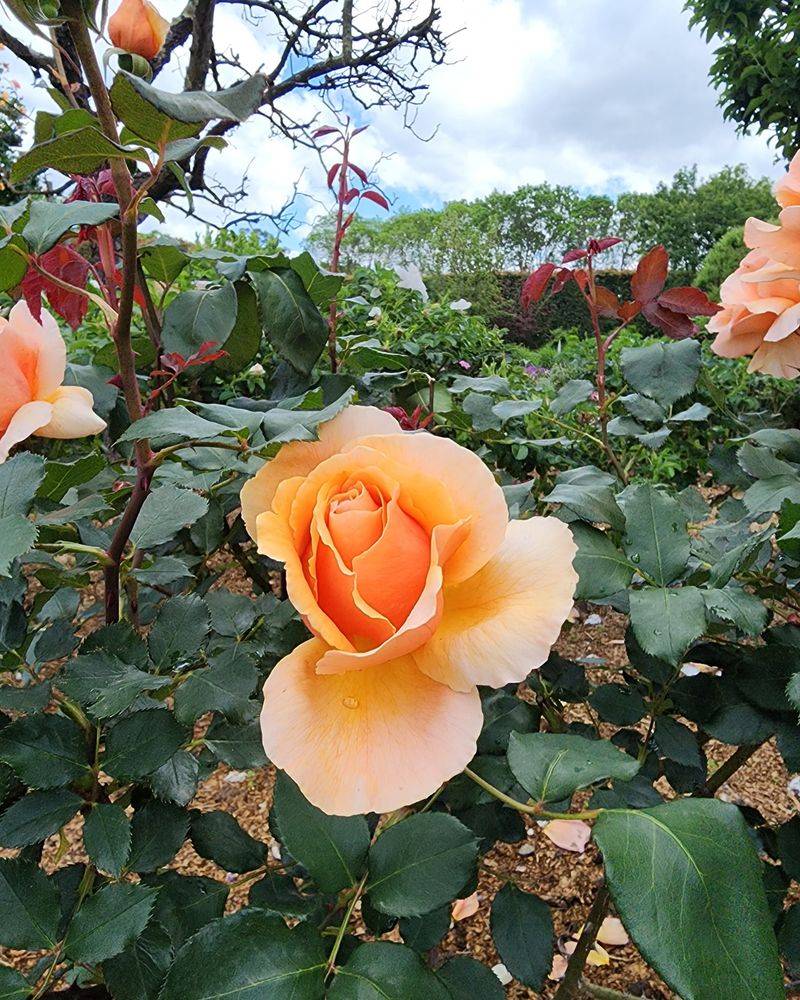
Few flowers capture hearts quite like roses, and February marks the perfect month for giving them attention in Orlando gardens.
Cutting back rose bushes during winter dormancy promotes vigorous new growth and encourages larger, more spectacular blooms.
Start by removing thin, weak canes that won’t produce quality flowers, leaving only the strongest, healthiest stems.
Experts suggest cutting at a 45-degree angle just above an outward-facing bud to direct new growth away from the plant’s center.
This technique improves sunlight penetration and air movement, which helps prevent common problems like black spot and powdery mildew.
Hybrid tea roses benefit from more aggressive pruning, being cut back to about 18 inches tall for optimal performance.
Floribundas and shrub roses need lighter trimming, mainly focusing on shaping and removing unproductive wood.
Always sanitize your pruning shears between cuts, especially when moving between different plants, to avoid spreading potential issues.
After pruning, apply a balanced fertilizer and fresh mulch to give your roses the nutrition they need for spring growth.
Your reward comes in the form of abundant, gorgeous blooms that brighten your landscape throughout the growing season.
3. Butterfly Bushes
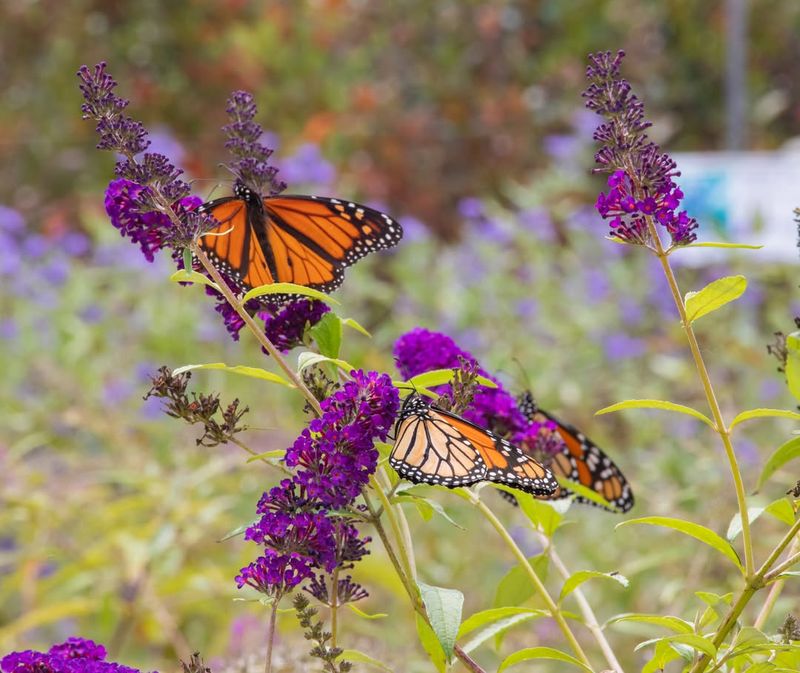
Butterfly bushes earned their name honestly, attracting dozens of colorful winged visitors throughout warmer months with their fragrant blooms.
These fast-growing shrubs can become leggy and overgrown without regular winter maintenance to keep them compact and flowering prolifically.
Orlando gardening experts recommend cutting butterfly bushes back dramatically, reducing them to about 12 to 24 inches from the ground.
This seemingly drastic approach might feel intimidating at first, but the plants respond with enthusiastic new growth and countless flower spikes.
Winter pruning prevents the shrub from becoming woody at the base while encouraging fresh, flexible stems that produce the most blooms.
Focus your cuts just above a set of healthy buds or where you notice small green growth beginning to emerge.
The plant’s incredible vigor means it quickly rebounds from heavy pruning, often reaching four to six feet tall by summer.
Removing old flower heads from previous seasons also tidies up the plant’s appearance and redirects energy toward new growth.
Consider the plant’s location in your landscape when deciding how severely to prune, keeping it proportional to surrounding plantings.
Your efforts result in a stunning pollinator magnet that feeds butterflies, hummingbirds, and bees while providing months of colorful blooms.
4. Hibiscus Shrubs
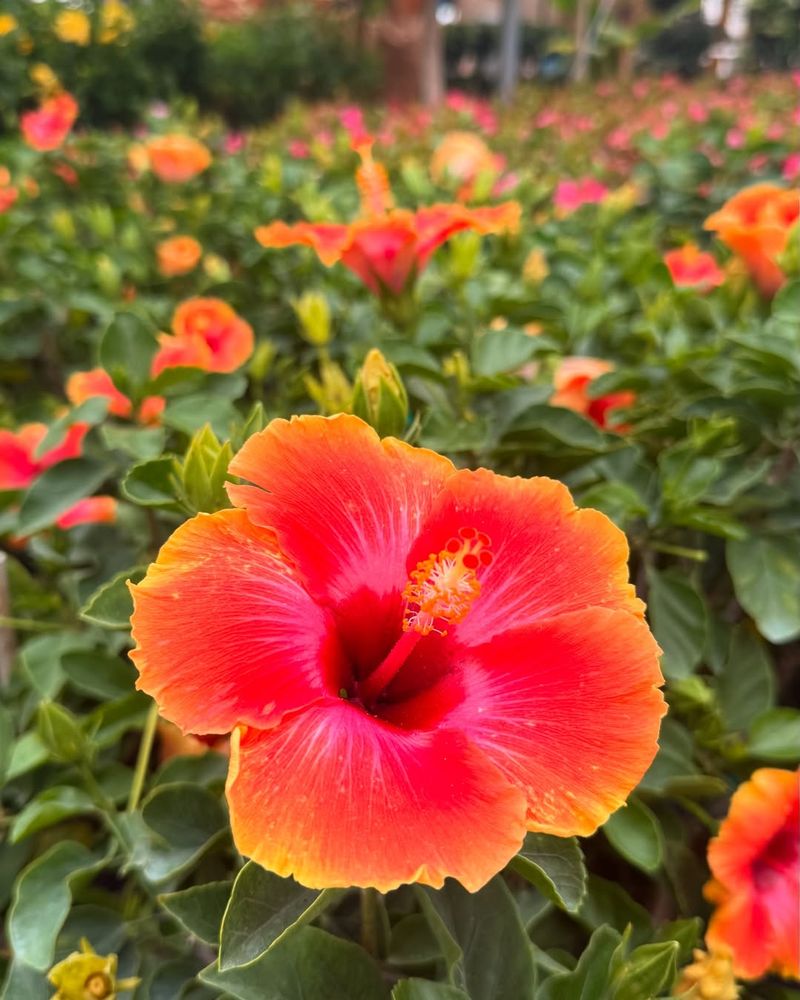
Nothing says Florida gardening quite like hibiscus, with their enormous tropical blooms creating instant vacation vibes in any landscape.
Both tropical and hardy hibiscus varieties benefit from thoughtful winter pruning, though timing differs slightly between the two types.
Tropical hibiscus can be lightly shaped throughout winter in Orlando since our mild climate rarely threatens them with frost.
Hardy hibiscus, which typically experience more dieback, should be cut back to about six inches from the ground in late winter.
Pruning encourages bushier growth patterns instead of tall, sparse stems that produce fewer flowers and look less attractive.
Remove any branches showing signs of stress, along with twiggy growth that clutters the plant’s interior without contributing blooms.
Shaping your hibiscus now prevents them from becoming top-heavy and promotes balanced growth that better withstands summer storms.
Always make your cuts just above a leaf node or bud to encourage branching at that point for fuller, more compact plants.
After pruning, hibiscus appreciate a feeding with a fertilizer formulated for flowering plants to fuel their comeback.
The payoff arrives when your rejuvenated shrubs produce an abundance of dinner-plate-sized blooms that become the stars of your garden.
5. Azalea Bushes
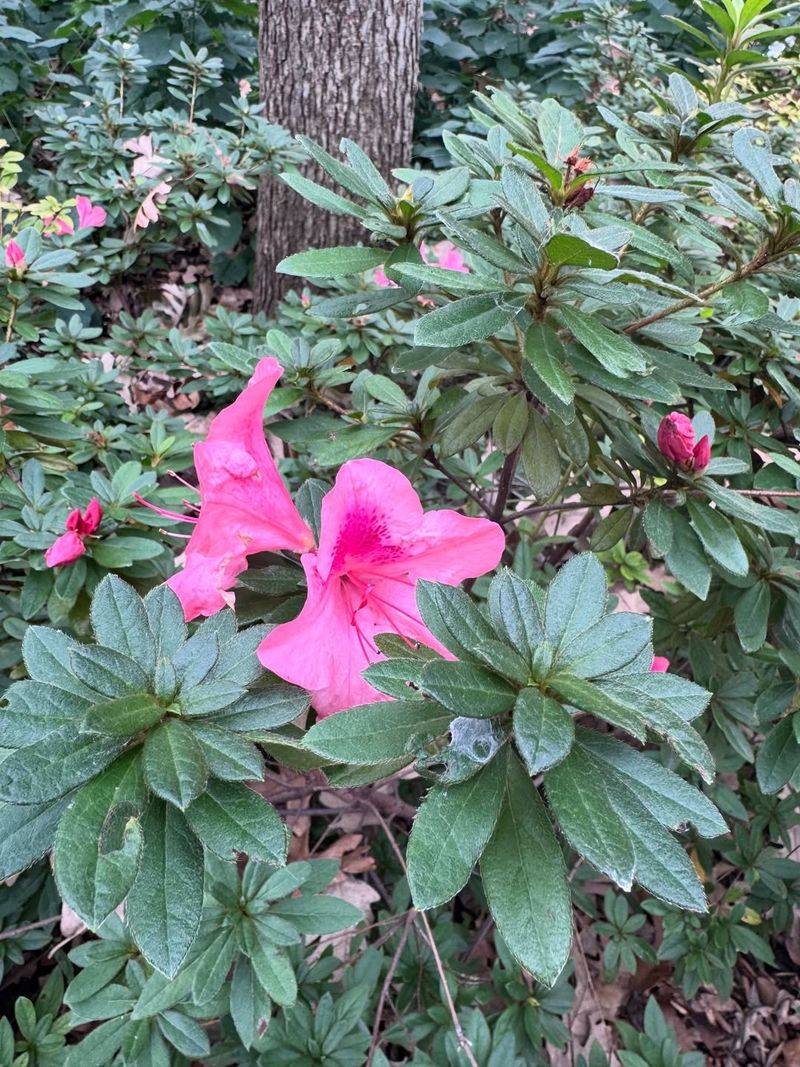
Azaleas paint Central Florida landscapes with spectacular color each spring, but timing your pruning correctly makes all the difference.
Unlike many other plants, azaleas set their flower buds in fall, meaning late winter pruning can accidentally remove spring blooms.
Experts recommend waiting until immediately after flowering finishes, but light corrective pruning in winter won’t significantly impact the show.
Focus winter maintenance on removing wayward branches that disrupt the shrub’s natural rounded shape or extend far beyond the main canopy.
You can also carefully thin out dense interior growth to improve air circulation without sacrificing too many flower buds.
Azaleas naturally develop a lovely mounded form that requires minimal intervention when planted in appropriate locations with proper spacing.
Avoid the temptation to shear azaleas into geometric shapes, which removes their graceful character and reduces flowering potential.
Instead, use selective hand pruning to maintain size while preserving the plant’s organic beauty and maximizing bloom production.
Winter also provides an excellent opportunity to assess your azaleas’ overall health and remove any branches showing stress or damage.
With thoughtful care, your azaleas reward you each spring with clouds of pink, white, red, or purple flowers that signal the season’s arrival.
6. Fruit Trees
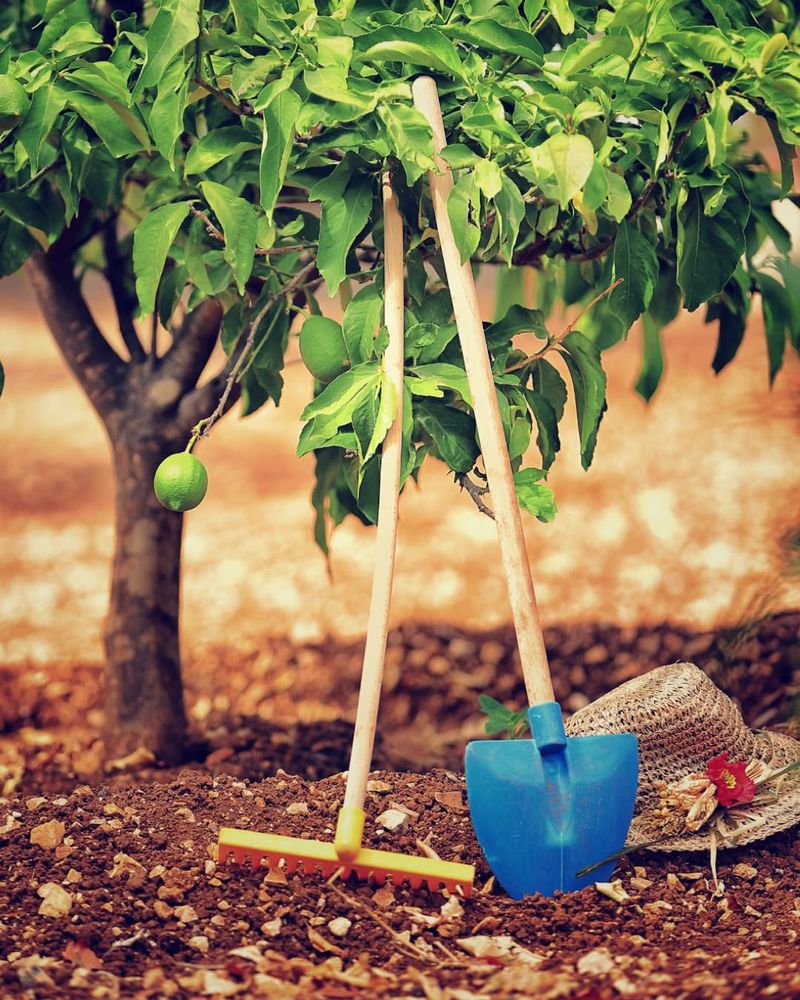
Fruit trees represent an investment in future harvests, and winter pruning plays a crucial role in maximizing production and fruit quality.
Orlando gardeners growing peaches, plums, and other deciduous fruit trees should prune during dormancy to shape the tree and remove unproductive wood.
Citrus trees, which remain evergreen in our climate, benefit from light pruning to remove crossing branches and improve sunlight penetration throughout the canopy.
Proper pruning creates an open center that allows light to reach developing fruit while facilitating easier harvesting from all parts of the tree.
Remove any shoots growing straight up or down, as these water sprouts and suckers drain energy without contributing to fruit production.
Thinning crowded branches reduces competition for nutrients and helps each remaining limb develop larger, sweeter fruit with better flavor.
Winter also offers the perfect time to address structural issues before spring growth begins, correcting problems that could lead to branch breakage under heavy fruit loads.
Always maintain the tree’s natural shape rather than forcing it into unnatural forms that stress the plant and reduce productivity.
After pruning, apply appropriate fertilizer based on your specific fruit tree type to support vigorous spring growth and abundant flowering.
Your careful winter work translates into bountiful harvests of delicious, homegrown fruit that tastes infinitely better than anything from the store.
7. Ornamental Grasses

Ornamental grasses bring movement, texture, and year-round interest to Florida landscapes, especially popular varieties like muhly grass and fountain grass.
Late winter presents the ideal moment to cut back ornamental grasses before new growth emerges from the base in spring.
Most ornamental grasses should be trimmed to about four to six inches above the ground, removing all the previous season’s foliage.
This seemingly harsh treatment actually rejuvenates the plant, eliminating old, weathered leaves and making room for fresh, vibrant new blades.
Waiting until late winter allows you to enjoy the grasses’ attractive winter appearance, as many develop beautiful golden or bronze tones.
Some gardeners prefer using hedge trimmers for large clumps, while others find hand pruners give them better control and precision.
Be sure to wear gloves and long sleeves, as many ornamental grass varieties have sharp leaf edges that can cause minor cuts.
After cutting back, rake away the debris to reveal the plant’s crown and allow sunlight to warm the soil around emerging shoots.
Consider dividing overcrowded clumps every few years during this same winter maintenance period to maintain vigor and prevent bare centers.
Your refreshed ornamental grasses quickly produce lush new growth that adds graceful movement and soft texture to your landscape throughout the growing season.