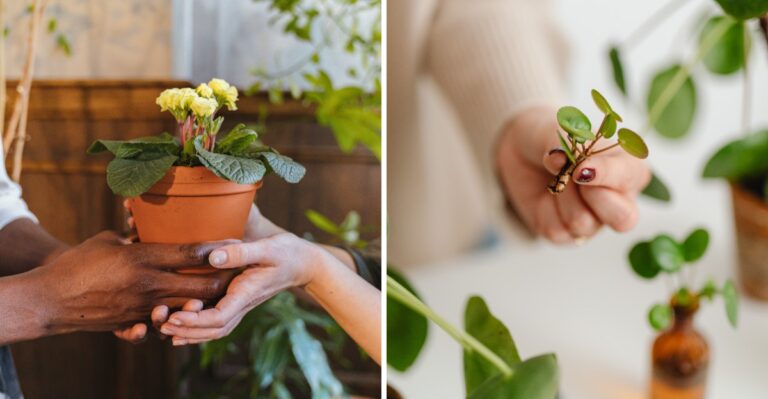
9 Plants Superstitious Folks Say You Should Never Give As A Gift
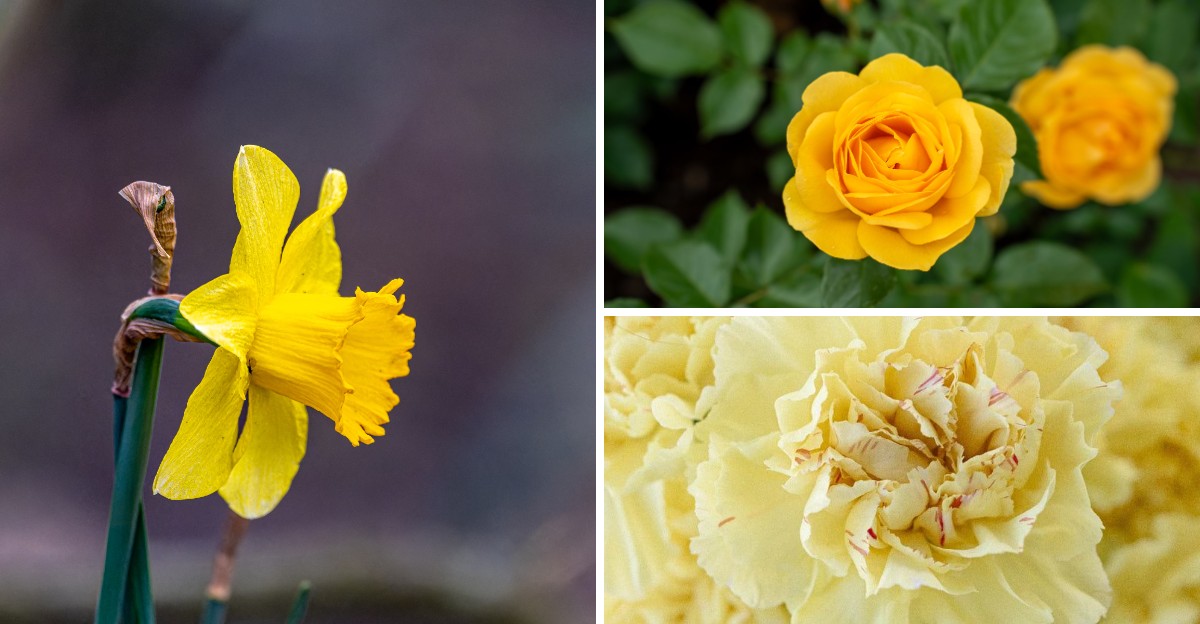
Every November first, French families carry thousands of blooms to cemeteries, and florists there rarely tuck them into birthday bouquets.
That single tradition taught me a pretty flower can quietly carry a heavy and unexpected message.
Victorian gift givers took this further, decoding bouquets with little dictionaries that assigned every blossom its own secret meaning.
Some of those meanings were sweet, while others delivered polite insults wrapped in tissue paper and ribbon.
I am surprised how many of these old beliefs still quietly shape gift choices across the country today. You might notice a friend hesitate over a potted present, and now you will understand why.
I skipped a few favorites at the garden center after learning these stories, and honestly, I felt relieved. Which innocent plant on your windowsill carries a secret reputation you have not heard about yet?
1. Chrysanthemum
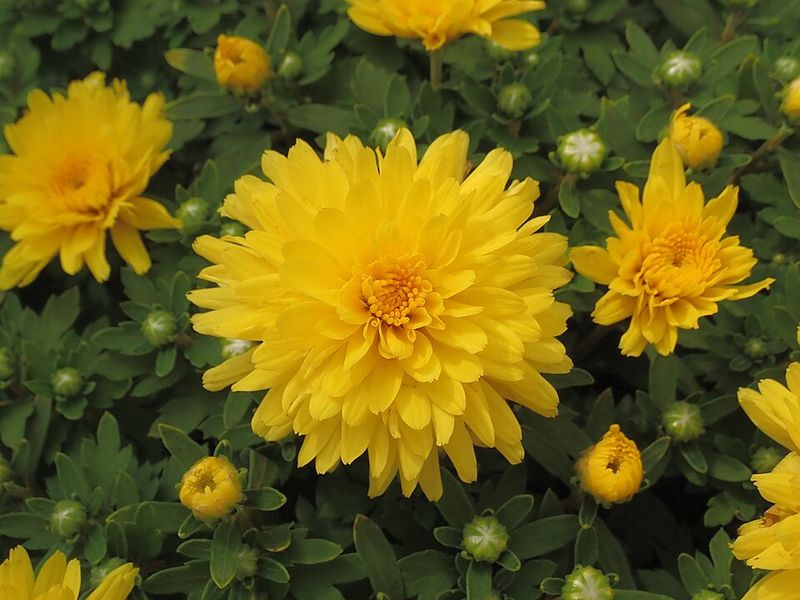
Walk through a French cemetery in early November and you will see chrysanthemums crowding nearly every grave. Families place them there for All Saints Day, so many Europeans link these blooms with grief rather than celebration.
Italy, Belgium, and Poland share similar customs, which makes a cheerful pot of mums a surprisingly awkward hostess gift. In parts of East Asia, white and yellow chrysanthemums are also commonly used at funerals and memorial services.
I find this funny, because in American yards mums usually signal football season and pumpkin spice. Same flower, wildly different message, and that contrast is exactly why gift giving across cultures gets tricky.
Garden mums, often sold as Chrysanthemum morifolium hybrids, love full sun and soil that drains well after rain. Most are rated for USDA Zones 5 through 9, though many fall pots struggle to return the next spring.
Planting them in spring gives roots a full season to settle in before winter arrives. Pinch the growing tips until early July, and you will get bushier plants loaded with more flower buds later.
If you love mums, keep them in your own beds and choose another bloom for friends from Europe. A quick question about family traditions before gifting can save everyone from a quietly uncomfortable moment.
2. Money Plant
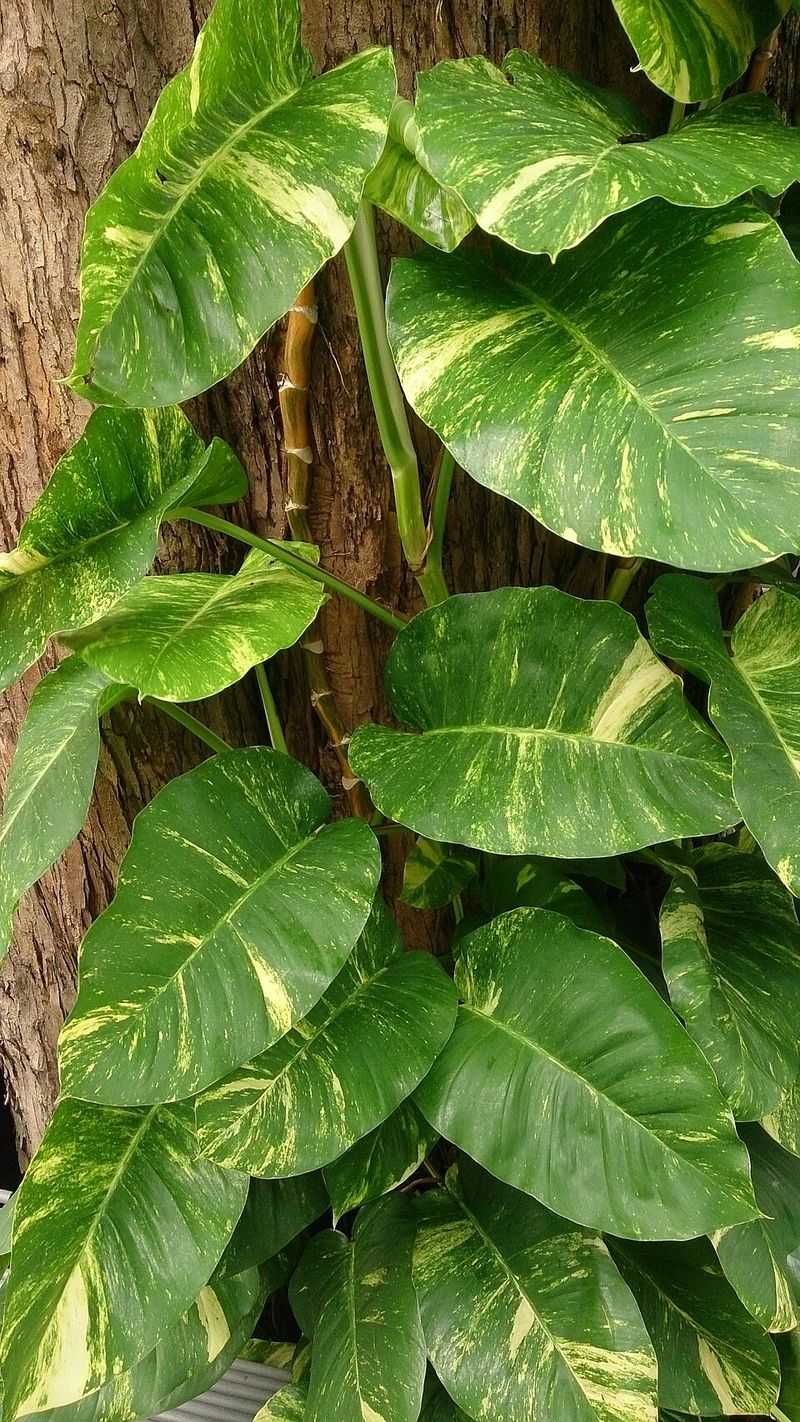
Few houseplants get passed around as freely as pothos cuttings, yet one belief asks you to keep yours. In parts of India, many people call it the money plant and say giving it away invites money troubles.
The idea follows Vastu traditions, where the plant represents household wealth and steady prosperity. Hand it to someone else, the story goes, and your good fortune might quietly follow it out the door.
I love this superstition because it gives houseplant hoarders a perfect excuse. Some families get around it by letting a friend snip a cutting themselves, which feels like a clever loophole.
Pothos, or Epipremnum aureum, grows heart-shaped leaves on long trailing vines that look lovely spilling from shelves. It tolerates lower light, though brighter indirect light keeps the gold and cream variegation looking crisp and bold.
Water when the top inch or two of soil feels dry, since soggy pots lead to root rot. A simple potting mix with good drainage works well, and occasional feeding in spring and summer boosts growth.
Keep this one indoors, because pothos escapes into natural areas in warm places like Florida and Hawaii. Pets also chew it sometimes, and its sap irritates mouths, so place it on a high shelf.
3. Yellow Rose
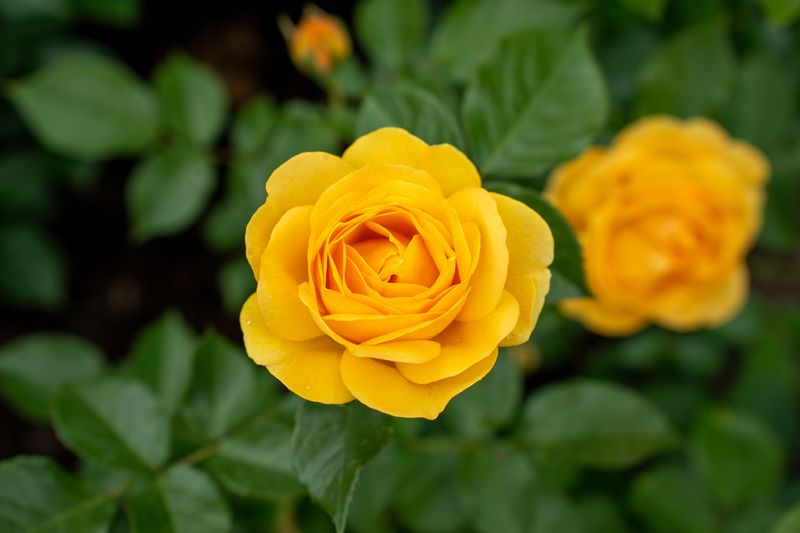
Sunny yellow roses feel like pure happiness in a vase, so their gloomy reputation caught me off guard. In Russia and nearby regions, many people read yellow flowers as a hint of separation or betrayal.
Victorian flower dictionaries added fuel, linking yellow roses with jealousy and fading affection in some editions. Modern florists in the United States mostly treat them as friendship flowers, which makes the mixed signals even stranger.
My rule now is simple and painless to follow. Yellow roses work beautifully for a pal or a coworker, but romantic partners usually expect reds or soft pinks instead.
Roses, part of the large genus Rosa, perform best with at least six hours of direct sun each day. Rich soil that drains well keeps their roots happy, and steady watering during dry spells supports bigger blooms.
Hardiness varies by variety, so check the tag, since many shrub roses handle USDA Zones 4 through 9 comfortably. Spacing plants apart and watering at the base helps reduce black spot, a common leaf problem.
Snipping off faded flowers encourages repeat bloomers to push out fresh buds through the season. Grow them for yourself without worry, and simply think twice before handing a yellow bouquet to a sweetheart.
4. Hydrangea
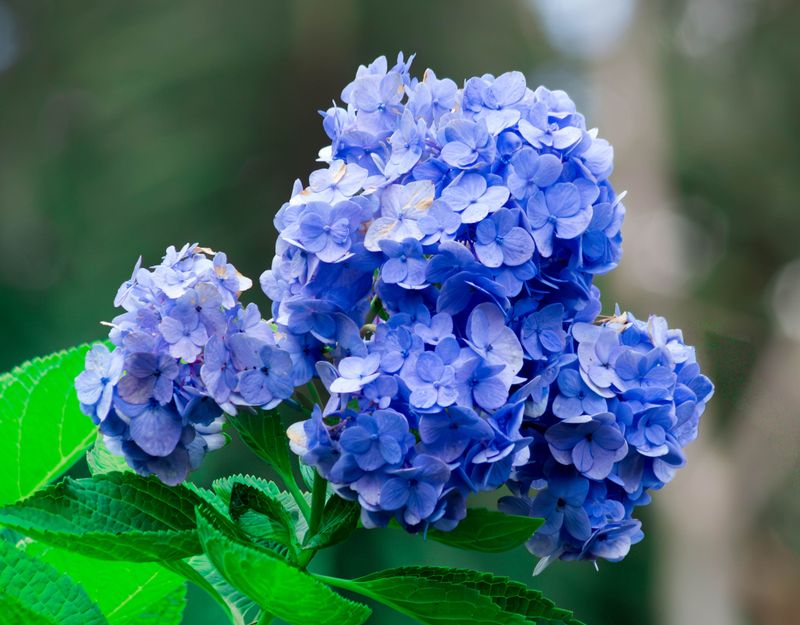
Big, puffy hydrangea heads look generous enough to win any party, but the Victorians saw something else entirely. Some old flower dictionaries tied them to boastfulness and even heartlessness, a rather rude message to receive.
One popular theory points to their showy blooms, since many of those big colorful parts produce no seeds. Lots of flash with little substance seemed like a fitting insult for a vain suitor back then.
Japanese tradition adds a sweeter twist, where a hydrangea can express heartfelt apology or gratitude. Honestly, I think that version deserves more attention, especially if you just forgot a friend’s birthday.
Bigleaf hydrangea, Hydrangea macrophylla, grows best in Zones 5 through 9 with morning sun and afternoon shade. Steady moisture matters, because the large leaves droop dramatically on hot afternoons when the soil runs dry.
Soil chemistry changes the show on many varieties, with acidic soil pushing blooms blue and alkaline soil favoring pink. White types stay white no matter what, so color tricks work only on pink or blue cultivars.
Prune bigleaf types right after flowering, because next year’s buds form on this year’s stems. If you gift one, add a cheerful note so nobody digs up that old Victorian jab about vanity.
5. Black Rose
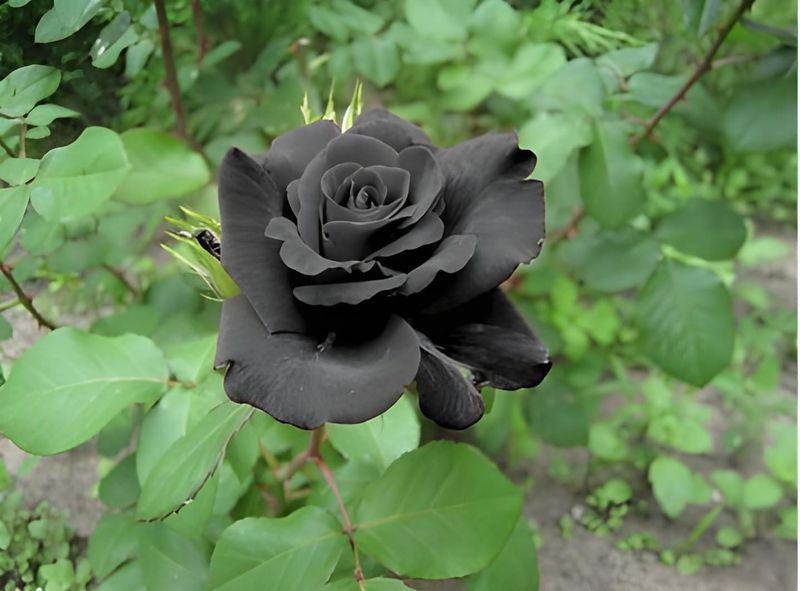
Velvety black roses look like they stepped out of a gothic novel, and their reputation matches that mood. Folklore links them with farewells and grief, so giving one at a happy event can raise eyebrows.
Writers and filmmakers love them as symbols of endings, which keeps that somber image alive in popular culture. Some modern fans see rebirth or bold devotion instead, but older meanings still linger for many people.
A fun secret surprised me when I first shopped for one. Truly black roses do not exist naturally, and those dark beauties are really very deep red or purple.
Varieties like Black Baccara and Black Magic open nearly ebony in cool weather and lighten slightly in strong heat. Dyed florist stems also appear around Halloween, so check whether you are buying a plant or a painted bloom.
Growing care matches other roses, with six or more hours of sun and well drained, fertile soil. Afternoon shade in hot southern gardens can help keep those dark petals from scorching in harsh summer light.
Hardiness depends on the cultivar, so read the label before planting in colder regions. Save black roses for your own moody border, or for a friend who adores spooky style, and skip them for weddings.
6. Single Daffodil
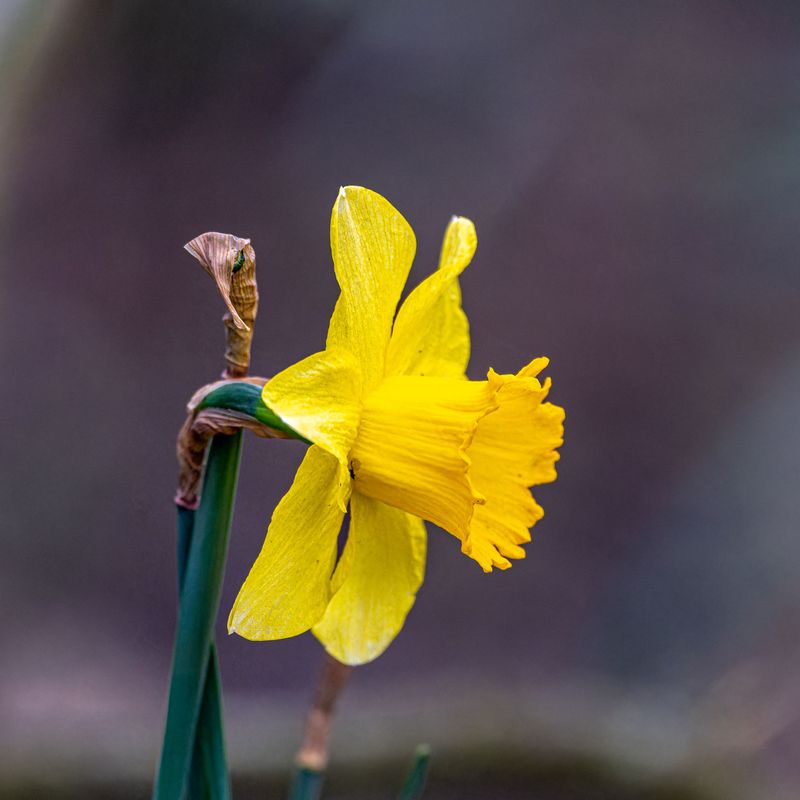
A whole armful of daffodils feels like spring in a bucket, yet one lonely stem carries a warning. Old English and Victorian folklore claimed a single daffodil foretold misfortune, while a full bunch brought joy.
The math matters here, which makes this superstition easy to dodge. Simply buy a generous bundle, and you turn a gloomy omen into a cheerful wish for happiness.
Tradition also suggests that the first daffodil spotted each spring promises a year of wealth, so keep your eyes open on garden walks.
Florists also share a practical tip worth knowing before mixing bouquets. Fresh cut daffodils release sap that can shorten the vase life of tulips, so soak them separately first.
Daffodils, members of the genus Narcissus, grow from bulbs that thrive in full sun to light shade. Most varieties handle USDA Zones 3 through 8, and well drained soil keeps bulbs from rotting during wet spells.
Plant bulbs in fall, about six inches deep, with the pointed tip facing up toward the sky. Let foliage yellow naturally after blooming, because those leaves feed the bulb for next year’s flowers.
Deer and rabbits usually leave daffodils alone, which I appreciate in my own hungry neighborhood. All parts are toxic if eaten, so keep bulbs away from curious dogs and confused cooks who mistake them for onions.
7. Yellow Carnation
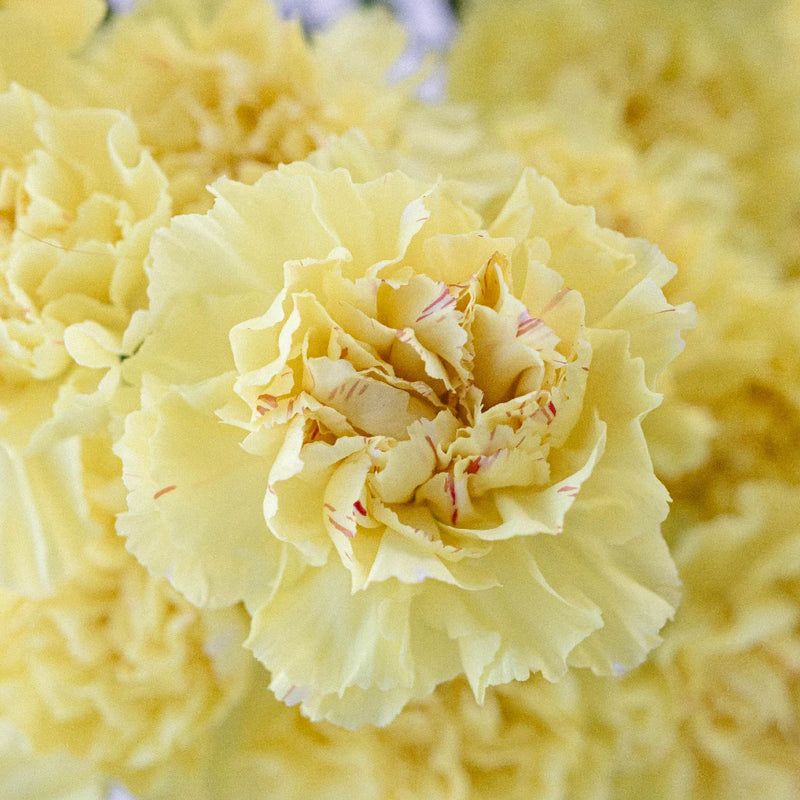
Ruffled yellow carnations look as cheerful as lemon cake, so their message feels like a prank. In traditional flower language, they stand for rejection and disappointment, hardly the note you want with a get well card.
Some European traditions also view carnations as funeral flowers, adding another layer of caution for international friends. I once nearly mailed a yellow bunch to a cousin, and learning this saved me from awkward questions.
Carnations still deserve love, because few cut flowers last as long in a vase. Change the water every couple of days, and recut stems at an angle to stretch their beauty further.
Garden carnations, Dianthus caryophyllus, grow best in full sun with soil that drains quickly. They lean toward slightly alkaline conditions, so a little garden lime can help if your soil runs quite acidic.
Many types act as short lived perennials in roughly Zones 6 through 9, while colder gardeners treat them as annuals. Good airflow and careful watering at the base help reduce rot and mildew on crowded plants.
Pinch off spent flowers to keep new buds coming through the warm months. For gifts, pick pink or red carnations instead, which carry sweet messages of gratitude and admiration in most traditions.
8. White Calla Lily
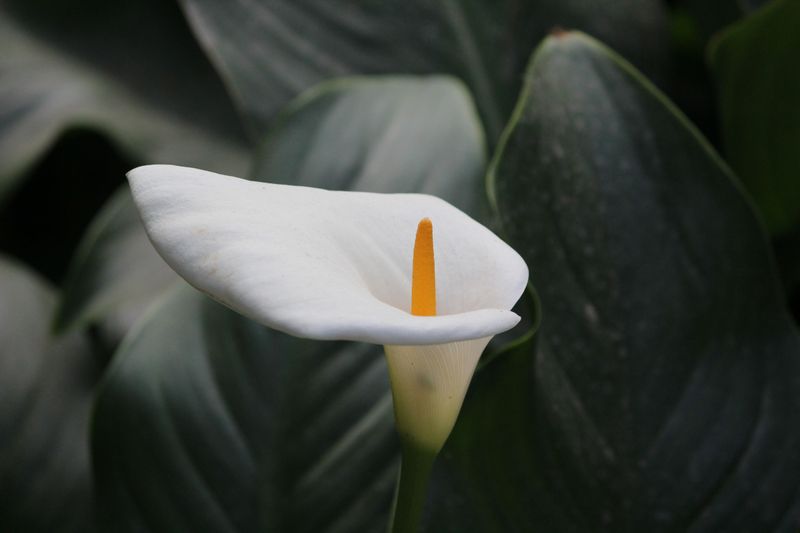
Sleek white calla lilies look like sculptures carved from cream, which explains why brides adore them. Ironically, many cultures, including traditions in Russia and parts of Europe, connect them with funerals and remembrance.
Their link to sympathy displays and Easter services gives them a solemn feel for some families. A few superstitious folks even avoid bringing them home for celebrations, so asking first is a kind move.
Here is a quirky fact I enjoy sharing with fellow gardeners. Calla lilies are not true lilies at all, and that elegant white cup is actually a modified leaf called a spathe.
Zantedeschia aethiopica, the classic white calla, loves moist soil and tolerates boggy spots near ponds. It grows outdoors year round in roughly Zones 8 through 10, while colder gardeners lift rhizomes before frost.
Store dug rhizomes somewhere cool and dry over winter, then replant once the soil warms in spring. Partial shade suits them in hot climates, while cooler regions can offer more direct sun.
Skip this one in California wetlands, where it has escaped and spread along some coastal streams. All parts contain irritating crystals, so keep pots away from pets and nibbling toddlers.
9. Cyclamen
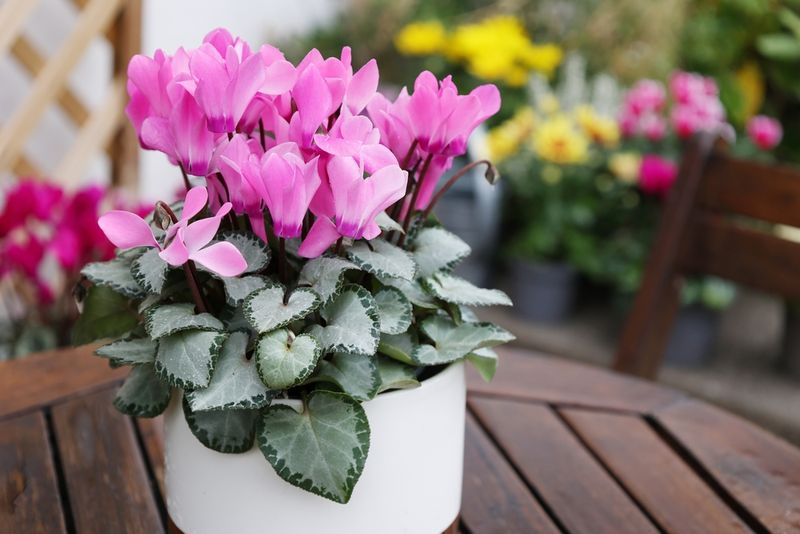
Those upswept cyclamen petals look like tiny butterflies frozen mid flight, which makes their meaning sting a little. Victorian flower language linked cyclamen with resignation and goodbye, a gloomy message for a holiday present.
Some Asian traditions also frown on gifting cyclamen to hospital patients, partly because of how certain names sound. I still buy them every winter, but I keep the pots on my own kitchen windowsill.
Florist cyclamen, Cyclamen persicum, prefers cool rooms around 50 to 65 degrees Fahrenheit. Warm, dry air near heaters makes the leaves yellow quickly, so a chilly bright window usually works best.
Feed every two weeks with a diluted liquid fertilizer while buds are forming. Water from below by setting the pot in a saucer for about twenty minutes.
That trick keeps the tuber crown dry, which helps prevent rot, one of the most common cyclamen troubles. Pinch off spent flowers by twisting the stem at the base, which encourages more blooms.
After spring blooming, leaves fade naturally as the plant rests through summer. Keep the soil barely moist during that break, and new growth often returns once nights turn cooler in fall.
Outdoors, florist cyclamen survives only in mild spots around Zones 9 through 11. Tubers are toxic to cats and dogs, so pet owners should place pots well out of reach.