10 Smells That Keep Mice Out Of Your House This Fall

A house mouse can slip through a gap about a quarter inch wide, roughly the width of a pencil. That tiny squeeze lets them sneak indoors once cool nights arrive and outdoor food starts running low.
Mice lean heavily on their noses, following faint scent trails that other mice leave along walls and baseboards. Researchers have found that some strong odors can make those little explorers hesitate before moving into a space.
I skipped the fancy gadgets last autumn and tested a few kitchen cupboard tricks around my garden shed instead. You might notice the same thing I did, since some worked far better when paired with sealed gaps.
Some of these helpers probably already sit in your pantry or bathroom cabinet at home right now. Which one do you suppose bothers a tiny, twitchy mouse nose the most when autumn leaves drop?
1. Peppermint Oil Cotton Balls Near Entry Points
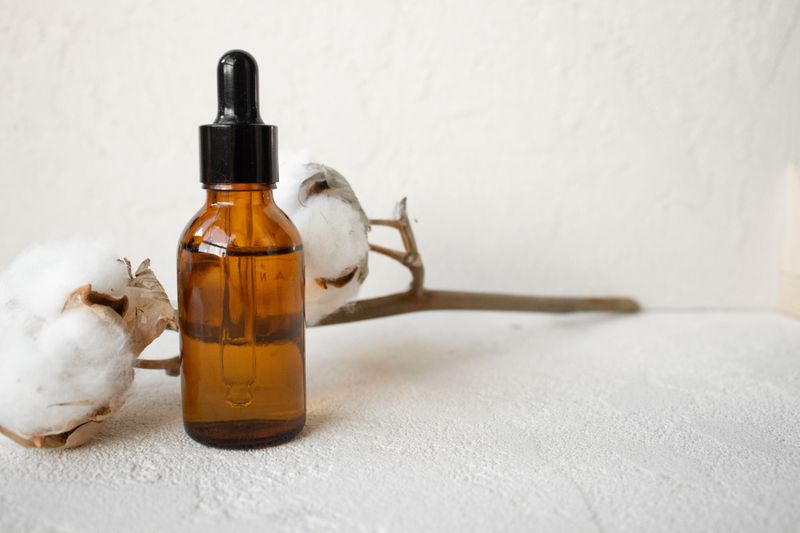
My mudroom smelled like a candy cane shop for a week, and honestly, I did not mind one bit. Peppermint oil gets its punch from menthol, a cooling compound that seems to bother sensitive mouse noses.
Small studies and plenty of pest experts report a short-term deterrent effect, though the results are mixed. Mice can get used to the smell over time, so treat peppermint as one helper rather than a cure.
Try placing ten to fifteen drops of pure oil on a cotton ball near doors, vents, or baseboard gaps. Tuck a few inside lower cabinets too, where mice like to explore quietly after the house goes dark.
For bigger areas, mix about twenty drops with a cup of water and a tiny squirt of dish soap. Shake well before each use, because oil and water separate quickly inside the spray bottle.
The scent fades fast, so I refresh cotton balls every few days and respray about once a week. Keep everything well away from cats, since peppermint oil can make them quite sick if they lick it.
2. Warm Cinnamon Sticks In The Pantry

Few things feel cozier than a kitchen that smells like a fresh batch of snickerdoodles on a chilly evening. Mice apparently disagree, because the strong spicy aroma of cinnamon seems to put many of them off.
That warm scent comes from cinnamaldehyde, a compound that gives cinnamon its familiar bite on your tongue. Some pest experts believe the heavy aroma can also mask the scent trails mice follow along shelves.
I like setting a few cinnamon sticks in pantry corners, right behind the flour and oatmeal containers. Sticks hold their smell for several weeks, which makes them a gentle and low-effort option for busy households.
For a stronger dose, add about twenty drops of cinnamon oil to a cup of water in a spray bottle. Mist it lightly along pantry edges, but test a hidden spot first to protect painted surfaces.
Concentrated cinnamon oil can irritate skin, so I wear gloves while mixing and spraying it around the kitchen. Pair the spice with airtight food containers, since an open cereal box will tempt a hungry mouse anyway.
3. Whole Cloves Tucked Into Cabinet Corners

Grandma stuck cloves in holiday hams, but those little dried flower buds have a sneaky second job worth trying. Their sharp, spicy smell comes from eugenol, a natural compound found in clove oil and studied as a rodent repellent.
Clove oil is so intense that a single whiff can make your own eyes water a little bit. Mice seem to find that strength unpleasant, and the aroma may help cover tempting food smells nearby.
My favorite trick involves tying a handful of whole cloves into a small cloth sachet for each cabinet. Drop one under the sink and another behind the trash can, where mice often sneak around looking for scraps.
Cotton balls dabbed with clove oil give a stronger burst for spots where you have spotted droppings before. Swap them out regularly, because the scent weakens much faster than most people would expect it to.
Clove oil can sting skin, so dilute it well and keep it out of reach of curious kids. Cats and dogs should stay away from the oil too, since many essential oils can upset their bodies.
4. Eucalyptus Oil In A Damp Basement

That sharp, medicinal smell reminds me of cough drops and steamy showers during winter colds as a kid. Eucalyptus oil gets its bold scent from cineole, a compound many mice seem to find quite unpleasant.
Basements make a natural place to try it, because mice love those quiet, damp corners once weather cools. Cardboard boxes and forgotten storage bins give them easy nesting material without anyone noticing for weeks.
Mix about two teaspoons of eucalyptus oil with a cup of water and a few drops of dish soap. Spray it around floor drains, foundation cracks, and gaps near pipes about once each week for steady coverage.
Soaked cotton balls work nicely on shelves where you store garden tools or holiday decorations through the colder months. Swap them for fresh ones whenever you walk downstairs and barely notice the smell anymore.
Open a window or run a fan, because the vapors get strong in small spaces with poor airflow. Eucalyptus oil is toxic to cats and dogs, so keep treated areas off limits to your furry friends.
5. Lavender Plants Lining The Foundation

Bees adore my lavender border all summer, but mice seem far less impressed with its heavy floral perfume. Many gardeners and pest experts suggest lavender as a mild deterrent, though solid scientific proof remains limited.
English lavender, Lavandula angustifolia, grows well in USDA zones five through eight with full sun. It wants sharp drainage, so heavy clay soil often leads to soggy roots and a sad, struggling plant.
Amending heavy beds with coarse grit improves drainage considerably. Space plants about two feet apart for good airflow.
Fall works fine for planting in milder regions, giving roots several weeks to settle before the ground freezes. In colder areas, I wait until spring and use dried lavender sachets indoors until then instead.
Those sachets fit perfectly inside drawers, linen closets, and storage bins where mice might shred fabric for nests.
Indoors, eight to ten drops of lavender oil on a cotton ball also gives a quick scent boost. Refresh sachets every few months by squeezing them.
Keep mulch pulled a few inches away from your foundation, since thick mulch can give mice handy cover. Lavender is a lovely garden plant, but sealing gaps in siding still matters much more for real protection.
6. Crushed Garlic Cloves By The Back Door

Vampires are not the only creatures rumored to dislike garlic, and my kitchen proves it smells mighty strong. Crushing a clove releases allicin and other sulfur compounds, which create that powerful odor everyone instantly recognizes.
Some pest control sources say mice avoid areas with heavy garlic smell, though research on this is fairly thin. I think of garlic as a cheap experiment rather than a guaranteed shield for the whole house.
Crush a few fresh cloves and set them on a small dish near back doors or garage entries. A blended garlic and water spray also works for misting along thresholds and around the bottoms of door frames.
Fresh garlic loses its punch quickly, so replace cloves or respray every two to three days for best results. Leftover garlic from your summer garden harvest makes a thrifty source for this little project.
Garlic is toxic to dogs and cats, so place dishes where pets cannot reach or nibble them. Your guests may notice the smell too, so maybe skip the front entry before hosting a dinner party.
7. Cayenne Pepper Sprinkled Along Baseboards

One accidental sniff of cayenne pepper sent me into a sneezing fit right in the middle of the garden shed. Capsaicin, the compound behind that fiery heat, can irritate the delicate nose of a curious mouse too.
A light dusting along baseboards or behind appliances may make mice think twice about wandering through those spots. Keep expectations modest, because the effect seems temporary and many mice simply walk around the spicy zones.
I sprinkle a thin line near gaps in the garage and along the back of my potting bench. Powder gets swept or blown away easily, so expect to reapply after cleaning or windy days with the door open.
Some people soak cotton balls in chili oil for a longer-lasting option tucked into hidden corners. Wear gloves and wash your hands well afterward, because touching your eyes later will be a painful mistake.
Pets and small kids should stay far from cayenne, since it can cause serious irritation to skin and eyes. Skip it entirely in homes with crawling babies or dogs that sniff every inch of the floor.
8. White Vinegar Wiping Away Scent Trails
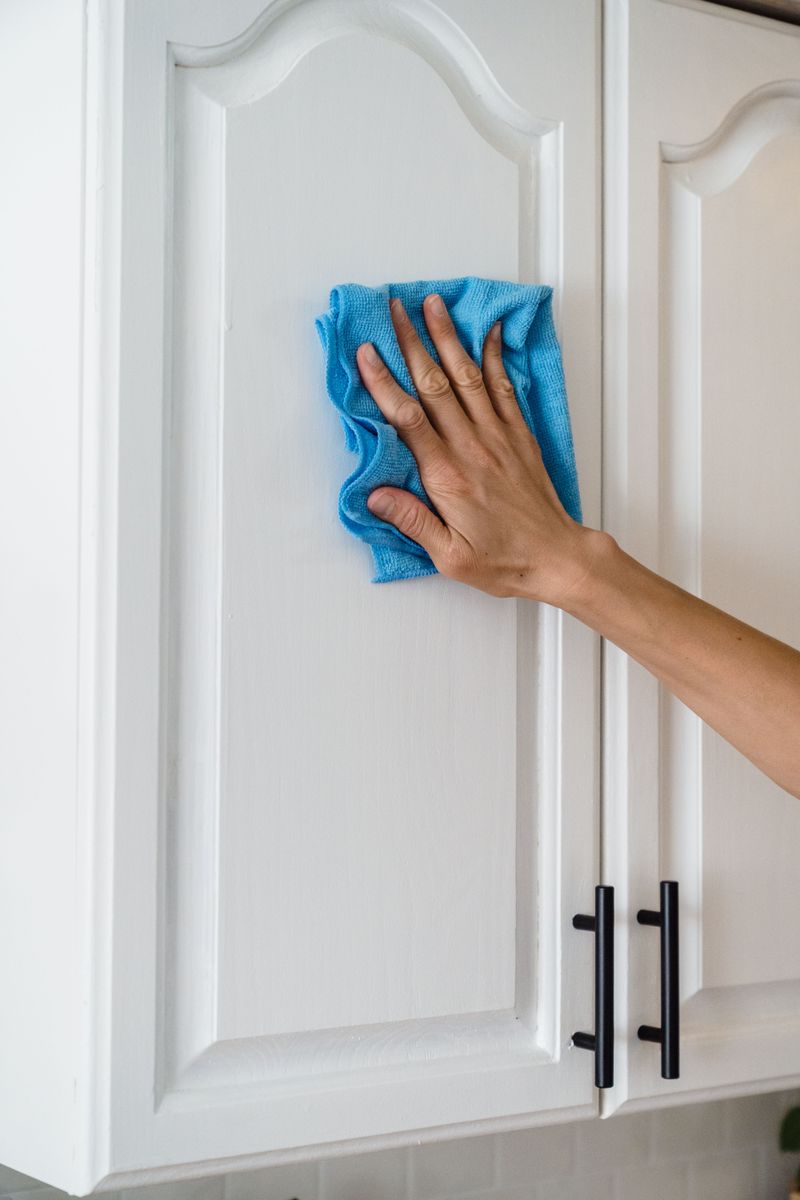
Cleaning day doubles as mouse prevention day at my house, thanks to a humble jug of white vinegar. Its sharp, sour smell comes from acetic acid, and plenty of mice seem to find it rather offensive.
The bigger benefit might be cleaning away the urine and scent trails mice leave as invisible road maps. Wiping those trails can make your kitchen less inviting to new mice following the same old paths.
Mix equal parts vinegar and water in a spray bottle for counters, cabinet floors, and baseboards. Soaked rags tucked into closets or under sinks add a stronger smell in spots where mice might hide.
Vinegar evaporates quickly, so the scent fades within hours and works best with daily reapplication. I treat it as a cleaning habit more than a repellent, which keeps my expectations realistic and my counters shiny.
Open a window while spraying, since strong fumes can bother sensitive lungs in small rooms. Avoid using vinegar on natural stone like granite or marble, because the acid can dull those surfaces over time.
9. Citronella Oil Sprayed Around Window Frames

Most of us link citronella with summer patios and buzzing mosquitoes, but its lemony punch has another fan club. Some pest experts suggest the strong citrus scent can overwhelm mice and disrupt the trails they follow.
Research on citronella and rodents is limited, so I file it under worth trying alongside better proven methods. A few lab studies hint that citronellal may affect rodent behavior, though real homes rarely match lab conditions.
Mix a small amount of oil with water and a drop of dish soap, then mist around windows and doors. Focus on gaps where cool drafts sneak in, because mice often find those same openings during chilly fall nights.
Citronella grass, Cymbopogon nardus, only survives winters in very warm zones, roughly ten and above. Most gardeners grow it in pots and bring it indoors or treat it as a summer annual.
Outdoors, the scent fades quickly with rain and wind, so indoor use near entry points makes more sense. Keep the oil away from cats and dogs, and use it sparingly in rooms where pets spend time.
10. Cedar Blocks Stored In Closets And Attics
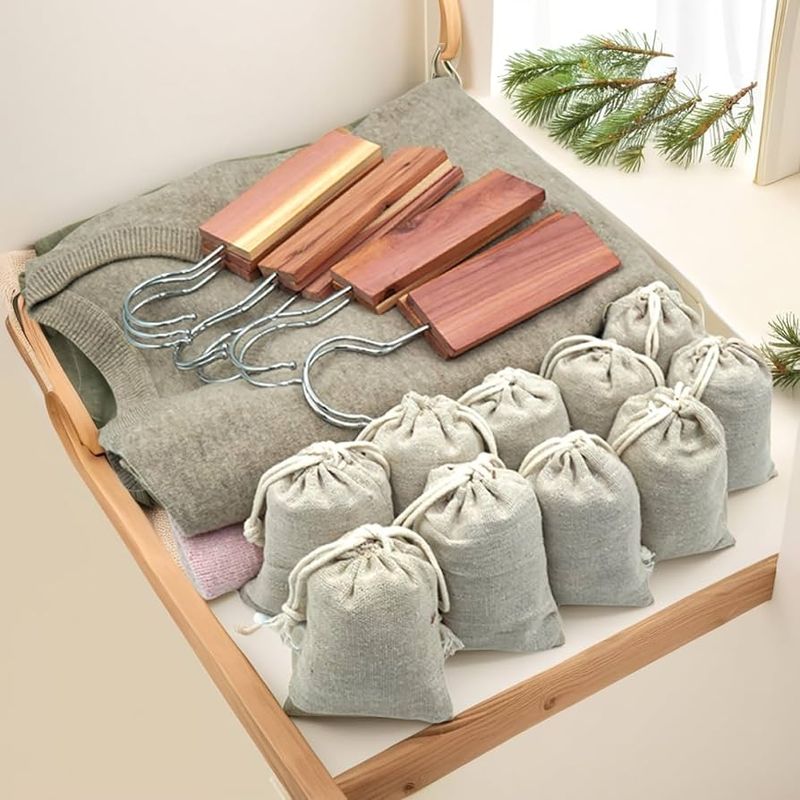
Opening my grandfather’s old cedar chest still releases a woody smell that instantly feels like a warm hug. People have tucked cedar into closets for generations, mostly hoping to keep clothes moths away from woolen sweaters.
Some pest experts suggest cedarwood oil may also discourage mice, though evidence for rodents remains fairly weak. I enjoy cedar for its pleasant scent, and any mouse-repelling bonus feels like a happy extra.
Cedar blocks and rings work beautifully in attics, closets, and storage bins packed with holiday decorations. A light sanding every few months wakes up the oils, since the surface scent fades with time and dust.
Cedarwood essential oil can refresh blocks or cotton balls when you want a stronger smell in tight spaces. Many people blend it with peppermint or clove oil for a layered scent that lingers a little longer.
Skip cedar shavings as bedding for pet rodents, because the oils can bother their breathing. In the end, sealing gaps with steel wool and caulk does the heavy lifting, while cedar adds a cozy finishing touch.