7 Plants Texas Gardeners Should Never Plant Again
Every gardener has a few regrets, and in Texas, certain plants seem to make it onto that list more than once.
Some flowers and shrubs look great at first but quickly turn into a headache, taking over beds, failing in heat, or attracting pests that cause more work than joy. Knowing which plants to avoid can save time, money, and frustration.
Many of these troublesome plants are non-native or poorly suited for Texas conditions. They may spread aggressively, struggle in drought or intense sun, or demand constant maintenance just to survive.
Even attractive blooms can become overwhelming if they grow too quickly or choke out other plants.
By identifying plants that don’t perform well in the Lone Star State, gardeners can focus on varieties that thrive naturally. Choosing the right replacements ensures a healthier, more beautiful, and low-maintenance garden that’s easier to enjoy season after season.
1. Chinese Tallow Tree
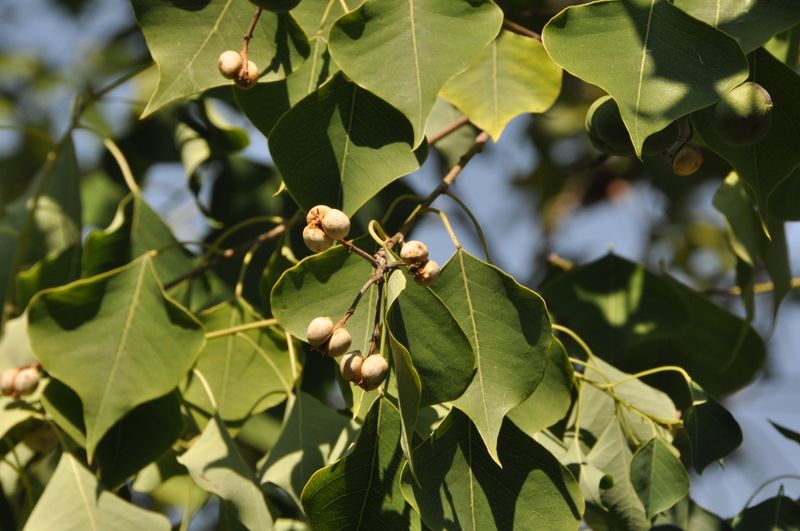
Picture a tree that looks gorgeous in fall with fiery red and orange leaves, and you might be tempted to plant one right away. That is exactly how the Chinese Tallow Tree tricks so many Texas gardeners every year.
It looks harmless, even beautiful, but underneath that pretty exterior is one of the most aggressive invaders in the entire state.
A single Chinese Tallow Tree can produce thousands of seeds each year. Birds eat the white, waxy seeds and spread them far and wide across Texas landscapes.
Before long, these trees pop up in forests, fields, and along waterways where they were never intended to grow. They crowd out native trees and shrubs that local wildlife depend on for food and shelter.
Once a Chinese Tallow Tree gets established, removing it is a serious challenge. The roots are stubborn, and even cutting the tree down does not always stop it from coming back.
Texas land managers spend enormous resources trying to control this species every single year. It has earned a spot on Texas invasive plant lists for good reason.
Fortunately, Texas has some stunning native trees that offer just as much beauty without the ecological baggage. The Texas Redbud bursts with pink blooms every spring.
The Cedar Elm provides excellent shade and fall color. The Mexican Plum offers fragrant white flowers and attracts pollinators.
Any of these choices will make your Texas yard shine without harming the surrounding environment.
2. Chinese Privet
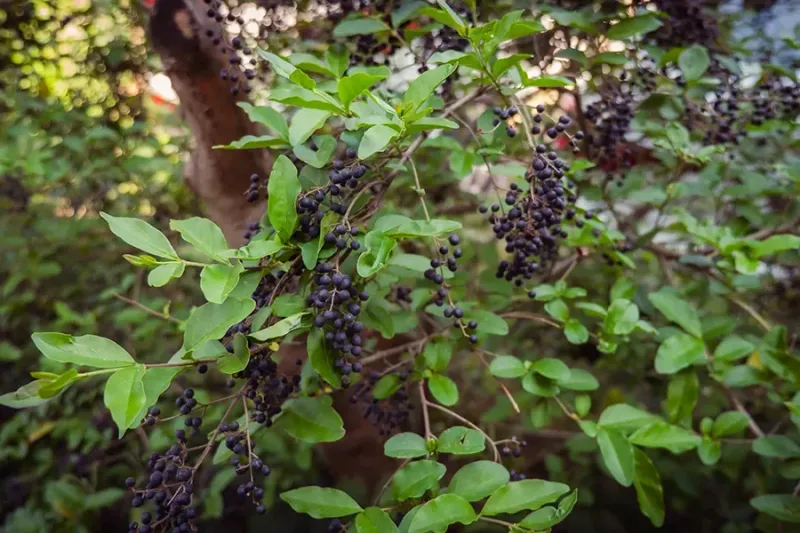
Walk through almost any wooded area in central or east Texas, and chances are you will run into a wall of dark, glossy leaves that seem to block out everything else. That is Chinese Privet, and it is one of the sneakiest invasive shrubs in the state.
It was once widely planted as a hedge or ornamental shrub, and many Texas nurseries still sell it today.
The problem with Chinese Privet is how fast and how far it spreads. Birds love the small dark berries, and they carry seeds into forests, creek banks, and natural areas all over Texas.
Once privet takes hold in a woodland, it forms thick, dense thickets that shade out native plants growing on the forest floor. Wildflowers, ferns, and young native trees simply cannot compete.
These shrubs are also tough to get rid of. Cutting them back often encourages even more vigorous regrowth.
Landowners and conservation groups in Texas spend significant time and money trying to reclaim natural areas from privet infestations. The ecological damage it causes is real and long-lasting.
If you love the look of a full, leafy shrub for your Texas yard, there are much better options. Yaupon Holly is a native Texas plant that provides year-round greenery and produces bright red berries that birds adore.
Wax Myrtle is another excellent choice, offering fragrant foliage and a naturally tidy shape. Both plants support local wildlife and fit right into the Texas ecosystem without causing harm.
3. Japanese Honeysuckle
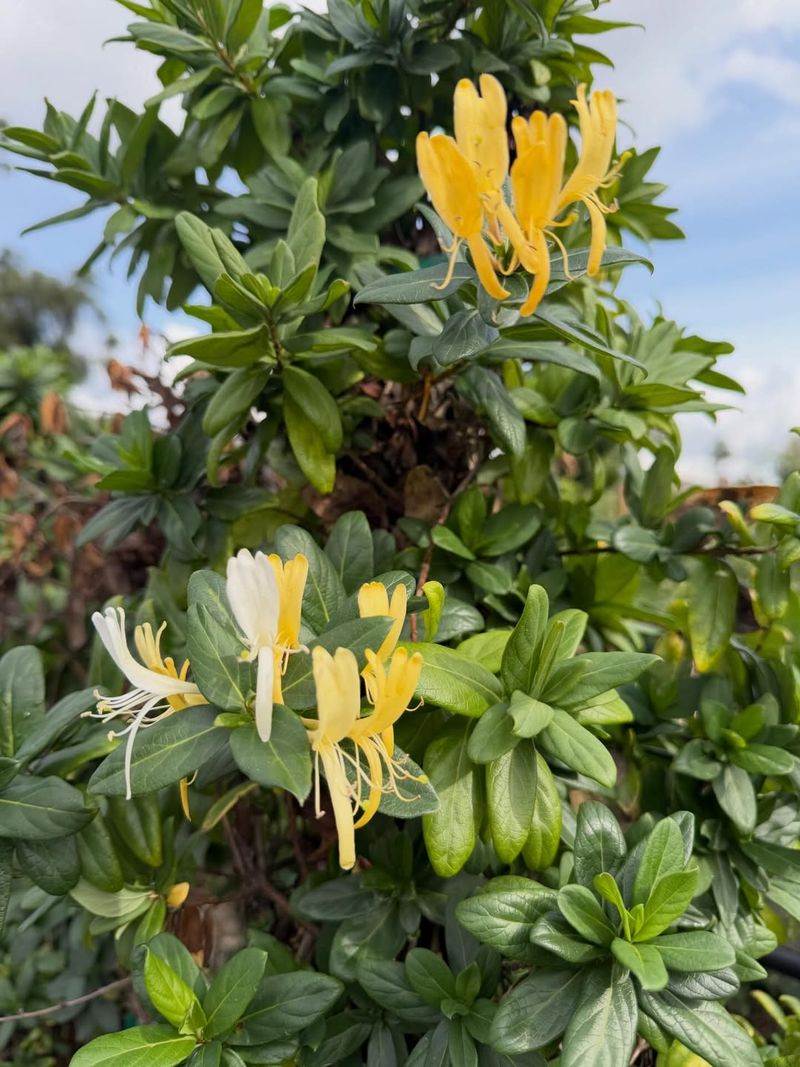
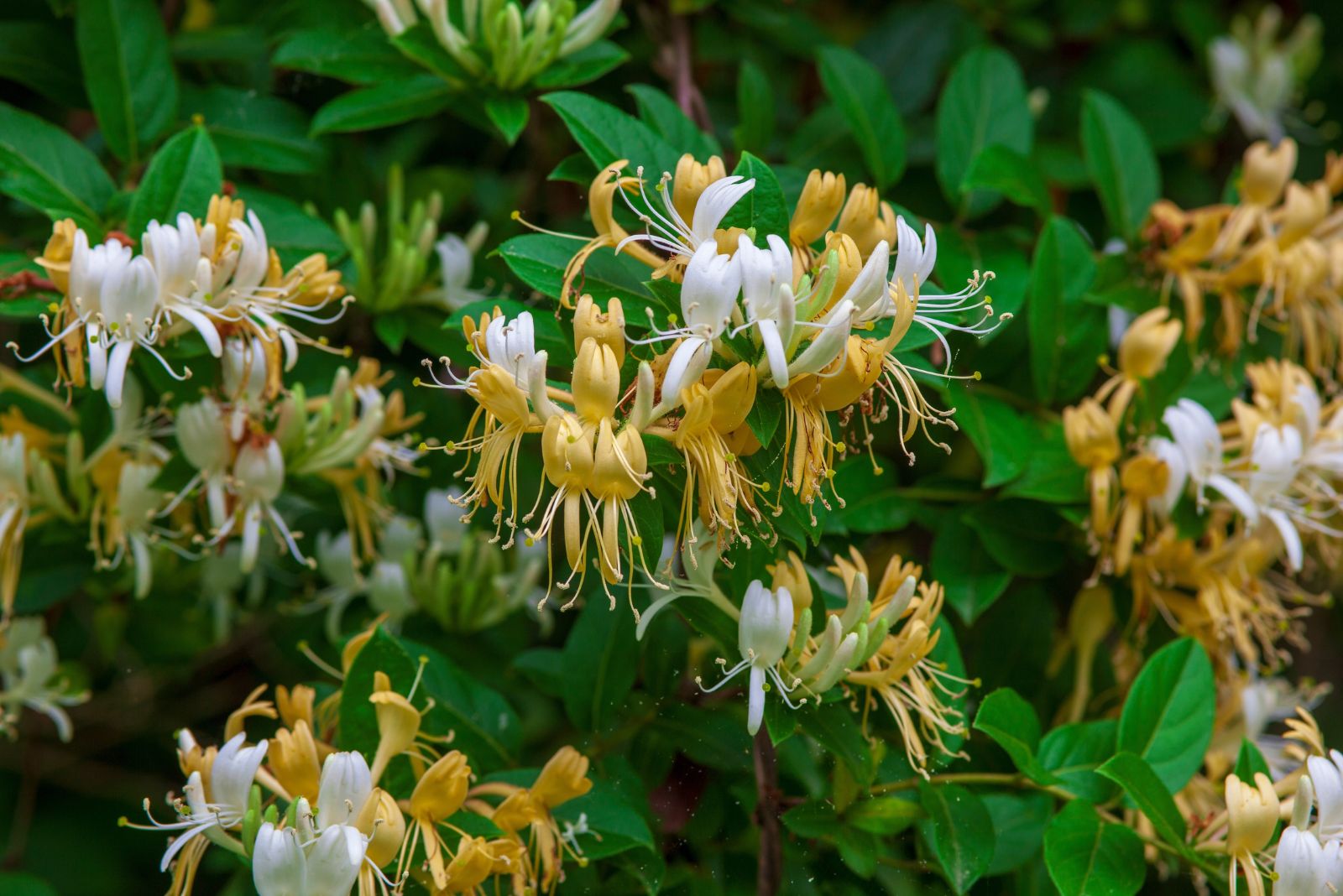
There is something almost nostalgic about the sweet scent of honeysuckle drifting through a warm Texas evening. Many people grew up pulling the tiny flowers and tasting the nectar as kids.
But Japanese Honeysuckle is not the innocent, charming vine it seems to be. Underneath that sweet smell is a plant with serious ambitions to take over your entire yard and beyond. Japanese Honeysuckle grows fast. Really fast.
It can climb fences, wrap around shrubs, and creep up into the canopy of young trees before you even notice what is happening. The vines twist tightly around stems and branches, cutting off water and nutrients.
Shrubs and small trees that get smothered by this vine often struggle badly, and some never fully recover.
Once Japanese Honeysuckle establishes itself in a Texas garden, removing it completely takes real effort and patience. The root system runs deep, and any small piece of vine left behind can sprout again.
It spreads into natural areas across Texas, choking out native plants that local birds and insects rely on for habitat and food.
Here is the good news: you do not have to give up on honeysuckle entirely. Coral Honeysuckle, known scientifically as Lonicera sempervirens, is a native Texas vine that offers beautiful red and orange tubular flowers.
Hummingbirds absolutely love it. It grows with enthusiasm but stays much more manageable than its invasive cousin. Planting Coral Honeysuckle gives you all the beauty with none of the regret.
4. Nandina
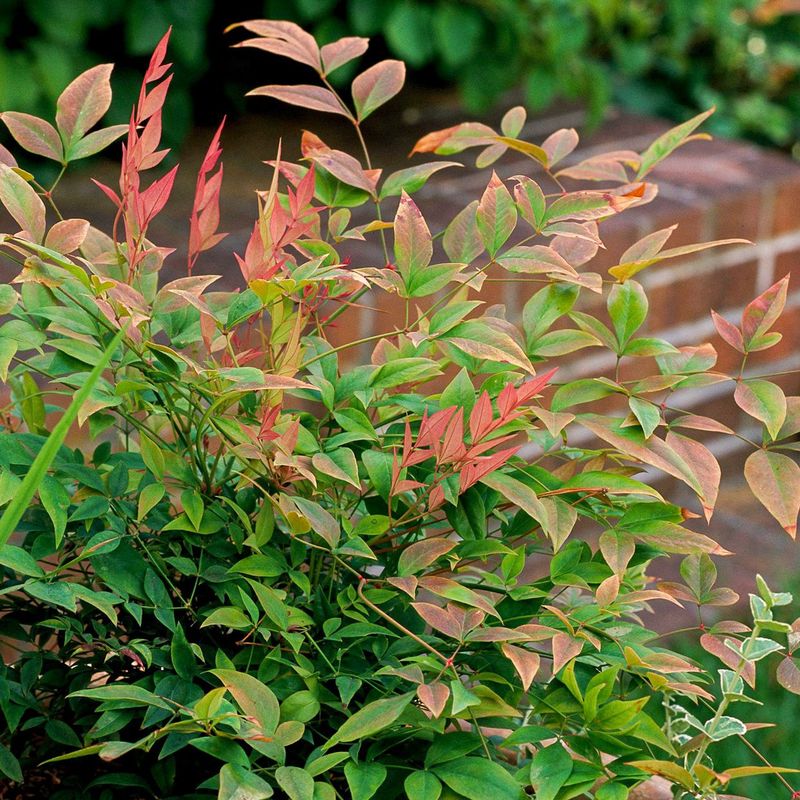
Nandina, often called Heavenly Bamboo, has been a staple of Texas suburban landscaping for decades. Drive through almost any neighborhood in Houston, Austin, or Dallas, and you will spot those distinctive red berries and bamboo-like stems lining front walkways and foundation beds.
It looks tidy, it stays green most of the year, and it requires almost no maintenance. So what is the catch?
The berries are the problem. Those bright red clusters that look so cheerful in winter are actually toxic to certain birds.
Cedar Waxwings, which are common winter visitors across Texas, have been found in large numbers after consuming Nandina berries. The berries contain compounds that can be harmful when eaten in quantity.
Beyond that, birds spread the seeds widely, and Nandina is now showing up in natural areas and forests across Texas where it competes with native plants.
Despite growing ecological concerns, Nandina is still widely sold at Texas nurseries and garden centers. Many homeowners have no idea about the risks when they pick it up off the shelf. Awareness is slowly spreading, but change takes time in the gardening world.
Swapping out Nandina for a native alternative is easier than most people think. Gulf Coast Muhly Grass is a stunning Texas native that turns bright pink and purple in fall, creating a show that rivals any ornamental shrub.
Dwarf Yaupon Holly offers a similar compact, evergreen look and produces berries that are perfectly safe for Texas wildlife. Both options are widely available and easy to grow.
5. Chinaberry Tree
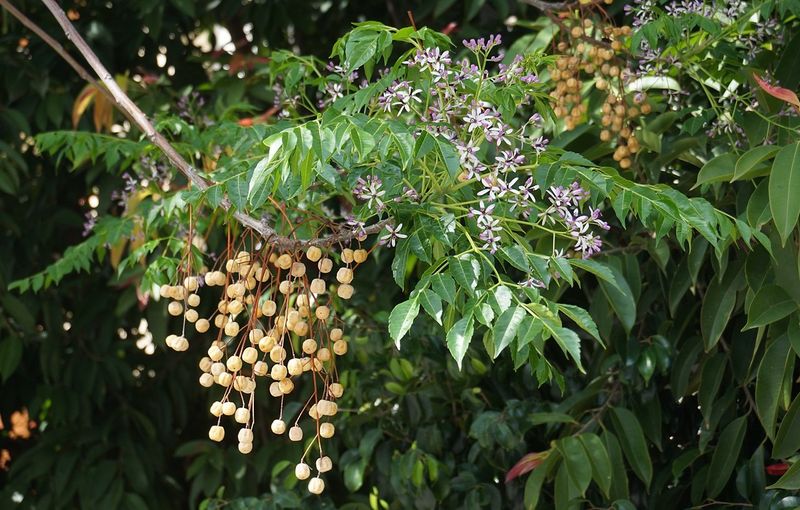
Ask any old-timer in Texas about the Chinaberry Tree, and they might smile with a bit of nostalgia. These trees were once planted all over rural Texas for shade, and they do grow quickly into large, leafy canopies.
For a hot Texas summer, that shade sounds pretty appealing. But the Chinaberry comes with a long list of problems that outweigh that temporary comfort.
Every fall, Chinaberry Trees drop enormous quantities of small yellow berries that cover the ground in a slippery, smelly mess. Birds spread those seeds everywhere, and new Chinaberry trees sprout up in fields, creek beds, and disturbed areas across Texas.
The species is considered invasive in many parts of the state, and it competes aggressively with native trees and shrubs for space and resources.
The berries are also toxic to pets and livestock, which is a serious concern for Texas families with dogs, cats, or farm animals.
The wood itself is brittle and prone to breaking in storms, which can be a safety hazard near homes and vehicles. Altogether, the Chinaberry asks a lot and gives back very little.
Texas has two native trees that offer beauty and shade without any of these headaches. The Desert Willow is a graceful, fast-growing Texas native with gorgeous trumpet-shaped flowers that attract hummingbirds all summer long.
The Anacacho Orchid Tree is another showstopper, covered in delicate white or pink blooms in spring. Both trees are perfectly suited to Texas conditions and support the local ecosystem beautifully.
6. Giant Reed
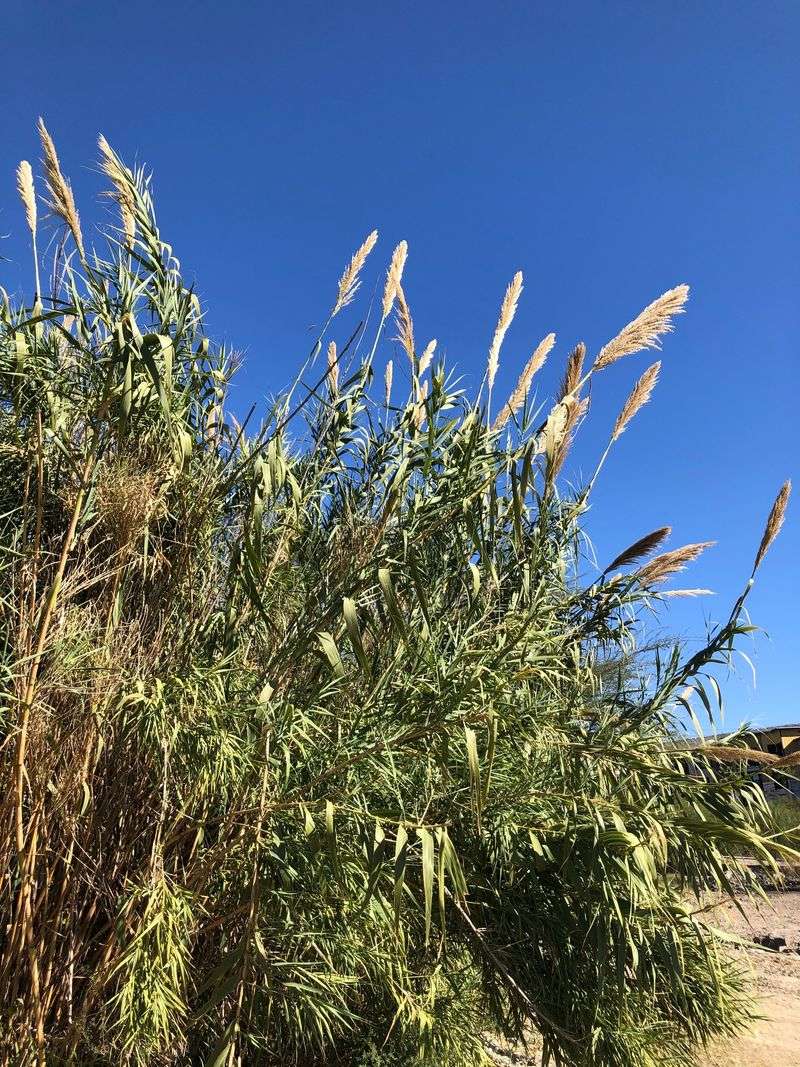
Standing up to thirty feet tall with thick bamboo-like canes, Giant Reed looks dramatic and impressive. Some Texas gardeners have planted it as a privacy screen or windbreak, drawn in by how fast it grows and how tall it gets.
But fast growth is exactly the problem with this plant, and Giant Reed is now one of the most serious invasive species threatening Texas waterways.
Along rivers, creeks, and drainage channels across Texas, Giant Reed forms massive, impenetrable stands that crowd out every native plant in sight. It uses enormous amounts of water, which puts extra stress on already limited water resources in drought-prone parts of Texas.
The dense cane thickets eliminate habitat for native birds, reptiles, and other wildlife that depend on diverse, healthy riparian vegetation.
Fire risk is another major concern. When Giant Reed canes dry out, they become extremely flammable and can fuel intense wildfires along Texas waterways.
Eradicating an established stand of Giant Reed is one of the most difficult removal jobs in invasive plant management. It often requires repeated treatments over several years before the plant is truly under control.
Native grasses offer a much smarter solution for Texas gardeners who want height, movement, and texture in their landscapes. Switchgrass is a tough, beautiful native grass that grows several feet tall and sways gracefully in the breeze.
Inland Sea Oats thrive in shaded or partially shaded Texas spots and produce lovely seed heads that persist through winter. Both choices bring beauty to your yard while supporting the Texas environment.
7. Purple Loosestrife
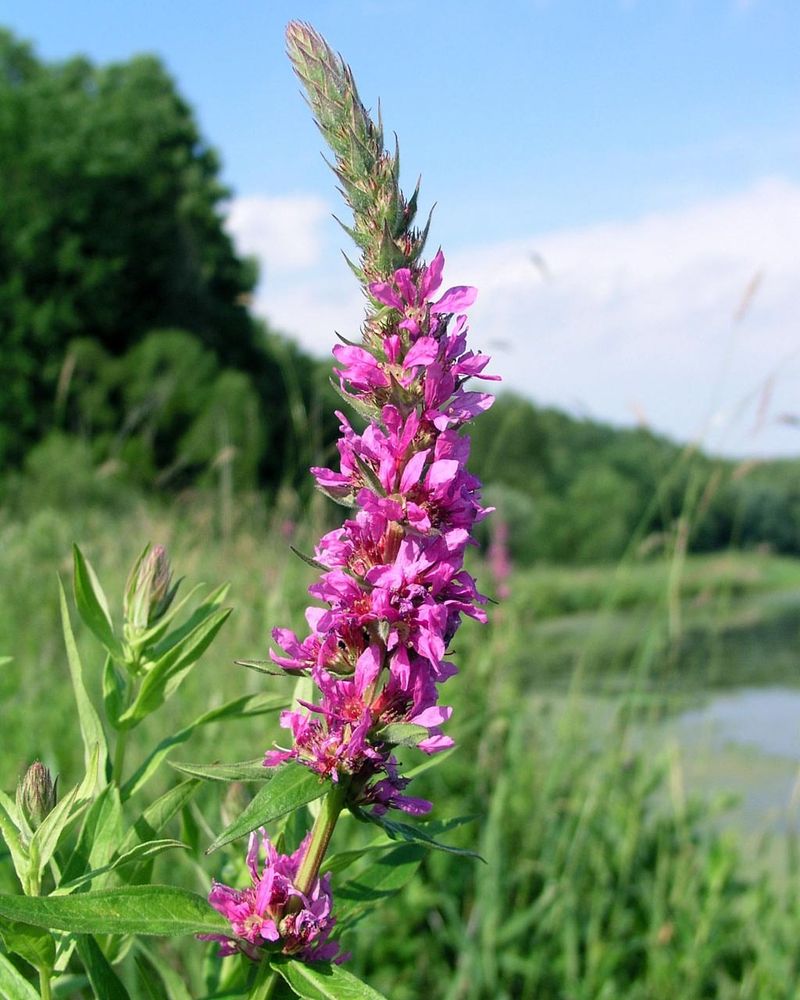
Few plants look as stunning as Purple Loosestrife in full bloom. Those tall spikes of vivid purple-pink flowers are genuinely eye-catching, and it is no surprise that this plant sometimes shows up in wildflower seed mixes or water garden collections sold across Texas.
But behind that gorgeous display is a plant with a well-documented history of ecological destruction in wetlands and moist areas.
Purple Loosestrife thrives in wet soils, pond edges, and along streams, which are some of the most ecologically sensitive spots in any Texas landscape. Once it gets established in a moist area, it spreads aggressively and forms thick stands that push out native aquatic and wetland plants.
Native cattails, rushes, and sedges that provide critical habitat for Texas waterfowl and other wildlife simply cannot compete with this aggressive invader.
Wildlife habitat suffers significantly when Purple Loosestrife takes over. Ducks, herons, and countless insects that depend on native wetland vegetation find fewer places to feed, nest, and shelter.
The ripple effects through the food chain are real and measurable. Several states have banned the sale of Purple Loosestrife entirely because of the damage it causes.
Texas gardeners who love color near water features or moist garden areas have excellent native alternatives to reach for. Blue Flag Iris is a stunning Texas native with rich violet blooms that thrive in wet soils and pond margins.
Native Texas wildflowers suited to moist conditions, like Cardinal Flower or Swamp Milkweed, also bring brilliant color while supporting pollinators and wildlife that call Texas home.