10 Plants Texas Gardeners Should Prune In January For Healthier Growth
January may feel quiet in Texas gardens, but beneath the surface, it’s a powerful turning point.
This is when smart pruning decisions set the tone for the entire growing season.
Done right, January pruning encourages stronger growth, better structure, and fewer problems later on.
Not all plants should be cut back now, and that’s where many gardeners slip up.
Prune the wrong plant at the wrong time, and you risk stressing it or sacrificing blooms.
Prune the right ones, though, and you’re giving them a head start before spring hits full stride.
These ten plants respond especially well to January pruning in Texas.
They benefit from cleaner cuts, improved airflow, and renewed energy once temperatures rise.
Think of it as strategic maintenance—quiet work now that pays off in healthier, more resilient plants when growth explodes.
1. Crape Myrtle Trees
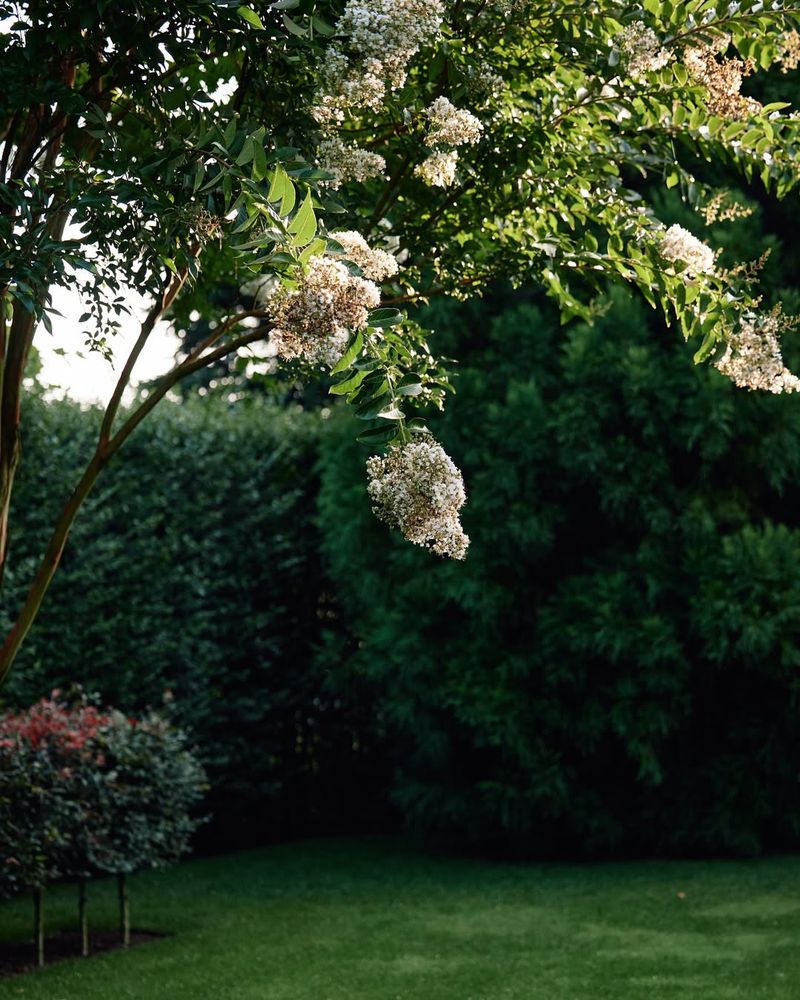
Crape myrtles stand as one of the most beloved trees in Texas landscapes, and January represents the ideal month for their annual trim.
These stunning trees respond remarkably well to dormant-season pruning, which encourages vigorous new growth and spectacular summer blooms.
Focus on removing crossing branches, suckers at the base, and any branches growing inward toward the center of the tree.
Many gardeners make the mistake of topping their crape myrtles, creating ugly knobs that weaken the tree’s structure.
Instead, practice selective pruning by cutting branches back to a lateral branch or the trunk itself.
This method preserves the tree’s natural graceful form while promoting healthy growth patterns.
Remove any branches smaller than a pencil width, as these rarely produce quality blooms.
The cooler January temperatures mean less stress on the tree, and you can easily see the branch structure without leaves blocking your view.
Your crape myrtle will reward your careful attention with an abundance of colorful flowers come summer.
Remember to sterilize your pruning tools between cuts to prevent spreading any potential diseases.
2. Rose Bushes
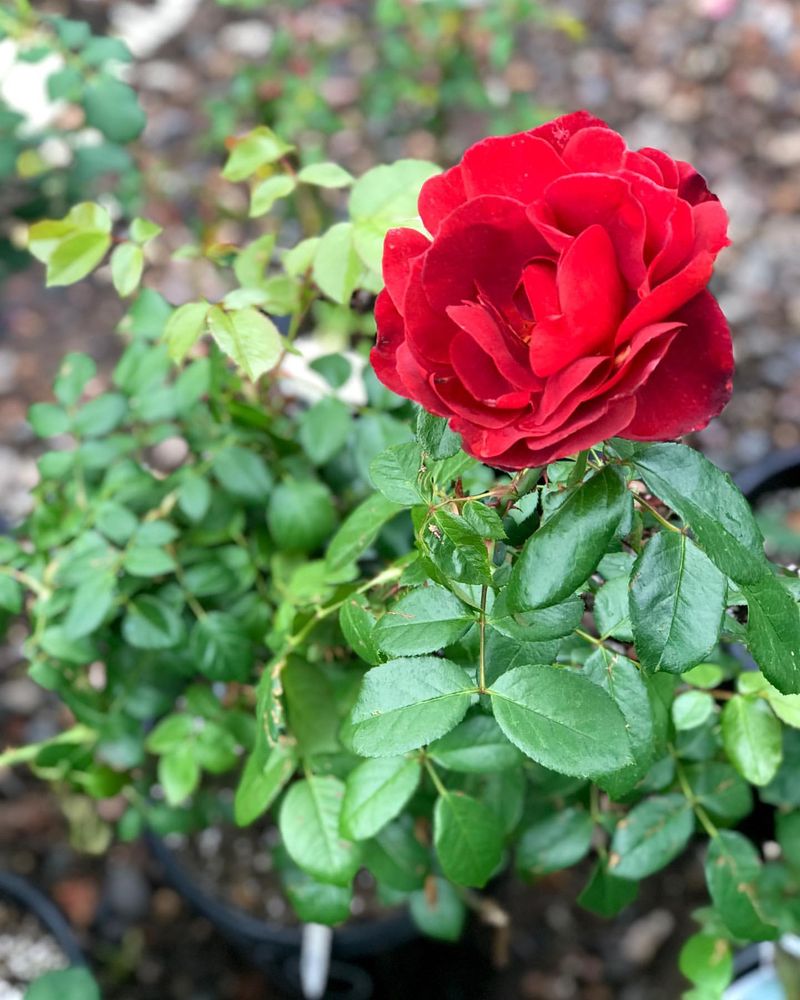
Rose enthusiasts know that January pruning makes all the difference between mediocre blooms and show-stopping flowers.
Texas roses benefit tremendously from a good trim during their dormant period, which typically falls in mid to late January.
Start by removing any diseased or damaged canes, cutting them back to healthy white tissue inside the stem.
Shape your rose bush by cutting canes at a 45-degree angle about a quarter inch above an outward-facing bud.
This angled cut prevents water from pooling on the cut surface and directs new growth away from the center of the plant.
Hybrid tea roses should be cut back to about 12 to 18 inches tall, while shrub roses need less aggressive pruning.
Always wear thick gloves when working with roses because those thorns can cause painful scratches.
Remove any canes thinner than a pencil, as they won’t produce quality blooms anyway.
Your rose bush will use its energy more efficiently when you eliminate weak growth.
Clean up all the pruned material from around the base to prevent pests and diseases from overwintering near your plants.
3. Fruit Trees Including Peaches And Apples
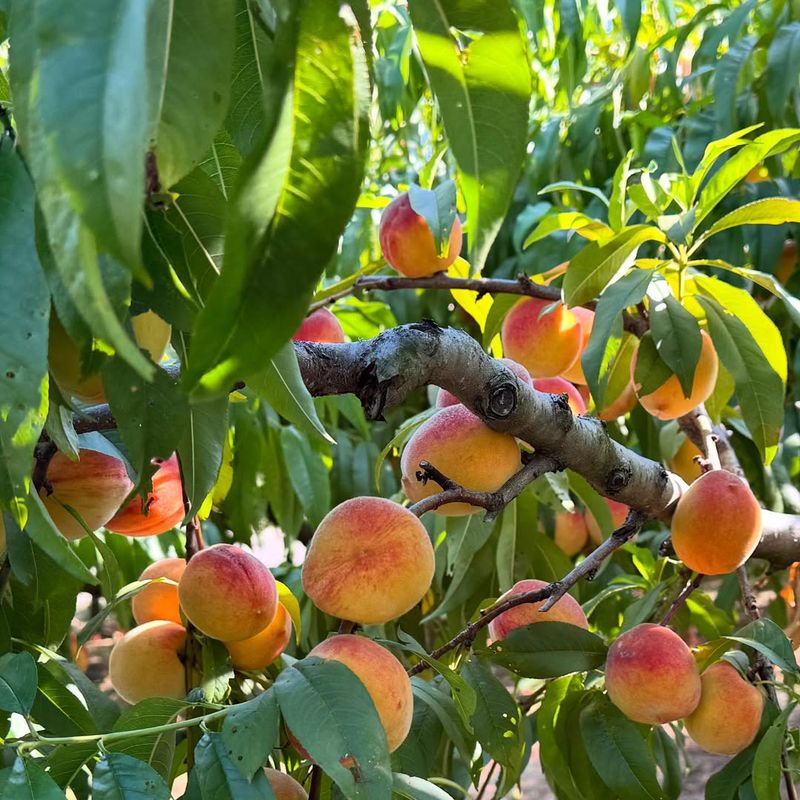
Fruit trees absolutely thrive when pruned during January’s dormant season, making this the perfect time to boost your future harvest.
Peach trees particularly need annual pruning to maintain an open center that allows sunlight to reach all the branches.
Remove any branches that grow straight up or down, as these rarely produce quality fruit.
Apple trees benefit from thinning cuts that reduce crowding and improve air circulation throughout the canopy.
Better air flow means fewer fungal problems and healthier fruit come harvest time.
Cut back the previous year’s growth by about one-third to encourage strong fruiting wood.
Look for branches that cross or rub against each other, as these create wounds that invite pests and disease.
Young fruit trees need shaping to establish a strong framework, while mature trees require maintenance pruning to keep them productive.
Always make your cuts just outside the branch collar, that slightly swollen area where the branch meets the trunk.
Your fruit trees will respond with vigorous spring growth and a bountiful crop of delicious fruit later in the season.
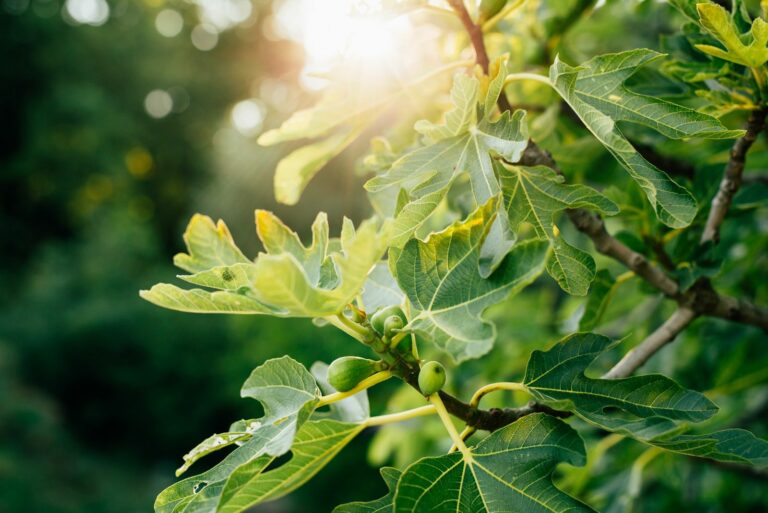
4. Fig Trees
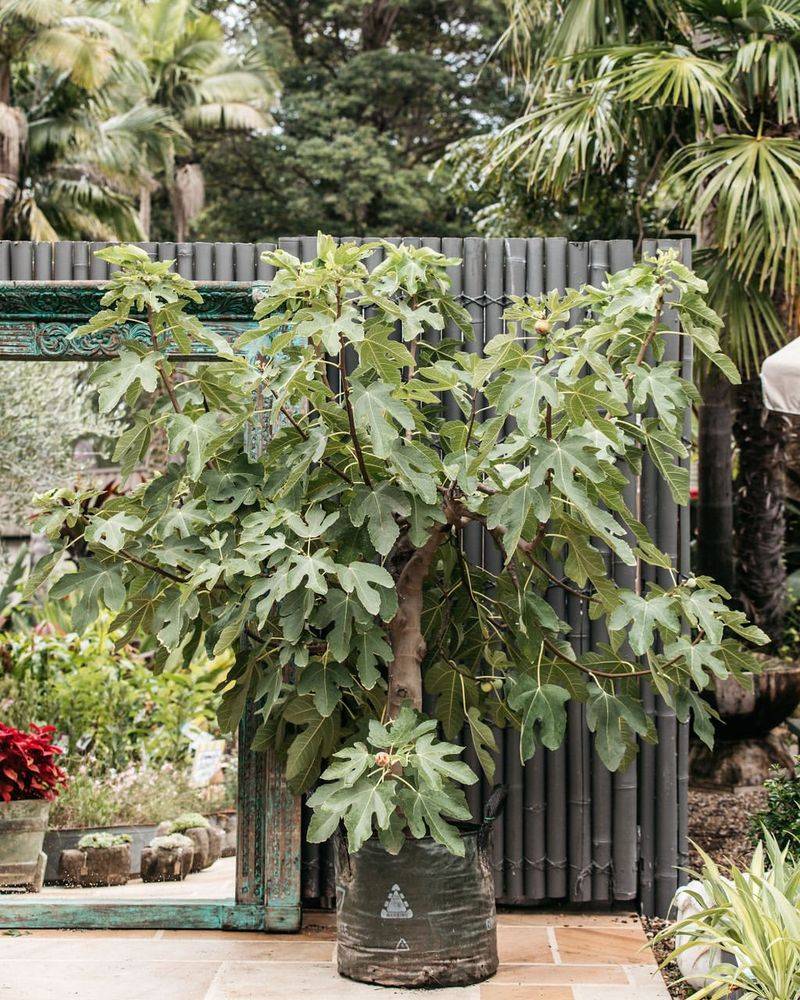
Fig trees produce some of the most delicious fruit you can grow in Texas, and January pruning keeps them healthy and productive.
These Mediterranean natives adapt wonderfully to Texas conditions but need annual attention to maintain their vigor.
Remove any branches damaged by winter cold, cutting back to healthy wood that shows no browning inside.
Fig trees tend to produce suckers around their base, and January is the perfect time to remove these energy-draining shoots.
Focus on creating an open center that resembles a vase shape, allowing sunlight to penetrate deep into the canopy.
This open structure improves fruit quality and makes harvesting much easier when those sweet figs ripen.
Cut back long branches by about one-third to encourage branching and more fruiting sites.
Figs produce fruit on new growth, so don’t worry about cutting off potential harvest.
Your pruning actually stimulates the tree to produce more of the young wood that bears the best fruit.
Keep the tree height manageable so you can easily reach the fruit without a ladder, making maintenance and harvesting safer and more enjoyable.
5. Grape Vines
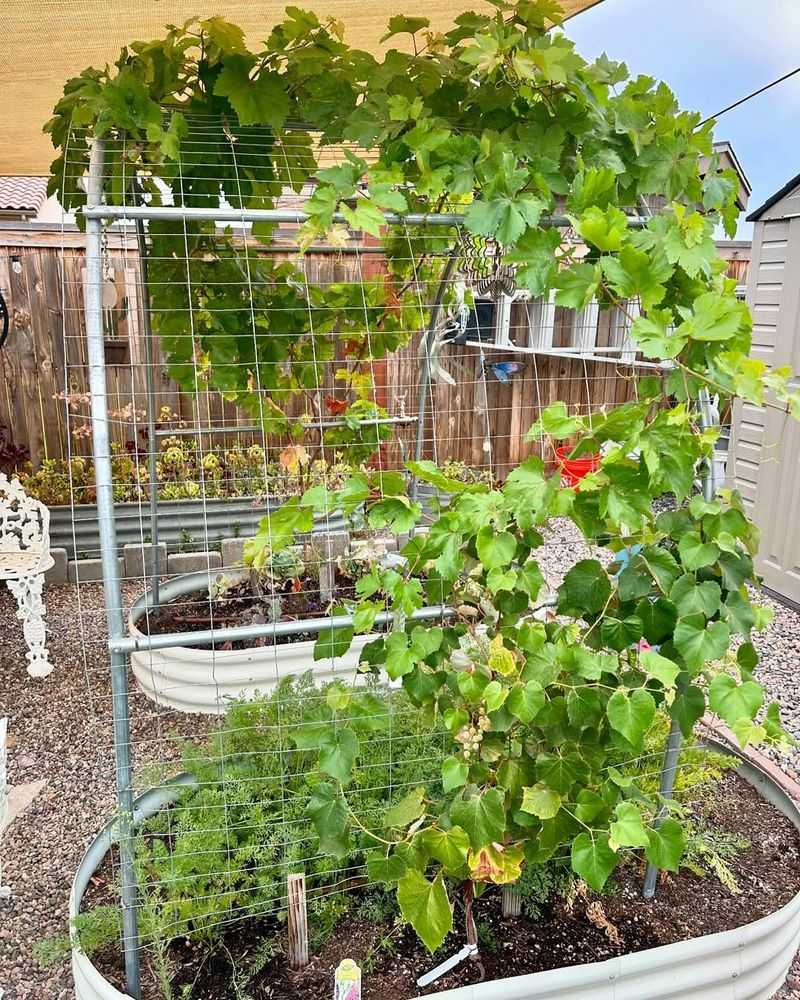
Grape vines might look like a tangled mess by January, but this is exactly when they need your careful attention.
Dormant pruning is absolutely essential for grape production because these plants fruit on current-season growth.
Without proper January pruning, your grape vine will produce tons of leaves but very little fruit.
Select two to four strong canes from last year’s growth and remove everything else right down to the main trunk.
Each retained cane should have about 10 to 15 buds, which will produce the fruiting shoots for the coming season.
This aggressive pruning might seem extreme, but grape vines can handle it and actually perform better with severe cutting back.
Tie the selected canes to your trellis or support system, spacing them evenly for balanced growth.
Remove any canes that produced fruit last year, as these older vines won’t be as productive.
Your grape vine will look sparse after pruning, but by summer it will be covered in lush growth and clusters of delicious grapes.
Save the pruned canes for crafts or simply compost them to return nutrients to your garden.
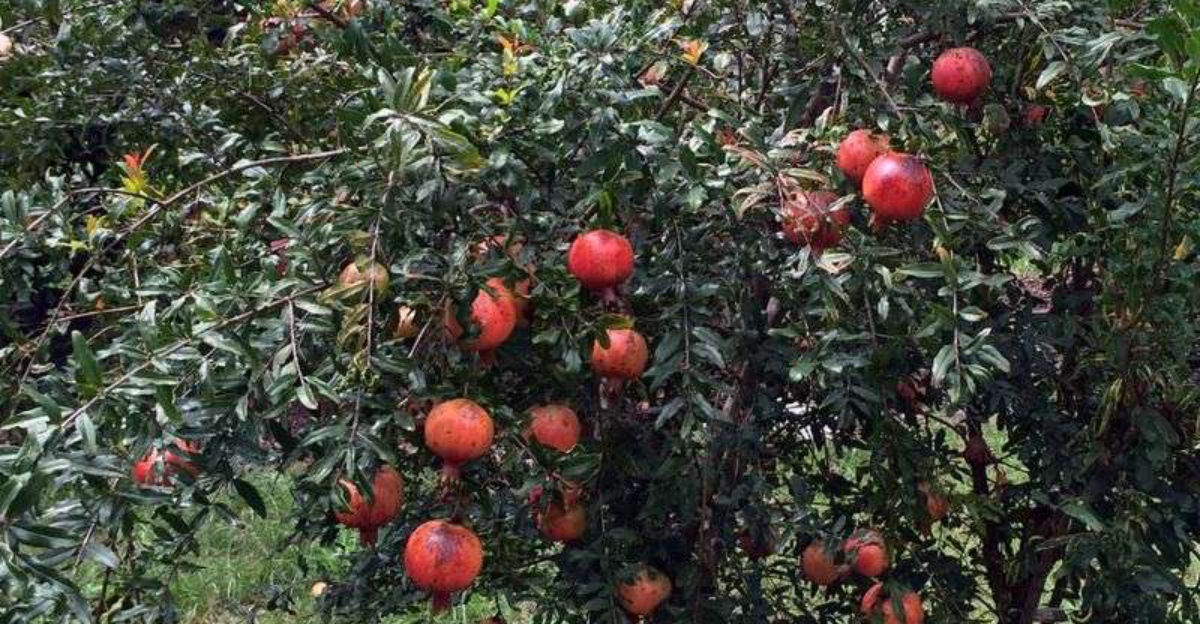
6. Pomegranate Shrubs
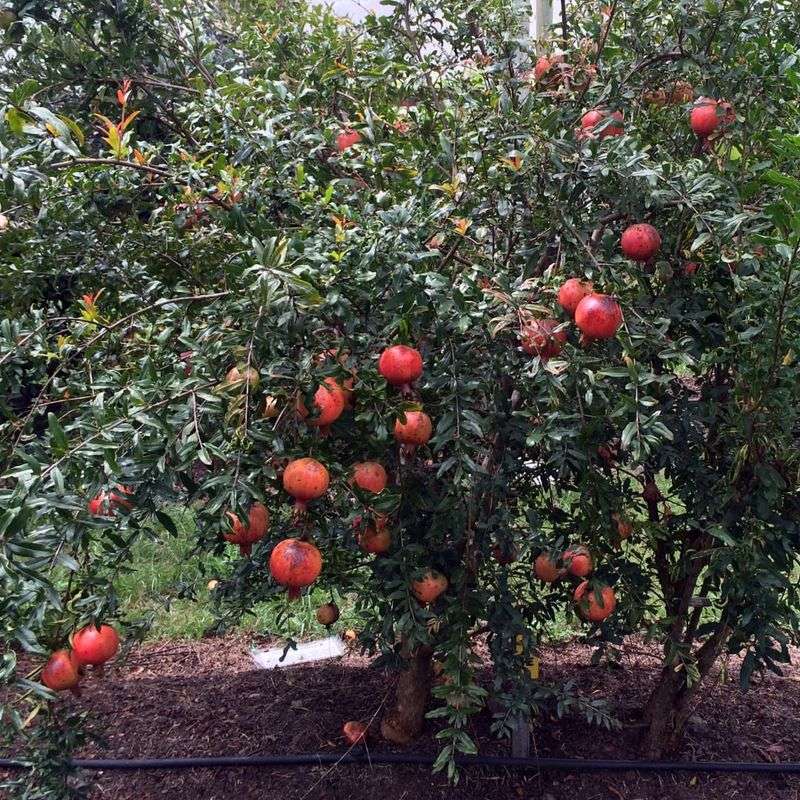
Pomegranates have become increasingly popular in Texas gardens, and January pruning helps these exotic shrubs reach their full potential.
These ancient fruits adapt surprisingly well to Texas heat but need shaping to produce the best harvest.
Begin by removing any suckers sprouting from the base, as these drain energy from the main plant.
Pomegranates naturally grow as multi-stemmed shrubs, but you can train them into small trees by selecting three to five main trunks.
Thin out crowded interior branches to improve air circulation and sunlight penetration throughout the plant.
Better light exposure means more flowers, which translates directly to more of those jewel-like fruits.
Cut back any branches that grew excessively long during the previous season, maintaining a compact and manageable shape.
Remove branches that cross or rub together, as these friction points create entry wounds for pests.
Pomegranates flower on new growth, so your January pruning actually encourages more blooms and fruit production.
The plant responds to pruning by pushing out vigorous new shoots that will be covered in orange-red flowers by spring.
7. Wisteria Vines
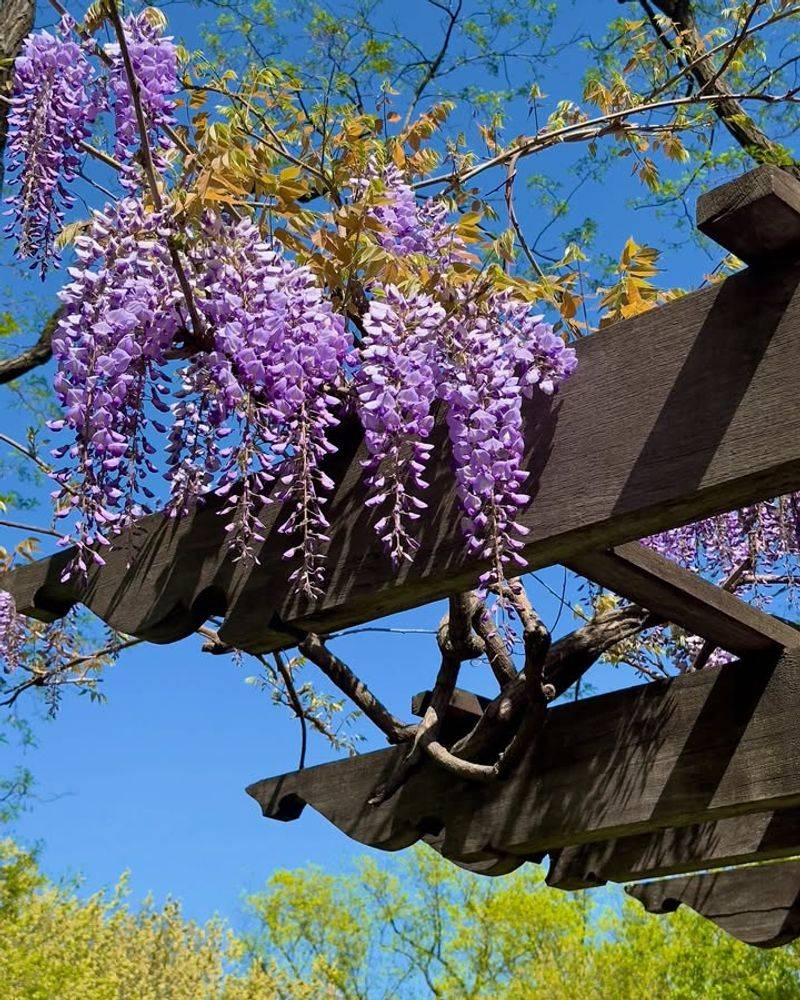
Wisteria creates breathtaking cascades of fragrant purple blooms, but only if you prune it correctly in January.
These vigorous vines can quickly become unruly monsters without annual pruning to keep them in check.
January represents the second phase of wisteria pruning, following the lighter summer trim that controls excessive growth.
Cut back all the long whips that grew during the previous season, leaving just two to three buds on each shoot.
These shortened spurs are exactly where your spectacular flower clusters will emerge in spring.
Without this severe pruning, wisteria puts all its energy into vegetative growth rather than flower production.
Many gardeners complain their wisteria won’t bloom, but inadequate pruning is usually the culprit.
Remove any shoots growing in unwanted directions or threatening to take over nearby structures.
Wisteria’s powerful vines can actually damage gutters and roofing, so keep growth directed where you want it.
Your January pruning session transforms a wild tangle into an organized framework that will explode with gorgeous blooms when spring arrives.
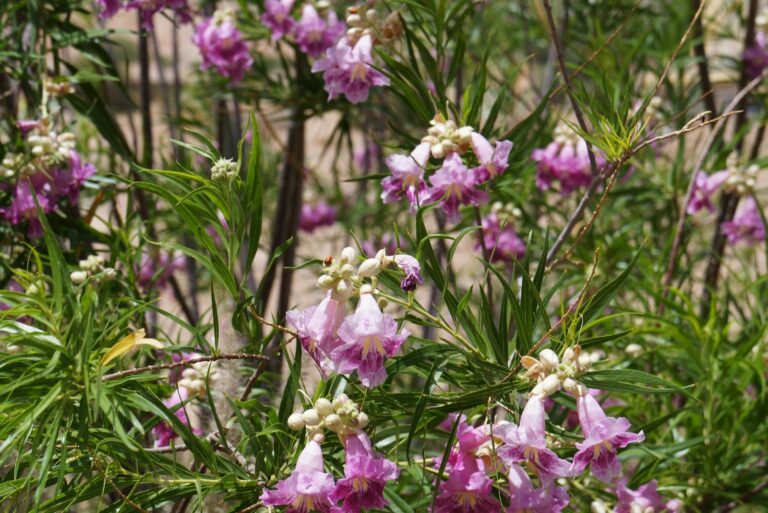
8. Vitex Trees
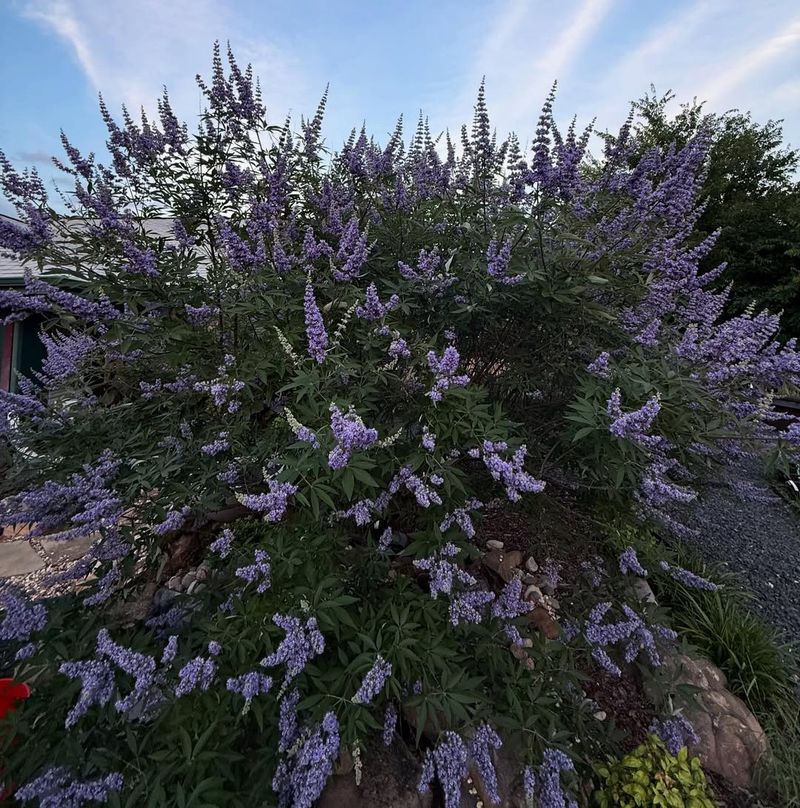
Vitex trees, sometimes called chaste trees, bring stunning purple spikes to Texas gardens throughout summer.
January pruning keeps these fast-growing trees compact and encourages the prolific blooming that makes them so popular.
Vitex blooms on new wood, meaning your winter pruning directly impacts the quantity of flowers you’ll enjoy.
Cut the entire tree back by about one-third to one-half its height, which might seem drastic but produces amazing results.
This aggressive approach stimulates vigorous new growth covered in flower spikes from late spring through fall.
Remove any branches growing toward the center of the tree, maintaining an open vase shape.
Better air circulation reduces pest problems and keeps the foliage looking fresh even during hot Texas summers.
Thin out crowded branches to create a balanced canopy that won’t become top-heavy as new growth emerges.
Vitex responds so enthusiastically to pruning that you’ll be amazed at the transformation within just a few months.
Your tree will push out numerous new shoots, each one topped with those beloved purple flower spikes that butterflies and hummingbirds adore.
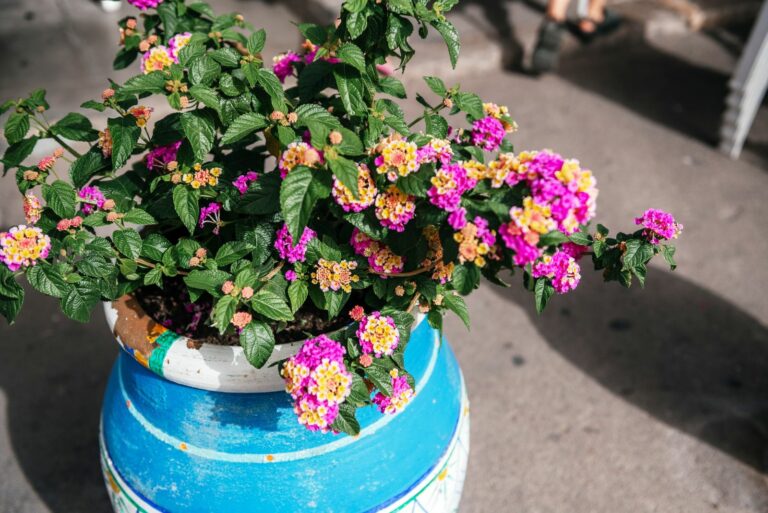
9. Lantana Shrubs
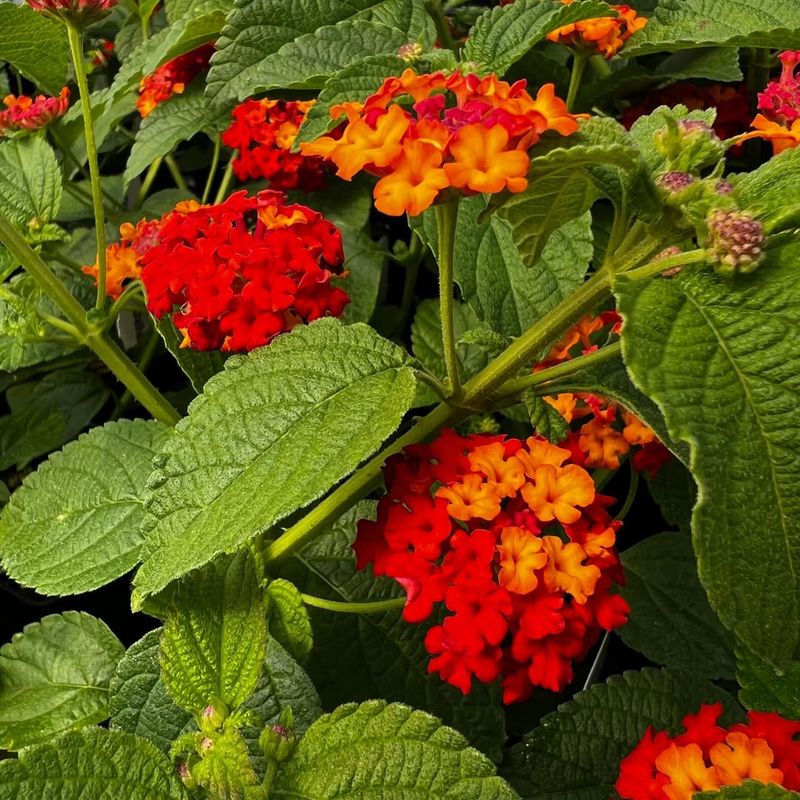
Lantana brightens Texas gardens with non-stop blooms from spring until frost, but January is when you give it a fresh start.
These tough-as-nails plants handle severe pruning beautifully, bouncing back with dense new growth.
Cut your lantana back hard, leaving just 6 to 12 inches of main stems above the ground.
This drastic cutting might look harsh, but lantana actually needs this treatment to prevent woody, unproductive growth.
Without annual severe pruning, lantana becomes leggy with flowers only at the branch tips.
Your aggressive January trim forces the plant to produce bushy new growth covered in flower clusters from bottom to top.
Remove all the previous year’s growth, which has become woody and less likely to bloom prolifically.
Lantana’s incredible vigor means it will quickly grow back, filling in with lush foliage by late spring.
This plant thrives on tough love, rewarding your bold pruning with months of colorful blooms that attract butterflies and hummingbirds.
Clean up all the pruned material to eliminate any overwintering pests that might have taken refuge in the old stems.
10. Esperanza Plants
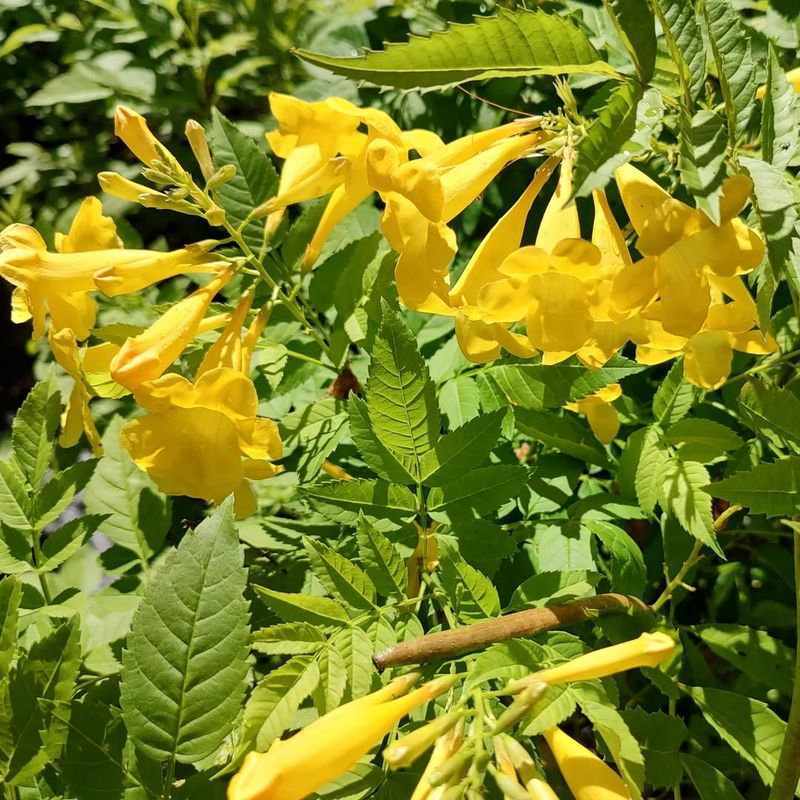
Esperanza plants dazzle with their brilliant yellow trumpet flowers throughout the Texas growing season.
These tropical-looking beauties often get nipped by winter cold, making January the perfect time for renovation pruning.
Cut esperanza back to about 6 to 12 inches from the ground, removing all the frost-damaged stems.
Even if your esperanza escaped winter damage, this severe pruning promotes the compact, bushy growth that produces the most flowers.
These vigorous plants grow quickly once warm weather returns, so don’t worry about cutting them back hard.
Remove any stems that look brown or mushy, as these won’t recover and could harbor disease.
Esperanza blooms on new growth, making your January pruning an investment in spectacular summer color.
The plant will push out numerous new shoots from the base, creating a full, rounded form covered in golden blooms.
Your bold pruning prevents the plant from becoming tall and spindly with flowers only at the top where you can’t enjoy them.
By late spring, your esperanza will look like you never touched it, except it will be fuller and more floriferous than ever before.