Pennsylvanians Are Dealing With This Silent Pest That Destroys Plants From The Roots
At first, the damage does not seem to make much sense. A plant that looked perfectly fine suddenly starts wilting, weakening, or collapsing for no clear reason.
You water it, check the leaves, maybe even blame the weather, but nothing adds up. That is what makes this particular garden pest so frustrating for Pennsylvania homeowners.
It does not always leave obvious clues above ground, and by the time the problem becomes clear, the roots may already be in serious trouble.
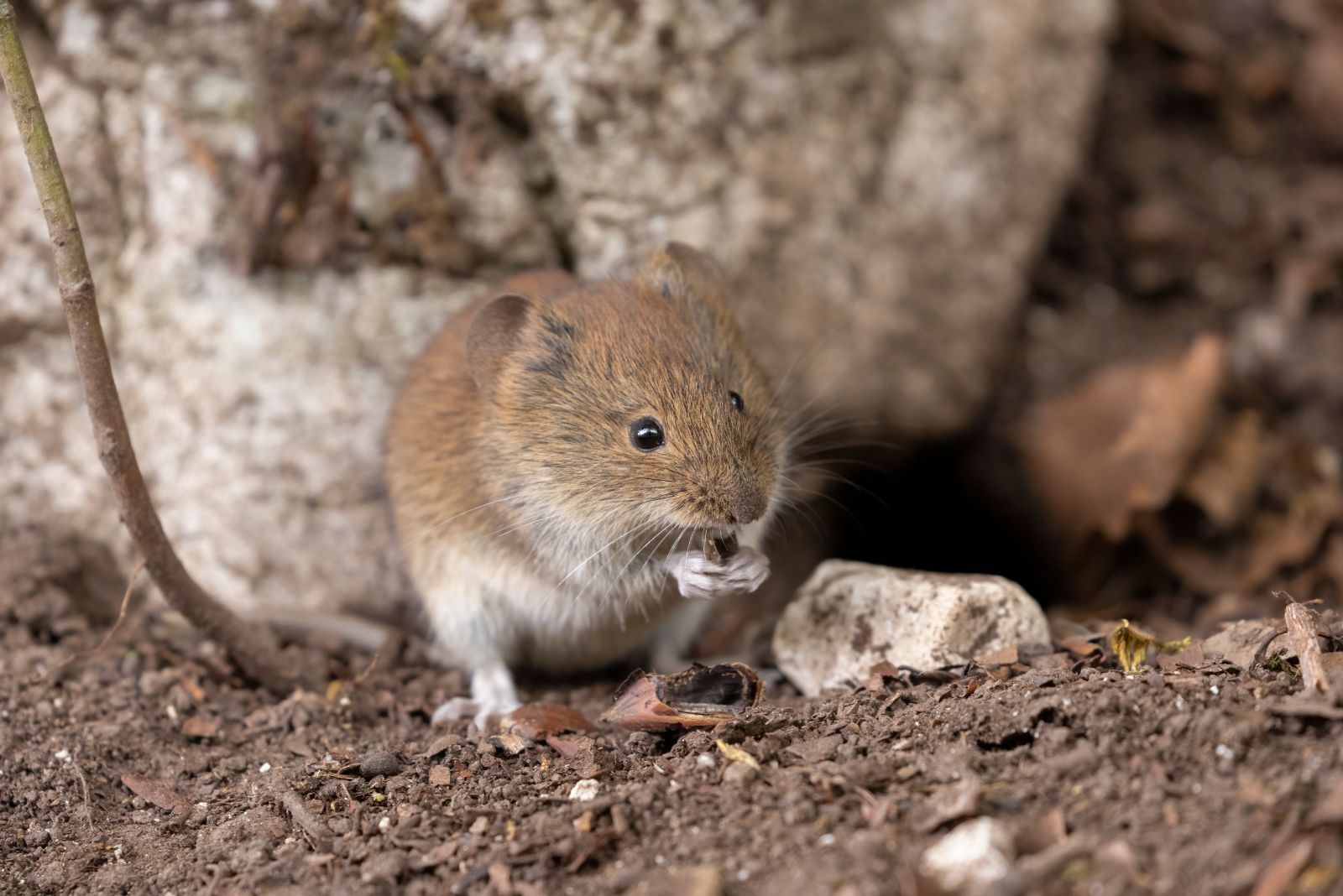
One of the most common hidden culprits is the vole, a small animal that can do an outsized amount of damage in a yard.
Instead of chewing leaves or making a dramatic mess on the surface, it works below or near the soil line, feeding on roots, bulbs, and stems where the destruction is harder to catch early.
That quiet feeding can weaken plants fast, especially in beds, around shrubs, and near young trees.
For gardeners, that makes vole damage feel sneaky and sudden. A healthy-looking landscape can start declining in spots without much warning, which is exactly why knowing the signs matters so much.
What This Silent Pest Is
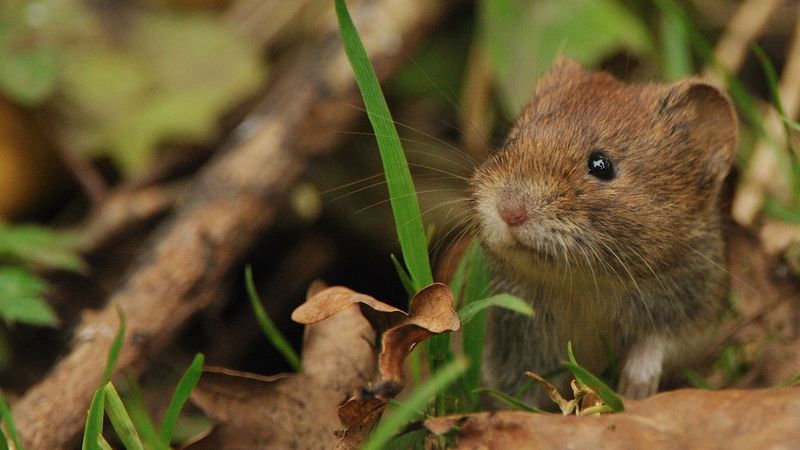
Most people have never heard of a vole, but once they learn about this tiny rodent, they start seeing signs of it everywhere. Voles look a lot like mice, but they are stockier, have shorter tails, and spend most of their time underground or hiding under thick vegetation.
They are not moles, even though many people mix up the two. Voles are plant-eaters, and that is exactly what makes them so damaging to gardens across Pennsylvania.
A fully grown vole is only about four to eight inches long. They have small eyes, rounded ears, and brownish-gray fur that helps them blend right into the soil and dry leaves.
You will rarely see one out in the open because they prefer to stay hidden under mulch, tall grass, groundcover, or in their shallow tunnel systems just below the surface.
One of the most surprising things about voles is that they are active all year long. Even during cold Pennsylvania winters, voles keep moving and feeding under the snow.
They do not hibernate, which means your plants are never fully safe from their feeding. Their tunnel systems can stretch across a large area of a yard, allowing them to reach many plants without ever coming above ground.
Knowing what a vole looks like and how it lives is the first step to catching a problem early. Many gardeners spend months treating the wrong pest simply because they did not realize voles were the ones responsible for the damage happening right beneath their feet.
How Voles Destroy Plants
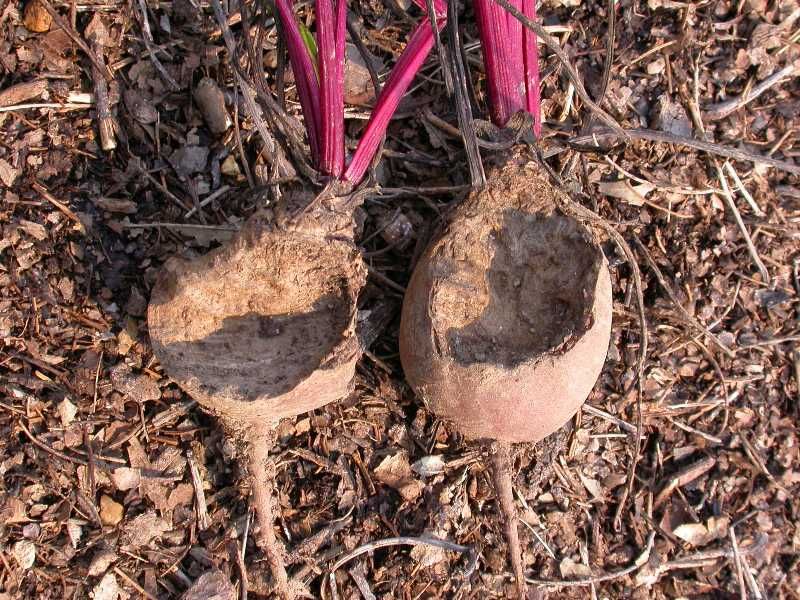
Here is something that surprises a lot of Pennsylvania gardeners: the damage voles cause often happens completely out of sight. These small rodents feed on plant roots, bulbs, and the lower parts of stems, all of which are underground or at ground level.
By the time you notice a plant is struggling, the roots may already be badly damaged or completely chewed through.
Your Pennsylvania Garden Changes Every Week. Your Plan Should Too.
Gardening in Pennsylvania changes quickly throughout the season. Every Friday you’ll receive a simple weekly plan showing exactly what to plant, prune, fertilize, harvest, and protect so you never miss the right timing.
Voles cut off the plant’s ability to take in water and nutrients. Roots are like a plant’s drinking straw.
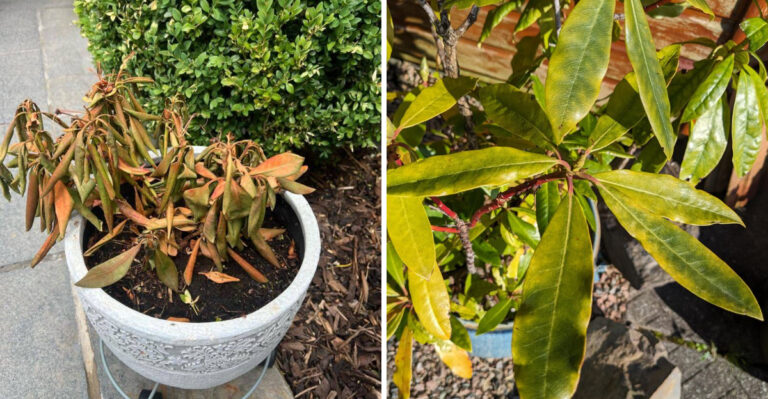
When voles chew through them, the plant can no longer pull what it needs from the soil. This is why affected plants often look like they are suffering from drought, even when the soil is perfectly moist.
Bulbs like tulips and lilies are especially popular targets. Voles will tunnel right to them and eat them entirely, leaving nothing behind.
Young trees are also at serious risk. Voles often chew on the bark at the base of a tree, especially during winter when other food is harder to find.
This type of damage, called girdling, can cut off the flow of nutrients between the roots and the rest of the tree. A tree that has been girdled all the way around its base will struggle to survive.
What makes vole damage so frustrating is how fast it can appear to happen. One week your garden looks fine, and the next week plants are wilting and falling over.
The destruction was already happening underground, hidden from view, and by the time it shows up above ground, the damage is already done.
Signs You Have Voles (Most Gardeners Miss These)
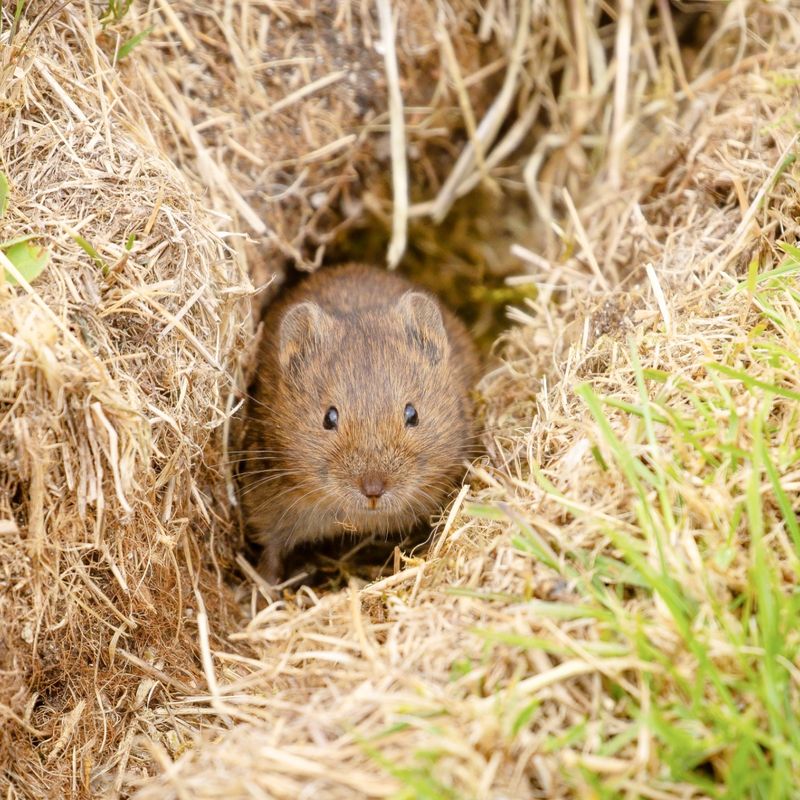
Spotting a vole problem early can save your garden from serious damage. The trouble is, most of the warning signs are easy to overlook or misread.
Knowing exactly what to look for gives Pennsylvania gardeners a real advantage before things get out of hand.
One of the clearest signs of voles is narrow runways or pathways in your lawn or mulch. These are small trails, usually about one to two inches wide, that voles use repeatedly as they travel between tunnels and feeding spots.
They often appear in grassy areas or under thick ground cover. If you part the grass or move some mulch and see these worn-down paths, voles are likely nearby.
Another sign is small burrow openings in the soil. These holes are usually about the size of a quarter or a little larger.
They do not have the large mounds of dirt that mole tunnels often produce. Vole holes tend to be cleaner and more discreet, which is another reason they get missed.
Pay close attention to your plants, too. If a plant is wilting even though you have been watering it regularly, that is a red flag.
Gently tug on the base of the plant. If it pulls up easily or feels loose in the soil, the roots may have been chewed away.
This is one of the most telling signs that voles have been feeding underground. Loose soil around the base of a plant is another clue.
Catching these signs early gives you the best chance to act before the problem spreads further across your Pennsylvania yard.
Why They’re So Common In Pennsylvania
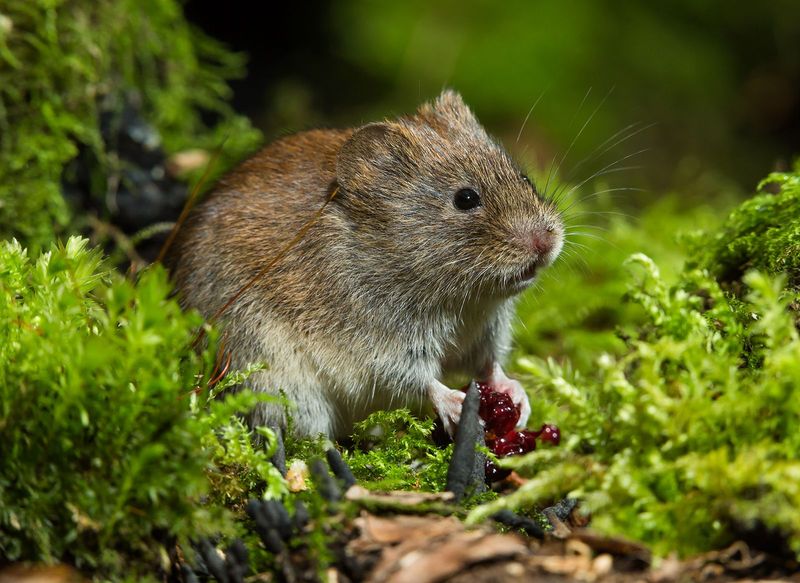
Pennsylvania is practically a paradise for voles, and that is not an exaggeration. The state’s mix of moist soil, dense vegetation, and varied seasons creates exactly the kind of environment where voles thrive and reproduce quickly.
If you have ever wondered why your neighbor seems to have a vole problem every year, the answer is rooted in the landscape itself.
Voles love areas with lots of cover. Thick mulch beds, dense groundcover plants, tall grass near garden borders, and overgrown shrubs all give voles the shelter they need to move around safely without being spotted by predators.
Many Pennsylvania homeowners use heavy mulch in their garden beds to protect plants during winter, which unfortunately also creates ideal hiding spots for voles right next to the plants they want to eat.
The moist soil found throughout much of Pennsylvania is also a big factor. Voles prefer soft, damp soil because it is easier to tunnel through and tends to support more of the roots, bulbs, and plant material they feed on.
Wet springs and humid summers keep the soil in great condition for vole activity. Reproduction is another reason vole populations can explode so quickly. A single female vole can have several litters of young each year, with each litter containing multiple pups.
Under the right conditions, a small vole population can grow into a large one within just a few months. Combined with the fact that they stay active through Pennsylvania winters, this rapid reproduction means a minor vole issue can become a major garden problem before most homeowners even realize what is happening.
Common Mistake: Confusing Voles With Moles
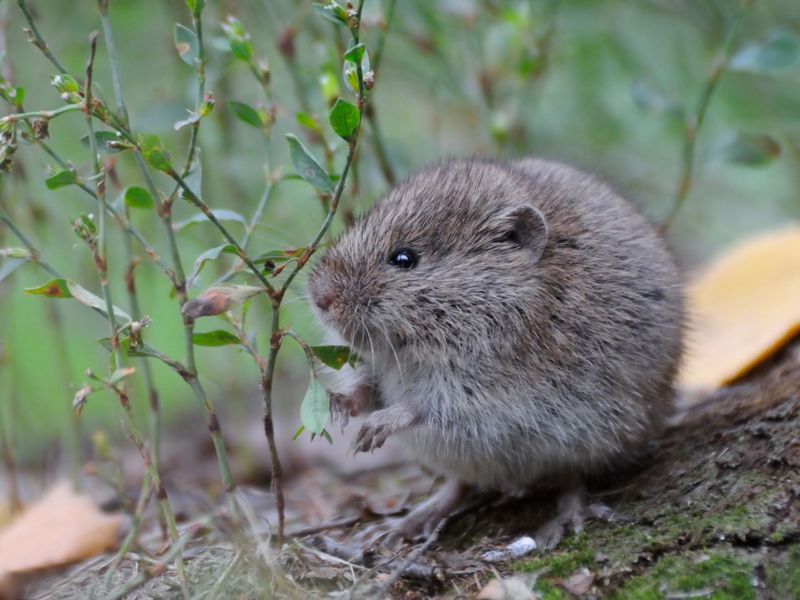
Mixing up voles and moles is one of the most common mistakes Pennsylvania gardeners make, and it leads to a lot of wasted time and money. The two animals are completely different in what they eat, how they behave, and what kind of damage they cause.
Getting the identification wrong means using the wrong control method, and that will not solve your problem at all.
Moles are insect-eaters. They tunnel through the soil in search of earthworms and grubs, and their tunneling can disrupt lawn roots and create raised ridges across your yard.
However, moles do not eat your plants. If you are seeing plant damage, moles are not your culprit.
Voles, on the other hand, are plant-eaters through and through. They target roots, bulbs, bark, and stems, which is why they are so destructive in garden beds.
The tunnels are also different. Mole tunnels tend to create raised ridges or large dirt mounds called molehills on the surface.
Vole tunnels are shallower and do not usually push up the soil in the same dramatic way. Vole runways are visible as flat pathways through grass or mulch, not raised ridges.
Physically, the two animals look different as well. Moles have large, paddle-like front paws built for digging and a pointed, hairless snout.
Voles look much more like a mouse. Treating for moles when you actually have voles means your plants keep getting damaged while the real pest goes untouched.
Taking a moment to correctly identify which animal you are dealing with in your Pennsylvania yard will save you a lot of frustration in the long run.
What To Do If You Find Them
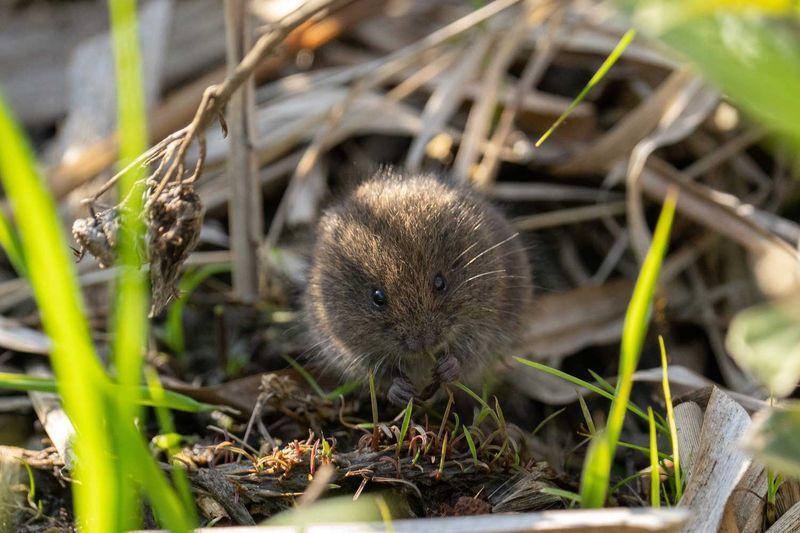
Finding voles in your Pennsylvania yard does not have to mean losing your entire garden. There are several practical steps you can take right away to reduce their numbers and protect your plants.
The sooner you act, the better your chances of keeping the damage to a minimum. Start by reducing the cover that voles rely on. Trim grass regularly, especially around garden borders and the bases of trees and shrubs.
Pull back heavy mulch from the base of plants and trees, leaving a gap of several inches. Voles feel exposed without cover, so removing their hiding spots makes your yard much less attractive to them.
Keeping your garden area clean, open, and well-maintained is one of the simplest and most effective long-term strategies.
Protecting tree bases is especially important during fall and winter in Pennsylvania. Wrap young tree trunks with plastic tree guards or hardware cloth to prevent voles from chewing the bark.
Make sure the guard goes a few inches below the soil line as well, since voles often approach from underground.
Monitoring your garden regularly is key. Walk your yard every week and look for the warning signs mentioned earlier: runways, loose plants, burrow holes, and wilting despite watering.
Catching a new vole activity early gives you a much better chance of managing it before it spreads. You can also use vole-specific traps in active runway areas for more direct control.
The goal is to stay one step ahead of these quiet, fast-moving pests. With consistency and the right approach, Pennsylvania gardeners can protect their plants and keep their yards healthy all year long.