7 Plants That Bring Birds To Florida Yards Without Attracting Pests
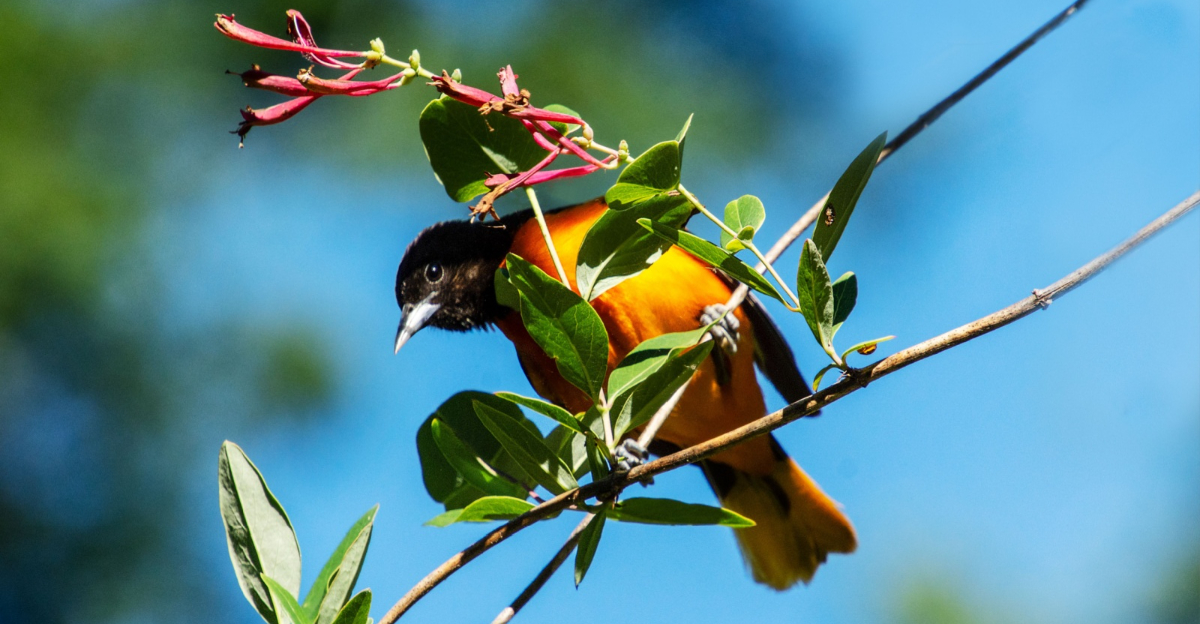
Florida backyards can become living bird sanctuaries without turning into bug magnets. The secret is choosing native plants that evolved with Florida’s climate and wildlife.
These plants provide natural food, shelter, and nesting space for hummingbirds, cardinals, warblers, and painted buntings while helping reduce common nuisance insect problems compared to typical landscaping.
Instead of relying on feeders alone, many homeowners are discovering that the right shrubs, grasses, and vines bring steady bird activity straight to their windows.
Morning coffee turns into wildlife viewing as hummingbirds chase nectar blooms and songbirds gather around berry-producing branches. Even better, native plants require less water, fertilizer, and chemical treatment, making them easier to maintain and better for the environment.
If you want more birds, fewer landscape headaches, and a yard that works with nature instead of against it, these Florida-friendly plants can make a dramatic difference in just one growing season.
1. Firebush (Hamelia patens)
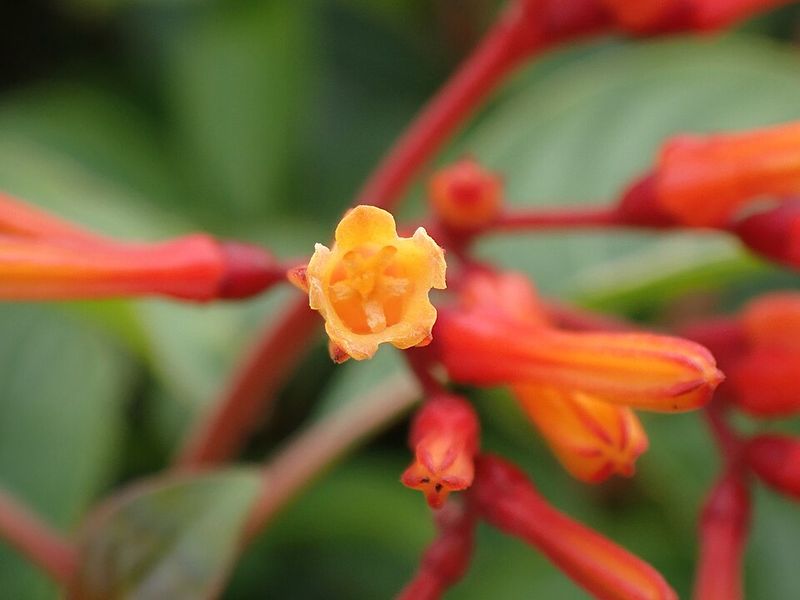
Hummingbirds hover at eye level just after sunrise, their wings buzzing near tubular orange flowers that seem to glow against morning light.
Firebush creates this scene in your yard because its nectar-rich blooms are perfectly shaped for ruby-throated hummingbirds and migrating rufous hummingbirds that pass through Florida each fall.
Cardinals and catbirds also visit for the small dark berries that ripen throughout warm months, providing protein-rich food without the sticky mess that attracts ants or wasps.
This shrub grows naturally from Central Florida southward, thriving in full sun and sandy soils where other flowering plants struggle. Firebush tolerates drought once established, meaning you avoid excessive irrigation that can contribute to standing moisture problems.
The plant’s tubular flower shape favors hummingbirds and butterflies and typically experiences fewer pest issues than many ornamental flowering shrubs.
Homeowners notice increased hummingbird activity within weeks of planting firebush in clusters of three or more. The shrub blooms nearly year-round in South Florida and from spring through fall in Central regions, giving migrating warblers and resident mockingbirds continuous food sources.
Leaving spent flowers on the plant allows berries to develop, which painted buntings and gray catbirds eagerly consume during winter months when other food becomes scarce.
Planting firebush near a window lets you watch hummingbird territorial displays without stepping outside, turning your morning coffee into a wildlife observation session.
2. Beautyberry (Callicarpa americana)
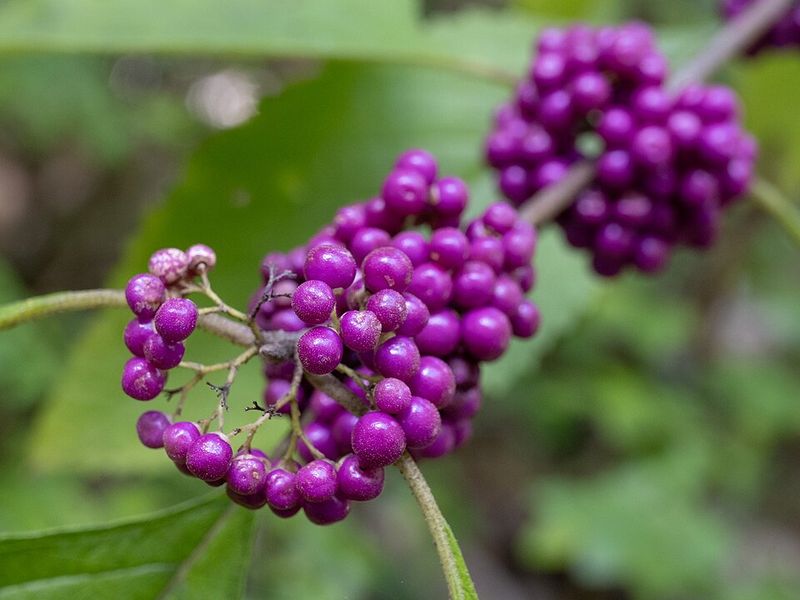
Clusters of bright purple berries appear along arching branches each autumn, drawing flocks of robins and cedar waxwings that strip the fruit within days.
Beautyberry produces these jewel-toned berries after inconspicuous pink flowers fade in late summer, timing perfectly with fall migration when thrushes and warblers need high-energy food before long flights.
The plant contains natural compounds that have been studied for insect-repelling properties, though planting beautyberry alone will not eliminate mosquitoes or ticks in the landscape.
This deciduous shrub grows throughout Florida but performs best in partial shade with occasional irrigation during establishment.
Beautyberry loses its leaves in winter across North and Central Florida, which some homeowners initially worry about, but this dormancy period actually benefits ground-feeding birds like towhees and thrashers that forage through leaf litter for insects.
The bare branches also provide perfect perching spots for cardinals and blue jays surveying your yard.
You will notice mockingbirds and catbirds defending beautyberry shrubs during peak berry season, chasing away competitors to claim the fruit. Planting beautyberry in groups of five or more creates enough berries to feed multiple bird species without territorial conflicts.
The shrub tolerates pruning well, so you can shape it to fit smaller spaces while maintaining berry production. Leaving some berries unharvested through winter provides emergency food during cold snaps when insects disappear and other natural food sources freeze.
3. Coontie (Zamia integrifolia)
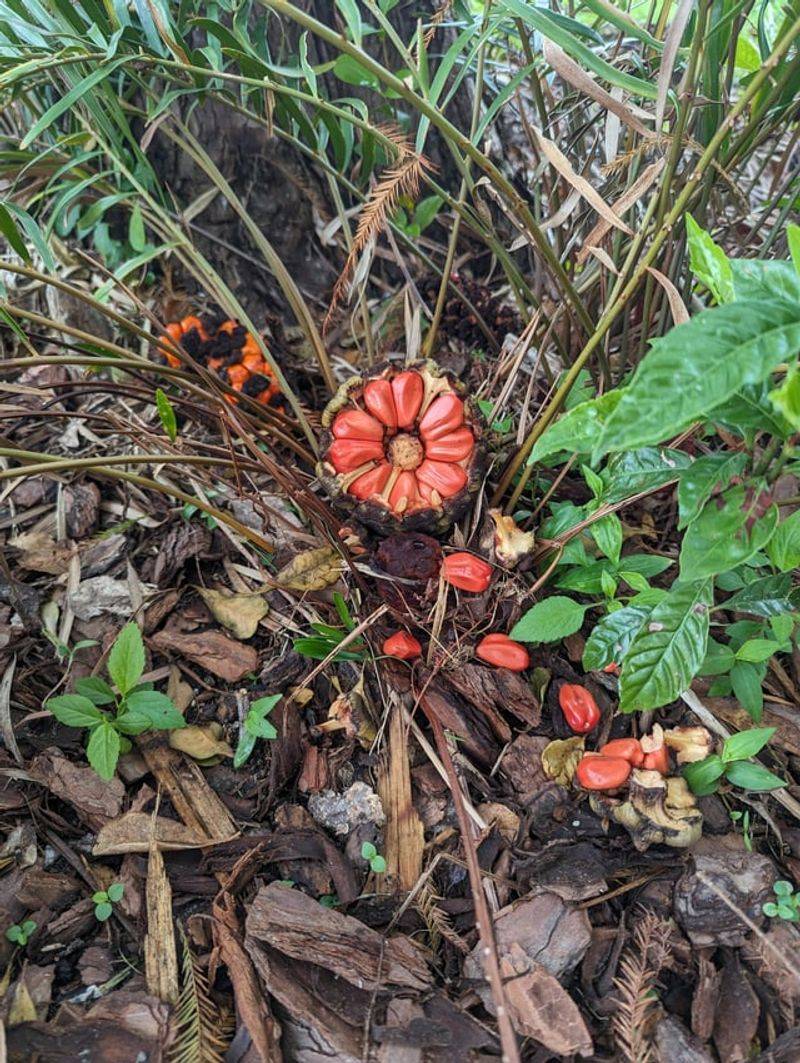
Ground doves walk slowly beneath stiff fronds, picking fallen seeds from sandy soil while staying hidden from hawks circling overhead. Coontie provides this low-level shelter because its compact rosette growth creates protected feeding zones where smaller birds feel secure.
The plant produces cone-like structures that release bright red or orange seeds, which doves, quail, and towhees consume after the fleshy coating softens and falls naturally to the ground.
Coontie thrives in dry shade throughout Florida, making it ideal for planting under oak trees or along north-facing walls where grass struggles. This cycad has no true flowers, so it produces no nectar that would attract bees, wasps, or ants.
The tough, waxy fronds resist chewing insects, and the plant’s slow growth means you never deal with aggressive spreading or constant pruning that disturbs nesting birds.
Homeowners appreciate how coontie requires zero fertilizer and minimal water once established, reducing the runoff that can attract pest insects to standing puddles.
The plant’s low profile makes it perfect for layering beneath taller shrubs like beautyberry or Simpson’s stopper, creating vertical habitat structure that different bird species use at different heights.
Carolina wrens often nest in vegetation near coontie patches, using the sturdy fronds as protective cover. Planting coontie in groups along pathways or property borders gives ground-feeding birds safe corridors to move through your yard while staying out of sight from predators and household pets.
4. Simpson’s Stopper (Myrcianthes fragrans)
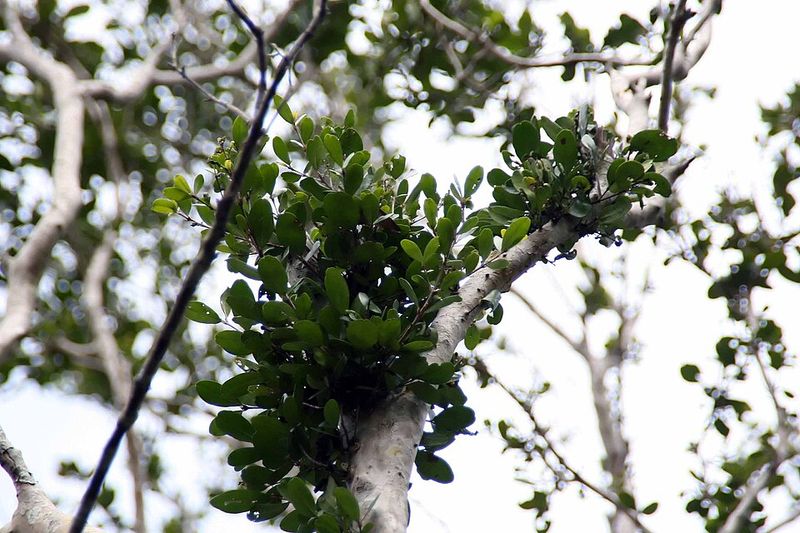
Small white flowers release a subtle fragrance that reminds you of orange blossoms, yet the blooms attract native bees without bringing the aggressive wasps that crash summer picnics.
Simpson’s stopper blooms in spring and sporadically through summer, producing tiny berries that ripen to dark purple by fall when migrating vireos and tanagers need quick energy during their journey south.
The berries are small enough that birds swallow them whole, leaving no messy pulp on patios or sidewalks that would attract ants and fruit flies.
This evergreen shrub grows naturally in coastal hammocks from Central Florida southward, tolerating salt spray and sandy soils that challenge other fruiting plants.
Simpson’s stopper responds well to pruning, allowing you to shape it into a formal hedge or let it grow naturally into a small tree that provides nesting sites for mockingbirds and cardinals.
The dense branching structure offers excellent cover where warblers and wrens forage for small caterpillars and spiders without exposing themselves to hawks.
You will notice increased bird activity around Simpson’s stopper during early morning hours when dew makes insects more visible on the glossy leaves. The plant typically requires little to no pesticide use because its tough leaves experience relatively low pest pressure compared to many common hedge plants.
Planting Simpson’s stopper as a property border creates a living fence that screens views while providing year-round food and shelter. The shrub’s moderate growth rate means you establish habitat without the aggressive maintenance that disturbs nesting cycles.
5. Elliott’s Lovegrass (Eragrostis elliottii)
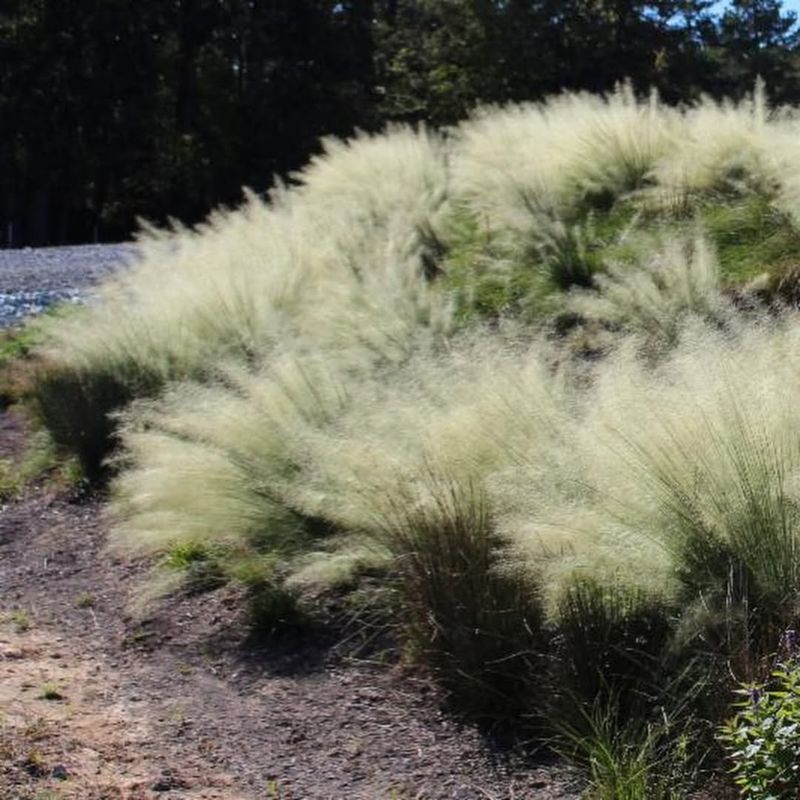
Painted buntings perch on delicate seed heads, their brilliant colors contrasting with the airy grass plumes that sway in afternoon breezes. Elliott’s lovegrass produces abundant seeds from late summer through winter, providing essential food for sparrows, towhees, and indigo buntings that spend cooler months in Florida.
The grass grows in dense clumps that create ground-level shelter where birds can escape quickly if a hawk appears, yet the open structure prevents rodents from establishing hidden nests that would attract snakes.
This warm-season grass thrives in full sun across all Florida regions, tolerating both drought and occasional flooding without developing heavy thatch buildup that can harbor pests. Elliott’s lovegrass has fine-textured foliage that rarely attracts grasshoppers or armyworms, unlike many ornamental grasses that require pesticide applications.
The grass goes dormant during winter in North Florida but remains semi-evergreen in Central and South regions, providing consistent cover for ground-feeding species.
Homeowners find that Elliott’s lovegrass requires cutting back only once annually in late winter, a schedule that allows birds to consume all available seeds before new growth begins. The grass self-seeds moderately, filling in bare spots without becoming invasive or crowding out other native plants.
Planting Elliott’s lovegrass in drifts along fence lines or property edges creates natural-looking borders that attract sparrows, finches, and other seed-eating birds, with grassland species occasionally visiting larger open plantings during migration.
The grass blades provide nesting material that wrens and finches gather in spring, pulling individual strands to weave into cup-shaped nests hidden in nearby shrubs.
6. Coral Honeysuckle (Lonicera sempervirens)
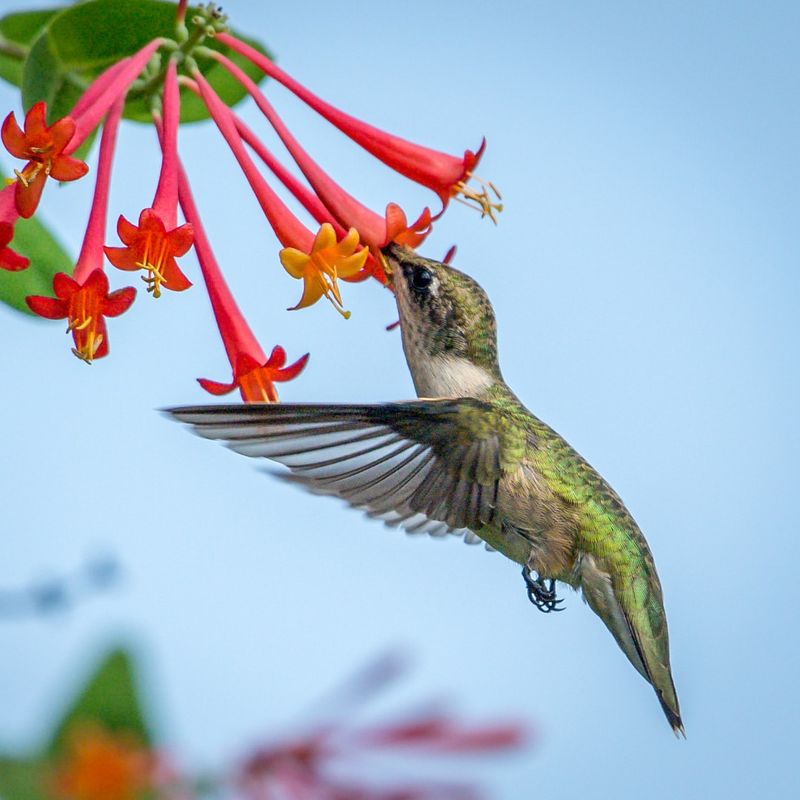
Hummingbirds return to the same coral-colored blooms each morning, establishing feeding routes that bring them past your kitchen window like clockwork. Coral honeysuckle produces tubular flowers from spring through fall, offering nectar that hummingbirds readily seek out and often choose over artificial feeders.
Unlike invasive Japanese honeysuckle, the native coral variety produces firm berries that songbirds eat without creating the sticky residue that attracts wasps and yellowjackets to outdoor living spaces.
This evergreen vine climbs moderately, reaching eight to fifteen feet when given a trellis or fence for support.
Coral honeysuckle grows throughout Florida but blooms most prolifically in areas with morning sun and afternoon shade, conditions that also reduce powdery mildew and other fungal issues that plague non-native honeysuckles.
The vine’s twining growth habit creates secure nesting sites for Carolina wrens and house finches, who weave their nests into the dense foliage where predators cannot easily reach.
You will notice ruby-throated hummingbirds defending coral honeysuckle vines during peak blooming periods, perching on nearby branches between feeding bouts.
The vine requires minimal pruning if you allow it to grow naturally along existing structures, and the semi-woody stems resist damage from afternoon thunderstorms.
Planting coral honeysuckle near seating areas lets you watch hummingbird territorial displays and listen to the soft chirps they make while feeding. The vine’s berries ripen in late summer, providing food for migrating thrushes and hermit thrushes that pause in Florida gardens before continuing south.
7. Fakahatchee Grass (Tripsacum dactyloides)
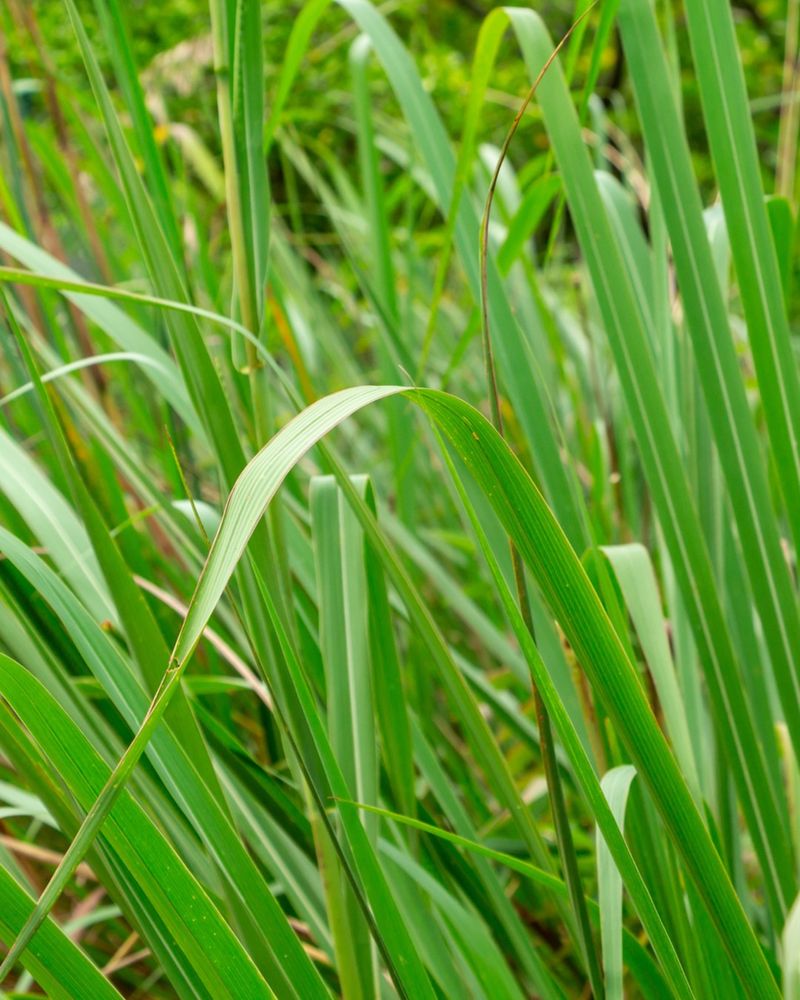
Sparrows rustle through tall grass blades at dawn, their movements creating soft sounds that signal feeding activity to other birds in your yard. Fakahatchee grass produces chunky seed heads that remain on the plant through winter, offering reliable food when cold fronts push migrating sparrows and juncos into Florida.
The grass grows in robust clumps reaching four to seven feet tall, creating vertical structure that smaller birds use as lookout posts while larger species like cardinals and blue jays forage in the understory below.
This warm-season grass thrives in moist to wet soils throughout Florida, making it useful for stabilizing low spots and improving drainage when planted densely. Fakahatchee grass has thick, corn-like stems that resist damage from heavy rain and wind, maintaining its structure through hurricane season when birds need stable shelter.
The grass produces no sticky sap or fragrant oils that would attract pest insects, and its robust growth helps suppress many common weeds without requiring herbicide applications that could harm ground-feeding birds.
Homeowners appreciate how Fakahatchee grass provides four-season interest, with fresh green growth in spring, tall seed heads in summer and fall, and golden dormant foliage in winter that continues sheltering birds.
The grass clumps expand slowly, allowing you to control their spread while creating meadow-like plantings that attract grassland species rarely seen in typical suburban yards.
Planting Fakahatchee grass along pond edges or drainage swales creates natural buffers that filter runoff while providing habitat, turning functional landscape areas into bird magnets.
No plant completely eliminates pests, but Florida native species help create healthier ecosystems that naturally reduce problem insect outbreaks.