8 Plants That Bring More Songbirds To Your Pennsylvania Yard
There’s something special about stepping into your yard and hearing it filled with birdsong. A quiet morning feels a little brighter when chickadees, finches, cardinals, and other songbirds stop by to feed, rest, and flutter through the branches.
If your Pennsylvania yard feels a bit too quiet, the good news is that the right plants can make a huge difference.
Songbirds are not just looking for any patch of greenery. They want food, shelter, nesting spots, and places where they feel safe from predators.
That means a yard with the right mix of trees, shrubs, flowers, and berry-producing plants can quickly become a favorite hangout.
In Pennsylvania, native plants are especially helpful because they fit naturally into the local environment and support the insects, seeds, and fruit that birds rely on.
A bird-friendly yard also becomes more colorful, more lively, and more interesting through every season. With a few smart planting choices, you can turn your outdoor space into a place that attracts more songbirds and keeps them coming back.
1. American Elderberry
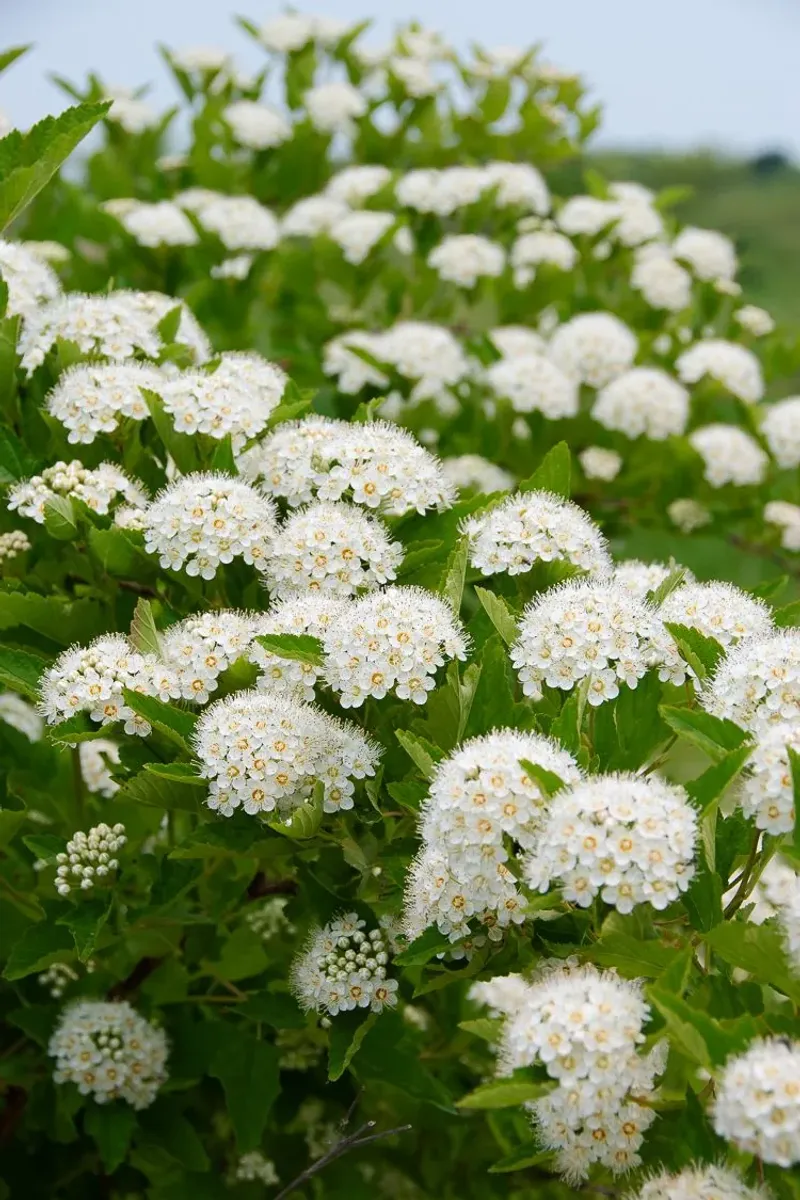
Few native shrubs put on a show quite like the American Elderberry. By late summer, this fast-growing plant is loaded with heavy clusters of dark purple-black berries that practically glow against the green leaves.
It is one of the most productive berry-producing shrubs you can plant in a Pennsylvania yard.
Robins, cardinals, and bluebirds absolutely love elderberries. Catbirds and cedar waxwings also flock to this shrub when the berries ripen.
Because the fruit matures in August and September, elderberry fills an important food gap before many other fall berries become available. Birds do not wait long once the clusters turn dark and juicy.
Elderberry grows best in full sun to partial shade and tolerates moist soils well, making it a solid choice for many Pennsylvania landscapes. It can grow six to twelve feet tall, so it also works as a natural privacy screen or windbreak.
In spring, the large flat-topped white flower clusters attract pollinators, giving your yard a double benefit.
Planting two or more elderberry shrubs close together improves berry production and gives birds even more reason to visit. You can find elderberry at most Pennsylvania native plant nurseries.
It is a low-maintenance shrub that rewards you with years of bird activity and natural beauty throughout every season.
2. Serviceberry
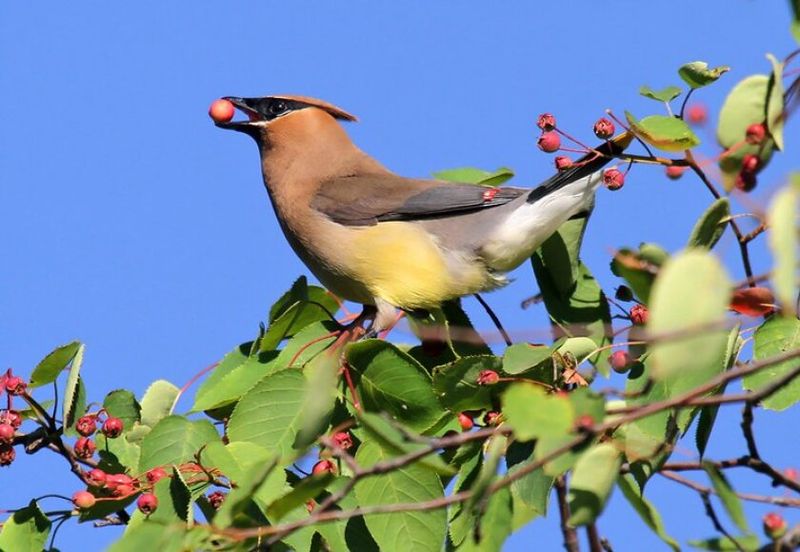
Serviceberry earns its place in any Pennsylvania yard by being one of the earliest plants to offer food to returning songbirds in spring. The delicate white blossoms appear before most other trees have even leafed out, making the whole plant look like it is dusted with snow.
Then, by early summer, those flowers transform into sweet, blueberry-like berries that birds absolutely cannot resist.
Robins, catbirds, and cedar waxwings are among the first to discover the ripe fruit. Baltimore orioles and scarlet tanagers also stop by during migration, treating your yard like a welcome rest stop.
The berries do not last long once the birds find them, so enjoy watching the action while it happens.
Your Pennsylvania Garden Changes Every Week. Your Plan Should Too.
Gardening in Pennsylvania changes quickly throughout the season. Every Friday you’ll receive a simple weekly plan showing exactly what to plant, prune, fertilize, harvest, and protect so you never miss the right timing.
Serviceberry works beautifully as a small ornamental tree or multi-stemmed shrub, typically growing between six and twenty feet tall. It fits well in smaller Pennsylvania yards and also looks stunning along woodland edges or near a patio.
The fall foliage turns brilliant shades of orange and red, giving you three full seasons of visual interest.
Planting serviceberry in well-drained soil with full sun to light shade gives you the best berry production. Native cultivars like Amelanchier canadensis are hardy and well-adapted to Pennsylvania winters.
Add one to your yard and you will have birds visiting from spring all the way through summer without much effort at all.
3. Winterberry Holly
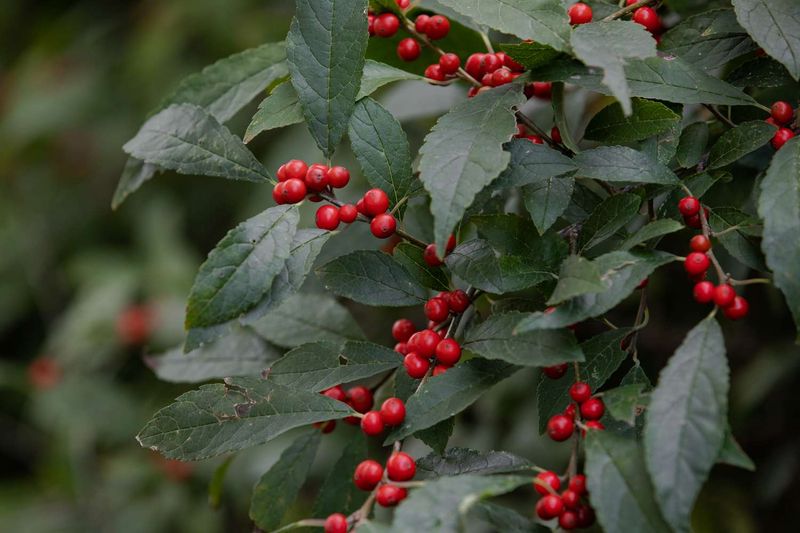
Picture a bare-branched shrub absolutely covered in bright, candy-red berries against a cold gray Pennsylvania sky. That is winterberry holly in its full glory, and it is one of the most striking sights in any winter garden.
Unlike many plants that drop their fruit early, winterberry holds onto those brilliant red berries well into winter, making it a lifesaver for hungry birds during the coldest months.
Robins, bluebirds, and cedar waxwings rely heavily on winterberry when other food sources are covered in snow or simply gone. Hermit thrushes and mockingbirds are also frequent visitors.
Because Pennsylvania winters can be long and harsh, having a plant that keeps feeding birds through January and February is genuinely valuable for local wildlife.
Winterberry is a native deciduous holly, meaning it drops its leaves in fall. That actually works in your favor because once the leaves fall, those red berries become even more visible and accessible to birds.
The shrub grows four to ten feet tall and thrives in moist or wet soils, making it a great choice for low-lying spots in Pennsylvania yards.
One important tip: you need both a male and female plant for berry production. Plant one male winterberry near every three to five female plants.
Place them in full sun for the heaviest berry crops. Once established, this native shrub needs very little care and delivers spectacular results every single fall and winter season.
4. Blueberry
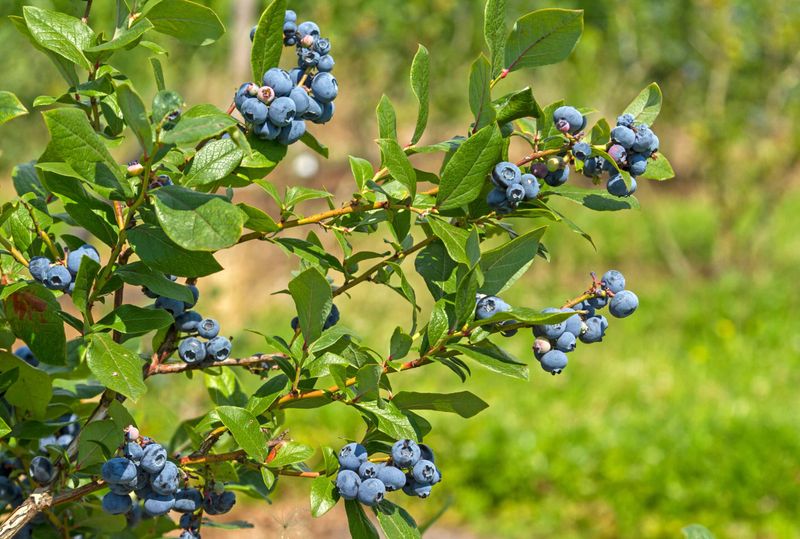
Blueberries might just be the most hardworking plant you can add to a Pennsylvania yard. Not only do they produce delicious fruit that you and your family can enjoy, but they also serve as a prime summer food source for a wide range of songbirds.
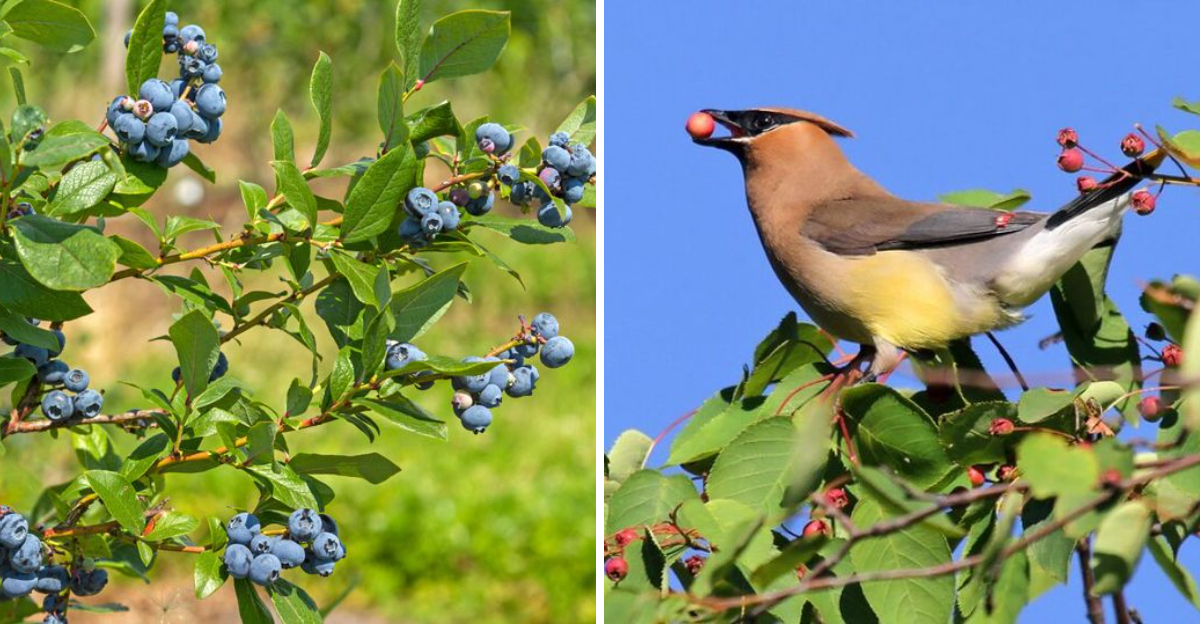
Thrushes, robins, and catbirds are especially fond of the ripe blue berries that appear from June through August.
Highbush blueberry, the variety best suited to Pennsylvania’s climate, can grow four to seven feet tall and produces heavy crops of berries when planted in pairs or groups.
The birds will often get to the berries before you do, which is both frustrating and absolutely delightful depending on how you look at it.
If you want to save some for yourself, try netting a portion of the plant while leaving some branches open for birds.
Beyond the fruit, blueberry shrubs offer excellent habitat. Their dense branching structure provides shelter and potential nesting spots for small songbirds.
The small, bell-shaped white flowers in spring also attract native bees and other pollinators, adding even more life to your yard.
Blueberries prefer acidic, well-drained soil and plenty of sunshine, which is easy to achieve in most Pennsylvania gardens with a bit of soil preparation. Adding pine bark mulch helps keep the soil pH right where blueberries like it.
Plant at least two different varieties near each other to boost pollination and get the biggest, most abundant berry crops possible each summer.
5. Black Chokeberry
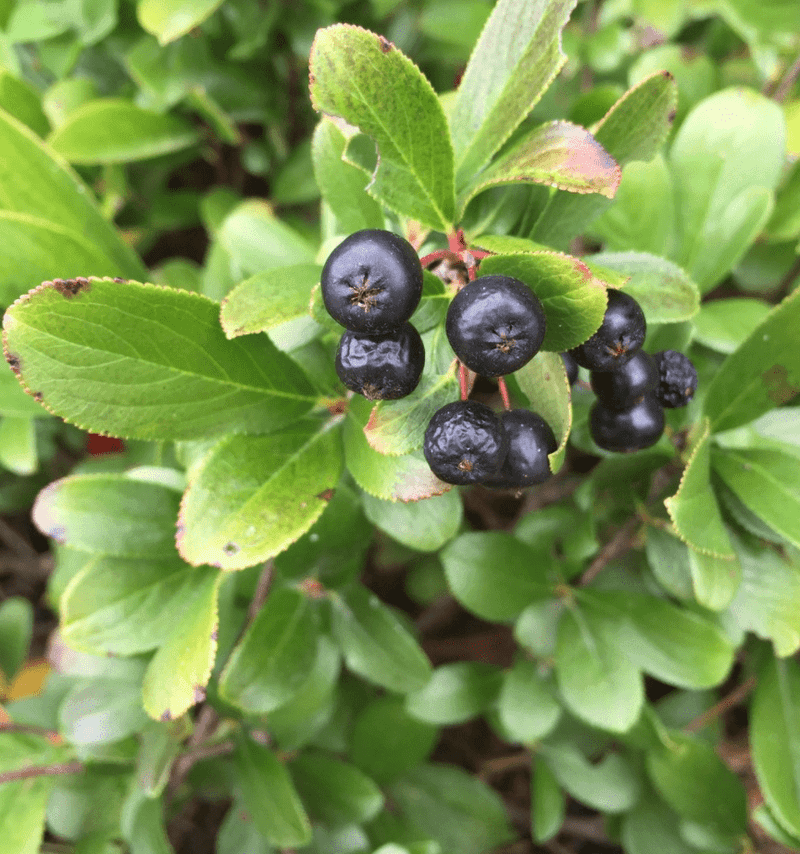
Not every bird-friendly plant needs to be flashy to be effective. Black chokeberry is a quiet overachiever that produces dense clusters of dark, glossy berries in late summer and fall, right when many Pennsylvania songbirds are bulking up for migration or preparing for winter.
The berries are not sweet enough for most humans to snack on, but birds think they are fantastic.
Cedar waxwings, robins, and hermit thrushes are among the species that regularly visit chokeberry shrubs. The berries persist on the plant for a long time, which means birds can return again and again throughout fall.
That extended food availability makes black chokeberry especially valuable compared to plants whose fruit disappears within days of ripening.
From a gardening standpoint, black chokeberry is one of the easiest native shrubs you can grow in Pennsylvania. It tolerates a wide range of soil types, handles both wet and dry conditions, and grows well in full sun or partial shade.
It typically reaches three to five feet tall and spreads slowly over time, eventually forming a tidy, rounded clump.
Spring brings clusters of small white flowers that attract early pollinators. Fall foliage turns a brilliant red-orange that rivals any ornamental shrub.
If you are looking for a low-fuss, high-reward plant that supports Pennsylvania wildlife while looking great in your yard, black chokeberry deserves a serious spot on your planting list. It truly earns its keep in every season.
6. Spicebush
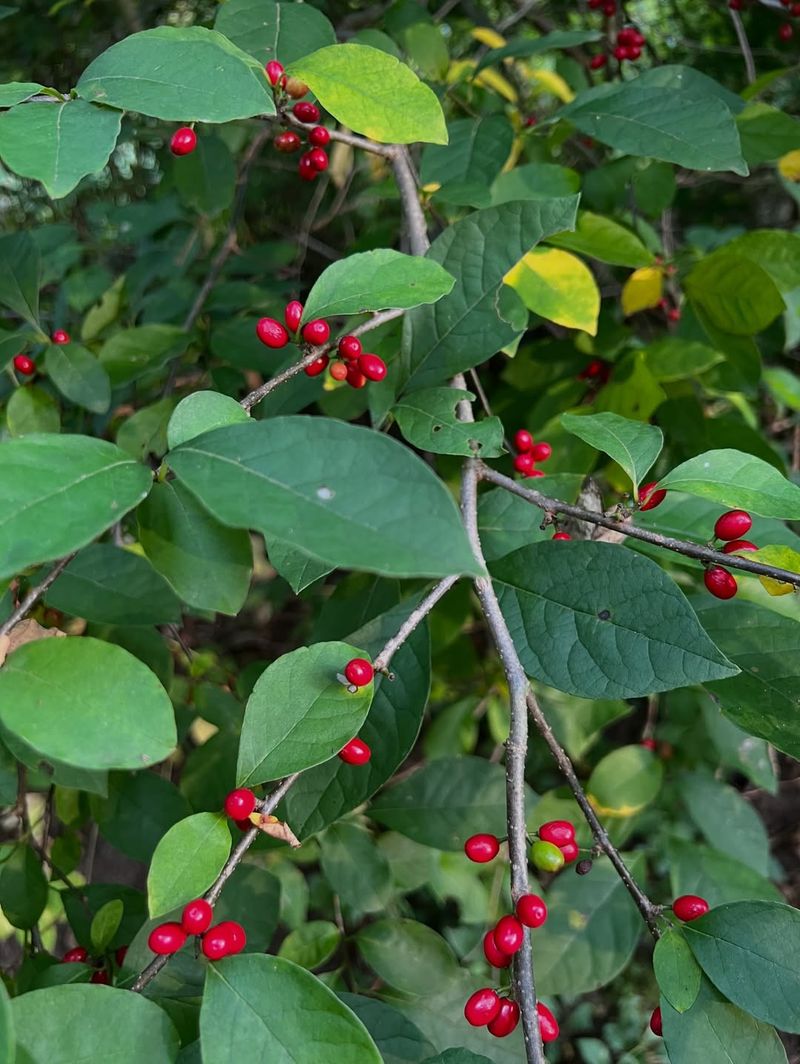
Walk past a spicebush on a warm Pennsylvania afternoon and give a leaf a gentle rub. The spicy, citrusy scent that rises up is one of nature’s little surprises.
But it is the bright red berries that appear in late summer and fall that really make this native shrub a star attraction for songbirds in the region.
Wood thrushes are especially fond of spicebush berries and are known to time their fall migration around when the fruit ripens. Veeries, gray-cheeked thrushes, and other migratory species also stop to fuel up on the high-fat berries before heading south.
That fat content is important because it gives birds the energy they need for long journeys, making spicebush a genuinely critical plant for migratory songbirds passing through Pennsylvania.
Spicebush thrives in shaded or partly shaded spots, which makes it perfect for planting under larger trees or along woodland edges. It grows four to twelve feet tall and works beautifully as a natural understory shrub.
In early spring, tiny yellow flowers bloom before the leaves emerge, offering one of the first nectar sources of the season for native bees.
You will need both male and female plants to get berries, so plan to plant at least two. Once established, spicebush needs very little care and is highly resistant to pests and disease.
For Pennsylvania gardeners who want to support migratory songbirds while adding a unique, fragrant native shrub to the yard, spicebush is an outstanding and often overlooked choice worth planting.
7. Crabapple
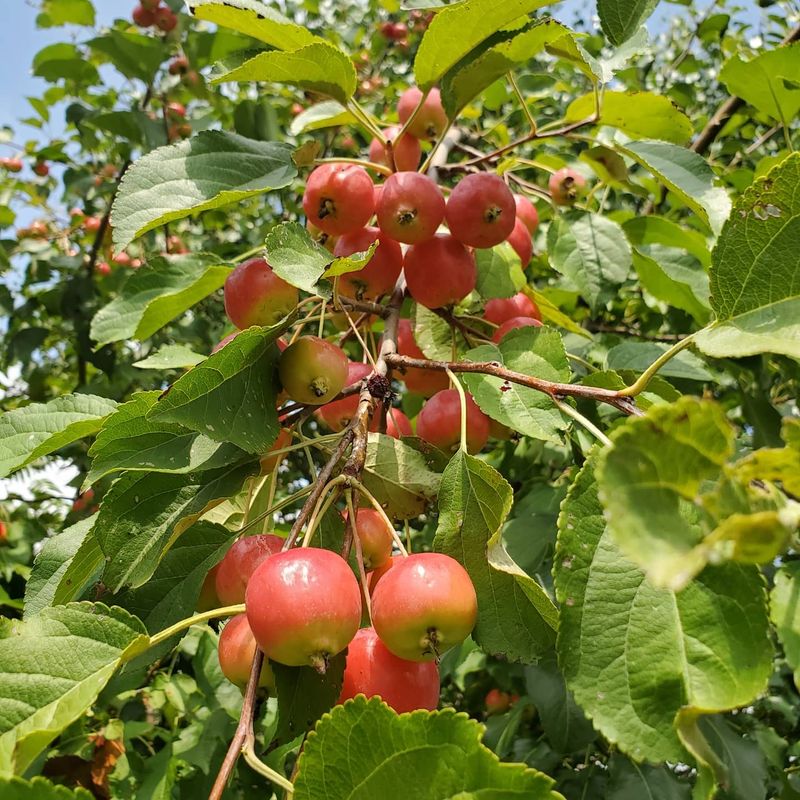
There is something almost magical about watching a crabapple tree in a Pennsylvania yard during late fall and winter. The branches are dotted with small, jewel-like fruit in shades of red, orange, and yellow, and the birds just cannot leave it alone.
Cedar waxwings, robins, and American goldfinches are among the many species that treat crabapple trees like their personal dining room.
Crabapple fruit is remarkable because it stays on the tree long after other berries are gone. Some varieties hold their fruit all the way through winter, giving birds a reliable food source during the months when Pennsylvania weather is at its harshest.
A single mature crabapple tree can feed dozens of birds over the course of a season, making it one of the highest-value plants you can add to your yard.
Spring is equally spectacular, when the tree bursts into clouds of pink or white blossoms that attract native bees and early pollinators. The combination of spring flowers, summer foliage, and fall fruit means crabapple delivers something beautiful in every season.
Most varieties grow fifteen to twenty-five feet tall, though compact dwarf types are available for smaller spaces.
When choosing a crabapple for your Pennsylvania yard, look for disease-resistant native or near-native varieties that produce small fruit under half an inch in diameter. Smaller fruit is easier for birds to swallow whole.
Plant in full sun with good air circulation, and you will have a thriving tree that draws songbirds back year after year with very little maintenance needed.
8. Virginia Creeper
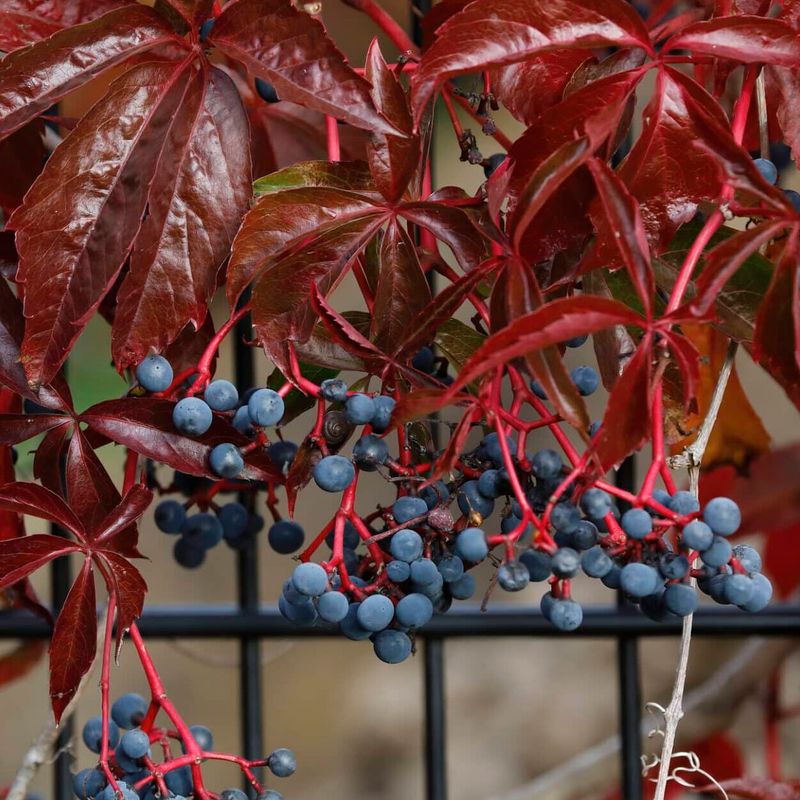
Virginia creeper is one of those plants that tends to get a bad reputation simply because it grows so enthusiastically. But for Pennsylvania songbirds, this vigorous native vine is one of the most generous food sources in the entire yard.
In late summer and fall, it produces dense clusters of small, dark blue-black berries that birds absolutely adore.
Woodpeckers, mockingbirds, and thrushes are among the many species that feast on Virginia creeper berries. Bluebirds and warblers also stop to snack during fall migration.
The berries ripen right around the time many birds are preparing for their southward journeys, so the timing could not be better. The vine essentially acts as a migration fueling station right in your own Pennsylvania backyard.
Beyond food, Virginia creeper provides exceptional shelter. Its dense, layered growth creates excellent hiding spots and potential nesting locations for small birds.
The five-lobed leaves turn a stunning crimson red in fall, making the vine one of the most visually dramatic plants in any yard during the autumn months.
Virginia creeper climbs fences, trellises, tree trunks, and walls using adhesive pads, so it needs something to climb or it will spread along the ground. It grows in full sun to full shade and tolerates most soil types, making it incredibly adaptable to different Pennsylvania yard conditions.
Just give it some guidance early on and it will reward you with years of beauty, bird activity, and lively seasonal color that never gets old.