11 Plants That Can Boost Soil Nitrogen In Oregon Vegetable Gardens
Lush vegetable gardens rarely happen by accident. Behind every basket of crisp lettuce or thriving tomato plant sits one key ingredient in the soil: nitrogen.
This nutrient powers leafy growth and keeps plants strong and productive. In Oregon gardens, though, nitrogen often slips away faster than expected.
Heavy winter rains wash nutrients from the soil, leaving spring beds a little hungrier than they look. Some gardeners reach for fertilizer.
Others let plants do the work. Certain crops form partnerships with soil bacteria that pull nitrogen straight from the air and store it in their roots, quietly feeding the soil as they grow.
Oregon’s mild climate makes this process especially useful. Cool season legumes thrive through damp winters, while warm season varieties help recharge garden beds in summer.
Over time, a few well chosen nitrogen builders can turn tired soil into a rich foundation for healthier harvests.
1. Crimson Clover Adds Quick Spring Nitrogen To Garden Soil
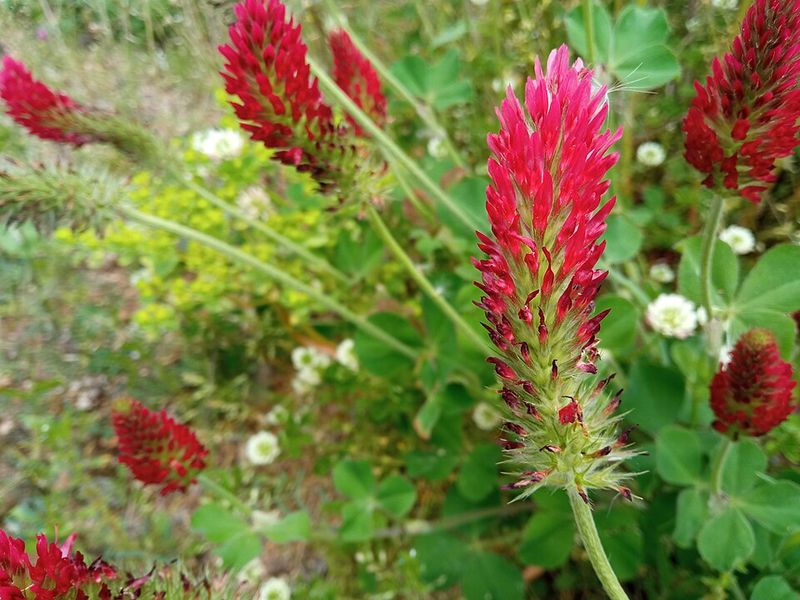
Few cover crops wake up a tired garden bed quite as reliably as crimson clover.
With its striking red flower spikes and rapid growth habit, this winter-hardy legume has earned a solid reputation among Oregon vegetable gardeners who want fast, natural nitrogen improvement.
It grows especially well in Western Oregon, where mild, wet winters give it plenty of time to establish.
Plant crimson clover seeds in early fall, right after your summer crops are finished. It will grow steadily through the cool months, protecting bare soil from erosion while its roots quietly work to capture nitrogen from the air.
By late spring, the plants can contribute around 3 to 4 pounds of nitrogen per 1,000 square feet when tilled under as green manure.
Turning crimson clover into the soil a few weeks before planting vegetables gives the organic matter time to break down and release nutrients.
Beyond nitrogen, it also improves soil texture, which helps Oregon clay soils drain better.
Pollinators love the blooms, so letting a few plants flower before tilling benefits your whole garden ecosystem. It is one of the easiest, most rewarding cover crops a home gardener can grow.
2. White Clover Forms A Living Mulch That Supports Soil Nitrogen
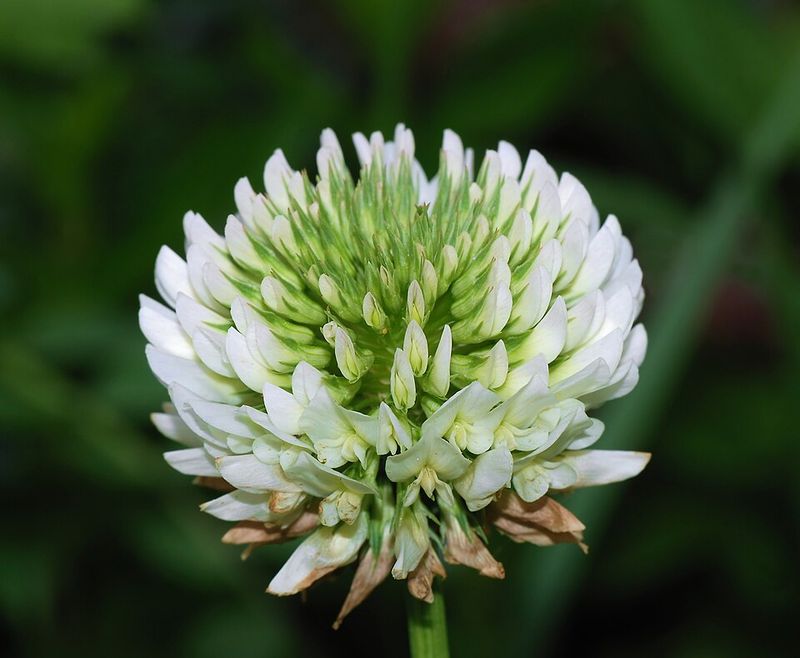
Walk through almost any productive Oregon farm and you will likely spot white clover growing between rows or along pathways.
Unlike many cover crops that are tilled under after a single season, white clover can persist as a living mulch for multiple years, gradually supporting soil fertility while helping suppress weeds.
Its low growing habit makes it useful between vegetable rows or around fruit trees. The roots host nitrogen fixing bacteria called rhizobia that store nitrogen within nodules along the root system.
That nitrogen typically becomes available to nearby plants after clippings decompose or when older roots break down in the soil.
White clover also helps hold moisture in the ground, which can be helpful during Oregon’s dry summer months when irrigation demands increase.
Gardeners often broadcast seed in early spring or early fall and keep the area lightly moist until germination. Periodic mowing keeps the plants from crowding taller crops, and the clippings left on the soil surface slowly return nutrients to the soil.
For gardeners looking for a long lasting, low maintenance soil builder, white clover fits easily into many Oregon vegetable garden systems.
3. Hairy Vetch Builds Soil Nitrogen With Vigorous Cool Season Growth
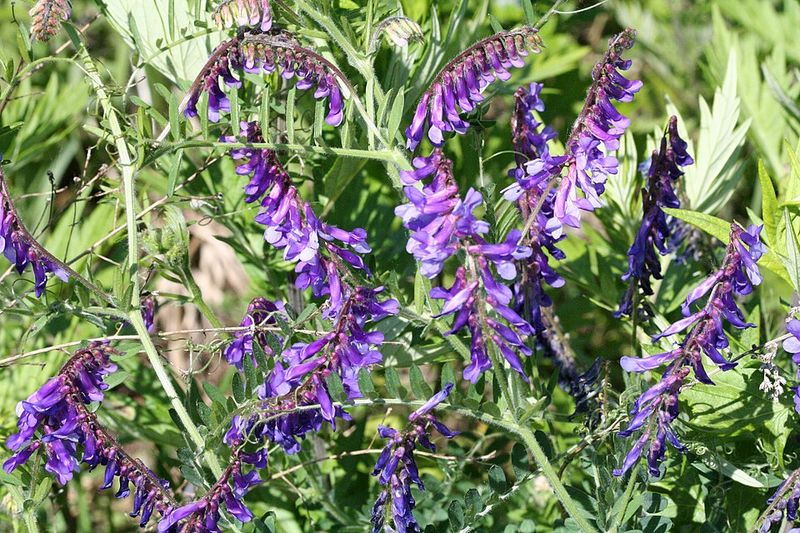
If you have ever seen hairy vetch growing in the field, you know it means business.
This vining legume grows aggressively through Oregon’s cool fall and winter months, blanketing bare soil with dense, tangled growth that protects against erosion and outcompetes many common weeds.
Its ability to thrive in a wide range of soil types makes it one of the most versatile nitrogen-fixing cover crops available to home gardeners.
Plant hairy vetch seeds in early fall, ideally mixed with a small grain like winter rye to give the vines something to climb. The combination creates a thick, weed-suppressing mat that holds together well through winter storms.
By spring, the biomass is impressive, and turning it under adds a significant boost of both nitrogen and organic matter to your vegetable garden soil.
Hairy vetch works particularly well in Oregon’s Willamette Valley, where cool, rainy winters suit its growth perfectly. Allow it to reach full bloom before incorporating it into the soil to maximize the nitrogen contribution.
One note of caution: let it fully break down before planting sensitive seedlings, as fresh vetch can temporarily suppress germination. Managed properly, it is a powerhouse soil builder for cool-season Oregon gardens.
4. Red Clover Improves Soil Nitrogen With Fast Growing Biomass
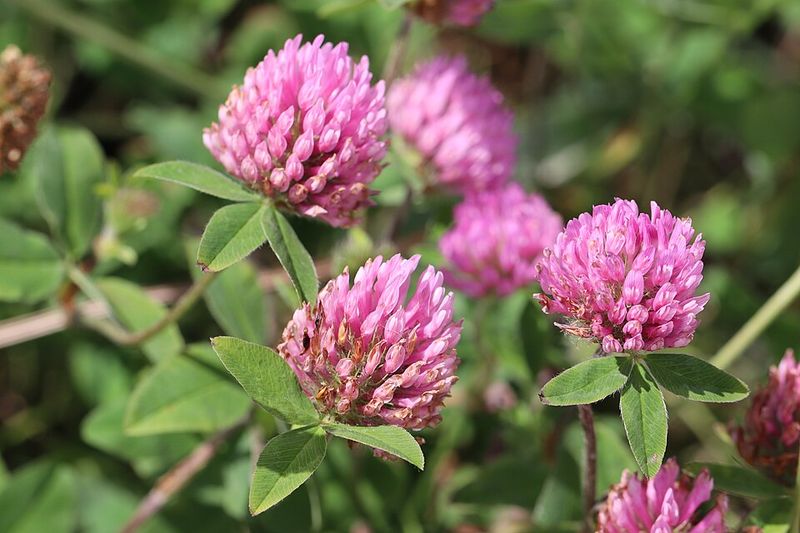
Red clover is one of the most reliable nitrogen building cover crops for vegetable gardens in Oregon. This hardy legume grows quickly in cool, moist conditions and produces abundant leafy growth that protects soil while improving fertility.
Gardeners often plant red clover in early fall after summer crops finish or in early spring before warm season vegetables go into the ground.
As the plants develop, their roots form nodules that host beneficial bacteria capable of capturing nitrogen from the air and storing it in the soil.
The dense foliage also helps shade the ground, which can reduce weed pressure and prevent soil erosion during Oregon’s rainy seasons.
When the plants begin to flower, cutting and incorporating the growth into the soil adds both nitrogen and valuable organic matter.
Red clover breaks down gradually, releasing nutrients that support the next round of vegetable crops.
For gardeners looking to rebuild soil health between planting cycles, red clover offers a practical and widely used option that fits easily into many Oregon vegetable garden rotations.
5. Austrian Winter Peas Improve Soil Nitrogen During Cool Weather
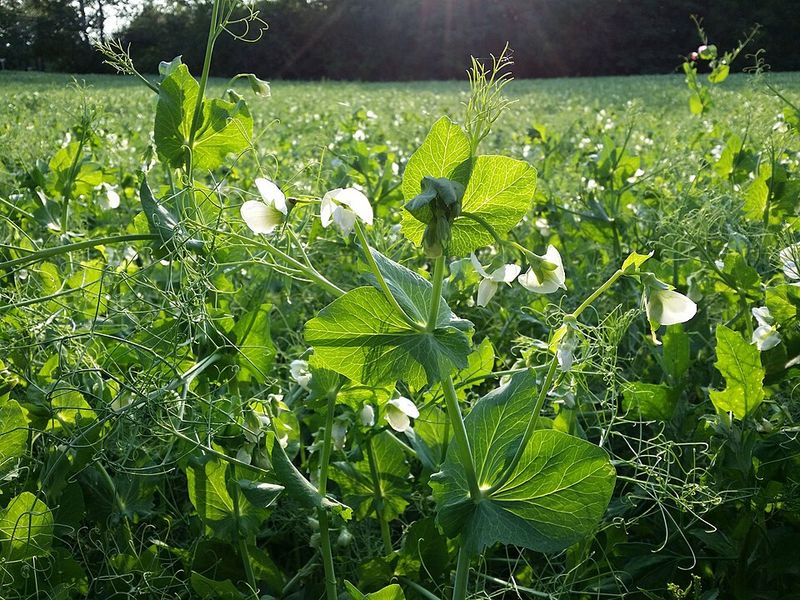
Austrian winter peas have been a trusted tool in Pacific Northwest farming for generations, and for good reason.
Hardy enough to handle Oregon’s cool, wet winters, these legumes grow vigorously during the season when most garden beds would otherwise sit bare and unprotected.
They fix nitrogen steadily through their root systems while also providing excellent ground cover that prevents nutrient runoff during heavy winter rains.
Sow Austrian winter pea seeds in early fall, roughly six weeks before the first expected frost, to give plants enough time to establish before cold weather arrives.
They pair well with hairy vetch or winter rye, creating a dense mixed cover that holds soil in place and maximizes nitrogen production.
Come spring, the lush green growth can be tilled into the soil several weeks before planting your summer vegetables.
The nitrogen released as the plant material breaks down feeds your crops naturally, reducing the need for store-bought fertilizers.
Austrian winter peas also add meaningful amounts of organic matter, which improves both drainage in heavy Oregon clay soils and water retention in sandier garden beds.
For gardeners who want a reliable, cold-tolerant legume that earns its place in any Oregon vegetable garden rotation, Austrian winter peas are a dependable and rewarding option.
6. Fava Beans Support Soil Nitrogen While Growing In Cool Seasons
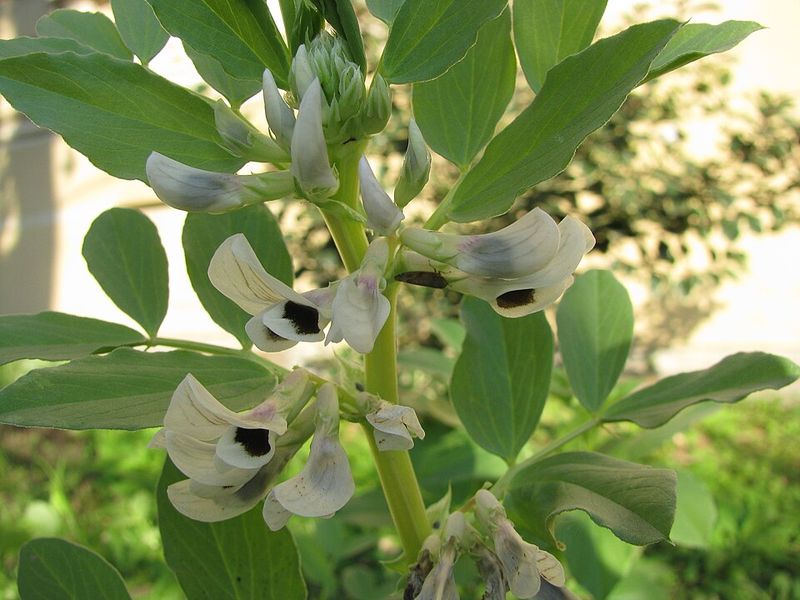
Gardeners in Oregon are lucky because fava beans, unlike many beans, actually prefer cool weather.
They can be planted in late winter or early spring, even when temperatures are still chilly, making them one of the earliest nitrogen-fixing crops you can get into the ground.
Some Oregon gardeners even plant them in fall for overwintering, giving them a serious head start on spring soil improvement.
Fava beans develop a robust root system packed with nitrogen-fixing nodules that work actively through the cool growing season. For maximum soil benefit, till the plants under when they begin to bloom rather than waiting for pod development.
At that stage, the nitrogen content in the plant tissue is at its peak, and incorporating the green material into the soil gives it time to decompose before summer planting begins.
Beyond their soil-building value, fava beans are edible, so gardeners can harvest some pods for the kitchen while leaving the rest to work as green manure.
The plants grow tall and sturdy, reaching 3 to 5 feet in height, and may need simple staking in Oregon’s windy spring conditions.
Their large leaves also shade the soil effectively, keeping weed pressure down throughout the cool growing period.
7. Field Peas Add Nitrogen And Organic Matter To Garden Beds
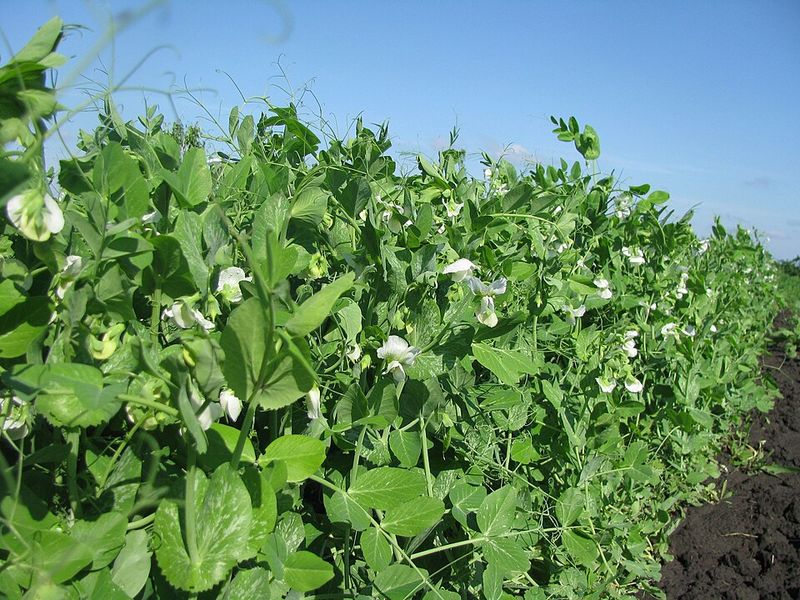
Field peas are the workhorses of the cool-season cover crop world, quietly doing two important jobs at once: fixing nitrogen and adding bulk organic matter to garden soil.
Gardeners across Oregon have relied on them for years as a straightforward, affordable way to improve soil fertility without reaching for synthetic fertilizers.
They establish quickly and grow well in the mild, moist conditions that Oregon springs reliably deliver.
Plant field pea seeds in early spring as soon as the soil can be worked, or in early fall for a winter cover crop.
They grow as vines and benefit from support, but mixing them with oats or winter rye gives them natural scaffolding while also boosting overall biomass production.
The combination creates a rich, nutrient-dense green manure when tilled under before summer planting.
Field peas decompose relatively quickly compared to woodier cover crops, which means the nitrogen they contribute becomes available to vegetable roots faster.
For Oregon gardeners working with depleted or compacted soil, adding field peas to the rotation even once or twice a year can produce noticeable improvements in soil structure and fertility.
They are an accessible entry point for any gardener exploring the benefits of nitrogen-fixing plants for the first time.
8. Common Beans Leave Nitrogen Supporting Roots In Garden Soil
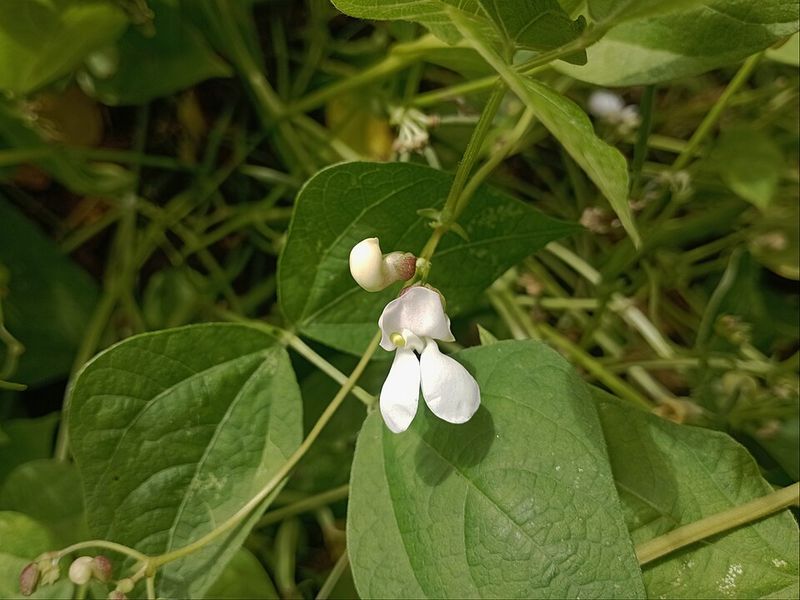
Most Oregon vegetable gardeners grow common beans for the harvest, but the plants offer a small soil benefit as well.
Bush beans, pole beans, and snap beans belong to the legume family, which means their roots form partnerships with nitrogen fixing bacteria throughout the growing season.
Much of the nitrogen produced supports the bean plants themselves, helping them develop foliage and pods. Some nitrogen remains stored within the root nodules below ground.
Leaving the roots in the soil after harvest allows a portion of that nitrogen to remain in the garden as the roots gradually break down.
Beans prefer warm soil, so planting usually happens in late spring or early summer in Oregon once nighttime temperatures remain consistently mild.
The plants grow quickly through the warm months and provide steady harvests before cooler weather returns. When the season ends, cutting plants at soil level rather than pulling them out keeps the root system in place.
That simple step allows the soil to retain some of the nutrients captured during the growing season.
9. Soybeans Help Improve Soil Nitrogen During Summer Growth
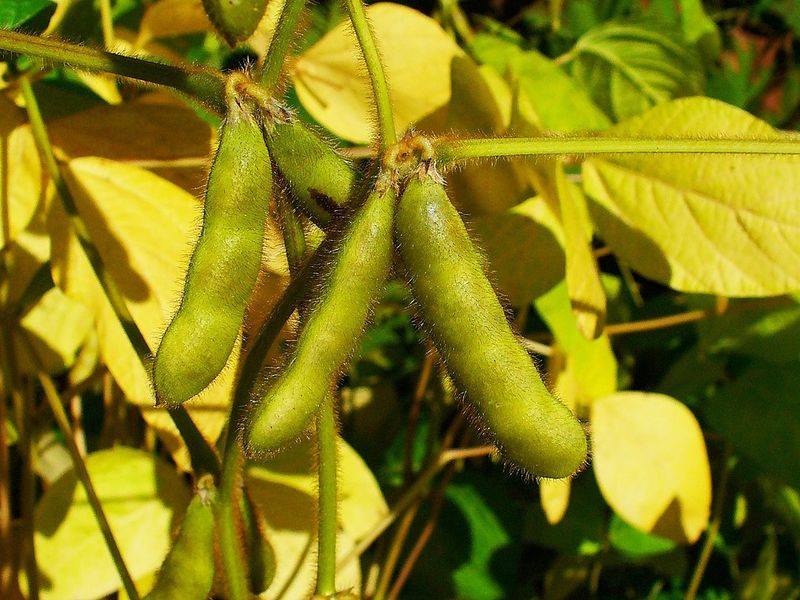
Soybeans are not the most common crop in home gardens, but they can perform well in warmer parts of Oregon such as inland valleys where summer temperatures stay consistently warm.
Like other legumes, soybean roots form nodules that host nitrogen fixing bacteria, allowing the plants to capture nitrogen from the air while they grow.
Plant seeds after the last frost once soil temperatures reach about 60 degrees Fahrenheit. The plants develop into sturdy, upright bushes that usually do not require staking and can tolerate moderate summer dryness with occasional watering.
Gardeners may harvest some pods for food while leaving the remaining plant material to support soil improvement.
When the season finishes, cutting the plants and incorporating the residue into the soil adds organic matter while the remaining roots slowly release nitrogen as they break down.
In suitable Oregon climates, soybeans can serve as a useful warm season legume that contributes modest improvements to soil fertility.
10. Cowpeas Add Nitrogen While Thriving In Warm Garden Conditions
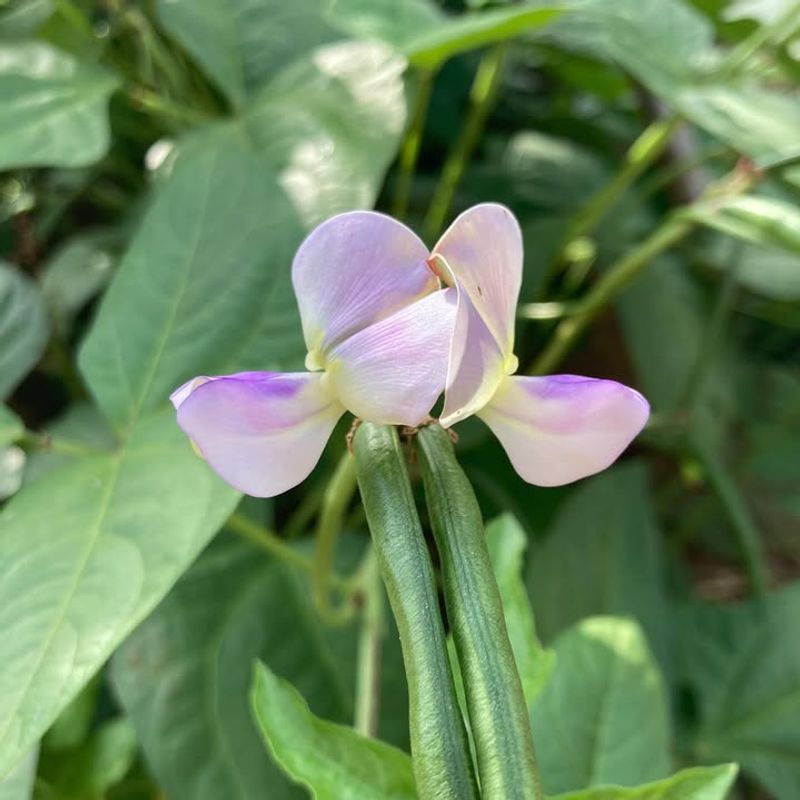
Cowpeas, also known as southern peas or black eyed peas, are legumes that thrive in warm growing conditions. They perform best in Oregon gardens that experience hot summer weather, particularly inland valleys or sunny raised beds that warm quickly.
While many nitrogen fixing plants prefer cooler seasons, cowpeas grow vigorously during the warmest part of the year and can help build soil fertility during summer.
Seeds are typically sown once frost danger has passed and soil temperatures remain warm, often in late May or early June in many Oregon locations.
The plants spread across the soil surface or climb simple supports, creating a leafy canopy that helps shade the ground and limit weed growth. Their roots host nitrogen fixing bacteria that gradually add nutrients to the soil during the growing season.
For gardeners interested in improving soil health, cowpeas can be incorporated into the soil when the plants reach flowering or early pod formation.
In warm parts of Oregon, they provide a productive summer legume that contributes organic matter and modest nitrogen support to vegetable garden beds.
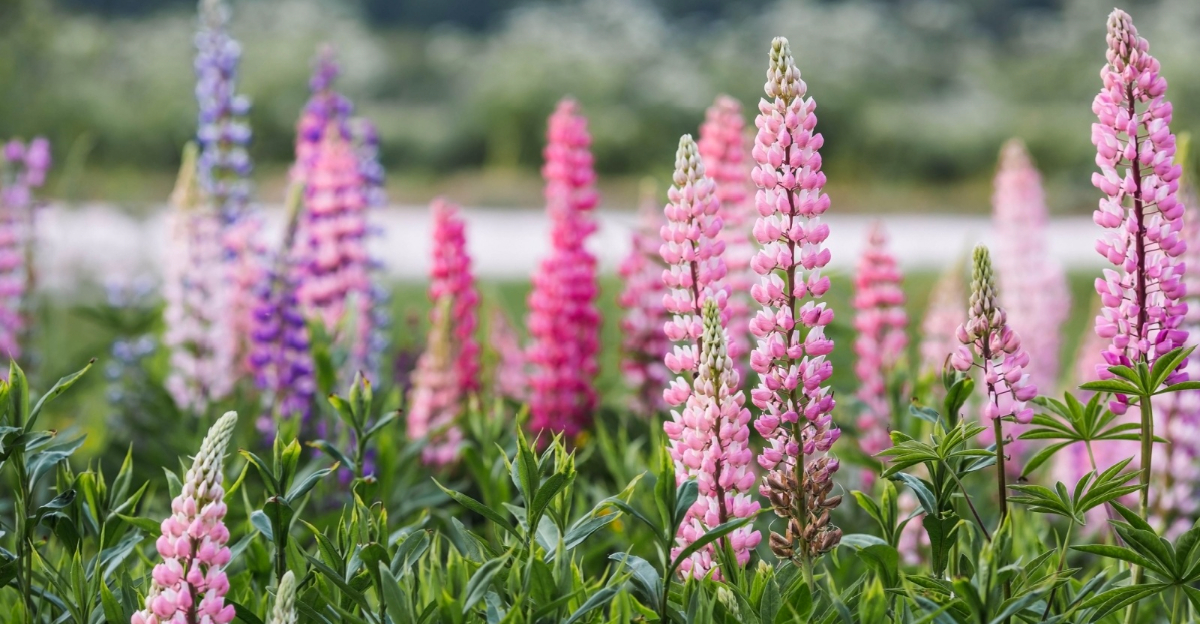
11. Lupines Support Soil Nitrogen While Adding Color To The Garden
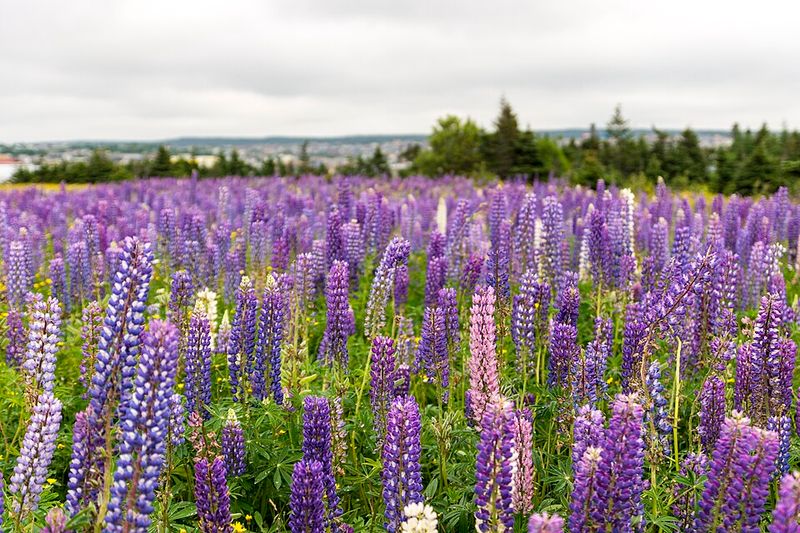
Tall flower spikes and vibrant colors make lupines one of the most recognizable plants in many Oregon landscapes. Purple, blue, pink, and white blooms often appear in late spring, drawing pollinators and adding visual interest around garden borders.
Beneath the surface, lupines belong to the legume family and form root nodules that host bacteria capable of fixing nitrogen in the soil.
That ability means lupines do contribute to soil fertility. However, they are usually grown as ornamental plants or native wildflowers rather than as working cover crops in vegetable gardens.
Most gardeners plant them for their flowers and pollinator value instead of incorporating them into soil improvement rotations.
Unlike common green manure crops such as clover or vetch, lupines are rarely cut down and tilled into the soil to release nutrients. Their growth habit and ornamental role make them less practical for the quick planting cycles typical of vegetable beds.
Even so, lupines can still provide some soil benefits. Their deep roots help loosen compacted ground, and the nitrogen fixing process supports overall soil health over time.
Planting them along garden edges or nearby beds offers a way to add color while still contributing modest improvements to the surrounding soil.